Source Top Hung Caravan Window with Roller Blind for RVs, Campers, Trailers
Find 30 Top Hung Caravan Window with Roller Blind options from verified Chinese suppliers. Compare aluminum frames, acrylic glass, and fly screen features for RVs, campers, and motorhomes. Explore customizable sizes, ECE/DOT certifications, and various opening mechanisms to ensure thermal insulation and insect protection for your specific vehicle needs.
Updated
Key considerations
Products List
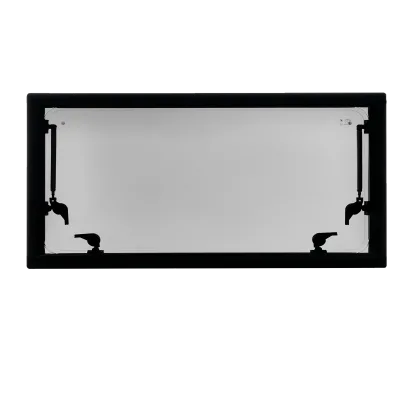
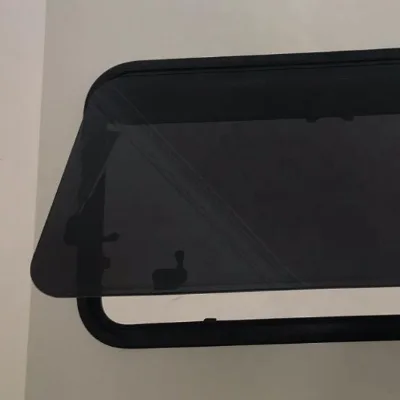
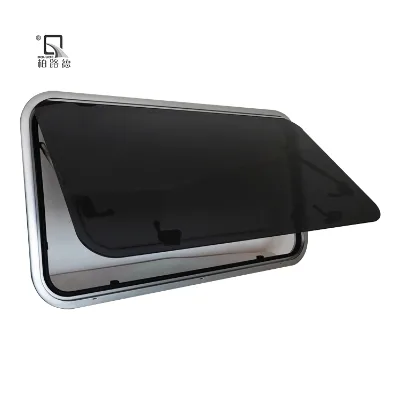
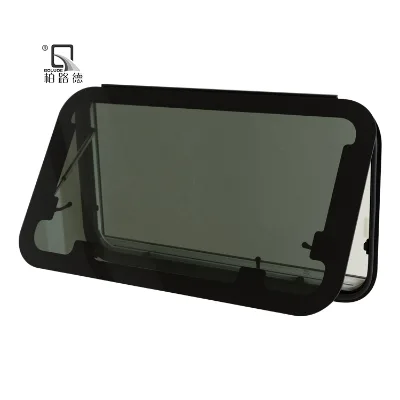
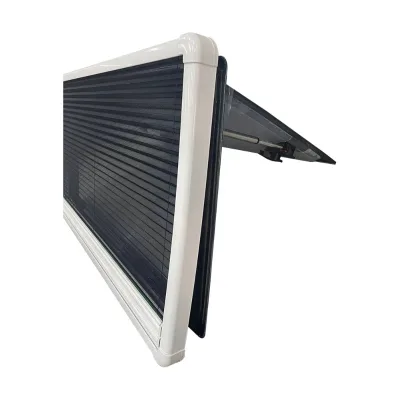
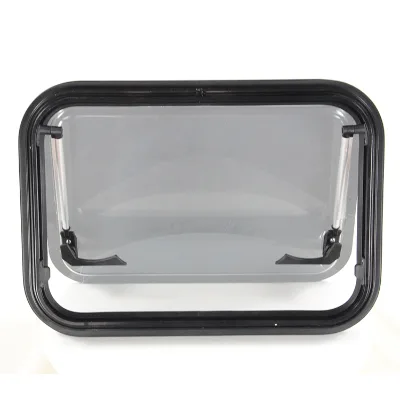
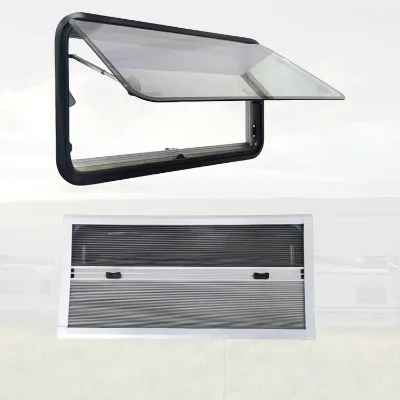
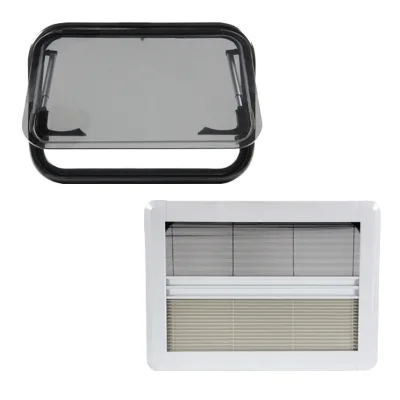


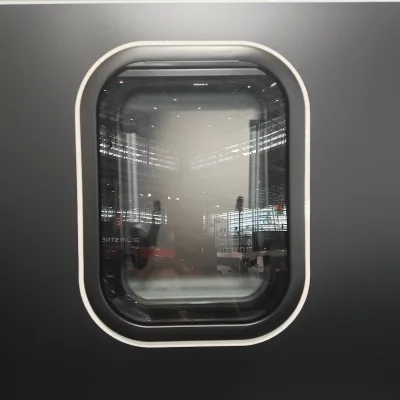
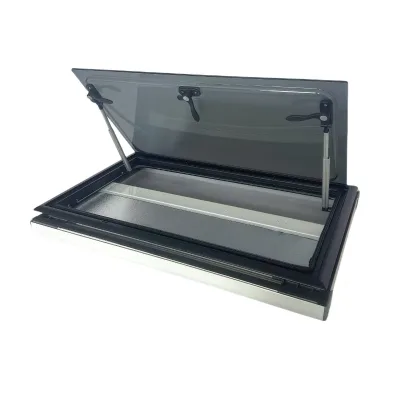
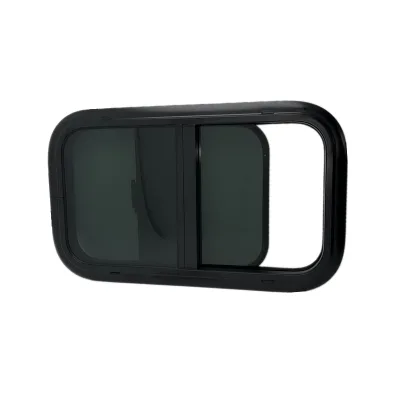
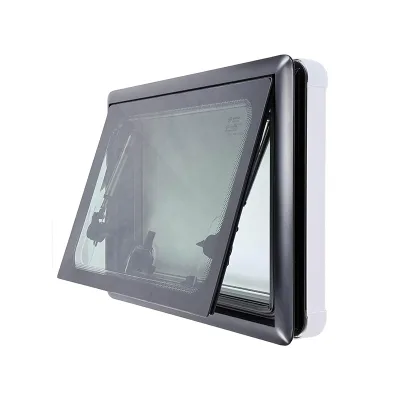
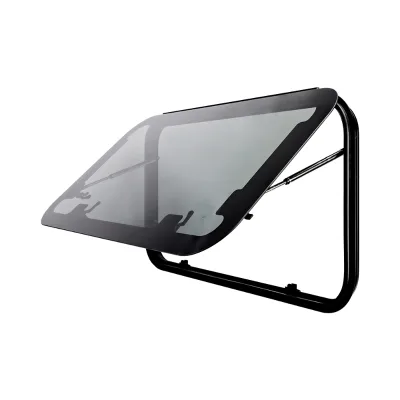

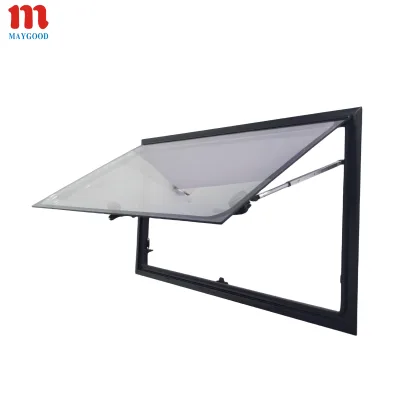
Comprehensive Sourcing Guide
Top Hung Caravan Window with Roller Blind Sourcing Guide
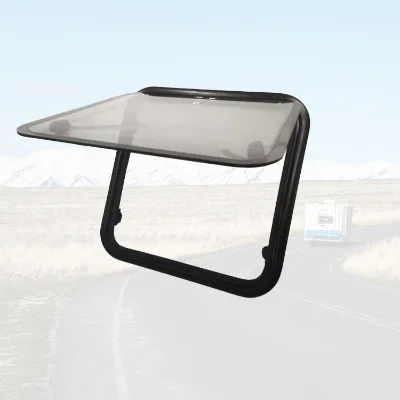
Procurement of top-hung caravan windows requires careful attention to the specific mechanical operation and sealing capabilities observed in current listings. The available market data indicates that these units often feature telescopic strut stays or stainless steel supports designed to hold the window open at any desired position, ensuring consistent ventilation for recreational vehicles. Buyers must verify that the hinge mechanism aligns with the top-hung design to prevent water ingress during heavy rain while maintaining the structural integrity of the frame.
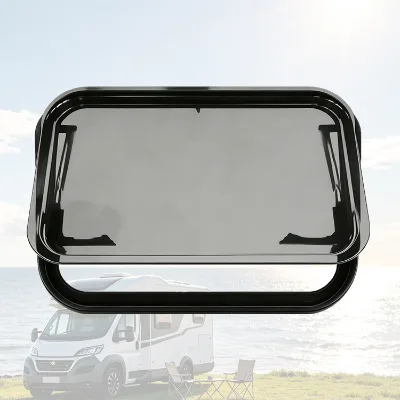
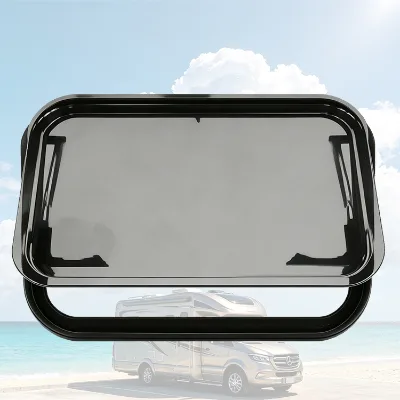
The product scope extends beyond simple glazing to include integrated shading solutions such as organ-type blinds and high-strength fiberglass mesh screens. Listings confirm that these windows frequently combine a double-deck hollow anti-UV acrylic glass with a scroll or pull-down screen system to manage light and insect entry simultaneously. Sourcing teams should prioritize suppliers who offer customizable frame colors and sizes, as the RV and caravan industry demands specific dimensions to fit existing vehicle apertures without requiring extensive modification.
Product Scope and Observed Listing Signals
Current market observations reveal a diverse range of aluminum alloy frames available in black, grey, or customizable finishes to match various vehicle aesthetics. The supply data highlights that these units are often categorized by their specific application, such as front windows for touring caravans or side windows for motorhomes, with some models explicitly designed for replacement purposes. Buyers should note that the frame construction typically utilizes high-quality insulated bridge-cut aluminum alloy to ensure durability and thermal performance in varying climates.
Listing signals indicate that the single package sizes and gross weights vary significantly depending on the specific model and glass type selected. Some units are packaged in wooden crates for larger dimensions, while others utilize pallet or paper box packing for smaller, more compact configurations. Procurement teams must carefully review the single gross weight and package dimensions to calculate accurate shipping costs, as the presence of heavy acrylic glass and metal fittings can substantially impact logistics expenses for international orders.
Technical Specifications to Verify
Verification of the fitting thickness is critical, as observed listings show adjustable ranges typically spanning from 22mm to 50mm or 26mm to 50mm depending on the specific model. Buyers must confirm that the selected window profile matches the thickness of their caravan wall to ensure a secure and weather-tight installation without gaps. The glass specifications often include double-deck hollow anti-UV acrylic, which provides superior insulation and impact resistance compared to standard single-pane options, making it a preferred choice for long-term durability.
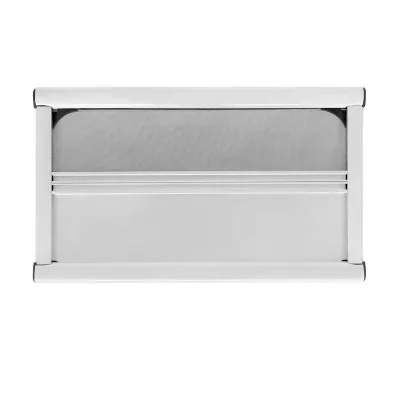
The operational mechanisms for these windows vary, with some models featuring telescopic struts and others utilizing stainless steel supports that allow the window to stop at any location. It is essential to verify the type of fly screen included, as options range from high-strength fiberglass mesh to scroll-type white screens or organ-type blinds that pull up and down. Sourcing teams should request detailed diagrams of the opening mechanism to ensure the hardware is robust enough to withstand the vibrations and movements inherent to road travel.
Compliance and Safety Documentation
Safety compliance is a primary concern for caravan windows, with several listings explicitly citing ECE, DOT, and Emark certifications for their glass and frame assemblies. These certifications indicate that the products meet specific international standards for vehicle safety and roadworthiness, which is particularly important for windows installed in the front or side of moving vehicles. Buyers should request valid certification documents for every batch ordered to ensure that the products have not been subject to unauthorized modifications or quality degradation during transit.
Additional glass certifications such as CCC are also observed in the market, suggesting that some manufacturers adhere to rigorous domestic and international quality control standards. Procurement teams must verify that the specific model number, such as YA-RWT-04 or YA-WT-07, corresponds to the certified batch to avoid receiving non-compliant inventory. Ensuring that the supplier can provide traceable documentation for all safety claims is a necessary step to mitigate liability risks and ensure the safety of the vehicle occupants.
Cost Drivers and Commercial Terms
The observed price range for these windows spans from approximately 35 to 283.59 USD, reflecting significant variations in size, glass type, and included features like blinds or screens. The cost is heavily influenced by the choice of frame material, with high-quality insulated aluminum alloy commanding a premium over standard profiles, and the inclusion of double-deck hollow acrylic glass adding to the overall unit price. Buyers should analyze the total cost of ownership, including shipping and potential import duties, rather than focusing solely on the unit price listed in the catalog.
Commercial terms such as minimum order quantities and supply ability also play a crucial role in the final procurement cost. While some suppliers offer low MOQs of one unit, others may require larger orders to meet their monthly supply capacity of 500 to 5000 units. Negotiating favorable payment terms and understanding the lead times associated with custom sizes or colors is essential for maintaining project timelines, especially when sourcing from manufacturers located in regions like Shandong, China, with dispatch ports in Qingdao, Yantai, or Weihai.
Supplier Qualification and Quality Control
Supplier qualification should focus on verifying the brand reputation and the consistency of their manufacturing processes, as brands like BOLUDE, YONGAN, and LKYongan appear in the market data. Buyers must assess the supplier's ability to maintain consistent quality across different batches, particularly regarding the fitment of the frame and the reliability of the opening mechanisms. Requesting samples for physical inspection is a prudent step to validate the claims regarding thermal insulation, water sealing, and the smooth operation of the roller blinds and screens.
Quality control protocols should include a thorough examination of the packaging details to ensure that the windows are protected against damage during transit. The observed packaging methods, ranging from well-packed wooden crates to paper boxes, must be sufficient to prevent scratches on the aluminum frame or cracks in the acrylic glass. Establishing a clear quality assurance agreement with the supplier that defines acceptable defect rates and return policies is vital for protecting the buyer's investment and ensuring that the delivered products meet the specified technical requirements.
Long-Term Procurement Checks
Long-term procurement success depends on establishing a reliable supply chain that can consistently meet demand for replacement parts and new installations. Buyers should monitor the supplier's ability to maintain inventory levels for popular models and their responsiveness to custom size requests, as the caravan industry often requires non-standard dimensions. Building a relationship with a supplier who offers a wide range of compatible accessories, such as different screen types or blind mechanisms, can streamline future maintenance and upgrade projects.
Regular performance reviews of the supplied windows are necessary to identify any recurring issues with the hardware or sealing materials over time. Buyers should track the performance of the telescopic struts and stainless steel supports to ensure they remain functional after extended periods of use in varying weather conditions. Maintaining open communication with the supplier regarding any field feedback allows for continuous improvement in product design and helps prevent future procurement challenges related to product reliability or availability.
FAQs
What glass types are available for top hung caravan windows?
Top hung caravan windows typically use double-deck hollow anti-UV acrylic or tempered glass. Some models feature grey or black acrylic panels for UV protection. Tempered glass options provide enhanced safety and durability for RV applications. Buyers can choose between acrylic and glass based on weight and insulation needs.
Can top hung caravan windows include roller blinds and fly screens?
Yes, many top hung caravan windows come with integrated roller blinds and fly screens. Options include opaque organ type blinds and high-strength fiberglass mesh screens. Some designs feature up-and-down pulling types for easy operation. These accessories provide privacy, insect protection, and light control for comfortable caravan living.
What certifications do caravan windows typically hold?
Caravan windows often hold ECE, DOT, Emark, and CCC certifications. These standards ensure compliance with safety and quality regulations for automotive and RV use. Certifications vary by manufacturer and product model. Buyers should verify specific certification documents to ensure the windows meet regional legal requirements for installation in vehicles.
How are top hung caravan windows packaged for shipping?
Windows are typically packed in wooden crates or paper boxes for protection. Some suppliers use pallets for bulk shipments to prevent damage during transit. Packaging details depend on the window size and material. Proper packaging ensures the aluminum frames and glass panels arrive safely at the destination port without scratches or breakage.
What frame materials are used for caravan windows?
Frames are commonly made from high-quality aluminum alloy or insulate bridge-cut aluminum. Powder-coated aluminum frames offer durability and corrosion resistance. Colors include black, white, grey, or customizable options. The aluminum construction provides a lightweight yet strong structure suitable for RV and caravan window installations.
What is the typical supply ability for caravan windows?
Supply ability varies by manufacturer, ranging from 500 to 5000 units per month. Capacity depends on the specific product model and production line. Buyers should confirm monthly output with suppliers before placing large orders. Consistent supply ability ensures timely delivery for bulk procurement projects and ongoing caravan manufacturing needs.