Magnesium Complex Tablet Supplement Suppliers and Manufacturers
Compare 10 verified Magnesium Complex Tablet Supplement suppliers by location, lead time, certifications, and response times. Review customization options and product specifications to select a partner for your specific needs and request samples today; review the available evidence before requesting comparable quotations from suitable candidates.
Updated
Suppliers List
Tianjin Hodaf Technology Co., Ltd.
- Verified by SGS Group
- Manufacturer, Trading Company
- Lead time5 days
- Avg. response≤ 2h
Main productsVitamin Tablets, Gummy, Drops, Pre Mix powder
Main marketsNorth America(25%), Eastern Europe(25%), Southeast Asia(20%)
Guangzhou Meichuntang Biotechnology Co., Ltd.
- Verified by Intertek
- Manufacturer, Trading Company
- Guangdong, China
- Lead time15 days
- Avg. response≤ 4h
Main productsHerbal Supplements, Magnesium Capsules, Vitamins C Tablets, Selenium Methionine Capsules, Menopause Capsules
Main marketsNorth America(22%), Northern Europe(13%), South America(10%)

Gabe Health Technology Co.,Ltd
- Verified by TUVRHEINLAND
- Combined
- China Guangdong
- Lead time30 days
- Avg. response≤ 11h
Main marketsSoutheast Asia/ Mideast,Domestic,North America

Guangzhou Zhishi Molecular Technology Co., Ltd.
- Verified by SGS
- Trading Company
- China Guangdong
- Lead time15 days
- Avg. response≤ 4h
Main productsVitamin Drop, Vitamin Capsule, Maca, Maca Capsule
Main marketsDomestic

- Verified by SGS
- Manufacturer/Factory
- China Shandong
- Lead time0 days
- Avg. response≤ 3h
Main productsTablet Supplement, Hard Capsule, Time Released Capsule, Softgel Capsule, Superfood / Drink / Drop, Gummy / Probiotics, Herbal & Plant Extract, Fruit & Vegetable Powder, Empty Capsule, Premix Solutions / API
Main marketsSouth America,Eastern Europe,Mid East,North America,Southeast Asia,Eastern Asia,Oceania,Western Europe,Africa


$0.01 - $0.08
MOQ: 100000 Pieces
Anhui Fulai Pharmaceutical Co., Ltd.
- Verified by TüVRheinland
- Manufacturer, Trading Company
- Anhui, China
- Lead time15 days
- Avg. response≤ 1h
Main productsProtein Powder, Capsules, Softgel, Chewable Tablets, Oral Liquid
Main marketsDomestic Market(90%), North America(4%), Western Europe(3%)
Henan Nuoou Biotechnology Co., Ltd.
- Verified by SGS Group
- Trading Company
- Lead time10 days
- Avg. response≤ 2h
Main productsMelatonin Gummies, Biotin Gummies, Protein Gummies, Magnesium Complex Capsules, Women Probiotic Capsules
Main marketsNorth America(70%), Oceania(10%), Western Europe(10%)
Xi'an International Healthcare Factory Co., Ltd.
- Verified by Intertek
- Manufacturer, Trading Company
- Lead time10 days
- Avg. response≤ 2h
Main productsCompound Whitening Powder, Healthcare Products, Nutritional supplement, Plant Extract, Compound anti-wrinkle powder
Main marketsNorth America(40%), South America(10%), Western Europe(10%)
Zhengzhou Friend Biological Engineering Co., Ltd.
- Verified by TüVRheinland
- Manufacturer, Trading Company
- Lead time10 days
- Avg. response≤ 1h
Main productsBrown Sugar Ginger Tea, Supplement Tablet, Gummy, Ginger Tea Blocks, Sports Nutrition
Main marketsDomestic Market(15%), Eastern Europe(10%), Southeast Asia(10%)
Xi An Peace Fortune International Trade Co., Ltd.
- Verified by SGS Group
- Trading Company
- Lead time30 days
- Avg. response≤ 5h
Main productsHealthcare Supplements
Main marketsNorth America(30%), South America(20%), Western Europe(20%)
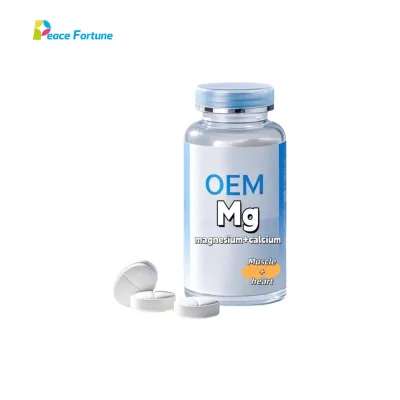
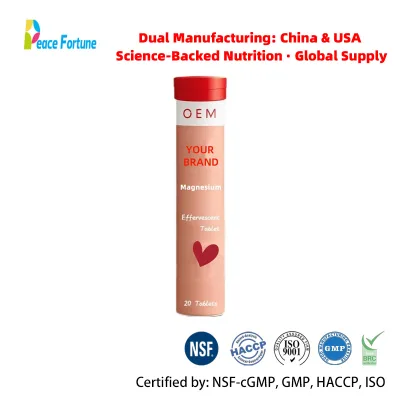
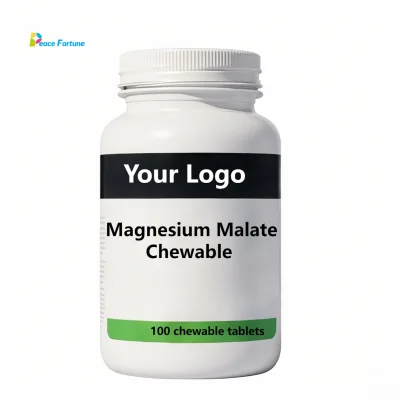
$0.0208 - $0.0311
MOQ: 300000 pieces
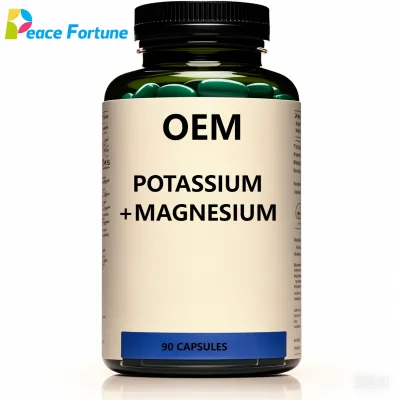
Magnesium Supplement&Food Supplements to Support Blood Pressure and Nervous System
$0.02 - $0.03
MOQ: 300000


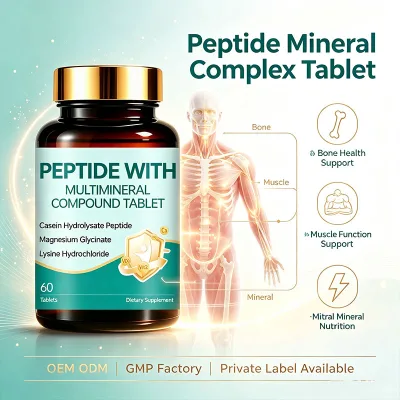
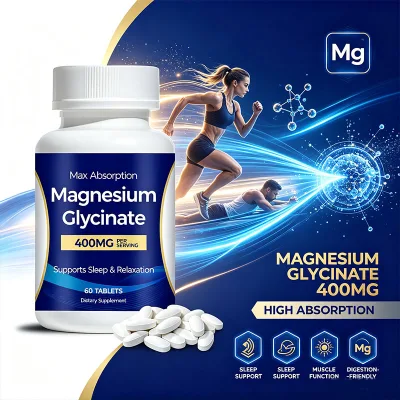
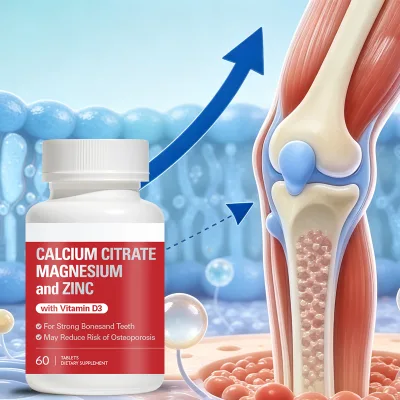

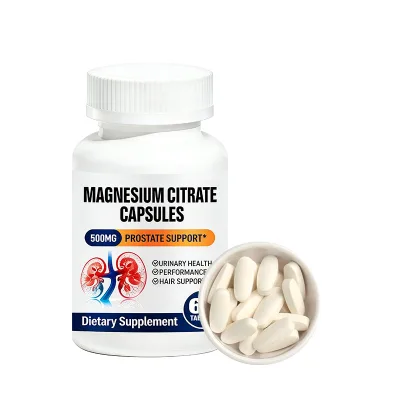


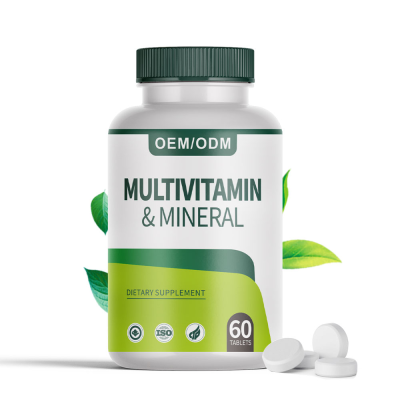

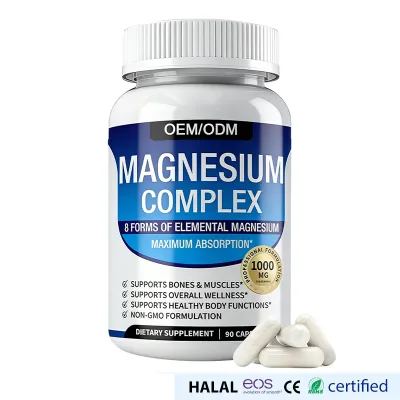

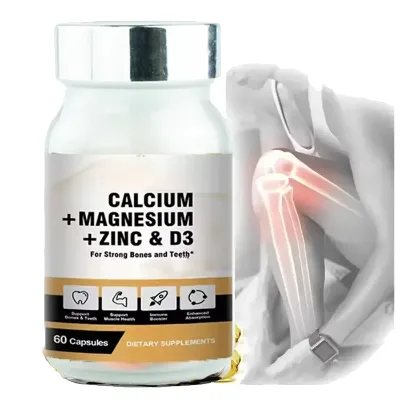
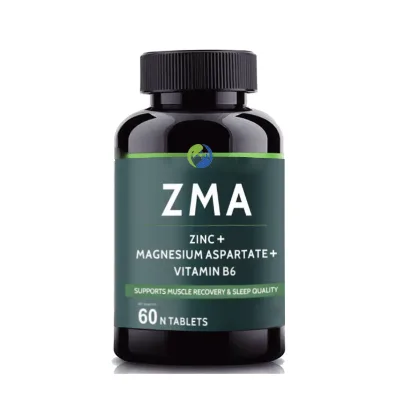
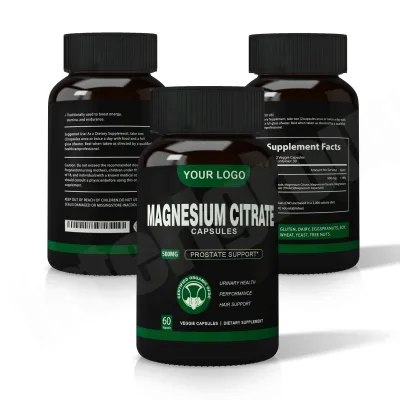
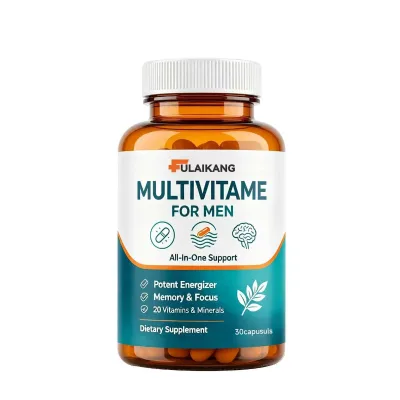
Comprehensive Sourcing Guide
Magnesium Complex Tablet Supplement Supplier Concentration and Factory Types
The manufacturing landscape for magnesium complex tablet supplements is characterized by a distinct split between specialized production facilities and broader trading entities. Buyers evaluating potential partners will encounter two primary company types: manufacturers and trading companies. Manufacturers possess the physical infrastructure to produce tablets, gummies, drops, and pre-mix powders directly, offering greater control over formulation integrity and quality assurance. These facilities often highlight their capacity for light customization, sample processing, and graphic processing, which are critical for brands seeking unique product identities. In contrast, trading companies act as intermediaries, aggregating products from various sources to offer a wider catalog of herbal supplements, magnesium capsules, vitamins C tablets, selenium methionine capsules, and menopause capsules. While trading companies may not own the production lines, they can facilitate access to diverse supply chains and simplify logistics for smaller orders. Understanding this distinction is vital for determining who holds responsibility for quality control and regulatory compliance.
Geographic concentration plays a significant role in the availability and cost structure of these supplements. Current supplier results indicate a strong presence in Guangdong, China, a region known for its robust pharmaceutical and health supplement manufacturing ecosystem. This concentration allows for efficient sourcing of raw materials and streamlined logistics for international buyers. Suppliers in this region often list their place of origin as Guangdong, China, which can serve as a proxy for identifying established industrial clusters. When assessing suppliers, buyers should look for evidence of this geographic clustering, as it often correlates with mature supply chains and competitive pricing. However, buyers must verify the actual operational status of the facility, as some listings may represent trading entities rather than the physical manufacturing site. The presence of specific product types, such as vegan magnesium complex tablets or sustained-release formulations, can also indicate the technological capabilities of the local manufacturing base.
How to Verify Magnesium Complex Tablet Supplement Suppliers
Verification is the cornerstone of mitigating risk when sourcing magnesium complex tablet supplements from international markets. Buyers must prioritize suppliers who have undergone rigorous third-party audits to ensure operational legitimacy and quality standards. Current data highlights verification by major inspection groups, with some suppliers verified by SGS Group and others by Intertek. These verifications provide a layer of confidence regarding the supplier’s business license, factory conditions, and compliance with international trade standards. Buyers should actively seek out these verification badges on supplier profiles, as they serve as independent confirmations of the entity’s existence and operational capacity. It is crucial to understand that verification does not automatically guarantee product quality, but it does confirm that the supplier is a legitimate business entity capable of fulfilling contracts. This initial step filters out fraudulent operators and establishes a baseline of trust before deeper due diligence begins.
Beyond basic business verification, buyers must scrutinize the specific certifications held by the manufacturing facilities. The production of dietary supplements requires adherence to strict regulatory frameworks, and certifications such as HACCP, ISO 22000, ISO 9001, AOAC, HALAL, GMP, NSF, and COA are critical indicators of quality management systems. Some suppliers display a comprehensive list of these certifications, including MSDS and CE, which may be relevant depending on the target market’s regulatory requirements. Buyers should request copies of these certificates and verify their validity with the issuing bodies. Additionally, the presence of specific product attributes, such as Health Food Grade or Food Grade classifications, should be cross-referenced with the supplier’s stated capabilities. For instance, a supplier claiming to produce high-absorption magnesium glycinate tablets should have the relevant quality certifications to support such claims. This detailed verification process ensures that the supplier can legally and safely produce the specific magnesium complex formulations required by the buyer’s brand.
What to Compare Across Magnesium Complex Tablet Supplement Suppliers
When evaluating multiple suppliers, buyers must systematically compare key operational metrics to identify the most suitable partner for their specific needs. One of the most critical dimensions is the response time, which indicates the supplier’s efficiency in communication and order processing. Current results show response times ranging from two to four days, with faster responses often correlating with more agile customer service teams. Buyers should prioritize suppliers with shorter response times, especially during the initial inquiry phase, as this suggests a higher level of engagement and readiness to support custom orders. Another vital metric is the lead time, which dictates the duration from order placement to shipment. Lead times in the current dataset vary, with some suppliers offering five-day turnaround times and others requiring up to fifteen days. This variance can significantly impact inventory management and market launch strategies, making it essential to align lead times with sales forecasts and stock requirements.
Capacity for customization and product variety is another crucial factor in supplier comparison. Buyers seeking unique formulations should assess the supplier’s ability to handle light customization, sample processing, and graphic processing. Some suppliers offer extensive OEM and ODM services, allowing for customized formulations, designs, labels, and packaging. The availability of diverse product types, such as tablets, gummies, drops, and pre-mix powders, indicates a versatile manufacturing capability. Additionally, buyers should compare the main products offered by each supplier to ensure alignment with their brand strategy. For example, a supplier focusing on herbal supplements and magnesium capsules may be better suited for a brand emphasizing natural ingredients, while another specializing in vitamins and minerals may be ideal for a comprehensive health supplement line. Price ranges also vary, with some products listed between $0.02 and $0.03 per unit, while others range from $1.76 to $3.09. Buyers must balance cost with quality and service levels to make informed decisions.
Common Magnesium Complex Tablet Supplement Sourcing Risks
Sourcing magnesium complex tablet supplements involves several inherent risks that buyers must proactively manage to ensure product integrity and supply chain stability. One significant risk is the discrepancy between advertised product specifications and actual delivered goods. Suppliers may list products with specific attributes, such as high absorption formulas or specific mineral complexes, but the actual product may differ in potency or composition. Buyers must mitigate this risk by requesting detailed product specifications and conducting independent laboratory testing upon receipt. The variability in product attributes, such as flavor profiles ranging from fruit to fresh, and dosage forms including tablets, capsules, and gummies, adds complexity to quality control. Ensuring that the final product matches the agreed-upon specifications requires rigorous pre-shipment inspections and clear contractual terms regarding quality standards.
Another critical risk is the potential for supply chain disruptions due to regulatory changes or production issues. Suppliers operating in different regions may face varying regulatory environments, which can impact production schedules and export capabilities. For instance, certifications like HALAL or GMP may be subject to renewal or audit requirements that could temporarily halt production. Buyers should assess the supplier’s resilience to such disruptions by evaluating their backup production capabilities and inventory management practices. Additionally, the risk of intellectual property infringement is heightened when working with suppliers offering extensive OEM and ODM services. Buyers must ensure that their brand names, logos, and proprietary formulations are protected through robust legal agreements and secure data handling practices. By identifying and addressing these risks early in the sourcing process, buyers can establish a more secure and reliable supply chain for their magnesium complex tablet supplements.
Magnesium Complex Tablet Supplement Regional Sourcing and Logistics
Regional sourcing strategies significantly influence the cost, speed, and reliability of Magnesium Complex Tablet Supplement procurement. The concentration of suppliers in Guangdong, China, offers buyers access to a mature manufacturing ecosystem with established logistics networks. This geographic clustering facilitates efficient transportation of raw materials and finished goods, reducing overall lead times and shipping costs. Buyers sourcing from this region can leverage the local infrastructure to streamline customs clearance and international shipping processes. However, buyers must also consider the logistical implications of sourcing from different regions, as transportation times and costs can vary significantly. For instance, suppliers in other regions may have longer lead times due to less developed logistics networks or higher shipping rates. Understanding the regional logistics landscape allows buyers to optimize their supply chain and minimize delays.
Logistics planning must also account for the specific requirements of dietary supplements, which often have strict storage and handling conditions. Products such as magnesium glycinate tablets or calcium citrate complexes may require cool, dry storage to maintain stability and efficacy. Buyers should verify that their suppliers have appropriate storage facilities and that their logistics partners can provide temperature-controlled shipping if necessary. The single package size and gross weight of products, such as 25x25x20 cm packages weighing 1.000 kg, impact shipping costs and container utilization. Buyers must calculate these dimensions accurately to optimize freight costs and ensure efficient loading. Additionally, buyers should consider the shelf-life of the products, which is typically 24 months, to ensure that inventory turnover aligns with product stability. By integrating regional logistics considerations into their sourcing strategy, buyers can enhance supply chain efficiency and product quality.
Magnesium Complex Tablet Supplement Commercial Terms and Order Planning
Commercial terms and order planning are essential components of successful Magnesium Complex Tablet Supplement sourcing. Buyers must negotiate clear terms regarding payment, delivery, and quality assurance to protect their interests. Current supplier data indicates varying price ranges, with some products priced between $0.02 and $0.03 per unit, while others range from $1.76 to $3.09. These price differences reflect variations in formulation complexity, ingredient quality, and packaging requirements. Buyers should request detailed quotations that break down costs for raw materials, manufacturing, and logistics to ensure transparency. Additionally, buyers must establish clear MOQs and order quantities to align with their production and sales plans. Some suppliers support sample orders, which can be valuable for testing product quality before committing to larger volumes.
Order planning must also consider the supplier’s capacity for customization and scalability. Buyers seeking unique formulations should ensure that the supplier can handle their required order volumes without compromising quality or lead times. The availability of OEM and ODM services allows for tailored products, but buyers must plan for the additional time and costs associated with custom development. Buyers should also establish clear communication channels with their suppliers to monitor production progress and address any issues promptly. Regular updates on production status, quality control results, and shipping arrangements can help prevent delays and ensure timely delivery. By developing a comprehensive order plan that accounts for commercial terms, customization needs, and logistical requirements, buyers can build a resilient and efficient supply chain for their magnesium complex tablet supplements.
FAQs
What certifications do magnesium tablet suppliers hold?
Suppliers typically hold HACCP, ISO 22000, ISO 9001, and HALAL certifications. Some also provide GMP, NSF, and COA documentation. These credentials ensure manufacturing standards are met for health supplements. Buyers should verify specific certificates for their target markets to ensure compliance with local regulations and quality expectations.
What is the typical lead time for orders?
Lead times generally range from 5 to 15 days depending on the supplier and order complexity. Some manufacturers offer faster turnaround for standard items, while others require more time for customized formulations. Buyers should confirm exact timelines during negotiation to align with their inventory planning and delivery schedules effectively.
Do suppliers offer OEM and ODM services?
Yes, many suppliers provide OEM and ODM services including private labeling, custom packaging, and formulation design. They support customized on-demand production for tablets, capsules, and gummies. Buyers can request samples to evaluate quality before placing bulk orders, ensuring the final product meets their brand specifications and market requirements.
What is the price range for magnesium tablets?
Prices vary based on formulation and quantity, typically ranging from $0.02 to $3.09 per unit. Basic magnesium oxide tablets may be cheaper, while complex formulas with added vitamins cost more. Buyers should request quotes for specific quantities to understand pricing tiers and negotiate better rates for larger volume orders.
Where are these suppliers located?
Most suppliers are located in Guangdong, China, a major hub for health supplement manufacturing. This region offers established supply chains and production capabilities. Buyers can verify supplier locations to assess logistics costs and shipping times, ensuring efficient delivery to their destination markets while maintaining product quality during transit.
What is the minimum order quantity for customization?
Minimum order quantities vary by supplier and product type. Some offer light customization with lower MOQs, while others require higher volumes for full OEM services. Buyers should inquire about specific MOQs for private labeling and custom packaging to determine feasibility for their business size and initial market entry strategies.
How quickly do suppliers respond to inquiries?
Response times typically range from 2 to 4 hours for verified suppliers. Quick responses indicate active customer service teams ready to assist with sourcing needs. Buyers should prioritize suppliers with faster response times to ensure efficient communication throughout the procurement process and timely resolution of any questions or concerns.