Modern Brass Ceramic Tap Cartridge Suppliers and Manufacturers
Find 15 verified suppliers offering Modern Brass Ceramic Tap Cartridge options from Zhejiang, China. Compare response times, lead times, certifications like CE and ISO 9001, and pricing ranges to source the right faucet components for your project today; review the available evidence before requesting comparable quotations from suitable candidates.
Updated
Suppliers List
Taizhou Bofuno Fluid Intelligent Control Co., Ltd.
- Manufacturer, Trading Company
- Zhejiang, China
- Lead time0 days
- Avg. response≤ 4h
Main productsVALVE,MANIFOLD
Main marketsCentral America(10.00%), Western Europe(10.00%), Eastern Asia(10.00%), Mid East(10.00%), Oceania(10.00%), Africa(10.00%), Southeast Asia(10.00%), Eastern Europe(10.00%), South America(10.00%), North America(10.00%)
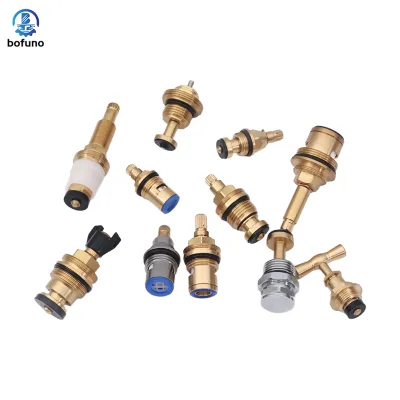
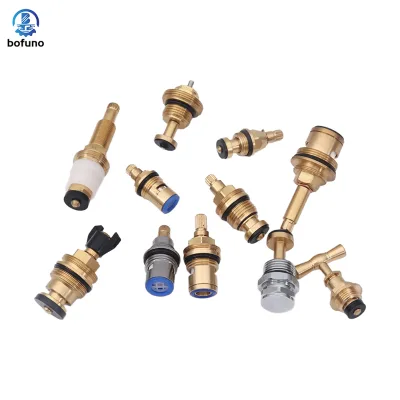
Kitchen Tap Fittings Brass Ceramic Cartridge
$0.60 - $0.80
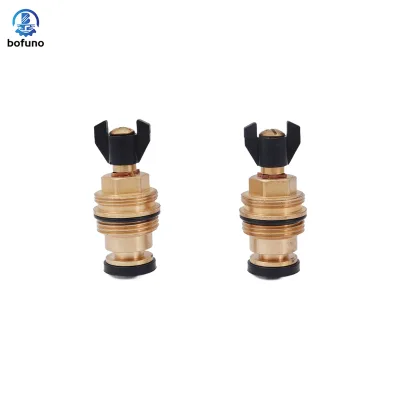
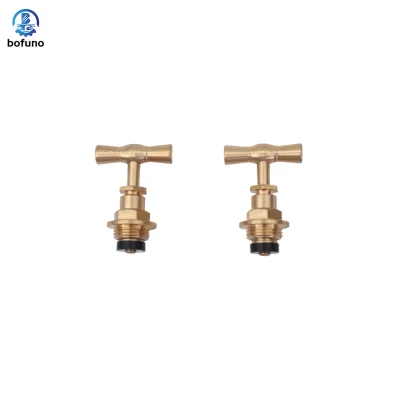

Taizhou Jida Sanitary Ware Co., Ltd
- Verified by SGS
- Combined
- China Zhejiang
- Lead time30 days
- Avg. response≤ 12h
Main productsFaucet, Tap, Water Tap, Bathroom Accessory, Bathroom, Basin, Garden Tap, Sink, Shower, Valve
Main marketsAfrica,Australia

Brass Faucet Replace Cartridge Ceramic Disc Brass Cartridge for Brass Valve and Tap
$0.89 - $1.88
MOQ: 5000 Pieces


Zhejiang Chixin Group Co., Ltd.
- Manufacturer, Trading Company
- Zhejiang, China
- Lead time15 days
- Avg. response≤ 3h
Main productsCeramic Cartridges,Faucet Cartridges,Diverter Cartridge,Brass Disc Cartridges,Valves
Main marketsDomestic Market(76.00%), Southeast Asia(5.00%), Eastern Asia(4.00%), South America(4.00%), Oceania(3.00%), North America(2.00%), Mid East(1.00%), South Asia(1.00%), Eastern Europe(1.00%), Northern Europe(1.00%), Central America(1.00%), Western Europe(1.00%)
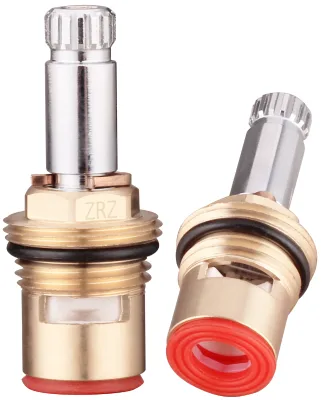
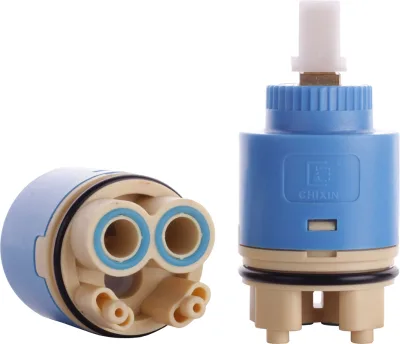
Modern 40mm Quality Brass Ceramic Tap Cartridge Similar to Sedal High Feet for Bathroom Use
$0.694 - $0.715
MOQ: 300 pieces
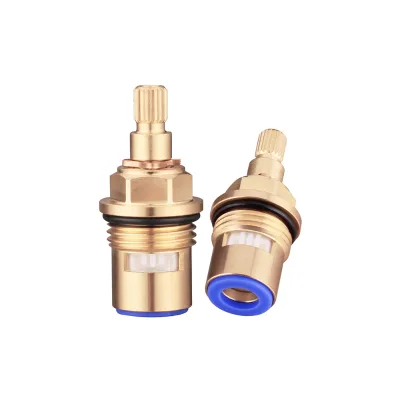
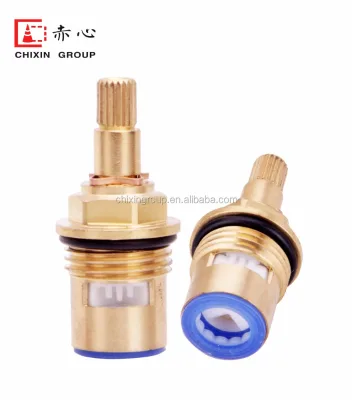
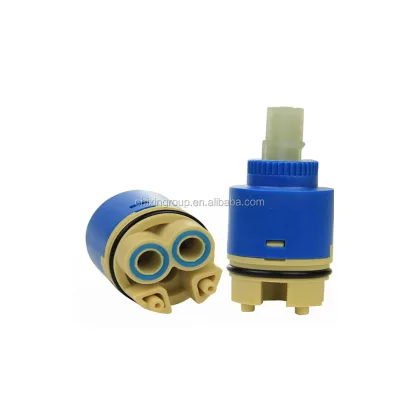
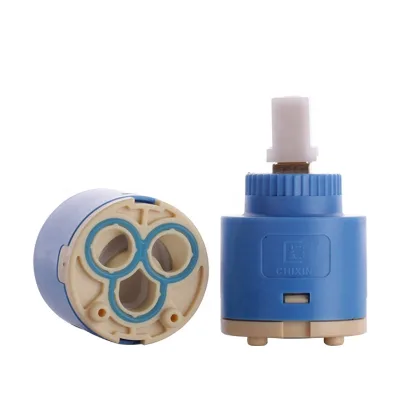
Modern Design 35mm Brass Lever Facucet Cartridge Double Seal Ceramic Filter for Bathroom Application
$0.6101 - $0.6311
MOQ: 300 pieces

Yuyao Eshiong Pipe Fittings Technologies Co., Ltd.
- Manufacturer
- China Zhejiang
- Lead time30 days
- Avg. response≤ 19h
Main productsPneumatic Quick Fittings, Water Fittings, Metal One Push Fittings, Governor Valves, Inverted Valves, Pipe Cutter, PU / PE Tube
Main marketsSouth America,Africa,Southeast Asia/ Mideast,East Asia(Japan/ South Korea),Domestic,Europe,Australia,North America


Plastic Housing Precision Faucet Tap Ceramic Disc Cartridge with Distributor
$0.60 - $2.00
MOQ: 1000 Pieces


TAIZHOU YINADA SANITARY WARE CO., LTD.
- Trading Company,Manufacturer/Factory
- China Zhejiang
- Lead time45 days
- Avg. response≤ 5h
Main productsPop up Waste, Pop up Drain, Bottle Trap, Bidet Faucet, T Trap, Clic Clac, Plumbing, Kitchen Faucet, Basin Faucet, Floor Drain
Main marketsSouth America,Eastern Europe,North America,Eastern Asia,Oceania,Western Europe

Ningbo Yinzhou Plumbing Hardware Co., Ltd.
- Verified by BV
- Manufacturer/Factory
- China Zhejiang
- Lead time30 days
- Avg. response≤ 2h
Main productsBrass Valves, Brass Fitting, Water Meter Parts, Lead Free Plumbing, Fire Hydrant Valves, PPR Insert, Brass Gas Valves, Bronze Valves, Bronze Fittings, Brass Bibcock
Main marketsSouth America,Eastern Europe,Mid East,North America,Southeast Asia,Eastern Asia,Oceania,Western Europe,Africa
Hangzhou July Sanitaryware Co., Ltd.
- Trading Company
- Zhejiang, China
- Lead time30 days
- Avg. response≤ 10h
Main productsBATHROOM ACCESSORIES,FAUCET,VALVE,SHOWER ROOM,BATHTUB
Main marketsEastern Europe(50.00%), Southern Europe(10.00%), Western Europe(10.00%), Northern Europe(10.00%), South America(10.00%), Central America(5.00%), Africa(5.00%)

Ningbo Huazhu Precision Machinery Co., Ltd.
- Manufacturer
- China Zhejiang
- Lead time23 days
- Avg. response≤ 3h
Main productsBathroom Accessories, Bath Enclosure Hardware, Shower Hinge, Faucet Handle, Shower Handle, Windows Fittings, Door & Windows Handle, Fingerprint Lock Accessory, Door Handles, Towel Bar Towel Shelf
Main marketsSouth America,Europe,North America

Brass Ceramic Faucet Cartridge for Water Tap Mixer Supplied by OEM Factory
$0.65 - $0.69
MOQ: 500 Sets

Taizhou Huaxing Sanitary Ware Co., Ltd.
- Manufacturer
- Zhejiang, China
- Lead time20 days
- Avg. response≤ 1h
Main productsbathroom faucet,bathroom cabinet faucet,shower panel faucet,basin faucet,bathroom accessories
Main marketsDomestic Market(100.00%), Northern Europe(20.00%), Eastern Asia(20.00%), Southern Europe(20.00%), Southeast Asia(20.00%), North America(20.00%), South Asia(20.00%), Mid East(10.00%), Western Europe(5.00%), Oceania(5.00%), Eastern Europe(5.00%), Africa(5.00%), South America(5.00%)
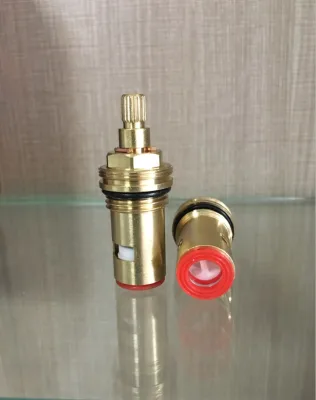
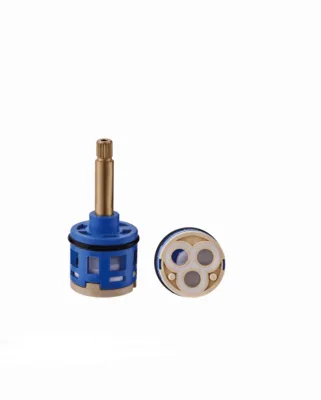
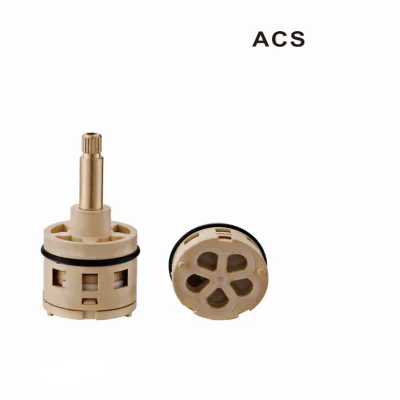
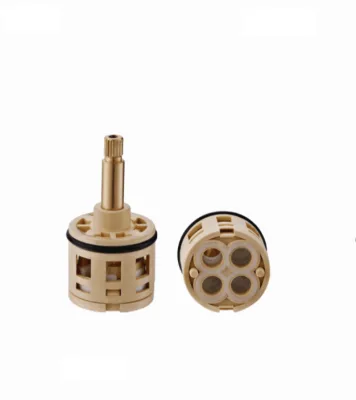
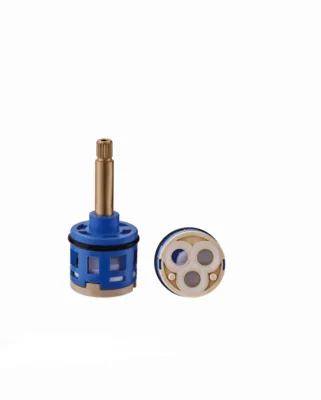
High Quality Promotional Bathroom Faucets Accessories 37mm Ceramic Tap Valve Core
$0.823 - $2.8781
MOQ: 500 Minimum
Quanzhou Gaozhan Sanitary Ware Co., Ltd.
- Verified by SGS Group
- Manufacturer, Trading Company
- Lead time30 days
- Avg. response≤ 1h
Main productsBasin Faucet, Kitchen Faucet, Shower Mixer, Angle Valve, Flush Valve
Main marketsSouth America(25%), Mid East(25%), Western Europe(15%)

- Trading Company
- China Fujian
- Lead time23 days
- Avg. response≤ 10h
Main productsSanitaryware, Faucet, Shower Mixer, Hardware, Faucet Accessories, Faucet Machine, Bathroom Accessories, Water Pipe, Bathroom Fittings, Kitchen Tap
Main marketsSouth America,Africa,Southeast Asia/ Mideast,Domestic,Europe,North America
Guangzhou Hongdec Sanitary Ware Co., Ltd.
- Verified by SGS Group
- Manufacturer, Trading Company
- Lead time0 days
- Avg. response≤ 2h
Main productsFaucet, Hand Shower, Shower Set, Stainless Steel Towel Bar Set, Bidet
Main marketsNorth America(42%), South America(35%), Eastern Europe(10%)
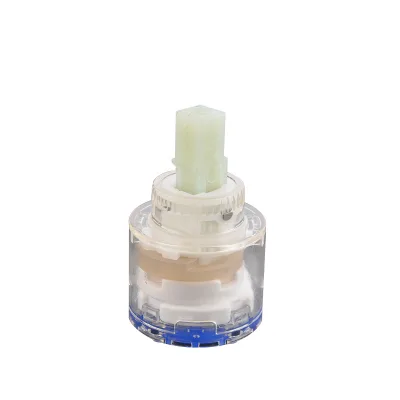
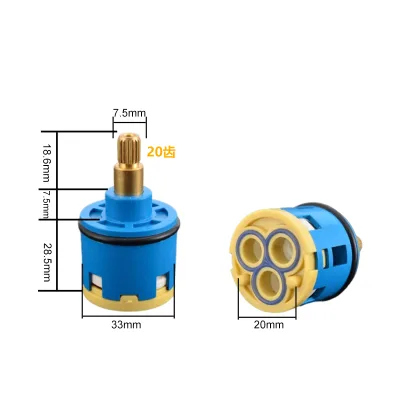
Faucet Cartridges Hot and Cold Mixing Valve Accessories Thermostatic Mixing Valve Cartridge
$0.32 - $1.50
MOQ: 2 pieces
- Manufacturer, Trading Company
- Taiwan, China
- Lead time45 days
- Avg. response≤ 10h
Main productsbathroom & kitchen & filter & basin & shower & tub faucet,bathroom and kitchen accessories,plumbing supply and fixture,kitchen sink,bathroom and kitchen repair parts
Main marketsNorth America(61.00%), Western Europe(8.00%), Central America(5.00%), Eastern Europe(5.00%), South America(4.00%), Eastern Asia(3.00%), Mid East(3.00%), Southern Europe(3.00%), Southeast Asia(2.00%), Northern Europe(2.00%), Domestic Market(1.00%), South Asia(1.00%), Oceania(1.00%), Africa(1.00%)

Ningbo Fenghua JingDun Sanitary Ware Co. Ltd.
- Verified by SGS
- Combined
- China Zhejiang
- Lead time23 days
- Avg. response≤ 14h
Main productsCartridge, Ceramic Disc
Main marketsSouth America,Southeast Asia/ Mideast

Durable 35mm Upper Sealing Ceramic Faucet Cartridge for Smooth Performance
$0.43 - $0.45
MOQ: 2000 Pieces


Wenzhou Weibao Electric Co., Ltd.
- Verified by TUVRHEINLAND
- Combined
- China Zhejiang
- Lead time15 days
- Avg. response≤ 7h
Main productsCeramic Cartridge, Cartridge, Faucet Cartridge, Basin Faucet Cartridge, Kitchen Faucet Cartridge, Bathtub Faucet Cartridge
Main marketsOthers(foreignTradeCapacity.exportBusinessCapacityMarketOther),Europe

35mm Ceramic Faucet Cartridge Without Distributor (YLD35-02) /073 Brass Tap
Negotiable
MOQ: 300 Pieces

30mm Ceramic Faucet Cartridge Without Distributor (YLD30-01) /069 Brass Tapware
Negotiable
MOQ: 300 Pieces

35mm Ceramic Faucet Cartridge Without Distributor (YLD35-02) /071 Brass Tapware
Negotiable
MOQ: 300 Pieces

35mm Flat-Open Ceramic Faucet Cartridge Without Distributor (YLD35-05) /180 Brass Tap
Negotiable
MOQ: 300 Pieces

35mm Anti-Open Ceramic Faucet Cartridge Without Distributor (YLD35-06) /204 Brass Tap
Negotiable
MOQ: 300 Pieces

35mm Anti-Open Ceramic Faucet Cartridge Without Distributor (YLD35-06) /202 Brass Tapware
Negotiable
MOQ: 300 Pieces


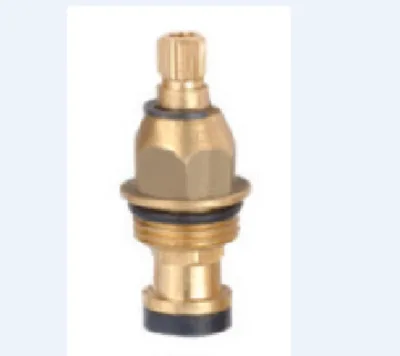
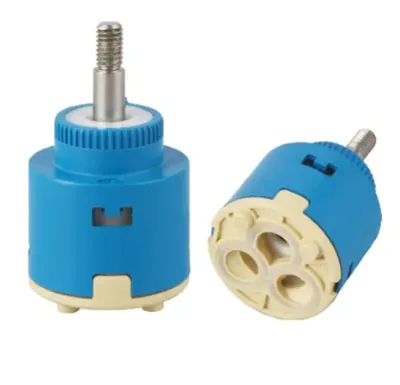
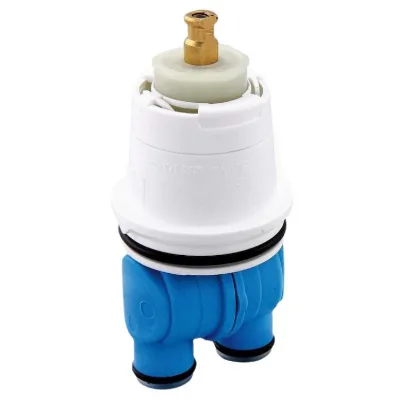
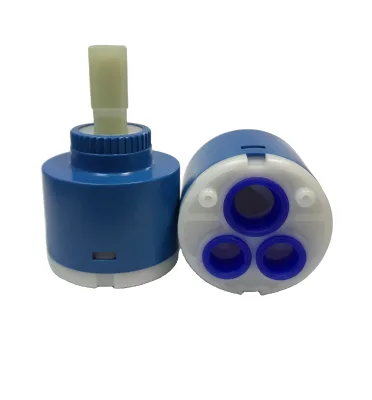
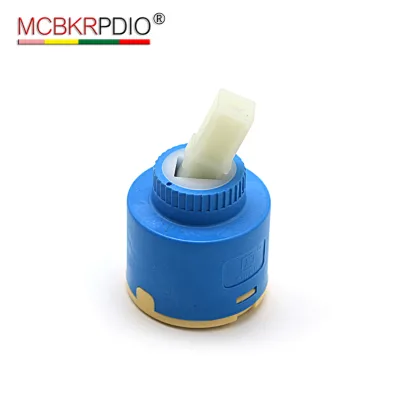
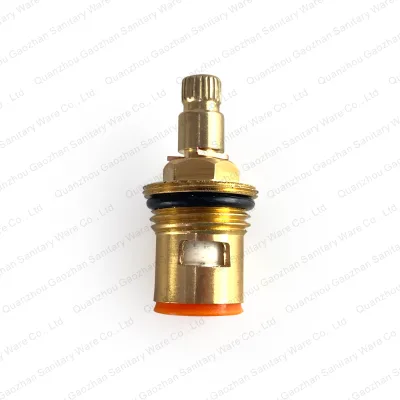


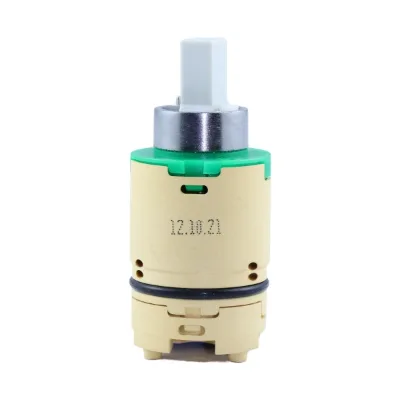
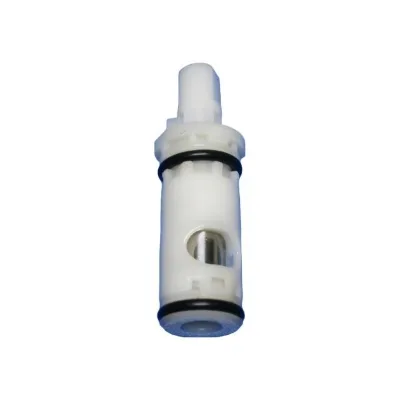
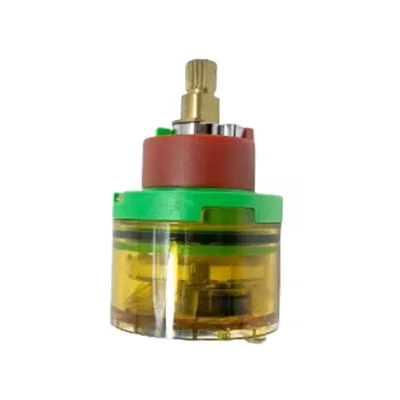
Comprehensive Sourcing Guide
Modern Brass Ceramic Tap Cartridge Supplier Concentration and Factory Types
The current supplier landscape for modern brass ceramic tap cartridges reveals a distinct concentration of manufacturing and trading entities within Zhejiang, China. This regional clustering is significant because it indicates a mature industrial ecosystem where specialized component production has scaled efficiently. Buyers evaluating these suppliers will find that the primary operational hubs are located in this specific province, which serves as a central node for brass fitting and faucet accessory manufacturing. The presence of multiple suppliers in this area suggests that logistics infrastructure and raw material supply chains for brass and ceramic components are well-established, potentially offering competitive advantages in terms of production speed and cost efficiency. When assessing the types of companies available, it is crucial to distinguish between pure manufacturers and trading companies, as both appear in the results. Some suppliers identify themselves as manufacturers, implying direct control over the forging and assembly processes, while others operate as trading companies or combined entities that may source from multiple factories. This distinction affects how buyers should approach negotiations and quality assurance, as direct manufacturers might offer more flexibility in customizing cartridge dimensions or ceramic disc specifications, whereas trading companies might provide broader product ranges including complete faucets and bathroom accessories.
Understanding the company type is essential for determining the level of technical support and customization capability. Suppliers listing themselves as manufacturers often highlight specific production techniques, such as forging, which is a common method for creating durable brass cartridge bodies. The product evidence shows that many suppliers offer OEM services, indicating that they are equipped to handle branded orders with specific packaging or labeling requirements. Additionally, some suppliers provide project solution capabilities, such as graphic design support, which suggests a higher level of service integration beyond simple component supply. Buyers should verify whether a supplier’s claimed manufacturing capability aligns with their actual production capacity, especially when dealing with combined entities that may act as intermediaries. The concentration of suppliers in Zhejiang also means that buyers can potentially visit multiple facilities in a single trip, facilitating direct audits of production lines and quality control processes. This geographic proximity to raw material sources and finished goods markets reduces transportation costs and lead times, making it a strategic advantage for sourcing high-volume orders of brass ceramic cartridges. However, buyers must remain vigilant about verifying the actual manufacturing location, as some trading companies may list their office address in Zhejiang while sourcing from other regions.
How to Verify Modern Brass Ceramic Tap Cartridge Suppliers
Verifying the authenticity and reliability of Modern Brass Ceramic Tap Cartridge suppliers requires a multi-layered approach that goes beyond basic profile reviews. One critical step is to check for third-party verification badges, such as SGS, which indicate that an independent agency has assessed the supplier’s business legitimacy and operational capabilities. In the current results, some suppliers display SGS verification, providing a baseline level of trust regarding their corporate structure and financial stability. However, verification badges alone do not guarantee product quality, so buyers must also examine the specific certifications listed for the products themselves. Evidence shows that some suppliers claim certifications such as CE, ROHS, and ISO 9001, which are relevant for ensuring that the brass materials and ceramic components meet international safety and quality standards. Buyers should request copies of these certificates and verify their validity with the issuing bodies, as counterfeit documentation is a known risk in the hardware sector. Additionally, the response time of suppliers can serve as an indirect indicator of their operational efficiency and customer service commitment. Suppliers with faster response times, such as those reporting within four hours, may have more dedicated sales teams and streamlined communication channels, which is crucial for resolving technical queries about cartridge compatibility or custom specifications.
Another vital aspect of verification is assessing the supplier’s after-sales service and warranty provisions. The product evidence indicates that many suppliers offer online technical support, and some even provide onsite installation services, which suggests a higher level of engagement and confidence in their products. Buyers should inquire about the specific terms of these services, including the duration of coverage and the process for claiming support. Warranty periods vary, with some suppliers offering one year and others claiming more than five years, which may reflect differences in product durability or risk tolerance. It is also important to verify the supplier’s ability to handle defects or failures, as ceramic cartridges are prone to cracking or wear if not manufactured to precise tolerances. Buyers should ask for case studies or references from previous clients who have purchased similar components, particularly those who have used the cartridges in high-volume or critical applications. Furthermore, checking the supplier’s history of product listings and customer reviews can provide insights into their consistency and reliability. Suppliers with a long-standing presence and a wide range of related products, such as faucets, valves, and bathroom accessories, may have more robust quality control systems in place. By combining verification of business credentials with an assessment of product-specific guarantees, buyers can mitigate the risks associated with sourcing from unfamiliar suppliers.
What to Compare Across Modern Brass Ceramic Tap Cartridge Suppliers
When comparing suppliers of modern brass ceramic tap cartridges, buyers should focus on key operational metrics that directly impact cost, quality, and delivery reliability. One of the most critical factors is the minimum order quantity (MOQ), which varies significantly across different suppliers. Evidence shows that some suppliers have an MOQ of 500 pieces, while others require 1000 pieces or more. This variation can influence a buyer’s inventory management strategy and cash flow, especially for smaller businesses or those testing new product lines. Buyers should also compare the price ranges, which are listed for various cartridge types, such as slow-opening and quick-opening models. Prices can range from as low as $0.35 to over $1.80 per unit, depending on the complexity of the design, material quality, and order volume. It is essential to understand what is included in these prices, such as packaging, shipping, and any customization fees, to ensure accurate cost comparisons. Additionally, lead times are a crucial factor, with some suppliers indicating a lead time of zero days, which may imply ready stock, while others specify longer periods, such as 30 days, for production runs. Buyers should clarify whether these lead times include production, quality control, and shipping, as delays in any of these stages can disrupt supply chains.
Another important dimension for comparison is the range of main products and customization capabilities offered by each supplier. Suppliers that specialize exclusively in cartridges may offer deeper technical expertise and more consistent quality, while those with broader product lines, including complete faucets and bathroom accessories, may provide more comprehensive solutions for buyers looking to source multiple components from a single source. Buyers should also evaluate the suppliers’ response times, as faster communication can facilitate quicker resolution of technical issues and smoother order processing. The evidence shows that response times can vary, with some suppliers responding within hours and others taking longer. This difference can be particularly significant for urgent orders or when dealing with complex custom specifications. Furthermore, buyers should compare the warranty terms and after-sales support options, as these can provide valuable protection against product failures. Suppliers offering longer warranties and more comprehensive support services may be willing to invest more in quality control, reducing the risk of defects. By systematically comparing these operational metrics, buyers can identify suppliers that best align with their specific needs, whether they prioritize low MOQs, competitive pricing, fast delivery, or robust support services.
Common Modern Brass Ceramic Tap Cartridge Sourcing Risks
Sourcing modern brass ceramic tap cartridges involves several inherent risks that buyers must proactively manage to ensure a successful procurement process. One significant risk is the potential for quality inconsistencies, particularly when dealing with suppliers who do not have transparent manufacturing processes. Ceramic discs, which are critical for the cartridge’s sealing and durability, can vary in quality based on the raw materials and manufacturing precision. Buyers may encounter issues such as premature wear, leakage, or cracking if the ceramic components are not manufactured to high standards. Additionally, the brass material itself can vary in composition, affecting the cartridge’s resistance to corrosion and its overall lifespan. Another risk is the discrepancy between the supplier’s claimed capabilities and their actual performance. Some suppliers may overstate their production capacity or lead times, leading to delays in order fulfillment. This is particularly relevant for suppliers who list themselves as manufacturers but may actually be trading companies with limited control over the production schedule. Buyers should be cautious of suppliers who offer unusually low prices, as this may indicate the use of substandard materials or compromised quality control measures.
Communication and language barriers can also pose significant risks, especially when dealing with international suppliers. Misunderstandings regarding technical specifications, such as cartridge size, thread type, or installation requirements, can lead to incorrect orders and costly returns. Buyers should ensure that all technical details are clearly documented and confirmed in writing before placing an order. Furthermore, the lack of standardized testing procedures across different suppliers can make it difficult to compare product quality objectively. While some suppliers claim certifications such as CE and ISO 9001, these may not cover all aspects of cartridge performance, such as pressure resistance or cycle life. Buyers should consider requesting independent testing reports or samples for evaluation before committing to large orders. Another risk is the potential for intellectual property infringement, particularly when dealing with custom or OEM products. Buyers should ensure that their designs and branding are protected and that the supplier has the necessary rights to produce and distribute the products. By identifying and mitigating these risks through thorough due diligence and clear contractual agreements, buyers can reduce the likelihood of disruptions and ensure a more reliable supply chain.
Modern Brass Ceramic Tap Cartridge Regional Sourcing and Logistics
The regional concentration of Modern Brass Ceramic Tap Cartridge suppliers in Zhejiang, China, offers distinct logistical advantages for buyers sourcing from this area. This province is a well-established hub for hardware and sanitary ware manufacturing, with a robust infrastructure for transportation and logistics. Buyers can benefit from the proximity to major ports and shipping routes, which facilitates efficient export of goods to international markets. The clustering of suppliers in this region also allows for easier coordination of multiple orders, as buyers can potentially consolidate shipments from different factories to reduce shipping costs and simplify customs clearance. However, buyers should be aware of the potential for congestion and delays during peak seasons, such as before major holidays or during high-demand periods. It is advisable to plan orders well in advance and maintain open communication with suppliers to anticipate any potential bottlenecks. Additionally, the local supply chain for raw materials, such as brass ingots and ceramic components, is well-developed, which can help ensure consistent production and reduce the risk of material shortages.
Logistics planning should also consider the packaging and handling requirements of brass ceramic cartridges, which are delicate components that require careful protection during transit. Evidence shows that suppliers use various packaging methods, including foam plates and custom boxes, to prevent damage. Buyers should verify that the packaging is suitable for long-distance shipping and meets the requirements of their destination country. Furthermore, buyers should be aware of the import regulations and tariffs in their home country, as these can impact the total cost of ownership. Some countries have specific standards for brass fittings and ceramic components, which may require additional testing or certification. Buyers should ensure that their suppliers are familiar with these requirements and can provide the necessary documentation. The regional focus on Zhejiang also means that buyers can leverage local logistics providers who are experienced in handling hardware exports, potentially negotiating better rates and faster delivery times. By understanding the logistical landscape and planning accordingly, buyers can optimize their supply chain and minimize the risks associated with international shipping.
Modern Brass Ceramic Tap Cartridge Commercial Terms and Order Planning
Effective commercial terms and order planning are essential for managing the procurement of modern brass ceramic tap cartridges successfully. Buyers should negotiate clear payment terms that align with their cash flow needs and risk tolerance. Common terms include partial upfront payments with the balance due upon shipment or completion of production. It is crucial to specify the currency and payment method to avoid exchange rate fluctuations and transaction fees. Additionally, buyers should clarify the Incoterms, such as FOB or CIF, to determine who is responsible for shipping costs
FAQs
What is the price range for brass ceramic tap cartridges?
Prices for brass ceramic tap cartridges typically range from 0.35 to 2.00 USD per unit depending on the specific model and size. Some standard kitchen tap fittings are priced between 0.60 and 0.80 USD, while specialized thermostatic cartridges may cost between 0.70 and 1.00 USD. Bulk orders often influence the final unit cost significantly.
Where are these brass cartridge manufacturers located?
Most suppliers offering these brass ceramic cartridges are located in Zhejiang, China. This region is a major hub for manufacturing faucet fittings and valve components. Buyers should verify the specific factory address during the inquiry process to ensure accurate logistics planning and shipping cost estimates.
What certifications do these brass cartridges hold?
Many available brass ceramic cartridges carry CE, ROHS, and ISO 9001 certifications. Some products also meet ISO and ASTM standards for quality assurance. Buyers should request specific certificate documents from the supplier to confirm compliance with local safety regulations and international quality benchmarks before placing large orders.
What is the minimum order quantity for these parts?
Minimum order quantities vary by product type, with some items requiring 500 pieces while others need 1000 pieces. Standard kitchen tap fittings often have an MOQ of 500 units, whereas specialized slow opening cartridges may require 1000 pieces. Always confirm the specific MOQ with the supplier before finalizing the purchase agreement.
How long does it take to receive these cartridges?
Lead times for these brass cartridges can range from zero days to thirty days depending on stock availability and production schedules. Some suppliers indicate a lead time of 30 days for custom orders, while others may ship immediately if items are in stock. Verify the exact delivery timeline with the supplier to plan your inventory effectively.
Do these suppliers offer OEM services for custom branding?
Yes, many manufacturers accept OEM requests for custom branding and design specifications. Suppliers often provide customized support including specific model numbers and packaging requirements. Buyers should discuss their branding needs and technical drawings with the supplier to ensure the final product meets their specific market requirements and quality standards.
What warranty is provided for these brass faucet cartridges?
Warranty periods for these brass cartridges typically range from one year to more than five years depending on the product type. Standard faucet cartridges often come with a one-year warranty, while specific slow opening models may offer extended coverage. Always review the warranty terms and conditions provided by the supplier to understand the scope of protection.