Modern Rattan Baby Change Table Suppliers and Manufacturers
Explore 27 verified options for Modern Rattan Baby Change Table from suppliers in Hong Kong and Shandong. Compare response times, lead times, certifications, and pricing to find the right partner. Contact suppliers directly to request samples and confirm MOQs; review the available evidence before requesting comparable quotations from suitable candidates.
Updated
Suppliers List
- Trading Company
- Hong Kong S.A.R.
- Lead time0 days
- Avg. response≤ 2h
Main productsBaby Cribs,Baby Chair,Baby Mattress,Changing Table,Baby Wardrobe
Main marketsNorth America(50.00%), Eastern Europe(20.00%), Mid East(10.00%), Southeast Asia(10.00%), South America(10.00%)
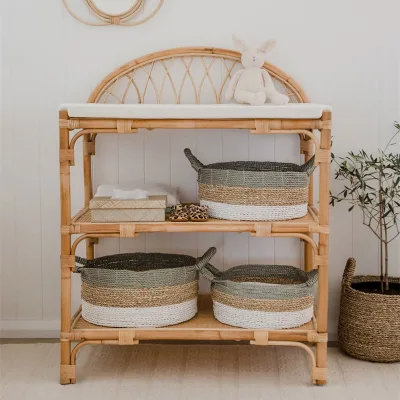
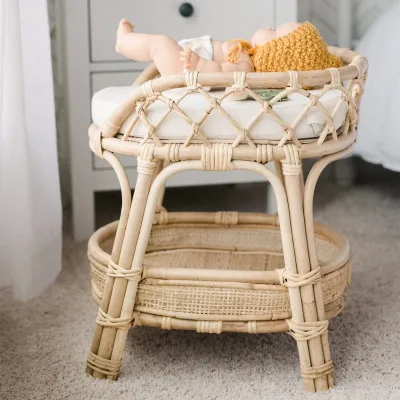
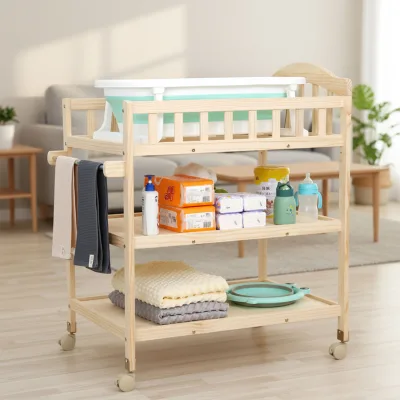
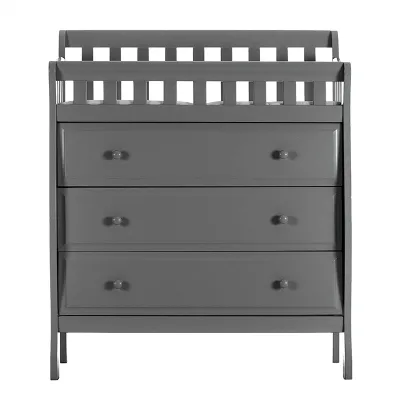
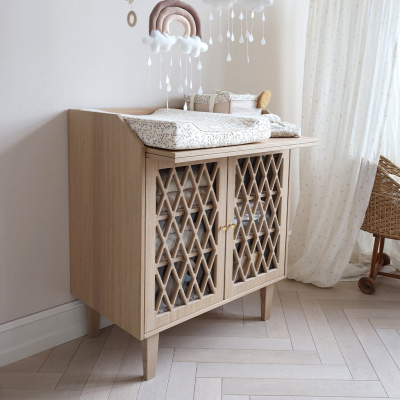
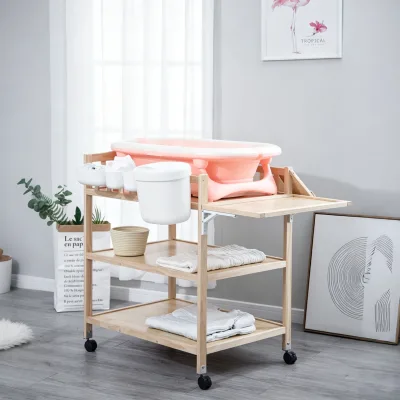
Wooden Baby Changing Table Topper Baby Changing Station Table Baby Bath Changing Table
$13.90 - $18.30
MOQ: 2 cases
Qingdao Lepinkids Homefurnishing Co., Ltd.
- Manufacturer, Trading Company
- Shandong, China
- Lead time30 days
- Avg. response≤ 6h
Main productsBaby Cribs,Baby Chair,Baby Mattress,Changing Table,Baby Wardrobe
Main marketsWestern Europe(50.00%), Domestic Market(20.00%), Northern Europe(5.00%), North America(5.00%), South Asia(2.00%), Southeast Asia(2.00%), Southern Europe(2.00%), Central America(2.00%), Eastern Europe(2.00%), Eastern Asia(2.00%), Mid East(2.00%), South America(2.00%), Oceania(2.00%), Africa(2.00%)
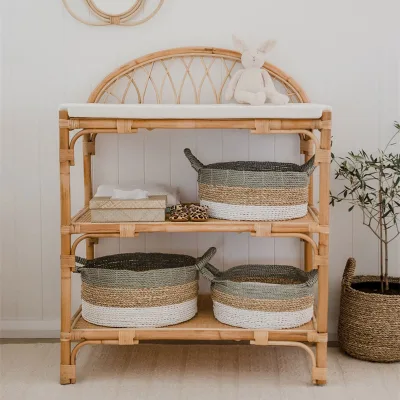
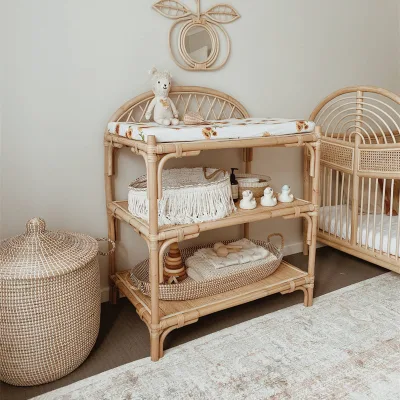
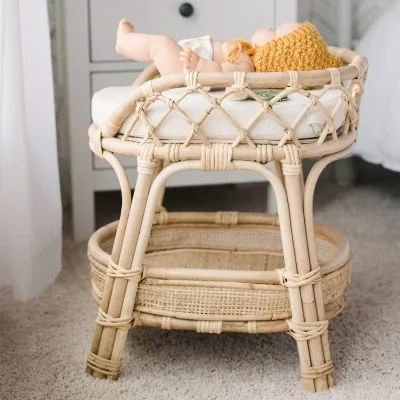
Handmade Eco-Friendly Modern Rattan Baby Changing Table for Bedroom Use Wholesales
$22.5629 - $24.3153
MOQ: 50 cases
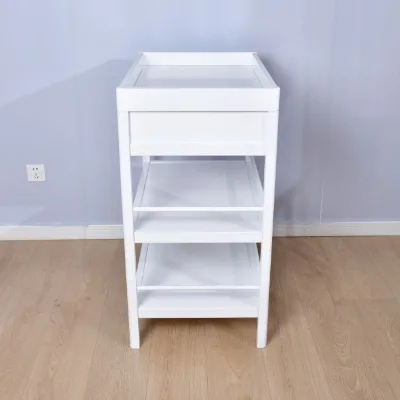
$52.00 - $57.20
MOQ: 10 cartons
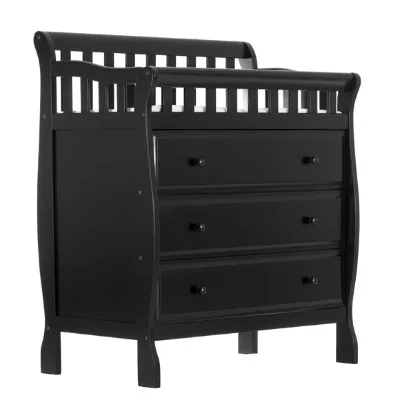
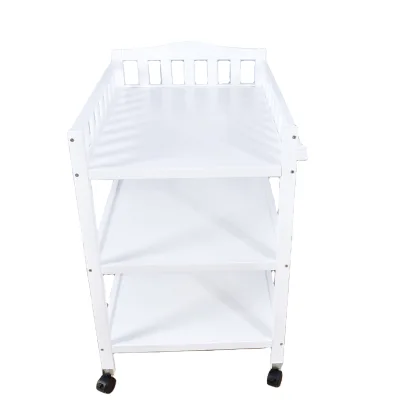
MOOB Pine01 Modern White Pine Wood Changing Table for Babies and Kids
$63.6131 - $71.8216
MOQ: 200 cases

- Verified by BV
- Trading Company
- China Zhejiang
- Lead time30 days
- Avg. response≤ 12h
Main productsHousehold Products, Recreation& Game Products, Outdoor Products, Garden Products, Pet Products, Car Products, Daily Use Products
Main marketsSouth America,Africa,Southeast Asia/ Mideast,East Asia(Japan/ South Korea),Europe,Australia,North America
Jiangshan Langfeng Baby Products Co.,ltd
- Verified by Intertek
- Manufacturer, Trading Company
- Lead time0 days
- Avg. response≤ 13h
Main productsChildren Fence, Children's Tables and Chairs, Slide, Rocking Horse, Storage Rack
Main marketsDomestic Market(70%), North America(10%), Eastern Asia(10%)
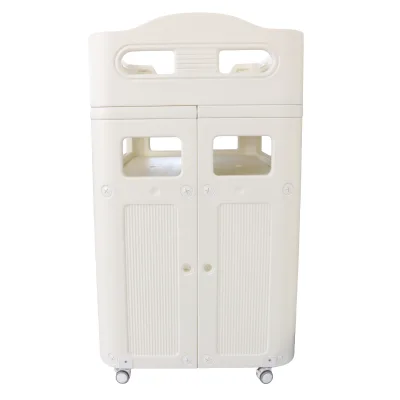
$60.00
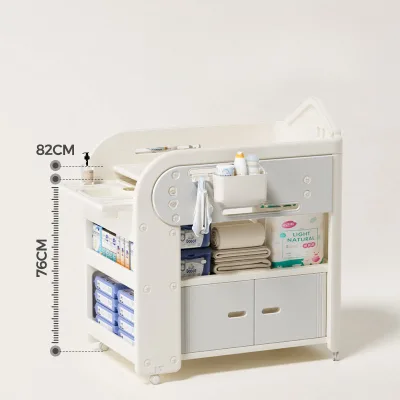
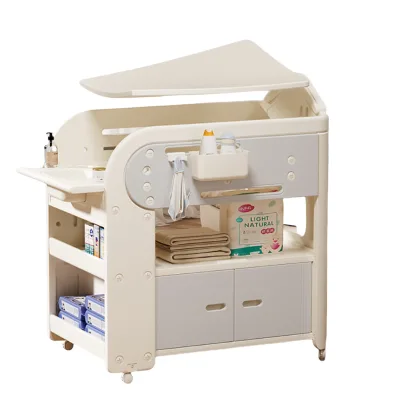
$52.3631 - $63.6565
MOQ: 1 sets
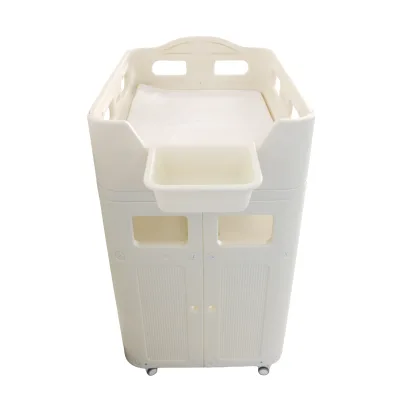

GUANGZHOU ATGET DECORATION & HARDWARE CO., LTD.
- Verified by SGS
- Combined
- China Guangdong
- Lead time15 days
- Avg. response≤ 13h
Main productsSoap Dispenser, Paper Towel Dispenser, Paper Holder, Bathroom Grab Bar, Floor Drain, Handrail for The Disabled, Bathroom Shower Shelf, Cosmetic Mirror, Bathroom Accessories, Miscellaneous Hardware
Main marketsSouth America,Southeast Asia/ Mideast,Europe


Big Sale Airport/Mall Restroom Baby Changer Parents Room Series Baby Stool
$180.36 - $200.40
MOQ: 1 Pieces
Zhongshan Cooler Baby Product Co., Ltd.
- Verified by SGS Group
- Manufacturer, Trading Company
- Lead time20 days
- Avg. response≤ 2h
Main productsBed rail, Portable bed rail, Foldable bed rail, Baby rocking chair, Baby stroller
Main marketsDomestic Market(25%), Eastern Europe(20%), Western Europe(15%)
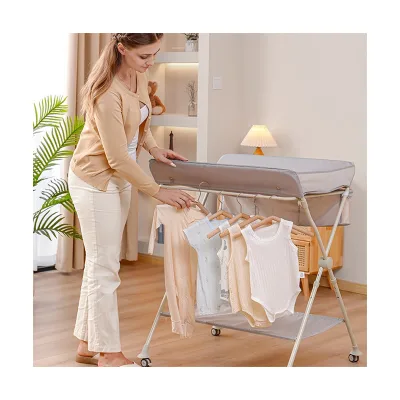
Factory Modern Design Folding Change Table Drawer Baby Changing Table
$20.5243 - $30.7925
MOQ: 100 pieces
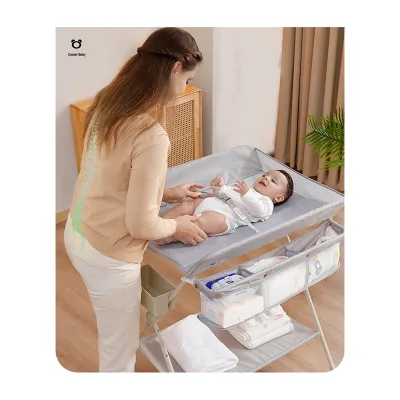

Wenzhou Alita Technology Co., Ltd.
- Verified by CTI
- Trading Company
- China Zhejiang
- Lead time15 days
- Avg. response≤ 2h
Main marketsSouth America,Southeast Asia/ Mideast,Domestic,North America

Ningbo Happy Island Baby Products Co., Ltd.
- Verified by SGS
- Manufacturer/Factory
- China Zhejiang
- Lead time60 days
- Avg. response≤ 4h
Main productsBaby Bed, Baby Stroller, Baby Changing Station, Baby Play Pen, Baby Playard, Baby Camp Cot, Baby Travel Bed, Portable Bed, Foldable Cot, Baby Pram
Main marketsSouth America,Eastern Europe,Mid East,North America,Southeast Asia,Eastern Asia,Oceania,Western Europe,Africa
Xiamen Baby Pretty Products Co., Ltd.
- Verified by TüVRheinland
- Manufacturer, Trading Company
- Lead time45 days
Main productsBaby Playpen, Baby Cribs
Main marketsWestern Europe(30%), Southeast Asia(15%), North America(10%)

Ningbo Jiangbei Ringlong Import & Export Co., Ltd.
- Verified by BV
- Combined
- China Zhejiang
- Lead time23 days
- Avg. response≤ 2h
Main productsKitchenware, Textile, Memory Foam Series, Household Items, Outdoor Products, Packing Box, Air Conditioning System, TV Products, Fitness, Baby Products
Main marketsEurope
Hangzhou Erxiangbo Household Products Co., Ltd.
- Trading Company
- Lead time旺季: "1 - 50":5,"51 - 3000":45,"> 3000":"To be negotiated", 淡季: "1 - 50":5,"51 - 3000":45,"> 3000":"To be negotiated"
- Avg. response≤ 3h
Main productsBaby Bedrail, Baby Safety Gates, Baby Playpen, Baby Chair, Sofa Chair
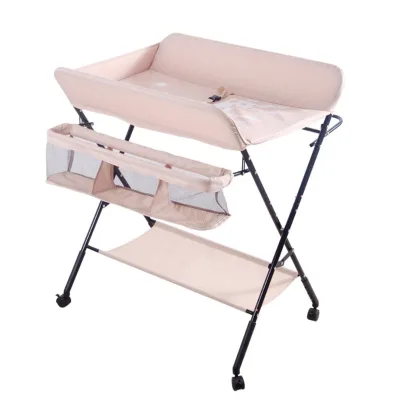
Adult Baby China Diaper Changing Table With Shelf Diaper Bag Baby Change Table With Cabinets
$12.9678 - $17.6357
MOQ: 1 pieces
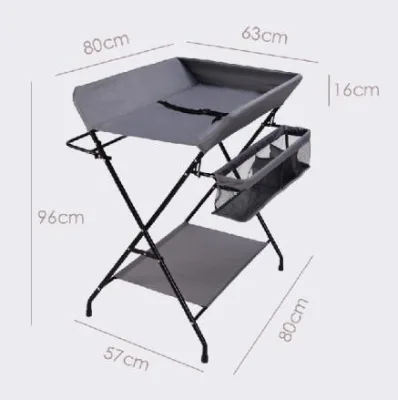
$12.9678 - $17.6357
MOQ: 2 pieces
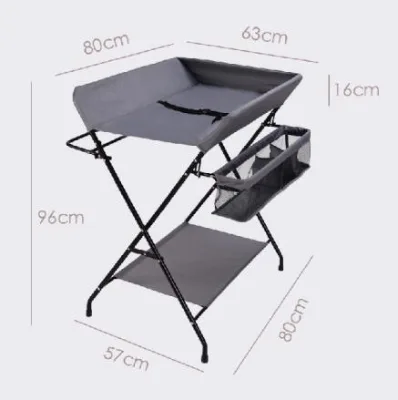
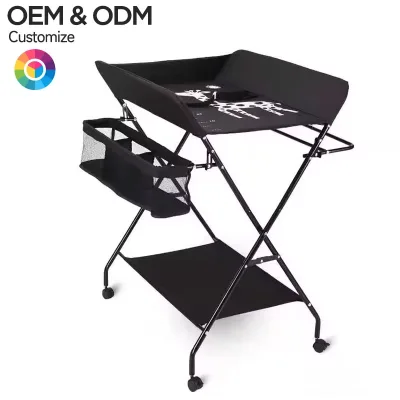
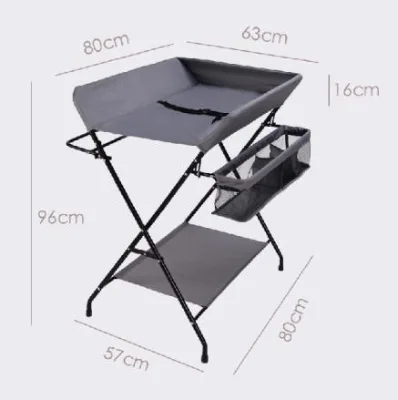
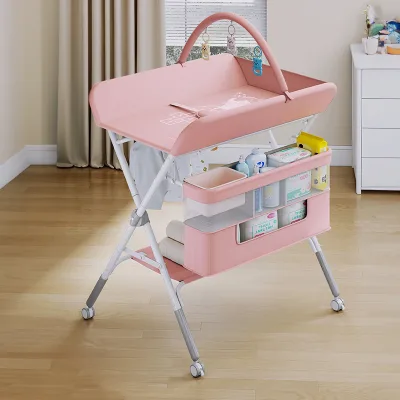
Baby Changing Table With Bath Baby Diaper Changing Table With Wheel Folding Multipurpose
$14.212 - $16.0798
MOQ: 100 pieces
$12.9678 - $17.6357
MOQ: 2 pieces
$17.4304 - $64.1842
MOQ: 2 Minimum

- Verified by SGS
- Trading Company
- China Zhejiang
- Lead time15 days
- Avg. response≤ 17h
Main productsMop, Kitchen Knife, Chopping Board, Blanket, Mosquito Net, Cushion, Slipper, Broom, Luggage, Educational Toy
Main marketsEurope,Australia


Wholesale Children Infant Pad White Baby Changing Station Changing Table
$38.00 - $40.00
MOQ: 25 Pieces

Multifunctional Foldable Diaper-Changing Table Baby Care Desk Newborn Baby Changing Table
$45.00 - $47.00
MOQ: 21 Pieces

High Satisfaction 5 Drawer Nursery Dresser Vertical Baby Changing Table
$52.00 - $56.00
MOQ: 200 Pieces


Industry Leading 3 Drawer Infant Diaper Large Storage Baby Changing Table
$108.00 - $114.00
MOQ: 8 Pieces
Taizhou Dameng Baby Products Co., Ltd.
- Manufacturer
- Zhejiang, China
- Lead time15 days
- Avg. response≤ 2h
Main productsBaby products
Main marketsOceania(100.00%), Africa(100.00%), Central America(100.00%), South Asia(100.00%), Mid East(100.00%), Southern Europe(100.00%), Western Europe(30.00%), Southeast Asia(20.00%), Eastern Europe(15.00%), Domestic Market(10.00%), North America(10.00%), Northern Europe(5.00%), South America(5.00%), Eastern Asia(5.00%)
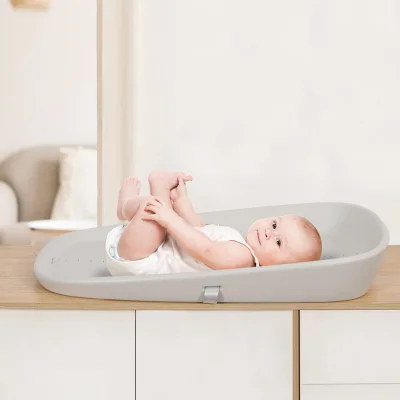
$15.00 - $18.11
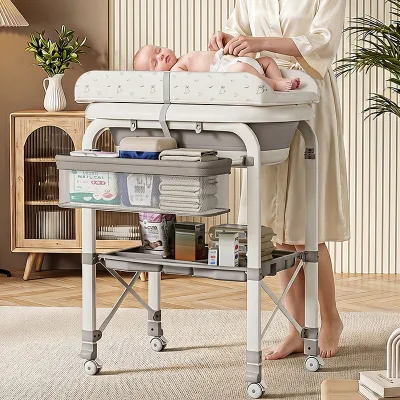
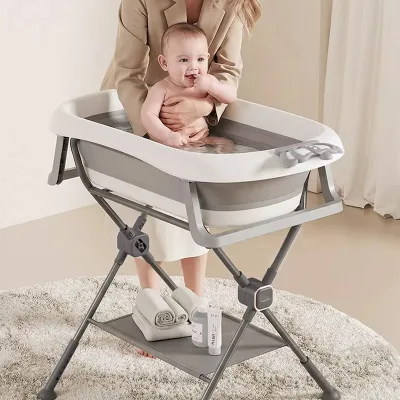

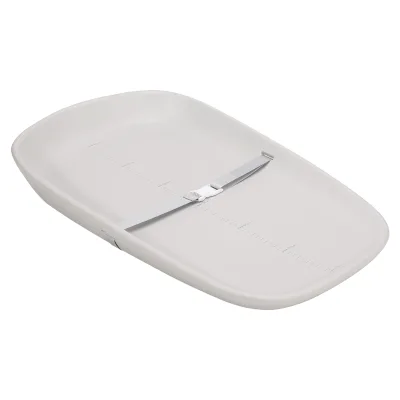
$15.00 - $18.11


Modun (Zhejiang) Industrial Co., Ltd.
- Manufacturer
- China Zhejiang
- Lead time30 days
- Avg. response≤ 12h
Main productsHand Dryer, Hair Dryer, Soap Dispenser, Paper Dispenser, Baby Change Station, Sterilizer, Sensor Faucet, Jet Hand Dryer, Personal Hand Dryer, Skin Dryer
Main marketsSouth America,Africa,Southeast Asia/ Mideast,East Asia(Japan/ South Korea),Domestic,Europe,North America


Bathroom Table Horizontal Foldable Baby Changing Station Baby Change Unit
$68.00 - $75.00
MOQ: 100 Pieces

Guangzhou Yuming Electrical Industrial Co., Ltd
- Verified by SGS
- Trading Company,Manufacturer/Factory
- China Guangdong
- Lead time23 days
- Avg. response≤ 4h
Main productsPaper Dispenser, Soap Dispenser, Perfume Dispenser, Sanitizer Dispenser, Hand Dryer, Hair Dryrer, Bathroom Accessory, Air Freshener, Hotel Products, Janitorial Supplies
Main marketsSouth America,Eastern Europe,Mid East,North America,Southeast Asia,Eastern Asia,Oceania,Western Europe,Africa

Qingdao Semate Furniture Co., Ltd
- Trading Company,Manufacturer/Factory
- China Shandong
- Lead time0 days
- Avg. response≤ 8h
Main productsWooden Bedroom/Home/Office/Outdoor Furniture, Wooden Bed Frame/Trundle Bed/Sofa Bed, Learning Tower/Kitchen Helper/Step Stool, Wooden Nightstand/Rocking Glider Chair, Wooden Crib/Baby Cot Bed/Baby Crib/Cots, Baby Furniture/High Chair/Playpen/Changing Table, Kids Furniture/Toddler Bed/Kid Table Set, Wooden Dining Chairs/Bentwood Stool/Dining Table, Wooden Cabinet/Closet/Wardrobe/Bookcase, Wooden Ergonomic Office Chair/Desk/Kneelingchair

Wholesale Natural Mobile Baby Diaper Changing Station Folding Baby Changing Table with Removable Mat
$25.00 - $50.00
MOQ: 300 Pieces

Multipurpose Modern Solid Wood Baby Changing Table with Storage Drawers
$28.50 - $40.00
MOQ: 300 Pieces

High Quality Non-Toxic Baby Changing Station Functional Baby Changing Table with Hanger
$28.50 - $40.00
MOQ: 300 Pieces

Cheap Wholesale Durable White Solid Wood Baby Changing Station Table for Baby Furniture
$19.00 - $25.00
MOQ: 300 Pieces

Factory Supplier Wooden Furniture Convertible 3-Color Changing Table Baby Cabinet
$35.00 - $50.00
MOQ: 200 Pieces

Wholesale Brown Wooden Baby Changing Table with Drawer and Open Storage Shelves
$20.00 - $30.00
MOQ: 100 Pieces

Wenzhou MicaCare Tech Co., Ltd.
- Verified by SGS
- Trading Company,Manufacturer/Factory
- China Zhejiang
- Lead time38 days
- Avg. response≤ 2h
Main productsBathroom Chair, Shower Stool, Bath Bench, Shower Seat, Folding Seat, Grab Bar, Grab Rail, Baby Changing Station, Aed Cabinet, Bathroom Accessory
Main marketsSouth America,Eastern Europe,Mid East,North America,Southeast Asia,Eastern Asia,Oceania,Western Europe,Africa

Taizhou Hanna Plastic Products Co., Ltd.
- Trading Company
- Zhejiang, China
- Lead time45 days
- Avg. response≤ 2h
Main productsbaby high chair,baby playpens,baby bathtub,baby crib,baby fence
Main marketsOceania(50.00%), Eastern Europe(50.00%)
WEIFANG HONOR FOREVER INDUSTRY CO., LTD.
- Trading Company
- Shandong, China
- Lead time25 days
- Avg. response≤ 16h
Main productsDressing table,Coffee table,TV Cabinet,Bookshelf,Nightstand
Main marketsNorth America(40.00%), Western Europe(18.00%), Southern Europe(10.00%), Northern Europe(10.00%), Oceania(8.00%), Mid East(5.00%), South America(5.00%), South Asia(4.00%)
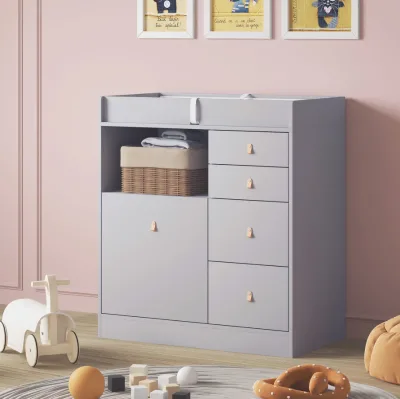
Infant Changing Table Baby Changing Table with 5 Drawers and 1 Open Storage
$52.3631 - $56.4703
MOQ: 50 pieces
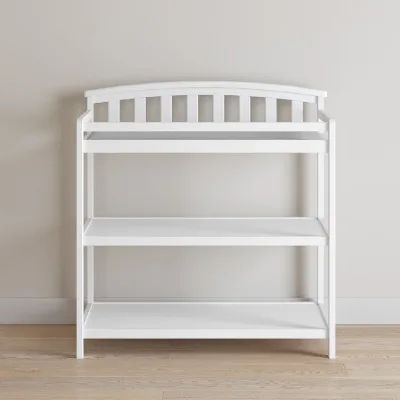
$37.8333 - $43.9687
MOQ: 50 pieces
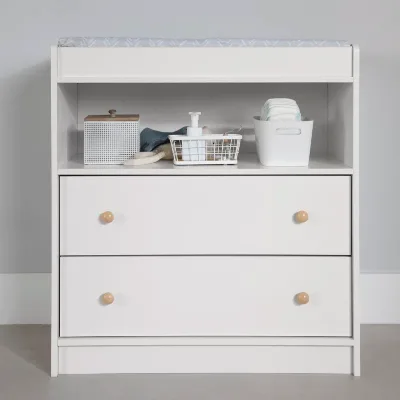
$37.8333 - $43.9687
MOQ: 50 pieces
Zhejiang Vsuch Maternal And Child Products Co., Ltd.
- Verified by Intertek
- Manufacturer, Trading Company
- Zhejiang, China
- Lead time7 days
- Avg. response≤ 3h
Main productsBaby Playpen, Toy Storage Shelf, Basketball Stand, Kid Drawing Board, Table and Chair
Main marketsNorth America(20%), Eastern Asia(20%), Southeast Asia(10%)

Hebei Miaoou Trading Co., Ltd.
- Trading Company,Manufacturer/Factory
- China Hebei
- Lead time23 days
- Avg. response≤ 8h
Main productsRoad Bike, Mountain Bike, Children Bicycle, Kids Balance Bike, Children Tricycle, Baby Stroller, Children's Electric Cars, Children Scooter, Tyre and Saddle, Snow Bike
Main marketsSouth America,Eastern Europe,Mid East,North America,Southeast Asia,Eastern Asia,Oceania,Western Europe,Africa

$12.50 - $16.60
MOQ: 50 Pieces

Dalian TOP International Trade Co., Ltd.
- Verified by TüVRheinland
- Manufacturer, Trading Company
- Lead time15 days
- Avg. response≤ 1h
Main productsDaycare Furniture, Preschool Furniture, Montessori Furniture, Educational Toys, Wooden Playground Set
Main marketsNorth America(30%), Oceania(25%), Southeast Asia(10%)
Hangzhou Jimo Household Products Co., Ltd.
- Verified by TüVRheinland
- Manufacturer, Trading Company
- Lead time45 days
- Avg. response≤ 3h
Main productsBaby Bedrail, Baby Safety Gates, Baby Playpen, Baby Chair, Baby Crib Parts
Main marketsDomestic Market(22%), North America(20%), Western Europe(20%)
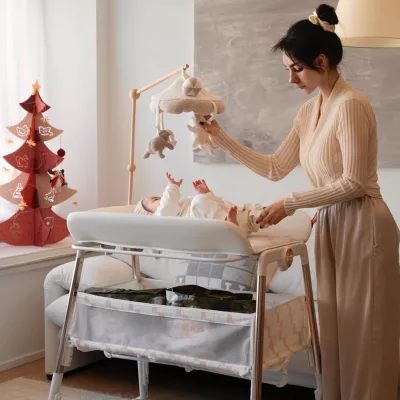
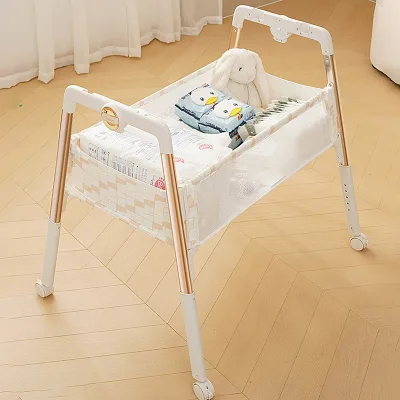
$45.2998 - $53.5368
MOQ: 2 pieces
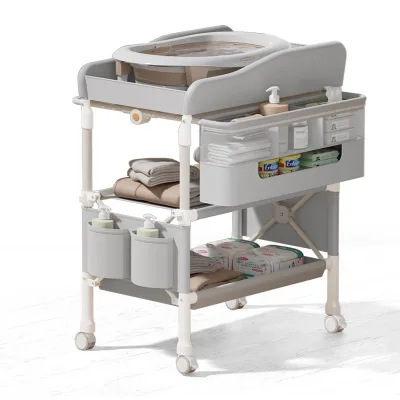
$45.1754 - $53.3899
MOQ: 2 pieces
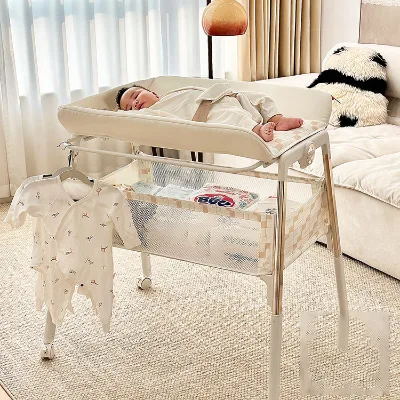
$32.00 - $47.42
MOQ: 2 pieces
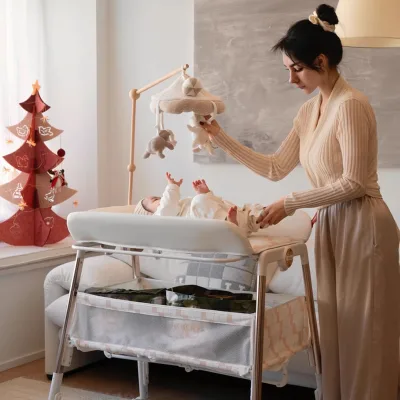
$45.2998 - $53.5368
MOQ: 2 pieces
$45.2683 - $53.4993
MOQ: 2 pieces
Cao County Luguoban Wood Industry Co., Ltd.
- Verified by SGS Group
- Manufacturer, Trading Company
- Lead time30 days
- Avg. response≤ 2h
Main productsChildrens bookshelf,Crib,Childrens storage cabinet,Furniture,Childrens furniture
Main marketsNorth America(50%), Western Europe(30%), Southeast Asia(10%)
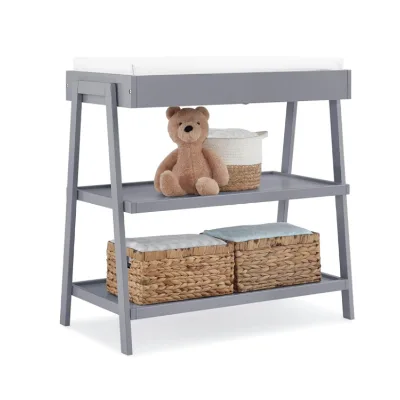
$25.6584 - $26.6957
MOQ: 50 pieces
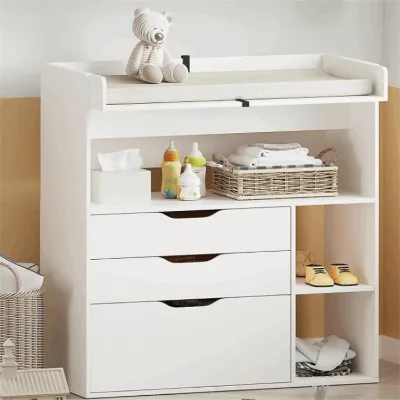
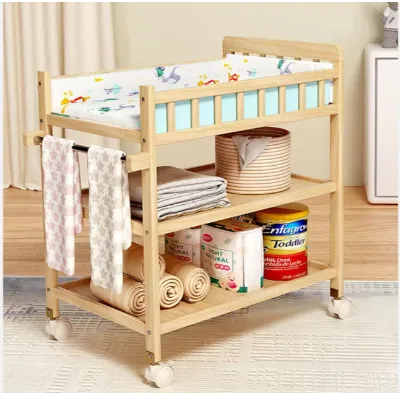
Hot-selling Portable Solid Wood Baby Changing Table with Wheels Wooden Baby Care Furniture
$15.76 - $38.99
MOQ: 100
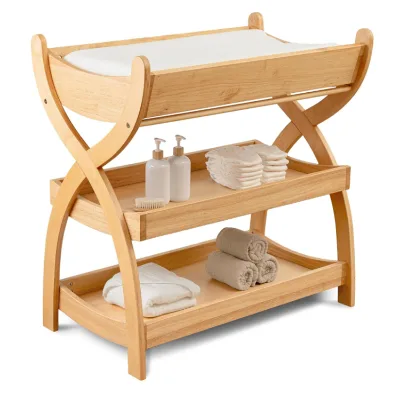
$28.7493 - $30.8015
MOQ: 50 pieces
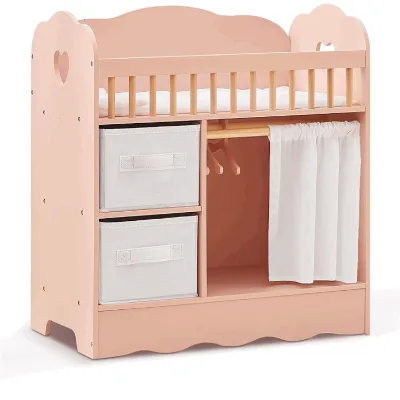
Zhejiang Kuhui Technology Co., Ltd.
- Manufacturer, Trading Company
- Lead time旺季: "1 - 50":7,"51 - 200":10,"201 - 500":15,"> 500":"To be negotiated", 淡季: "1 - 50":7,"51 - 200":10,"201 - 500":15,"> 500":"To be negotiated"
- Avg. response≤ 2h
Main productsMagnetic Blocks Toy, Magnetic Tiles Toy, Educational Toy, Plastic Blocks Toy, Baby Rocking Chair
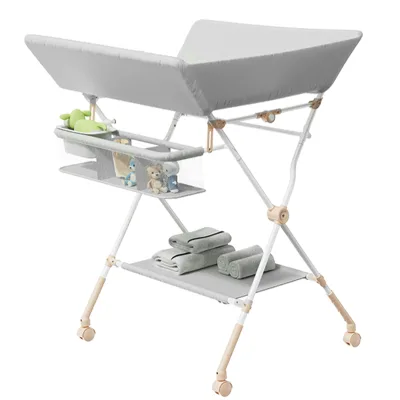
Wholesale Baby Bath and Changing Table Folding Portable Baby Changing Table With Wheels
$20.4793 - $22.527
MOQ: 50 sets
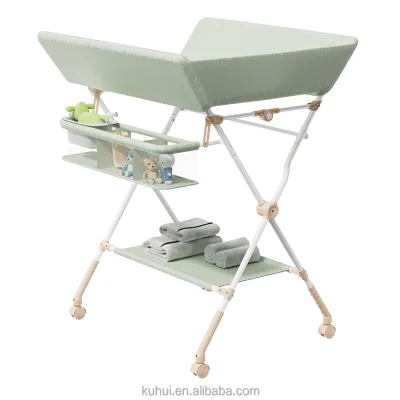
$20.5768 - $22.6349
MOQ: 50 sets

WENZHOU TIMES ARTS&CRAFTS CO., LTD.
- Verified by SGS
- Manufacturer/Factory
- China Zhejiang
- Lead time23 days
- Avg. response≤ 5h
Main productsToys, Montessori Toys, Wooden Toy, Educational Toy, Role Play Toys, Children Furniture, Puzzle, Kid Bike, Musical Toy, Wooden Blocks
Main marketsSouth America,Eastern Europe,Mid East,North America,Southeast Asia,Eastern Asia,Oceania,Western Europe,Africa


$20.00 - $70.00
MOQ: 1000 Pieces


Wholesale Cheap Multi-Function Wooden Changing Table Dresser for Baby W08e019
$15.00 - $38.00
MOQ: 100 Pieces

Zhongshan Powerlink Baby Products Co., Ltd.
- Manufacturer
- Guangdong, China
- Lead time45 days
- Avg. response≤ 8h
Main productsBaby Stroller,baby wagon,pet stroller,pet wagon,baby crib
Main marketsWestern Europe(30.00%), North America(15.00%), Southern Europe(10.00%), Northern Europe(10.00%), South America(10.00%), Oceania(8.00%), Southeast Asia(5.00%), Eastern Europe(5.00%), Eastern Asia(5.00%), Africa(2.00%)


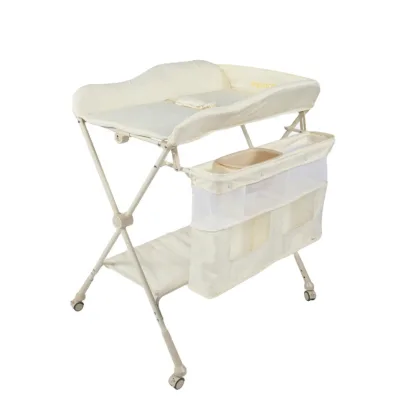


Comprehensive Sourcing Guide
Modern Rattan Baby Change Table Supplier Concentration and Factory Types
The current supplier landscape for modern rattan baby change tables reveals a distinct mix of manufacturing capabilities and trading structures. Evidence indicates that suppliers are located in regions such as Hong Kong S.A.R. and Shandong, China, with some entities operating as pure trading companies while others function as manufacturers or hybrid entities. This structural diversity is critical for buyers to understand, as it directly influences pricing flexibility, communication efficiency, and production control. Trading companies often provide a broader catalog of related items, such as baby cribs, chairs, and wardrobes, allowing for consolidated sourcing. In contrast, manufacturers may offer deeper customization options and potentially lower unit costs for high-volume orders, though they might have stricter minimum order requirements. The presence of both types suggests that buyers can choose based on their specific operational needs, whether that involves rapid prototyping, large-scale production, or diverse product assortments.
Understanding the company type helps in assessing the reliability and scope of the supply chain. For instance, suppliers identified as trading companies in Hong Kong may leverage established logistics networks and international trade expertise, which can be advantageous for buyers unfamiliar with local manufacturing practices. Conversely, manufacturers in Shandong, China, might emphasize direct factory access and production transparency. It is important to note that some suppliers operate as both, offering the benefits of manufacturing control alongside the flexibility of trading services. Buyers should verify the actual nature of the supplier’s operations through direct inquiry or by examining their business licenses and facility tours. This verification ensures that the claimed capabilities align with the actual production and service model, preventing misunderstandings regarding lead times, quality control processes, and communication channels during the sourcing journey.
How to Verify Modern Rattan Baby Change Table Suppliers
Verification of suppliers requires a multi-layered approach focusing on certifications, response times, and physical product attributes. Key certifications such as JPMA, CPSC, ASTM, EN716, and SEDEX are frequently cited in product listings, indicating adherence to international safety and ethical standards. Buyers must confirm that these certifications are current and applicable to the specific rattan baby change table models being considered, as compliance is non-negotiable for children’s furniture. Additionally, system certifications like EPA and CPC may be relevant depending on the materials used and the target market. Response time is another critical metric; suppliers with faster response times, such as those indicating a two-hour response window, often demonstrate better operational efficiency and customer service readiness. This speed can be indicative of a well-organized team capable of handling inquiries and order modifications promptly.
Beyond digital metrics, physical verification of product attributes is essential. Buyers should request detailed specifications regarding materials, such as the use of New Zealand pine wood or specific rattan types, and confirm design styles like modern aesthetics. Attributes such as mail packing availability, customizable sizes, and safety features like rounded edges or secure locking mechanisms must be validated. Suppliers may offer samples, which should be ordered to assess build quality, finish durability, and overall safety. It is also crucial to verify the place of origin, as this can impact shipping costs and lead times. For example, products originating from Guangdong or Shandong may have different logistical profiles. Buyers should cross-reference the supplier’s claims with independent third-party inspection reports or factory audit results to ensure that the stated capabilities and certifications are genuine and consistently maintained across production batches.
What to Compare Across Modern Rattan Baby Change Table Suppliers
When evaluating multiple suppliers, buyers should compare key operational dimensions such as price ranges, minimum order quantities (MOQ), and lead times. Price points for modern rattan baby change tables vary significantly, with some listings showing prices around $21.90 to $23.60 per unit, while others may range from $32.20 to $38.50, and higher-end options reaching up to $98.00 or more. These variations often reflect differences in material quality, design complexity, and included features such as drawers or adjustable heights. MOQs also differ, with some suppliers requiring as few as two units, making them suitable for small businesses or dropshippers, while others may require orders of 450 units or more, catering to larger retailers. Understanding these thresholds helps buyers align their inventory strategy with supplier capabilities. Lead times are another critical factor; some suppliers may offer quick turnaround times, while others, particularly those handling complex custom orders, might require up to 30 days for production.
In addition to price and volume, buyers should compare the breadth of main products offered and the flexibility of customization. Suppliers that offer a wide range of baby furniture, including cribs, mattresses, and changing tables, may provide better opportunities for bundle deals and consistent branding. Customization options, such as accepting OEM/ODM requests or providing customizable sizes and colors, add value for buyers seeking unique product offerings. Response speed is also a comparative metric; suppliers with faster response times can facilitate quicker decision-making and problem resolution. Buyers should also consider the supplier’s location, as this affects shipping costs and delivery times. For instance, suppliers in Hong Kong or Shandong may have different logistical advantages depending on the buyer’s location. By systematically comparing these factors, buyers can identify suppliers that best match their specific business needs, balancing cost, quality, and service levels.
Common Modern Rattan Baby Change Table Sourcing Risks
Sourcing modern rattan baby change tables involves several potential risks that buyers must proactively manage. One significant risk is the discrepancy between claimed certifications and actual product compliance. While suppliers may list certifications like JPMA or CPSC, buyers must ensure that these apply to the specific models being purchased and are not merely generic claims. Failure to verify this can lead to regulatory issues in the target market, resulting in product recalls or legal penalties. Another risk is the variability in material quality. Rattan and wood products can vary in durability and finish, with some suppliers using lower-grade materials to reduce costs. Buyers should request detailed material specifications and samples to assess quality before committing to large orders. Additionally, the risk of production delays is prevalent, especially with suppliers who have longer lead times or complex customization requirements. Delays can disrupt inventory planning and customer satisfaction, so it is crucial to establish clear communication channels and realistic timelines.
Packaging and shipping risks are also common, particularly for fragile items like rattan furniture. Suppliers may claim to offer mail packing, but the actual protection provided during transit can vary. Buyers should verify packaging details, such as carton strength and internal cushioning, to prevent damage during shipping. Furthermore, there is a risk of miscommunication regarding product specifications, such as size, color, or design style. Suppliers may use generic images or descriptions that do not accurately reflect the final product. To mitigate this, buyers should insist on detailed product drawings, 3D models, or video confirmations before production begins. Additionally, financial risks associated with non-payment or non-delivery can be mitigated by using secure payment methods and escrow services. Buyers should also be aware of potential hidden costs, such as customs duties or additional shipping fees, which can impact the total landed cost. By identifying and addressing these risks early in the sourcing process, buyers can protect their interests and ensure a smoother procurement experience.
Modern Rattan Baby Change Table Regional Sourcing and Logistics
Regional sourcing plays a pivotal role in determining the efficiency and cost-effectiveness of procuring modern rattan baby change tables. Suppliers located in Hong Kong S.A.R. and Shandong, China, offer distinct logistical advantages. Hong Kong, as a global trading hub, provides streamlined export processes and access to international shipping networks, which can be beneficial for buyers seeking quick dispatch and reliable logistics partners. Suppliers in this region may also have experience in handling international compliance and documentation, reducing administrative burdens for buyers. On the other hand, suppliers in Shandong, China, often benefit from proximity to manufacturing clusters and raw material sources, potentially offering competitive pricing and faster production cycles. The port of dispatch, such as Qingdao Port, is a key logistical node for shipments from this region, offering frequent sailings to major global destinations. Buyers should consider the proximity of the supplier to their target market to minimize shipping costs and transit times.
Logistics planning must also account for the specific requirements of rattan and wood products, which can be bulky and sensitive to moisture. Buyers should work with suppliers to optimize packaging and container loading to maximize space and reduce freight costs. For instance, suppliers offering mail packing may provide more compact packaging solutions, facilitating easier handling and storage. Additionally, buyers should consider the impact of seasonal demand and production schedules on lead times. Suppliers may experience peak periods where production capacity is stretched, leading to longer lead times. By understanding these regional and logistical factors, buyers can develop more accurate delivery schedules and inventory plans. It is also advisable to establish relationships with reliable freight forwarders who specialize in furniture shipments, ensuring that goods are handled with care and delivered on time. This proactive approach to logistics management can significantly enhance the overall sourcing experience and customer satisfaction.
Modern Rattan Baby Change Table Commercial Terms and Order Planning
Commercial terms and order planning are essential components of a successful sourcing strategy for modern rattan baby change tables. Buyers should negotiate clear payment terms, such as deposits and balance payments upon shipment, to manage cash flow and mitigate financial risk. It is also important to clarify the Incoterms, such as FOB or CIF, to determine who is responsible for shipping costs and insurance. Suppliers may offer flexible payment options, but buyers should ensure that these terms are documented in the purchase agreement. Order planning should consider the MOQ and lead times to align with sales forecasts and inventory requirements. For suppliers with high MOQs, buyers may need to coordinate with other retailers to consolidate orders or explore shared inventory models. Additionally, buyers should plan for potential variations in production, such as delays or quality issues, by maintaining a buffer stock or having alternative suppliers identified.
Customization and branding opportunities should also be integrated into the order planning process. Suppliers that accept OEM/ODM requests can help buyers create unique product offerings that stand out in the market. Buyers should provide detailed specifications for branding, such as logos, packaging design, and color schemes, well in advance to allow for production adjustments. It is also crucial to establish clear quality control standards and inspection protocols before shipment. Buyers may choose to conduct pre-shipment inspections or hire third-party inspection services to verify that products meet the agreed-upon specifications. Finally, buyers should plan for post-sale support, including warranty terms and return policies, to ensure customer satisfaction and brand reputation. By carefully managing commercial terms and order planning, buyers can optimize their sourcing operations, reduce risks, and maximize profitability in the competitive baby furniture market.
FAQs
What is the price range for modern rattan baby change tables?
Prices for modern rattan baby change tables typically range from $21.90 to $100.83 per unit. The cost varies based on material quality, design complexity, and included features such as drawers or adjustable heights. Buyers should check specific product listings for exact pricing tiers and bulk discounts.
What certifications are available for these baby change tables?
Manufacturers offer tables certified under JPMA, CPSC, ASTM, EN716, and SEDEX standards. These certifications ensure the furniture meets rigorous safety and quality requirements for infant care products. Buyers should verify specific certification documents with suppliers to confirm compliance with regional regulations before placing orders.
What is the typical minimum order quantity for these tables?
Minimum order quantities vary significantly, ranging from just 2 units to 450 units depending on the supplier and product type. Some manufacturers accept small trial orders, while others require larger bulk purchases. Buyers should confirm the MOQ directly with the supplier to align with their inventory needs.
Where are these rattan baby change tables manufactured?
These tables are primarily manufactured in Guangdong and Shandong provinces in China, with some suppliers located in Hong Kong S.A.R. The production origins indicate strong regional supply chains for rattan and wood furniture. Buyers can filter suppliers by location to manage logistics and shipping costs effectively.
How quickly do suppliers typically respond to inquiries?
Supplier response times generally range from 2 to 6 hours. Faster response times indicate active sales teams ready to assist with quotes and specifications. Buyers should prioritize suppliers with quicker response rates to ensure efficient communication throughout the sourcing and negotiation process.
What materials are commonly used in these change tables?
Common materials include rattan, wood, and New Zealand pine wood. Some models feature modern designs with safety-focused construction. Buyers should specify material preferences to ensure durability and aesthetic alignment with their nursery or retail offerings. Custom material options may also be available upon request.