non-slip geometric velvet rug Suppliers and Manufacturers
Find 23 verified suppliers offering non-slip geometric velvet rug options with varying lead times, response speeds, and certifications. Compare dimensions like sample processing capacity and origin locations to select the right partner for your order; review the available evidence before requesting comparable quotations from suitable candidates.
Updated
Suppliers List
Beijing Yixin Technology Co., Ltd.
- Verified by Intertek
- Trading Company
- Lead time7 days
- Avg. response≤ 3h
Main productsArea Rugs & Sets, Wall-to-Wall Carpets, Door Mats, Kitchen Mats, Bath Mats
Main marketsNorth America(40%), Domestic Market(35%), Mid East(25%)

NINGBO IDEALFUR TEXTILE CO., LTD.
- Trading Company
- China Zhejiang
- Lead time15 days
- Avg. response≤ 6h
Main productsFake Fur, Long Pile Fur, Imitation Fur, Boa Plush, High Pile Fur, Tricot Fur, Suede Fabric, Faux Fur, Artificial Fur, PU Fabric
Main marketsAfrica,Southeast Asia/ Mideast,Domestic,Europe
Hefei Luoling Household Products Co., Ltd.,
- Verified by TüVRheinland
- Trading Company
- Lead time7 days
- Avg. response≤ 2h
Main productsCustom Carpet, Bath Mat, Kitchen Mat, Living Room Carpet, Door Mat

Guangzhou MyWow Decor Co., Ltd
- Combined
- China Guangdong
- Lead time15 days
- Avg. response≤ 9h
Main productsWall Panel, Artificial Plant, Mat, Pegatina De Pared, Artificial Grass, Wall Sticker
Main marketsSouth America,Europe,North America
Changshu Dafa Warp Knitting Co., Ltd.
- Verified by TüVRheinland
- Manufacturer, Trading Company
- Lead time30 days
- Avg. response≤ 14h
Main products3D Spacer Fabric, Home Textile Product, Baby Product, Air Mesh Fabric, 3D Breathable Pillow
Main marketsDomestic Market(70%), Southeast Asia(8%), Western Europe(8%)
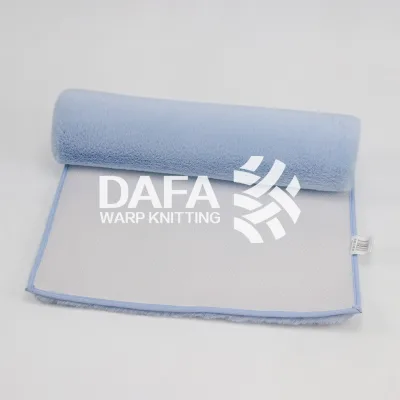
Wholesale Price Non-Slip Washable Rectangular Area Rug Rabbit Velvet Floor Mat for Home Use
$7.2177 - $10.3101
MOQ: 300 pieces
Tianjin Huaqin Carpet Co., Ltd.
- Verified by SGS Group
- Manufacturer, Trading Company
- Lead time10 days
- Avg. response≤ 4h
Main productsCarpet, Rug
Main marketsDomestic Market(80%), Mid East(10%), Africa(10%)
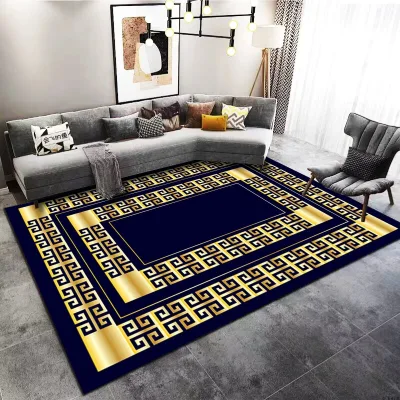
$0.4422 - $0.4737
MOQ: 10 pieces
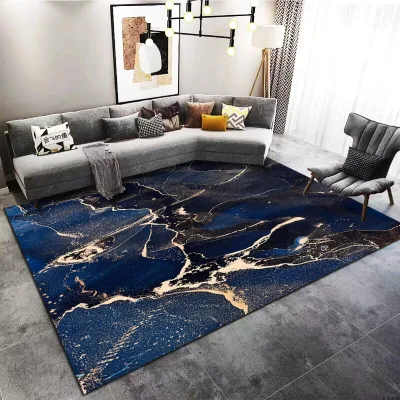
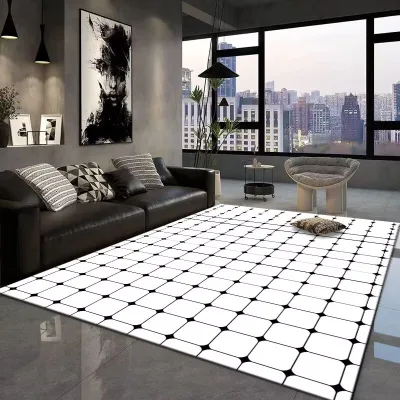
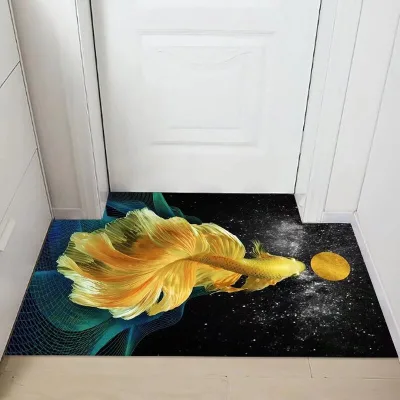
Custom Logo Plush Velvet Rug Eco-Friendly Non-Slip Carpet for Corporate Gift and Brand Promotion
$0.50 - $0.70
MOQ: 10 pieces
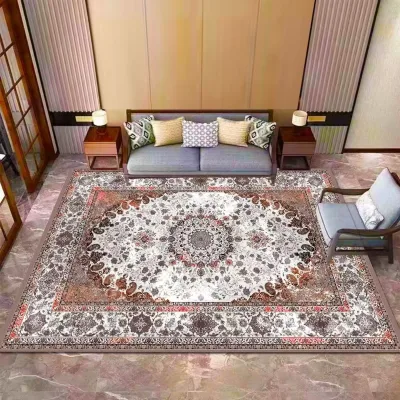
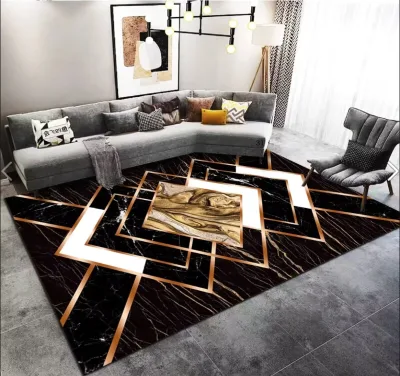
- Verified by TüVRheinland
- Manufacturer, Trading Company
- Lead time15 days
- Avg. response≤ 2h
Main productsFaux Fur Rug, Color Felt Products, Cap, Polishing Pad, Pet Bed
Main marketsDomestic Market(50%), North America(10%), Mid East(10%)
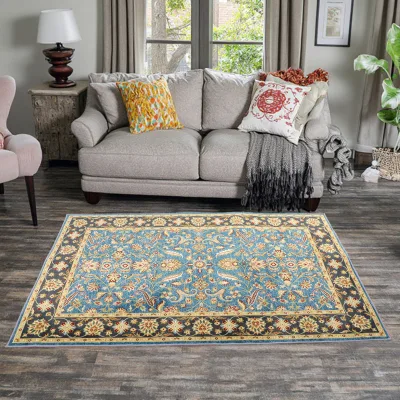
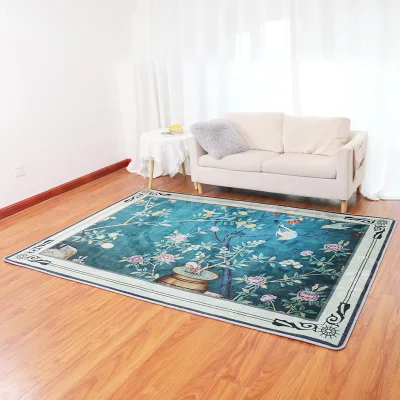

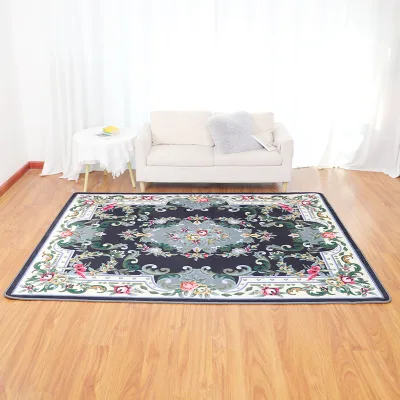
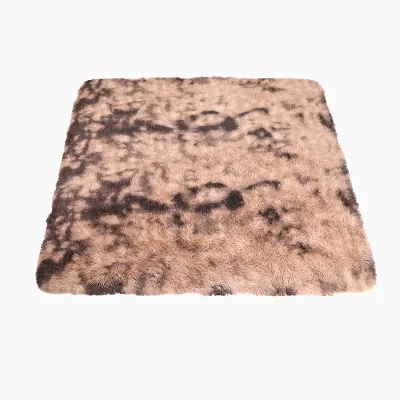
Best Seller Popular Design comfortable Non-slip tie dye Plush velvet rugs living room large
$2.00 - $4.20
MOQ: 10 pieces

Guangzhou MyWow Decor Co., Ltd
- Combined
- China Guangdong
- Lead time15 days
- Avg. response≤ 17h
Main productsWallpaper, Wall Paper, 3D Wallpaper, 3D Wall Panel, Window Blinds, Artificial Grass, Wall Tiles, Center Rugs, Wall Mural, Natural Grasscloth
Main marketsSouth America,Europe,North America
Guangzhou Kaili Carpet Co., Ltd.
- Verified by SGS Group
- Trading Company
- Lead time10 days
- Avg. response≤ 3h
Main productsHotel Carpet, Office Carpet, Rug, Carpet Tile, Axminster Carpet
Main marketsMid East(20%), North America(10%), Southeast Asia(10%)

Changshu Evergrande Imp. & Exp. Co., Ltd.
- Verified by TUVRHEINLAND
- Trading Company
- China Jiangsu
- Lead time30 days
- Avg. response≤ 7h
Main productsMetal Etching Panels and Parts, Vegetable Parchment Paper, Tool Carts and Cabinets, Industrial Carpets and Floorings, Spinpack Parts and Accessories
Main marketsEurope


New Style Anti Slip Polyester Carpet Printed Pattern Geometric Design Rugs
$1.75 - $3.50
MOQ: 500 Pieces


- Trading Company
- China Zhejiang
- Lead time30 days
- Avg. response≤ 14h
Main productsHome Appliance, Cookware Set, Thermos, Home Storage, Furniture, Pet Supplies, Garden Tools, Outdoor Supplies, Baby Supplies, Houesehold Items
Main marketsSouth America,Africa,Southeast Asia/ Mideast,East Asia(Japan/ South Korea),Domestic,Europe,Australia,North America
Hengxuan E-Commerce (tianjin) Co., Ltd.
- Verified by TüVRheinland
- Trading Company
- Lead time0 days
- Avg. response≤ 11h
Main productsTufted Carpets, Woven Carpets, Printed Carpets, Faux Fur Rugs, Bath Rugs
Main marketsDomestic Market(38%), North America(20%), Africa(10%)
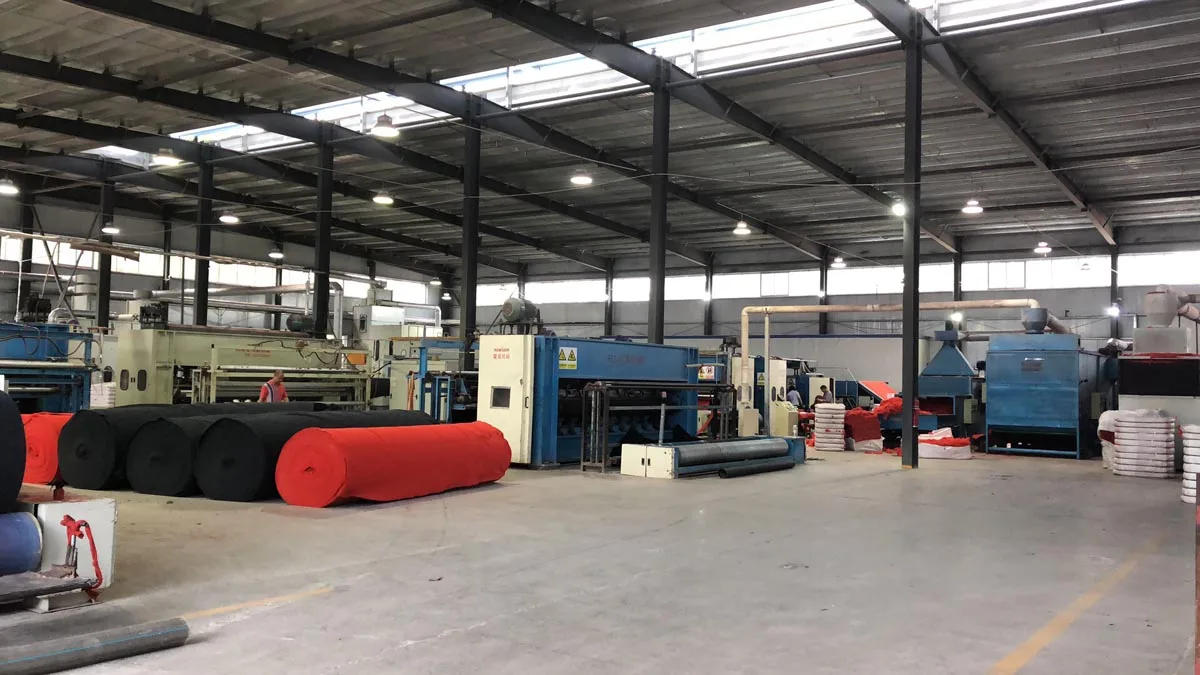
Ningbo Silva Industrial Co., Ltd.
- Manufacturer
- Zhejiang, China
- Lead time20 days
- Avg. response≤ 4h
Main productsCarpet,Door Mat,Bathroom Rugs,Area Rugs,Chair Mats
Main marketsDomestic Market(22.00%), North America(20.00%), Western Europe(15.00%), South America(10.00%), Oceania(5.00%), Mid East(5.00%), Eastern Asia(4.00%), Southern Europe(3.00%), Southeast Asia(3.00%), Northern Europe(3.00%), Eastern Europe(3.00%), South Asia(3.00%), Africa(2.00%), Central America(2.00%)
Shandong Jincheng Carpet Co., Ltd.
- Verified by SGS Group
- Manufacturer, Trading Company
- Lead time15 days
- Avg. response≤ 1h
Main productsDoor mat, Bathroom mat, Stair carpet, Commercial floor mat
Main marketsNorth America(35%), Western Europe(25%), Oceania(20%)
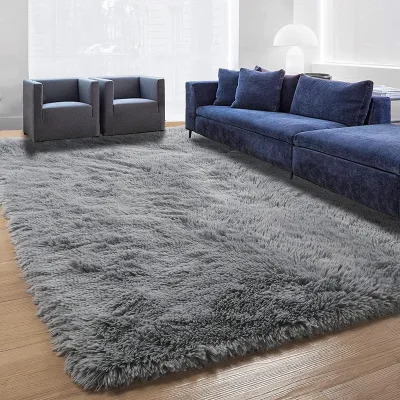
9x12 Area Rug Modern Non Slip Fluffy Bedroom Carpet Shaggy Area Rugs for Living Room
$1.74 - $3.80
MOQ: 800 square
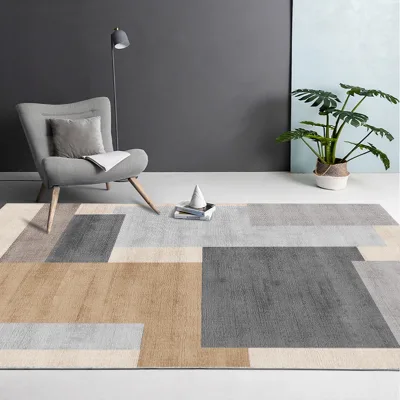
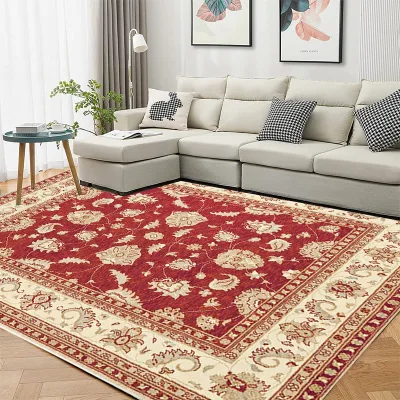
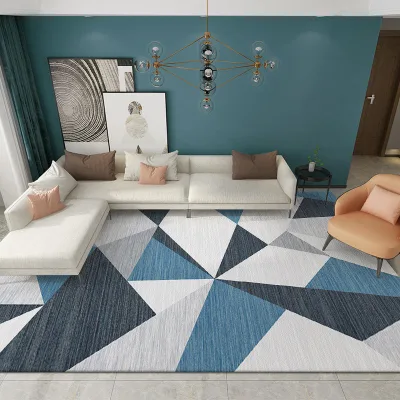
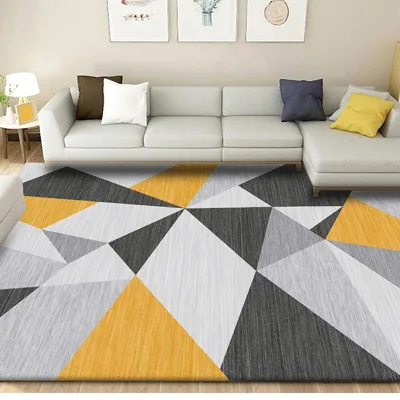
Printed Vintage Room Carpets Area Rugs Sets Carpet Floor Living Room Carpets and Rugs with Rug Pad
$2.30 - $4.60
MOQ: 1000 square
Shandong Maoda Home Textile Co., Ltd.
- Verified by SGS Group
- Manufacturer, Trading Company
- Lead time25 days
- Avg. response≤ 2h
Main productsWoven Blanket, Beach Towel, Mats and Rugs, Table Runner and Table Clothes, Cushions
Main marketsNorth America(40%), Oceania(30%), Western Europe(30%)
- Trading Company
- Hebei, China
- Lead time15 days
- Avg. response≤ 6h
Main productsFur Blanket,Fur Products,Glass Craft
Main marketsNorth America(9.00%), Domestic Market(7.00%), South Asia(7.00%), Southern Europe(7.00%), Northern Europe(7.00%), Central America(7.00%), Western Europe(7.00%), Eastern Asia(7.00%), Mid East(7.00%), Oceania(7.00%), Africa(7.00%), Southeast Asia(7.00%), Eastern Europe(7.00%), South America(7.00%)
Shanghai Lejing Building Materials Co., Ltd.
- Verified by Intertek
- Trading Company
- Lead time15 days
- Avg. response≤ 1h
Main productsLoop Pile Carpet, Fireproof Carpet, Printed Carpet, Exhibition Carpet, Custom Carpet
Main marketsSouth America(20%), Africa(20%), North America(10%)
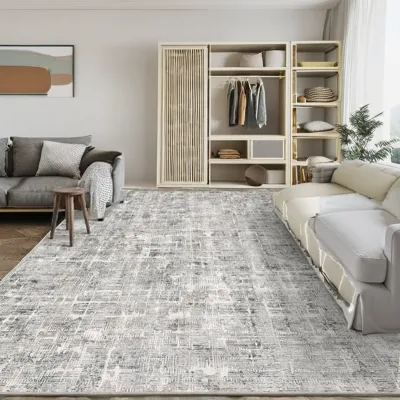
$10.4585 - $18.7435
MOQ: 1 square

Zhejiang Wuyi Natural Home Deco Co., Ltd.
- Manufacturer, Trading Company
- Zhejiang, China
- Lead time35 days
- Avg. response≤ 11h
Main productsKitchen Mat, Baby Play Mat, Door Mat, Place Mat, Bath Mat
Main marketsNorth America(41.00%), Domestic Market(21.00%), Eastern Asia(11.00%), Southern Europe(10.00%), Eastern Europe(9.00%), South America(4.00%), Southeast Asia(2.00%), Oceania(1.00%), Western Europe(1.00%)

DEZHOU MUJIN BUILDING MATERIAL CO., LTD.
- Trading Company
- China Shandong
- Lead time15 days
- Avg. response≤ 6h
Main productsCarpet, Carpet Tile, Rugs and Mats, Shaggy Carpet, Artificail Carpet, Printed Rugs, Sublimation Carpet, Carpet Tape, Nonwoven Needle Punch Carpet, Plain Carpet
Main marketsSouth America,Africa,Southeast Asia/ Mideast,East Asia(Japan/ South Korea),Europe,Australia,North America


Modern Area Rugs Geometric Patterns Simple Printing Carpets for Living Room
$4.30 - $8.25
MOQ: 1000 Pieces


Hot Selling Custom Size Bath Rugs Wholesale Sublimation Anti Slip Floor Area Rugs
$4.60 - $5.87
MOQ: 300 Square Meters
Tianjin Shuhuashi Carpet Co., Ltd.
- Manufacturer, Trading Company
- Tianjin, China
- Lead time15 days
- Avg. response≤ 3h
Main productscarpet,rug,mat
Main marketsSouth America(20.00%), North America(15.00%), Oceania(15.00%), Southeast Asia(12.00%), Eastern Europe(5.00%), Africa(5.00%)
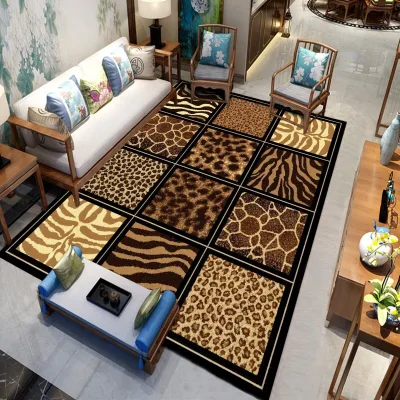
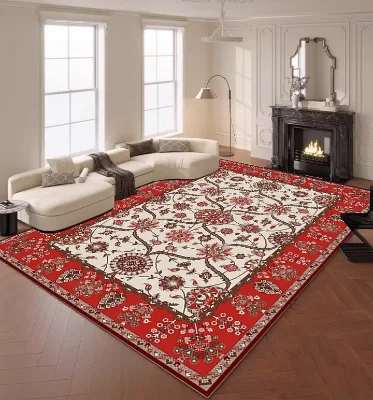
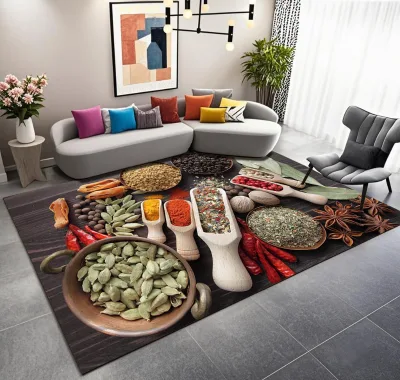
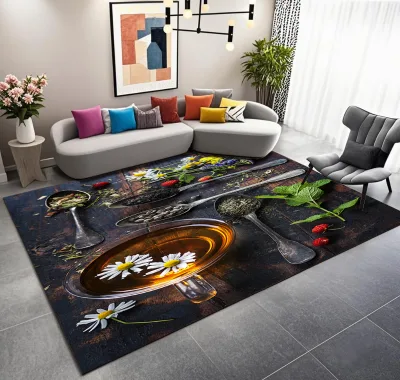
Hot Sale China Factory Ins Style Custom Soft Mat Different Color Rug Living Room Carpet
$1.6879 - $2.0461
MOQ: 3 square
Shenzhen Liangling Trading Co., Ltd.
- Verified by TüVRheinland
- Trading Company
- Lead time7 days
- Avg. response≤ 1h
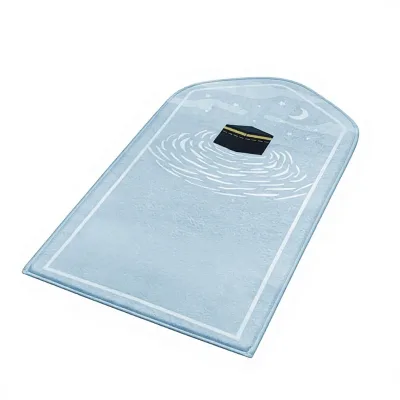
Main productsLiving Room Carpet, Bedroom Carpet, Kitchen Non-slip Mat, Bathroom Water Absorbing Pad, Muslim Prayer Mat
Main marketsNorth America(40%), Western Europe(15%), Mid East(12%)

Gongyi Miracle Trading Co., Ltd.
- Verified by TUVRHEINLAND
- Trading Company
- China Henan
- Lead time15 days
- Avg. response≤ 3h
Main productsCustom Rug, Logo Rug, Hand Tufted Rug, Printed Rug, Modern Rug, Coir Mat, Coil Mat, Machine Tufted Rug, Door Mat, Rubber Mat
Main marketsNorth America

$10.00 - $30.00
MOQ: 5 Square Meters

Custom Rug Custom Irregular Shape Design Modest Carpet Custom Luxury Mat Modern Floor Rugs
$29.00 - $59.00
MOQ: 5 Square Meters

Shandong Tuoyi Environmental Protection Materials Co., Ltd.
- Manufacturer/Factory
- China Shandong
- Lead time15 days
- Avg. response≤ 2h
Main productsNon Woven Exhibition Carpet, PVC Coil Mat, Jumbo Bags, Geosynthetic Products, Carpet, Artificial Grass Turf, Mat, Carpet Tile, Machine Tufted Carpet
Main marketsSouth America,Eastern Europe,Mid East,North America,Southeast Asia,Eastern Asia,Oceania,Western Europe,Africa


Popular Custom Logo Foot Mat Supplier Non-Slip Custom Rugs with Logo
$2.32 - $5.98
MOQ: 1000 Square Meters


Custom Logo Anti-Slip Indoor Outdoor Carpet Rug Nylon Material Floor Mat
$2.32 - $5.98
MOQ: 1000 Square Meters






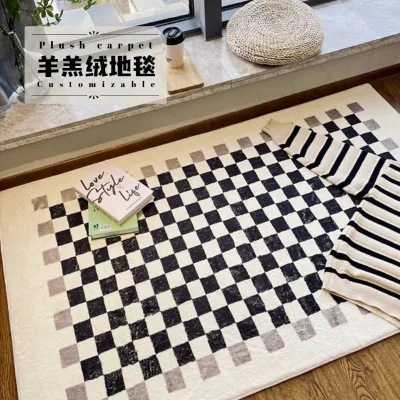
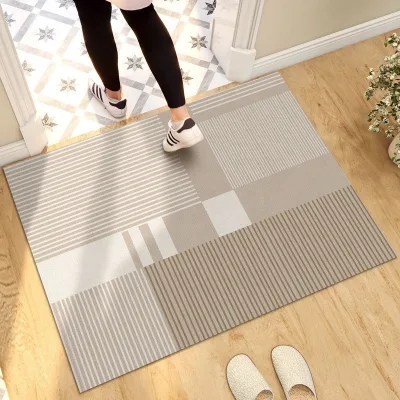
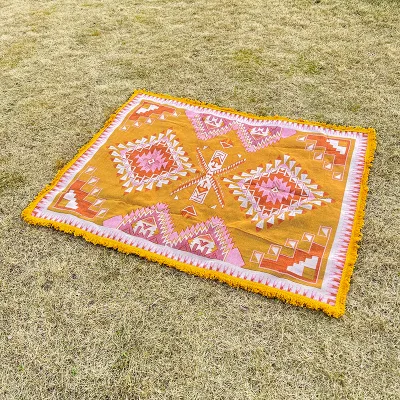
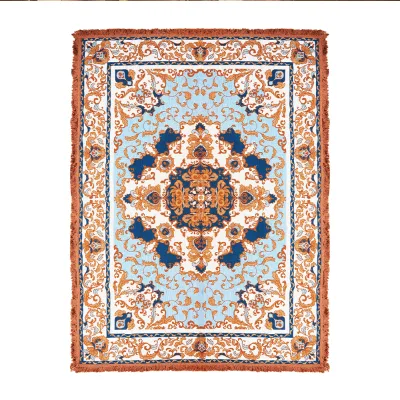

Comprehensive Sourcing Guide
Non-Slip Geometric Velvet Rug Supplier Concentration and Factory Types
The current supplier landscape for non-slip geometric velvet rugs is dominated by trading companies rather than direct manufacturers, which significantly influences how buyers should approach sourcing. Evidence indicates that the majority of available suppliers operate as trading entities, meaning they act as intermediaries between the buyer and the actual production facilities. This structure often allows for greater flexibility in product variety and customization, as trading companies can aggregate inventory from multiple factories. However, it also introduces an additional layer in the supply chain that buyers must navigate carefully. When evaluating potential partners, it is crucial to understand that these entities may not have direct control over the manufacturing floor, which can impact quality consistency and production speed. Buyers should inquire about the specific factories these trading companies work with to ensure that the production capabilities align with their specific requirements for velvet rugs.
Geographic concentration plays a vital role in the availability and cost structure of these products. One verified supplier location is identified as China Zhejiang, a region known for its robust textile manufacturing infrastructure. This concentration suggests that buyers sourcing from this area may benefit from established supply chains and logistical efficiencies. However, not all suppliers display explicit location data, so buyers must verify the origin of production for each potential partner. The presence of suppliers in Zhejiang indicates a cluster of expertise in textile production, which can be advantageous for sourcing high-quality velvet materials. Buyers should prioritize suppliers who can provide clear evidence of their manufacturing base, as this transparency often correlates with better quality control and more reliable delivery schedules. Understanding the geographic distribution of suppliers helps in assessing shipping costs and lead times, which are critical factors in the overall sourcing strategy.
How to Verify Non-Slip Geometric Velvet Rug Suppliers
Verification is a critical step in ensuring the reliability and legitimacy of suppliers offering non-slip geometric velvet rugs. Current data shows that some suppliers hold verification from Intertek, a globally recognized inspection and certification company. This verification provides a level of assurance regarding the supplier’s business legitimacy and operational capabilities. Buyers should prioritize suppliers who have undergone such third-party verification processes, as it reduces the risk of engaging with fraudulent or unreliable entities. Additionally, some suppliers are verified by TüV Rheinland, another reputable certification body. These verifications serve as a baseline for trust, indicating that the supplier has met certain standards for business operations and product quality. Buyers should actively look for these verification badges on supplier profiles and request copies of the verification reports to confirm the scope and validity of the certification.
Beyond third-party verification, buyers should assess the supplier’s response time and communication efficiency as indicators of their operational maturity. Data indicates that response times can vary, with some suppliers responding within two hours and others taking up to six hours. A faster response time often correlates with a more responsive and attentive supplier, which is crucial for resolving issues quickly during the sourcing process. Buyers should test the supplier’s responsiveness by sending detailed inquiries about product specifications, customization options, and shipping terms. The quality and speed of the response can provide valuable insights into the supplier’s professionalism and commitment to customer service. Furthermore, buyers should verify the supplier’s main products to ensure they specialize in non-slip geometric velvet rugs rather than offering a broad, unfocused catalog. Specialization often indicates a deeper understanding of the product and its market requirements.
What to Compare Across Non-Slip Geometric Velvet Rug Suppliers
When comparing suppliers, lead time is a key metric that directly impacts inventory management and customer satisfaction. Current data reveals that lead times can range from seven days to fifteen days, depending on the supplier and the complexity of the order. Buyers should clearly define their required delivery schedules and compare suppliers based on their ability to meet these timelines. Shorter lead times may be advantageous for fast-moving inventory, while longer lead times might be acceptable for custom or pre-order items. It is essential to confirm whether the stated lead time includes production, quality control, and shipping, as discrepancies in this definition can lead to delays. Buyers should also inquire about the factors that influence lead times, such as material availability and production capacity, to better understand the supplier’s operational constraints.
Minimum Order Quantity (MOQ) and pricing are other critical factors that vary significantly across suppliers. Evidence shows that MOQs can range from 300 to 400 units, with prices starting as low as $4.90 and $6.80 per unit. Buyers should evaluate these metrics in the context of their sales volume and budget constraints. Lower MOQs may be beneficial for testing the market or for smaller retailers, while higher MOQs might offer better unit prices for larger buyers. It is important to note that prices are often tied to specific product attributes, such as material composition and design complexity. Buyers should request detailed quotes that break down costs by product variant to ensure accurate comparison. Additionally, buyers should consider the supplier’s customization capabilities, as some offer graphic processing and on-demand customization, which can add value but may also impact cost and lead time.
Common Non-Slip Geometric Velvet Rug Sourcing Risks
One significant risk in sourcing non-slip geometric velvet rugs is the potential discrepancy between product samples and bulk production. Suppliers may provide high-quality samples that do not reflect the consistency of mass-produced items. This risk is particularly relevant for products with specific features like non-slip backing and velvet pile height, which can vary in quality. Buyers should request multiple samples from different production batches to assess consistency. Additionally, buyers should verify the material specifications, such as polyester fiber content and pile height, to ensure they match the agreed-upon standards. Inconsistent materials can lead to customer dissatisfaction and returns, so rigorous quality control measures are essential. Buyers should also inquire about the supplier’s quality assurance processes and whether they conduct pre-shipment inspections to mitigate this risk.
Another risk is the lack of transparency in supply chain details, particularly regarding the origin of materials and manufacturing processes. Some suppliers may not provide complete information about their supply chain, making it difficult to verify ethical sourcing practices or compliance with international standards. Buyers should request detailed information about the source of raw materials, such as polyester, and the manufacturing facilities involved in production. This transparency is crucial for ensuring that the products meet specific regulatory requirements and ethical standards. Additionally, buyers should be cautious of suppliers who do not display clear certification information, such as the General Certificate of Conformity (GCC) held by some suppliers. Lack of certification can indicate potential compliance issues, especially for products intended for markets with strict safety regulations. Buyers should prioritize suppliers who can provide comprehensive documentation and certifications to ensure product safety and compliance.
Non-Slip Geometric Velvet Rug Regional Sourcing and Logistics
Sourcing from specific regions can offer logistical advantages and cost efficiencies. Evidence indicates that some suppliers are located in China Zhejiang, a region with a strong textile manufacturing base. This location can provide benefits such as proximity to raw material suppliers and established logistics networks, which can reduce shipping costs and lead times. Buyers should consider the geographic location of suppliers when evaluating shipping options and costs. Suppliers in Zhejiang may have easier access to major ports and shipping routes, facilitating faster and more cost-effective delivery. However, buyers should also consider the potential impact of regional trade policies and tariffs on shipping costs. Understanding the logistical landscape of the supplier’s location helps in planning the supply chain more effectively and minimizing unexpected costs.
Logistics planning should also account for the packaging and handling requirements of non-slip geometric velvet rugs. Products are often packaged in specific dimensions, such as 50x50x50 cm or 60x45x45 cm, which can impact shipping volume and costs. Buyers should work with suppliers to optimize packaging to reduce shipping expenses without compromising product protection. Additionally, buyers should consider the weight of the products, as some items have a single gross weight of 20.0 kg or 25.0 kg, which can affect freight charges. Efficient logistics planning involves coordinating with suppliers to ensure that packaging and shipping methods are aligned with the buyer’s distribution requirements. Buyers should also inquire about the supplier’s experience with international shipping and their ability to handle customs clearance and documentation. A supplier with strong logistics capabilities can streamline the import process and reduce delays.
Non-Slip Geometric Velvet Rug Commercial Terms and Order Planning
Commercial terms, including payment methods and warranty policies, are essential components of order planning. Buyers should negotiate clear payment terms that align with their cash flow requirements and risk tolerance. Common terms may include partial payments upfront and the balance upon shipment, but buyers should seek terms that offer protection, such as escrow services or letters of credit. Additionally, buyers should clarify the supplier’s warranty and return policies for defective products. Understanding these terms helps in managing financial risks and ensuring that any issues are resolved efficiently. Buyers should also consider the supplier’s flexibility in handling order modifications or cancellations, as market conditions can change rapidly. Clear commercial terms provide a framework for a smooth transaction and reduce the potential for disputes.
Order planning should also involve strategic inventory management based on supplier lead times and MOQs. Buyers should align their ordering schedules with the supplier’s production capacity to avoid stockouts or excess inventory. For example, if a supplier has a lead time of seven days and an MOQ of 300 units, buyers should plan their orders to match their sales velocity and storage capacity. Buyers should also consider the seasonal demand for non-slip geometric velvet rugs, as certain designs may be more popular during specific times of the year. By forecasting demand accurately and coordinating with suppliers, buyers can optimize their inventory levels and reduce holding costs. Additionally, buyers should maintain open communication with suppliers to stay informed about production updates and potential delays. Proactive order planning ensures that the supply chain remains responsive to market changes and customer needs.
FAQs
What are the typical lead times for non-slip geometric velvet rugs?
Lead times vary by supplier, with observed ranges from 7 to 15 days. Some suppliers offer faster processing for samples, while standard orders may require up to two weeks. Buyers should confirm specific timelines based on order volume and customization needs before placing a purchase.
What is the minimum order quantity for these rugs?
Minimum order quantities differ across suppliers, with examples showing thresholds of 300 or 400 units. Some listings allow single item purchases for samples, but bulk orders typically require meeting specific MOQs. Verify the exact requirement with the supplier to ensure compliance with their policy.
How quickly do suppliers typically respond to inquiries?
Response times vary, with some suppliers replying within 2 hours and others taking up to 6 hours. Faster response rates often indicate higher availability or dedicated support teams. Buyers should expect a range of response speeds and may need to follow up if a quick reply is critical.
Are these rugs verified by third-party inspection agencies?
Some suppliers hold verification from agencies like Intertek or TÜV Rheinland, ensuring product quality and compliance. Not all suppliers display these credentials, so buyers should check individual profiles for verification status. Third-party verification adds a layer of trust regarding material safety and manufacturing standards.
What materials are commonly used for these velvet rugs?
Common materials include polyester, chemical fiber, and 100% polyester blends. These materials offer durability, softness, and non-slip properties suitable for various home settings. Buyers should review product specifications to confirm the exact fiber composition and ensure it meets their specific usage requirements.
Where are these rugs typically manufactured?
Most products originate from China, with specific manufacturing hubs in Zhejiang province. This region is known for textile production and offers a wide range of styles. Buyers should verify the place of origin on product listings to confirm the manufacturing location and potential shipping logistics.
What certifications do these rugs hold?
Certifications vary, with some suppliers holding General Certificate of Conformity (GCC) or other system certifications. Many listings do not explicitly state certifications, so buyers must check individual product details. Ensuring the rug meets local safety standards is essential for compliance in the destination market.