Nissan Maxima Camshaft Position Sensor Suppliers and Manufacturers
Compare 26 verified suppliers offering Nissan Maxima Camshaft Position Sensor with details on location, lead times, and pricing. Review product specifications and response times to select a suitable factory for your automotive parts needs; review the available evidence before requesting comparable quotations from suitable candidates.
Updated
Suppliers List

Guangzhou Xin Sande Auto Parts Co., Ltd.
- Verified by TUVRHEINLAND
- Trading Company
- China Guangdong
- Lead time30 days
- Avg. response≤ 4h
Main productsCar Part
Main marketsSouth America,Southeast Asia/ Mideast,North America


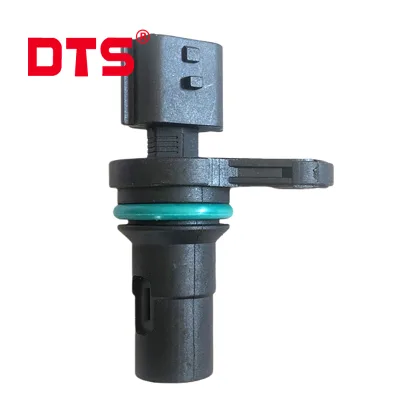
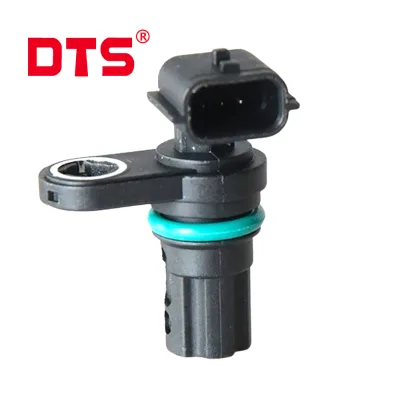
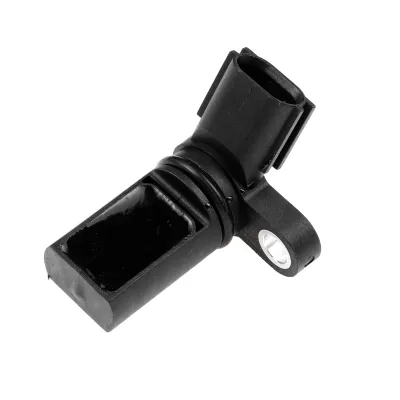
China Suppliers Camshaft Position Sensor for Nissan Tiida 23731ED02A 23731ED015 23731ED00A
$2.89 - $3.78
MOQ: 20 Pieces

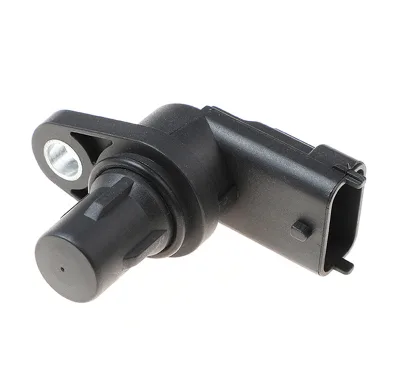
Camshaft Sensor Crankshaft Position Sensor for KIA Optima Hyundai Sonata 3931038060 4m50
$4.01 - $5.32
MOQ: 20 Pieces
Guangzhou Jinshengxi Auto Parts Co., Ltd.
- Trading Company
- Lead time旺季: "1 - 30":16,"31 - 100":20,"101 - 1000":24,"> 1000":"To be negotiated", 淡季: "1 - 30":16,"31 - 100":20,"101 - 1000":24,"> 1000":"To be negotiated"
- Avg. response≤ 2h
Main productsIgnition Coils, Car Sensors, Window Switches, Fuel Pumps, Fuel Injectors
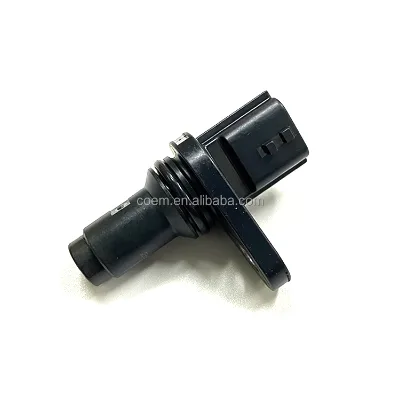
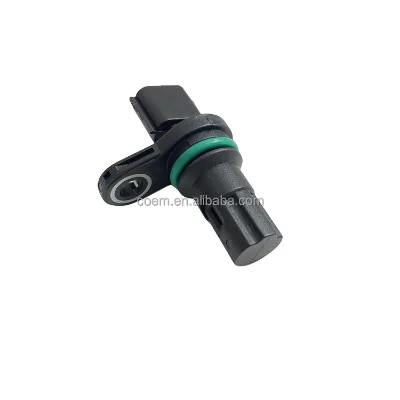
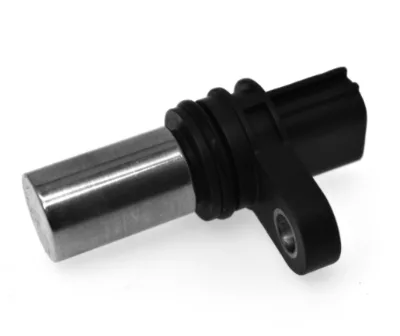
Camshaft Position Sensor 23731-1HC1A 23731-ED02A for Nissan Micra IV Note Qashqai Versa Auto Sensor
$3.9978 - $5.9495
MOQ: 5 pieces
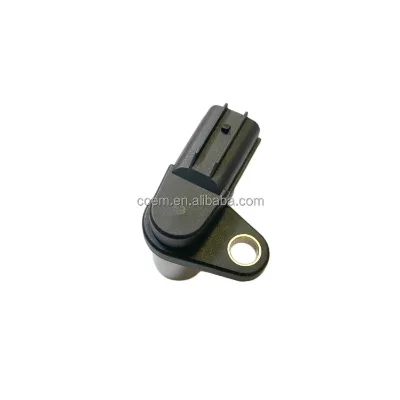
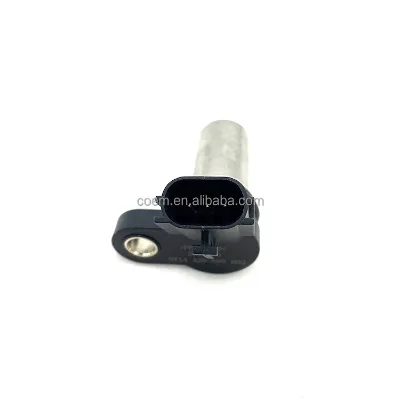
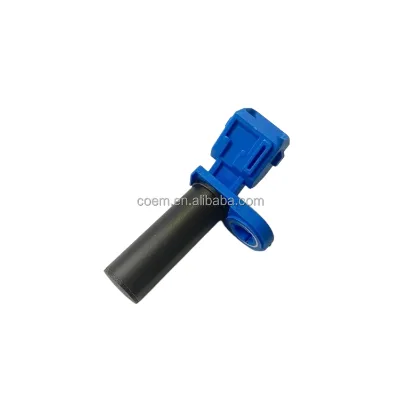
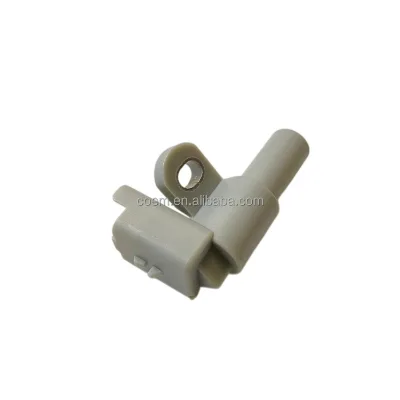
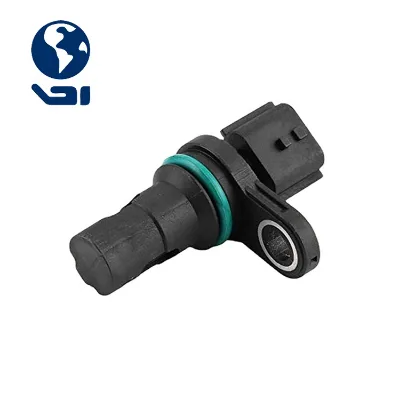
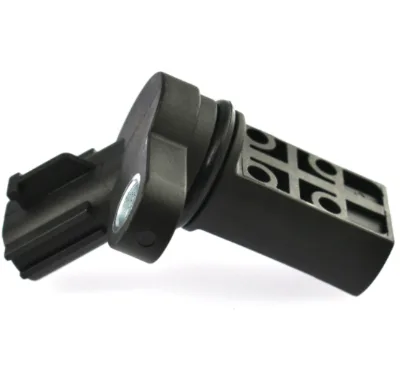
Camshaft Position Sensor 23731-4M50C A29-690 for Qashqai Murano X-TRAIL Maxima Auto Sensor
$4.50 - $5.50
MOQ: 10 pieces
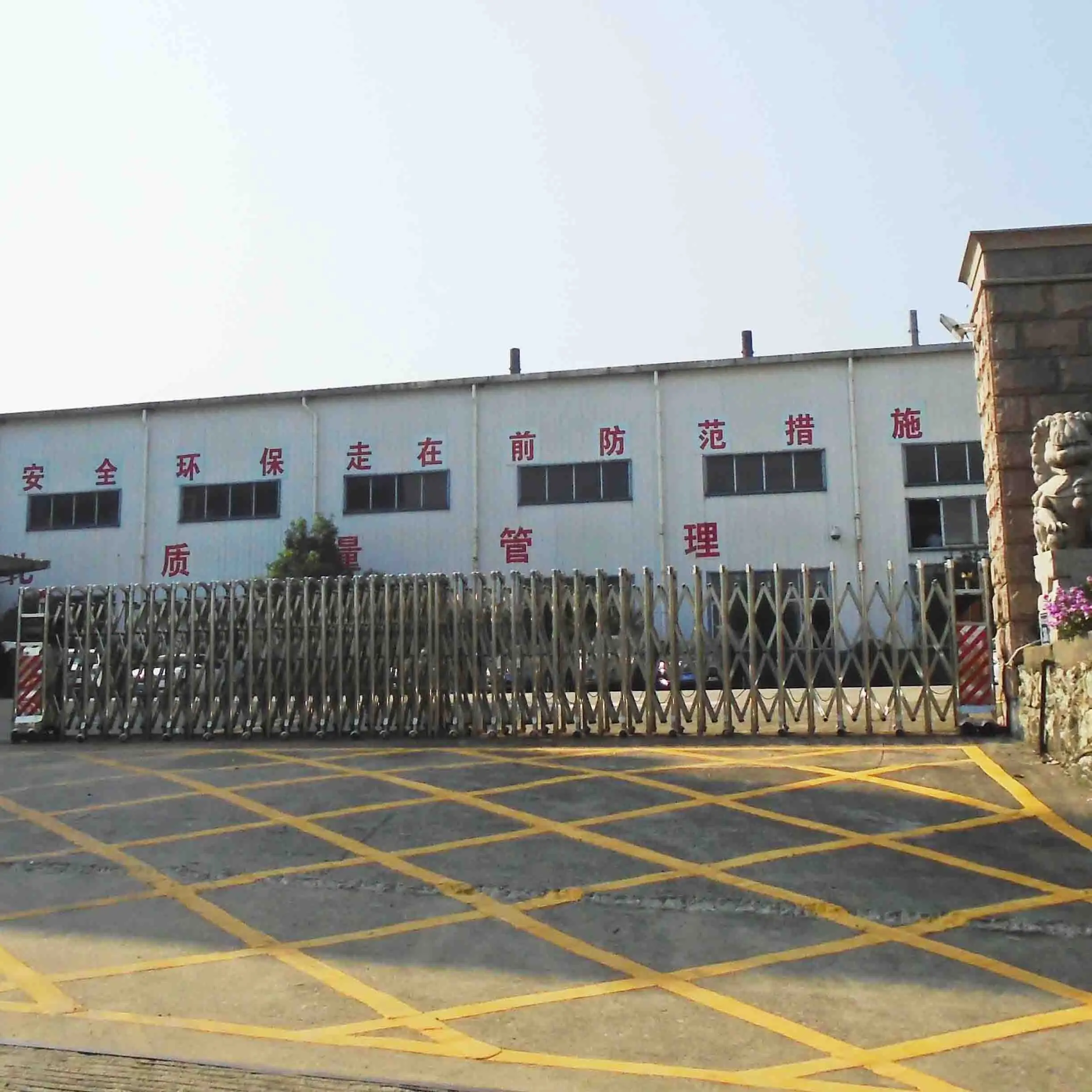
Guangzhou Ditasi Auto Parts Co., Ltd.
- Trading Company
- Guangdong, China
- Lead time10 days
- Avg. response≤ 1h
Main productsTransmission Filter,Fuel Injector,Auto Sensors
Main marketsDomestic Market(47.00%), Eastern Europe(30.00%), Southeast Asia(15.00%), North America(8.00%)

Guangzhou Fengming Auto Parts Co., Ltd.
- Verified by SGS
- Trading Company
- China Guangdong
- Lead time15 days
- Avg. response≤ 8h
Main productsAuto Part, Spark Plug, Filters, Clock Spring, Water Pump, Timing Chain Kit, Engine Mount, Gasket Kit, Control Arm, Steering Rack
Main marketsSoutheast Asia/ Mideast,Europe,North America
Guangzhou Hanzhuang Automotive Electronics Technology Co., Ltd.
- Manufacturer, Trading Company
- Guangdong, China
- Lead time5 days
- Avg. response≤ 5h
Main productsOxygen Sensor,Ignition Coil,ABS Wheel Sensor,Fuel Pump Assembly,Crankshaft Position Sensor
Main marketsMid East(45.00%), Southeast Asia(20.00%), Africa(15.00%), North America(10.00%), South America(10.00%)

Wenzhou Credit Parts Co., Ltd.
- Verified by TUVRHEINLAND
- Combined
- China Zhejiang
- Lead time15 days
- Avg. response≤ 11h
Main productsFuel Injector, Fuel Pump, Vvt Variable Valve, Sensor, Fuel Injector Repair Kits, Fuel Pressure Regulator, Idle Air Control Valve, Diesel Injector
Main marketsNorth America

Beijing Xinhan Fengda Trading Co., Ltd.
- Verified by SGS
- Trading Company
- China Beijing
- Lead time15 days
- Avg. response≤ 4h
Main marketsSouth America,Australia

Auto Cam Shaft Position Sensor 39350-22600 Car Engine Camshaft Sensor for Hyundai KIA Petrol Engine
$2.50 - $4.50
MOQ: 5 Pieces


24360-2gga0 24360-2ggb0 Engine Parts Camshaft Position Sensor243602gga0 243602ggb0
$18.00 - $20.00
MOQ: 5 Pieces

24360-2ggc0 24360-2ggd0 Engine Parts Camshaft Position Sensor243602ggc0 243602ggd0
$18.00 - $20.00
MOQ: 5 Pieces
Guangzhou Didi Auto Parts Co., Ltd.
- Manufacturer, Trading Company, Distributor/Wholesaler
- Guangdong, China
- Lead time5 days
- Avg. response≤ 2h
Main productsPDC Sensor,Tpms Sensor,Power Window Switch,Reversing Camera,Oxygen Sensor
Main marketsMid East(15.00%), Southern Europe(10.00%), Northern Europe(10.00%), Domestic Market(10.00%), South Asia(10.00%), South America(10.00%), Oceania(5.00%), Africa(5.00%), Southeast Asia(5.00%), Western Europe(5.00%), Eastern Europe(5.00%), North America(5.00%), Eastern Asia(3.00%), Central America(2.00%)
Shaanxi Jinglian M&E Tech. Co., Ltd.
- Manufacturer, Trading Company
- Shaanxi, China
- Lead time0 days
- Avg. response≤ 5h
Main productsEngine System,Electrical System,Suspension System,Transmission System,Auto Steering System
Main marketsWestern Europe(25.00%), North America(25.00%), South America(10.00%), Southeast Asia(10.00%), Eastern Europe(10.00%), Northern Europe(9.00%), Southern Europe(9.00%), Africa(2.00%)

Qingdao D&E International Trade Co., Ltd.
- Verified by BV
- Trading Company,Manufacturer/Factory
- China Shandong
- Lead time23 days
- Avg. response≤ 5h
Main productsAuto Spare Parts, Truck Sparts Parts, Diesel Heaters, Truck Air Conditioner, Heater Spare Parts for Eberspacher/Webasto
Main marketsSouth America,Eastern Europe,Mid East,North America,Southeast Asia,Eastern Asia,Oceania,Western Europe,Africa
Foshan Gaia Auto Parts Co., Ltd.
- Manufacturer, Trading Company, Buying Office
- Guangdong, China
- Lead time0 days
- Avg. response≤ 4h
Main productsTire pressure sensor,Parking Sensor,Oxygen sensor,Spark plugs,Power Window switch
Main marketsSoutheast Asia(20.00%), Africa(13.00%), Eastern Europe(13.00%), North America(11.00%), Oceania(11.00%), Domestic Market(10.00%), South America(9.00%), Eastern Asia(8.00%), Mid East(5.00%)
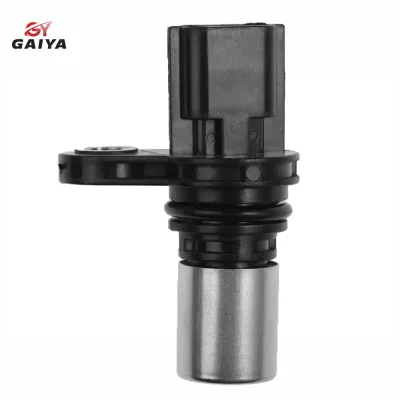
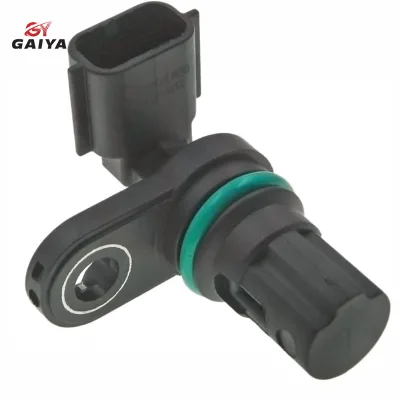
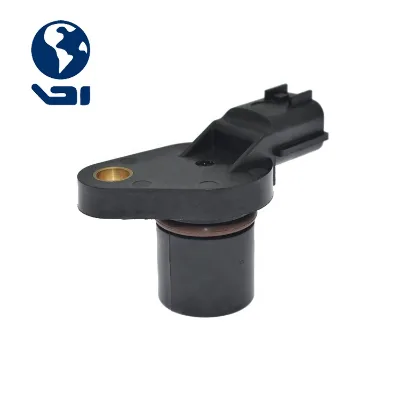
Camshaft Position Sensor 23731-EN22A for Nissan Cube Sentra & Versa L4 2007-2012 23731EN22A
$4.1447 - $4.7668
MOQ: 10 pieces
Yichun Hengjin Auto Parts Co., Ltd.
- Verified by TüVRheinland
- Trading Company
- Lead time7 days
- Avg. response≤ 4h
Main productsAuto Sensors, Auto Electronics Accessories
Main marketsNorth America(33%), Southeast Asia(30%), Mid East(23%)

Guangzhou Shiguangtong Auto Parts Trading Co., Ltd.
- Verified by TUVRHEINLAND
- Trading Company
- China Guangdong
- Lead time15 days
- Avg. response≤ 5h
Main productsAuto Parts
Main marketsDomestic
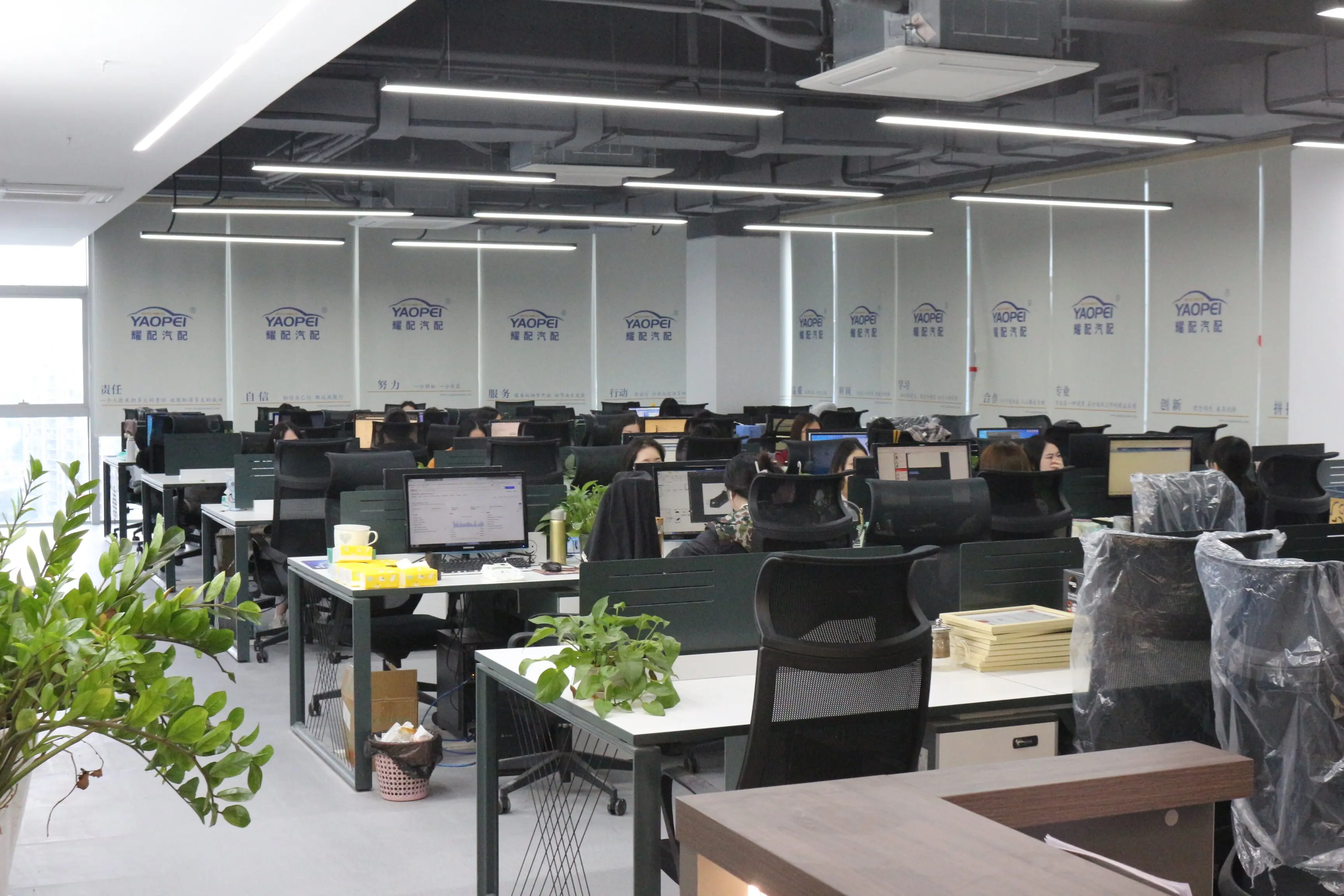
Guangzhou Yaopei Auto Parts Co., Ltd .
- Trading Company, Distributor/Wholesaler
- Lead time旺季: "1 - 500":7,"> 500":"To be negotiated", 淡季: "1 - 500":7,"> 500":"To be negotiated"
- Avg. response≤ 3h
Main productsParking Sensor,Tpms Sensor,Fuel Rail Pressure Sensor,Power Window Switch,MAP Sensor
Guangzhou Yihua Yiyu Trading Co., Ltd.
- Trading Company, Buying Office, Distributor/Wholesaler
- Guangdong, China
- Lead time7 days
- Avg. response≤ 1h
Main productsAuto Electrlcal Systems,Auto Engine Systems,Auto Transmission Systems,Auto Sensor,Control Valve
Main marketsSouth America(40.00%), North America(17.00%), Western Europe(5.00%), Eastern Asia(5.00%), Mid East(5.00%), Southern Europe(5.00%), Northern Europe(5.00%), Central America(5.00%), Eastern Europe(5.00%), Southeast Asia(3.00%), South Asia(2.00%), Africa(2.00%), Oceania(1.00%)
Ruian Litian Autoparts Co., Ltd.
- Manufacturer
- Zhejiang, China
- Lead time30 days
- Avg. response≤ 14h
Main productsSensor,switch,electric appliance,rubber parts,engine parts
Main marketsSouth America(12.00%), Southeast Asia(12.00%), Domestic Market(12.00%), Mid East(10.00%), Africa(10.00%), North America(10.00%), Oceania(8.00%), Western Europe(6.00%), Eastern Asia(5.00%), Eastern Europe(5.00%), South Asia(3.00%), Northern Europe(3.00%), Central America(2.00%), Southern Europe(2.00%)
Guangzhou Bineng Business Co., Ltd.
- Verified by Intertek
- Trading Company
- Lead time7 days
- Avg. response≤ 2h
Main productsAuto Sensors, Air Flow Meters, Ignition Coils, Spark Plugs , Car Switch
Main marketsSouth America(45%), North America(35%), Domestic Market(20%)

Lietuvo International Incorporation
- Verified by BV
- Trading Company
- China Beijing
- Lead time30 days
- Avg. response≤ 13h
Main productsAuto Parts, Auto Suspension Parts, Auto Engine Parts, Auto Brake Parts
Main marketsEurope


Exclusive Hot Sale Engine Camshaft Position Sensor for Chevrolet Auto Sensor 96253544
$1.65 - $1.80
MOQ: 1 Pieces
Ruian Changsheng Electric Appliance Co., Ltd.
- Verified by Intertek
- Manufacturer, Trading Company
- Lead time30 days
- Avg. response≤ 9h
Main productsStator, Starter Motor, Rectifier
Main marketsNorth America(60%), Western Europe(20%), Southeast Asia(20%)
Guangzhou Zhenhua Auto Part Trading Co., Ltd.
- Verified by TüVRheinland
- Trading Company
- Lead time3 days
- Avg. response≤ 3h
Main productsFuel Injector, Ignition Coil, Oxygen Sensor, Crankshaft Potion Sensor, Fuel Pump
Main marketsSouth America(35%), North America(20%), Southeast Asia(20%)
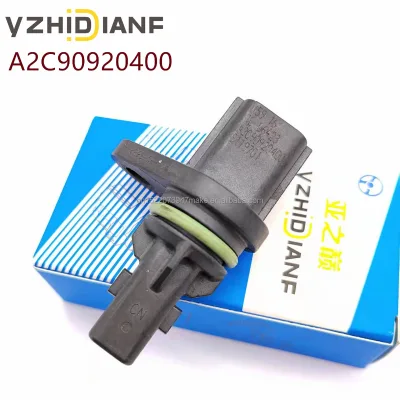
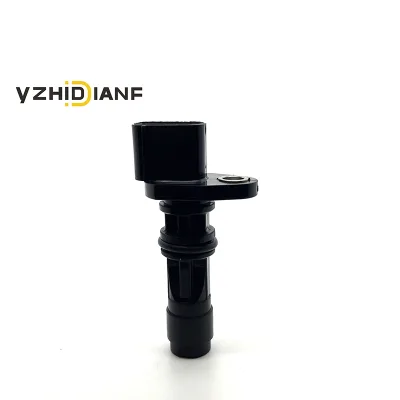
$3.1014 - $4.1357
MOQ: 10 pieces

Guangzhou Goson Autopart Co., Ltd
- Verified by BV
- Trading Company
- China Guangdong
- Lead time15 days
- Avg. response≤ 15h
Main productsIgnition Coil, Fuel Pump, Oil Nozzle, Fuel Oil Pump Assembly, Computer Board, Oxygen Sensor, Water Temperature Sensor, Idle Speed Motor
Main marketsDomestic
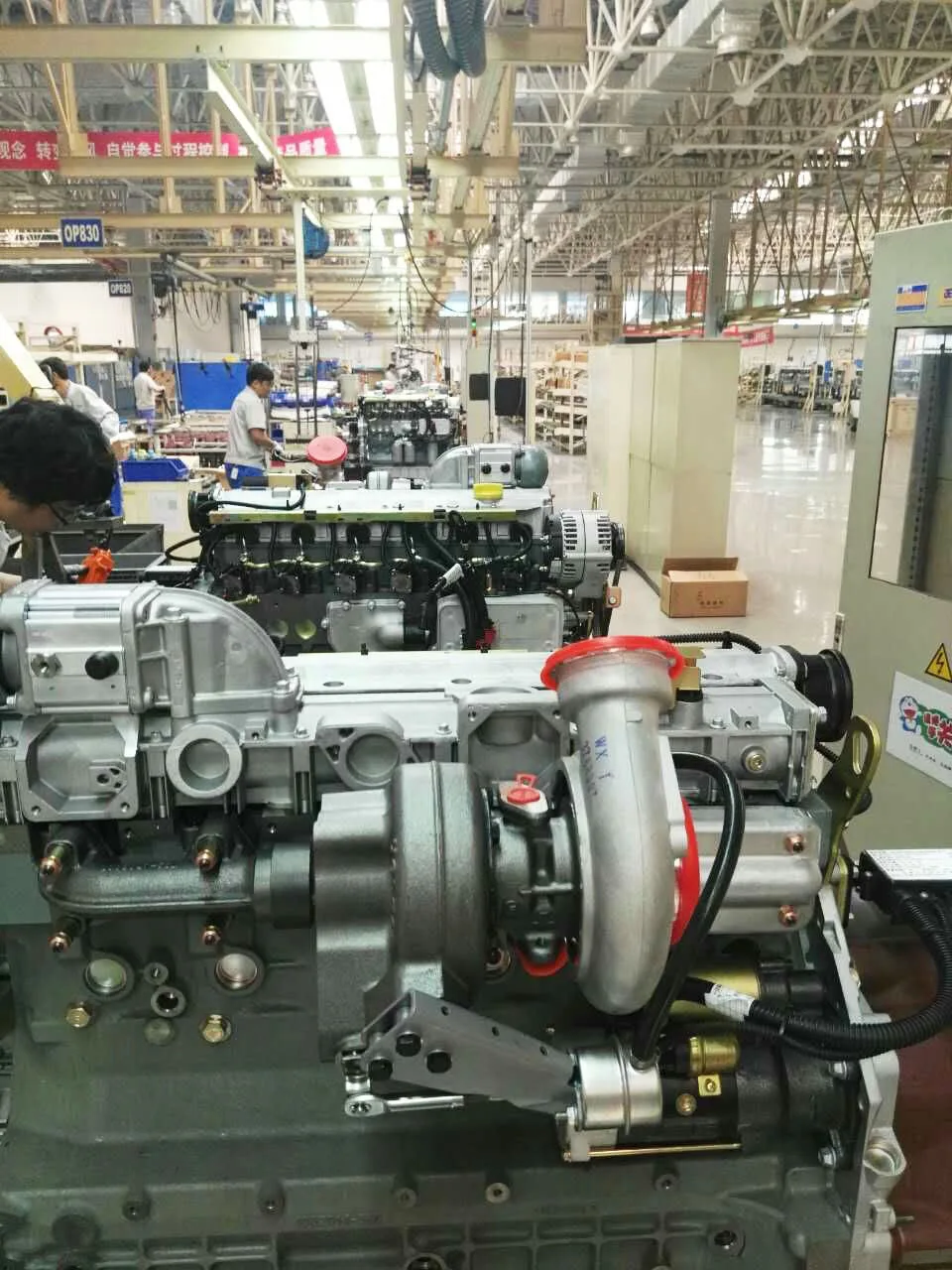
Shenzhen Deuvols Mechinery Co., Ltd.
- Trading Company, Buying Office, Distributor/Wholesaler
- Guangdong, China
- Lead time2 days
- Avg. response≤ 6h
Main productsdeutz engine parts,deutz parts,volvo engine parts,perkins parts,cummins parts
Main marketsSoutheast Asia(25.00%), North America(15.00%), Northern Europe(15.00%), Mid East(11.00%), Eastern Europe(6.00%), Eastern Asia(6.00%), South Asia(5.00%), Southern Europe(3.00%), Oceania(3.00%), Africa(3.00%), Domestic Market(2.00%), Central America(2.00%), Western Europe(2.00%), South America(2.00%)

Guangzhou Hengyang Technology Development Co., Ltd.
- Verified by BV
- Manufacturer/Factory
- China Guangdong
- Lead time23 days
- Avg. response≤ 6h
Main productsAir Filter, Oil Filter, Spark Plug, Ignition Coil, Oxygen Sensor, Fuel Pump, Fuel Injector, Spark Plug Wire, Fuel Filter, Head Gasket
Main marketsSouth America,Mid East,North America,Southeast Asia,Eastern Asia,Africa

Factory Price Car Sensors Camshaft Position Sensor 39310-38050 3931038050 for Mitsubishi
$2.50 - $6.50
MOQ: 100 Pieces

39310-38050 High Quality Auto Parts Auto Sensor Camshaft Position Sensor 3931038050 for Hyundai
$2.50 - $6.50
MOQ: 100 Pieces

Guangzhou Tianyutong Auto Parts Co., Ltd.
- Manufacturer, Trading Company
- Guangdong Provinc, China
- Lead time10 days
- Avg. response≤ 5h
Main productsFuel Injectors,Oxygen sensors,Car Switchs,Ignition Coil,Abs sensor
Main marketsSoutheast Asia(20.00%), South America(20.00%), Mid East(20.00%), South Asia(10.00%), North America(10.00%), Eastern Asia(8.00%), Africa(3.00%), Oceania(2.00%), Northern Europe(2.00%), Central America(2.00%), Western Europe(2.00%), Southern Europe(1.00%)
Cheng Ye (guangzhou) Auto Parts Trading Co., Ltd.
- Manufacturer, Trading Company, Distributor/Wholesaler
- Guangdong, China
- Lead time旺季: "1 - 100":14,"> 100":"To be negotiated", 淡季: "1 - 100":14,"> 100":"To be negotiated"
- Avg. response≤ 1h
Main productsNissan's full range of accessories,ABS Sensor,Oxygen Sensor,Crankshaft Position Sensor,air flow sensor
Main marketsNorth America(15.00%), South America(15.00%), Southeast Asia(15.00%), Mid East(15.00%), Eastern Asia(15.00%), Central America(15.00%), Africa(10.00%)
Guangdong Chundao Electric Control Technology Co., Ltd.
- Verified by Intertek
- Manufacturer, Trading Company
- Lead time20 days
- Avg. response≤ 8h
Main productsCam Phaser, Automatic Transmission Solenoid Valve, Transmission Solenoid Block Pack, Oil Pressure Control Valve, Diesel Injector Harness Wiring
Main marketsNorth America(40%), Northern Europe(15%), South Asia(15%)
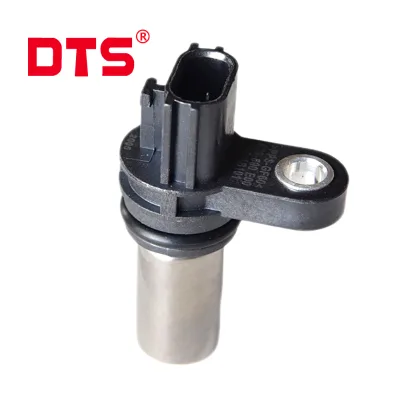
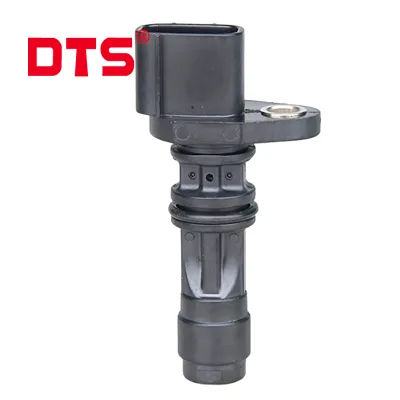
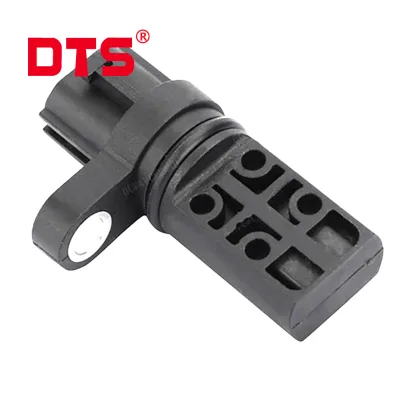








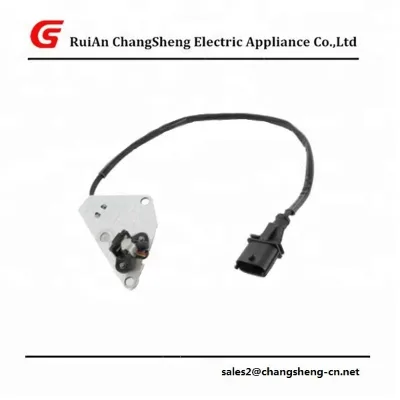
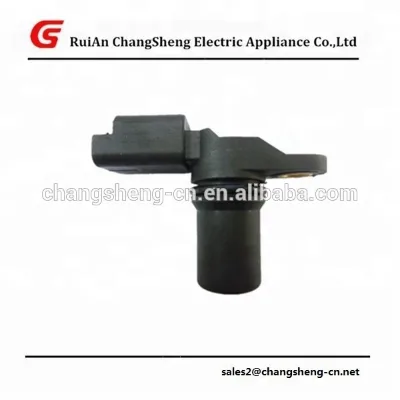


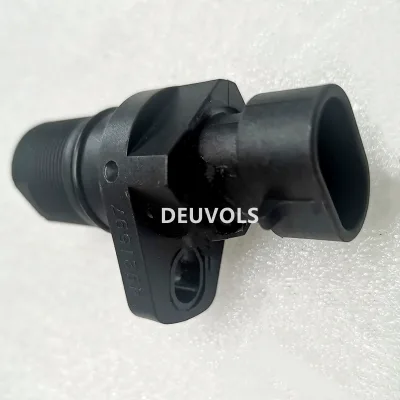
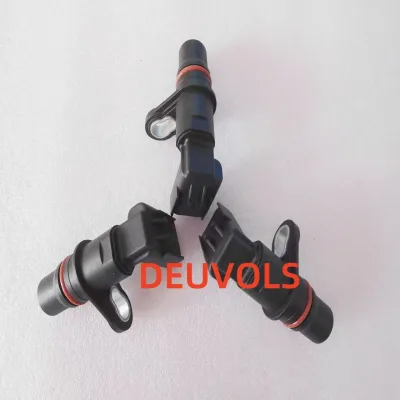
Comprehensive Sourcing Guide
Nissan Maxima Camshaft Position Sensor Supplier Concentration and Factory Types
The available data indicates a concentration of suppliers operating from Guangdong, China, which serves as a primary manufacturing cluster for automotive electrical components. This region hosts a mix of trading companies and factories capable of Original Design Manufacturing and Original Equipment Manufacturing services. Buyers should verify if a specific supplier is a direct manufacturer or a trading intermediary, as this distinction impacts pricing structures and communication efficiency. The observed supplier types include entities that offer both OEM and ODM capabilities, suggesting flexibility in production customization for specific vehicle models like the Nissan Maxima.
When evaluating the factory landscape, it is essential to look for suppliers who explicitly list main products such as car sensors, ignition coils, and fuel pumps, indicating a specialized focus on automotive electrical systems. Some suppliers in this cluster may also produce window switches and fuel injectors, which suggests a broader supply chain capability. Buyers must confirm the specific production capacity of a supplier, as some may have dedicated lines for synthetic type sensors while others might focus on switching sensor outputs. The presence of established manufacturing hubs in Guangdong allows for efficient logistics, but the exact location within the province should be confirmed to assess proximity to major shipping ports.
How to Verify Nissan Maxima Camshaft Position Sensor Suppliers
Verification of supplier credentials is critical when sourcing automotive parts to ensure product reliability and compliance with safety standards. The data shows that some suppliers hold TUVRHEINLAND verification, which serves as a third-party validation of their business operations and quality management systems. Buyers should prioritize suppliers with this specific certification or request equivalent documentation to confirm their legitimacy. It is important to note that not all suppliers may display this verification status, so buyers must actively request proof of certification rather than assuming it applies to the entire supplier pool.
Beyond third-party verification, buyers should examine the supplier's response time and communication efficiency as indicators of operational reliability. Observed response times vary, with some suppliers demonstrating a rapid response capability of approximately two hours, while others may take longer. A faster response time often correlates with better customer service and more efficient order processing. Additionally, buyers should check for specific product attributes such as material composition, which can be metal or plastic, and output types like switching or digital signals. Confirming these technical details ensures the sensor matches the specific requirements of the Nissan Maxima engine system before placing an order.
What to Compare Across Nissan Maxima Camshaft Position Sensor Suppliers
Comparing suppliers requires a detailed analysis of key operational metrics including lead times, minimum order quantities, and pricing structures. Lead times in the observed data range from approximately 30 days for standard orders to specific seasonal variations where peak seasons may extend delivery windows. Buyers must clarify if the quoted lead time applies to the peak or off-peak season, as this significantly impacts inventory planning. Minimum order quantities also vary, with some suppliers requiring as few as five pieces while others may set thresholds at twenty units. Understanding these thresholds helps buyers align their procurement volume with supplier capabilities.
Pricing and product specifications are equally vital comparison points when selecting a supplier. The observed price ranges for similar sensors span from approximately $2.89 to $6.43, depending on the specific model and customization requirements. Buyers should compare the unit price against the provided specifications, such as the OE number, material type, and packaging standards. Some suppliers offer customization options, which may affect the final cost and lead time. Additionally, comparing the physical dimensions and weight of the product, such as the 0.2kg standard weight or specific package sizes, ensures compatibility with shipping and storage requirements.
Common Nissan Maxima Camshaft Position Sensor Sourcing Risks
One significant risk in sourcing automotive sensors is the potential mismatch between product specifications and vehicle requirements. The data shows various OE numbers and model numbers, such as 23731-6N21A or 39350-25010, which must be precisely matched to the Nissan Maxima engine. Buyers face the risk of receiving sensors with incorrect output signals, such as switching versus digital types, or materials that do not meet durability standards. It is crucial to verify the "Car Model" attribute listed by the supplier to ensure compatibility, as generic listings may not always specify the exact vehicle application.
Another risk involves the variability in quality assurance and warranty terms across different suppliers. While some product attributes mention "100% Professional Test" or "Original renew" quality, these claims require independent verification. Buyers should be cautious of suppliers who do not provide clear warranty information, as the observed data includes a one-year warranty for some items but lacks this detail for others. Inconsistent quality control can lead to premature sensor failure, causing engine performance issues. Therefore, buyers must request detailed quality reports and test results before finalizing any purchase agreement to mitigate the risk of receiving substandard components.
Nissan Maxima Camshaft Position Sensor Regional Sourcing and Logistics
Sourcing from the Guangdong region offers logistical advantages due to its proximity to major international shipping ports, facilitating efficient export of automotive parts. The observed data confirms that the place of origin for many sensors is Guangdong, China, which allows for streamlined transportation to global markets. Buyers should consider the single package size and gross weight of the products, as these factors influence shipping costs and container utilization. For instance, a single package size of 9x5x4 cm and a gross weight of 0.110 kg can significantly reduce freight expenses compared to bulkier items.
Logistics planning must also account for the specific shipping terms offered by suppliers, such as DHL, FedEx, EMS, or UPS. These carriers provide varying levels of speed and reliability, which can impact the overall delivery timeline. Buyers should verify if the supplier offers door-to-door delivery or if they require the buyer to arrange freight forwarding. Additionally, the packaging type, such as Al Lamp Package or Neutral Packing, plays a role in protecting the sensors during transit. Ensuring that the packaging meets international shipping standards is essential to prevent damage and ensure the sensors arrive in perfect condition for installation.
Nissan Maxima Camshaft Position Sensor Commercial Terms and Order Planning
Commercial terms and payment methods are fundamental aspects of order planning that buyers must negotiate carefully. The observed data indicates that suppliers may accept various payment methods, including UnionPay, PayPal, and Telegraphic Transfer (TT). Buyers should clarify the payment schedule, such as whether a deposit is required before production begins or if full payment is due upon shipment. Understanding these terms helps in managing cash flow and reducing financial risk during the procurement process. It is also important to confirm if the supplier offers escrow services to protect the buyer's funds until the goods are received and verified.
Order planning should also consider the customization availability and production capacity of the supplier. Some suppliers offer customization services, allowing buyers to request specific modifications to the sensor design or packaging. However, this may extend the lead time and increase the unit cost. Buyers must balance the need for customization with the urgency of their order requirements. Additionally, the supplier's capacity to handle large volume orders, such as those exceeding 1000 units, should be assessed. For bulk orders, buyers may need to negotiate specific lead times and pricing tiers to ensure a smooth and cost-effective supply chain operation.
FAQs
What is the price range for Nissan camshaft position sensors?
Prices typically range from $2.89 to $6.43 per unit depending on the specific model and supplier. Buyers should verify exact costs based on order volume and customization requirements. Some listings show minimum prices around $3.79 for standard units, while specialized sensors may cost slightly more.
What is the minimum order quantity for these sensors?
Minimum order quantities vary by supplier, with some requiring as few as 5 pieces while others set the bar at 20 units. Buyers should check individual product listings for specific MOQs. Bulk orders often allow for negotiated terms, so confirming the exact threshold with the supplier is recommended.
How long does delivery take for these auto parts?
Standard lead times are generally around 30 days, though some suppliers offer faster delivery windows of 3 to 10 working days. Production capacity and order size can impact these timelines. Buyers should confirm specific delivery schedules with their chosen supplier to ensure timely receipt of the parts.
Are these sensors customizable for specific vehicle models?
Yes, customization is available for many of the listed camshaft position sensors. Suppliers offer OEM and ODM services to meet specific requirements. Buyers can request tailored solutions for various car makes and models, ensuring compatibility and performance. It is advisable to discuss specific needs directly with the supplier.
Where are these auto parts manufactured?
These sensors are primarily manufactured in Guangdong, China. The region is known for its robust automotive parts industry. Buyers can expect products to originate from this location, with detailed origin information provided in product specifications. Verifying the exact manufacturing site with the supplier is recommended for quality assurance.
What certifications do these suppliers hold?
Some suppliers are verified by TÜV Rheinland, indicating adherence to specific quality and safety standards. Buyers should look for verification badges on supplier profiles to ensure reliability. While not all suppliers may display this certification, it serves as a key indicator of trustworthiness and product quality in the market.