For BMW 745Li Oxygen Sensor Suppliers and Manufacturers
Explore 26 verified options for For BMW 745Li Oxygen Sensor from Guangdong and Chongqing. Compare response times, lead times, certifications, and prices to find the right partner. Contact suppliers directly to request quotes; review the available evidence before requesting comparable quotations from suitable candidates.
Updated
Suppliers List
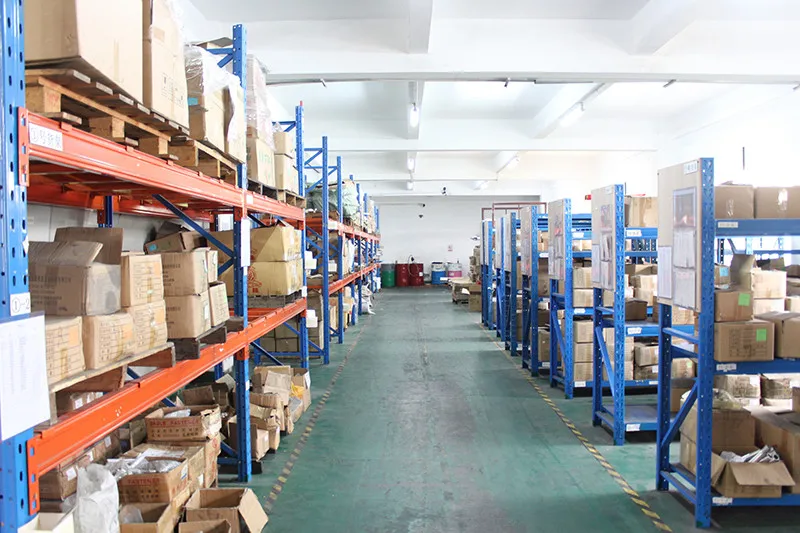
Guangzhou Huiliang Trading Co., Ltd.
- Manufacturer, Trading Company, Distributor/Wholesaler, Other
- Guangdong, China
- Lead time0 days
- Avg. response≤ 4h
Main productsAuto sensors,spark plugs,Hoses & tubes,Valves,thermostats
Main marketsSouth America(35.00%), Mid East(30.00%), Western Europe(15.00%), Eastern Europe(10.00%), Domestic Market(5.00%), Southeast Asia(5.00%)
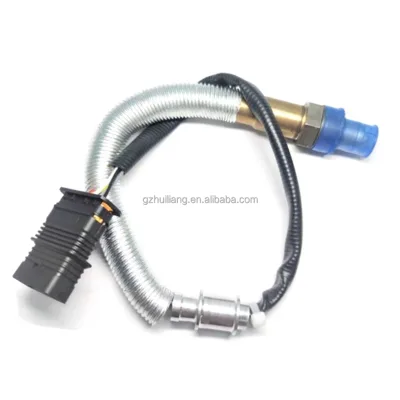
$22.9662 - $24.0095
MOQ: 10 pieces
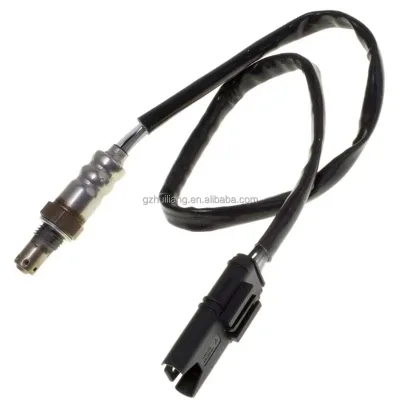
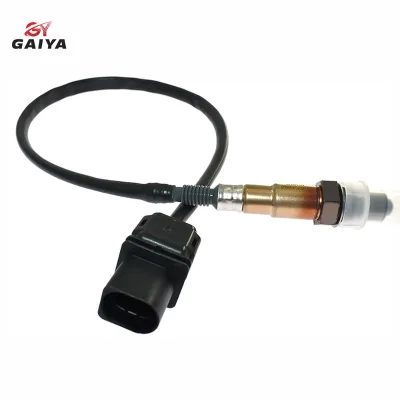
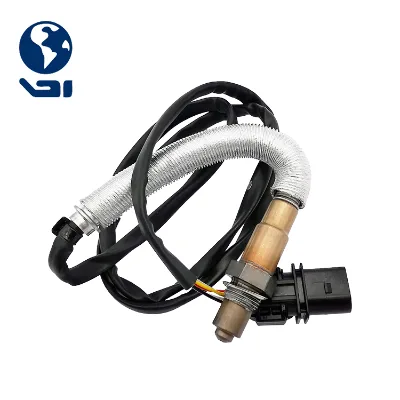
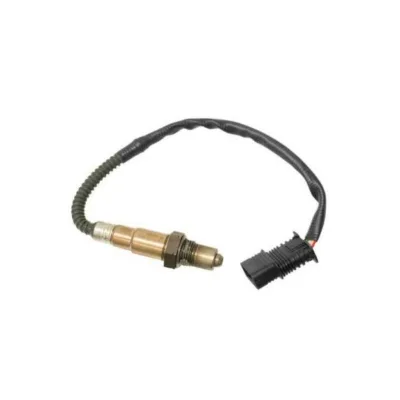
Exhaust Gas O2 Oxygen Sensors for BMW 2014-2020 Lambda Sensor 11787716654
$26.00 - $27.00
MOQ: 10 pieces

- Trading Company
- China Chongqing
- Lead time15 days
- Avg. response≤ 3h
Main productsAuto Alternator, Auto Starter, Steering Rack, Throttle Body, Auto Sensor, Control Arm/Crossmember, Power Steering Pump, Fuel Injector, Ignition Distributor, Turbocharger
Main marketsSouth America,Europe


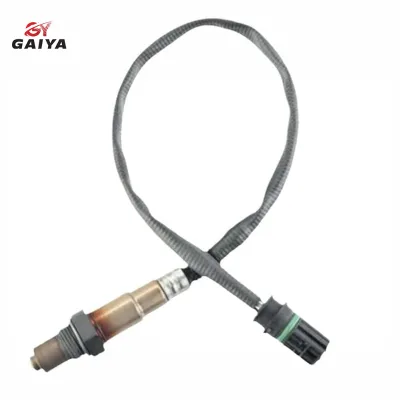
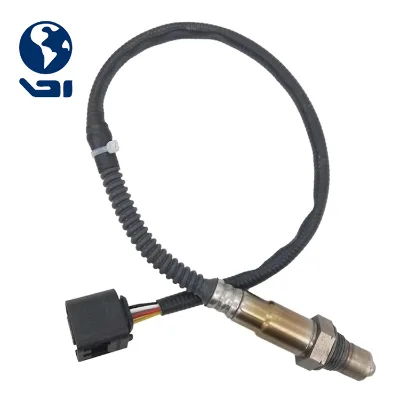
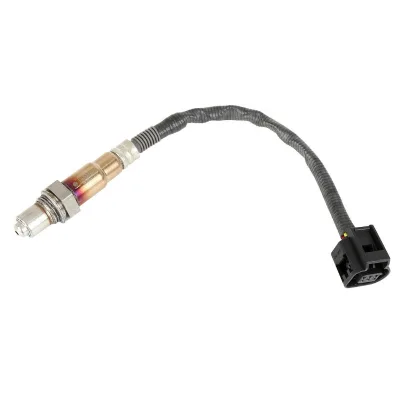
100% Tested 11787573321 11787577666 11787545074 11787558179 Oxygen Lambda Sensor for BMW
$5.00 - $20.00
MOQ: 1 Pieces


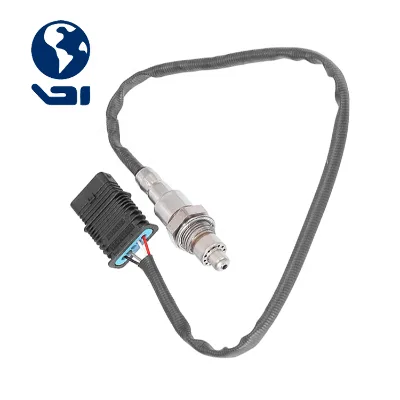
Newly Car 12V Nitrogen Nox Oxygen Lambda Sensor for BMW 04L907805as Sns472
$10.00 - $50.00
MOQ: 10 Pieces
Guangzhou Rizhengda Parts Manufacturing Co., Ltd.
- Manufacturer, Trading Company
- Guangdong, China
- Lead time30 days
- Avg. response≤ 1h
Main productsSpark Plug, Ignition Coil, Tire Pressure Sensor, Fuel Pump, Oxygen Sensor
Main marketsNorth America(40.00%), Africa(30.00%), Southeast Asia(5.00%), South Asia(5.00%), Southern Europe(5.00%), Northern Europe(5.00%), Eastern Europe(5.00%), Western Europe(5.00%)

Guangzhou first Jun Technology Co., Ltd.
- Verified by SGS
- Trading Company
- China Guangdong
- Lead time30 days
- Avg. response≤ 8h
Main productsFuel Pump, Ignition Coil, Fuel Injector, Oxygen Sensor, Injector, Diesel Injector, Nozzle, Common Rail Parts, Head Rotor
Main marketsDomestic

Wenzhou Bee Automobile Parts Co., Ltd.
- Verified by SGS
- Manufacturer/Factory
- China Zhejiang
- Lead time23 days
- Avg. response≤ 4h
Main productsThrottle Body, Mass Air Flow Sensor, Oxygen Sensor, Nox Sensor, Fuel Injector, Carburetor, Ignition Distributor, Ignition Coil, EGR Valve, Thermostat Housing
Main marketsSouth America,Eastern Europe,North America,Southeast Asia,Eastern Asia,Oceania,Africa


Oxygen Sensor for BMW 2344180 11781405324 25024143 35034013 11781405324 0005407517
$8.00 - $25.00
MOQ: 50 Pieces


Guangzhou Xin Sande Auto Parts Co., Ltd.
- Verified by TUVRHEINLAND
- Trading Company
- China Guangdong
- Lead time30 days
- Avg. response≤ 4h
Main productsCar Part
Main marketsSouth America,Southeast Asia/ Mideast,North America


Oxygen Sensor OEM 234-4473 for BMW 330ci X3 325ci 325I 330I 525I 530I 330I
$7.00 - $10.00
MOQ: 10 Pieces


OEM 234-5137 O2 Oxygen Sensor for BMW E36 325ci 325I 330ci 330I E60 525I 530I E70 X3
$18.50 - $19.50
MOQ: 10 Pieces

Shaoxing Tosen Auto Part Co., Ltd.
- Verified by TUVRHEINLAND
- Trading Company,Manufacturer/Factory
- China Zhejiang
- Lead time23 days
- Avg. response≤ 11h
Main productsTransmission Gearbox, Engine, Gear Shaft/Synchronizer Ring, Solenoid Valve, Differential, Tcu, Clutch Release Bearing, Power Take off, Cable/Harness, Nitrogen Oxygen Sensor
Main marketsSouth America,Eastern Europe,Mid East,North America,Africa


5wk96697 OEM Nitrogen Oxygen Sensor 5wk96697 851166401 Nox Sensor for BMW
$60.00 - $120.00
MOQ: 10 Pieces


Wenzhou High and Long Co., Ltd.
- Verified by SGS
- Trading Company
- China Zhejiang
- Lead time30 days
- Avg. response≤ 5h
Main productsThrottle Body, Auto Sensors, Idle Control Valve, Ignition Coil, ECU, Fuel Metering
Main marketsSoutheast Asia/ Mideast,Europe,North America


H&L Original 12567072 12575658 4 Wire O2 Oxygen Sensor for Geely Lambda Sensor for Chevrolet
$6.90 - $7.70
MOQ: 10 Pieces

Guangzhou Honchang Auto Parts Co., Ltd.
- Trading Company
- Guangdong, China
- Lead time5 days
- Avg. response≤ 4h
Main productsAuto PDC Sensor,Power Window Switch,TPMS Sensor,Clock Spring,Other Electronics
Main marketsSouth America(20.00%), North America(20.00%), Northern Europe(10.00%), Western Europe(10.00%), Eastern Europe(10.00%), Southern Europe(5.00%), Africa(5.00%), Central America(5.00%), Southeast Asia(5.00%), Eastern Asia(5.00%), Mid East(5.00%)
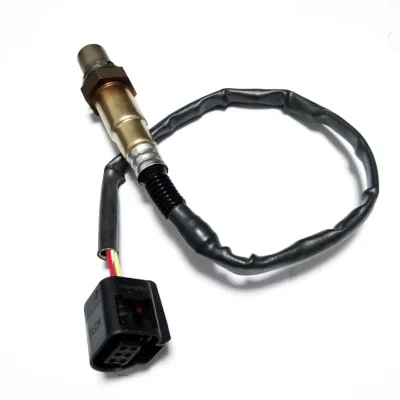
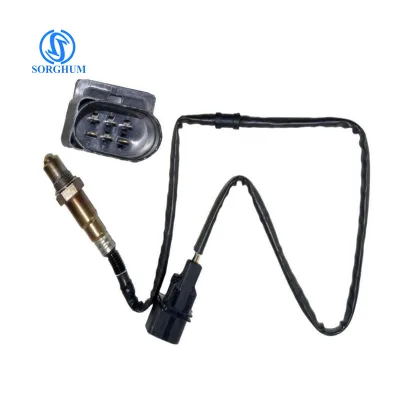
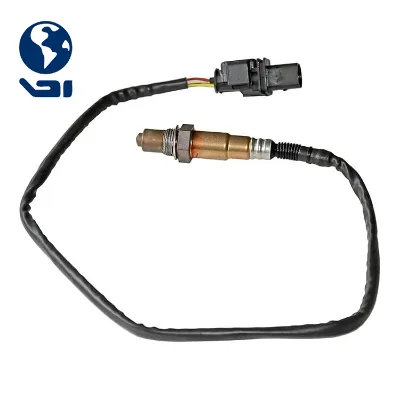
O2 Oxygen Lambda Sensor for BMW 3 Series E46 318 Ci 320i 318 Ci 11787512985
$7.1877 - $12.3218
MOQ: 3 Minimum
Guangzhou Tang Pei Trading Co., Ltd.
- Verified by Intertek
- Trading Company
- Lead time3 days
- Avg. response≤ 3h
Main productsSensor, Injector, Control Valve, Ignition Coil, Air Flow Meter
Main marketsSouth America(23%), North America(22%), Southeast Asia(21%)
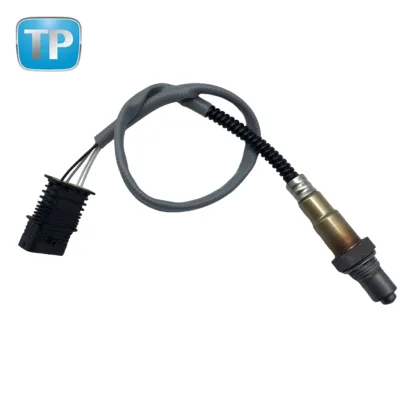
High Quality Oxygen Sensor for BMW 11787589122 for Mazda Chevrolet Opel
$5.1266 - $20.5063
MOQ: 10 pieces
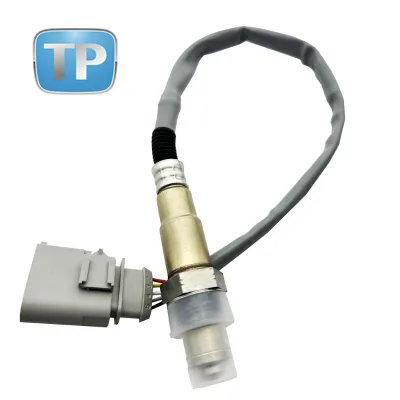

Huizhou Ruize Automotive Technology Co., Ltd.
- Verified by SGS
- Combined
- China Guangdong
- Lead time15 days
- Avg. response≤ 6h
Main productsNox Sensor
Main marketsDomestic

Auto Parts 5wk96621c Nitrogen Oxygen Sensor 758051701 Nox Sensor for BMW 5wk9 6621c 12V
$55.00 - $70.00
MOQ: 1 Pieces

5wk96610d Nitrogen Oxygen Sensor 758051801 for BMW Nox Sensor 5wk9 6610d 12V
$55.00 - $70.00
MOQ: 1 Pieces

Engine Parts 5wk96610L Nitrogen Oxygen Sensor 758712903 Nox Sensor for BMW 5wk9 6610L 12V
$55.00 - $70.00
MOQ: 1 Pieces

High Quality 5wk96621e Nitrogen Oxygen Sensor 758712701 Nox Sensor for BMW 5wk9 6621e 12V
$55.00 - $70.00
MOQ: 1 Pieces
Guangzhou Juyi Auto Parts Co., Ltd.
- Verified by TüVRheinland
- Trading Company
- Lead time30 days
- Avg. response≤ 5h
Main productsElectric Tailgate Lift, Free-wheeling Hub Lock, Turbocharger Electronic Actuator, Electronic Water Pump
Main marketsSouth America(70%), North America(10%), Eastern Europe(10%)
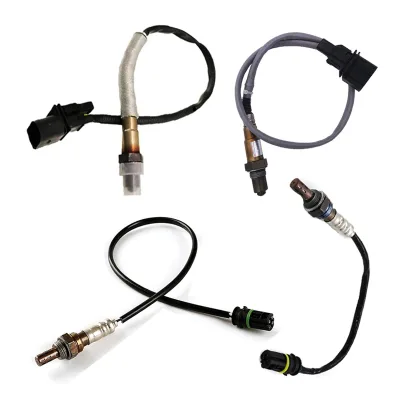
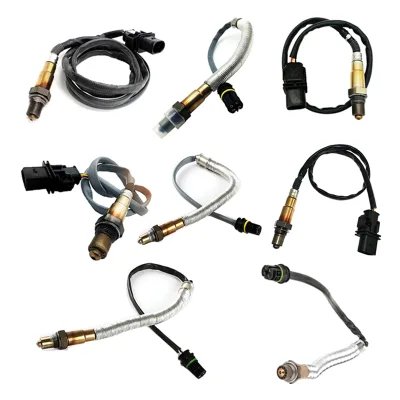
For BMW Auto Parts 11787530282, 11787512985, 11787530285 .11787530285 11787547313Oxygen Sensor
$5.00 - $9.00
MOQ: 1 pieces
$5.1701 - $9.3043
MOQ: 1 pieces
Foshan Gaia Auto Parts Co., Ltd.
- Manufacturer, Trading Company, Buying Office
- Guangdong, China
- Lead time0 days
- Avg. response≤ 4h
Main productsTire pressure sensor,Parking Sensor,Oxygen sensor,Spark plugs,Power Window switch
Main marketsSoutheast Asia(20.00%), Africa(13.00%), Eastern Europe(13.00%), North America(11.00%), Oceania(11.00%), Domestic Market(10.00%), South America(9.00%), Eastern Asia(8.00%), Mid East(5.00%)
Guangzhou Hanzhuang Automotive Electronics Technology Co., Ltd.
- Manufacturer, Trading Company
- Guangdong, China
- Lead time5 days
- Avg. response≤ 5h
Main productsOxygen Sensor,Ignition Coil,ABS Wheel Sensor,Fuel Pump Assembly,Crankshaft Position Sensor
Main marketsMid East(45.00%), Southeast Asia(20.00%), Africa(15.00%), North America(10.00%), South America(10.00%)

Shanghai Spb Industry Co., Ltd.
- Verified by SGS
- Trading Company
- China Shanghai
- Lead time30 days
- Avg. response≤ 5h
Main productsShock Absorber, Ball Joint, C. V Joint, Car Filters, Clutch Disc, Radiator, Brake Pad, Ignition Coil, Cylinder Head, Water Pump
Main marketsSouth America,Africa,Southeast Asia/ Mideast,Europe,North America

F20 Auto Parts Oxygen Sensor for BMW E60 Auto Parts Oxygen Sensor 11787589121
$5.00 - $15.00
MOQ: 50 Pieces


Wideband Oxygen Sensor 11787589138 for BMW 7589139 758913901 11787589139 0258017231
$5.00 - $15.00
MOQ: 50 Pieces
Guangdong Leoni Automotive Electronics Co., Ltd.
- Manufacturer
- Guangdong, China
- Lead time15 days
- Avg. response≤ 2h
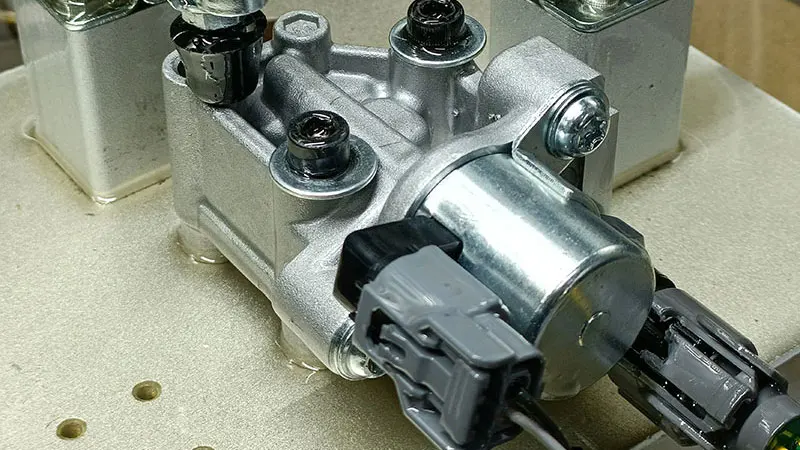
Main productsvvt solenoid,cam phaser,automatic transmission solenoid valve,timing chain kits,suspension air compression
Main marketsNorth America(30.00%), Eastern Asia(20.00%), Eastern Europe(15.00%), Northern Europe(10.00%), Western Europe(10.00%), Mid East(5.00%), Southeast Asia(5.00%), South America(5.00%)
Guangzhou Oumengda Trade Co., Ltd.
- Manufacturer, Trading Company, Distributor/Wholesaler
- Guangdong, China
- Lead time7 days
- Avg. response≤ 2h
Main productsspark plug,ignition coil,Oxygen Sensor,Air Flow Meters,Auto Sensors
Main marketsSouth America(40.00%), North America(12.00%), Northern Europe(5.00%), Central America(5.00%), Domestic Market(5.00%), South Asia(5.00%), Western Europe(5.00%), Southern Europe(5.00%), Mid East(5.00%), Southeast Asia(5.00%), Eastern Europe(5.00%), Eastern Asia(1.00%), Oceania(1.00%), Africa(1.00%)
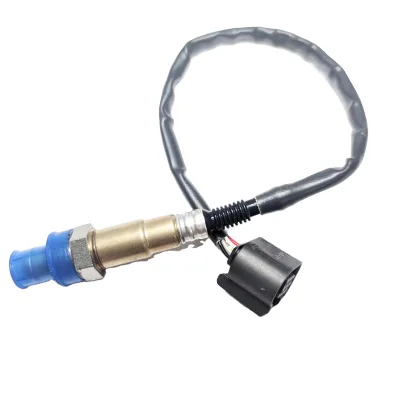
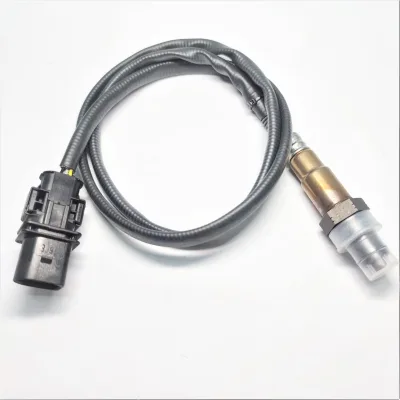
Oxygen Sensor Air Fuel Ratio Upstream O2 Sensor Replacement 11787576673 for BMW 750i 2009-2015
$9.80 - $23.90
MOQ: 4 pieces
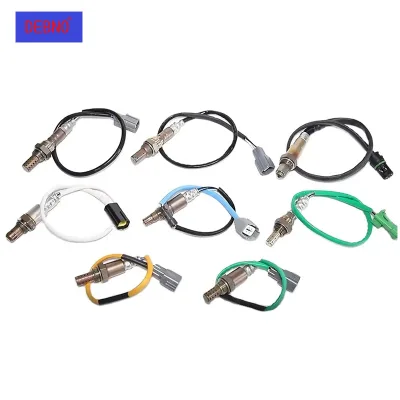
Manufacturer 11787561410 11787535269 13627794634 Oxygen Sensor for Rolls-Royce PHANTOM BMW 3 Coupe
$13.60 - $25.60
MOQ: 4 pieces
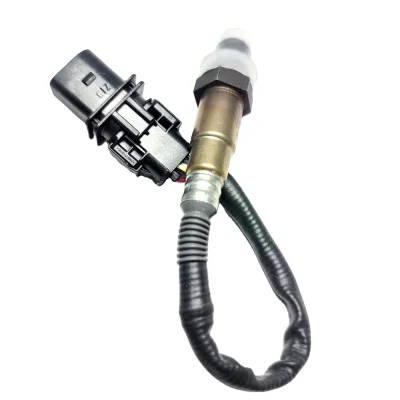
$16.90 - $25.90
MOQ: 4 pieces
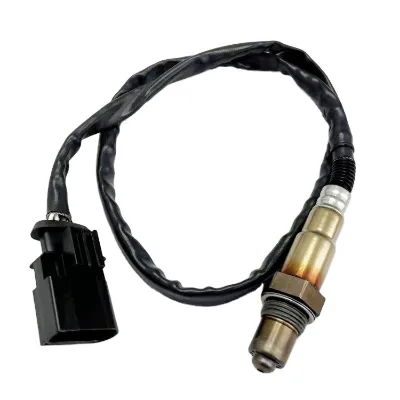
Oxygen Sensor OEM 11787537984 13627804369 11787590713 for BMW E9X M3 Pre Cat
$16.90 - $25.90
MOQ: 4 pieces
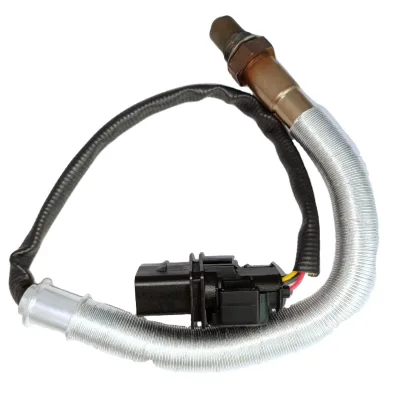

ZHEJIANG MASTER INJECTION SYSTEM CO., LTD.
- Verified by BV
- Combined
- China Zhejiang
- Lead time30 days
- Avg. response≤ 20h
Main productsFuel Pump, Fuel Pump Module, Motorcycle Fuel Pump, Motorcycle Fuel Pump System, Vvt Variable Valve Timing, Ocv Oil Control Valve, Vvt Solenoid, Electric Fuel Pump, Gasoline Fuel Pump, Fuel Pump Factory
Main marketsSouth America,Africa,Southeast Asia/ Mideast,Europe,North America

Quanzhou Fanghua Import Export Co., Ltd.
- Verified by BV
- Trading Company
- China Fujian
- Lead time30 days
- Avg. response≤ 8h
Main productsBrake Pad, Brake Shoe, Starter, Alternator, ABS Wheel Speed Sensor, Brake Pad Sensor, Brake Pads Wire, Auto Brake Shoes, Auto Brake Pads, ABS Sensor
Main marketsSouth America,Africa,Southeast Asia/ Mideast,Europe,North America

Oxygen Sensor for 11787589146 11787589147 11787545074 11787545075 11787589122
$1.00 - $100.00
MOQ: 1 Pieces

Oxygen Sensor for 11781742050 11787549860 11787561410 11787545243 11787570481
$1.00 - $100.00
MOQ: 1 Pieces


Oxygen Sensor for 11787570760 11787590713 11787589139 11787535269 11787537984
$1.00 - $100.00
MOQ: 1 Pieces

Air Fuel Ratio Oxygen Sensor for 11787570104 11787589138 11787558055 11787558073
$1.00 - $100.00
MOQ: 1 Pieces
Guangzhou Suqing Trading Co., Ltd.
- Manufacturer, Trading Company
- Guangdong, China
- Lead time0 days
- Avg. response≤ 2h
Main productsEngine parts,Brake system accessories,Electrical system accessories,Car body accessories,Chassis components
Main marketsNorth America(30.00%), Southeast Asia(20.00%), Mid East(10.00%), Eastern Europe(10.00%)
Guangzhou Bineng Business Co., Ltd.
- Verified by Intertek
- Trading Company
- Lead time7 days
- Avg. response≤ 2h
Main productsAuto Sensors, Air Flow Meters, Ignition Coils, Spark Plugs , Car Switch
Main marketsSouth America(45%), North America(35%), Domestic Market(20%)
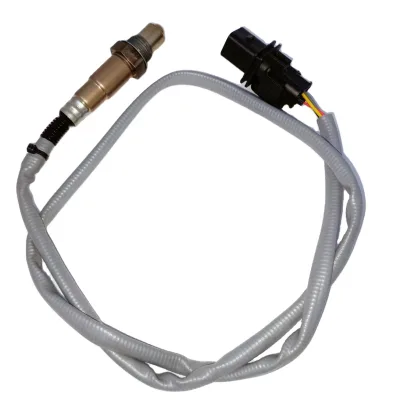
11787557758 China Sensors Manufacturer Lambda Sensor for bmw 3 Convertible 11787558087 11783438782
$16.50 - $20.00
MOQ: 4 pieces
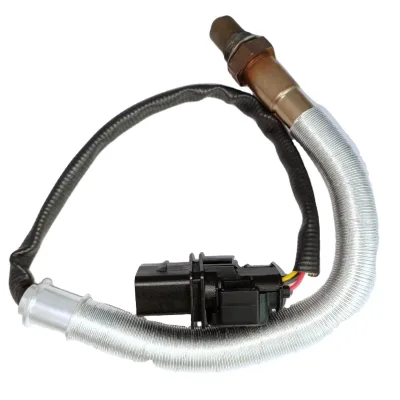
7570104 Hot Selling Oxigen O2 Sensor for bmw 3 Touring 3 Coupe 6 Convertible 11787570104 Auto Parts
$6.6885 - $12.3473
MOQ: 4 pieces
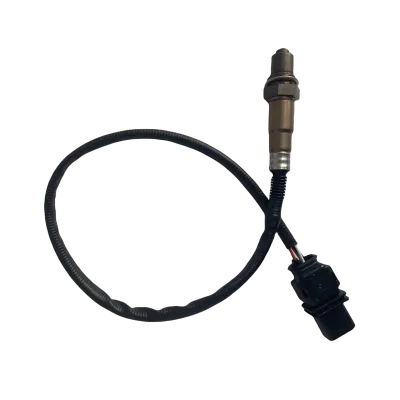
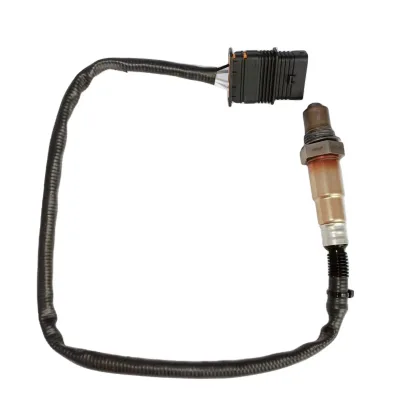
$6.50 - $12.00
MOQ: 4 pieces
Guangzhou Haoxiang Auto Parts Co., Ltd.
- Trading Company
- Lead time旺季: "1 - 1000":14,"> 1000":"To be negotiated", 淡季: "1 - 1000":14,"> 1000":"To be negotiated"
- Avg. response≤ 2h
Main productsEGR Valve, Water Pump, Injector, Clutch Actuator, Ignition Coil

Qingdao D&E International Trade Co., Ltd.
- Verified by BV
- Trading Company,Manufacturer/Factory
- China Shandong
- Lead time23 days
- Avg. response≤ 5h
Main productsAuto Spare Parts, Truck Sparts Parts, Diesel Heaters, Truck Air Conditioner, Heater Spare Parts for Eberspacher/Webasto
Main marketsSouth America,Eastern Europe,Mid East,North America,Southeast Asia,Eastern Asia,Oceania,Western Europe,Africa


Oxygen Sensor Lambda Sensor 0 258 007 043 0258007043 30751034 Auto Parts
$8.56 - $10.29
MOQ: 50 Pieces
Guangzhou Jia Yao Trading Co., Ltd.
- Trading Company
- Guangdong, China
- Lead time0 days
- Avg. response≤ 2h
Main productsshock absorbers,air spring,air suspension compressor,Steering Wheel,engine mount
Main marketsMid East(10.00%), Africa(10.00%)
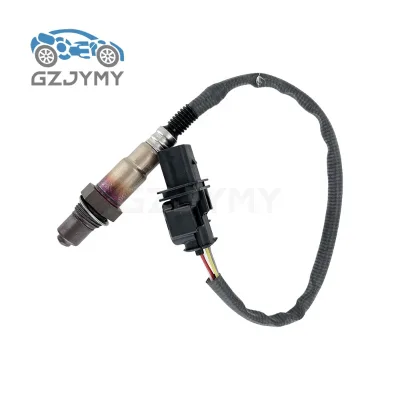
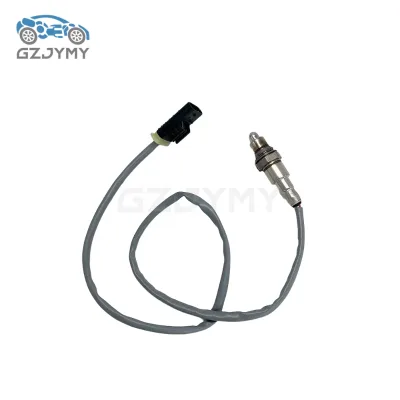
13627791600 11787537993 13623441868 Chart-topping Oxygen Sensor for BMW X5 E70 44 Model Well
$25.60 - $28.60
MOQ: 2 pieces

Wenzhou Credit Parts Co., Ltd.
- Verified by TUVRHEINLAND
- Combined
- China Zhejiang
- Lead time15 days
- Avg. response≤ 11h
Main productsFuel Injector, Fuel Pump, Vvt Variable Valve, Sensor, Fuel Injector Repair Kits, Fuel Pressure Regulator, Idle Air Control Valve, Diesel Injector
Main marketsNorth America


0258003746 / 0258003645 Various Car Oxygen Sensor for Rollsroyce 0258003645/746
$20.00
MOQ: 100 Pieces


Guangzhou Yuexiu District Wencheng Auto Parts Business Department
- Verified by BV
- Trading Company
- China Guangdong
- Lead time15 days
- Avg. response≤ 6h
Main productsChassis Parts, Oil Filters, Auto Parts
Main marketsSouth America,Africa,Southeast Asia/ Mideast,East Asia(Japan/ South Korea),Europe,Australia,North America

Stzt 11787589475 New B MW Accessories Oxygen Sensor for E88 F07 F10X5 E70 Other Car Spare Parts
$7.00 - $7.80
MOQ: 4 pieces


Stzt 11787589146 Auto Parts Oxygen Sensor 0258010160 for B MW X1 X3 X4 X5 X6 Z4 640I 335I
$7.00 - $8.00
MOQ: 4 pieces

Stzt 11787512973 Auto Parts Car Oxygen O2 Sensor 0258005298 for B Mwe63 E64 E65 E66 X5e53e60
$8.00 - $9.00
MOQ: 4 pieces




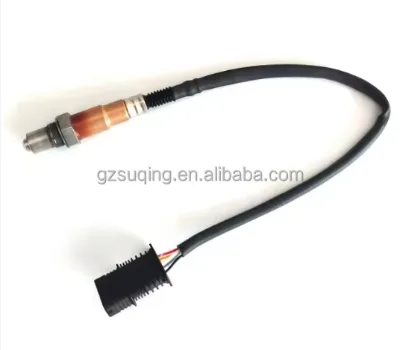
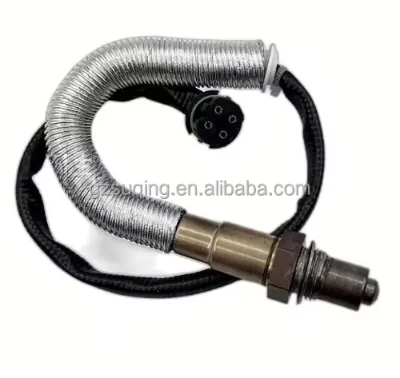
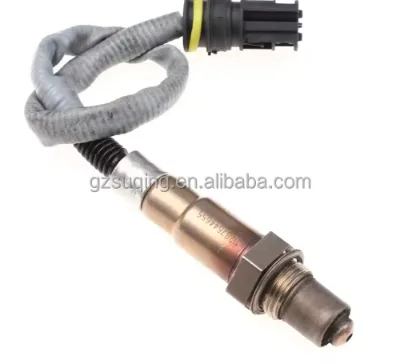
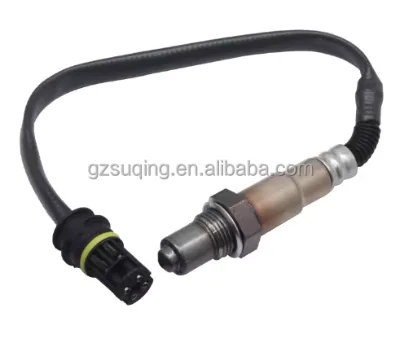
Comprehensive Sourcing Guide
For BMW 745Li Oxygen Sensor Supplier Concentration and Factory Types
The current supplier landscape for BMW 745Li oxygen sensors reveals a diverse mix of company types operating primarily within China. Results indicate that manufacturers, trading companies, and distributors are all active in this niche, offering varying degrees of direct factory access versus logistical convenience. A significant concentration of suppliers is located in Guangdong, a region known for its robust electronics and automotive component manufacturing infrastructure. This geographic clustering suggests that buyers sourcing from this area may benefit from established supply chains for electronic sensors and precision metal parts. However, the presence of trading companies alongside manufacturers means that the actual production site may differ from the listed headquarters, requiring careful verification of the true origin of goods.
In addition to Guangdong, some suppliers are based in Chongqing, another major industrial hub in China. This geographic spread indicates that the market for BMW oxygen sensors is not limited to a single province, allowing buyers to compare options from different logistical bases. The main products listed by these suppliers often include auto sensors, spark plugs, and other engine systems, suggesting that many vendors specialize in broader automotive electrical and mechanical components rather than focusing exclusively on oxygen sensors. This specialization can be advantageous, as it implies a deeper technical understanding of engine management systems. Buyers should note that while the location is a key identifier, the company type—whether a manufacturer or a trading entity—will significantly influence pricing structures, communication styles, and the ability to customize products for specific BMW models like the 745Li.
How to Verify For BMW 745Li Oxygen Sensor Suppliers
Verifying the legitimacy and capability of suppliers requires a multi-layered approach that goes beyond simple profile reviews. Buyers should prioritize suppliers that provide clear evidence of their manufacturing processes or distribution capabilities. For instance, some suppliers list specific certifications such as CE, EN 61000, or compliance with EU directive 2015/863, which are critical for ensuring that electronic components meet international safety and environmental standards. These certifications serve as a baseline indicator of quality control systems in place. Additionally, checking for professional testing claims, such as "100% Professional Test," can provide insight into the supplier's commitment to product reliability before shipment. Buyers must cross-reference these claims with any available audit reports or third-party verification documents to ensure they are not merely marketing assertions.
Another crucial verification step involves assessing the supplier's responsiveness and transparency regarding product specifications. The response time metric, which can range from approximately one to four hours, offers a tangible measure of operational efficiency. A faster response time often correlates with better customer service and quicker resolution of technical queries, which is vital when dealing with complex automotive parts like oxygen sensors. Buyers should also scrutinize the detailed product attributes provided, such as model numbers, OE numbers, and material compositions. For example, verifying that the sensor model matches the specific BMW 745Li requirements is essential to avoid compatibility issues. Suppliers that provide comprehensive data sheets, including IP ratings and output signal types, demonstrate a higher level of professionalism and technical competence, reducing the risk of receiving incorrect or substandard components.
What to Compare Across For BMW 745Li Oxygen Sensor Suppliers
When evaluating multiple suppliers, comparing key commercial and operational metrics is essential to identify the best fit for your procurement needs. One of the most significant differentiators is the Minimum Order Quantity (MOQ). Some suppliers offer an MOQ of just one unit, which is ideal for small-scale repairs or testing, while others may require bulk purchases, such as twenty pieces or more. This variation allows buyers to align their orders with their inventory strategy, whether they need single replacements for immediate service or larger batches for resale. Additionally, the price range for these sensors can vary considerably, with some listings showing prices as low as five dollars and others reaching up to fifty dollars or more. Buyers should analyze this price spread in conjunction with the stated quality assurances and warranty terms to determine the true value proposition of each supplier.
Lead times and delivery windows are another critical factor in supplier comparison. While some suppliers list a lead time of zero, implying immediate availability, others specify delivery times ranging from seven to fifteen days or even up to thirty days. These discrepancies can significantly impact project timelines, especially for urgent repair orders. Buyers should also compare the warranty periods offered, with some suppliers providing a twelve-month warranty, which adds a layer of security against early failures. Furthermore, examining the main products listed by each supplier can reveal their broader expertise. A supplier that specializes in a wide range of auto sensors and engine parts may offer better technical support and compatibility advice than a generalist trader. By systematically comparing these attributes, buyers can make informed decisions that balance cost, speed, and reliability.
Common For BMW 745Li Oxygen Sensor Sourcing Risks
Sourcing automotive sensors from international suppliers carries inherent risks that buyers must actively manage to ensure a smooth procurement process. One major risk is the potential for receiving counterfeit or non-OEM quality parts that do not meet the strict performance standards required by BMW engines. While some suppliers claim their products are "Original" or "High Quality," these labels are not always backed by verifiable evidence. Buyers must be cautious of suppliers who lack clear certification documentation or who provide vague product descriptions. The risk is compounded by the fact that oxygen sensors are critical for engine performance and emissions control; a faulty sensor can lead to poor fuel economy, increased emissions, and potential engine damage. Therefore, relying solely on supplier claims without independent verification can result in significant financial and operational losses.
Another significant risk involves logistical delays and communication barriers. Suppliers located in different regions of China may have varying levels of export experience and logistical efficiency. A supplier with a longer lead time or slower response rate may struggle to meet urgent deadlines, causing disruptions in the supply chain. Additionally, the complexity of automotive parts means that minor discrepancies in specifications, such as connector types or signal outputs, can render a sensor unusable. Buyers must ensure that the product model numbers and OE references provided by the supplier exactly match their requirements. Miscommunication in this area can lead to the receipt of incorrect parts, resulting in return shipping costs and project delays. To mitigate these risks, buyers should establish clear communication channels and request detailed product specifications before placing any orders.
For BMW 745Li Oxygen Sensor Regional Sourcing and Logistics
The geographic location of suppliers plays a pivotal role in determining shipping costs, transit times, and overall logistics efficiency. Suppliers based in Guangdong, a major manufacturing hub in southern China, often have access to well-developed port infrastructure, which can facilitate faster and more cost-effective shipping to international destinations. This region's concentration of electronics and automotive component manufacturers creates a synergistic environment where buyers can potentially consolidate orders from multiple vendors, reducing per-unit shipping costs. However, buyers must also consider the specific logistics capabilities of each supplier, as not all manufacturers may have established relationships with reliable freight forwarders. Understanding the local logistics landscape can help buyers negotiate better shipping terms and anticipate potential delays.
In contrast, suppliers located in other regions, such as Chongqing in western China, may have different logistical advantages and challenges. While Chongqing is a significant industrial center, its distance from major coastal ports may result in longer transit times for international shipments. Buyers sourcing from these regions should factor in additional transit time and potentially higher shipping costs when planning their procurement strategy. Additionally, the choice of shipping method, whether air freight for urgent orders or sea freight for bulk purchases, will interact with the supplier's location to determine the total delivery timeline. Buyers should work closely with their chosen suppliers to understand their preferred shipping partners and to ensure that all export documentation is prepared correctly to avoid customs delays. This proactive approach to logistics planning can significantly enhance the reliability of the supply chain.
For BMW 745Li Oxygen Sensor Commercial Terms and Order Planning
Effective order planning for BMW 745Li oxygen sensors requires a clear understanding of the commercial terms offered by suppliers. Payment terms, such as the availability of escrow services, provide a layer of financial security for buyers, ensuring that funds are only released upon satisfactory delivery of the goods. Buyers should prioritize suppliers who offer secure payment options and clear refund policies in case of product defects or non-delivery. Additionally, understanding the warranty terms is crucial; a twelve-month warranty, for instance, indicates the supplier's confidence in their product's durability and provides a safety net for the buyer. These commercial terms should be carefully reviewed and agreed upon before placing any orders to avoid disputes later in the procurement process.
Beyond payment and warranty, buyers must plan their orders based on the supplier's production capacity and lead times. For suppliers with a lead time of thirty days, advance planning is essential to avoid stockouts, especially for high-demand parts. Conversely, suppliers with shorter lead times or immediate availability may be suitable for urgent needs, albeit potentially at a higher price point. Buyers should also consider the MOQ requirements when planning their inventory levels. Ordering in bulk may offer cost savings but requires careful demand forecasting to avoid excess inventory. By aligning their order quantities and timing with the supplier's capabilities and commercial terms, buyers can optimize their procurement strategy, ensuring a steady supply of high-quality oxygen sensors for their BMW 745Li vehicles while minimizing costs and risks.
FAQs
Where are the oxygen sensors for BMW 745li manufactured?
The oxygen sensors are manufactured in Guangdong, China. Some listings also indicate origins in Chongqing, China. Buyers should verify the specific place of origin for each product listing before placing an order to ensure it meets their regional requirements.
What is the typical delivery time for these oxygen sensors?
Delivery times vary by supplier but often range from 7 to 15 days. Some suppliers list a lead time of 15 days or up to 30 days depending on stock availability. Always confirm the exact delivery window with the seller before finalizing the purchase.
What is the minimum order quantity for oxygen sensors?
Minimum order quantities differ across suppliers. Some sellers require a minimum of 10 units, while others accept single item orders. One specific listing indicates a minimum of 20 pieces. Check the product details page for the specific MOQ applicable to your order.
What is the price range for BMW oxygen sensors?
Prices for these sensors typically range from 5 to 50 dollars per unit. Specific listings show prices between 22 and 27 dollars for certain models. The final cost depends on the specific part number, quantity ordered, and the supplier's pricing structure.
Do these oxygen sensors come with a warranty?
Many suppliers offer a warranty period of 12 months for their oxygen sensors. This warranty covers defects and ensures professional testing before shipment. Buyers should verify the specific warranty terms and conditions provided by the individual supplier for their specific product.
What certifications do the oxygen sensors hold?
Some suppliers list certifications such as ISOTS and compliance with EU standards like EN 61000. Other listings mention CE certification. Buyers should request specific certification documents from the supplier to confirm the product meets required safety and quality standards.
How quickly do suppliers respond to inquiries?
Response times vary, with some suppliers replying within 1 hour or 2.74 hours. Others may take up to 4 hours to respond. Fast response times are common, but buyers should expect variations based on the specific supplier and their current workload.