Organic Anti Acne Coffee Soap Suppliers and Manufacturers
Find 27 verified suppliers offering Organic Anti Acne Coffee Soap with customizable features like herbal ingredients and whitening effects. Compare locations in Guangdong and Jiangsu, response times, and lead times before requesting samples for your specific needs; review the available evidence before requesting comparable quotations from suitable candidates.
Updated
Suppliers List
Guangzhou Guocui Biological Technology Co., Ltd.
- Verified by SGS Group
- Manufacturer, Trading Company
- Guang Dong, China
- Lead time25 days
- Avg. response≤ 2h
Main productsFace Care, Body Care, Hand and Foot Care, Essential Oil, Hair Care
Main marketsNorth America(35%), Western Europe(15%), Central America(10%)

Yangzhou Nano Aviation Technology Co., Ltd.
- Verified by SGS
- Combined
- China Jiangsu
- Lead time15 days
- Avg. response≤ 3h
Main marketsSoutheast Asia/ Mideast,Domestic
Guangzhou Langyi Daily Chemical Industry Co., Ltd.
- Manufacturer, Trading Company
- Guangdong, China
- Lead time30 days
- Avg. response≤ 6h
Main productsShampoo and Conditioner/Body Wash/Fireless Rattan/Handmade Soap/Fragrance
Main marketsSoutheast Asia(40.00%), Mid East(20.00%), Africa(15.00%), North America(15.00%), Eastern Europe(5.00%), South America(5.00%)
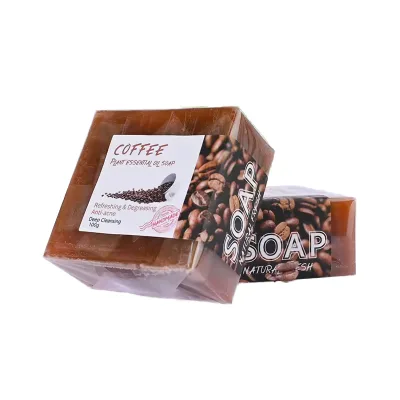
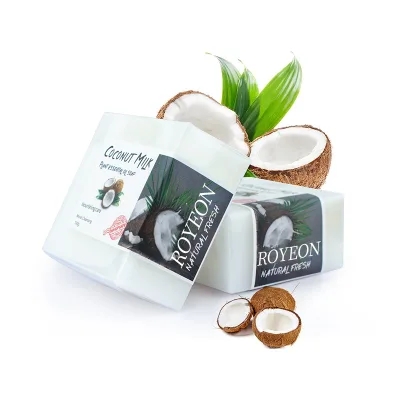
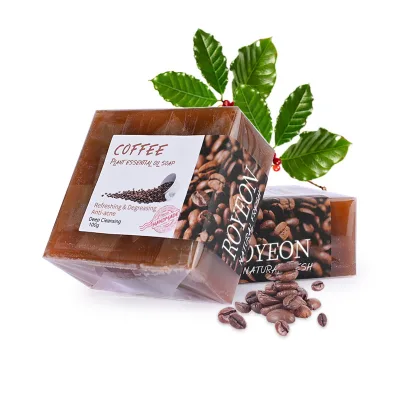
Organic Skin Whitening Handmade Coffee Soap Shea Butter Soap Lightening Arabica Coffee Soap
$0.3088 - $0.5966
MOQ: 2 pieces
Shiyan Commodity (Huizhou) Co., Ltd.
- Verified by SGS Group
- Manufacturer, Trading Company
- Lead time0 days
- Avg. response≤ 2h
Main productsSoap, Shower Steamers, Bath Bombs, Bath Salt, Shampoo Bar
Main marketsNorth America(59%), Western Europe(15%), Domestic Market(8%)

Hebei Machinery & Equipment Import & Export Co., Ltd.
- Verified by SGS
- Trading Company,Manufacturer/Factory
- China Hebei
- Lead time60 days
- Avg. response≤ 10h
Main productsIron Castings /Stainless Steel Castings, Industrial Spare Parts OEM Machining/Fabrication, Wire Mesh and Filters, Transmission Parts (Gears Pulleys Shafts etc), Ironing Board Cover, PEVA Table Cloth, Cast Iron Oven Pot, Electrical Hardware Materials Clamp/Box/Coupling, Bath Towl, Pet Products (Pet Pad Pet Mats etc)
Main marketsSouth America,Eastern Europe,Mid East,North America,Southeast Asia,Eastern Asia,Oceania,Western Europe,Africa
Chengdu Gaoli Meishi Electronic Commerce Co., Ltd.
- Trading Company
- Sichuan, China
- Lead time7 days
- Avg. response≤ 4h
Main productsBath salts,Candles and aromatherapy,Bath bombs,Soap,Body care
Main marketsEastern Europe(30.00%), North America(30.00%), Western Europe(10.00%), Africa(10.00%), Southeast Asia(10.00%), South America(10.00%)
Guangzhou Dilisha Biological Technology Co., Ltd.
- Verified by SGS Group
- Manufacturer, Trading Company
- Lead time15 days
- Avg. response≤ 3h
Main productsBody Lotion, Serum, Face Cream, Soap, Shower Gel
Main marketsNorth America(50%), Western Europe(20%), Eastern Europe(10%)

Guangzhou Aixin Cosmetic Co., Ltd.
- Verified by TUVRHEINLAND
- Trading Company
- China Guangdong
- Lead time15 days
- Avg. response≤ 5h
Main productsSkin Care, Cosmetic, Face Mask, Beauty, Body Scrub, Face Care, Body Care, Skin Care Product, Mask, Cream
Main marketsDomestic


High Quality Lavender Handmade Organic Soap for Skin Whitening Lavender Handmade Soap
$0.55 - $0.80
MOQ: 100 Pieces

Guangzhou Tinsun Biotechnology Company Limited
- Combined
- China Guangdong
- Lead time15 days
- Avg. response≤ 8h
Main productsSkin Care
Main marketsEast Asia(Japan/ South Korea),Australia,North America

Customize Logo Natural Organic Turmeric Handmade Soap Anti Acne Whitening Herbal Turmeric Soap
$0.81 - $1.26
MOQ: 1000 Pieces

$0.72 - $0.90
MOQ: 1000 Pieces

Guangzhou Shiruoni Cosmetics Co., Ltd.
- Trading Company,Manufacturer/Factory,Group Corporation
- China Guangdong
- Lead time15 days
- Avg. response≤ 6h
Main productsSkin Care, Jelly Mask, Face Serum, Face Toner, Face Cream, Facial Mask, Sunscreen, Face Cleanser, Soap, Skin Care Set
Main marketsSouth America,Eastern Europe,Mid East,North America,Southeast Asia,Eastern Asia,Oceania,Western Europe,Africa


Manufacturers Body Exfoliating Handmade Organic Whitening Black Coffee Face Soap
$0.80 - $2.20
MOQ: 1000 Pieces

Private Label Whitening Exfoliating Deep Cleaning Handmade Coffee Natual Organic Body Soap
$0.50 - $0.70
MOQ: 1000 Pieces


Customize Acceptabel Organic Beauty Soap Puriffying Oil Control Moisturizing Coffee Handmade Soap
$0.80 - $1.50
MOQ: 1000 Pieces
Guangzhou Baiyun Yanmei Cosmetics Factory
- Verified by SGS Group
- Manufacturer, Trading Company
- Lead time7 days
- Avg. response≤ 3h
Main productsFacial Mask, Facial Cream, Serum, Essential Oil, Body Care
Main marketsNorth America(28%), Southeast Asia(15%), Western Europe(12%)
Guangzhou Beauty Key Cosmetics Co., Ltd.
- Verified by TüVRheinland
- Manufacturer, Trading Company
- Lead time3 days
- Avg. response≤ 2h
Main productsSkin Care Products, Skin Care Sets, Lip Makeup, Eye Makeup, Foundation
Main marketsNorth America(20%), Mid East(16%), Domestic Market(10%)
Guangzhou City Panyu District Mengman Cosmetics Firm (individual Business)
- Trading Company
- Guangdong, China
- Lead time0 days
- Avg. response≤ 2h
Main productsSkin Care Sets,Face Cream,Soap,Body Lotion,Facial Mask
Main marketsCentral America(50.00%), Africa(40.00%), Northern Europe(10.00%)
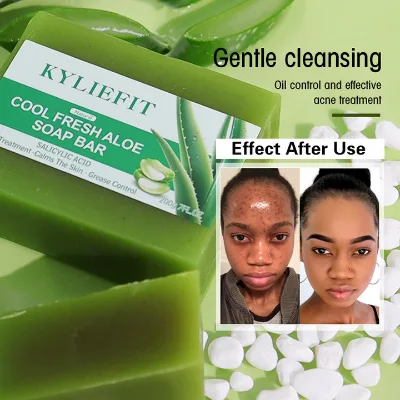
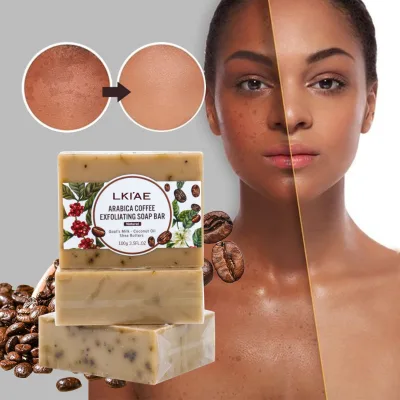
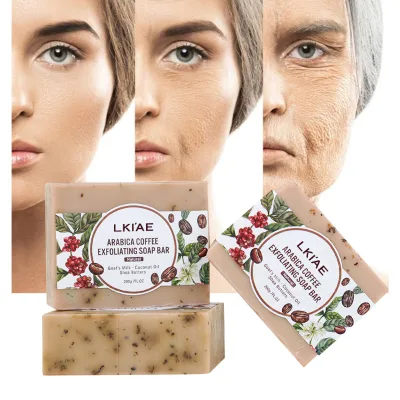
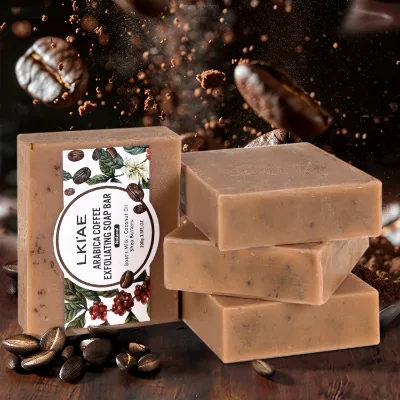
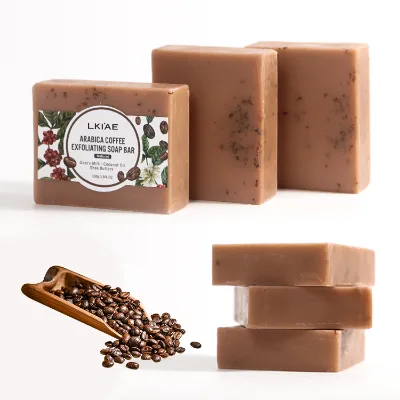
OEM ODM Coffee Bar Soap Exfoliating Gentle Cleansing SoapHandmade Coffee Soap
$1.1347 - $1.9577
MOQ: 3 pieces
Hebei Jiebang Daily Chemical Co., Ltd.
- Trading Company
- Hebei, China
- Lead time15 days
- Avg. response≤ 10h
Main productssoap,detergent powder,Laundry detergent,Kitchen Cleaning Products,Bathroom cleaner
Main marketsSouth Asia(10.00%), Africa(10.00%), Northern Europe(10.00%), Southeast Asia(10.00%), Eastern Asia(10.00%), South America(10.00%), North America(10.00%), Southern Europe(5.00%), Mid East(5.00%), Oceania(5.00%), Central America(5.00%), Western Europe(5.00%), Eastern Europe(5.00%)

Yangzhou Tracey Daily Chemical Plastic Co., Ltd.
- Verified by BV
- Trading Company
- China Jiangsu
- Lead time30 days
- Avg. response≤ 5h
Main productsToothpaste, Soap Bar, Toothbrush, Bamboo Toothbrush, Hotel Amenities, Hotel Slipper, Jail Prison Supply, Personal Care Hygiene Produts, Toliet Bathroom Supply
Main marketsSouth America,Africa,Southeast Asia/ Mideast,East Asia(Japan/ South Korea),Domestic,Europe,Australia,North America

70g Herbal Soap for All Skin Types Oil Control Deep Cleansing & Anti-Acne
$0.10 - $0.20
MOQ: 10000 Pieces

$0.10 - $0.20
MOQ: 10000 Pieces
Guangzhou Hisun Health Technology Co., Ltd.
- Verified by SGS Group
- Trading Company
- Lead time3 days
- Avg. response≤ 3h
Main productsWhitening Cream, Face Serum, Face Mask, Sunscreen, Beard Oil
Main marketsNorth America(25%), Africa(20%), South Asia(12%)
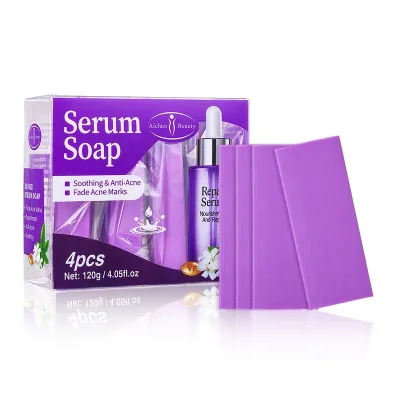
$0.6746 - $1.2652
MOQ: 48 boxes
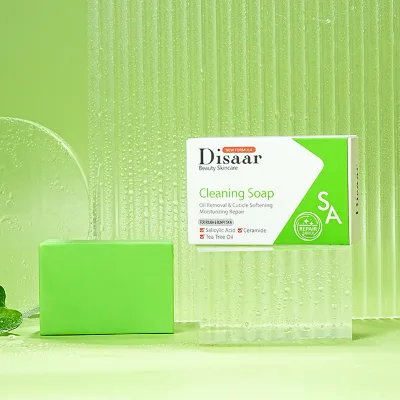
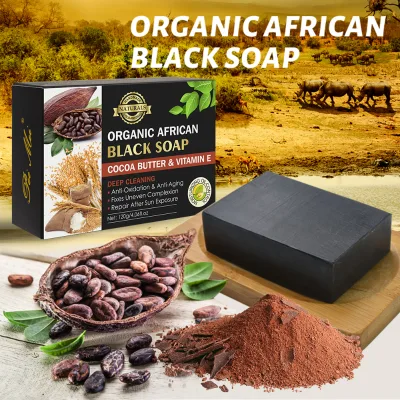
Cocoa Butter & Vitamin E Organic African Black Soap Natural Extract Moisturizing Repair Skin Soap
$0.5906 - $1.1093
MOQ: 48 pieces
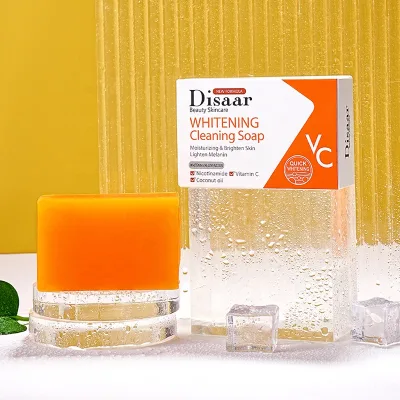
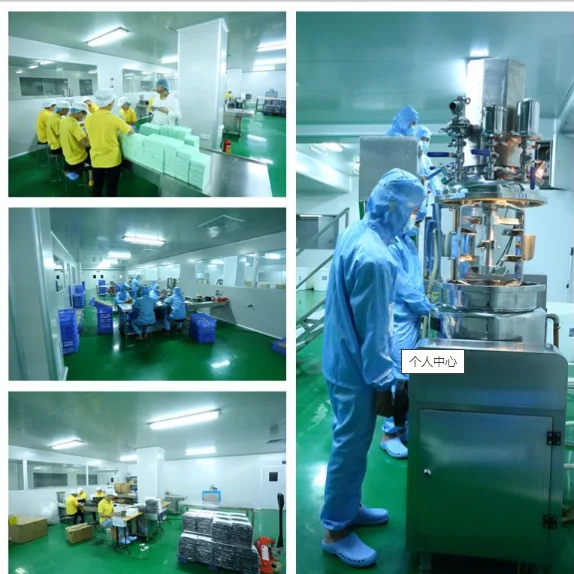
Shenzhen Huaxunneng Technology Co., Ltd.
- Manufacturer, Trading Company, Distributor/Wholesaler
- Guangdong, China
- Lead time5 days
- Avg. response≤ 10h
Main productsMakeup Brush,cosmetics,Makeup tools,Makeup sponge,nail art &tools
Main marketsNorth America(40.00%), South America(20.00%), Eastern Europe(15.00%), Eastern Asia(5.00%), Mid East(5.00%), Africa(5.00%), Western Europe(5.00%), Domestic Market(4.00%), Southeast Asia(1.00%)

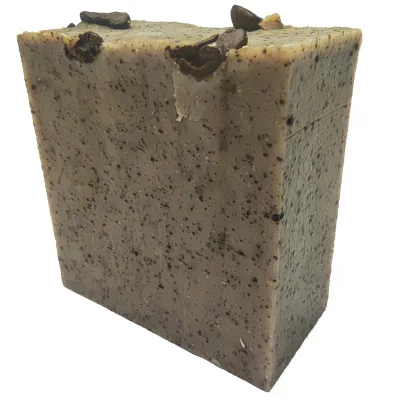
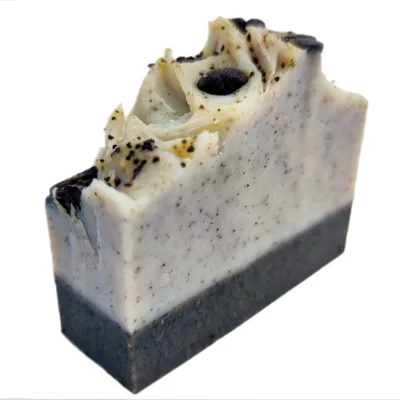
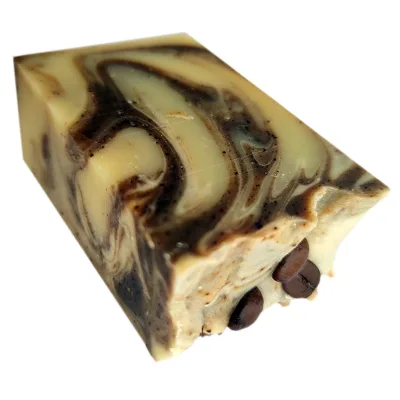
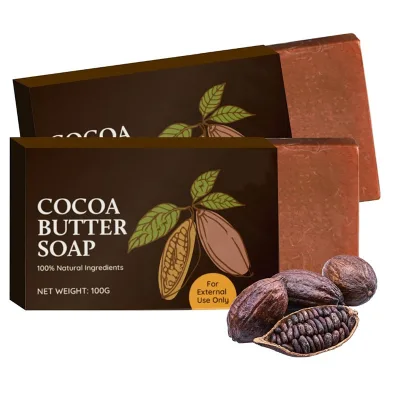
COCOA Oil Cocoa Butter Soap Coffee Handmade Soap Bath Cleansing Soap Clean African
$0.6161 - $1.0268
MOQ: 50 pieces
Hongliyuan Tech (guangzhou) Llc
- Manufacturer, Trading Company
- Guangdong, China
- Lead time15 days
- Avg. response≤ 3h
Main productsCosmetics, Hair Care Products, Skin Care Products
Main marketsDomestic Market(53.00%), North America(10.00%), Southeast Asia(8.00%), Northern Europe(6.00%), South America(5.00%), Eastern Europe(5.00%), Oceania(3.00%), Western Europe(2.00%), Southern Europe(2.00%), Central America(2.00%), South Asia(1.00%), Eastern Asia(1.00%), Africa(1.00%), Mid East(1.00%)
Guangzhou Fuan Cosmetics Co., Ltd.
- Manufacturer, Trading Company
- Guangdong, China
- Lead time20 days
- Avg. response≤ 3h
Main productsFace Care,Body Care,Hair Care,Makeup,Men Care
Main marketsNorth America(60.00%), Southeast Asia(20.00%), Northern Europe(6.00%), Mid East(5.00%), Eastern Europe(3.00%), South Asia(2.00%), South America(2.00%), Central America(2.00%)

Guangzhou Kanglixin Medical Biotechnology Co, Ltd.
- Verified by BV
- Combined
- China Guangdong
- Lead time30 days
- Avg. response≤ 9h
Main productsSkin Care Products, Body Care, Hair Care Products, Makeup, Men's Care Products, Ferminine Care Products, Serum, Facial Mask, Face Cream, Scrub
Main marketsSouth America,Africa,Southeast Asia/ Mideast,East Asia(Japan/ South Korea),Domestic,Europe,North America

Herbal Turmeric Persimmon Whitening Exfoliating Soap for Acne Control Dark Spots and Skin Repair
$1.00 - $1.50
MOQ: 1000 pieces

Private Label Natural Organic Handmade Instant Whitening and Anti Aging Vitamin C Bath Soap
$1.00 - $1.50
MOQ: 1000 pieces
Guangzhou Lianbiquan Biological Technology Co., Ltd.
- Verified by Intertek
- Trading Company
- Lead time20 days
- Avg. response≤ 3h
Main products7-Piece Essence Set, Face Cream, Face Serum, Body Care, Eye Care
Main marketsNorth America(20%), South America(20%), Eastern Europe(20%)

Guangzhou Mebamy Cosmetics Co., Ltd.
- Verified by TUVRHEINLAND
- Manufacturer/Factory
- China Guangdong
- Lead time15 days
- Avg. response≤ 1h
Main productsFace Serum, Soap, Face Cream, Sunscreen, Eyelash Growth Serum, Teeth Whitening, Face Mask, Facial Cleanser, Essential Oil, Hair Care Series
Main marketsNorth America,Western Europe


Natural Organic Whitening Soap Honey Oatmeal Soap Cleansing Soaps for Face
$1.18 - $1.52
MOQ: 3000 Pieces
Shenzhen Meili Technology Co., Ltd.
- Manufacturer, Trading Company, Distributor/Wholesaler
- Guangdong, China
- Lead time0 days
- Avg. response≤ 5h
Main productsface care,eye care,hair care,lip care,body care
Main marketsSouthern Europe(15.00%), Western Europe(15.00%), Eastern Europe(15.00%), South America(15.00%), North America(15.00%), Oceania(10.00%), Eastern Asia(5.00%), Central America(5.00%), Africa(5.00%)
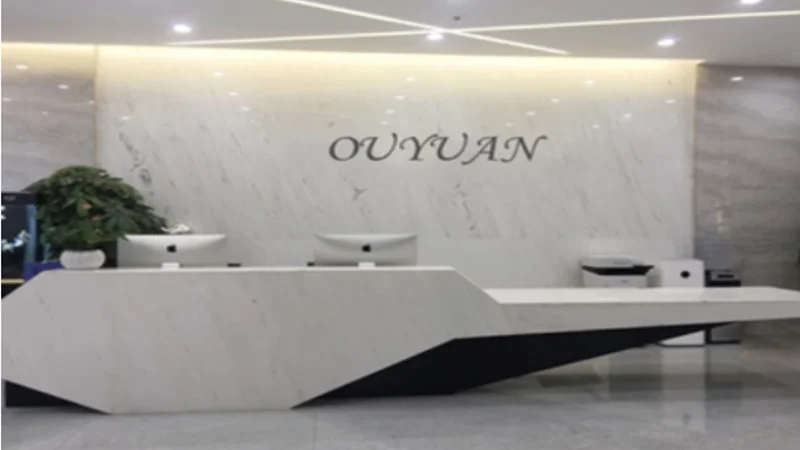
Guangzhou Ouyuan Cosmetics Co., Ltd.
- Manufacturer, Trading Company, Buying Office
- Guangdong, China
- Lead time18 days
- Avg. response≤ 5h
Main productsFacial care,Body care,Hair care,Beard care,Teeth care
Main marketsWestern Europe(10.00%), Northern Europe(10.00%), Mid East(10.00%), Eastern Europe(10.00%), South America(10.00%), North America(10.00%), Central America(6.00%), South Asia(6.00%), Southern Europe(6.00%), Southeast Asia(6.00%), Eastern Asia(5.00%), Domestic Market(5.00%), Oceania(4.00%), Africa(2.00%)
Guangzhou Fantesy Biotechnology Co., Ltd.
- Manufacturer, Trading Company
- Lead time旺季: "1 - 1000":31,"> 1000":"To be negotiated", 淡季: "1 - 1000":31,"> 1000":"To be negotiated"
- Avg. response≤ 3h
Main productsSoap, Serum, Body Care Product, Hair Care Product, Bath Product

Yixing Allwin Products Co., Ltd.
- Verified by CTI
- Trading Company,Manufacturer/Factory,Group Corporation
- China Jiangsu
- Lead time23 days
- Avg. response≤ 2h
Main productsFace Cream, Lip Care, Bath Care, Perfume/ Body Mist, Personal Care, Luxury Cosmetic, Laundry Detergent, Soap Flowers, Package
Main marketsSouth America,Eastern Europe,Mid East,North America,Southeast Asia,Eastern Asia,Oceania,Western Europe,Africa
Guangzhou Jiutai Bio-technology Co., Ltd.
- Verified by SGS Group
- Manufacturer, Trading Company
- Guangdong, China
- Lead time15 days
- Avg. response≤ 3h
Main productsBody Lotion, Body Scrub, Facial Care, Face Serum, Hair Care
Main marketsNorth America(36%), Southeast Asia(15%), Oceania(15%)








Comprehensive Sourcing Guide
Organic Anti Acne Coffee Soap Supplier Concentration and Factory Types
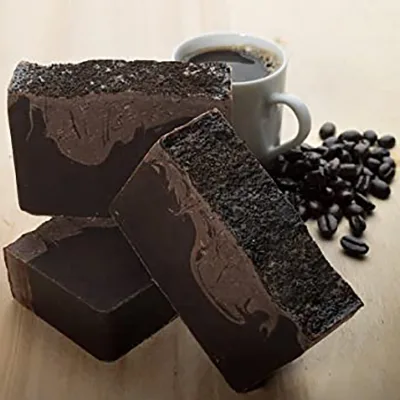
The sourcing landscape for organic anti-acne coffee soap reveals a distinct concentration of manufacturing capabilities within specific Chinese industrial hubs. Current data indicates that a significant portion of verified suppliers operates out of Guangdong province, with additional presence in Jiangsu. These regions serve as primary clusters for personal care manufacturing, offering established supply chains for essential oils, herbal extracts, and coffee-based ingredients. Buyers evaluating these locations should note that Guangdong suppliers often specialize in a broader range of personal care items, including shampoo, conditioner, and body wash, alongside their soap offerings. This diversification suggests that many factories in this region possess mature production lines capable of handling complex formulations and multiple product types simultaneously. The presence of both manufacturers and trading companies in these areas provides buyers with flexible engagement models, whether they require direct factory pricing or the logistical support of a trading entity.
Factory types vary significantly in their operational focus and customization capabilities. Some suppliers are identified primarily as manufacturers, indicating they own the production facilities and have direct control over the formulation and molding processes. Others are classified as trading companies or combined entities, which may source from multiple factories or offer a wider array of products under a single umbrella. The distinction is crucial for buyers seeking specific technical attributes, such as ODM (Original Design Manufacturing) or OEM (Original Equipment Manufacturing) services. Evidence shows that some facilities offer customized on-demand production, light customization, and graphic processing, which are essential for brands looking to differentiate their coffee soap products. Understanding whether a supplier is a pure manufacturer or a trading company helps buyers assess the depth of their technical expertise and the flexibility of their production schedules. This structural clarity allows for more accurate negotiations regarding intellectual property, formula ownership, and production scalability.
How to Verify Organic Anti Acne Coffee Soap Suppliers
Verification is a critical step in ensuring the reliability and quality of suppliers offering organic anti-acne coffee soap. Buyers should prioritize suppliers who have undergone third-party verification processes, such as those conducted by SGS Group. The presence of SGS verification on a supplier profile serves as a tangible indicator that the company has been audited for business legitimacy and operational standards. This verification process often includes checks on the factory’s physical existence, production capacity, and compliance with basic business regulations. For buyers, this reduces the risk of engaging with fraudulent entities or shell companies that may not have the actual capability to produce the requested goods. It is important to look for explicit mentions of these verification badges on the supplier’s profile, as they provide a layer of trust that is difficult to fabricate. This initial screening step is foundational before diving into deeper technical or commercial discussions.
Beyond basic verification, buyers must assess the specific certifications and system standards held by the supplier. Relevant certifications for personal care products in international markets often include CE, SCNP, CPNP, RoHS, and UKCA. These certifications indicate that the supplier’s products and processes meet specific regulatory requirements for safety and environmental standards in key export markets. For instance, CPNP and SCNP are particularly relevant for products entering the European market, while UKCA is necessary for the United Kingdom. Buyers should request copies of these certificates and verify their validity and scope. Additionally, checking the supplier’s response time can provide insights into their operational efficiency and customer service quality. A faster response time, such as two days, may indicate a more agile and responsive team, which is beneficial for resolving issues quickly during the sourcing process. Combining certification checks with responsiveness analysis offers a comprehensive view of the supplier’s reliability.
What to Compare Across Organic Anti Acne Coffee Soap Suppliers
When comparing suppliers, buyers should focus on key operational metrics that directly impact their supply chain efficiency and cost structure. Lead time is a critical factor, with some suppliers offering production times as short as fifteen days, while others may require up to thirty days. This variance can significantly affect inventory management and time-to-market strategies. Buyers with urgent launch timelines should prioritize suppliers with shorter lead times, while those with flexible schedules might opt for suppliers with longer lead times if they offer other advantages, such as lower prices or higher customization options. Similarly, the minimum order quantity (MOQ) varies across suppliers, ranging from as low as two units to as high as one thousand units. This flexibility allows buyers to test the market with small orders or commit to larger volumes for better economies of scale. Understanding these thresholds helps in aligning supplier capabilities with the buyer’s sales projections and storage capacity.
Price and product attributes are also essential comparison points. The price range for organic anti-acne coffee soap can vary significantly, with some products priced between $0.20 and $0.50 per unit, while others may range from $1.33 to $1.95. This disparity often reflects differences in ingredient quality, packaging, and customization levels. Buyers should compare the specific features of the soap, such as whether it is handmade, its transparency, and its primary ingredients like coffee or herbal extracts. Additionally, the supplier’s main product focus can indicate their expertise; a supplier specializing in face care and essential oils may offer higher quality formulations than a generalist. Response time is another comparative metric, with some suppliers responding within two days and others taking up to six days. Faster response times can facilitate smoother communication and quicker resolution of queries, which is vital for maintaining momentum in the sourcing process. By systematically comparing these dimensions, buyers can identify the supplier that best fits their specific operational and financial requirements.
Common Organic Anti Acne Coffee Soap Sourcing Risks
One of the primary risks in sourcing organic anti-acne coffee soap is the potential mismatch between claimed ingredients and actual product composition. Suppliers may advertise products as "organic" or "natural," but without proper certification and transparent ingredient lists, buyers cannot verify the authenticity of these claims. This discrepancy can lead to regulatory issues in target markets, where strict labeling laws govern the use of terms like "organic" and "natural." Buyers must ensure that suppliers provide detailed ingredient breakdowns and relevant organic certifications to mitigate this risk. Additionally, the risk of inconsistent quality is significant, especially when dealing with handmade or small-batch production methods. Variations in the curing process, ingredient sourcing, or molding techniques can result in products that differ in texture, scent, or efficacy from batch to batch. Establishing clear quality control protocols and requesting pre-shipment samples are essential steps to manage this variability.
Another common risk is the lack of customization flexibility or hidden costs associated with branding and packaging. Some suppliers may offer low base prices but charge extra for logo printing, custom packaging, or specific formulation adjustments. Buyers need to clarify all potential additional costs upfront to avoid budget overruns. Furthermore, there is a risk of intellectual property infringement if the supplier uses proprietary formulas or designs without proper authorization. Buyers should ensure that contracts clearly define ownership of any custom formulations or branding elements. Additionally, relying on suppliers with slow response times can lead to delays in communication and problem resolution, potentially impacting the overall supply chain efficiency. Buyers should assess the supplier’s communication infrastructure and support capabilities to ensure they can handle inquiries and issues promptly. By identifying and addressing these risks early in the sourcing process, buyers can build a more resilient and reliable supply chain for their organic anti-acne coffee soap products.
Organic Anti Acne Coffee Soap Regional Sourcing and Logistics
Sourcing organic anti-acne coffee soap from specific regions in China offers distinct logistical advantages and challenges. Suppliers located in Guangdong province benefit from a well-developed infrastructure for personal care manufacturing, including easy access to raw materials like essential oils and herbal extracts. This regional concentration facilitates efficient supply chain management and reduces lead times for ingredient procurement. However, buyers must also consider the logistical implications of shipping from different locations. Jiangsu-based suppliers, for instance, may offer different shipping routes and transit times compared to those in Guangdong. Understanding these regional differences is crucial for optimizing freight costs and delivery schedules. Buyers should evaluate the proximity of the supplier to major ports and transportation hubs to minimize shipping delays and costs. Additionally, the local regulatory environment in these regions may influence the supplier’s compliance with international standards, which can impact the ease of exporting products to various markets.
Logistics planning also involves considering the packaging and handling requirements of the product. Organic anti-acne coffee soap, especially if handmade or containing sensitive ingredients like coffee extracts, may require specific packaging to maintain quality during transit. Buyers should discuss packaging options with suppliers to ensure that the products are protected from moisture, heat, and physical damage. This is particularly important for products with a limited shelf life or those that are prone to melting or cracking. Furthermore, buyers should assess the supplier’s experience with international shipping and their ability to handle customs documentation and compliance requirements. Suppliers with experience in exporting to specific markets can provide valuable insights into local regulations and packaging standards. By carefully planning the logistics and considering the regional advantages of different supplier locations, buyers can ensure a smooth and efficient supply chain for their organic anti-acne coffee soap products.
Organic Anti Acne Coffee Soap Commercial Terms and Order Planning
Commercial terms and order planning are pivotal for successful procurement of organic anti-acne coffee soap. Buyers should negotiate clear payment terms that align with their cash flow and risk tolerance. Common terms include partial upfront payments with the balance due upon shipment or completion of production. It is essential to clarify the Incoterms, such as FOB or CIF, to determine who bears the responsibility and cost for shipping and insurance. Additionally, buyers should establish clear quality acceptance criteria and procedures for handling defects or non-conforming products. This includes defining the process for returns, refunds, or replacements in case of quality issues. Understanding these commercial terms helps in avoiding disputes and ensures a fair and transparent transaction process. Buyers should also consider the supplier’s flexibility in handling order modifications or cancellations, as market conditions can change rapidly.
Order planning involves forecasting demand and aligning it with the supplier’s production capacity and lead times. Buyers should provide accurate sales forecasts to help suppliers plan their production schedules and inventory management. This collaboration can help prevent stockouts or overproduction, optimizing the overall supply chain efficiency. Additionally, buyers should consider the seasonal demand for organic anti-acne coffee soap and plan orders accordingly to take advantage of potential discounts or promotions. It is also important to establish a regular communication schedule with the supplier to monitor production progress and address any issues promptly. This proactive approach helps in maintaining a strong partnership and ensures that orders are delivered on time. By carefully planning commercial terms and order volumes, buyers can build a sustainable and efficient sourcing strategy for their organic anti-acne coffee soap products, ensuring long-term success in the market.
FAQs
What is the price range for Organic Anti Acne Coffee Soap?
Prices typically range from $0.20 to $1.95 per unit depending on customization and volume. Lower-cost options around $0.20 are available for standard hotel soaps, while premium handmade variants with essential oils cost up to $1.95. Buyers should verify specific pricing tiers with suppliers based on order quantity.
What is the minimum order quantity for these soaps?
Minimum order quantities vary significantly by supplier and product type. Some manufacturers accept orders as low as 2 units for sample processing, while others require 500 or 1000 units for bulk production. Buyers must check the specific MOQ listed for each product to ensure it aligns with their purchasing capacity.
How long does production take for custom orders?
Lead times generally range from 15 to 30 days depending on the supplier's location and capacity. Suppliers in Jiangsu often offer faster turnaround times around 15 days, while those in Guangdong may require up to 30 days. Buyers should confirm exact timelines during the quotation phase to plan inventory effectively.
Are these soaps suitable for adult skin types?
Yes, most listed products are explicitly designed for adult skin types. Features often include anti-acne properties, basic cleaning, and whitening benefits using herbal or fruit ingredients. The soaps are typically non-medicated and solid, making them suitable for general body and face care routines for adults seeking natural skincare solutions.
What certifications do these soap manufacturers hold?
Manufacturers often hold system certifications such as CE, SCNP, CPNP, RoHS, and UKCA. Additionally, many suppliers are verified by SGS Group for quality assurance. Buyers should request current certification documents to ensure compliance with target market regulations before placing large orders for export or domestic distribution.
Can I get custom branding on these coffee soaps?
Custom branding is widely available through OEM and ODM services. Suppliers offer private labeling, custom logo printing, and tailored packaging options. Many manufacturers support light customization and graphic processing to meet specific brand requirements. Buyers should discuss design specifications and minimum order quantities for custom branding directly with the supplier.