Original Laser Platinum Spark Plug Suppliers and Manufacturers
Source Original Laser Platinum Spark Plug from 31 verified suppliers in China. Compare lead times, MOQs, certifications, and response rates to find the right partner. Contact suppliers directly to request quotes and samples; review the available evidence before requesting comparable quotations from suitable candidates.
Updated
Suppliers List

Ruici Metal Product (Dalian) Co., Ltd
- Verified by SGS
- Combined
- China Liaoning
- Lead time60 days
- Avg. response≤ 3h
Main productsCasting Parts, CNC Maching, Forgings, Stampings Parts, Valve Parts, Pump Parts, Metal Products
Main marketsSouth America,East Asia(Japan/ South Korea),Domestic,Europe,North America

LIYANG INDUSTRIAL & TRADING DEVELOPING CO., LTD.
- Verified by TUVRHEINLAND
- Trading Company
- China Guangdong
- Lead time30 days
- Avg. response≤ 8h
Main productsSpark Plug, Motrocycle Spare Part, Connecting Rod, Brake Shoes, Brake Pads, Piston, Piston Ring, Bearing, Cylinder Block, Cylinder Kit
Main marketsOthers(foreignTradeCapacity.exportBusinessCapacityMarketOther),Europe

Ningbo Shangerze Auto Parts Co., Ltd.
- Verified by CTI
- Manufacturer/Factory
- China Zhejiang
- Lead time23 days
- Avg. response≤ 4h
Main productsSpark Plug, Ignition Coil, Glow Plug
Main marketsSouth America,Eastern Europe,Mid East,North America,Southeast Asia,Africa


Cheap Price Auto Spare Part Car Engine 5303 Ik16 Laser Platinum Spark Plug
$0.64 - $0.67
MOQ: 1000 Pieces


Car Spare Parts Top Spark Plug Iridium 90919-01210iridium Tough Spark Plug Car Spark Plug
$0.65 - $0.75
MOQ: 1000 Pieces

Pingxiang County SNT Spark Plug Factory
- Verified by CTI
- Combined
- China Hebei
- Lead time30 days
- Avg. response≤ 1h
Main productsAutomotive Spark Plugs, Spark Plugs, Motorcycle Spark Plugs, Garden Machinery Spark Plugs
Main marketsDomestic


Brand New Platinum Spark Plugs for Reliable Engine Efficiency and Power
$0.50 - $1.30
MOQ: 2000 Pieces

Factory Cheap Auto Spare Parts High Quality Iridium Platinum Spark Plugs
$0.50 - $1.30
MOQ: 2000 Pieces


Advanced Platinum Spark Plugs for Superior Engine Power and Performance
$0.50 - $1.30
MOQ: 2000 Pieces

Hunan Hifuly Technology Co., Ltd.
- Verified by Intertek
- Manufacturer, Trading Company
- Lead time20 days
- Avg. response≤ 7h
Main productsIgnition Coil, Spark Plug, Spark Plug Wire, ABS Sensor, TPMS Sensor
Main marketsDomestic Market(45%), North America(12%), Eastern Europe(9%)

Hefei Chipei Auto Parts Co., Ltd.
- Trading Company,Manufacturer/Factory
- China Anhui
- Lead time45 days
- Avg. response≤ 2h
Main productsAutomotive Parts, Motorcycle Parts, Auto Parts Supplier, Suspension Parts, Engine Parts, Car AC Compressor, Cooling System Parts, Ignition System Parts, Sway Bar Bushing, CV Axle / Drive Shaft
Main marketsEastern Europe,Mid East,North America,Southeast Asia,Eastern Asia,Oceania,Africa
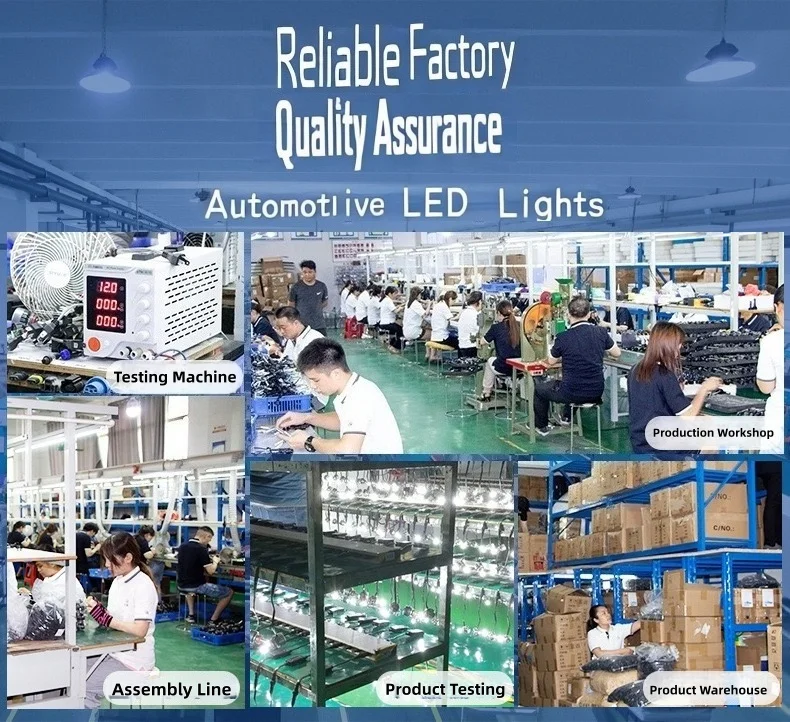
Guangzhou Maisiteng Technology Co., Ltd.
- Manufacturer, Trading Company
- Guangdong, China
- Lead time8 days
- Avg. response≤ 2h
Main productsLed car headlight,Auto LED replacement kits,LED headlight bulbs for cars,Car LED headlamps,LED HID bulbs
Main marketsNorth America(30.00%), Southeast Asia(25.00%), South America(20.00%), Eastern Europe(20.00%), Western Europe(10.00%), Domestic Market(10.00%), Northern Europe(10.00%), Central America(10.00%), Eastern Asia(5.00%), South Asia(5.00%), Southern Europe(5.00%), Oceania(5.00%), Africa(5.00%)
Camc International Trading Co., Ltd.
- Verified by Intertek
- Trading Company
- Anhui, China
- Lead time35 days
- Avg. response≤ 4h
Main productsDiesel Truck, Electric Truck, Engine, Charging Pile, Compressor
Main marketsSouth America(40%), Mid East(20%), Eastern Asia(20%)
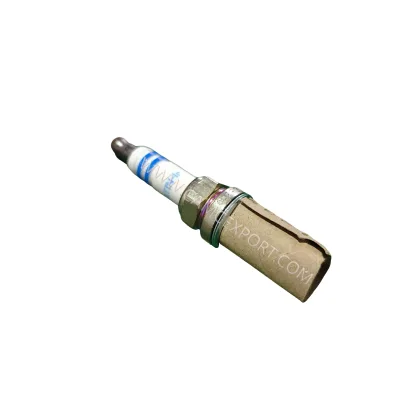
$6.0909 - $8.5026
MOQ: 100 pieces
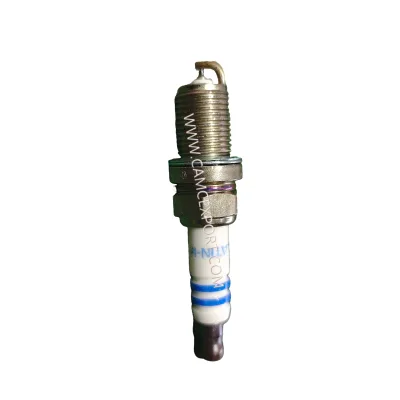
Wholesale Engine System Spark Plug Car Ignition Plug High Performance Gas Machine Spark Plug
$5.29 - $8.65
MOQ: 100 pieces

- Verified by SGS
- Trading Company
- China Hebei
- Lead time15 days
- Avg. response≤ 2h
Main productsBearings, Deep Groove Ball Bearing, Tapered Roller Bearing, Pillow Block Bearing, Thrust Roller Bearing, Wheel Hub Bearing, Cylindrical Roller Bearing, Spherical Roller Bearing, Bearing Bushing, Needle Roller Bearing
Main marketsSoutheast Asia/ Mideast,North America


Original Quality Double Iridium Spark Plug 12122158253 12122158252 Auto Parts
$0.88 - $1.76
MOQ: 5 Pieces
Guangzhou City Yuexiu District Linghe Autoparts Trading Company
- Trading Company, Distributor/Wholesaler
- Guangdong, China
- Lead time2 days
- Avg. response≤ 4h
Main productsSpark Plug,Nox Sensor,Oxygen Sensor,Ignition Coil,fuel injector
Main marketsAfrica(30.00%), North America(20.00%), Mid East(10.00%), South America(10.00%), Domestic Market(8.00%), Eastern Europe(5.00%), South Asia(3.00%), Southeast Asia(3.00%), Eastern Asia(2.00%), Southern Europe(2.00%), Oceania(2.00%), Central America(2.00%), Western Europe(2.00%), Northern Europe(1.00%)
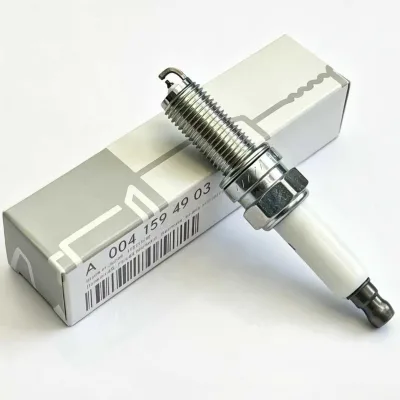
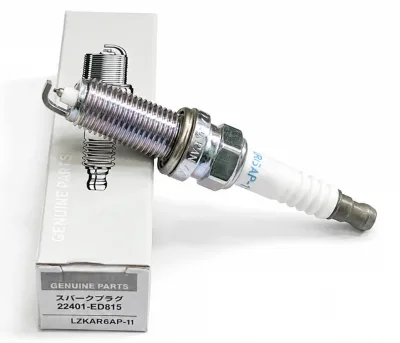
Linghe Hot Sale Original Quality LZKAR6AP-11 22401-ED815 Laser Platinum Spark Plug
$2.8777 - $3.0829
MOQ: 50 pieces
Jinan Hongjing International Trade Co., Ltd.
- Verified by TüVRheinland
- Trading Company
- Lead time15 days
- Avg. response≤ 2h
Main productsTruck Urea System, ECU, Diesel Nozzle, Engine Wiring Harness, Nitrogen Oxide Sensor
Main marketsSouth America(40%), Southeast Asia(20%), Mid East(10%)
Xingtai Mei'ao Trading Co., Ltd
- Trading Company
- Heibei, China
- Lead time0 days
- Avg. response≤ 12h
Main productsauto parts,spark plugs,ignition coils,auto clips
Main marketsAfrica(30.00%), Southeast Asia(10.00%), Central America(10.00%), Mid East(10.00%), Domestic Market(5.00%), South Asia(5.00%), Southern Europe(5.00%), North America(5.00%), Eastern Europe(5.00%), Western Europe(5.00%), Eastern Asia(5.00%), South America(5.00%), Oceania(5.00%)
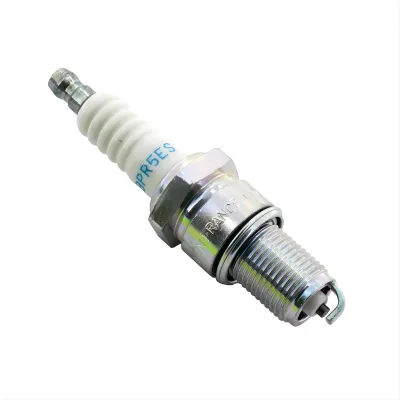
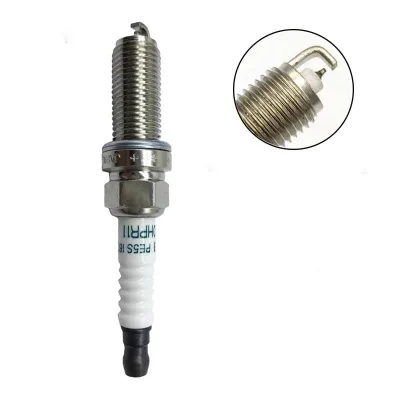
OEM PE5S-18-110 ZC20HPR11 Car Engine Laser Iridium Cheap Spark Plug for Nissan MAZDA
$0.55 - $0.75
MOQ: 100
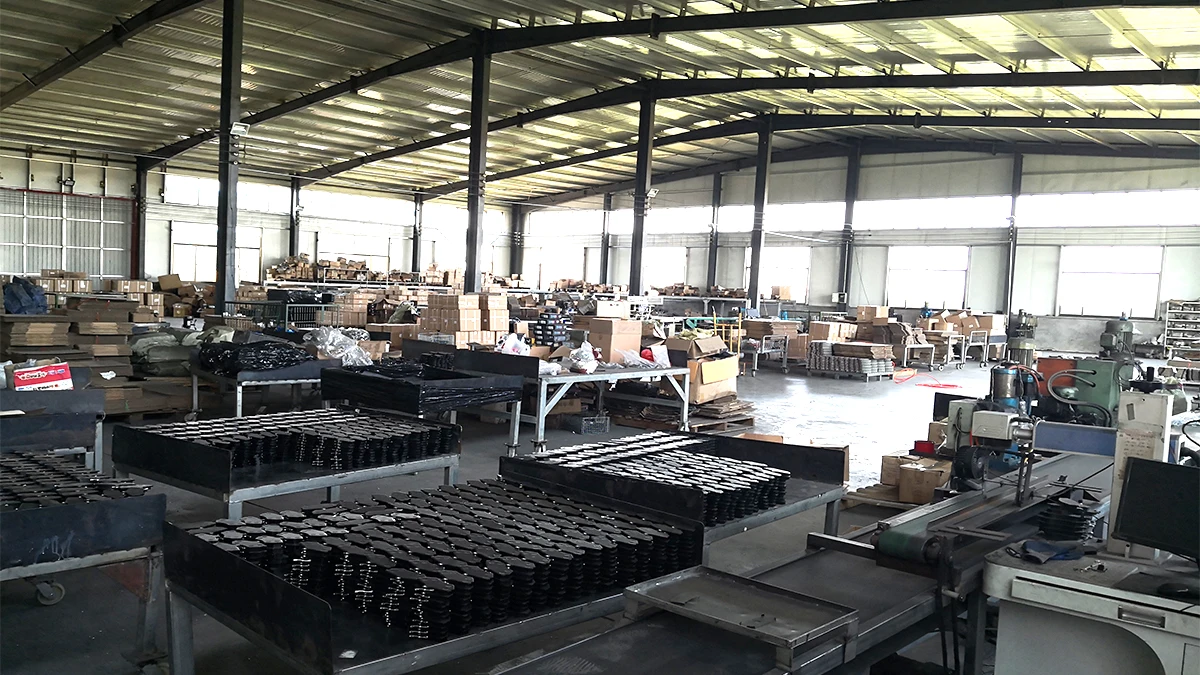
Hengshui Bozhong Automotive Parts Co., Ltd.
- Manufacturer, Trading Company
- Hebei Province, China
- Lead time15 days
- Avg. response≤ 1h
Main productsBrake Pads, Spark Plugs, Shock Absorbers, Brake Discs
Main marketsDomestic Market(50.00%), North America(15.00%), South America(10.00%), Mid East(10.00%), South Asia(5.00%), Eastern Asia(5.00%), Southeast Asia(5.00%)
$0.5872 - $0.6381
MOQ: 10 pieces
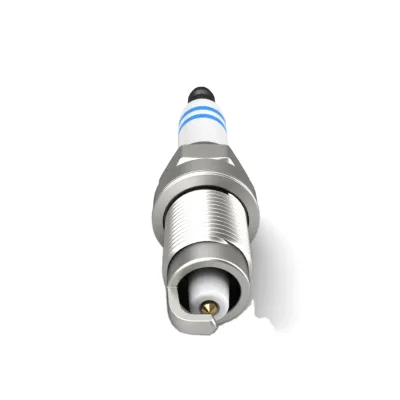
Laser Iridium Spark Plug Price Genuine Pulstar for Generator Cd70 Japan Authorized Agent
$0.5153 - $0.8239
MOQ: 10 pieces
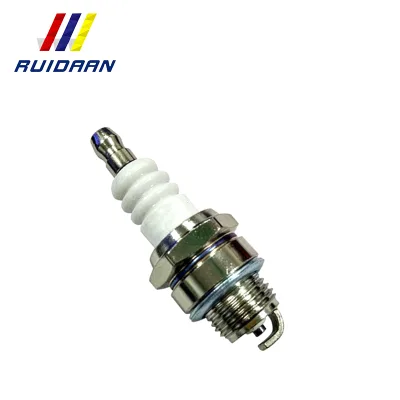
Genuine Car Laser Iridium Spark Plugs Iso Br8hs for Cars Nissan Sentra Toyota Original
$1.131 - $1.3362
MOQ: 10 pieces
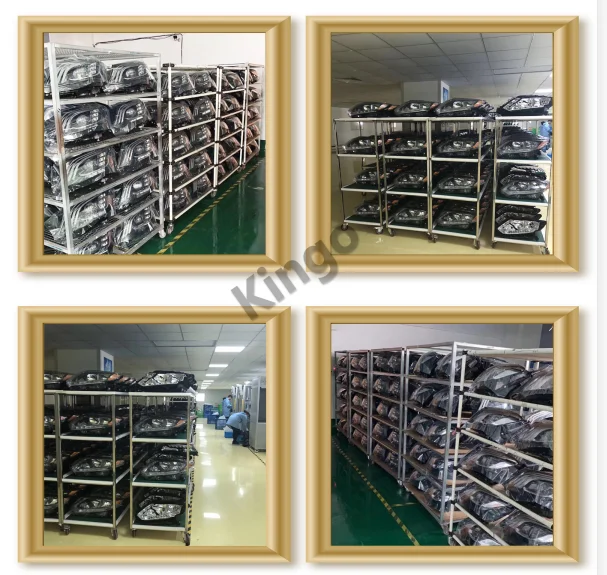
Guangzhou Kingo Auto Parts Co., Ltd.
- Manufacturer, Trading Company, Distributor/Wholesaler, Business Service (Transportation, finance, travel, Ads, etc)
- Guangdong, China
- Lead time10 days
- Avg. response≤ 14h
Main productsAutomotive spare parts,Car Accessory,Automotive electronics,Chassis parts,Engine Parts
Main marketsAfrica(40.00%), South America(30.00%), Mid East(10.00%), Domestic Market(5.00%), Northern Europe(5.00%), Eastern Europe(5.00%), North America(5.00%)
- Manufacturer, Trading Company
- Hunan, China
- Lead time30 days
- Avg. response≤ 2h
Main productsSpark plug,Ignition Parts,Power Plant Equipment and Spare Parts,Gas Genesets,Engine Parts
Main marketsNorth America(25.00%), Southeast Asia(15.00%), Domestic Market(15.00%), Mid East(15.00%), Western Europe(14.00%), South America(10.00%), Eastern Europe(3.00%), Northern Europe(3.00%)
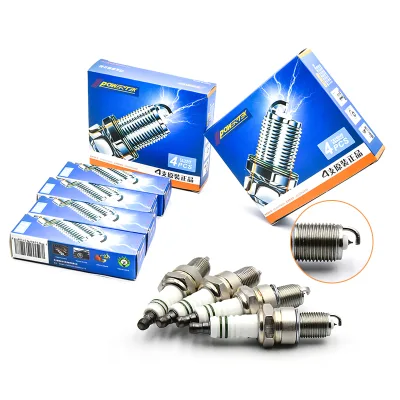
Powertek New Iridium Spark Plugs Petrol Engine System Ignition Bujia Candle Spark Plug
$3.25 - $3.60
MOQ: 2000 pieces
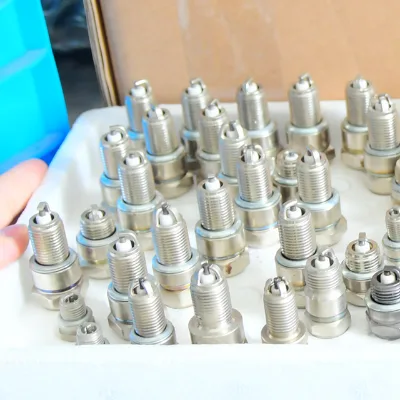
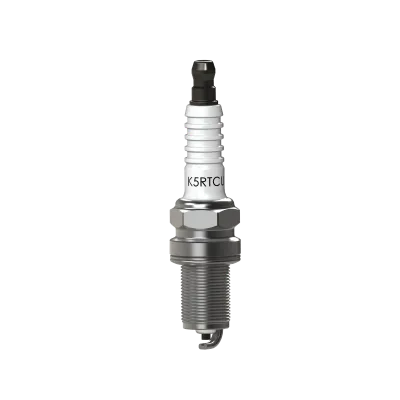
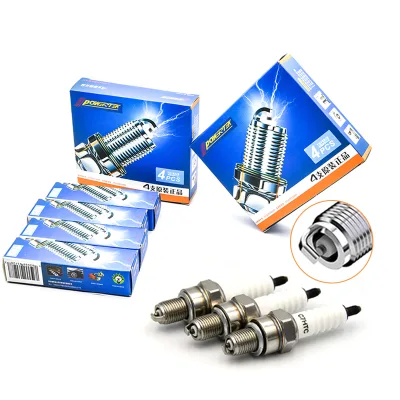
$0.5153 - $0.5348
MOQ: 5000 pieces

Shanghai Gongtao Ceramics Co., Ltd.
- Verified by TUVRHEINLAND
- Combined
- China Shanghai
- Lead time15 days
- Avg. response≤ 4h
Main productsCeramic Tube, Crucible, Ceramic Mill Pot, Ceramic IR Heater, Ceramic Connector, Mortar and Pestle, Ceramic Rod, Ceramic Igniter Electrode, Mica Plate, Ceramic Parts
Main marketsSouth America,Southeast Asia/ Mideast,Europe,Australia,North America
Cixi Feichi Auto Parts Co., Ltd.
- Verified by Intertek
- Manufacturer, Trading Company
- Lead time7 days
- Avg. response≤ 2h
Main productsSpark Plug
Main marketsMid East(35%), North America(20%), Southeast Asia(15%)
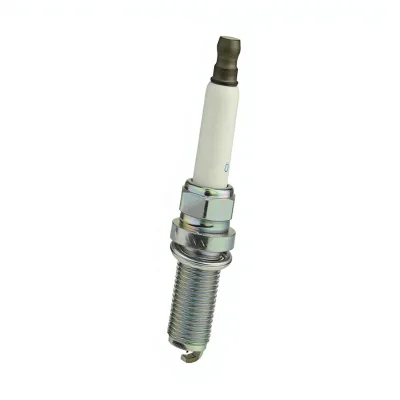
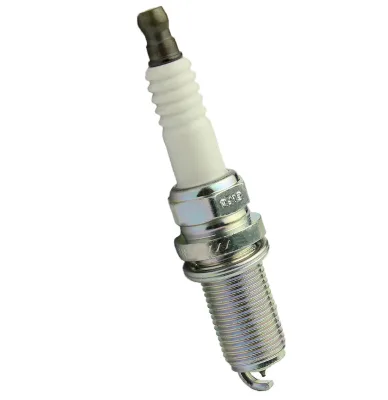
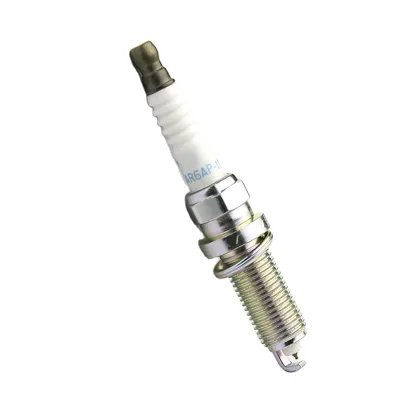
Wholesale OEM LZKAR6AP-11 6643 Platinum Spark Plug for Nissan Cars Used for Engine
$0.7924 - $0.8539
MOQ: 2000 pieces
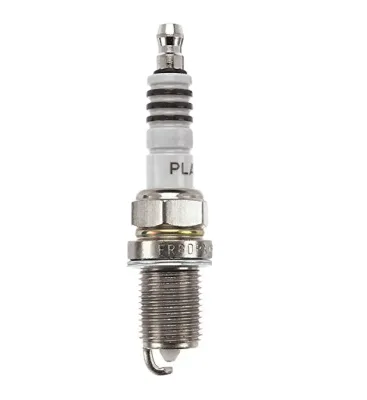
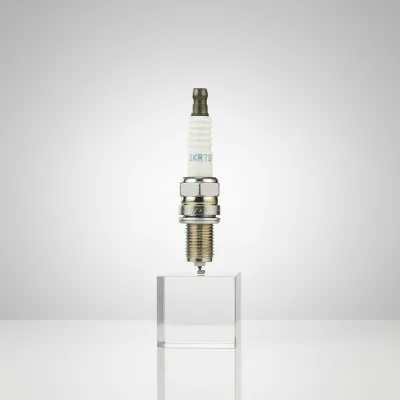
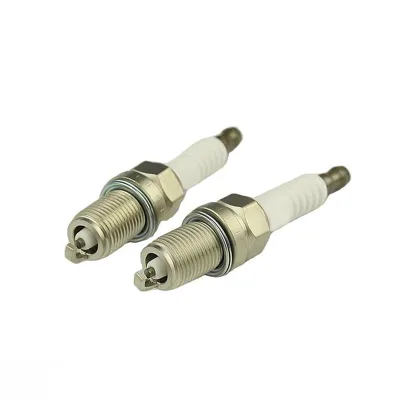
Hot Sale Auto Ignition SP 493 Spark Plugs Quality AYFS22FM for Car Engine System
$0.86 - $0.88
MOQ: 1000 pieces
Ningbo Aoben Autoparts Co., Ltd.
- Verified by Intertek
- Manufacturer, Trading Company
- Lead time5 days
- Avg. response≤ 2h
Main productsSpark Plug, Shock Absorber
Main marketsSouth America(25%), Africa(25%), Mid East(25%)
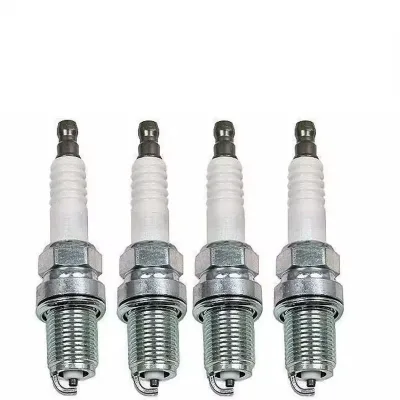
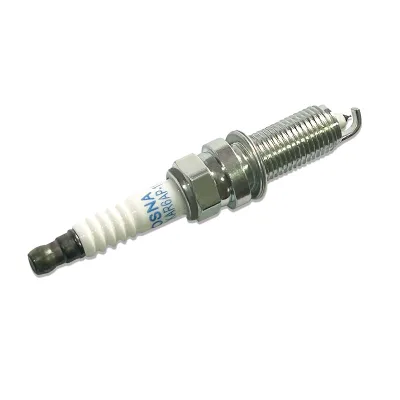
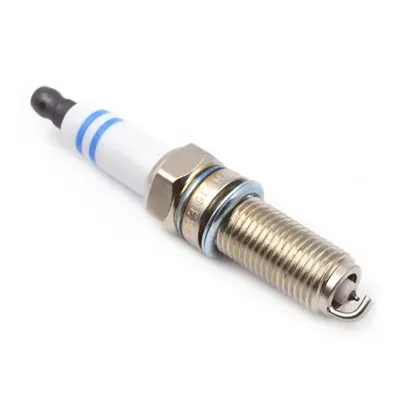
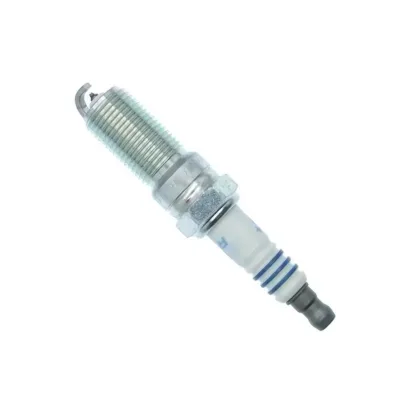
$0.75 - $0.80
MOQ: 1000 pieces
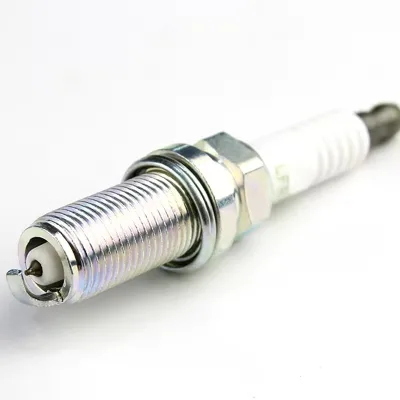
Platinum N GK Spark Plugs 5018 LFR5AGP Applicable to To.yota for Automobiles
$0.42 - $0.52
MOQ: 1000 pieces
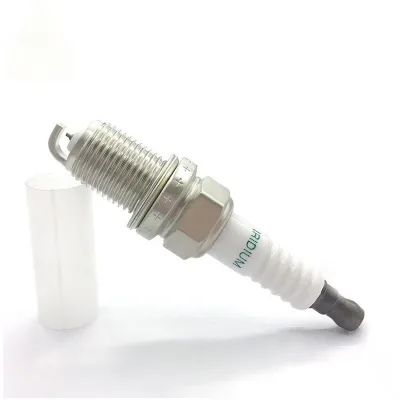
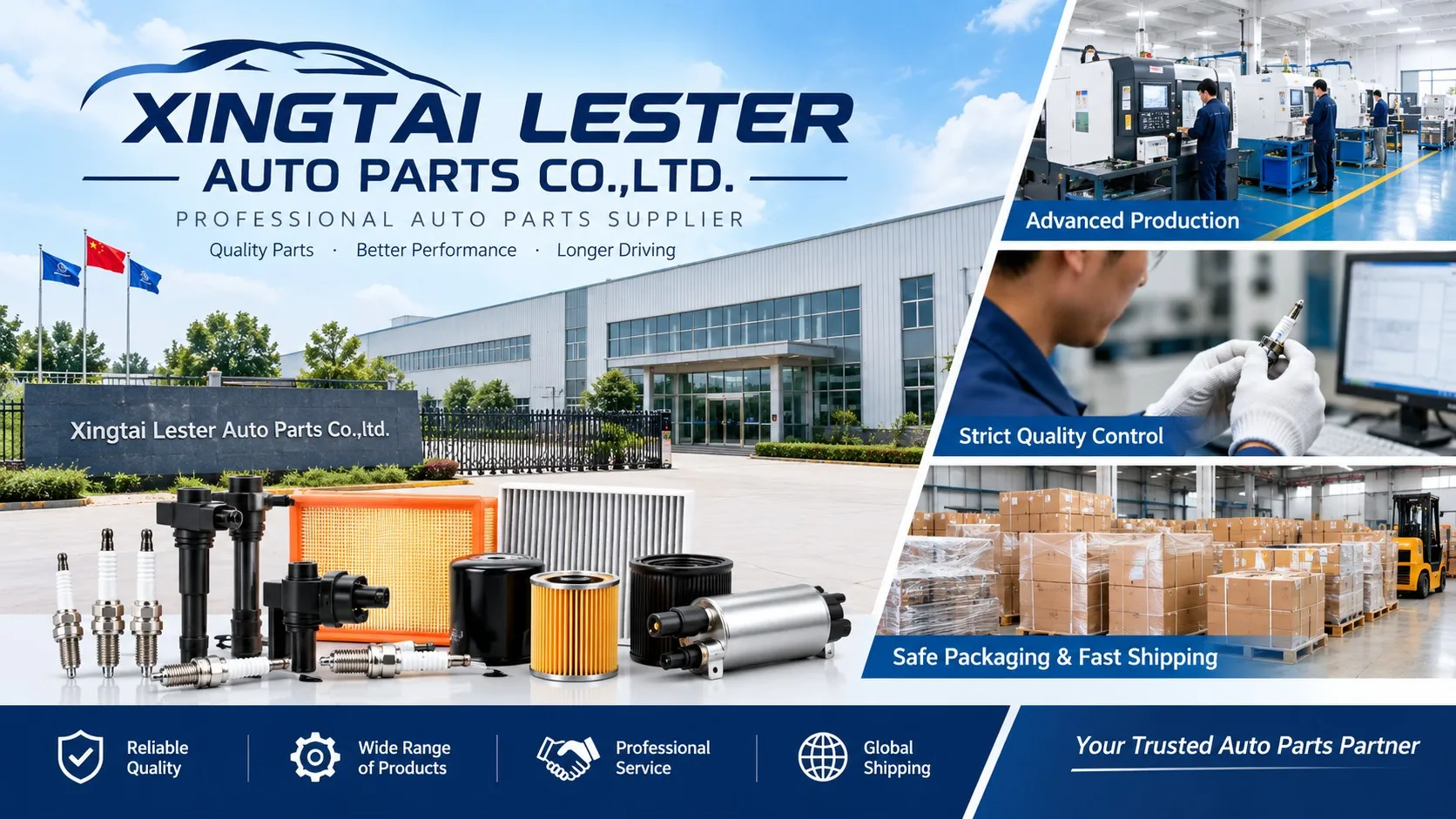
Xingtai Lester Auto Parts Co., Ltd.
- Trading Company
- Hebei, China
- Lead time0 days
- Avg. response≤ 3h
Main productsSpark Plug,Ignition Coil,Auto Filters,Fuel Pump,Cylinder Head Gasket
Main marketsSouth Asia(20.00%), Central America(20.00%), Mid East(20.00%), Southeast Asia(20.00%), North America(20.00%)

Guangzhou Jinhui Auto Parts Co., Ltd
- Verified by SGS
- Trading Company
- China Guangdong
- Lead time30 days
- Avg. response≤ 5h
Main productsGenuine Parts(OE), Aftermarket Brand(OEM), Own Brand(Rekidel), Oil Products
Main marketsDomestic

Aftermarket Brands Premium Double Platinum Spark Plug for OEM 0242240649 Durable Ignition Part
$0.10 - $10.00
MOQ: 10 PCS

Aftermarket Brands Premium Double Platinum Spark Plug for OEM 0242230500 Durable Ignition Part
$0.10 - $8.00
MOQ: 10 PCS


Guangzhou Hengxin Auto Parts Trading Co., Ltd.
- Verified by SGS
- Manufacturer/Factory
- China Guangdong
- Lead time23 days
- Avg. response≤ 13h
Main productsFilter, Ball Joint, Water Pump, Break Pads, Rubber Sleeve, Coil Ignition, Spark Plug, Gasket
Main marketsSouth America,Eastern Europe,Mid East,North America,Southeast Asia,Eastern Asia,Oceania,Western Europe,Africa
Guangzhou Bineng Business Co., Ltd.
- Verified by Intertek
- Trading Company
- Lead time7 days
- Avg. response≤ 2h
Main productsAuto Sensors, Air Flow Meters, Ignition Coils, Spark Plugs , Car Switch
Main marketsSouth America(45%), North America(35%), Domestic Market(20%)
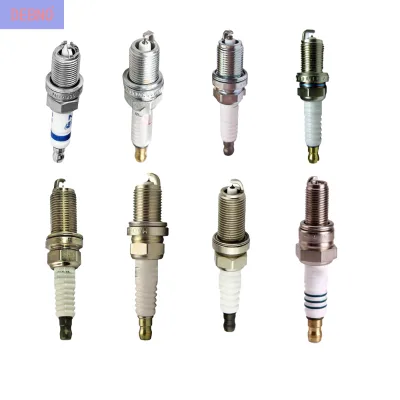
Auto Engine Systems Orginal Genuine Laser Platinum Spark Plugs ILKAR7B11 4912 For PRIUS NGK bujias
$0.75 - $1.38
MOQ: 4 pieces
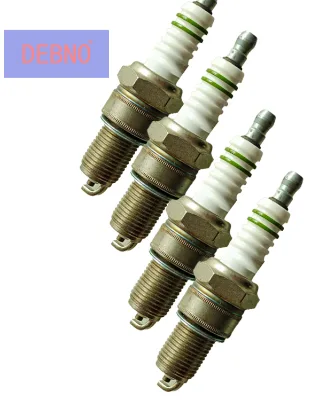
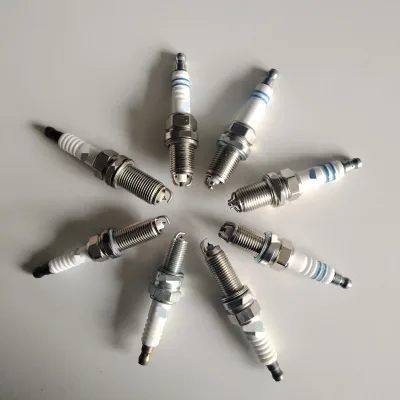
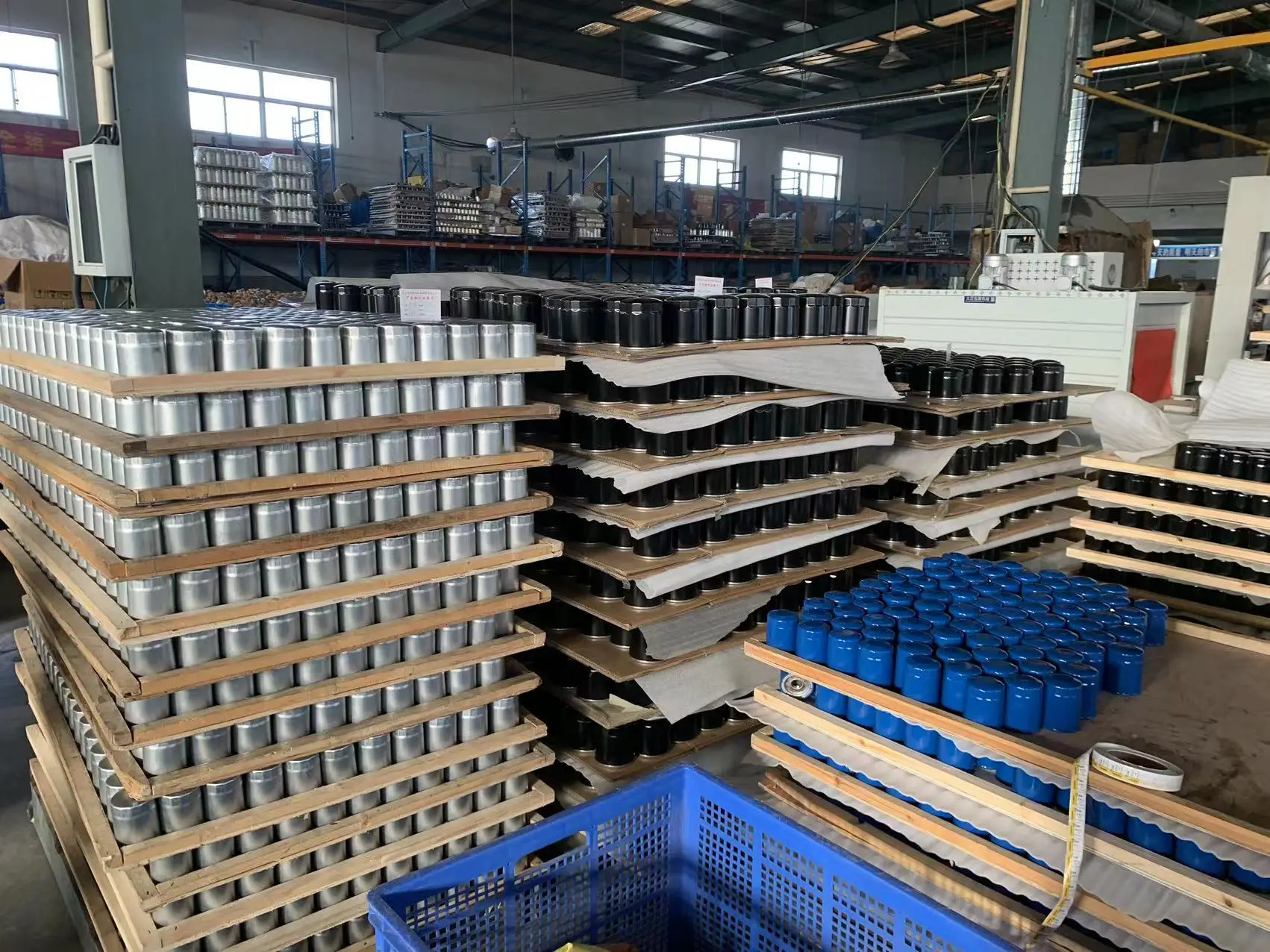
Auto parts BKR5EIX-11 5464 cars engine high quality iridium IX Laser spark plug for Camry
$0.8599 - $1.3317
MOQ: 4 pieces
Anqing Miles Auto Parts Co., Ltd
- Manufacturer, Trading Company
- Anhui, China
- Lead time30 days
- Avg. response≤ 1h
Main productsOil filter,Fuel filter,Air conditioning filter,The air filter,Spark plug
Main marketsSoutheast Asia(30.00%), Mid East(30.00%), Eastern Europe(10.00%)
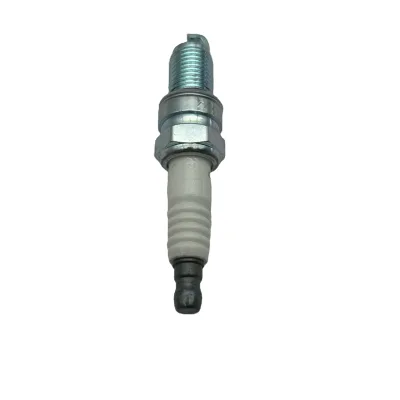
High Quality Spark Plug Lridium Platinum Spark Plug for JAPAN Cars DCPR7EGP 1682
$0.70 - $1.10
MOQ: 100 pieces
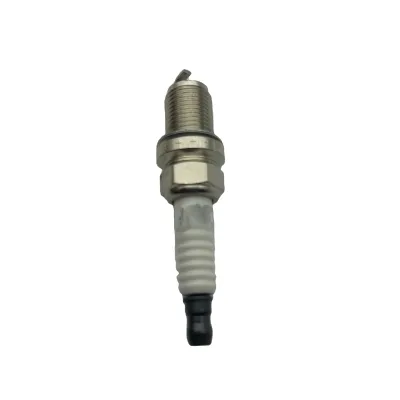
$1.0366 - $1.5534
MOQ: 100 pieces

Xingtai Xinmanli Technology Co., Ltd.
- Manufacturer/Factory
- China Hebei
- Lead time45 days
- Avg. response≤ 7h
Main productsSpark Plug, Clutch Kit, Brake Pad, Automotive Rubber Belt, Tyre and Tube, Filter, Pump
Main marketsSouth America,Mid East,North America,Southeast Asia,Eastern Asia,Western Europe,Africa

Changsha Torch Auto Parts Co., Ltd.
- Verified by CTI
- Combined
- China Hunan
- Lead time45 days
- Avg. response≤ 4h
Main productsSpark Plug, Ignition Coil, Seal, Brake Pad, Ignition Parts, Power Plant Equipment and Spare Parts, Gas Genesets, Engine Parts, Filter
Main marketsAfrica,Southeast Asia/ Mideast,Domestic,Europe,North America
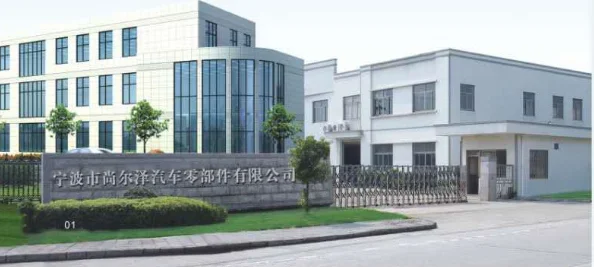
Ningbo Shangerze Auto Parts Co., Ltd.
- Trading Company
- Zhejiang, China
- Lead time20 days
- Avg. response≤ 2h
Main productsSpark Plugs
Main marketsMid East(25.00%), Southeast Asia(20.00%), South America(15.00%), North America(10.00%), Western Europe(10.00%), Eastern Europe(10.00%), Domestic Market(5.00%), Africa(5.00%)
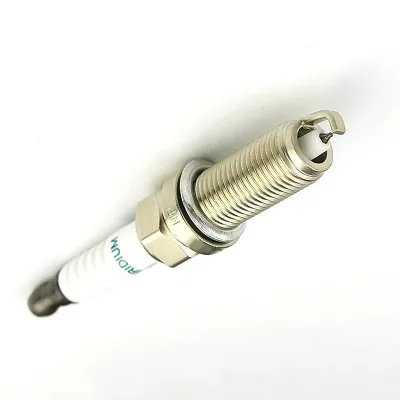
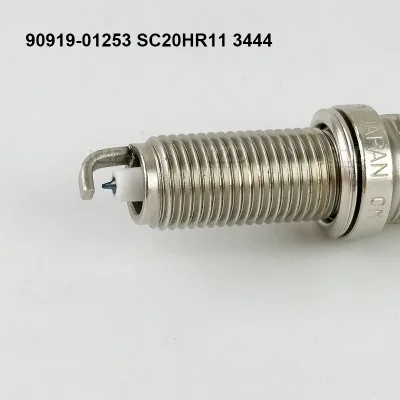
Japanese Automotive's New 90919-01253 SC20HR11 Laser Iridium Platinum Spark Plug
$0.47 - $0.90
MOQ: 2000
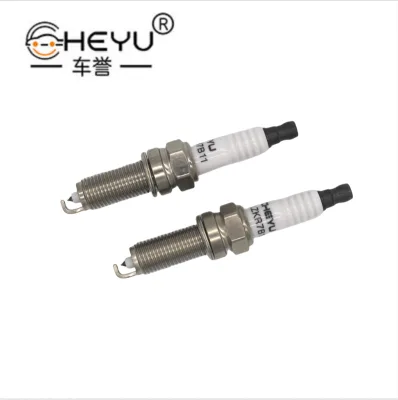
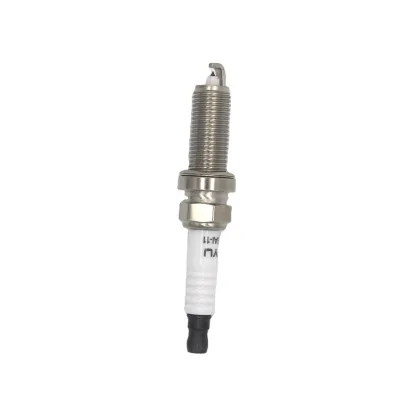
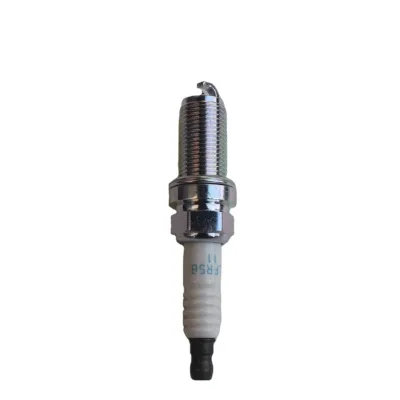
OEM Standard Laser Iridium Platinum Bujia Candle Spark Plugs 9723 SILZK7RB11
$2.10 - $3.00
MOQ: 2000 pieces

Wenzhou Ao-Jun Auto Parts Co., Ltd.
- Verified by BV
- Trading Company
- China Zhejiang
- Lead time30 days
- Avg. response≤ 17h
Main productsSpark Plug, Ignition Coil, Fuel Pump, Tire Pressure Sensor, Window Power Switch, Sensor, Water Pump
Main marketsDomestic

Car Accessories Auto Parts Original Laser Iridium Spark Plug 6962 2288 Bkr6e
$0.68 - $1.50
MOQ: 10 Pieces


Guangzhou Xianghua Automotive Parts Co., Ltd.
- Trading Company, Agent, Distributor/Wholesaler
- Guangdong, China
- Lead time30 days
- Avg. response≤ 3h
Main productsCar bulbs,brake pads/discs,oil filters,spark plugs,Car belts
Main marketsSouth Asia(20.00%), Central America(20.00%), Mid East(20.00%), Southeast Asia(20.00%), North America(20.00%)
Chongqing Beyond First Import And Export Co., Ltd.
- Trading Company
- Chongqing, China
- Lead time15 days
- Avg. response≤ 3h
Main productsBrake Pads,Spark Plugs,Auto Belts,Ignition Coil,Refrigerant
Main marketsDomestic Market(50.00%), Eastern Europe(10.00%), Central America(10.00%), Western Europe(10.00%), Oceania(10.00%), Southeast Asia(10.00%)
Guangzhou Rizhengda Parts Manufacturing Co., Ltd.
- Manufacturer, Trading Company
- Guangdong, China
- Lead time30 days
- Avg. response≤ 1h
Main productsSpark Plug, Ignition Coil, Tire Pressure Sensor, Fuel Pump, Oxygen Sensor
Main marketsNorth America(40.00%), Africa(30.00%), Southeast Asia(5.00%), South Asia(5.00%), Southern Europe(5.00%), Northern Europe(5.00%), Eastern Europe(5.00%), Western Europe(5.00%)
Shaanxi Jinglian M&E Tech. Co., Ltd.
- Manufacturer, Trading Company
- Shaanxi, China
- Lead time0 days
- Avg. response≤ 5h
Main productsEngine System,Electrical System,Suspension System,Transmission System,Auto Steering System
Main marketsWestern Europe(25.00%), North America(25.00%), South America(10.00%), Southeast Asia(10.00%), Eastern Europe(10.00%), Northern Europe(9.00%), Southern Europe(9.00%), Africa(2.00%)








Comprehensive Sourcing Guide
Original Laser Platinum Spark Plug Supplier Concentration and Factory Types
The current supplier landscape for original laser platinum spark plugs reveals a distinct geographic and structural distribution across China. Factories and manufacturers are concentrated in Zhejiang, where specific entities operate with established production lines for ignition components. These facilities often hold ISO 9001 system certifications and offer OEM and ODM capabilities, indicating a strong focus on manufacturing depth rather than mere distribution. In contrast, suppliers in Liaoning and Guangdong present different operational profiles. Liaoning-based entities are identified as combined companies with SGS verification, handling a broad range of metal products including casting and CNC machining parts alongside spark plugs. Guangdong suppliers appear primarily as trading companies verified by TÜV Rheinland, focusing on a wide array of automotive spare parts such as brake pads and pistons. This diversity means buyers must distinguish between pure manufacturers who control the production process and trading entities that aggregate inventory from various sources. The presence of both types allows for flexible sourcing strategies, but it requires careful due diligence to ensure the claimed manufacturing origin aligns with the actual supplier type. Understanding this concentration helps buyers target regions known for specific component expertise, such as Zhejiang for specialized ignition systems, while leveraging other regions for broader automotive part consolidation.
Supplier types also dictate the level of customization and technical support available. Manufacturers in Zhejiang explicitly accept OEM and ODM orders, suggesting they can adapt thread sizes, heat ranges, and packaging to specific vehicle models. This is critical for buyers seeking exact replacements for original equipment specifications. Combined companies in Liaoning offer ODM capacity, which may imply they can develop new designs or modify existing ones, though their primary focus on metal casting suggests a strength in structural components rather than precision ignition electronics. Trading companies in Guangdong, while verified by reputable third parties like TÜV Rheinland, may have longer response times and less direct control over production nuances. Their main products often include diverse items like connecting rods and cylinder blocks, indicating a generalist approach rather than specialized ignition expertise. Buyers should prioritize suppliers whose core product lists align closely with spark plugs to ensure technical proficiency. The verification status, whether SGS, TÜV, or CTI, provides a baseline of trust, but the company type determines the depth of engineering support. For original laser platinum spark plugs, direct factory engagement often yields better technical alignment, while trading companies may offer convenience for mixed-container orders.
How to Verify Original Laser Platinum Spark Plug Suppliers
Verifying the authenticity and capability of suppliers requires a multi-layered approach that goes beyond basic profile checks. First, examine the verification badges closely, as they indicate the scope of the audit. Suppliers in Zhejiang hold ISO 9001 system certifications, which is a fundamental requirement for consistent manufacturing quality. However, buyers should request the actual certificate documents to confirm the scope includes spark plug production and not just general trading activities. For suppliers in Liaoning and Guangdong, the presence of SGS and TÜV Rheinland verification respectively adds a layer of third-party assurance. These agencies typically conduct on-site audits of facilities or business operations. Buyers should ask for the audit report summary to understand what was inspected, whether it was a factory floor or a trading office. Additionally, response time metrics provide insight into operational efficiency. A supplier with a response time under three hours, such as those in Zhejiang, likely has dedicated sales and technical teams ready to address queries promptly. Slower response times, such as those exceeding seven hours, may indicate a larger, less agile organization or a trading company with multiple clients.
Product evidence and attribute details serve as another critical verification tool. Suppliers listing specific models like BKR6EQUP or D-IZFR5G with precise thread standards (e.g., S16*M14x22) demonstrate technical specificity. Buyers should cross-reference these model numbers with original equipment manufacturer (OEM) specifications to ensure compatibility. The presence of detailed product attributes, such as thread diameter, length, and certification codes, suggests a mature product catalog. Furthermore, check for customization availability. Suppliers that explicitly state customization is available are more likely to accommodate specific buyer requirements, such as unique packaging or electrode configurations. It is also important to verify the origin claims. Products originating from Zhejiang, China, should be backed by suppliers located in that province. Discrepancies between the supplier’s listed location and the product’s origin may indicate a trading arrangement or potential misrepresentation. Buyers should also look for evidence of past performance, such as transport packages and capacity metrics. A daily capacity of 150,000 pieces, as seen in some listings, indicates significant production volume, which can be a positive sign for large orders. However, buyers must ensure this capacity is sustainable and not just a theoretical maximum.
What to Compare Across Original Laser Platinum Spark Plug Suppliers
When evaluating multiple suppliers, several key dimensions must be compared to determine the best fit for specific business needs. Lead time is a critical factor for inventory management. Suppliers in Zhejiang offer a lead time of approximately 30 days, which is standard for manufacturing cycles. In contrast, suppliers in Guangdong report a lead time of 30 days as well, while those in Liaoning indicate a longer lead time of 60 days. This difference can significantly impact supply chain responsiveness, especially for urgent orders. Buyers should align their order planning with these timelines to avoid stockouts. Minimum Order Quantity (MOQ) is another crucial comparison point. Zhejiang suppliers may have an MOQ of 2,000 pieces, which is suitable for medium-sized buyers. Other suppliers list MOQs of 500 or 1,000 pieces, offering flexibility for smaller orders or trial runs. Lower MOQs reduce initial investment risk but may come with higher per-unit costs. Buyers should calculate the total landed cost, including shipping and tariffs, to determine the true economic advantage of each option.
Price and response speed also play vital roles in supplier selection. Price ranges vary significantly, from as low as $0.38 to over $2.35 per unit, depending on the product specifications and volume. Buyers should not solely focus on the lowest price but consider the value proposition, including quality certifications and after-sales support. Response time metrics provide insight into communication efficiency. Suppliers with response times under three hours, such as those in Zhejiang, are likely more responsive to inquiries and issue resolution. Slower response times may lead to delays in order processing and problem-solving. Additionally, compare the main products offered. Suppliers specializing in spark plugs and ignition coils may offer better technical support and product knowledge than generalist trading companies. The availability of OEM and ODM services is another differentiator. Suppliers that accept custom orders can provide tailored solutions, which is essential for buyers with specific vehicle model requirements. By systematically comparing these dimensions, buyers can make informed decisions that balance cost, speed, and quality.
Common Original Laser Platinum Spark Plug Sourcing Risks
Sourcing original laser platinum spark plugs involves several inherent risks that buyers must mitigate through careful due diligence. One significant risk is the misrepresentation of supplier type. A supplier listed as a manufacturer may actually be a trading company, leading to higher costs and less control over production quality. Buyers should verify the physical existence of the factory through video calls or third-party inspection services. Another risk is the inconsistency in product specifications. Spark plugs have precise technical requirements, including thread size, heat range, and electrode material. Suppliers may list generic attributes that do not match the buyer’s specific needs, leading to compatibility issues. Buyers must rigorously check product attributes against OEM standards before placing orders. Additionally, there is a risk of quality variability. Even with ISO 9001 certification, production batches may differ. Buyers should request samples for testing before committing to large orders. This helps identify any defects in ignition performance or durability.
Logistical and communication risks are also prevalent. Longer lead times, such as the 60 days reported by some suppliers, can disrupt supply chains if not planned for adequately. Buyers should build buffer time into their inventory planning to account for potential delays. Communication barriers can also lead to misunderstandings regarding order details, packaging, or shipping instructions. Suppliers with slower response times may be less attentive to these nuances. Furthermore, there is a risk of intellectual property infringement if buyers request custom designs from unverified suppliers. Buyers should ensure that their designs are protected and that the supplier has a track record of respecting IP rights. Another risk is the reliance on single-source suppliers. Diversifying the supplier base can mitigate the impact of production disruptions or quality issues. Buyers should also be cautious of prices that seem too good to be true, as they may indicate inferior materials or counterfeit products. By identifying and addressing these risks proactively, buyers can secure a more reliable and cost-effective supply chain for original laser platinum spark plugs.
Original Laser Platinum Spark Plug Regional Sourcing and Logistics
Regional sourcing strategies can optimize logistics and reduce costs for original laser platinum spark plugs. Suppliers in Zhejiang, China, are concentrated in a region known for its manufacturing efficiency and specialized industrial clusters. This concentration facilitates easier coordination for buyers who need to source multiple components from the same area. The proximity to major ports in Zhejiang can also reduce shipping times and costs for international orders. Buyers sourcing from this region should consider the 30-day lead time and 2,000-piece MOQ when planning their logistics. The availability of customized packaging and OEM services in Zhejiang allows for streamlined branding and distribution. Additionally, the ISO 9001 certification held by these suppliers ensures a baseline of quality control, which reduces the risk of defective shipments. Buyers should leverage this regional advantage by consolidating orders to maximize shipping efficiency.
In contrast, suppliers in Liaoning and Guangdong offer different logistical considerations. Liaoning-based suppliers, with their 60-day lead time and combined company structure, may be better suited for larger, less time-sensitive orders. Their focus on metal casting and CNC machining suggests a strength in structural components, which may complement spark plug orders for buyers seeking a broader range of automotive parts. Guangdong suppliers, verified by TÜV Rheinland, offer a 30-day lead time and a lower MOQ of 1,000 pieces. As trading companies, they may have established relationships with multiple factories, allowing for flexible sourcing. However, buyers should be aware of the potential for longer response times and less direct control over production. When planning logistics, buyers should compare shipping routes from these regions to their destination. Zhejiang’s proximity to major shipping lanes may offer cost advantages, while Liaoning’s location in the northeast may require different transit routes. Understanding these regional nuances helps buyers optimize their supply chain for efficiency and cost-effectiveness.
Original Laser Platinum Spark Plug Commercial Terms and Order Planning
Commercial terms and order planning are essential for successful procurement of original laser platinum spark plugs. Buyers must carefully review pricing structures, which can range from $0.38 to $2.35 per unit. This wide variance reflects differences in product quality, certification levels, and order volume. Buyers should negotiate prices based on their expected order quantity, leveraging the MOQ flexibility offered by some suppliers. For instance, suppliers with a 500-piece MOQ may offer competitive pricing for smaller orders, while those with a 2,000-piece MOQ may provide better rates for bulk purchases. Payment terms should also be clarified, including the use of escrow services for secure transactions. Buyers should ensure that payment milestones are tied to production progress and shipment confirmation to mitigate financial risk. Additionally, buyers should consider the total cost of ownership, including shipping, insurance, and tariffs, when evaluating supplier quotes.
Order planning requires alignment with supplier lead times and capacity. Suppliers in Zhejiang and Guangdong offer a 30-day lead time, which allows for relatively quick turnaround. However, buyers should account for production scheduling and potential delays. Suppliers in Liaoning have a 60
FAQs
What is the price range for laser platinum spark plugs?
Prices for laser platinum spark plugs typically range from $0.38 to $2.35 per unit depending on specifications. Some standard models start at $0.70, while high-performance iridium variants cost up to $2.35. Buyers should verify exact pricing based on order volume and customization requirements before finalizing procurement decisions.
What is the minimum order quantity for these spark plugs?
Minimum order quantities vary by supplier, ranging from 500 to 2000 pieces. Some manufacturers require 1000 units for specific models, while others accept orders starting at 500 units. Buyers must check individual product listings to confirm the exact MOQ applicable to their desired spark plug model and specifications.
How long does production take for custom spark plugs?
Lead times generally range from 23 to 60 days depending on the supplier and order complexity. Some factories offer faster turnaround times of 23 days, while others require up to 60 days for standard production. Customization and volume significantly impact the final delivery schedule for these automotive components.
Are these spark plugs certified for quality assurance?
Yes, many suppliers hold ISO 9001 certification for their manufacturing processes. Specific components are verified under TSISO9001 standards, ensuring consistent quality for ignition systems. Buyers should request current certification documents to verify compliance with international automotive standards before placing bulk orders for engine replacement parts.
Where are these spark plug manufacturers located?
Manufacturers are primarily located in China, specifically in Liaoning, Guangdong, and Zhejiang provinces. These regions host both trading companies and direct factories specializing in automotive ignition components. Buyers can filter search results by these specific locations to find suppliers with established supply chains and logistical advantages.
What is the daily production capacity for spark plugs?
Production capacity can reach up to 150,000 pieces per day for certain manufacturers. This high output supports large-scale automotive supply chains and replacement part distribution. Buyers requiring substantial volumes should verify current capacity availability with suppliers to ensure timely delivery for their specific procurement needs.