Source Automotive Engine Repair Cylinder Head for Ford, Diesel, Gasoline
Compare 30 listings for Automotive Engine Repair Cylinder Head from global suppliers. Options include casting and CNC machining for Ford CAF479Q1 and diesel engines with varying MOQs and lead times; compare the available evidence and request quotations based on your requirements.
Updated
Key considerations
Products List


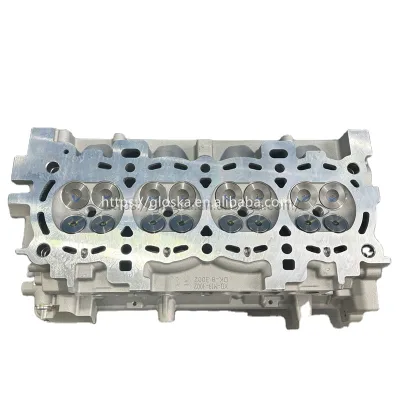

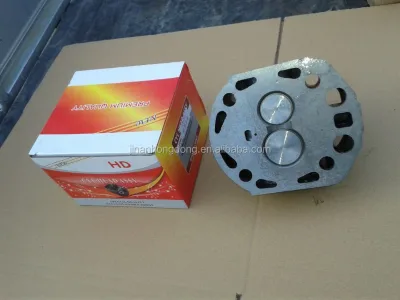
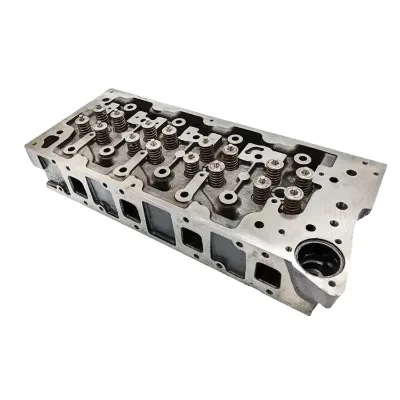
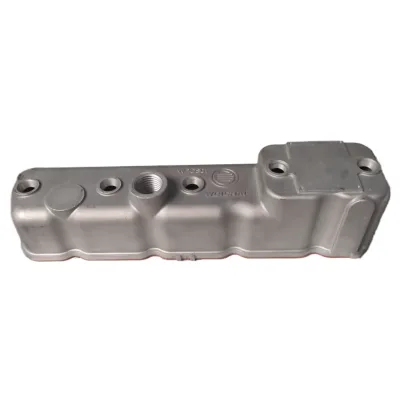
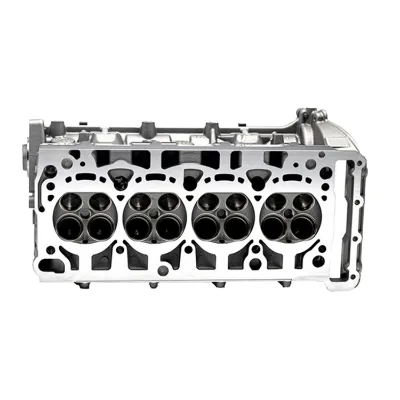
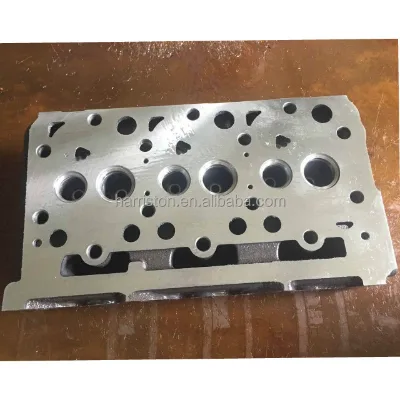
Aluminum Engine Cylinder Head for Automotive & Motorcycle Engine Parts
$80.00 - $120.00
MOQ: 100 Pieces

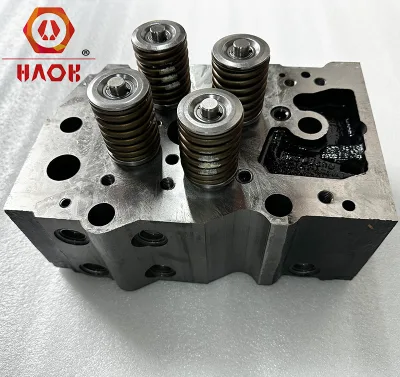
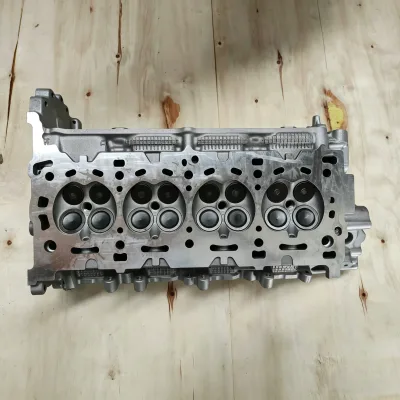
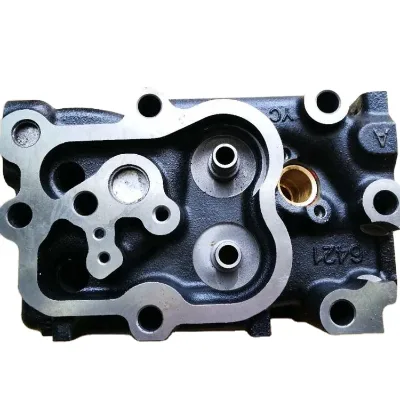
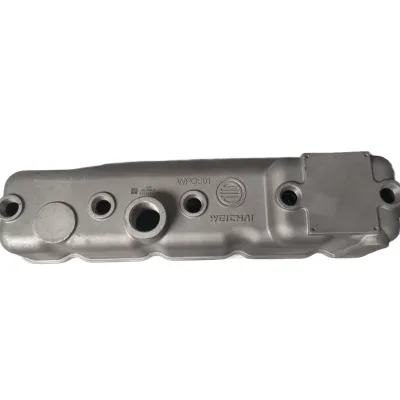
Complete Cylinder Head Assembly for Diesel Gasoline Automotive Engine
$85.00 - $850.00
MOQ: 200 Pieces
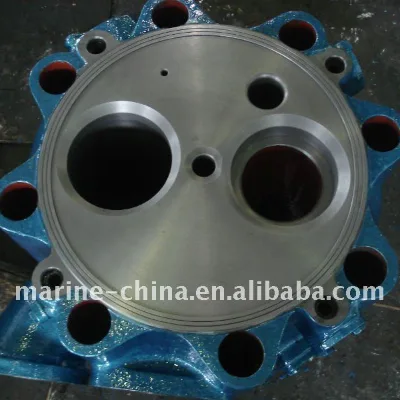
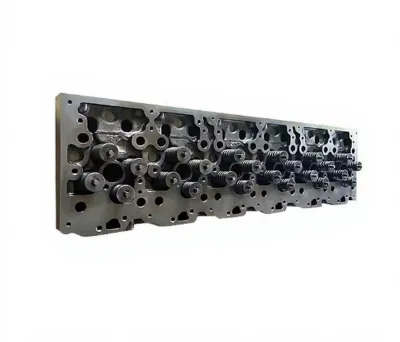
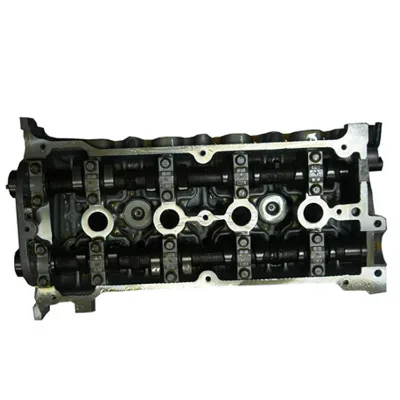
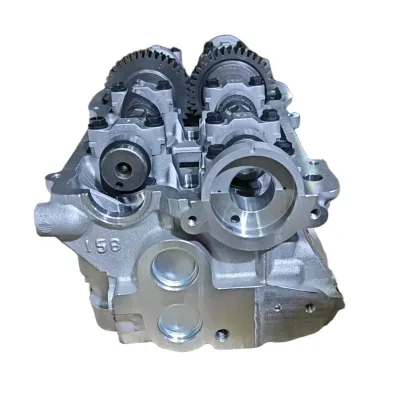
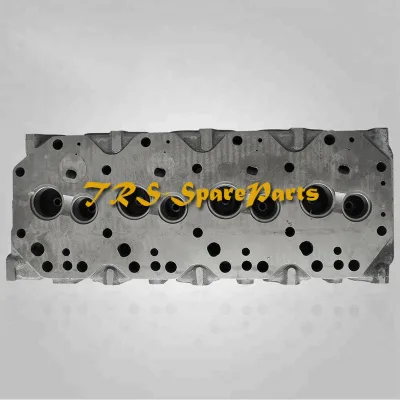
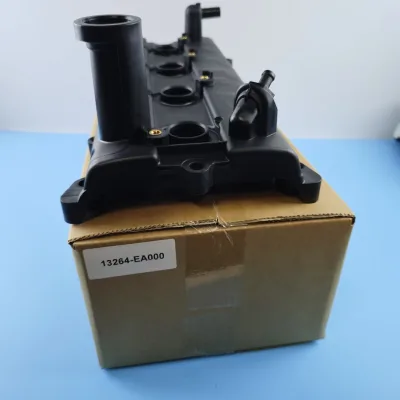
Auto Engine Parts 323 Accessories Cylinder Head Engine Cylinder Head ZL01-10-090
$300.00 - $450.00
MOQ: 5 Minimum
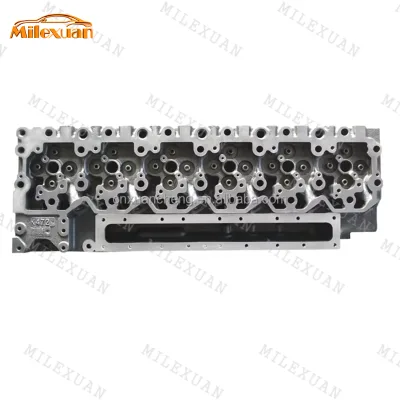
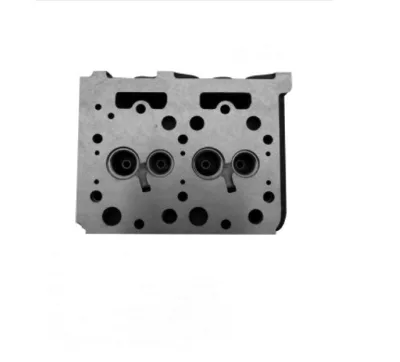
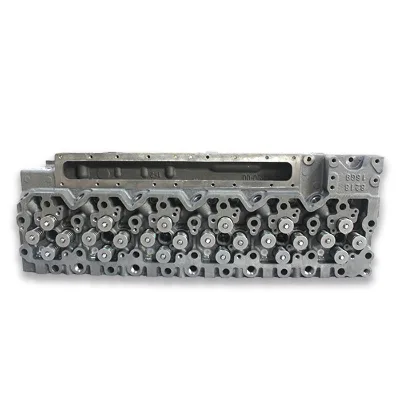
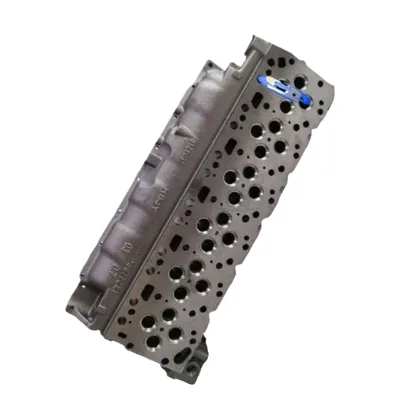
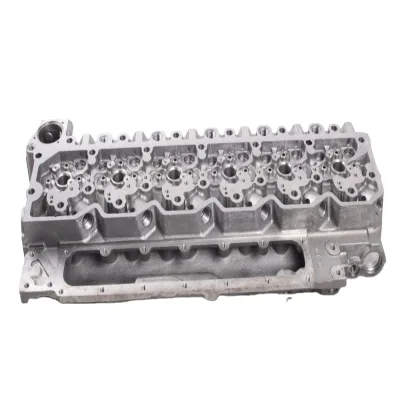
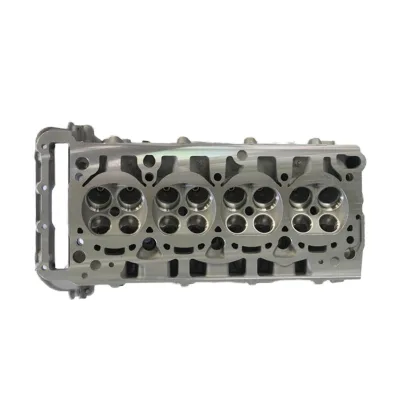
High Quality Auto Engine Parts 6Lt Engine Cylinder Head for Cummins
$450.4261 - $511.9879
MOQ: 3 pieces
Comprehensive Sourcing Guide
Automotive Engine Repair Cylinder Head Sourcing Guide
Sourcing replacement cylinder heads for automotive engine repair requires a disciplined approach to technical verification and supplier qualification. The market offers a diverse range of components, from cast iron units to advanced aluminum alloy constructions, each suited to specific engine architectures and performance demands. Buyers must navigate varying material compositions, manufacturing processes, and certification standards to ensure compatibility and reliability. This guide outlines the critical factors for evaluating listings, verifying technical specifications, and establishing robust commercial terms for long-term procurement success.
The following sections provide evidence-based guidance for procurement professionals. We examine observed product signals, technical parameters, compliance documentation, cost structures, and quality control measures. By focusing on verifiable data points such as material grades, machining tolerances, and inspection protocols, buyers can mitigate risk and secure high-quality components. The aim is to empower decision-makers with the knowledge to distinguish between standard and non-standard offerings, ensuring that every purchase aligns with specific engineering requirements and operational goals.
Product Scope and Observed Listing Signals
The current market landscape for automotive engine repair cylinder heads reveals a wide spectrum of product attributes, including material types, manufacturing techniques, and customization options. Listings frequently highlight materials such as iron and aluminum alloys, with processes ranging from standard casting to low-pressure casting and CNC machining. Buyers should observe that products are often categorized as non-standard components, tailored for specific vehicle models like Ford CAF479Q1 or general engine applications. This variability necessitates careful scrutiny of product descriptions to match the exact engine model and code, such as the 1.5L or 1.6L variants, ensuring precise fitment and functional integrity.
Observed listing signals also indicate significant variation in packaging, origin, and supply chain capabilities. Products are typically packed in wooden boxes or cases, with origins primarily located in regions like Henan and Guangdong in China. Some suppliers offer global supply capabilities and accept OEM/ODM services, indicating a mature manufacturing ecosystem. Buyers should note that customization is widely available, allowing for tailored solutions, but this also requires clear communication of specifications. Understanding these signals helps in identifying suppliers who can meet specific logistical and technical needs, from sample production cycles to bulk order fulfillment.
Technical Specifications to Verify
Verifying technical specifications is paramount to ensuring the cylinder head meets the engine's operational requirements. Key parameters include dimensional tolerance, which may be specified as ±0.05mm for precision-machined parts, and material hardness, such as 90-110 Hb for aluminum alloy components. Buyers must confirm the material grade, often A356 or A357 aluminum, and the surface treatment process, which can include shot blasting and polishing. Additionally, the minimum wall thickness, typically ≥3.0mm, and maximum casting size, up to 600mm, are critical for structural integrity. These specifications ensure the component can withstand thermal and mechanical stresses during engine operation.
Further verification should focus on the manufacturing process and heat treatment. Low-pressure casting and T6 heat treatment are common methods to enhance material properties and durability. Buyers should also check for secondary machining capabilities, such as 5-axis CNC machining, which allows for complex geometries and precise porting. The engine model and code, such as QSK198 or 1011 engine, must match the application exactly. Confirming these details prevents compatibility issues and ensures that the cylinder head performs optimally within the specific engine architecture, reducing the risk of premature failure or performance degradation.
Compliance and Safety Documentation
Compliance and safety documentation are essential for validating the quality and reliability of automotive engine repair cylinder heads. Certifications such as ISO 9001:2015, CE, and TS16949 indicate adherence to international quality management and automotive industry standards. Buyers should request copies of these certificates to verify the supplier's commitment to consistent quality control. Additionally, certifications like TSCE may be relevant depending on regional requirements. These documents provide assurance that the manufacturing processes are standardized and monitored, reducing the risk of defects and ensuring that the components meet rigorous safety and performance benchmarks.
Beyond certifications, buyers should inquire about quality control procedures and inspection protocols. A 100% inspection policy is a strong indicator of a supplier's dedication to quality, ensuring that every unit is checked for defects before shipment. Documentation should also include test results for pressure testing, leak testing, and dimensional verification. These tests confirm the integrity of the cylinder head and its ability to maintain compression and coolant flow. By requiring comprehensive documentation, buyers can mitigate risks associated with substandard components and ensure that the purchased parts are safe and reliable for automotive applications.
Cost Drivers and Commercial Terms
Cost drivers for automotive engine repair cylinder heads include material costs, manufacturing complexity, and order volume. Aluminum alloy components, particularly those requiring low-pressure casting and CNC machining, tend to be more expensive than cast iron alternatives due to higher material and processing costs. Customization and OEM/ODM services also add to the price, as they involve additional engineering and setup time. Buyers should consider the production cycle, which can range from 10-20 days for samples to 30-60 days for bulk orders, as this impacts inventory management and cash flow. Understanding these factors helps in budgeting and negotiating favorable terms.
Commercial terms such as MOQ, warranty, and payment conditions are critical for structuring a successful procurement agreement. Observed MOQs vary from 1 to 500 pieces, allowing flexibility for different order sizes. A warranty period, such as 3 months, provides some protection against defects, but buyers should clarify the terms and conditions. Payment terms, delivery schedules, and packaging requirements should be explicitly defined in the contract. Clear communication of these terms prevents misunderstandings and ensures that both parties are aligned on expectations. By carefully negotiating these aspects, buyers can optimize costs and secure reliable supply chains for their automotive repair needs.
Supplier Qualification and Quality Control
Supplier qualification is a critical step in ensuring the reliability of automotive engine repair cylinder heads. Buyers should assess the supplier's manufacturing capabilities, including their experience with low-pressure casting, CNC machining, and heat treatment processes. A robust quality control system, such as 100% inspection, is essential for maintaining product consistency. Suppliers should also demonstrate the ability to handle custom orders and provide technical support for integration. Evaluating the supplier's track record, client references, and production capacity helps in identifying partners who can meet long-term procurement needs.
Quality control measures should extend beyond initial inspection to include ongoing monitoring and feedback loops. Buyers should request detailed quality reports and test data for each batch of components. Establishing clear communication channels for addressing defects or discrepancies is also important. Suppliers who proactively engage in continuous improvement and adhere to strict quality standards are more likely to deliver consistent performance. By prioritizing suppliers with strong quality control systems, buyers can reduce the risk of receiving defective parts and ensure that their automotive repair operations run smoothly and efficiently.
Long-Term Procurement Checks
Long-term procurement checks involve regular audits and performance evaluations of suppliers to ensure sustained quality and reliability. Buyers should conduct periodic reviews of supplier performance metrics, including delivery times, defect rates, and customer satisfaction. Establishing key performance indicators (KPIs) helps in tracking progress and identifying areas for improvement. Regular communication and collaboration with suppliers can foster a partnership approach, leading to better problem-solving and innovation. By maintaining a proactive stance, buyers can address potential issues before they impact production and ensure a stable supply chain.
Additionally, buyers should stay informed about industry trends and technological advancements in cylinder head manufacturing. This includes updates in materials, casting techniques, and quality standards. Engaging with industry associations and attending trade shows can provide valuable insights and networking opportunities. Regularly updating procurement strategies and supplier lists ensures that the organization remains competitive and responsive to market changes. By implementing a structured approach to long-term procurement, buyers can secure high-quality components and support the success of their automotive repair businesses.
FAQs
What materials are used for automotive engine repair cylinder heads?
Automotive engine repair cylinder heads are typically manufactured from iron or aluminum alloy such as A356/A357. Iron variants offer durability for heavy-duty applications, while aluminum alloy heads provide lightweight performance. Both materials undergo rigorous quality control, including 100% inspection, to ensure dimensional accuracy and structural integrity for reliable engine replacement.
Can I customize automotive engine repair cylinder heads for specific engines?
Yes, customization is available for automotive engine repair cylinder heads to fit specific engine models like Ford CAF479Q1 or QSK198. Manufacturers offer OEM/ODM services with CNC machining capabilities, including 5-axis processing. Custom dimensions and specifications can be tailored to meet exact replacement requirements, ensuring proper fitment and performance for various gasoline or diesel engines.
What certifications do Automotive Engine Repair Cylinder Head manufacturers hold?
Reputable manufacturers of automotive engine repair cylinder heads hold certifications such as ISO 9001:2015, CE, and TS16949. These standards ensure consistent quality management and production processes. Some suppliers also provide TSCE certification. These credentials verify that the casting, machining, and inspection procedures meet international automotive industry requirements for safety and reliability.
What is the typical MOQ for automotive engine repair cylinder heads?
The typical MOQ for automotive engine repair cylinder heads ranges from 1 to 500 pieces, depending on the supplier and customization level. Standard items may have lower minimums, while custom OEM orders often require 50 to 500 pieces. Buyers should verify specific MOQ requirements with manufacturers to align with their procurement volume and budget constraints.
How long is the production cycle for automotive engine repair cylinder heads?
The production cycle for automotive engine repair cylinder heads varies from 10 to 60 days. Sample orders typically take 10-20 days, while bulk orders require 20-60 days depending on complexity and quantity. Lead times are influenced by processes like low-pressure casting, T6 heat treatment, and CNC machining, ensuring precise dimensional tolerances of ±0.05mm.
What packaging is used for automotive engine repair cylinder heads?
Automotive engine repair cylinder heads are packaged in wooden boxes, wooden cases, or pallets with inner plastic bags for protection. This sturdy packaging prevents damage during global shipping and handling. The packaging ensures that the precision-machined surfaces and critical dimensions remain intact, safeguarding the product quality until it reaches the buyer's facility for installation or repair.