Pain Relief Iron Knee Warmers Suppliers and Manufacturers
Find 31 verified suppliers offering Pain Relief Iron Knee Warmers with details on lead times, MOQs, and certifications. Compare response times and prices to select the right partner for your sourcing needs today; review the available evidence before requesting comparable quotations from suitable candidates.
Updated
Suppliers List
Hebei Houde Hanfang Medical Devices Group Co., Ltd.
- Trading Company
- Lead time旺季: "1 - 500000":31,"> 500000":"To be negotiated", 淡季: "1 - 500000":31,"> 500000":"To be negotiated"
- Avg. response≤ 2h
Main productsFoot Patch, Hydrogel Patch, Scar Removal Patch, Non Woven Fabric Patch, Beauty Personal Care Products
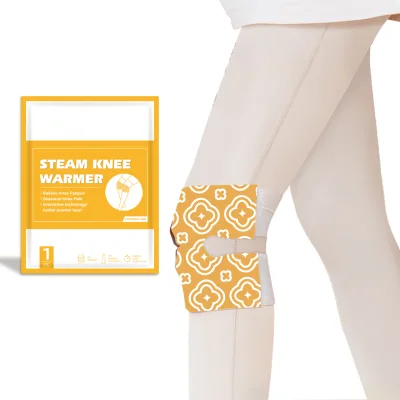
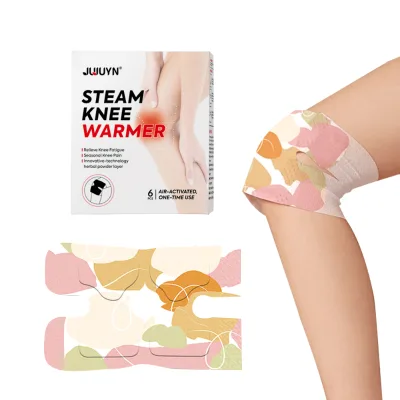
Soothe Aches From Sports Work Aging Portable Steam Knee Warmers Soft Hot Knee Patch
$0.2638 - $0.3583
MOQ: 1000 bags
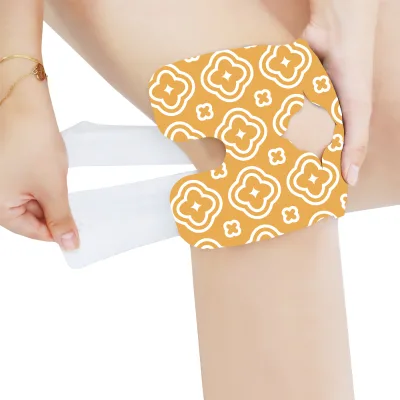
Steam Knee Heating Patches Steam Knee Therapy Wrap for Post-Surgery and Injury Rehabilitation
$0.2608 - $0.3538
MOQ: 1000 bags
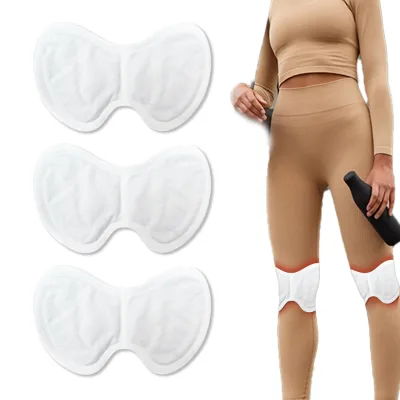
$0.11 - $0.13
MOQ: 10001 pieces
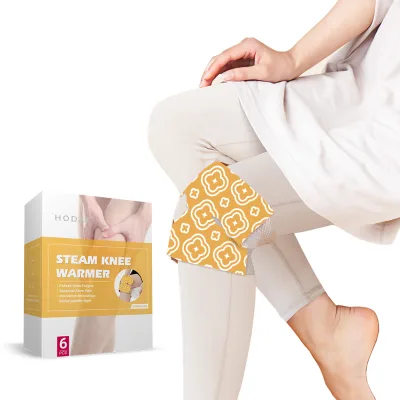
High-Quality Fabric Odor-Free Steam Knee Pads Warming Steam Knee Patch for Sensitive Skin
$0.2578 - $0.3493
MOQ: 1 bags
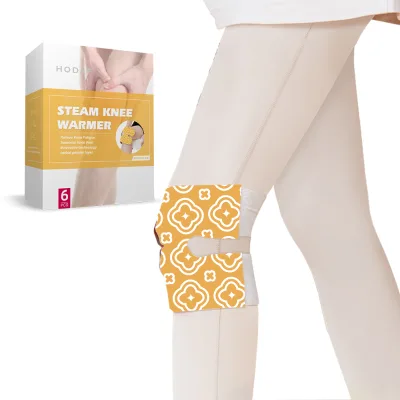
Hot Selling Daily Wear Steam-Powered Knee Support Self Heating Knee Pad for Runners
$0.2608 - $0.3538
MOQ: 1000 bags
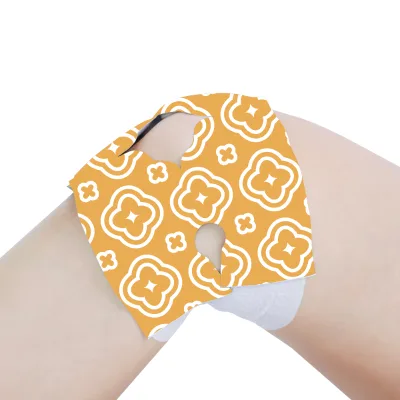
New Arrival Natural Pain Relief Self-heating Steam Heat Knee Pads with Mugwort Ginger
$0.2578 - $0.3493
MOQ: 1 bags
Shijiazhuang Apoyo Imp. & Exp. Trading Co., Ltd.
- Trading Company
- Hebei, China
- Lead time0 days
- Avg. response≤ 4h
Main productsSports protective gear,Fitness protective gear,Slimming and shaping products,Rehabilitation products,Maternity and postpartum products
Main marketsEastern Europe(25.00%), North America(20.00%), South America(15.00%), Southern Europe(10.00%), Northern Europe(10.00%), Western Europe(10.00%), Africa(2.00%), Southeast Asia(2.00%), Domestic Market(1.00%), South Asia(1.00%), Oceania(1.00%), Eastern Asia(1.00%), Central America(1.00%), Mid East(1.00%)
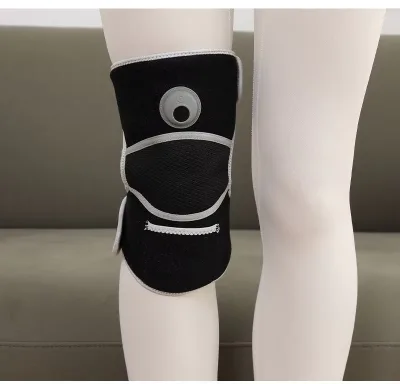
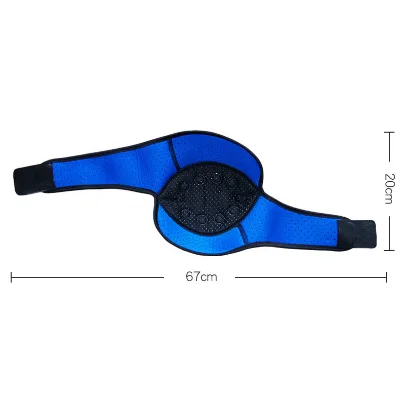
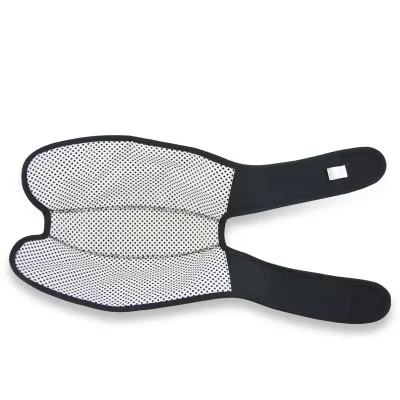
Self Heating Knee Pad,Self Heating Knee Brace,Knee Heating Pad,Magnetic Therapy Knee Pad
$3.0505 - $4.3426
MOQ: 5 pieces
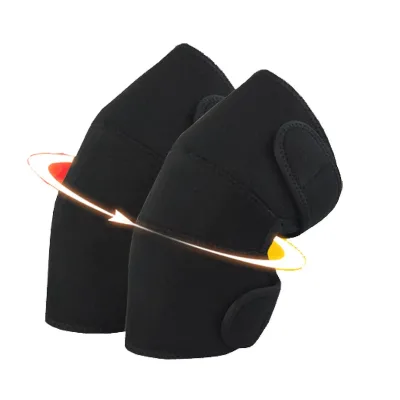
Manufacturer Custom Self-Heating Knee Pads Magnetic Care for Middle-Aged Elderly Heating Knee Pads
$3.0505 - $4.3426
MOQ: 5 pieces

Xiamen Comfortlife Electronics Co., Ltd.
- Verified by SGS
- Manufacturer
- China Fujian
- Lead time30 days
- Avg. response≤ 8h
Main productsAnti Snore Device, Foot Massage, Personal Care Products
Main marketsSouth America,Australia,North America


Heating Magnetic Health Knee Sport Warm Brace Knee Support for Running Sport
$15.00 - $16.00
MOQ: 300 Pieces


Ningbo Multi Channel Co., Ltd.
- Trading Company
- China Zhejiang
- Lead time23 days
- Avg. response≤ 12h
Main productsFirst Aid Kit, Wound Dressing, Bandage, Outdoor Emergency Supplies, Hot/Cold Therapy, Surgery Supplies, Laboratory Supplies, Medical Devices, Anethesia Breathing Supplies, Daily Care
Main marketsSouth America,Southeast Asia/ Mideast,East Asia(Japan/ South Korea),Europe,North America

Wholesale Knee Care Self Heating Warmer Patch Health Care Leg Pad Heated Knee Warmers
$0.51 - $0.75
MOQ: 10000 Pieces

Jiale Health Technology Shenzhen Co., Ltd.
- Verified by TüVRheinland
- Manufacturer, Trading Company
- Lead time7 days
- Avg. response≤ 3h
Main productsPortable Massager, Head Massager, Eye Massager, Leg Massager, Neck Massager
Main marketsEastern Asia(25%), Domestic Market(24%), North America(15%)

LUOYANG WEIERJIAN BIOTECHNOLOGY CO., LTD.
- Verified by BV
- Manufacturer/Factory
- China Henan
- Lead time30 days
- Avg. response≤ 1h
Main productsPain Relief Patch, Ointment, Topical Care Products, External Use, Nutritional Supplements, Pet Products, Pet Chews, Personal Care Products
Main marketsSouth America,Eastern Europe,Mid East,North America,Southeast Asia,Eastern Asia,Oceania,Western Europe,Africa


Self Heating Mugwort Pain Relief Warming Knee Elbow Patch Knee Warmer Heat
$0.42 - $0.52
MOQ: 3000 pieces

Knee Relief Leg Warmers Winter Knee Self Heating Disposable Winter Cold Protection
$0.12 - $0.20
MOQ: 3000 pieces


High Quality Customized Packaging Cold-Proof and Warm Steam Knee Warmer
$0.42 - $0.52
MOQ: 3000 pieces

Qingdao Anlone Biotechnology Co., Ltd.
- Verified by SGS
- Combined
- China Shandong
- Lead time30 days
- Avg. response≤ 8h
Main productsHand Warmer, Body Wamer, Knee Warmer, Waist / Shoulder Warmer, Moisture Absorber, Odor Elimator, Drain Cleaner, Washing Machine Cleaner, Natural Insect Repellent, Anti Itch Lotion
Main marketsSoutheast Asia/ Mideast,East Asia(Japan/ South Korea),Europe

Knee Heating Pad Gentle and Consistent Knee Warmer Patch Comfort Heat Pack for Winter Warm
$0.19 - $0.23
MOQ: 50000 Pieces

Arthritis Friendly Knee Warmer Soothes Rheumatism & Swelling Pain Relief Heating Pad Warming Patch
$0.06 - $0.12
MOQ: 20000 Pieces


Sports Knee Heating Patch Instant Heating Pad Pain Relief Warmer Pack Comfort
$0.06 - $0.12
MOQ: 20000 Pieces

Knee Warmer Patch Knee Warming Pad Self-Heating Pack Physical Therapy for Pain Relief
$0.28 - $0.50
MOQ: 50000 Pieces

6h Self Heating Arthritis Warming Knee Pad Warmer Patch Pain Relief Heating Pack for Winter Warm
$0.28 - $0.50
MOQ: 100 Pieces

PUYANG SELFAIDING INDUSTRIAL CO., LTD.
- Verified by SGS
- Manufacturer
- China Henan
- Lead time15 days
- Avg. response≤ 3h
Main productsAdult Bib, Pet Pad, Underpad, Baby Bib, Protective Panties, Washable Sanitary Pad, Compression Stockings, Patient Care Clothing, Pet Nest, Pet Toy
Hebei Houde Hanfang Medical Devices Group Co., Ltd.
- Verified by SGS Group
- Manufacturer, Trading Company
- Lead time10 days
- Avg. response≤ 2h
Main productsFoot Patch, Hydrogel Patch, Scar Removal Patch, Non Woven Fabric Patch, Beauty Personal Care Products
Main marketsDomestic Market(60%), North America(11%), Eastern Europe(9%)
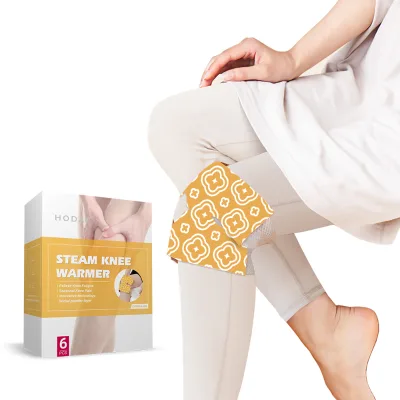
Steam Knee Warmer Hot Sale Protect Knee From Cold Get Warm Soothe Fatigue and Pain
$0.3208 - $0.3403
MOQ: 2 bags
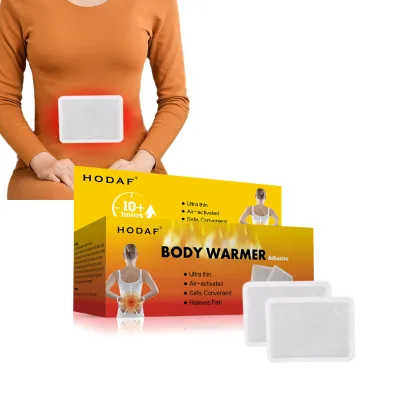
Air Activated Heat Patch for Knee Elbow Neck and Back Pain Relief for winter use
$0.07 - $0.09
MOQ: 10000 pieces
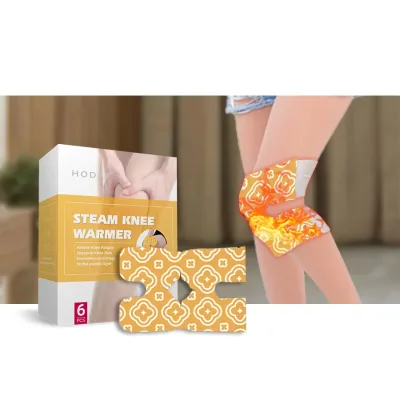
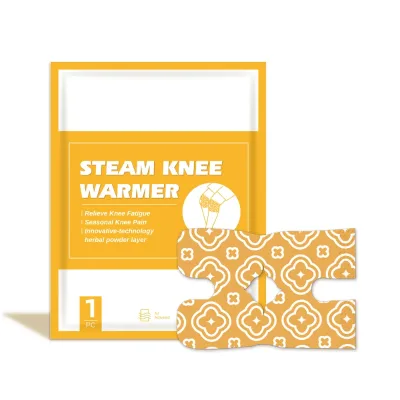
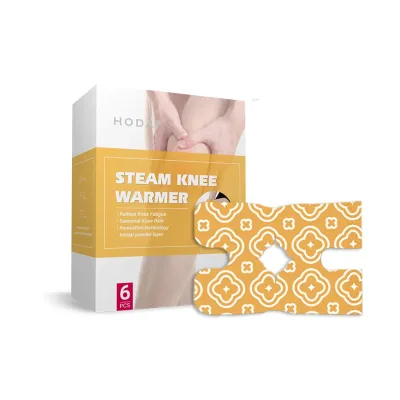
Thermal Equipment Heating Pad Knee Self Heating Detox & Relaxation Knee Steam Heat Pads/Wraps OEM
$0.3193 - $0.3403
MOQ: 2 bags
Shijiazhuang Maikesi Brace Technology Co., Ltd.
- Manufacturer, Trading Company
- Lead time旺季: "1 - 500":20,"> 500":"To be negotiated", 淡季: "1 - 500":20,"> 500":"To be negotiated"
- Avg. response≤ 2h
Main productsCollar strap, Back support belt, Knee pads, Wrist guard, Ankle brace
Hebei Houde Hanfang Medical Devices Group Co., Ltd.
- Verified by SGS Group
- Manufacturer, Trading Company
- Hebei, China
- Lead time10 days
- Avg. response≤ 2h
Main productsTransdermal Nutrition, Non Woven Fabric Patch, Sleep & Respiratory, Warmer Heating Pad, Body Contouring
Main marketsDomestic Market(60%), North America(11%), Eastern Europe(9%)
Shenzhen Youmei Electronics Co., Ltd.
- Manufacturer, Trading Company
- Lead time旺季: "1 - 10":15,"> 10":"To be negotiated", 淡季: "1 - 10":15,"> 10":"To be negotiated"
- Avg. response≤ 14h
Main productsMassage Gun,High speed hair dryer,Health care,Fitness Accessories,Home Use Beauty Equipment
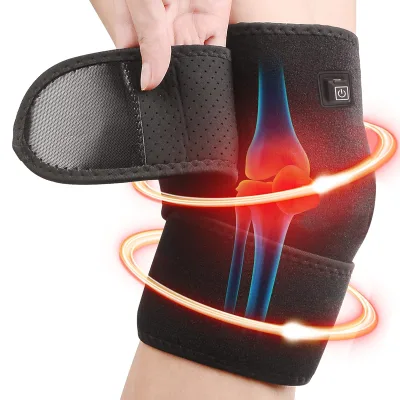
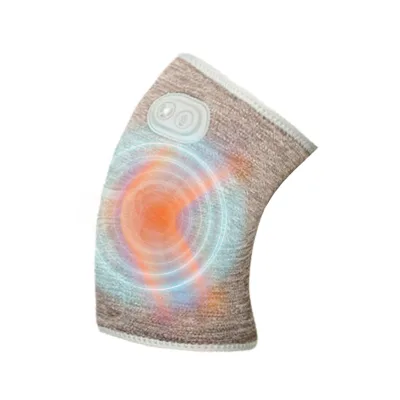
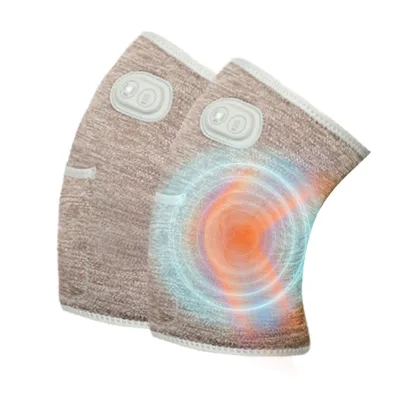
Health Care Self Pain Relief Electric Heating Knee Brace with USB Charge Heating Knee Support
$3.5946 - $4.3126
MOQ: 1 pieces
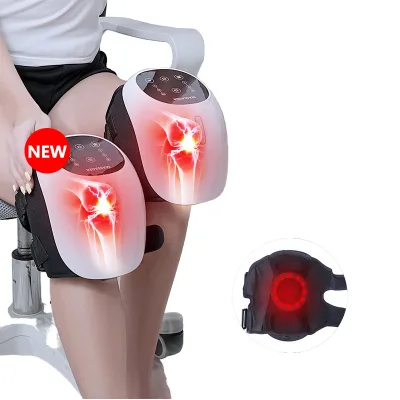
$18.1319 - $18.748
MOQ: 1 pieces
Hebei Feifan Biotechnology Co., Ltd.
- Verified by Intertek
- Manufacturer, Trading Company
- Lead time10 days
- Avg. response≤ 4h
Main productsSteam Eye Mask, Foot Patch, Shipping Warmer Patch, Cooling Patch, Warm Patch
Main marketsDomestic Market(35%), North America(20%), Eastern Asia(10%)
Hangzhou Houde Fuze Technology Co., Ltd.
- Verified by SGS Group
- Manufacturer, Trading Company
- Lead time10 days
- Avg. response≤ 2h
Main productsFoot Mask, Steam Eye Mask, Acne Patch, Collagen Eye Mask, Body Warmer Patch
Main marketsSouth America(17%), Eastern Europe(15%), Western Europe(15%)

Shanghai Touch Industrial Development Co., Ltd.
- Verified by TUVRHEINLAND
- Combined
- China Shanghai
- Lead time15 days
- Avg. response≤ 5h
Main productsInstant Hot Pack, Hot Cold Pack, Gel Eye Mask, Gel Ice Pack, Gel Bottle Cooler, Instant Ice Pack, Hand Warmer, Heat Pack, Cooling Scarf, Gel Beads
Main marketsSouth America,Others(foreignTradeCapacity.exportBusinessCapacityMarketOther),Southeast Asia/ Mideast,East Asia(Japan/ South Korea),Domestic,Europe,Australia,North America
Dongguan Qianying Electric Heating Technology Co., Ltd.
- Verified by TüVRheinland
- Manufacturer, Trading Company
- Lead time0 days
- Avg. response≤ 2h
Main productsHeated Jacket, Heated Glove, Heated Vest, Heated Socks, Red Light Therapy Cap
Main marketsNorth America(20%), Eastern Europe(15%), Southern Europe(12%)
Ningbo Partner Leisure Products Co., Ltd.
- Trading Company
- Zhejiang, China
- Lead time0 days
- Avg. response≤ 8h
Main productspet supplies,cooker,kitchen accessories,egg incubator,storage box
Main marketsNorth America(80.00%), South America(15.00%), Eastern Europe(5.00%)
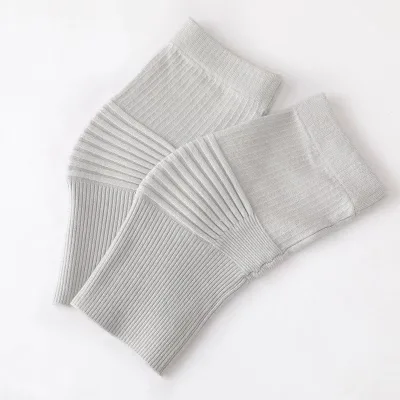
Winter Custom Warm Women Men Inner cotton Leg Knee Warmers Hot Selling Kneelet
$0.82 - $1.20
MOQ: 100 pieces
Hebei Yinuan Biotechnology Co., Ltd.
- Verified by SGS Group
- Manufacturer, Trading Company
- Lead time15 days
- Avg. response≤ 1h
Main productsFoot patch, Heat patch, Silicone Scar Sheet, Transdermal Topical Patch, Steam eye mask
Main marketsDomestic Market(87%), North America(6%), Southeast Asia(2%)
Dongguan Aibote Electric Heating Products Co.. Ltd.
- Manufacturer, Trading Company
- Guangdong, China
- Lead time0 days
- Avg. response≤ 2h
Main productsHeated Clothes/Heated Gloves/Heated Eye Mask/Heated Sokcs/Heating Pad,heated glove,heated socks,heating element,usb heated eye mask
Main marketsEastern Asia(30.00%), North America(30.00%), Northern Europe(20.00%), Western Europe(20.00%)

Henan Geesion Medical Devices Co., Ltd.
- Verified by BV
- Trading Company
- China Henan
- Lead time15 days
- Avg. response≤ 9h
Main productsPain Relief Patch, Cooling Gel Patch, Detox Foot Patch, Slimming Patch, Capsicum Plaster, Stop Smoking, Nasal Strips, Dental Mouthguard, Cough Relieve Patch, Wormwood Knee Patch
Main marketsSouth America,Africa,Southeast Asia/ Mideast,East Asia(Japan/ South Korea),Europe,Australia,North America

Hebei Denovo Medical Device Co., Ltd.
- Verified by BV
- Trading Company,Manufacturer/Factory
- China Hebei
- Lead time23 days
- Avg. response≤ 4h
Main productsBack Support, Knee Support, Posture Corrector, Foot Night Splint, Arm Slings, Hernia Belts, Cervical Collars, Abduction Orthosis
Main marketsSouth America,Eastern Europe,Mid East,North America,Southeast Asia,Eastern Asia,Oceania,Western Europe,Africa
Hebei Maizhi Medical Technology Co., Ltd.
- Manufacturer, Trading Company
- Hebei, China
- Lead time10 days
- Avg. response≤ 6h
Main productsprotective gear,Electric medical bed,underarm crutches,Urine collection bag,nursing bed
Main marketsSouth Asia(20.00%), Domestic Market(20.00%), Central America(10.00%), Northern Europe(10.00%), Mid East(10.00%), North America(10.00%), Southeast Asia(10.00%), South America(5.00%), Eastern Asia(3.00%), Africa(2.00%)
- Trading Company
- Hebei, China
- Lead time10 days
- Avg. response≤ 3h
Main productsFoot Care Products,Orthopedic Supports Braces,Shoe Insoles Accessories,Sports Protective Gear,Yoga Fitness Products
Main marketsEastern Europe(25.00%), Western Europe(18.00%), Northern Europe(15.00%), North America(15.00%), Domestic Market(13.00%), Southern Europe(9.00%), Central America(5.00%)
Dongguan Xi Li Jian Technology Co., Ltd.
- Verified by SGS Group
- Manufacturer, Trading Company
- Lead time30 days
- Avg. response≤ 3h
Main productsFoot Massager, Shoulder Massager, Waist Massager, Red Light Therapy Belt, Heating Pad
Main marketsNorth America(25%), Western Europe(15%), Mid East(10%)
Shijiazhuang Lijin Health Care Products Co., Ltd.
- Verified by TüVRheinland
- Manufacturer, Trading Company
- Lead time15 days
- Avg. response≤ 5h
Main productsFoot Patch, Hydro Gel Patch, Non-woven Fabric Patch, Self-heating Patch, Herbal Patch
Main marketsDomestic Market(40%), North America(27%), Eastern Europe(10%)
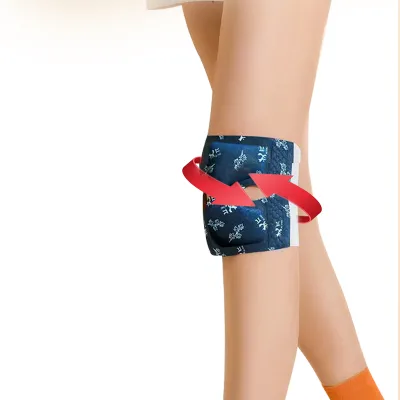
Most Selling Healthcare Supply Steam Knee Warmer Hot Compress to Keep the Joint Warm for Knee Care
$0.2998 - $0.4332
MOQ: 10 bags
Dongguan Keboshi Technology Co., Ltd.
- Verified by TüVRheinland
- Manufacturer, Trading Company
- Lead time10 days
- Avg. response≤ 2h
Main productsRed Light Therapy Cap, Red Light Therapy Belt, Red Light Therapy Knee, Red Light Therapy Mask, Red Light Therapy Panel
Main marketsNorth America(60%), Western Europe(30%), Mid East(5%)
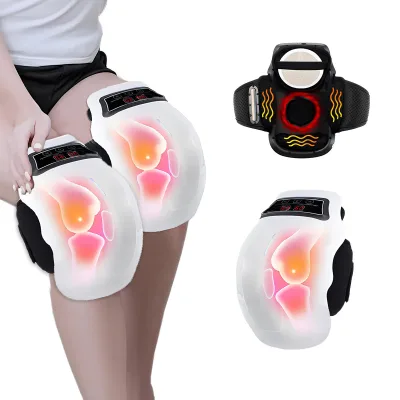
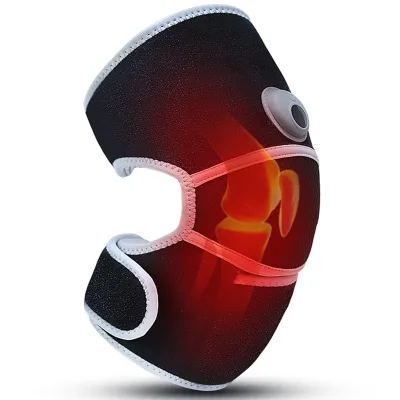
OEM ODM Comfortable Usb Electric Knee Heating Wrap Portable Therapy Electric Heated Knee Pad
$4.84 - $5.88
MOQ: 2 pieces

Shenzhen Jinghai Technology Co., Ltd.
- Verified by SGS
- Manufacturer
- China Guangdong
- Lead time15 days
- Avg. response≤ 6h
Main productsLithium Battery, Heating Element, Heating Waistcoat, Heating Vest, Electric Heating Clothing, Heating Sheet
Main marketsDomestic

$19.68 - $20.16
MOQ: 100 Pieces

$28.23 - $28.71
MOQ: 100 Pieces
Shijiazhuang Youqihui Import And Export Trading Co., Ltd.
- Verified by SGS Group
- Trading Company
- Lead time7 days
- Avg. response≤ 1h
Main productsLumbar Support Belt, Knee Brace
Main marketsNorth America(40%), Eastern Asia(15%), Oceania(15%)
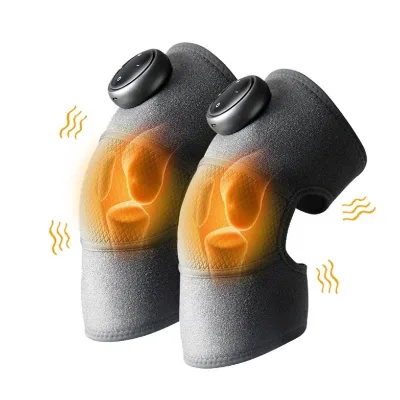
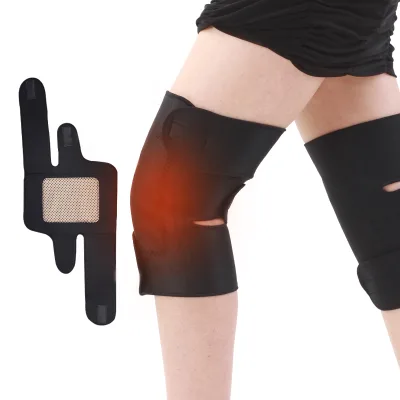
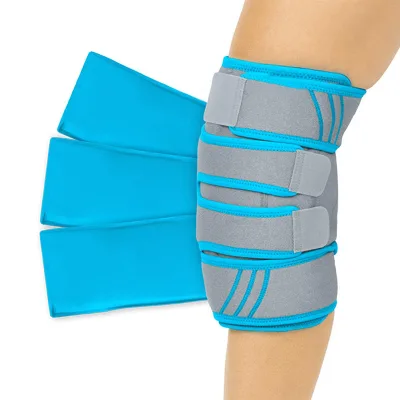
$4.8268 - $5.7502
MOQ: 10 pieces

PLANET (ANHUI) INTERNATIONAL CO., LTD.
- Verified by BV
- Combined
- China Jiangsu
- Lead time60 days
- Avg. response≤ 3h
Main productsBandage, First Aid Kits, Band Aid, Wound Dressing, Foot Patch, Knee Brace, Knee Support, Knee Pad, Adhesive Tape, Compression Stocks
Main marketsNorth America
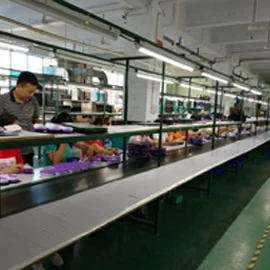
Shenzhen Maykang Technology Co., Ltd.
- Manufacturer
- Guangdong, China
- Lead time30 days
- Avg. response≤ 2h
Main productshealth care massager,air compression leg massager,vibration massager,air pressure massager,pressotherapy machine
Main marketsSouthern Europe(40.00%), Western Europe(20.00%), Eastern Europe(10.00%), Domestic Market(10.00%), Oceania(5.00%), South Asia(5.00%), North America(5.00%), Northern Europe(5.00%)
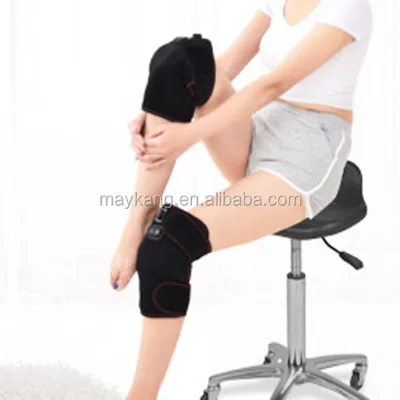
$9.3568 - $11.4359
MOQ: 200 pieces
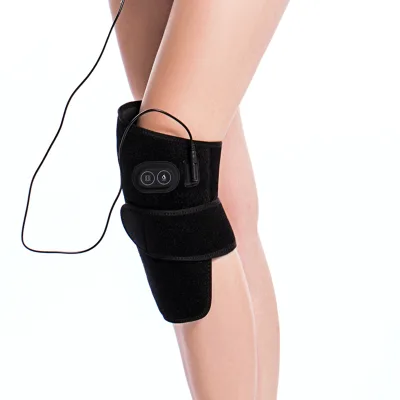
$9.2413 - $10.2682
MOQ: 100 pieces

Fujian Yitaikang Electronics Co., Ltd.
- Combined
- China Fujian
- Lead time60 days
- Avg. response≤ 9h
Main productsFoot Massager
Main marketsSoutheast Asia/ Mideast,East Asia(Japan/ South Korea),Domestic,Europe,Australia,North America
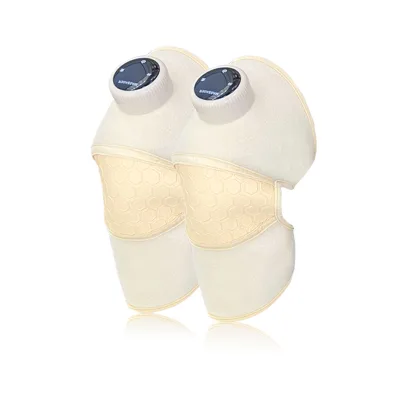
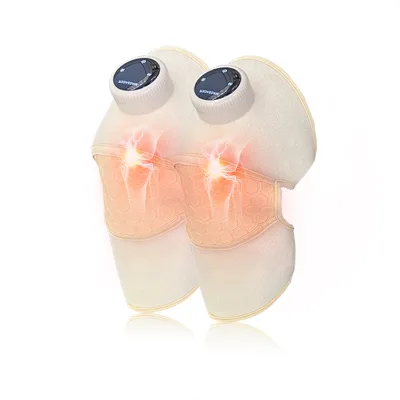


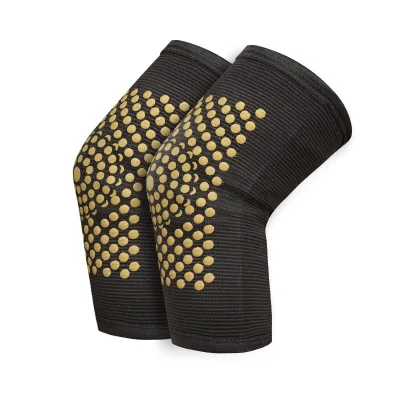
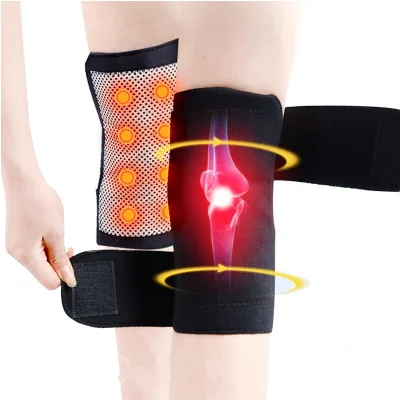
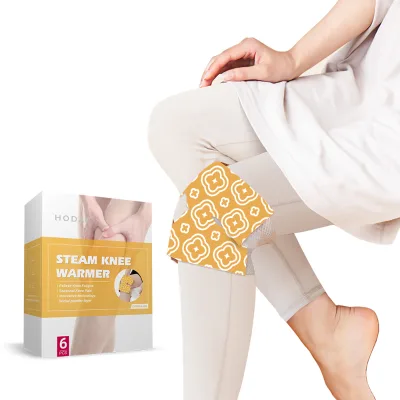
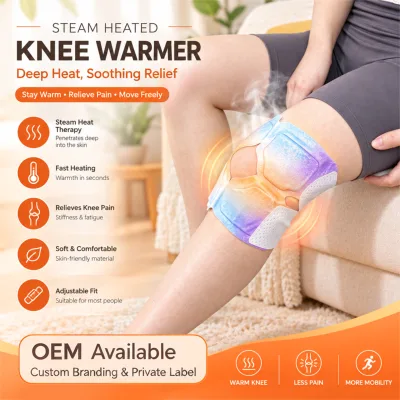
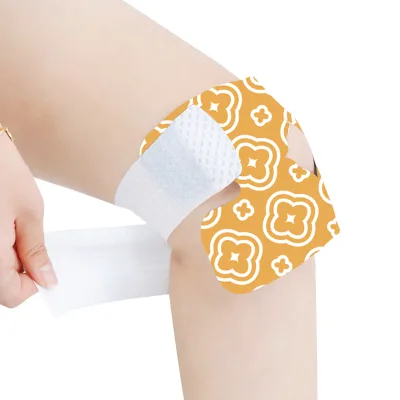
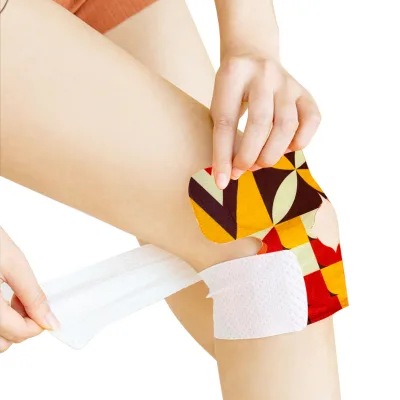
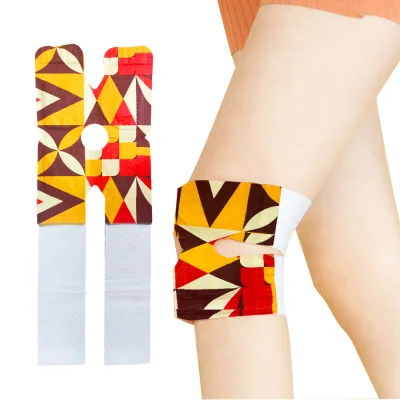
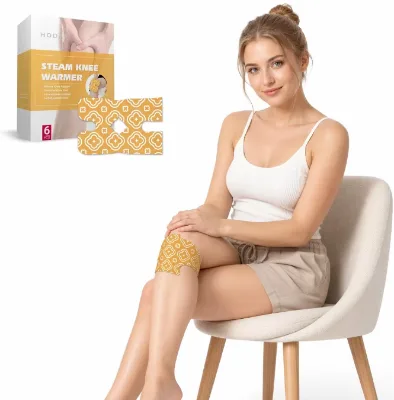
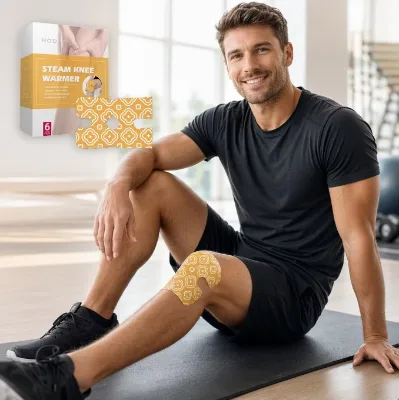
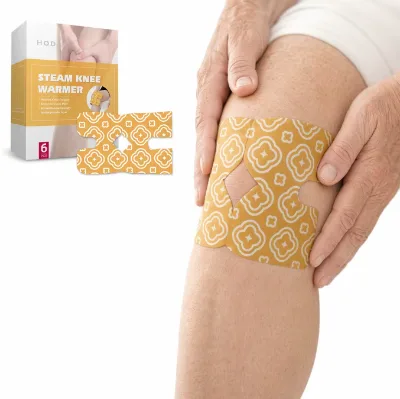


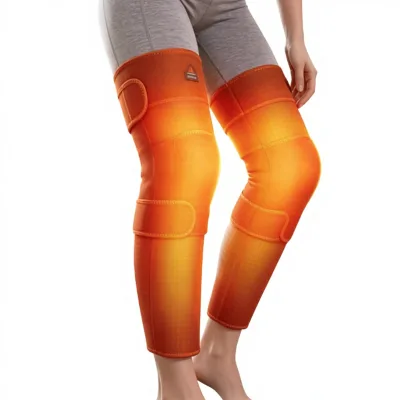
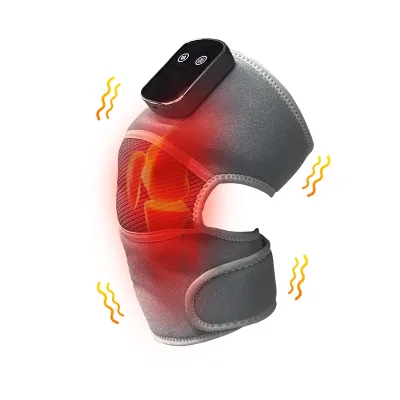
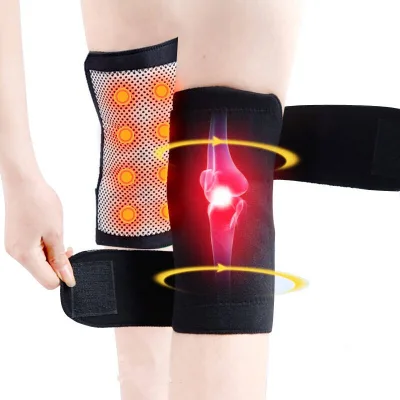
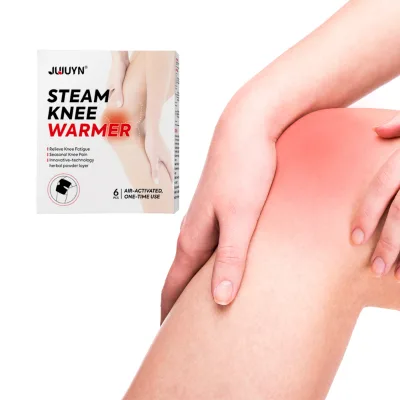




Comprehensive Sourcing Guide
Pain Relief Iron Knee Warmers Supplier Concentration and Factory Types
The current supplier landscape for Pain Relief Iron Knee Warmers reveals a distinct concentration of manufacturing activity in Hebei, China, where specific product origins are explicitly documented. This regional focus suggests a localized supply chain advantage for buyers seeking these specific self-heating patches, which rely on iron powder, activated carbon, vermiculite, and other ingredients to generate heat. The presence of suppliers in this area indicates that established industrial clusters may exist, facilitating easier access to raw materials and specialized production lines for disposable thermal patches. Buyers should prioritize suppliers who clearly state this place of origin, as it correlates with the specific ingredient profiles and manufacturing capabilities observed in the current results. Understanding this geographic concentration helps in assessing the logistical feasibility and potential cost structures associated with sourcing these items, as regional clusters often offer competitive pricing due to economies of scale and established infrastructure.
In terms of company types, the available data indicates a mix of trading companies and direct manufacturers, though the specific entity types vary. Some suppliers are identified as trading companies, which may offer a broader range of related products such as foot patches, hydrogel patches, and scar removal patches, providing a one-stop solution for diverse personal care needs. Others may focus more narrowly on medical devices and supplies, particularly within the rehabilitation therapy and hot and cold packs categories. This diversity in business models means buyers must carefully evaluate whether they are dealing with a factory that controls production quality or a trader that aggregates products from multiple sources. The distinction is crucial for negotiating terms, verifying certifications, and ensuring consistent product quality, as trading companies might have different lead times and minimum order quantities compared to direct factories.
How to Verify Pain Relief Iron Knee Warmers Suppliers
Verifying the legitimacy and capability of suppliers requires a close examination of their product attributes and certification claims. For Pain Relief Iron Knee Warmers, specific product details such as the instrument classification, material composition, and intended application are critical indicators of supplier professionalism. For instance, some products are classified as Class I medical devices, which implies a certain level of regulatory compliance and quality control in their manufacturing process. Buyers should request documentation that confirms these classifications and verify that the ingredient lists, which typically include iron powder, activated carbon, and salt, match the product descriptions provided. Additionally, checking for quality certifications such as ISO, CE, and MSDS is essential, as these standards demonstrate that the supplier adheres to recognized safety and quality benchmarks. These certifications are particularly important for health-related products that come into direct contact with the skin and are intended for pain relief purposes.
Beyond certifications, buyers should assess the supplier's responsiveness and their ability to provide samples. The current data shows varying response times, with some suppliers responding within two hours and others taking up to four hours, which can impact the efficiency of the sourcing process. A quick response time often indicates a well-organized sales team that is ready to assist with inquiries and negotiations. Furthermore, the availability of samples is a key factor in verifying product quality before committing to a large order. Suppliers that offer samples allow buyers to test the heating performance, adhesive quality, and overall comfort of the knee warmers. This hands-on evaluation is crucial for ensuring that the product meets the specific needs of the end consumer, particularly regarding pain relief efficacy and skin compatibility. Buyers should also inquire about the supplier's experience with OEM services, as many offer custom branding and packaging options, which can be a sign of their flexibility and customer-centric approach.
What to Compare Across Pain Relief Iron Knee Warmers Suppliers
When evaluating multiple suppliers, it is essential to compare key commercial terms such as price, minimum order quantity (MOQ), and lead times to determine the best fit for your business needs. The price range for Pain Relief Iron Knee Warmers varies significantly, with some products priced as low as $0.11 per unit and others reaching up to $0.36 per unit, depending on the order volume and specific product features. Buyers should analyze these price points in conjunction with the MOQ, which can range from as low as one unit for sampling purposes to over 10,000 units for bulk orders. Understanding these thresholds helps in planning inventory levels and cash flow, especially for new businesses that may need to start with smaller orders. Additionally, lead times are a critical factor, with some suppliers indicating a lead time of 31 days for orders between 1 and 500,000 units, while larger orders may require negotiation. Comparing these logistical details across suppliers allows buyers to identify those who can meet their delivery deadlines and budget constraints.
Another important aspect to compare is the range of main products and additional services offered by each supplier. Some suppliers specialize in a wide array of health care products, including sports protective gear, fitness equipment, and maternity products, which may indicate a broader manufacturing capability and supply chain resilience. Others may focus more narrowly on specific categories like rehabilitation therapy supplies or mouth and body patches. Buyers should also consider the supplier's ability to provide custom branding and packaging, as this can be a significant differentiator in the market. The availability of OEM services, including logo printing and custom design packages, adds value for buyers looking to establish their own brand identity. By comparing these product ranges and service offerings, buyers can select suppliers that not only provide competitive pricing and favorable terms but also align with their long-term business strategy and brand positioning.
Common Pain Relief Iron Knee Warmers Sourcing Risks
One of the primary risks in sourcing Pain Relief Iron Knee Warmers is the potential inconsistency in product quality and performance. Since these products rely on chemical reactions to generate heat, variations in ingredient proportions or manufacturing processes can lead to differences in heating duration, temperature, and overall efficacy. Buyers must be vigilant in verifying that the suppliers adhere to strict quality control measures to ensure that each batch meets the specified standards. The risk of receiving products that do not perform as expected can lead to customer dissatisfaction and potential returns, which can be costly and damaging to brand reputation. To mitigate this risk, buyers should request detailed product specifications and test reports from suppliers, and consider conducting their own quality checks upon receipt of the goods. Additionally, establishing clear communication channels with suppliers to address any quality issues promptly is essential for maintaining a smooth supply chain.
Another significant risk is the variability in lead times and order fulfillment capabilities, which can impact inventory management and customer satisfaction. Some suppliers may have longer lead times, especially for larger orders, which can delay product availability and affect sales cycles. Buyers need to assess the supplier's production capacity and reliability to ensure that they can meet demand fluctuations. The risk of supply chain disruptions, such as raw material shortages or production delays, is also a concern, particularly for products that rely on specific ingredients like iron powder. To manage this risk, buyers should diversify their supplier base and maintain open communication with suppliers regarding production schedules and potential bottlenecks. Additionally, understanding the supplier's policies on order modifications and cancellations can provide flexibility in case of unexpected changes in demand. By proactively addressing these risks, buyers can build a more resilient and reliable sourcing strategy for Pain Relief Iron Knee Warmers.
Pain Relief Iron Knee Warmers Regional Sourcing and Logistics
Sourcing Pain Relief Iron Knee Warmers from Hebei, China, offers logistical advantages due to the region's established manufacturing infrastructure and proximity to major shipping hubs. The concentration of suppliers in this area facilitates easier coordination and potentially lower transportation costs, as goods can be consolidated and shipped more efficiently. Buyers should consider the impact of regional logistics on overall lead times and delivery reliability, as well as the availability of local freight forwarders who are familiar with the specific requirements for exporting health care products. Understanding the logistical landscape in Hebei can help buyers optimize their supply chain and reduce transit times, ensuring that products reach the market in a timely manner. Additionally, buyers should be aware of any regional trade policies or regulations that may affect the export of medical devices and health care supplies, as compliance with these requirements is essential for smooth international transactions.
Logistics planning also involves considering the packaging and handling requirements for Pain Relief Iron Knee Warmers, which are often lightweight and compact but may require specific storage conditions to maintain product integrity. Buyers should work with suppliers to ensure that products are packaged in a way that protects them from damage during transit and preserves their shelf life, which is typically around two years. The single package size and gross weight of the products, as indicated in the supplier data, are important factors in calculating shipping costs and optimizing container space. Buyers should also evaluate the supplier's experience with international shipping and their ability to provide necessary documentation, such as commercial invoices and packing lists, to facilitate customs clearance. By carefully planning the logistics and handling aspects of sourcing, buyers can minimize risks and ensure that products are delivered to customers in optimal condition.
Pain Relief Iron Knee Warmers Commercial Terms and Order Planning
Effective order planning for Pain Relief Iron Knee Warmers requires a thorough understanding of the commercial terms offered by suppliers, including payment methods, warranty policies, and after-sales support. Buyers should negotiate clear terms that protect their interests, such as secure payment options like escrow services, which provide an additional layer of security for transactions. Understanding the supplier's return and refund policies is also crucial, as it provides a safety net in case of quality issues or delivery problems. Buyers should also inquire about the supplier's willingness to provide ongoing support, such as technical assistance or marketing materials, which can help in promoting the products in the target market. By establishing strong commercial terms, buyers can build a more collaborative and trustworthy relationship with their suppliers, leading to better long-term outcomes.
In addition to commercial terms, buyers should develop a comprehensive order planning strategy that accounts for seasonal demand fluctuations and inventory management. The lead times for Pain Relief Iron Knee Warmers can vary depending on the order volume, with some suppliers indicating longer lead times for larger orders during peak seasons. Buyers should plan their orders well in advance to ensure timely delivery and avoid stockouts, especially during periods of high demand. Additionally, buyers should consider the shelf life of the products, which is typically two years, and plan their inventory levels accordingly to minimize waste and maximize profitability. By integrating commercial terms and order planning into their sourcing strategy, buyers can optimize their operations and achieve greater efficiency in the procurement of Pain Relief Iron Knee Warmers.
FAQs
What is the price range for iron knee warmers?
Prices for disposable iron knee warmers typically range from $0.11 to $0.36 per unit. The final cost depends on order volume and customization needs. Bulk orders often secure lower rates, while smaller quantities may carry higher per-unit fees. Buyers should verify specific pricing tiers with suppliers before placing orders.
What is the minimum order quantity for these patches?
Minimum order quantities vary significantly among suppliers. Some require as few as one unit for sampling, while others mandate 1,000 or 10,001 pieces for production runs. Buyers must check individual product listings to confirm the specific MOQ applicable to their desired order size and customization requirements.
How long does production take for bulk orders?
Lead times for standard orders under 500,000 units are generally 31 days. For quantities exceeding this threshold, delivery schedules must be negotiated directly with the supplier. Peak seasons may impact these timelines, so buyers should confirm current production capacity and expected delivery dates before finalizing agreements.
Are these knee warmers certified for safety?
Many iron knee warmers carry ISO, CE, and MSDS certifications. These documents verify compliance with international safety and quality standards. Buyers should request valid certification copies from suppliers to ensure the products meet regulatory requirements in their target markets before proceeding with large-scale procurement.
Where are these knee warmers manufactured?
Most iron knee warmers are manufactured in Hebei, China. This region is a known hub for producing these specific types of disposable heat patches. Buyers can verify the exact place of origin on product listings to ensure alignment with their sourcing preferences and logistical planning.
What is the shelf life of these patches?
The standard shelf life for these iron-based knee warmers is two years. This duration ensures the heating ingredients remain effective until use. Buyers should check expiration dates on samples and confirm storage conditions with suppliers to maintain product integrity during transit and warehousing.
Can I customize the packaging and branding?
Suppliers generally offer OEM services, allowing buyers to print their own brand and design on the packaging. Customization options include specific colors and logo placement. Buyers should discuss design files and proofing processes with suppliers to ensure the final packaging meets their brand identity standards.