Party Whisky Glasses Suppliers and Manufacturers in China
Compare 27 verified suppliers of Party Whisky Glasses based on location, lead times, and MOQs. Review product specs like capacity and material before contacting vendors for quotes to ensure you find the right partner for your needs; review the available evidence before requesting comparable quotations from suitable candidates.
Updated
Suppliers List

Shanxi Dingnuo Goods Trading Co., Ltd.
- Trading Company
- Shanxi, China
- Lead time15 days
- Avg. response≤ 2h
Main productsBeer glasses,Wine Glasses,GLass Jar,Glass Candle Holders,Whiskey Glasses
Main marketsNorth America(50.00%), South America(30.00%), Central America(10.00%), Eastern Europe(10.00%)
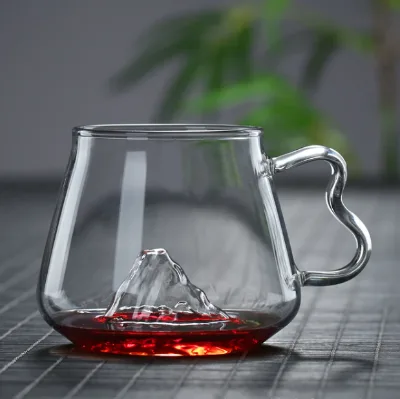
Wholesale Creative Design Bottom Mountain Shaped Shot Glass Bar Party Whisky Glass
$1.15 - $1.55
MOQ: 500
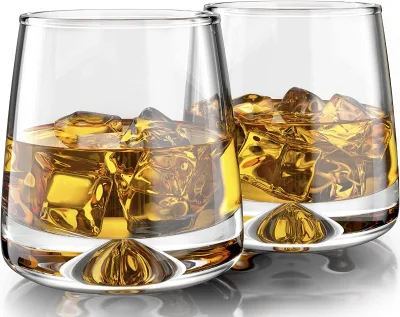
Wholesale Exquisite Simple Wine Glasses Gift Boxes Home Bar Party Whisky Glasses
$1.05 - $1.35
MOQ: 500
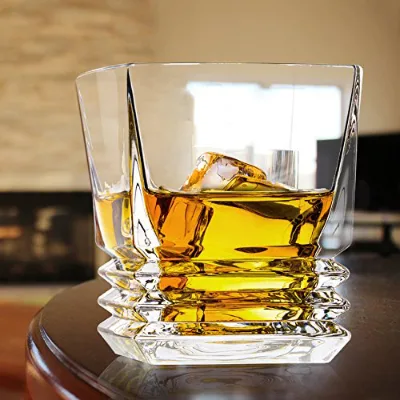
Wholesale Hot Selling Creative Design Transparent Glass Home Party Bar Whisky Glass
$1.36 - $1.76
MOQ: 100 pieces
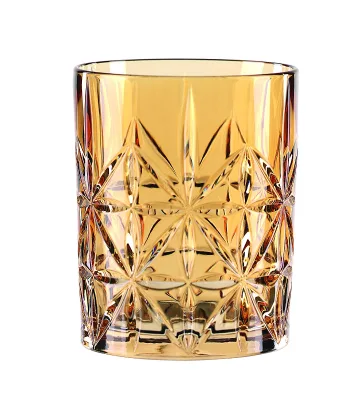
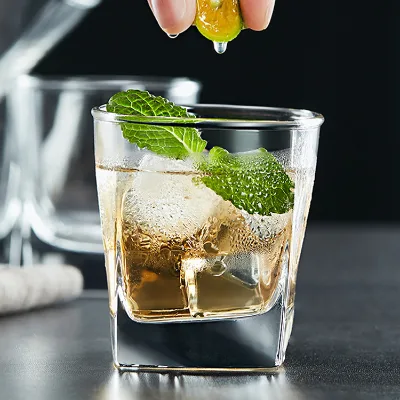
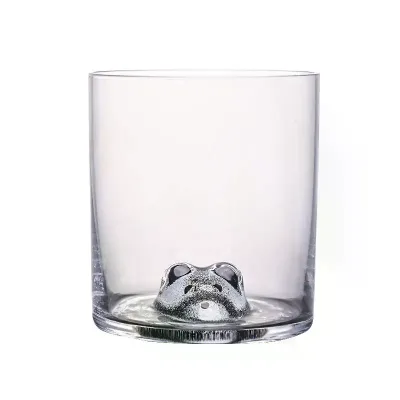
Wholesale 2023 New Design Domestic Bar Restaurant Creative Animal Cup Whisky Glass
$2.05 - $2.55
MOQ: 100

XIAMEN SHUNSTONE HOMEWARE CO., LTD.
- Manufacturer/Factory
- China Fujian
- Lead time23 days
- Avg. response≤ 12h
Main productsWhiskey Box, Wine Box, Wooden Gift Box, Leather Gift Box, Gift Set with Box, Whiskey Decanter, Whiskey Glass, Cigar Box
Main marketsSouth America,Eastern Europe,Mid East,North America,Southeast Asia,Eastern Asia,Oceania,Western Europe,Africa
Shenzhen Ruixin Glassware Co., Ltd.
- Manufacturer, Trading Company
- Lead time旺季: "1 - 5000":45,"5001 - 20000":50,"> 20000":"To be negotiated", 淡季: "1 - 5000":45,"5001 - 20000":50,"> 20000":"To be negotiated"
- Avg. response≤ 4h
Main productsGlass Cup, Wine & Beer Glass, Double Wall Glass Cup, Glass Diffuser Bottle, Glass Candle Holder
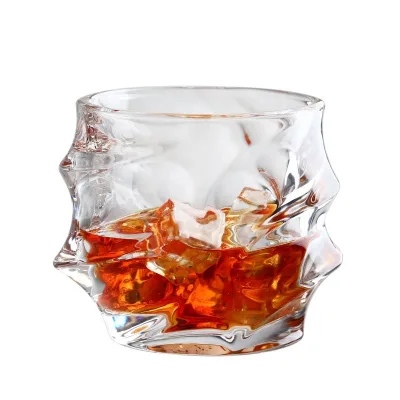
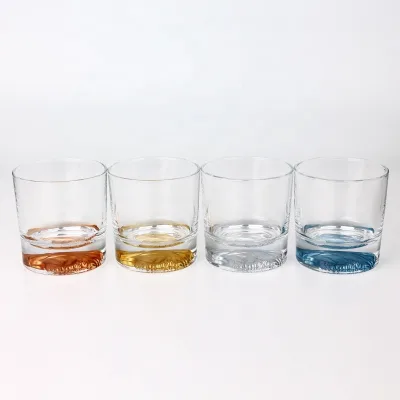
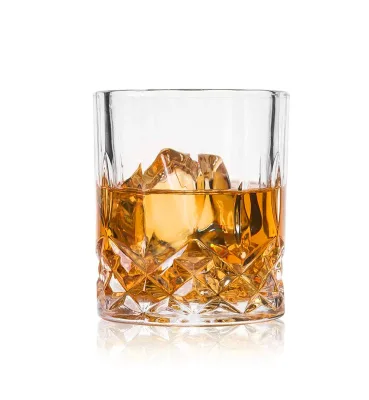
Customized Color Bottom 310ML Whisky Glasses Set Thick Bottom Whiskey Glass Tumblers
$1.15 - $1.60
MOQ: 2000
Changsha Aikeyi Homeware Co., Ltd.
- Trading Company
- Hunan, China
- Lead time25 days
- Avg. response≤ 2h
Main productsCustomized Glassware,Glass Tableware,Wine Glass,Glass Bottle,Glass Jar
Main marketsNorth America(33.00%), Oceania(15.00%), South America(12.00%), Western Europe(9.00%), Mid East(8.00%), Central America(4.00%), Northern Europe(4.00%), Africa(3.00%), Eastern Europe(3.00%), Southern Europe(3.00%), South Asia(2.00%), Southeast Asia(2.00%), Eastern Asia(2.00%)

Wuhan Xinhuahang Household Goods Co., Ltd.
- Verified by BV
- Combined
- China Hubei
- Lead time15 days
- Avg. response≤ 6h
Main productsWine Glasses, Beer Glass, Drinking Glass, Decanter, Shot Glass, Coffee Glass, Cocktail Glass, Champagne Glass, Wine Accessories
Main marketsEurope,Australia,North America

Rotatable Wine Glasses Old Fashioned Whisky Glasses Tumbler Rocks Bar Glass
$0.39 - $0.52
MOQ: 480 Pieces


Jinjiang Jiaxing Import and Export Co., Ltd.
- Verified by CTI
- Manufacturer/Factory
- China Fujian
- Lead time120 days
- Avg. response≤ 2h
Main productsShoes, Slipper, Clothes, Promotion Gifts, Silicone Products, Outdoor Sports Products, Bags, Fashion Accessories, Consumer Electronics
Main marketsSouth America,Eastern Europe,Mid East,North America,Southeast Asia,Eastern Asia,Oceania,Western Europe,Africa
- Verified by TüVRheinland
- Manufacturer, Trading Company
- Lead time25 days
- Avg. response≤ 3h
Main productsDrinkware, Ceramicware, Barware, Kitchenware, Glass Bottles
Main marketsNorth America(20%), South America(20%), Southeast Asia(20%)

Jiangmen Goodman Cleaning Supplies Co., Ltd.
- Verified by TUVRHEINLAND
- Combined
- China Guangdong
- Lead time15 days
- Avg. response≤ 9h
Main productsFood Pan, Food Basket Tray, Storage Box, Cleaning Bucket, Trash Can
Main marketsEurope,North America
Dalian Crystal Coast Glass Co., Ltd.
- Verified by TüVRheinland
- Trading Company
- Lead time45 days
- Avg. response≤ 9h
Main productsGlassware
Main marketsNorth America(20%), Mid East(20%), Western Europe(15%)

Qingdao Simpassic Import and Export Co., Ltd.
- Trading Company,Manufacturer/Factory
- China Shandong
- Lead time0 days
- Avg. response≤ 24h
Main productsGlass Cup, Glass Jar, Borosilicate Glass Food Containers, Glass Mug, Tableare, Glass Tumbler, Glassware, Glass Jug, Glass
Main marketsSouth America,Eastern Europe,Mid East,North America,Southeast Asia,Eastern Asia,Oceania,Western Europe,Africa

Dongguan Langxin Home Product Co., Ltd
- Verified by TUVRHEINLAND
- Trading Company
- China Guangdong
- Lead time15 days
- Avg. response≤ 5h
Main productsPlastic Cup
Main marketsDomestic


Custom Logo Colores 4.5oz Champagne Glass Plastic Wine Glasses for Party & Events
$0.71 - $0.75
MOQ: 1000 Pieces


5oz Custom Plastic Wine Glasses Unbreakable Champagne Drinking Glasses Goblet Wine Glass for Party
$0.51 - $0.56
MOQ: 3000 Pieces
Qixian Xin Sen Glass Products Co., Ltd.
- Verified by Intertek
- Manufacturer, Trading Company
- Lead time35 days
- Avg. response≤ 3h
Main productsDrinking Glassware, Glass Jar, Glass Plate, Glass Vase
Main marketsNorth America(40%), Oceania(20%), Northern Europe(20%)
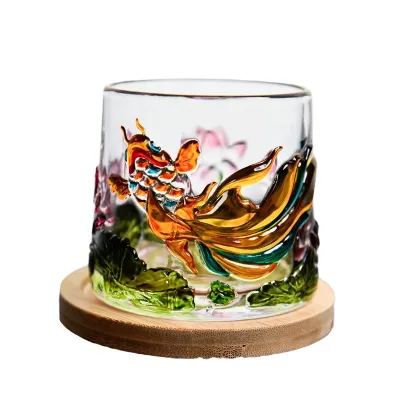
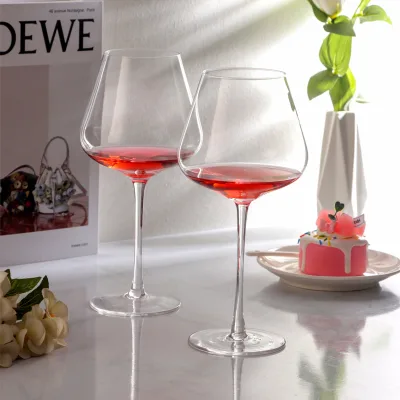
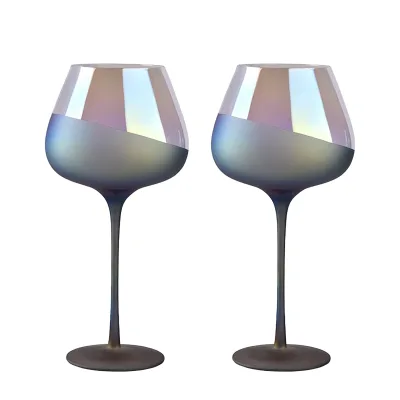
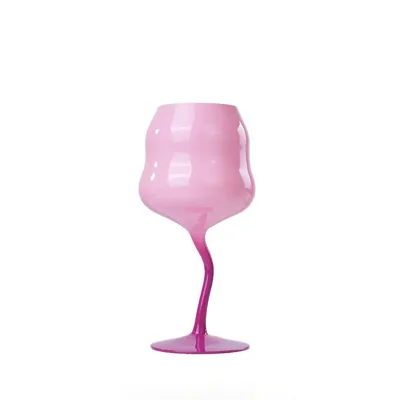
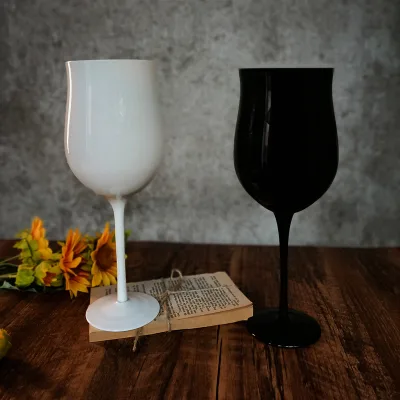
$5.6369 - $5.8419
MOQ: 100 pieces

Zibo Melory Import & Export Trade Co., Ltd.
- Trading Company,Manufacturer/Factory
- China Shandong
- Lead time45 days
- Avg. response≤ 18h
Main productsGlass Candle Holder, Glass Jar, Glass Votive, Glass Diffuser, Glass Bottle, Glass Vase, Matches, Ceramic Candle Holder, Ceramic Holder for Incense, Glass Candle Jar
Main marketsSouth America,Eastern Europe,North America,Western Europe

Suzhou Dajiatong International Trade Co., Ltd.
- Trading Company
- Jiang Su, China
- Lead time35 days
- Avg. response≤ 3h
Main productsglassware,ceramic mug,whiskey glass,glass water bottle,glassjar
Main marketsNorth America(40.00%), Western Europe(26.00%), South America(5.00%), Northern Europe(5.00%), Southeast Asia(5.00%), Eastern Europe(5.00%), Southern Europe(4.00%), Central America(2.00%), Domestic Market(2.00%), South Asia(2.00%), Oceania(1.00%), Eastern Asia(1.00%), Mid East(1.00%), Africa(1.00%)
Shijiazhuang Maoka Trading Co., Ltd.
- Trading Company
- Lead time旺季: "1 - 1000":45,"> 1000":"To be negotiated", 淡季: "1 - 1000":45,"> 1000":"To be negotiated"
- Avg. response≤ 3h
Main productsWine Decanter, Wine Glass, Package printing box, Plastic Items, Glass Candleholder

- Verified by TUVRHEINLAND
- Manufacturer/Factory
- China Zhejiang
- Lead time45 days
- Avg. response≤ 4h
Main productsIce Bucket, Toys, Kitchen Products, Hip Flask, Shaker, Bar Caddy, Menu Board, Bottle Opener, Barwares, Wine Glasses
Main marketsSouth America,Eastern Europe,Mid East,North America,Southeast Asia,Eastern Asia,Oceania,Western Europe,Africa

Yancheng Xinboyuan Glass Co., Ltd.
- Verified by BV
- Trading Company,Manufacturer/Factory
- China Jiangsu
- Lead time23 days
- Avg. response≤ 7h
Main productsGlass Table Lamp, Glass Perfume Bottles, Glass Lampshade, Glass Labware, Glass Bottles & Jars, Glass Candlesticks, Borosilicate Mug & Cups, Glass Vases & Terrariums, Glass Beakers, Glass Reagent Bottles
Main marketsEastern Europe,Mid East,North America,Western Europe

2026 Colored Diamond-Engraved Glass Wine Glasses, Cocktail Glasses for Parties
$2.08 - $3.58
MOQ: 500 Pieces

Hand-Blown Colored Stemmed Multi-Color Glass Wine Glasses Set for Wedding Party Gift
$1.50 - $2.20
MOQ: 50 Pieces

Longyan Zhanling Industry and Trade Co., Ltd.
- Manufacturer/Factory
- China Fujian
- Lead time150 days
- Avg. response≤ 2h
Main productsStainless Steel Cup, Customized Cup, Stainless Steel Cup & Mug, Double Wall Stainless Steel Cup, Customized Stainless Steel Cup, Water Bottle, Tumbler, Stainless Steel Water Bottle, Stainless Steel Bottle, Whiskey Glass
Main marketsSouth America,Eastern Europe,Mid East,North America,Southeast Asia,Eastern Asia,Oceania,Western Europe,Africa

Hemera (Tianjin) Technology Development Limited
- Verified by TUVRHEINLAND
- Manufacturer/Factory
- China Tianjin
- Lead time38 days
- Avg. response≤ 7h
Main productsGlass Cup, Glass Teapot, Glass Jar&Container, Glass Pitcher&Carafe, Water Jug, Coffee Set, Wine Set, Glass Cooking Ware
Main marketsSouth America,Eastern Europe,Mid East,North America,Southeast Asia,Eastern Asia,Oceania,Western Europe,Africa

Old Fashioned Whiskey Glasses Style Glassware Bourbon Rum Glasses Bar Tumbler Whiskey Glasses
$2.00 - $4.00
MOQ: 500 Pieces

Transparent Glasses Creative Glass Cup Clear Drinks Glasses 300ml for Party
$1.10 - $1.50
MOQ: 1000 Pieces
Guangzhou Tianfu Glass Products Co., Ltd.
- Verified by SGS Group
- Trading Company
- Lead time0 days
- Avg. response≤ 4h
Main productsGlass, Red Wine Glass, Beer Glass, Cocktail Glass, Champagne Glass
Main marketsNorth America(30%), Southeast Asia(20%), Western Europe(10%)
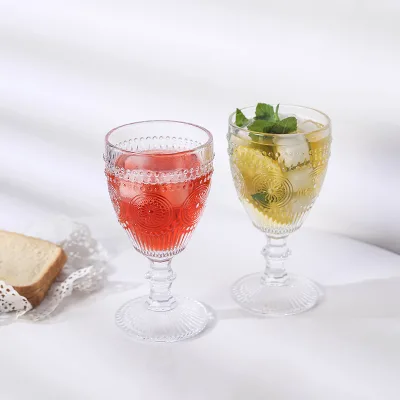
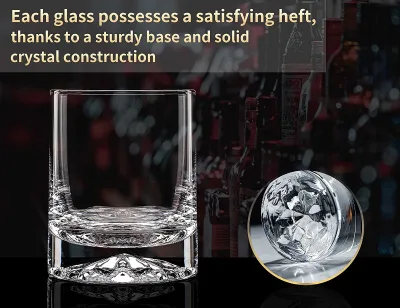
Hand Blown Crystal Double Old Fashioned Cocktail, Solid Whiskey Glasses, Rocks Lowball Glasses
$0.6029 - $1.7668
MOQ: 300 Minimum
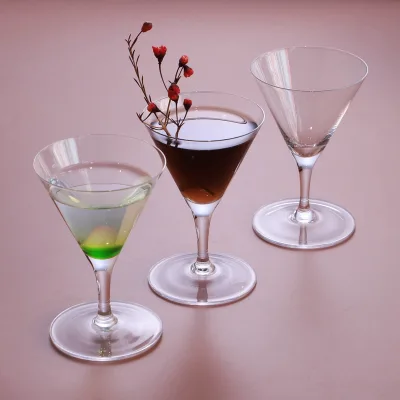
custom logo high-foot martini glass Lead free crystal triangle cocktail glasses for party
$1.15 - $1.50
MOQ: 300 pieces
Guangzhou Senno Import And Export Co., Ltd.
- Trading Company
- Lead time旺季: "1 - 50":15,"51 - 500":30,"> 500":"To be negotiated", 淡季: "1 - 50":15,"51 - 500":30,"> 500":"To be negotiated"
- Avg. response≤ 4h
Main productsBarware, Restaurantware, Glassware
Qixian Kewantong Glassware Co., Ltd.
- Verified by Intertek
- Manufacturer, Trading Company
- Lead time30 days
- Avg. response≤ 5h
Main productsWine Glasses, Decanter, Whiskey Glasses, Champagne Glasses, Glass Plate
Main marketsDomestic Market(45%), North America(15%), Mid East(10%)
Shanxi Midas Industrial Co., Ltd.
- Manufacturer, Trading Company
- Shanxi, China
- Lead time25 days
- Avg. response≤ 6h
Main productsWine glass,Beer glass,Whisky glass,Glass plate,Glass vase
Main marketsEastern Asia(100.00%), Oceania(100.00%), Africa(100.00%), Northern Europe(100.00%), Eastern Europe(100.00%), South Asia(100.00%), Domestic Market(100.00%), Southern Europe(100.00%), North America(50.00%), Western Europe(30.00%), South America(10.00%), Southeast Asia(5.00%), Central America(3.00%), Mid East(2.00%)
Guangzhou Yingtu Glass Co., Ltd.
- Verified by TüVRheinland
- Trading Company
- Lead time45 days
- Avg. response≤ 2h
Main productsWine Glass, Drinking Glass, Decanting Glass, Water Glass
Main marketsDomestic Market(80%), Eastern Asia(10%), North America(7%)
Foshan Haoting Glass Products Co., Ltd.
- Verified by TüVRheinland
- Manufacturer, Trading Company
- Lead time0 days
- Avg. response≤ 1h
Main productsGlass Drinkware
Main marketsDomestic Market(47%), North America(10%), Oceania(10%)
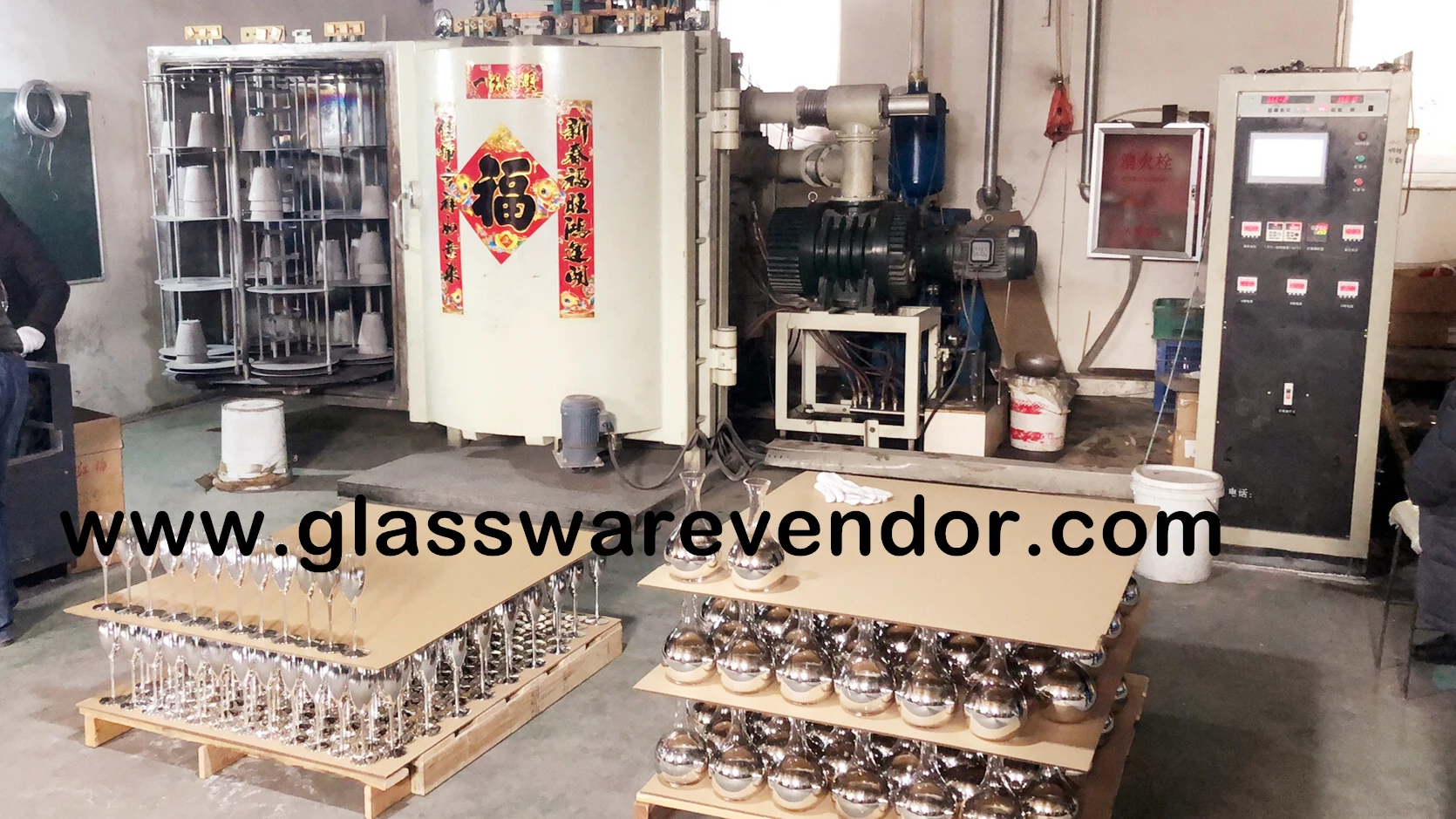
Shenzhen Sunrise Glassware Co., ltd.
- Trading Company
- Guangdong, China
- Lead time30 days
- Avg. response≤ 6h
Main productscustom crystal wine glass,custom hand cut whiskey glass,custom drinking glass,custom colored glass cup,custom double wall glass cups
Main marketsWestern Europe(20.00%), North America(20.00%), Southern Europe(16.00%), Domestic Market(10.00%), Northern Europe(10.00%), Oceania(7.00%), Mid East(5.00%), Eastern Asia(5.00%), South America(2.00%), Southeast Asia(2.00%), Central America(2.00%), Eastern Europe(1.00%)
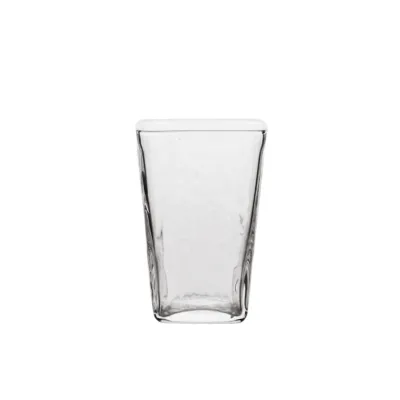
Custom Whiskey Glasses Tree Pattern Square Whiskey Glass Tumbler Drinking Glass Cups for Whisky
$0.99 - $1.85
MOQ: 2000 pieces
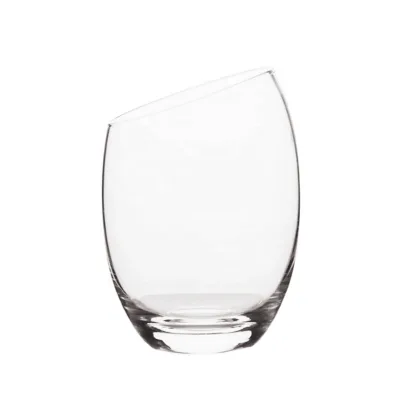
Unique Whiskey Glasses Custom Creative Premium Glass Cup Slanted Rim Drinking Cups
$1.85 - $2.12
MOQ: 2000 pieces
Shanxi Liangpin Glassware Co., Ltd.
- Manufacturer
- Shanxi, China
- Lead time7 days
- Avg. response≤ 4h
Main productsglass cup,tea set,Water cup,Decanter,Dining plate
Main marketsSouthern Europe(10.00%), Northern Europe(10.00%), Western Europe(10.00%), Eastern Europe(10.00%), South America(10.00%), North America(10.00%), Domestic Market(5.00%), South Asia(5.00%), Central America(5.00%), Oceania(5.00%), Africa(5.00%), Southeast Asia(5.00%), Eastern Asia(5.00%), Mid East(5.00%)




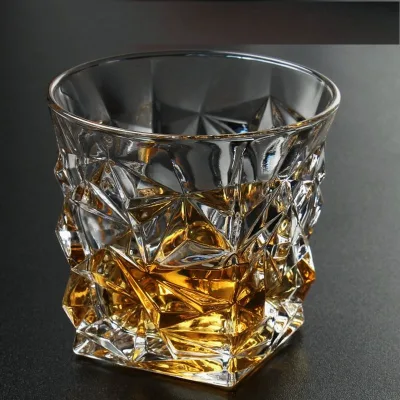
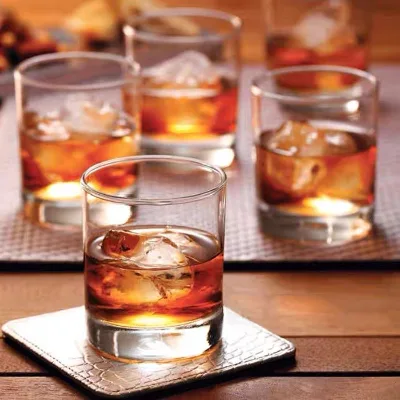
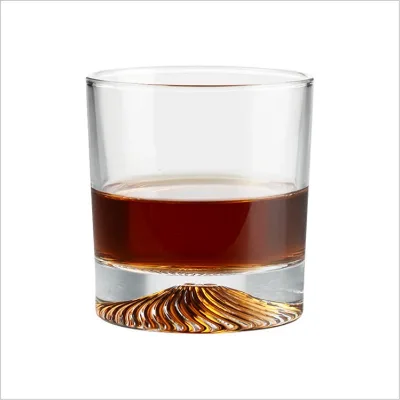


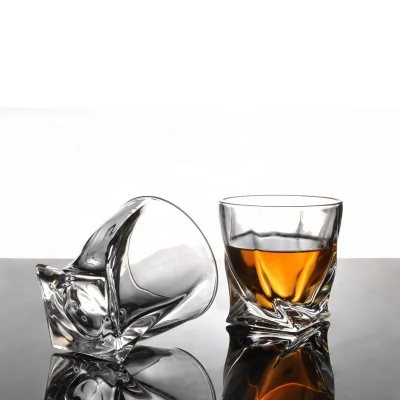





Comprehensive Sourcing Guide
Party Whisky Glasses Supplier Concentration and Factory Types
The current supplier landscape for Party Whisky Glasses reveals a distinct concentration of manufacturing and trading entities within Shanxi, China. This regional clustering suggests a specialized industrial ecosystem where glass production capabilities are centralized, allowing for efficient supply chain management and potentially lower logistical costs for international buyers. When evaluating suppliers in this specific geographic area, it is crucial to distinguish between pure manufacturing factories and trading companies, as their operational models differ significantly. The observed data indicates that a notable portion of the available suppliers are classified as trading companies rather than direct manufacturers. This distinction is vital for buyers because trading companies often act as intermediaries, aggregating products from multiple smaller workshops or factories to offer a broader catalog. While this can provide convenience and variety, it may also introduce additional layers of communication and potential markups. Buyers must carefully assess whether the supplier’s primary role is to facilitate trade or to directly control the production process, as this impacts quality control, customization flexibility, and pricing structures. Understanding the factory type helps in determining the level of direct engagement possible with the production line, which is often critical for complex custom orders involving specific designs or branding requirements for party events.
Furthermore, the product evidence highlights a diverse range of whisky glass styles available from these Shanxi-based entities, including contemporary, classic, and American style designs. This variety indicates that the local industry is not limited to basic production but has evolved to meet specific aesthetic demands for party and bar settings. The presence of features such as custom logo acceptance and various packaging options suggests that these suppliers are attuned to the needs of businesses looking for branded merchandise or unique party favors. However, the dominance of trading companies in the results implies that buyers might need to invest more time in verifying the actual source of production. It is advisable to request detailed information about the manufacturing facilities, including photos or virtual tours, to confirm the capabilities behind the trading company’s offerings. This verification step ensures that the supplier can meet specific production standards and handle the volume required for large party orders. By focusing on suppliers with transparent manufacturing processes, buyers can mitigate risks associated with indirect sourcing and ensure a more reliable partnership for their party whisky glass procurement needs.
How to Verify Party Whisky Glasses Suppliers
Verifying the authenticity and reliability of Party Whisky Glasses suppliers requires a systematic approach to checking key business attributes and product specifications. One of the primary steps is to confirm the supplier’s response time and communication efficiency, as indicated by the available data showing a response time of 2. A quick response time is often a strong indicator of a professional and organized business that values customer engagement and can handle inquiries promptly. Buyers should test this responsiveness by sending detailed questions about product customization, lead times, and shipping options to gauge the quality of communication. Additionally, it is essential to verify the supplier’s main product offerings to ensure they specialize in glassware rather than being a generalist trading company with limited expertise. The observed main products include beer glasses, wine glasses, and specifically whisky glasses, which suggests a focused expertise in drinkware. This specialization can be a positive sign, as it implies a deeper understanding of the material properties and design nuances specific to whisky glasses. Buyers should also look for consistency in the product descriptions and specifications provided, ensuring that details such as material type, capacity, and style align with their specific requirements for party events.
Another critical aspect of verification is examining the product evidence for consistency and detail. The data shows various product attributes such as model numbers, single package sizes, and specific features like "Sustainable" or "Classic" styles. Buyers should cross-reference these details with the supplier’s official catalog or website to ensure accuracy. For instance, the presence of specific model numbers like WK7780 or WK7693 indicates a structured product line, which is a positive sign of a mature supplier. It is also important to verify the place of origin claims, ensuring that the products are indeed manufactured in Shanxi, China, as stated. This can be done by requesting production certificates or factory audit reports if available. Furthermore, buyers should inquire about the supplier’s experience and establishment year, although this specific data point is not currently available in the provided facts. In the absence of this information, buyers should ask for references or case studies from previous clients to gauge the supplier’s track record. By combining these verification steps, buyers can build a comprehensive profile of the supplier’s capabilities and reliability, reducing the risk of engaging with unverified or potentially unreliable partners in the Party Whisky Glasses market.
What to Compare Across Party Whisky Glasses Suppliers
When comparing suppliers for Party Whisky Glasses, buyers should focus on key operational metrics such as minimum order quantities (MOQ), lead times, and pricing structures to determine the best fit for their needs. The available data reveals a range of MOQs, with some suppliers requiring as few as 100 pieces while others mandate orders of 500 pieces or more. This variation allows buyers with smaller budgets or trial orders to find suitable partners, while those planning large-scale party events can benefit from suppliers with higher capacity. Lead times are another critical factor, with observed data indicating a standard lead time of 15 days. This timeframe is important for planning purposes, especially for time-sensitive party events, and buyers should confirm if this lead time is consistent across different product styles and customization options. Pricing is also a significant differentiator, with price ranges varying from as low as $0.80 to as high as $1.76 per unit depending on the design, material, and order volume. Buyers should compare these prices not just on a per-unit basis but also in the context of the total order value, including shipping and any additional customization costs.
In addition to operational metrics, buyers should compare the specific product features and customization options offered by different suppliers. The data shows a variety of styles, including contemporary, classic, and American styles, as well as different capacities ranging from 201-300ml to 350ml. Some suppliers offer custom logo printing, which is a valuable feature for branded party merchandise. Buyers should evaluate the quality of these customization options by requesting samples or detailed images of previous work. The material composition is another important comparison point, with most suppliers offering crystal or glass materials. Buyers should assess the clarity, durability, and weight of the glass to ensure it meets their quality standards. Furthermore, the packaging details, such as safe packaging or standard packing, should be compared to ensure the products arrive in good condition. By systematically comparing these factors, buyers can identify suppliers that offer the best balance of cost, quality, and service for their specific party whisky glass requirements, ensuring a successful procurement outcome.
Common Party Whisky Glasses Sourcing Risks
Sourcing Party Whisky Glasses from international suppliers, particularly those in manufacturing hubs like Shanxi, China, comes with inherent risks that buyers must proactively manage. One significant risk is the potential for quality inconsistencies, especially when dealing with trading companies that may source from multiple factories. Without direct oversight of the production process, buyers may receive products that do not meet their specified standards for clarity, durability, or design accuracy. This risk is heightened when ordering custom items, such as engraved or printed whisky glasses, where minor deviations can significantly impact the final product’s appearance and functionality. To mitigate this risk, buyers should insist on pre-production samples and conduct thorough quality checks upon receipt. Another common risk is the discrepancy between the quoted lead times and the actual delivery dates. While the observed data suggests a lead time of 15 days, external factors such as raw material shortages, production delays, or logistical bottlenecks can extend this timeline. Buyers should include clear penalty clauses in their contracts for late deliveries and maintain regular communication with the supplier to monitor production progress.
Logistical risks are also prevalent in international glassware sourcing, given the fragile nature of the product. Damage during transit can lead to significant financial losses and delays, especially if the supplier’s packaging is inadequate. The data mentions various packaging types, such as safe packaging and standard packing, but buyers should verify the specific packaging methods used for their order. It is advisable to request detailed packaging diagrams or photos to ensure that the glasses are well-protected with sufficient cushioning and sturdy outer cartons. Additionally, buyers should be aware of potential customs and import duty issues, which can vary by destination country and impact the total cost of ownership. Clear communication with the supplier regarding Incoterms and documentation requirements is essential to avoid unexpected charges or delays at customs. Finally, there is a risk of intellectual property infringement if the supplier uses unauthorized designs or logos. Buyers should ensure that all custom designs are original or properly licensed to avoid legal complications. By identifying and addressing these common risks early in the sourcing process, buyers can protect their interests and ensure a smoother procurement experience for their Party Whisky Glasses.
Party Whisky Glasses Regional Sourcing and Logistics
The regional concentration of Party Whisky Glasses suppliers in Shanxi, China, offers both advantages and logistical considerations for international buyers. Sourcing from this specific region can provide access to a specialized glass manufacturing cluster, potentially leading to better pricing and a wider variety of designs. However, buyers must carefully plan their logistics to ensure efficient transportation from the manufacturing site to their final destination. The observed data indicates that the port of dispatch for some suppliers is Tianjin, which is a major shipping hub in northern China. This proximity to a major port can facilitate smoother export processes and potentially lower shipping costs due to the availability of frequent shipping routes. Buyers should work closely with their suppliers to coordinate the pickup of goods from the factory or warehouse and their delivery to the port of Tianjin. It is also important to consider the mode of transportation, with sea freight being the most common and cost-effective option for large orders of glassware. Buyers should obtain quotes from multiple freight forwarders to compare rates and transit times, ensuring they select a reliable partner for their shipment.
In addition to transportation, buyers must account for the packaging requirements to protect the fragile glass products during transit. The data shows various single package sizes, ranging from 22X14X19 cm to 35X25X30 cm, which will impact the volume and weight of the shipment. Buyers should calculate the total cubic meters and weight of their order to determine the most suitable shipping container size, whether it be a 20-foot or 40-foot container. Efficient container loading can help maximize space and reduce shipping costs. Furthermore, buyers should ensure that the supplier provides accurate packing lists and commercial invoices to facilitate smooth customs clearance at the destination. It is also advisable to purchase marine insurance to protect against potential damage or loss during transit. By carefully planning the logistics and considering the regional specifics of sourcing from Shanxi and shipping via Tianjin, buyers can optimize their supply chain and ensure timely delivery of their Party Whisky Glasses. This proactive approach to logistics management is crucial for maintaining inventory levels and meeting the demands of party events without disruption.
Party Whisky Glasses Commercial Terms and Order Planning
Effective order planning for Party Whisky Glasses requires a thorough understanding of the commercial terms offered by suppliers, including payment structures and warranty policies. The available data indicates that some suppliers require a 30% deposit, which is a common practice in international trade to secure the order and cover initial production costs. Buyers should ensure that the remaining balance is paid only after the goods have been inspected and approved, or upon presentation of shipping documents, to minimize financial risk. It is also important to clarify the payment methods accepted by the supplier, such as Telegraphic Transfer (TT) or Letter of Credit (LC), and to verify the security of the transaction. Additionally, buyers should inquire about the supplier’s return and refund policies in case of quality issues or discrepancies in the order. While the data does not explicitly mention warranty terms, buyers should
FAQs
What is the typical lead time for Party Whisky Glasses?
The standard production lead time is 15 days for most orders. This duration allows for manufacturing and quality checks before dispatch. Buyers should confirm specific timelines with suppliers, as rush orders may incur additional fees or require alternative scheduling arrangements.
What is the minimum order quantity for these glasses?
Minimum order quantities vary by design, typically ranging from 100 to 500 pieces. Some classic styles require a minimum of 500 units, while creative or custom options may start at 100 pieces. Always verify the specific MOQ for your chosen model before placing an order.
How quickly do suppliers respond to inquiries?
Suppliers generally respond to inquiries within 2 hours. This rapid response time ensures that buyers receive prompt quotations and technical details. Quick communication helps streamline the sourcing process and allows for faster decision-making regarding product selection and negotiation terms.
What materials are used for these whisky glasses?
Most Party Whisky Glasses are made from crystal or standard glass. These materials offer clarity and durability suitable for bar and home use. Some products specify crystal construction for a premium feel, while others use standard glass for cost-effective bulk purchasing options.
Where are these glasses manufactured?
These glasses are manufactured in Shanxi, China. This region is known for its glass production capabilities. Buyers sourcing from this location benefit from established supply chains and competitive pricing structures for glassware products.
What is the price range for wholesale orders?
Prices typically range from $0.80 to $1.76 per piece depending on the design and material. Simple glass styles are often priced lower, while engraved or crystal options cost more. Volume discounts may apply for larger orders exceeding the minimum quantity requirements.