Personalized PU Diary Notebooks with Colourful Strap Suppliers and Manufacturers
Compare 32 verified suppliers offering Personalized PU Diary Notebooks with Colourful Strap across locations in China Zhejiang and Anhui. Review response times, lead times, and MOQs to source hardcover PU leather journals with custom printing options; review the available evidence before requesting comparable quotations from suitable candidates.
Updated
Suppliers List

Taizhou EEGO Industry & Trade Co., Ltd.
- Verified by TUVRHEINLAND
- Trading Company
- China Zhejiang
- Lead time15 days
- Avg. response≤ 2h
Main productsNotebook, Stationery, Paper Gift, File Folders, Books Printing, Planner, Agenda, Journal, Spiral Notebook, Memo Pads
Main marketsSouth America,Africa,Southeast Asia/ Mideast,East Asia(Japan/ South Korea),Europe,Australia,North America

Hefei Colorfly Stationery Co., Ltd.
- Verified by SGS
- Combined
- China Anhui
- Lead time30 days
- Avg. response≤ 13h
Main productsExercise Book, Notebook, Spiral Notebook, Composition Book, Copy Book, Soft Cover Notebook, Stationery Set, Drawing Book, PP Exercise Book, Counter Book
Main marketsAfrica,Southeast Asia/ Mideast

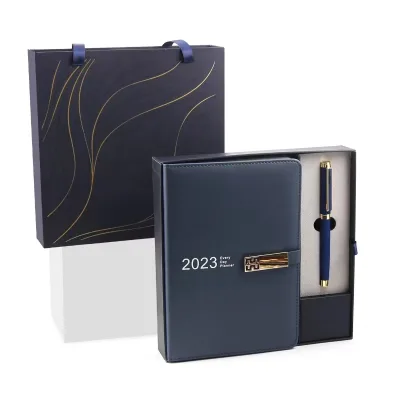
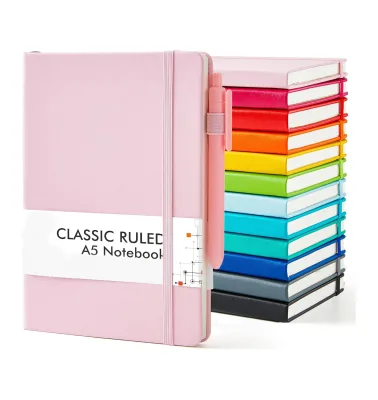
A5 Business Paperback Notebook Personalized Notebooks Strap Notebook with Custom Box
$0.80 - $1.30
MOQ: 600 Pieces


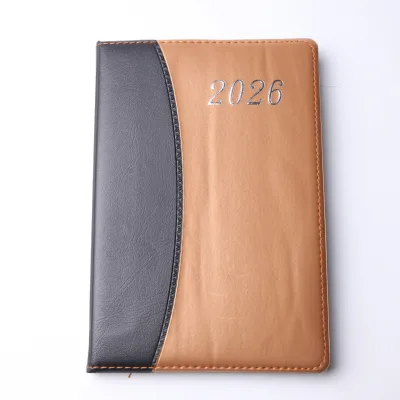
Hot Selling Customized PU Leather Cover Diary Notebook with Good Quality
$2.34 - $2.46
MOQ: 600 Pieces


Shenzhen Flying Supply Chain Co., Ltd.
- Verified by SGS
- Trading Company
- China Guangdong
- Lead time15 days
- Avg. response≤ 6h
Main productsPacking Bag, Gift Bag, Folding Bag, Laptop Bag, Carton, Toy Puzzle, Stationery, Label, Hot Melt Paper, 3D Printing Consumables
Main marketsNorth America

$10.47 - $13.95
MOQ: 500 Pieces


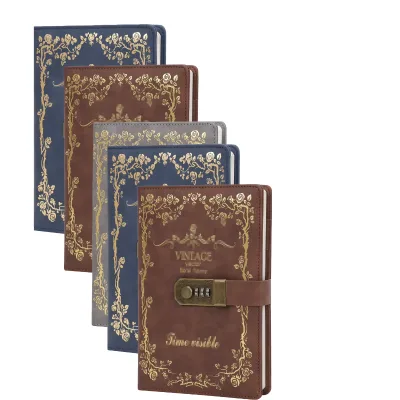
Custom Notebook Hardcover PU Leather Notebook Diary with Lock Buckle for Gift Promotion
$1.00 - $2.00
MOQ: 100 Pieces

Personalized Custom School Supplies A5 Diary PU Leather Cover Notebook with Elastic Band
$2.51 - $5.00
MOQ: 1 Pieces

Leather Diary Notebook Personalized Office Logo Soft Cover Lined Diary Note Book
$1.79 - $2.23
MOQ: 1 Pieces
Dongguan Liyang Technology Co., Ltd.
- Verified by TüVRheinland
- Trading Company
- Lead time5 days
- Avg. response≤ 2h
Main productsNotebook, Sticky Notes, Lamination Film, Washi Tape, Spring Coil
Main marketsNorth America(24%), Oceania(10%), Eastern Asia(10%)

Guangzhou Zhongtian Paper Product Co., Ltd.
- Verified by TUVRHEINLAND
- Trading Company,Manufacturer/Factory,Group Corporation
- China Guangdong
- Lead time38 days
- Avg. response≤ 4h
Main productsBible, Book, Children Book, Paper Box, Jigsaw Puzzle, Notebook Printing, Board Game, Calendar, Paper Bags, Seed Paper Cards
Main marketsSouth America,Eastern Europe,Mid East,North America,Southeast Asia,Oceania,Western Europe,Africa

Personalised Leather Diary Hand Bound Notebook with Blank Vellum for Gift Diaries
$0.80 - $1.20
MOQ: 1000 Pieces

PU Soft or Hard Cover Notebook Planner Diary with Elastic Band Book Mark
$1.18 - $1.68
MOQ: 1000 Pieces


Custom Logo High Quality Custom Personalized Notepad Journal Hardcover PU Leather Notebook
$1.28 - $1.99
MOQ: 1000 Pieces
Guangzhou Grandbag Leather Products Co., Ltd.
- Trading Company
- Lead time旺季: "1 - 1000":14,"> 1000":"To be negotiated", 淡季: "1 - 1000":14,"> 1000":"To be negotiated"
- Avg. response≤ 3h
Main productsJewelry Box , Watch Box , Cosmetic Bags, Notebooks, Portfolio
Hohhot Xinze Technology Co., Ltd.
- Trading Company
- Inner Mongolia, China
- Lead time30 days
- Avg. response≤ 17h
Main productsPaper Shredder, Binding machine, Scanner gun
Main marketsDomestic Market(100.00%)
Wenzhou Guikang Stationery & Gifts Co., Ltd.
- Verified by Intertek
- Manufacturer, Trading Company
- Lead time20 days
- Avg. response≤ 4h
Main productsNotebook, Sketchbook, Childhood Education Books
Main marketsWestern Europe(30%), South Asia(30%), North America(15%)
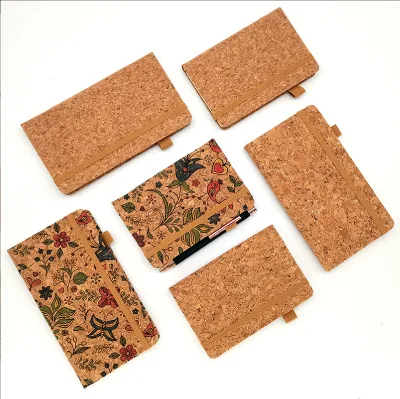
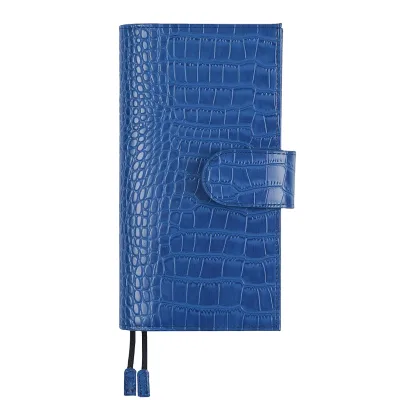
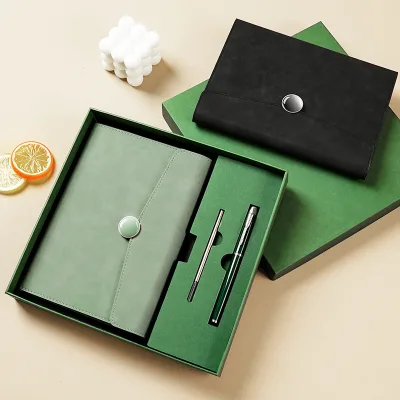
$2.7941 - $4.1387
MOQ: 20 pieces

Wenzhou Yanhe Technology Co., Ltd.
- Verified by BV
- Combined
- China Zhejiang
- Lead time30 days
- Avg. response≤ 6h
Main productsNotebook
Main marketsSouth America,Africa,Southeast Asia/ Mideast,East Asia(Japan/ South Korea),Europe,Australia,North America

Personalized Leather Diary Journal Notebook with Durable Corrugated Paper
$0.50 - $1.50
MOQ: 300 pieces


Wholesale Personalized Business Planner Diary Diary PU Leather Cover Notebook
$0.50 - $3.00
MOQ: 300 pieces


Wenzhou Deyi Stationery Co., Ltd.
- Verified by SGS
- Trading Company
- China Zhejiang
- Lead time15 days
- Avg. response≤ 7h
Main productsNotebook, Pen
Main marketsDomestic


$0.70 - $0.90
MOQ: 100 Pieces
Hangzhou Let's Party Co., Ltd.
- Verified by TüVRheinland
- Trading Company
- Lead time20 days
- Avg. response≤ 3h
Main productsNotebook, Journal, Novel, Stationery
Main marketsNorth America(80%), Oceania(10%), Western Europe(10%)

FUZHOU SHOO-IN IMP & EXP CO., LTD.
- Verified by SGS
- Trading Company
- China Fujian
- Lead time15 days
- Avg. response≤ 6h
Main productsSports Wear, Promotional Gift, Lanyards, Badges, Caps, Sports Training Products, Sports Balls, Tennis Accessories, Golf Accessories, Pet Products
Main marketsEast Asia(Japan/ South Korea),North America


$1.88 - $2.64
MOQ: 500 Pieces

Customizable A5 Diary Notebook with Loose-Leaf Pages for Professional Use
$0.88 - $1.64
MOQ: 500 Pieces


Yiwu Qian You Trading Co., Ltd.
- Manufacturer, Trading Company
- Zhejiang, China
- Lead time15 days
- Avg. response≤ 2h
Main productsNotebook,Pu card holder,luggage tag,pen,Portfolio
Main marketsDomestic Market(10.00%), South Asia(10.00%), Eastern Europe(10.00%), Southern Europe(10.00%), Northern Europe(10.00%), Central America(8.00%), South America(7.00%), Africa(5.00%), Southeast Asia(5.00%), Mid East(5.00%), North America(5.00%), Oceania(5.00%), Western Europe(5.00%), Eastern Asia(5.00%)
Wenzhou Baiwei Crafts Co., Ltd.
- Trading Company
- Zhejiang, China
- Lead time30 days
- Avg. response≤ 2h
Main productsOffice Supplies
Main marketsNorth America(30.00%), Southeast Asia(15.00%), South America(10.00%), Western Europe(10.00%), Eastern Asia(10.00%), Southern Europe(10.00%), South Asia(5.00%), Eastern Europe(5.00%), Northern Europe(5.00%)
Dongguan Qishi Saidebao Leather Goods Produce Factory
- Manufacturer, Trading Company
- Guangdong, China
- Lead time15 days
- Avg. response≤ 5h
Main productsnotebook,portfolio,passport holder,card holder,certificate holder
Main marketsSouthern Europe(12.00%), Central America(10.00%), North America(10.00%), Western Europe(8.00%), Northern Europe(8.00%), Eastern Europe(7.00%), South Asia(7.00%), South America(7.00%), Mid East(6.00%), Africa(6.00%), Eastern Asia(5.00%), Domestic Market(5.00%), Southeast Asia(5.00%), Oceania(4.00%)
Xiamen Le Young Imp. & Exp. Co., Ltd.
- Verified by TüVRheinland
- Trading Company
- Lead time20 days
- Avg. response≤ 2h
Main productsLeather Folder, Leather Notebook, Leather Jewelry Box, Leather Desk Organizer, Leather Desk Pad
Main marketsNorth America(63%), Africa(22%), Oceania(5%)

Zhongshan Tianxin Craft Gift Products Co., Ltd.
- Verified by BV
- Combined
- China Guangdong
- Lead time23 days
- Avg. response≤ 2h
Main productsShirt, Gift, Clothing, USB Flash Drives, Key Chain, Medal, Trophy, Lether Tapeline, Fridge Magnet, Wine Opener
Main marketsSouth America,Africa,Southeast Asia/ Mideast,East Asia(Japan/ South Korea),Europe,Australia,North America


Custom Diary Leather PU Personalized Logo Notebook for College School Office
$1.00 - $2.80
MOQ: 300 Pieces
Ningbo Jingrui Packaging Materials Co., Ltd.
- Verified by Intertek
- Trading Company
- Lead time15 days
- Avg. response≤ 2h
Main productsPaper Boxes, Paper Card, Label Sticker, Instruction Manual, Shopping Bag
Zhenyin (hangzhou) Digital Printing Co., Ltd.
- Verified by Intertek
- Trading Company
- Lead time0 days
- Avg. response≤ 2h
Main productsNotebooks, Paper Card, Paper Bricks, Paper Boxes, Sticky Notes Cube
Main marketsDomestic Market(50%), North America(20%), Southeast Asia(12%)

Tianjin Caile Printing Co., Ltd
- Verified by TUVRHEINLAND
- Trading Company
- China Tianjin
- Lead time60 days
- Avg. response≤ 7h
Main productsPlanner, Journal, Notebook, Calendar, Box, Diary, PU Leather Binder, Pop up Book, First Aid Kit, Gift Set
Main marketsEurope,Australia,North America


$0.25 - $0.40
MOQ: 100 Pieces

Guangzhou Wangwen Technology Co., Ltd.
- Verified by SGS Group
- Manufacturer, Trading Company
- Guangdong, China
- Lead time8 days
- Avg. response≤ 2h
Main productsGift Items, Notebook, Promotional Pen, Umbrella , Promotional Gifts
Main marketsNorth America(60%), Western Europe(25%), Mid East(10%)

Shenzhen Longyin Printing Packing Co., Ltd.
- Verified by SGS
- Trading Company
- China Guangdong
- Lead time15 days
- Avg. response≤ 4h
Main marketsSouth America,Africa,Southeast Asia/ Mideast,East Asia(Japan/ South Korea),Domestic,Europe,Australia,North America

TAIZHOU RONGYI IMPORT AND EXPORT CO., LTD.
- Trading Company
- China Zhejiang
- Lead time15 days
- Avg. response≤ 2h
Main productsNotebook, Diary, Organiser, Certificate Folder, Journal, Greeting Card, Notepad, Sticky Notes
Main marketsSouth America,Southeast Asia/ Mideast,East Asia(Japan/ South Korea),Europe,North America


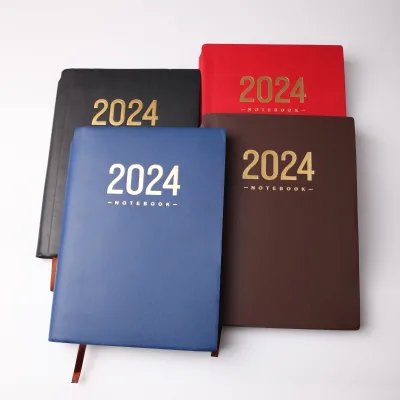
Hot Sale High Quality Simple Planner Notebook Diary with PU Hard Cover and Bookmark
$6.80 - $8.80
MOQ: 100 Pieces

2027 A5 PU Leather Notebook Customized Design Diary Planner Diary with Logo
$1.35 - $1.70
MOQ: 300 Pieces
Guangzhou Letian Pen Co., Ltd.
- Verified by TüVRheinland
- Manufacturer, Trading Company
- Lead time15 days
- Avg. response≤ 4h
Main productsDiary With Powerbank, Gift Pen Set, PU Leather Notebook
Main marketsSouth America(20%), Domestic Market(20%), North America(15%)

GUANGZHOU MIYI PRINTING CO., LTD
- Verified by BV
- Trading Company,Manufacturer/Factory
- China Guangdong
- Lead time0 days
- Avg. response≤ 8h
Main productsBook Printing, Custom Magazine, Catalog, Paper Bag, Paper Box, Packageing Box, Toy Box, Sticker, Label, School Supplies
Main marketsSouth America,Eastern Europe,Mid East,North America,Southeast Asia,Eastern Asia,Oceania,Western Europe,Africa

13 Month Planner Notebook with Stickers Spiral Binding Diary Notebook Custom Size
$0.05 - $0.10
MOQ: 100 Pieces

Custom Brand Notebook Diary Portable Hand Account Small Notepad with Pen Notebook
$1.56 - $1.89
MOQ: 500 Pieces
Hangzhou Keteng Trade Co., Ltd.
- Verified by SGS Group
- Trading Company
- Lead time12 days
- Avg. response≤ 2h
Main productsStationery, Paper Box, Paper Bags, Packaging Bags, Promotion Gifts
Main marketsNorth America(50%), Oceania(15%), Western Europe(15%)
$2.5873 - $3.6216
MOQ: 100 pieces
Custom Printed Logo Pu Hardcover Recycled Leather Grid Lined Planner Agenda Notebook
$1.10 - $1.90
MOQ: 200
Guangzhou Shanghua Color Printing Co., Ltd.
- Manufacturer, Trading Company
- Guangdong, China
- Lead time7 days
- Avg. response≤ 6h
Main productsPaper Printing Products,Paper Package Box,Notebooks,Calendar,Children Books
Main marketsDomestic Market(80.00%), North America(15.00%), Southeast Asia(5.00%)
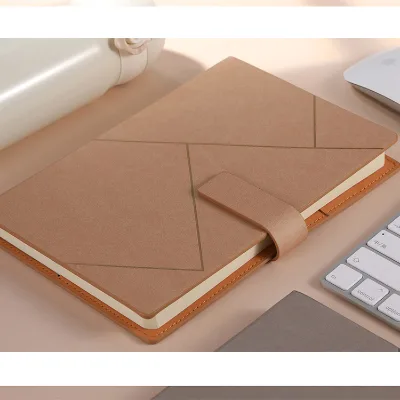
Factory Custom Offices School Diary Notebook Simple Creative Notebook with Magnetic Journal
$1.3386 - $2.1616
MOQ: 1000 pieces
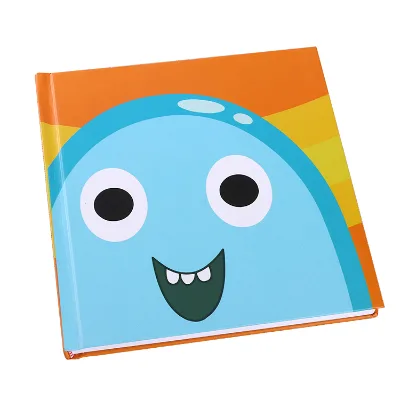
Wenzhou Base Camp Cultural Goods Co., Ltd.
- Manufacturer, Trading Company
- Zhejiang, China
- Lead time20 days
- Avg. response≤ 3h
Main productsNotebook,Yearly Calendar
Main marketsDomestic Market(100.00%), South Asia(100.00%), Southern Europe(100.00%), Northern Europe(100.00%), Central America(100.00%), Western Europe(100.00%), Eastern Asia(100.00%), Mid East(100.00%), Oceania(100.00%), Africa(100.00%), Southeast Asia(100.00%), Eastern Europe(100.00%), South America(100.00%), North America(100.00%)

Round Color Printing (Shenzhen) Co., Ltd.
- Verified by BV
- Trading Company
- China Guangdong
- Lead time23 days
- Avg. response≤ 8h
Main productsBook Printing, Catalog Printing, Calendar Printing, Notebook Printing
Main marketsEurope,Australia,North America

Jiangxi Danger Technology Co., Ltd.
- Trading Company
- Jiangxi, China
- Lead time0 days
- Avg. response≤ 4h
Main productshandicrafts,Lanyards,Sublimation mugs,Shopping Bag,keyholders
Main marketsAfrica(50.00%), Eastern Europe(30.00%), North America(10.00%), Southeast Asia(3.00%), Southern Europe(2.00%), South Asia(2.00%), Western Europe(2.00%), South America(1.00%)
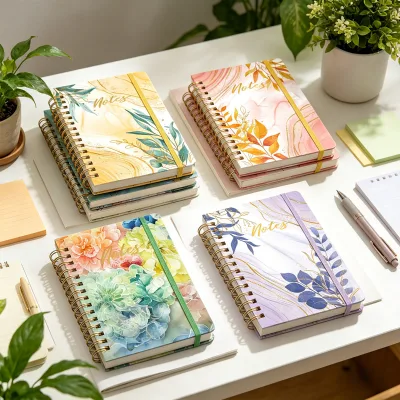
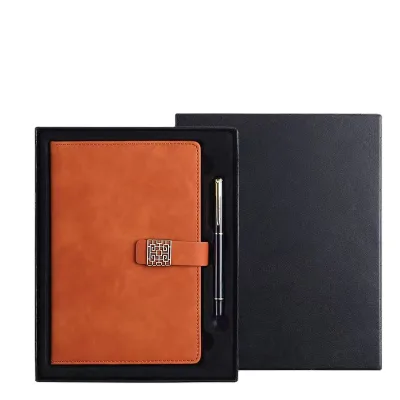
Custom logo Hardcover Notebook A5 Pu Leather Hardcover Gift Unique Notebook Journal Plan Book
$1.3251 - $1.5305
MOQ: 100 Minimum
Yiwu Bangmu Import And Export Co., Ltd.
- Trading Company
- Zhejiang, China
- Lead time15 days
- Avg. response≤ 2h
Main productsBags & Tote,Sports & Outdoor,Apparel & Accessories,Drinkware,Office & Tech
Main marketsNorth America(90.00%), Central America(4.00%), Southern Europe(1.00%), Northern Europe(1.00%), South America(1.00%), Western Europe(1.00%), Oceania(1.00%), Eastern Europe(1.00%)

- Verified by SGS
- Manufacturer/Factory
- China Hubei
- Lead time23 days
- Avg. response≤ 7h
Main productsA4 Paper, A4 Copy Paper, Paper, Sticky Note, Pad, Notepad, Memo Pad, Office Supply, Paper Stationery, Color Paper
Main marketsSouth America,Eastern Europe,Mid East,North America,Southeast Asia,Eastern Asia,Oceania,Western Europe,Africa


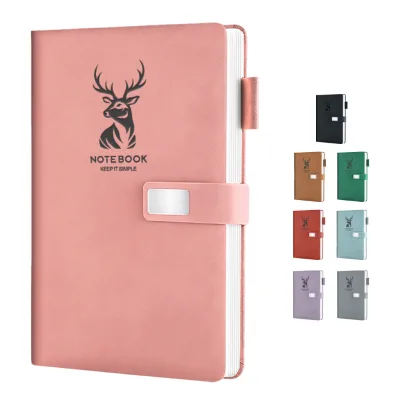
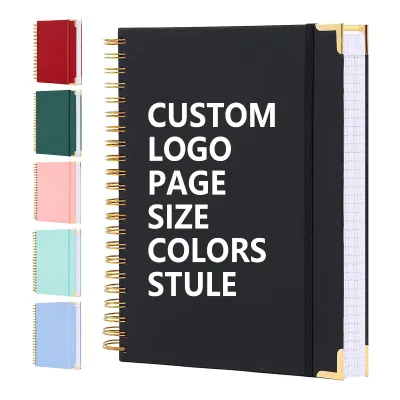


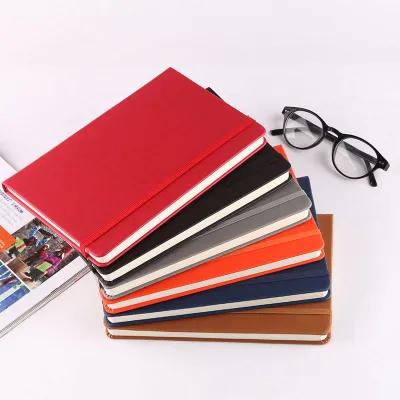
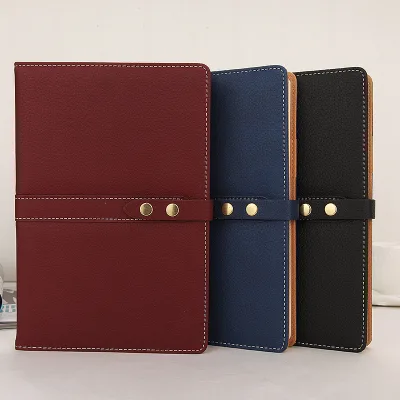




Comprehensive Sourcing Guide
Personalized PU Diary Notebooks with Colourful Strap Supplier Concentration and Factory Types
The current supplier landscape for personalized PU diary notebooks reveals a distinct geographic concentration in China, specifically within the Zhejiang and Anhui provinces. These regions serve as primary manufacturing hubs for stationery and office supplies, offering buyers access to established industrial clusters that specialize in paper-based products and leather goods. Suppliers located in Zhejiang are predominantly identified as trading companies, which often act as intermediaries connecting buyers with a broader network of factories. This structure allows for a diverse range of product offerings, including spiral notebooks, planners, and journals, while leveraging the region's robust logistics infrastructure. In contrast, suppliers in Anhui are classified as combined entities, indicating a hybrid operational model that may encompass both manufacturing capabilities and trading functions. This distinction is crucial for buyers assessing the supply chain, as trading companies might offer more flexible customization options, whereas combined entities could provide greater control over production quality and raw material sourcing. Understanding these factory types helps buyers determine whether they are dealing with a direct manufacturer or a service-oriented partner, influencing decisions on communication efficiency and product specificity.
Beyond geographic location, the type of company significantly impacts the range of services available for personalized PU diary notebooks with colourful straps. Trading companies in Zhejiang often emphasize their ability to handle various main products, such as file folders, books printing, and memo pads, suggesting a versatile operational capacity. This versatility can be advantageous for buyers seeking to consolidate orders for multiple stationery items. Meanwhile, combined suppliers in Anhui highlight capabilities in ODM, OEM, and own brand development, indicating a stronger focus on product design and manufacturing innovation. These suppliers often produce specific items like exercise books, composition books, and soft cover notebooks, which may share production lines with PU leather diaries. The presence of these different company types means that buyers must carefully evaluate each supplier’s core competencies. A trading company might excel in sourcing and logistics, while a combined entity might offer better technical support for custom designs. Recognizing these differences allows buyers to align their sourcing strategy with their specific needs, whether they prioritize product variety, manufacturing expertise, or supply chain flexibility.
How to Verify Personalized PU Diary Notebooks with Colourful Strap Suppliers
Verifying the credibility of suppliers for personalized PU diary notebooks requires a close examination of their verification status and certification records. Current data indicates that some suppliers hold verification from TÜV Rheinland, a globally recognized testing and certification body, which adds a layer of trust regarding their operational standards and business legitimacy. Other suppliers may display verification from SGS, another leading inspection and certification company. These third-party verifications are critical indicators of a supplier’s reliability, as they involve independent assessments of the company’s facilities, management systems, and product quality. Buyers should prioritize suppliers with these verifications, as they demonstrate a commitment to meeting international standards and transparency in their business practices. However, it is important to note that not all suppliers may display such verifications, and the absence of a specific badge does not necessarily imply a lack of quality. In such cases, buyers should request additional documentation or conduct their own due diligence to ensure the supplier’s legitimacy.
In addition to verification badges, buyers should scrutinize the supplier’s system certifications and product-specific attributes. While some suppliers may list system certifications, others might show "NIL" in this field, indicating that no specific system certification is currently displayed. This does not preclude the supplier from being reputable, but it suggests that buyers should look for other indicators of quality, such as product evidence and customer reviews. Product evidence, including detailed specifications and images, can provide insights into the supplier’s manufacturing capabilities and attention to detail. For personalized PU diary notebooks, buyers should verify that the supplier can handle customizations such as logo printing, cover material selection, and strap color options. Additionally, checking the supplier’s response time can offer clues about their operational efficiency and customer service quality. A faster response time, such as 1.51 hours, suggests a more agile and responsive team, which is beneficial for resolving issues quickly. By combining verification status, certification records, and operational metrics, buyers can build a comprehensive profile of each supplier’s reliability and suitability for their sourcing needs.
What to Compare Across Personalized PU Diary Notebooks with Colourful Strap Suppliers
When evaluating suppliers for personalized PU diary notebooks, buyers should compare key operational metrics such as lead time, minimum order quantity (MOQ), and response speed to ensure alignment with their project requirements. Lead times vary significantly among suppliers, with some offering production times of 10 to 15 working days, while others may require up to 30 days. This variation is often influenced by the supplier’s location, factory type, and current order volume. Buyers with tight deadlines should prioritize suppliers with shorter lead times, but they must also consider the potential impact on cost and quality. Similarly, MOQs can range from 100 pieces to 600 pieces, depending on the supplier’s production capacity and customization complexity. Lower MOQs are beneficial for small businesses or trial orders, while higher MOQs may offer better unit prices for larger volumes. Understanding these thresholds helps buyers plan their inventory and cash flow more effectively, avoiding overstocking or production delays.
In addition to lead times and MOQs, buyers should compare the suppliers’ main products and customization capabilities to ensure they meet specific design requirements. Some suppliers specialize in a wide range of stationery items, including notebooks, planners, and journals, while others focus on specific product types like PU leather diaries or exercise books. This specialization can affect the quality and consistency of the final product. Buyers should also assess the suppliers’ response times, as faster responses indicate better communication and problem-solving capabilities. For personalized PU diary notebooks with colourful straps, buyers should verify that the supplier can handle custom printing, logo placement, and strap color selection. Additionally, comparing the suppliers’ pricing structures, including price ranges and shipping services, can help buyers identify the most cost-effective options. By systematically comparing these operational metrics and capabilities, buyers can make informed decisions that balance cost, quality, and delivery speed, ensuring a successful sourcing outcome.
Common Personalized PU Diary Notebooks with Colourful Strap Sourcing Risks
One of the primary risks in sourcing personalized PU diary notebooks is the potential for quality inconsistencies, particularly when dealing with multiple suppliers or trading companies. Since some suppliers are trading entities, they may not have direct control over the manufacturing process, leading to variations in material quality, stitching, or printing accuracy. Buyers must ensure that the PU leather used for the covers meets their specified standards for durability and texture, and that the colourful straps are securely attached and colorfast. Additionally, the customization process, including logo printing and inner page formatting, can introduce errors if not carefully managed. Miscommunication between the buyer and the supplier can result in incorrect designs or specifications, leading to costly rework or rejected shipments. To mitigate this risk, buyers should request detailed product samples and conduct thorough quality inspections before placing large orders. Establishing clear communication channels and providing comprehensive design files can help minimize errors and ensure that the final product meets expectations.
Another significant risk is the variability in lead times and production schedules, which can disrupt supply chains and delay product launches. Suppliers with longer lead times, such as those in Anhui, may face delays due to high order volumes or resource constraints. Buyers must account for these potential delays in their planning and maintain buffer stock to avoid stockouts. Additionally, the reliance on third-party logistics and shipping services can introduce further uncertainties, such as customs delays or transit damage. Buyers should verify the supplier’s shipping capabilities and ensure that they offer reliable delivery options, such as DDP or DDU services. Furthermore, the absence of certain certifications or verifications may indicate higher risks in terms of compliance and ethical standards. Buyers should prioritize suppliers with robust verification records and clear quality control processes to reduce the likelihood of sourcing issues. By proactively identifying and addressing these risks, buyers can build a more resilient supply chain and ensure the timely delivery of high-quality personalized PU diary notebooks.
Personalized PU Diary Notebooks with Colourful Strap Regional Sourcing and Logistics
Sourcing personalized PU diary notebooks from China offers access to well-established manufacturing clusters in Zhejiang and Anhui provinces, each with distinct logistical advantages. Suppliers in Zhejiang benefit from proximity to major ports and advanced logistics networks, facilitating efficient export operations. This region’s concentration of trading companies often results in streamlined communication and flexible order management, making it suitable for buyers seeking diverse product ranges and quick turnaround times. In contrast, suppliers in Anhui, while potentially having longer lead times, may offer more direct manufacturing control, which can enhance quality consistency for customized items. The geographic distribution of these suppliers allows buyers to choose based on their specific logistical needs, whether prioritizing speed, cost, or quality. Understanding these regional differences helps buyers optimize their supply chain strategy, ensuring that they select suppliers that align with their operational goals and delivery requirements.
Logistics planning for personalized PU diary notebooks must also consider the packaging and shipping specifications provided by suppliers. Many suppliers offer standardized packing options, such as OPP bags and cartons, with specific quantities per carton to optimize shipping efficiency. Buyers should verify these packing details to ensure they align with their storage and distribution capabilities. Additionally, the availability of shipping services like DDP (Delivered Duty Paid) and DDU (Delivered Duty Unpaid) can simplify the import process by clarifying responsibility for duties and taxes. Buyers should discuss these options with their suppliers to determine the most cost-effective and convenient shipping method. Furthermore, the origin of the products, typically China, may influence import regulations and tariffs in the buyer’s country. Buyers should stay informed about these regulatory requirements to avoid unexpected costs or delays. By carefully planning logistics and leveraging the strengths of different regional suppliers, buyers can ensure a smooth and efficient sourcing process for their personalized PU diary notebooks.
Personalized PU Diary Notebooks with Colourful Strap Commercial Terms and Order Planning
Commercial terms for personalized PU diary notebooks vary among suppliers, with price ranges reflecting differences in material quality, customization complexity, and order volume. Current data shows price points ranging from approximately $0.80 to $2.46 per unit, depending on the specific product features and supplier location. Buyers should compare these prices against their budget constraints and quality expectations, keeping in mind that lower prices may correlate with higher MOQs or longer lead times. Additionally, suppliers may offer free samples or negotiable sample costs, which can be valuable for evaluating product quality before committing to large orders. Payment terms, such as the ability to discuss arrangements, provide flexibility for buyers to negotiate favorable conditions. Understanding these commercial terms helps buyers plan their budgets and negotiate effectively, ensuring that they secure the best value for their investment.
Order planning for personalized PU diary notebooks requires careful consideration of production times, shipping schedules, and inventory management. Suppliers with production times of 10 to 15 working days allow for quicker order fulfillment, while those with 30-day lead times require earlier planning. Buyers should align their order timelines with their sales cycles and marketing campaigns to avoid stockouts or excess inventory. Additionally, the customization process, including design approval and sample confirmation, can add time to the overall production schedule. Buyers should allocate sufficient time for these steps to ensure that the final product meets their specifications. Furthermore, buyers should consider the supplier’s capacity for handling large orders, especially if they plan to scale up their purchases. By integrating commercial terms and production capabilities into their order planning, buyers can create a robust sourcing strategy that balances cost, quality, and delivery speed, ensuring a successful and sustainable supply chain for their personalized PU diary notebooks.
FAQs
What is the typical lead time for custom PU leather notebooks?
Manufacturers in China generally require 15 to 30 working days for production. Specific timelines depend on the order volume and customization complexity. Some suppliers offer a 10-day production window for standard items, while others may need up to 20 days for bulk orders. Always confirm the exact schedule with the supplier before placing an order.
What is the minimum order quantity for personalized notebooks?
Minimum order quantities vary significantly among suppliers. Some manufacturers accept orders as low as 100 pieces, while others require 300 or 600 units. Buyers should check the specific MOQ listed for each product. Lower MOQs may result in higher per-unit costs, so bulk purchasing often provides better pricing efficiency for large projects.
Are free samples available for custom diary notebooks?
Many suppliers offer free samples for standard items, though customization costs may apply. Buyers should verify if sample fees are negotiable or refundable upon placing a bulk order. Shipping costs for samples are typically borne by the buyer. Requesting samples allows you to assess paper quality, binding durability, and print accuracy before committing to a large purchase.
What customization options are available for notebook covers?
Suppliers typically accept customized logos and full-color printing on PU leather covers. Options include embossing, debossing, or foil stamping for branding. Inner pages can be customized with horizontal lines, grids, or blank layouts. Buyers can also choose specific paper types and colors. Ensure design files meet supplier specifications to avoid printing errors or delays in production.
What certifications do these notebook suppliers hold?
Verification status varies by supplier. Some are verified by TÜV Rheinland or SGS, indicating third-party audits. System certifications like ISO are not always listed. Buyers should request specific compliance documents for their market. Verification badges provide confidence in supplier reliability but do not guarantee product quality. Always review the supplier's profile for detailed audit results and credentials.
How quickly do suppliers respond to inquiries?
Response times differ across the supplier base. Some manufacturers respond within 1.5 hours, while others may take up to 12 hours. Faster response times often indicate higher operational efficiency. Buyers should prioritize suppliers with quick reply rates for urgent projects. Clear, detailed inquiries can also help expedite the quotation process and ensure accurate product recommendations.
What is the price range for bulk notebook orders?
Prices typically range from $0.80 to $2.45 per unit depending on specifications. Lower costs apply to basic paper notebooks, while premium PU leather options cost more. Volume discounts are common for larger orders. Buyers should compare quotes from multiple suppliers. Factors like cover material, binding type, and printing complexity significantly influence the final unit price.