Custom Printing Paper Notebook Suppliers and Manufacturers
Explore 27 verified options for Custom Printing Paper Notebook sourcing. Compare response times, lead times, certifications like FSC and ISO, and pricing ranges directly. Contact suppliers to request samples and confirm MOQ requirements; review the available evidence before requesting comparable quotations from suitable candidates.
Updated
Suppliers List
Double-Win (beijing) International Trade Co., Ltd.
- Verified by SGS Group
- Trading Company
- Lead time7 days
- Avg. response≤ 4h
Main productsSpiral Planner, PU Notebook, Journal Notebook, Budget Planner, Advent Calendar
Main marketsNorth America(60%), Western Europe(25%), Mid East(7%)

Guangzhou Weiye Color Printing Co., Ltd.
- Verified by BV
- Combined
- China Guangdong
- Lead time15 days
- Avg. response≤ 3h
Main productsPaper Box, Packing Box, Paper Bag, Gift Bag, Picture Album, PVC/Pet Box, Envelope, Sticker, Hag Tag, Red Packets/Greeting Card
Main marketsEurope

GUANGZHOU MIYI PRINTING CO., LTD
- Verified by BV
- Trading Company,Manufacturer/Factory
- China Guangdong
- Lead time0 days
- Avg. response≤ 8h
Main productsBook Printing, Custom Magazine, Catalog, Paper Bag, Paper Box, Packageing Box, Toy Box, Sticker, Label, School Supplies
Main marketsSouth America,Eastern Europe,Mid East,North America,Southeast Asia,Eastern Asia,Oceania,Western Europe,Africa
Fuzhou Yintuan Printing Co., Ltd.
- Verified by TüVRheinland
- Manufacturer, Trading Company
- Lead time7 days
- Avg. response≤ 1h
Main productsBook Printing, Children Book, Coloring Book, Decor Book, Journal Notebook
Main marketsNorth America(45%), Southeast Asia(20%), Eastern Asia(15%)
Guangzhou Pengbo Home Furnishing Factory
- Manufacturer, Agent, Distributor/Wholesaler
- Guangdong, China
- Lead time0 days
- Avg. response≤ 3h
Main productsStickers,paper bag,paper box,Book printing
Main marketsDomestic Market(60.00%), North America(20.00%), South America(10.00%), Eastern Europe(10.00%)

Shenzhen Longyin Printing Packing Co., Ltd.
- Verified by SGS
- Trading Company
- China Guangdong
- Lead time15 days
- Avg. response≤ 4h
Main marketsSouth America,Africa,Southeast Asia/ Mideast,East Asia(Japan/ South Korea),Domestic,Europe,Australia,North America


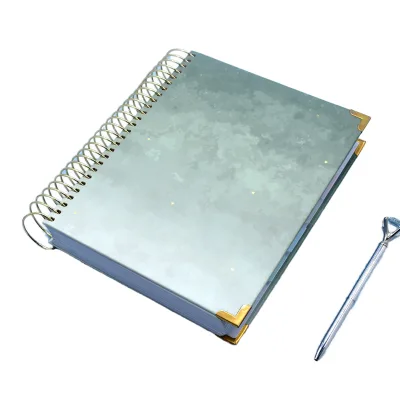
Hardcover Paper Journal Custom Printing Service Agenda A4 Spiral Notebook
$0.38 - $1.50
MOQ: 50 pieces


Shanghai Cheng Printing Company
- Combined
- China Shanghai
- Lead time15 days
- Avg. response≤ 2h
Main productsBook Printing, Board Book Printing, Hardcover Book Printing, Puzzle Box Printing, Softcover Book Printing, Catalogue Printing, Calendar Printing, Notebook Printing, Story Book Printing, Textbook Printing
Main marketsSouth America,Europe


$0.50 - $2.50
MOQ: 500 Pieces

Custom Colorful Book Printing Agenda Planner Notebook with Professional Printer Service
$0.50 - $2.50
MOQ: 500 Pieces

Spiral Notebook Printing Spiral Notebook Personalised Journals Note Book
$0.50 - $2.50
MOQ: 500 Pieces
LONGYIN INTERNATIONAL PRINTING GROUP LIMITED
- Trading Company
- Hong Kong S.A.R.
- Lead time0 days
- Avg. response≤ 2h
Main productsTarot Card Printing,Children Book Printing,Card Game Printing,Board Game Printing,Hardcover Book Printing
Main marketsNorth America(25.00%), Southeast Asia(10.00%), South America(10.00%), Northern Europe(3.00%), Domestic Market(2.00%), Mid East(2.00%), Eastern Asia(1.00%), Africa(1.00%), Central America(1.00%)

Fujian Juhui Printing Co., Ltd.
- Verified by BV
- Combined
- China Fujian
- Lead time15 days
- Avg. response≤ 5h
Main productsBooks Printing, Notebooks / Journals / Planners / Diaries / Memo, Paper Packaging, Specialty & Premium Printing, Children's Books / Coloring Books, Food Packaging, Notebook & Stationery Printing, Card & Game Printing, Paper Bags, Posters / Business Cards / Postcards / Booklets
Main marketsSoutheast Asia/ Mideast,Europe,Australia,North America

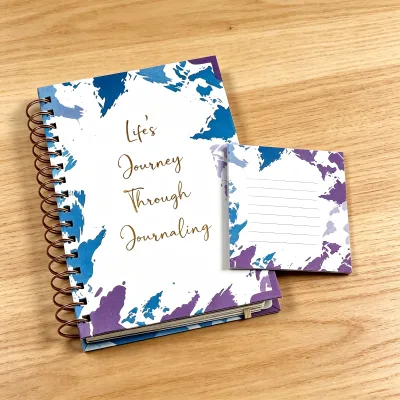
Custom Logo Hardcover Spiral Notebook Customized Notebooks Journal Custom Notebook
$0.50 - $1.68
MOQ: 500 pieces


Hardcover Customized Logo Notebook Promotion Multi Color Spiral Paper Notebook
$1.20 - $3.00
MOQ: 250 pieces

Shanghai David International Trade Co., Ltd.
- Verified by TUVRHEINLAND
- Combined
- China Shanghai
- Lead time15 days
- Avg. response≤ 10h
Main productsPromotional Gifts, Gift Sets, Tshirts, Hats, Hot Packs, Hot Cold Packs, Ice Packs, Bags, Umbrellas, Water Bottles
Main marketsSouth America,Africa,Southeast Asia/ Mideast,East Asia(Japan/ South Korea),Domestic,Europe,Australia,North America
Guangzhou Wangwen Technology Co., Ltd.
- Verified by SGS Group
- Manufacturer, Trading Company
- Guangdong, China
- Lead time8 days
- Avg. response≤ 2h
Main productsGift Items, Notebook, Promotional Pen, Umbrella , Promotional Gifts
Main marketsNorth America(60%), Western Europe(25%), Mid East(10%)
Shenzhen Cai Mei Plus Printing Co., Ltd.
- Verified by Intertek
- Manufacturer, Trading Company
- Lead time25 days
- Avg. response≤ 5h
Main productsChildren Book, Note Book, Bible, Paper Box, Calendar
Main marketsNorth America(60%), Western Europe(15%), Domestic Market(15%)
CM Printing Shenzhen Co., Ltd.
- Verified by TüVRheinland
- Trading Company
- Lead time20 days
- Avg. response≤ 4h
Main productsPrinting Service, Bible Printing Service, Book Printing Service, Audio Book Printing Service, Calendar Printing Service
Main marketsSouth America(47%), North America(30%), Western Europe(20%)
$0.6161 - $5.0321
MOQ: 500 Minimum

Jiang-house Co-operated Co., Limited
- Verified by BV
- Manufacturer/Factory
- China Guangdong
- Lead time23 days
- Avg. response≤ 10h
Main productsPersonal Planner, Journals, Agenda, Baby Book, File Folder, Ring Binder, Notebook, Wedding Book, Paper Box, Board Game
Main marketsEastern Europe,North America,Western Europe

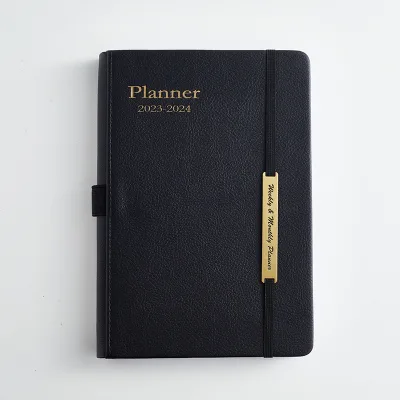
Custom Hardcover Planner with Tabs Printing Paper Notebook Journal Office Supply
$3.99 - $7.00
MOQ: 500 Pieces

Guangzhou Morning Color Printing Factory
- Manufacturer
- Guangdong, China
- Lead time0 days
- Avg. response≤ 3h
Main productssticker,Packing box,Calling card,Paper printing,Printed product
Main marketsNorth America(50.00%), Eastern Europe(20.00%), South America(20.00%), Southeast Asia(10.00%)

FUZHOU SHOO-IN IMP & EXP CO., LTD.
- Verified by SGS
- Trading Company
- China Fujian
- Lead time15 days
- Avg. response≤ 6h
Main productsSports Wear, Promotional Gift, Lanyards, Badges, Caps, Sports Training Products, Sports Balls, Tennis Accessories, Golf Accessories, Pet Products
Main marketsEast Asia(Japan/ South Korea),North America
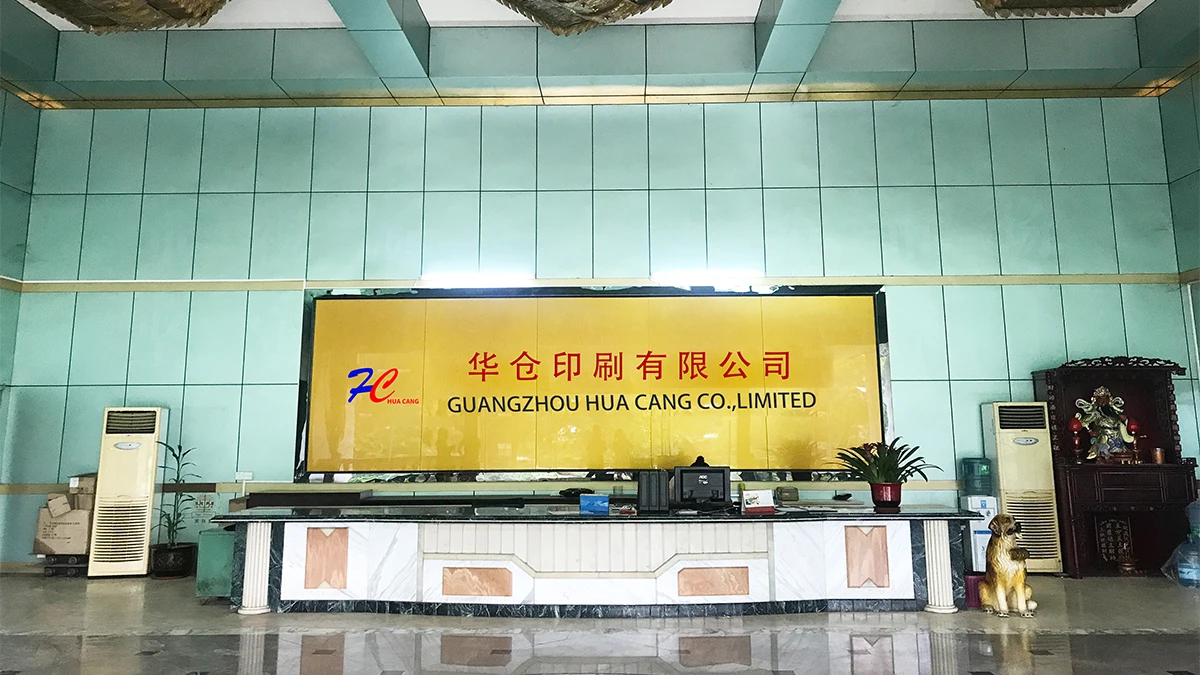
Guangzhou Huacang Paper And Plastics Co., Ltd.
- Manufacturer, Agent, Distributor/Wholesaler
- Guangdong, China
- Lead time15 days
- Avg. response≤ 6h
Main productsBook,Paper Box,Paper Bag,Spout Pouch,Stand Up Bag
Main marketsNorth America(22.00%), Southeast Asia(13.00%), Oceania(10.00%), Mid East(8.00%), Domestic Market(8.00%), South America(7.00%), Northern Europe(6.00%), Southern Europe(4.00%), Africa(4.00%), Eastern Europe(4.00%), Western Europe(4.00%), Eastern Asia(4.00%), Central America(3.00%), South Asia(3.00%)
Guangzhou Jinguan Printing Co., Ltd.
- Manufacturer, Trading Company
- Lead time旺季: "1 - 200":7,"201 - 2000":8,"2001 - 4000":9,"> 4000":"To be negotiated", 淡季: "1 - 200":7,"201 - 2000":8,"2001 - 4000":9,"> 4000":"To be negotiated"
- Avg. response≤ 2h
Main productsPlaying Card, Notebook, Gift Box, Board Game, Children's Books

Jiangxi Danger Technology Co., Ltd.
- Trading Company
- Jiangxi, China
- Lead time0 days
- Avg. response≤ 4h
Main productshandicrafts,Lanyards,Sublimation mugs,Shopping Bag,keyholders
Main marketsAfrica(50.00%), Eastern Europe(30.00%), North America(10.00%), Southeast Asia(3.00%), Southern Europe(2.00%), South Asia(2.00%), Western Europe(2.00%), South America(1.00%)
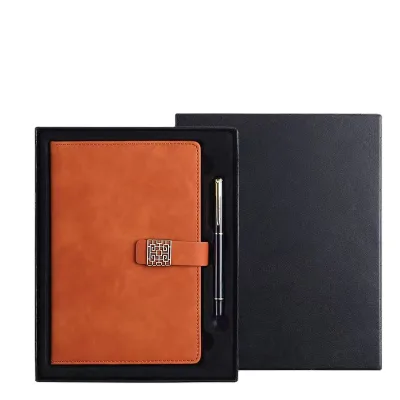
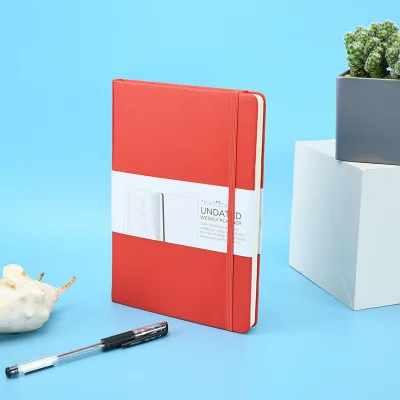
Custom logo Hardcover Notebook A5 Pu Leather Hardcover Gift Unique Notebook Journal Plan Book
$1.3251 - $1.5305
MOQ: 100 Minimum
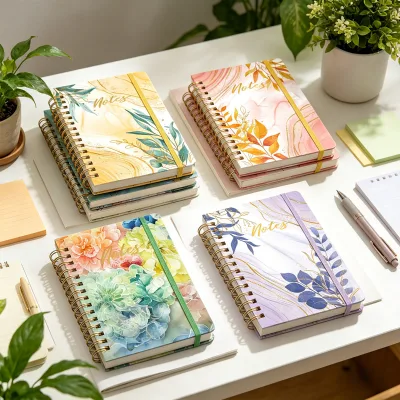
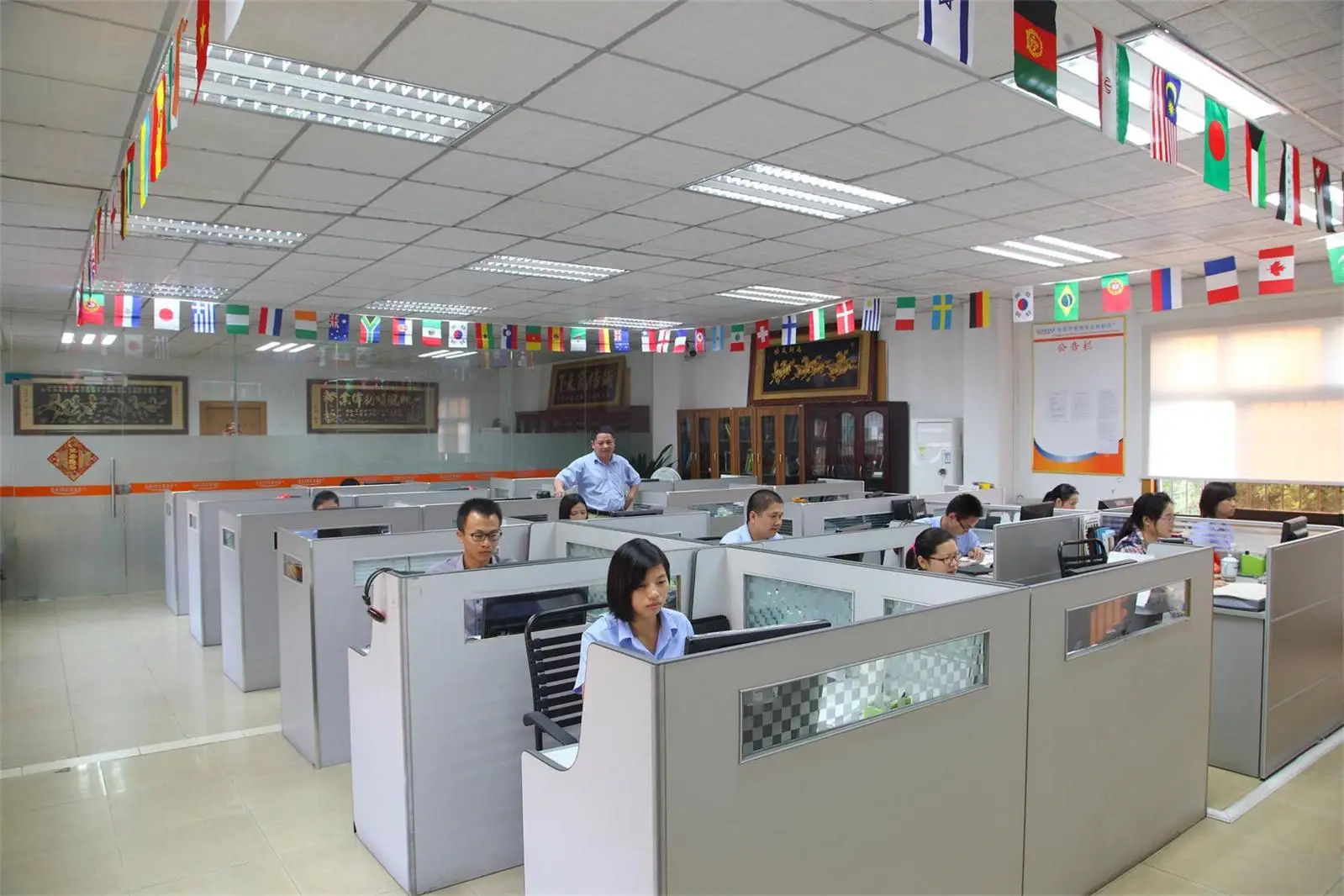
Dongguan Qishi Saidebao Leather Goods Produce Factory
- Manufacturer, Trading Company
- Guangdong, China
- Lead time15 days
- Avg. response≤ 5h
Main productsnotebook,portfolio,passport holder,card holder,certificate holder
Main marketsSouthern Europe(12.00%), Central America(10.00%), North America(10.00%), Western Europe(8.00%), Northern Europe(8.00%), Eastern Europe(7.00%), South Asia(7.00%), South America(7.00%), Mid East(6.00%), Africa(6.00%), Eastern Asia(5.00%), Domestic Market(5.00%), Southeast Asia(5.00%), Oceania(4.00%)
HonorHope (Zhengzhou) Technology Industrial Co., Ltd.
- Manufacturer, Trading Company
- Henan, China
- Lead time15 days
- Avg. response≤ 14h
Main productsPaper Bag,Gift Box,Calendar,Nowoven bag,Notebook
Main marketsMid East(30.00%), North America(20.00%), Western Europe(15.00%), South America(10.00%), Eastern Europe(5.00%), Eastern Asia(5.00%), Southeast Asia(5.00%), Oceania(5.00%), Africa(5.00%)
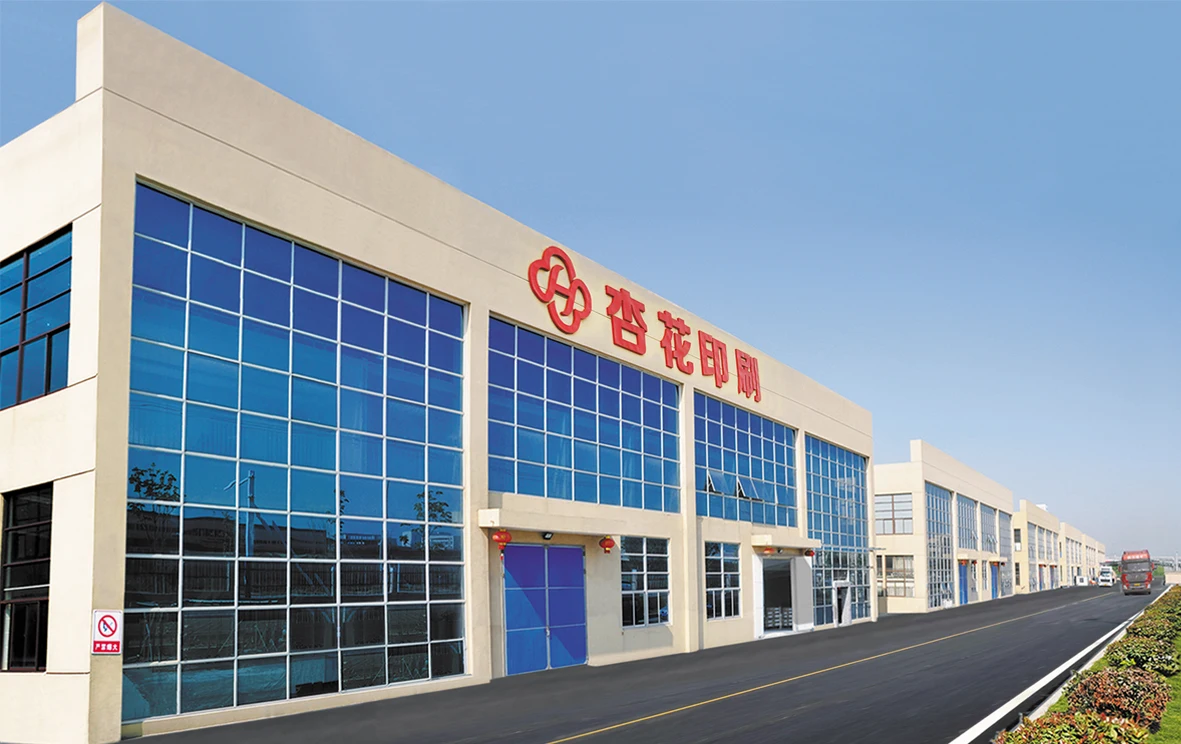
Hefei Xinghua Printing Co., Ltd.
- Manufacturer, Trading Company
- Anhui, China
- Lead time0 days
- Avg. response≤ 6h
Main productsBook Printing, Boutique Packaging Box
Main marketsNorth America(60.00%), Africa(40.00%)
Guangzhou Bonroy Cultural Creativity Co., Ltd.
- Verified by SGS Group
- Trading Company
- Lead time8 days
- Avg. response≤ 3h
Main productsCard game, Paper box, Book printing, Notebook, Paper bag
Main marketsNorth America(41%), Oceania(25%), South America(10%)
Guangzhou Shanghua Color Printing Co., Ltd.
- Manufacturer, Trading Company
- Guangdong, China
- Lead time7 days
- Avg. response≤ 6h
Main productsPaper Printing Products,Paper Package Box,Notebooks,Calendar,Children Books
Main marketsDomestic Market(80.00%), North America(15.00%), Southeast Asia(5.00%)
Guangzhou Hangtong Printing Products Co., Ltd.
- Verified by SGS Group
- Manufacturer, Trading Company
- Lead time5 days
- Avg. response≤ 4h
Main productsNotebook Printing, Book Printing, Children Book Printing, Magazine Printing, Catalogue Printing
Main marketsNorth America(25%), Oceania(15%), South America(10%)

Guangzhou Zhongtian Paper Product Co., Ltd.
- Verified by TUVRHEINLAND
- Trading Company,Manufacturer/Factory,Group Corporation
- China Guangdong
- Lead time38 days
- Avg. response≤ 4h
Main productsBible, Book, Children Book, Paper Box, Jigsaw Puzzle, Notebook Printing, Board Game, Calendar, Paper Bags, Seed Paper Cards
Main marketsSouth America,Eastern Europe,Mid East,North America,Southeast Asia,Oceania,Western Europe,Africa
Guangzhou Galant Package Printing Co., Ltd.
- Verified by SGS Group
- Trading Company
- Lead time7 days
- Avg. response≤ 2h
Main productsBook Planner/Playing Card/Paper Box/Paper Bag, Notebook
Main marketsNorth America(30%), Western Europe(20%), Oceania(11%)






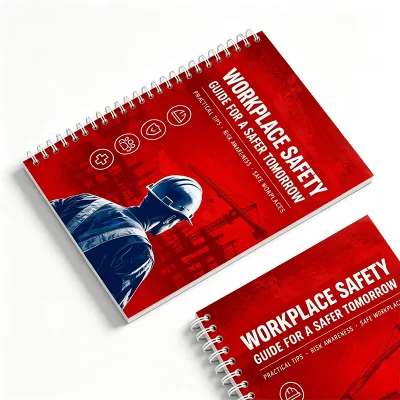
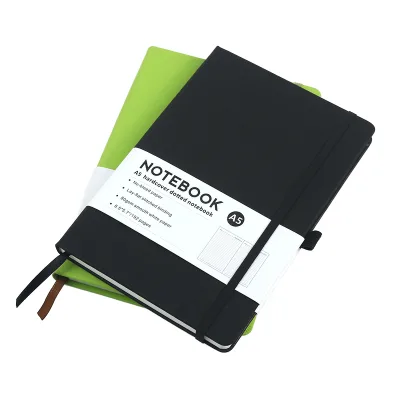
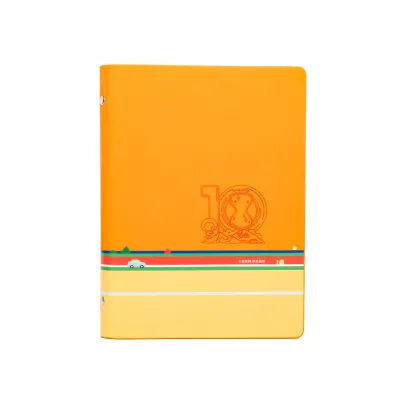
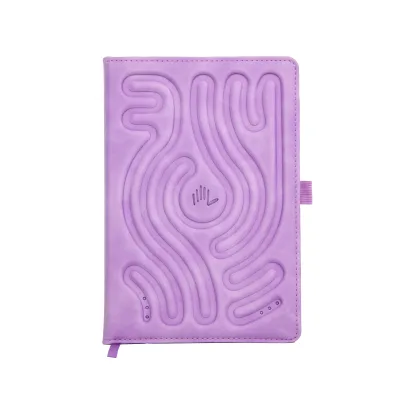









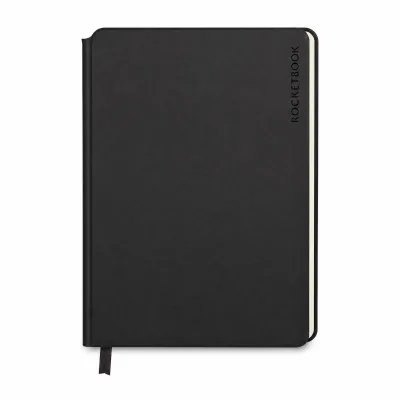
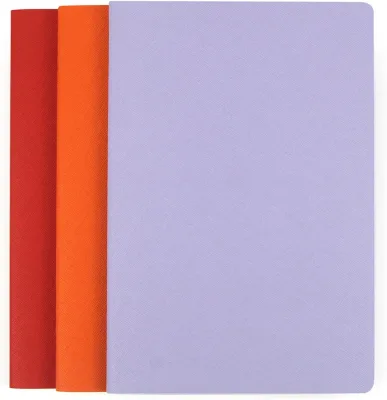
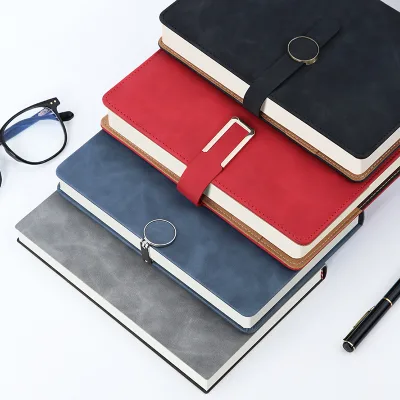
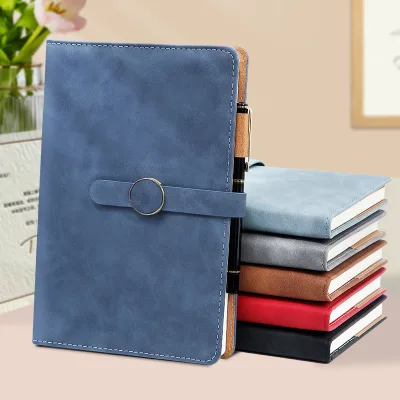
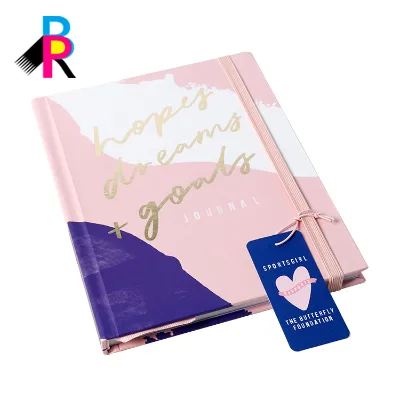
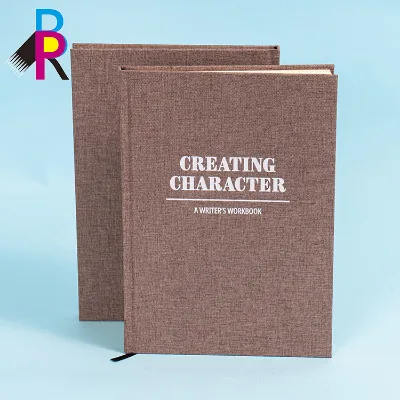
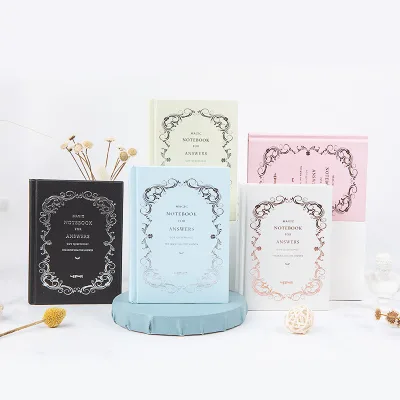
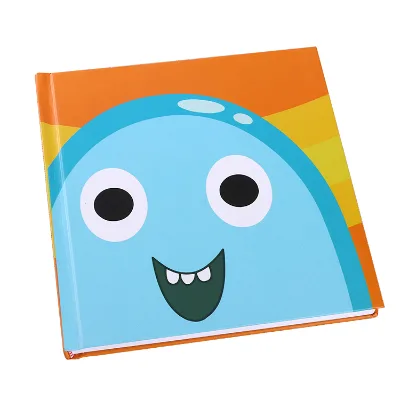


Comprehensive Sourcing Guide
Custom Printing Paper Notebook Supplier Concentration and Factory Types
The landscape for sourcing custom printing paper notebooks is defined by a mix of specialized manufacturing entities and broader trading companies that facilitate access to production capacity. Current data indicates that suppliers in this sector often operate as trading companies, which serve as intermediaries connecting buyers with factory resources. These trading entities streamline the procurement process by handling communication, quality control coordination, and logistics, allowing buyers to focus on product specifications rather than factory management. However, the supply base also includes combined entities that function as both manufacturers and traders, offering direct control over production lines while maintaining the flexibility of a trading operation. This dual nature can provide buyers with more transparent pricing and faster iteration on design changes, as the entity responsible for sales is also responsible for manufacturing. Understanding this distinction is crucial for buyers who need to determine whether they are dealing with a pure middleman or a factory with a sales division, as this impacts negotiation leverage and direct communication channels.
Geographic concentration plays a significant role in the availability and cost structure of these suppliers. Evidence points to Guangdong, China, as a key hub for notebook and stationery manufacturing, leveraging established supply chains for paper, binding materials, and printing services. Buyers should prioritize suppliers located in this region to benefit from cluster efficiencies, such as reduced material lead times and specialized labor pools experienced in high-volume stationery production. While other regions may offer production capabilities, the density of suppliers in Guangdong suggests a mature ecosystem with competitive pricing and diverse capabilities ranging from basic spiral binding to complex custom journal designs. When evaluating potential partners, buyers should verify the specific location of the manufacturing facility, as trading companies may list a headquarters in one city while sourcing from factories in nearby industrial zones. This verification ensures that the claimed lead times and quality standards are backed by actual production infrastructure rather than just sales offices.
How to Verify Custom Printing Paper Notebook Suppliers
Verification is the critical first step in mitigating risk when engaging with custom printing suppliers, as the market contains a wide range of operational capabilities. Buyers should prioritize suppliers who have undergone third-party verification processes, such as those conducted by SGS Group or Bureau Veritas (BV). These verifications provide an independent assessment of the supplier’s business legitimacy, production capacity, and quality management systems. For instance, some suppliers display SGS Group verification, indicating that their operational practices have been audited against international standards. Similarly, BV verification offers another layer of confidence regarding the supplier’s ability to deliver on contractual obligations. Beyond basic business verification, buyers must scrutinize the specific certifications held by the supplier, as these reflect adherence to environmental and quality standards. Certifications such as FSC (Forest Stewardship Council) are particularly relevant for paper-based products, ensuring that the raw materials are sourced from responsibly managed forests. ISO certifications, including ISO 9001 for quality management and ISO 14001 for environmental management, further demonstrate a supplier’s commitment to consistent quality and sustainable practices.
In addition to certifications, buyers should assess the supplier’s response time and communication efficiency, as these metrics often correlate with overall operational professionalism. A rapid response time, such as under five hours, suggests a dedicated customer service team that can quickly address inquiries, provide samples, and resolve issues during the production process. This responsiveness is vital for custom orders where design approvals and material selections require frequent back-and-forth communication. Buyers should also examine the supplier’s declared capabilities, such as OEM (Original Equipment Manufacturer) and ODM (Original Design Manufacturer) services, to ensure they can meet specific customization needs. Suppliers that explicitly state capabilities in sample processing, graphic processing, and customized on-demand production are better equipped to handle unique design requirements. It is also advisable to request references or case studies from previous clients, particularly those with similar order volumes and customization levels, to validate the supplier’s claims. By combining third-party verification data with direct assessment of communication and technical capabilities, buyers can build a robust profile of each potential partner before committing to a contract.
What to Compare Across Custom Printing Paper Notebook Suppliers
When evaluating multiple suppliers, buyers must systematically compare key operational metrics to identify the best fit for their specific needs. One of the most critical factors is the minimum order quantity (MOQ), which varies significantly across the supplier base. Some suppliers may require an MOQ of 300 units, while others might set the threshold at 500 units or higher. This variation directly impacts the buyer’s inventory management and cash flow, especially for new product launches or small-batch custom runs. Buyers should align their order volume with the supplier’s MOQ to avoid excessive inventory costs or production delays. Another essential comparison point is the lead time, which dictates how quickly the finished notebooks can be delivered after order confirmation. Lead times can range from as short as seven days to as long as fifteen days, depending on the complexity of the customization, material availability, and current production load. Understanding these timelines allows buyers to plan their marketing campaigns and distribution schedules more effectively, ensuring that products arrive in time for seasonal demand or promotional events.
Price is another vital dimension for comparison, but it must be analyzed in conjunction with product specifications and service levels. Price ranges for custom printing paper notebooks can vary widely, with some suppliers offering prices starting around $0.51 per unit for basic designs, while others charge upwards of $2.98 for more complex features like hardcovers, special bindings, or premium paper stocks. Buyers should request detailed quotations that break down costs for materials, printing, binding, and packaging to understand the value proposition of each supplier. Additionally, comparing the range of main products offered by each supplier can reveal their specialization and versatility. Some suppliers focus primarily on notebooks and journals, while others offer a broader range of stationery items, such as paper boxes, gift bags, and stickers. This breadth of product offerings can be advantageous for buyers seeking a one-stop-shop for their entire stationery line. By systematically comparing MOQ, lead time, price, and product range, buyers can make informed decisions that balance cost, speed, and quality.
Common Custom Printing Paper Notebook Sourcing Risks
Sourcing custom printing notebooks involves several inherent risks that buyers must proactively manage to ensure a successful procurement outcome. One significant risk is the variability in product quality, particularly when dealing with custom designs and materials. Since each order is tailored to specific requirements, there is a higher potential for discrepancies between the approved sample and the final bulk production. Buyers must establish clear quality control protocols, including detailed specifications for paper weight, binding strength, print color accuracy, and finish quality. Without rigorous quality checks, buyers may receive products that do not meet their brand standards, leading to customer dissatisfaction and financial losses. Another risk is the potential for delays in production or shipping, which can disrupt supply chains and miss critical market windows. Factors such as material shortages, production bottlenecks, or logistical issues can extend lead times beyond the initially quoted period. Buyers should maintain open communication with suppliers and request regular production updates to monitor progress and address any potential delays early.
Intellectual property (IP) protection is another critical concern, especially when working with suppliers on unique designs or branded products. Buyers must ensure that their designs are protected through appropriate legal agreements, such as non-disclosure agreements (NDAs) and non-compete clauses, to prevent unauthorized replication or distribution. Additionally, buyers should verify that the supplier has the necessary capabilities to handle sensitive design files securely. There is also the risk of miscommunication regarding customization details, such as binding type, cover material, or inner page layout. Suppliers may interpret specifications differently, leading to products that do not match the buyer’s expectations. To mitigate this risk, buyers should provide comprehensive design files, detailed technical drawings, and physical samples whenever possible. Regular communication and milestone checks during the production process can help identify and correct any deviations from the agreed-upon specifications. By anticipating these risks and implementing robust mitigation strategies, buyers can safeguard their investments and ensure a smooth sourcing experience.
Custom Printing Paper Notebook Regional Sourcing and Logistics
Regional sourcing decisions significantly impact the cost, speed, and reliability of custom printing notebook procurement. As noted, Guangdong, China, is a prominent manufacturing hub for this category, offering access to a dense network of suppliers, raw material providers, and logistics infrastructure. Sourcing from this region can leverage economies of scale and specialized expertise, often resulting in competitive pricing and faster production cycles. However, buyers must also consider the logistical implications of shipping from this location. Freight costs, transit times, and customs procedures can vary depending on the destination country and the chosen shipping method. For large orders, sea freight is often the most cost-effective option, although it requires longer lead times. Air freight or courier services may be necessary for urgent orders or smaller batches, but these options come at a higher cost. Buyers should work with their suppliers to determine the most efficient shipping strategy, balancing cost and speed to meet their business needs.
In addition to shipping costs, buyers should be aware of regional trade regulations and compliance requirements. Different countries have specific standards for paper products, including restrictions on certain chemicals, labeling requirements, and environmental regulations. Suppliers in Guangdong are often familiar with international standards such as FSC and ISO certifications, which can facilitate smoother customs clearance and market entry. However, buyers must verify that the products meet the specific regulatory requirements of their target market. This may involve additional testing or documentation, which can add to the overall cost and lead time. Furthermore, buyers should consider the reliability of the supplier’s logistics partners. Suppliers with established relationships with freight forwarders and shipping lines can often secure better rates and more reliable service. By carefully evaluating regional sourcing options and logistical considerations, buyers can optimize their supply chain for efficiency, cost-effectiveness, and compliance.
Custom Printing Paper Notebook Commercial Terms and Order Planning
Effective order planning and clear commercial terms are essential for managing the procurement of custom printing notebooks successfully. Buyers should negotiate payment terms that align with their cash flow and risk tolerance, such as using escrow services or partial payments upfront with the balance upon shipment. Escrow services provide a secure transaction mechanism, ensuring that funds are only released when the buyer confirms receipt and quality of the goods. This is particularly important for custom orders, where the products may have limited resale value if they do not meet specifications. Buyers should also clarify the terms for sample production, including costs and lead times, as samples are crucial for validating design and quality before committing to bulk production. Understanding the supplier’s policy on sample fees and whether they are refundable upon placing a bulk order can help manage initial costs. Additionally, buyers should establish clear guidelines for packaging and labeling to ensure that the products are ready for retail or distribution upon arrival.
Long-term order planning involves forecasting demand and coordinating with suppliers to secure production capacity. Buyers should provide accurate sales forecasts and order volumes to help suppliers plan their production schedules and material procurement. This collaboration can help avoid stockouts or overproduction, ensuring that the supply chain remains efficient and responsive to market changes. Buyers should also discuss the supplier’s capacity for handling rush orders or volume fluctuations, as this flexibility can be valuable during peak seasons or unexpected demand spikes. Furthermore, buyers should review the supplier’s warranty and return policies for defective products, ensuring that there is a clear process for addressing quality issues. By establishing robust commercial terms and engaging in proactive order planning, buyers can build a resilient and efficient supply chain for their custom printing notebook products. This approach minimizes risks, optimizes costs, and supports long-term business growth.
FAQs
What is the minimum order quantity for custom notebooks?
The minimum order quantity is typically 300 units for standard custom journal models. Some suppliers require a higher threshold of 500 units for specific designs. Buyers should confirm the exact MOQ with the supplier before placing an order to ensure production readiness.
How long does production take for custom notebooks?
Production lead times generally range from 7 to 15 days depending on the supplier and order complexity. Some manufacturers offer faster turnaround times for simpler designs. Buyers should verify the specific lead time with the supplier to align with their delivery schedule.
What certifications are available for custom paper notebooks?
Common certifications include FSC, ISO 9001, ISO 14001, and SGS. These ensure environmental and quality standards are met. Buyers should request valid certificates from the supplier to verify compliance with their specific regulatory or corporate social responsibility requirements.
What is the price range for custom notebooks?
Prices typically range from $0.51 to $2.98 per unit based on customization and quantity. Specific models may have narrower ranges, such as $1.15 to $1.89. Buyers should request a detailed quote to understand the final cost including printing and binding options.
Where are these custom notebooks manufactured?
Most custom notebooks are manufactured in Guangdong, China. This region is known for its strong paper and printing industry infrastructure. Buyers should verify the exact factory location to assess shipping logistics and potential tariffs for their specific destination market.
What customization options are available for notebooks?
Options include custom covers, inner page layouts, binding styles, and logo printing. Suppliers offer services like spiral, loose leaf, or hardcover binding. Buyers should provide detailed design drawings or specifications to ensure the final product meets their exact branding and functional needs.