Plastic Car Radio Fascia Panel Suppliers and Manufacturers
Compare 11 verified suppliers of Plastic Car Radio Fascia Panel based on location, lead time, certifications, and pricing. Review product specifications and response times to select a partner, then request quotes for your specific vehicle model; review the available evidence before requesting comparable quotations from suitable candidates.
Updated
Suppliers List
Shenzhen Bicheng Trading Co., Ltd.
- Verified by SGS
- Trading Company
- China Guangdong
- Lead time15 days
- Avg. response≤ 4h
Main productscar ambient light, carplay ai box, car dvd frame, car dvd player
Main marketsSoutheast Asia/ Mideast,East Asia(Japan/ South Korea),Europe,Australia

$2.50 - $10.00
MOQ: 10 Pieces

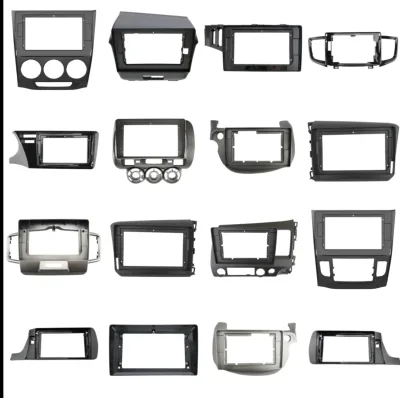
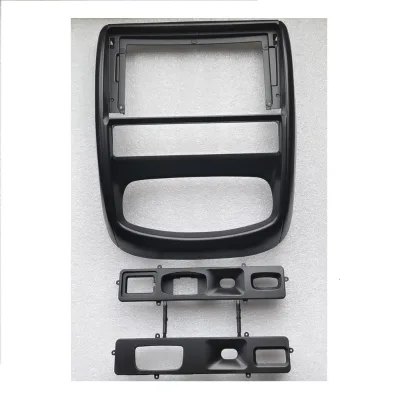
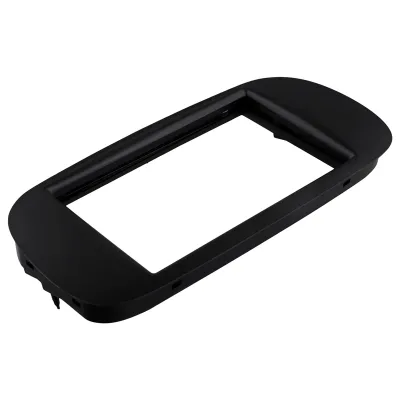
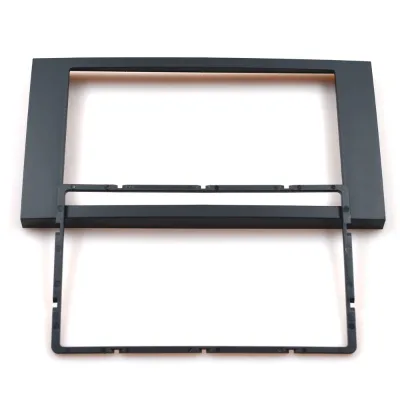
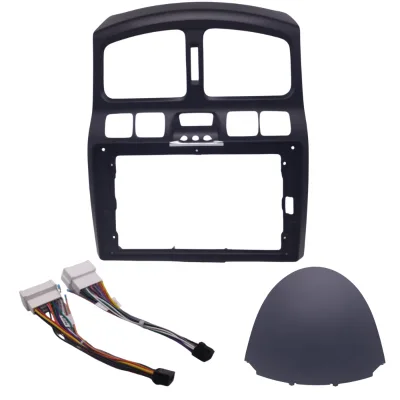
Auto Radio Fascia Frame Navigation Screen Installation Dashboard Panel for Left Hand Drive Cars
$2.50 - $10.00
MOQ: 10 Pieces
Guangzhou Lemonton Trading Co., Ltd.
- Verified by TüVRheinland
- Trading Company
- Lead time3 days
- Avg. response≤ 1h
Main productsAutomobile Central Control Frame, Vehicle Multimedia Control Cable, CANBUS BOX Decoder, Car Dvd Player, Reversing Camera
Main marketsSoutheast Asia(17%), Mid East(15%), Eastern Asia(15%)
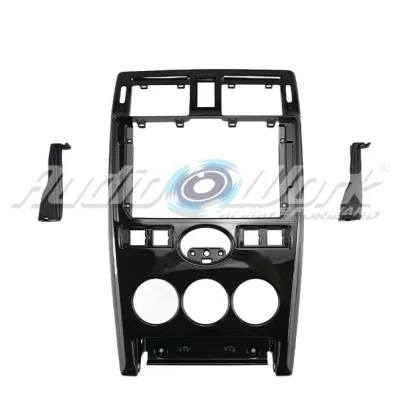
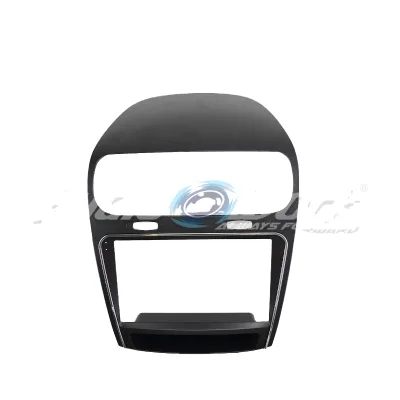
$6.1478 - $8.1971
MOQ: 50 sets
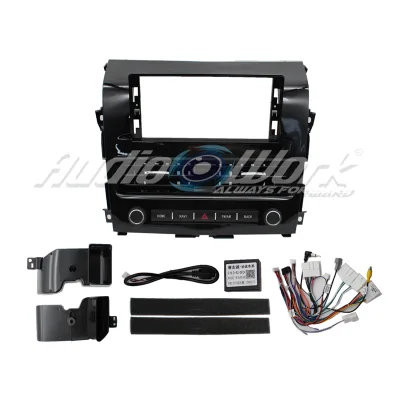
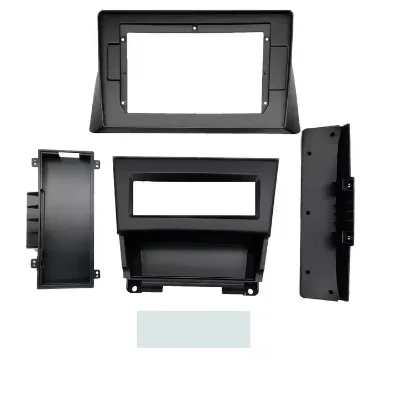
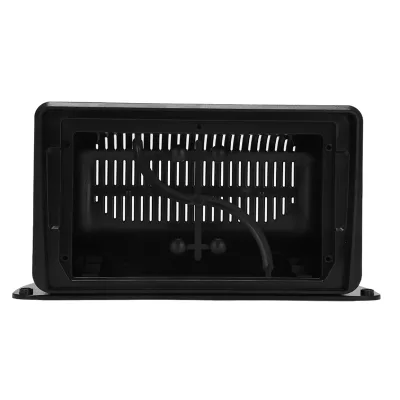
Jiaxing Kunfine Auto Parts Co., Ltd.
- Verified by Intertek
- Trading Company
- Lead time10 days
- Avg. response≤ 6h
Main productsAuto Electronics
Main marketsNorth America(30%), South America(30%), Western Europe(20%)
Shenzhen Meihua Electronic Technology Co., Ltd.
- Verified by Intertek
- Manufacturer, Trading Company
- Lead time3 days
- Avg. response≤ 3h
Main productsFrame, Cable Harness, Canbus, Car Radio
Main marketsDomestic Market(20%), Southeast Asia(15%), South Asia(13%)

Huizhou Chengye Trade Co., Ltd
- Verified by SGS
- Trading Company
- China Guangdong
- Lead time23 days
- Avg. response≤ 5h
Main productsAuto Parts, Car Frame, Car DVD Player, Car DVD Player Frame, Automotive Ambient Lighting, Car Parts, Car Radio Frame, Car Android Frame, Universal Radio Frame, Car MP3 Player
Main marketsAfrica

Fast Delivery Car Radio Frame 9.7 Inch Android Car Fascia Frame Radio Panel Screen Car Frame
$46.00 - $56.00
MOQ: 10 Pieces

$39.00 - $49.00
MOQ: 10 Pieces

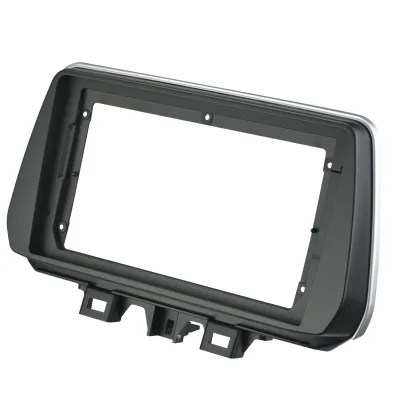
Car Video Frame Dashboard Hot Sale Radio Car Panel Fascia Car Frame Fit for Hyundai Series
$2.14 - $3.30
MOQ: 10 Pieces


$2.30 - $4.50
MOQ: 10 Pieces

Shenzhen Ananda Technology Co., Ltd.
- Trading Company
- Guangdong, China
- Lead time6 days
- Avg. response≤ 1h
Main productsCar Player, Carplay Box, Car Stereo, Car Digital Panel, Car Ambient Light
Main marketsNorth America(20.00%), Western Europe(20.00%), Eastern Asia(10.00%), Oceania(10.00%), Northern Europe(10.00%), Eastern Europe(10.00%), Southeast Asia(10.00%), South Asia(5.00%), Africa(5.00%), South America(0.00%), Southern Europe(0.00%), Central America(0.00%), Domestic Market(0.00%), Mid East(0.00%)
Guangzhou Asvegen Electronic Technology Co., Ltd.
- Manufacturer, Trading Company
- Lead time旺季: "1 - 100":7,"101 - 1000":15,"> 1000":"To be negotiated", 淡季: "1 - 100":7,"101 - 1000":15,"> 1000":"To be negotiated"
- Avg. response≤ 2h
Main productsCar DVD Player, Navigation & GPS
Esunway (Shenzhen) Electronics Technology Co., Ltd.
- Manufacturer
- Guangdong, China
- Lead time3 days
- Avg. response≤ 5h
Main productsCar radio player,Android car radio player,OBD CABLE AND CONNECTOR,Car MP5 Player,Car CD/DVD Player
Main marketsSouth America(30.00%), North America(30.00%), Western Europe(10.00%), Eastern Asia(10.00%), Southeast Asia(10.00%), Eastern Europe(10.00%)
Feeldo Car Accessories Co., Ltd.
- Trading Company
- Guangdong, China
- Lead time3 days
- Avg. response≤ 7h
Main productsCar AV Wire Harness,Car Dash Facial,Car Camera,Car LED Lights,Car Light Accessories
Main marketsNorth America(30.00%), Southern Europe(20.00%), Northern Europe(20.00%), Western Europe(15.00%), Eastern Europe(7.00%), South America(5.00%), Mid East(1.00%), Southeast Asia(1.00%), Central America(1.00%)
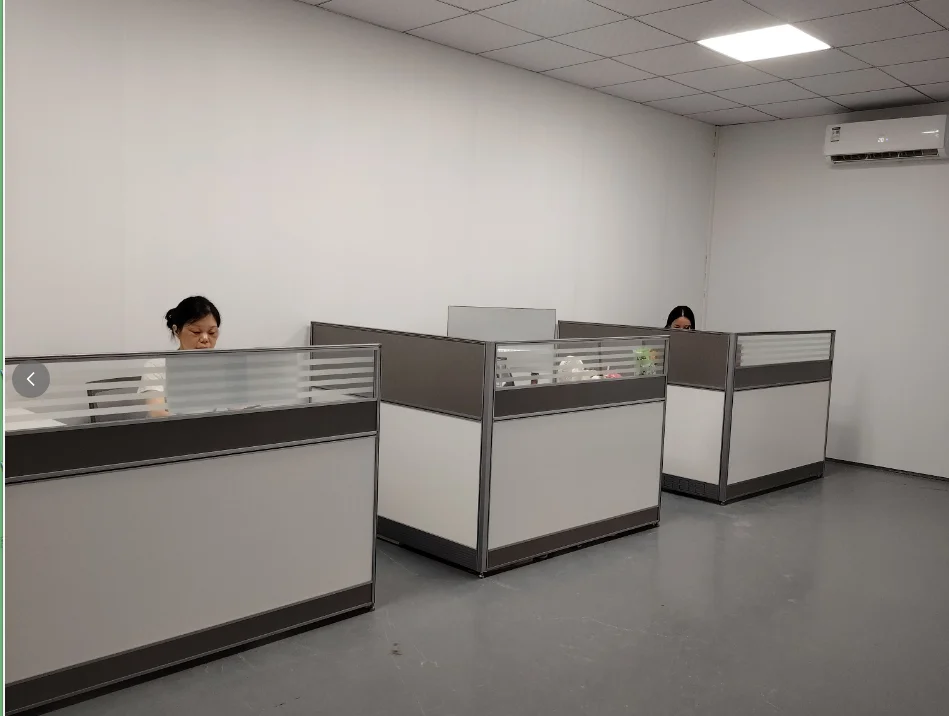
Huizhou Cheleshi Trading Co., Ltd.
- Trading Company
- Guangdong, China
- Lead time15 days
- Avg. response≤ 3h
Main productsCar Radio frame
Main marketsMid East(45.00%), North America(18.00%), Southeast Asia(9.00%), Eastern Europe(7.00%), Western Europe(4.00%), Southern Europe(4.00%), South America(3.00%), Eastern Asia(3.00%), Africa(2.00%), Northern Europe(2.00%), Central America(2.00%), Oceania(1.00%)
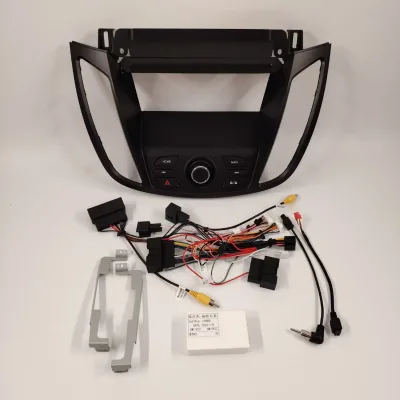
$49.5643 - $63.7249
MOQ: 10 pieces
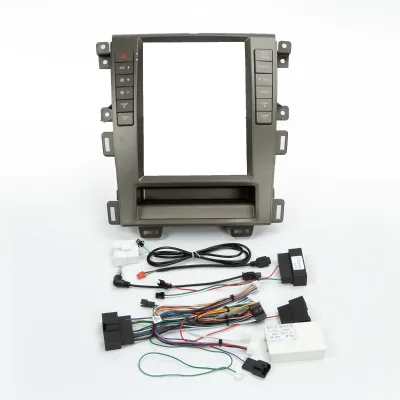
$48.34 - $62.15
MOQ: 10 pieces
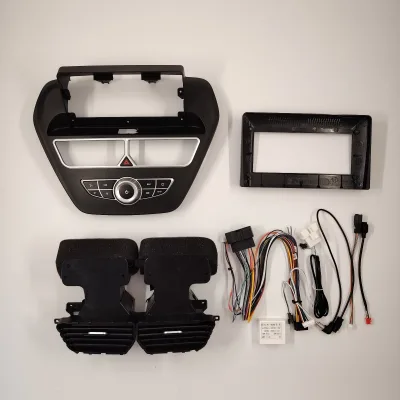
$35.2929 - $49.4115
MOQ: 10 pieces
$50.6399 - $65.1061
MOQ: 10 pieces
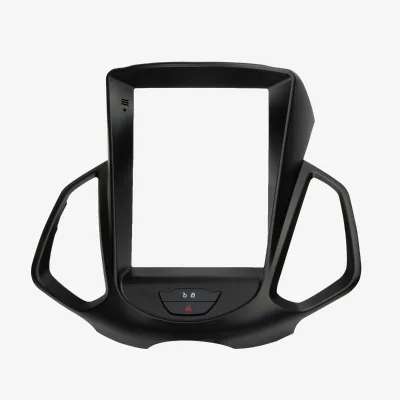
$19.6657 - $25.2847
MOQ: 10 pieces
Guangzhou Maxiou Auto Parts Co., Ltd.
- Trading Company
- Guangdong, China
- Lead time20 days
- Avg. response≤ 5h
Main productsCar Radio Installation Bezel,Car Speaker Adapter,Car Buttons Cap,Car Radio Wiring Harness
Main marketsSouth America(70.00%), Eastern Europe(10.00%), Northern Europe(5.00%), North America(5.00%), Western Europe(5.00%), Oceania(5.00%)
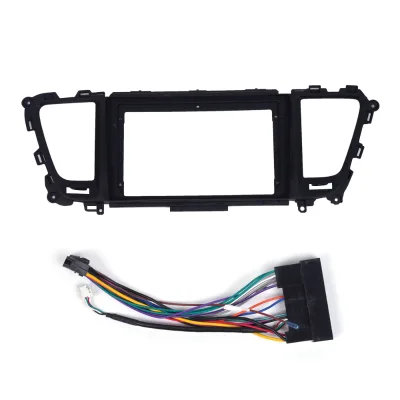
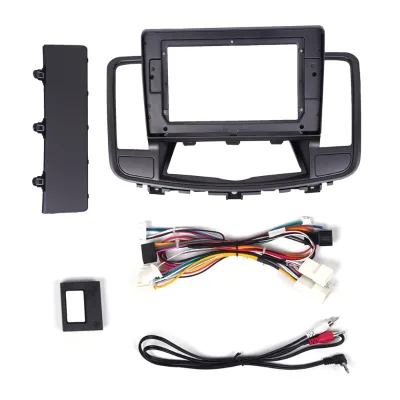
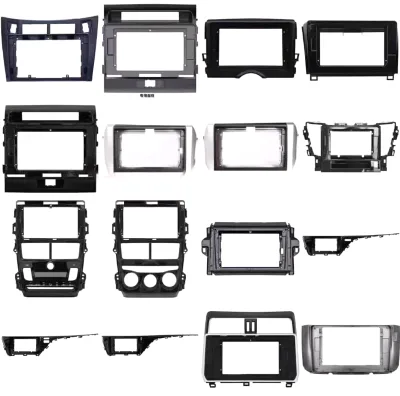
Comprehensive Sourcing Guide
Plastic Car Radio Fascia Panel Supplier Concentration and Factory Types
The current supplier landscape for plastic car radio fascia panels is heavily concentrated in the Guangdong region of China, a well-established hub for automotive interior accessories and electronics manufacturing. This geographic clustering allows for efficient supply chain logistics, as raw materials like ABS plastic and specialized wiring harnesses are readily available within the same province. Buyers evaluating potential partners should note that the majority of entities operating in this space are classified as trading companies rather than direct manufacturers. This distinction is critical because trading companies often aggregate products from multiple smaller factories, which can streamline the ordering process for diverse vehicle-specific models but may introduce layers of communication that affect lead times and quality control consistency. Understanding this structural reality helps buyers set appropriate expectations regarding direct factory access versus intermediary management.
Within this concentrated region, suppliers offer a wide array of main products that extend beyond simple fascia panels, including carplay AI boxes, car DVD players, and reversing cameras. This product diversification suggests that many suppliers have evolved into comprehensive solution providers for vehicle multimedia installations rather than niche component manufacturers. For buyers seeking bulk orders of specific fascia panels, this breadth of inventory can be advantageous, as it may allow for consolidated shipping and simplified vendor management. However, it also means that the core competency of a supplier might lie in trading and logistics rather than in the precise molding and engineering of the plastic frames themselves. Buyers must therefore assess whether the supplier’s primary focus aligns with their specific need for high-precision, vehicle-specific fitment or if they are comfortable with a broader, more generalized inventory approach.
How to Verify Plastic Car Radio Fascia Panel Suppliers
Verification of suppliers in this category requires a multi-layered approach that goes beyond basic company registration checks, focusing heavily on third-party certifications and platform-verified badges. Several suppliers in the current results display verification from recognized bodies such as SGS and TüV Rheinland, which serve as strong indicators of operational reliability and adherence to international quality standards. Buyers should prioritize suppliers who have undergone these rigorous external audits, as they provide an objective measure of the company’s financial stability and production capabilities. Additionally, the presence of system certifications like RoHS, EMC, and CE on product listings indicates that the materials and electronic components integrated into or sold alongside the fascia panels meet specific environmental and safety regulations, which is crucial for exporting to markets with strict compliance requirements.
Beyond verification badges, buyers must scrutinize the specific product certifications listed for individual items, such as ISO, SASO, FCC, BQB, and RoHS, as well as industry-specific standards like IATF16949. These certifications are not merely decorative; they reflect the supplier’s ability to maintain consistent quality control processes that are essential for automotive parts. For instance, IATF16949 is a globally recognized quality management standard for the automotive industry, and its presence suggests a higher level of manufacturing discipline. Buyers should also verify the supplier’s response time, with some results showing rapid response capabilities of one day or less, which can be indicative of a well-staffed and organized customer service team. Cross-referencing these verification metrics with the supplier’s stated main products and company type helps build a comprehensive profile of their reliability and operational maturity.
What to Compare Across Plastic Car Radio Fascia Panel Suppliers
When comparing suppliers, lead time and minimum order quantity (MOQ) are two of the most critical operational metrics that directly impact inventory planning and cash flow. Current data indicates a significant variance in lead times, ranging from as short as three days to fifteen days, depending on the supplier’s stock levels and production capacity. Similarly, MOQs vary widely, with some suppliers requiring orders as low as ten units, while others set thresholds at fifty or even higher. Buyers should align these metrics with their own sales velocity and storage capabilities, recognizing that lower MOQs often come with higher per-unit prices, whereas larger orders may unlock volume discounts but require greater upfront capital. It is also essential to compare the customization options available, as some suppliers offer ODM and OEM services for dashboard fascia panels, allowing for brand-specific branding or unique design modifications.
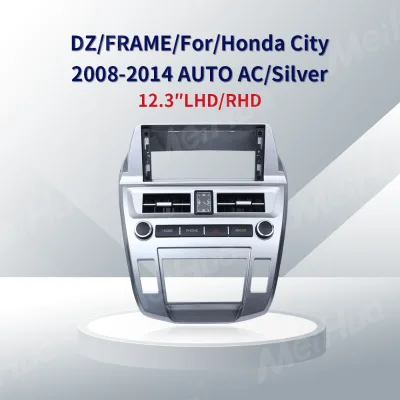
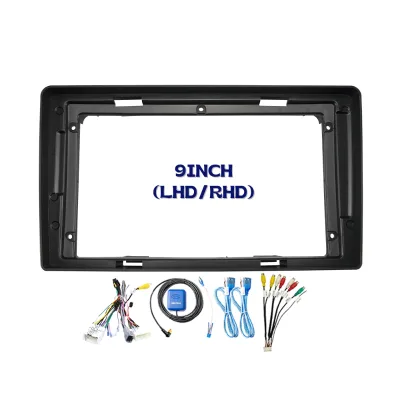
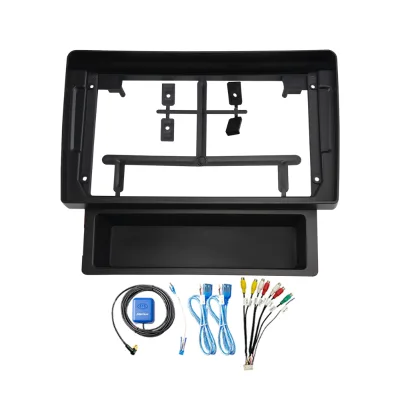
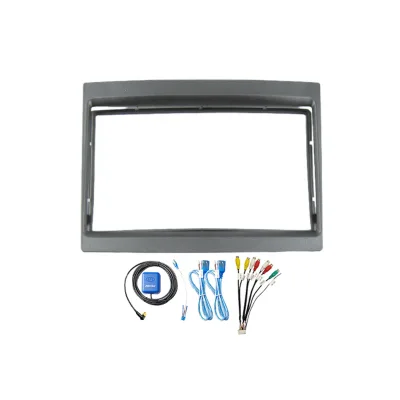
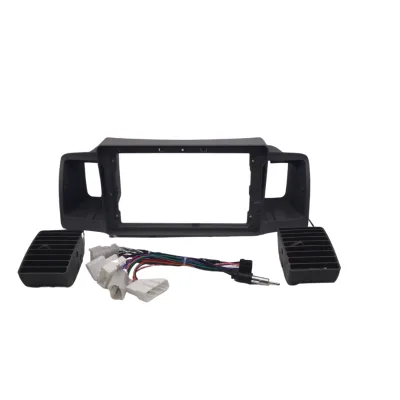
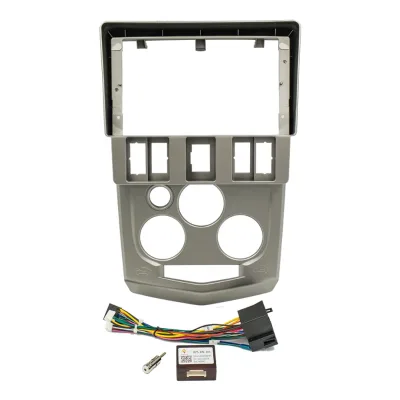
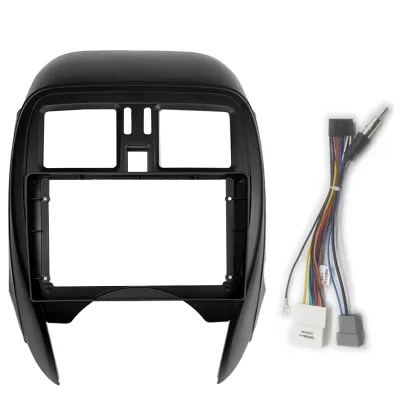
Price ranges and product specifications provide another layer for comparison, with fascia panel prices varying from approximately $2.50 to over $56.00 depending on the vehicle model, screen size, and included features. For example, universal or simpler panels may be priced at the lower end, while complex, vehicle-specific frames for models like the Dodge Journey or Nissan Altima command higher prices due to their specialized fitment and additional components like wiring harnesses and CANBUS decoders. Buyers should also evaluate the response time of the supplier, as quicker responses often correlate with better communication and problem-solving capabilities during the order fulfillment process. Additionally, comparing the packaging details and single gross weights can help buyers estimate shipping costs more accurately, ensuring that the total landed cost remains competitive.
Common Plastic Car Radio Fascia Panel Sourcing Risks
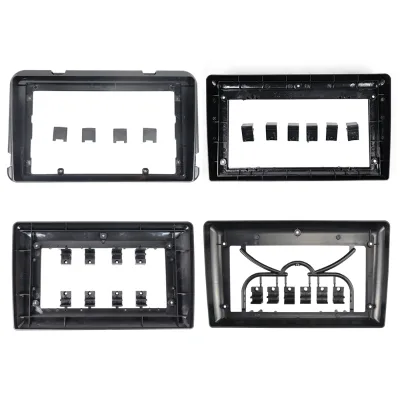
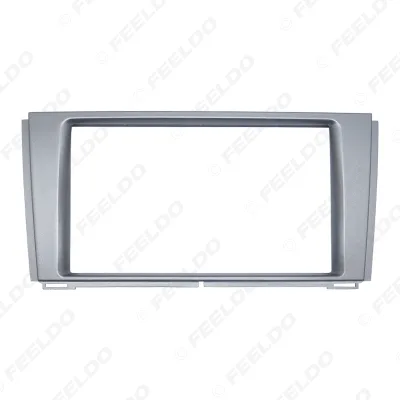
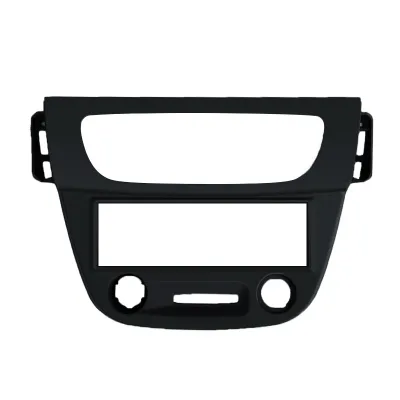
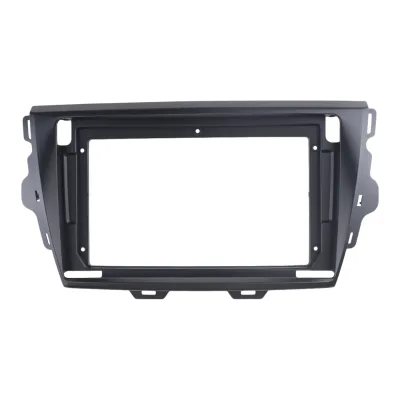
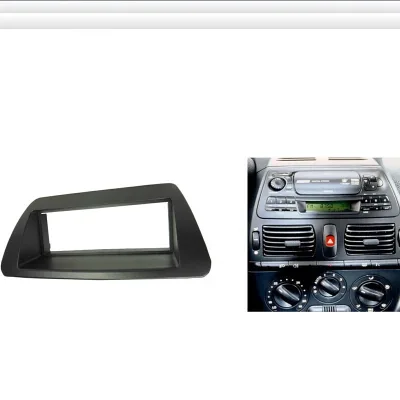
One of the primary risks in sourcing plastic car radio fascia panels is the potential for fitment inaccuracies, which can lead to significant customer dissatisfaction and return costs. Since these panels are often vehicle-specific, even minor deviations in molding dimensions can result in poor alignment with the dashboard, gaps, or difficulty in installation. Buyers must ensure that suppliers provide detailed specifications, including model numbers and applicable years, to verify compatibility with their target markets. Another risk is the variability in material quality, as some panels may be made from lower-grade plastics that are prone to cracking or fading over time. Buyers should request samples to assess the material durability and finish quality, particularly for products marketed as high-quality or premium, to mitigate the risk of receiving substandard goods.
Communication and service reliability also pose significant risks, especially when dealing with trading companies that may act as intermediaries between buyers and factories. Miscommunication regarding customization requirements, packaging details, or shipping instructions can lead to delays or incorrect shipments. Buyers should be cautious of suppliers who do not provide clear warranty terms or after-sales support, as issues with electronic components like built-in GPS or Bluetooth modules may require technical assistance. Additionally, the risk of payment fraud or non-delivery is mitigated by using secure payment methods such as Escrow, which holds funds until the buyer confirms receipt and satisfaction with the goods. Buyers should verify the supplier’s payment options and ensure that they offer protected transaction methods to safeguard their financial interests.
Plastic Car Radio Fascia Panel Regional Sourcing and Logistics
Sourcing from the Guangdong region offers logistical advantages due to its proximity to major international shipping ports and established freight forwarding networks. This geographic concentration facilitates faster and more cost-effective transportation of goods to global markets, reducing transit times and associated shipping costs. Buyers should leverage this regional advantage by consolidating orders from multiple suppliers within the same area to optimize shipping efficiency. However, it is important to consider the impact of seasonal fluctuations and peak shipping periods on logistics performance, as these factors can extend lead times and increase freight rates. Buyers should plan their orders accordingly, allowing for buffer time to account for potential delays in customs clearance or port congestion.
The packaging details provided by suppliers, such as brown standard export cartons and specific single package sizes, play a crucial role in determining shipping volume and costs. For instance, some fascia panels are packaged in larger boxes with significant gross weights, which can affect the overall shipping cost per unit. Buyers should analyze these packaging metrics to calculate the most efficient shipping method, whether by sea, air, or express courier, based on the urgency and volume of their orders. Additionally, understanding the place of origin and the supplier’s export experience can help buyers anticipate any regulatory or documentation requirements for their destination markets. By carefully managing logistics and packaging considerations, buyers can minimize total landed costs and ensure timely delivery of their products.
Plastic Car Radio Fascia Panel Commercial Terms and Order Planning
Commercial terms such as payment methods and warranty policies are essential components of order planning that buyers must carefully evaluate before committing to a purchase. Suppliers in this category often accept a variety of payment options, including PayPal, Western Union, T/T, Credit Card, and Escrow, each with its own implications for security and convenience. Buyers should prioritize suppliers who offer Escrow services, as this provides an additional layer of protection by holding funds until the buyer confirms the order’s satisfactory completion. Additionally, understanding the warranty terms, such as the six-month warranty offered on some products, is crucial for managing post-sale customer service and potential returns. Buyers should clarify the warranty process and any associated costs before finalizing their orders.
Order planning should also take into account the supplier’s capacity for customization and sample processing, as these capabilities can be vital for testing new product lines or meeting specific market demands. Suppliers that offer customized on-demand services and graphic processing can provide greater flexibility for buyers looking to differentiate their offerings. However, customization often involves longer lead times and higher MOQs, which buyers must factor into their inventory planning. By aligning their order quantities with the supplier’s production capabilities and lead times, buyers can maintain a steady supply of fascia panels while minimizing the risk of stockouts or excess inventory. Careful attention to these commercial terms and planning factors ensures a smoother procurement process and better overall business outcomes.
FAQs
Which plastic materials are used for car radio fascia panels?
Most panels in this category are made from plastic or ABS plastic, with black being the common finish. ABS is often specified for vehicle-specific kits because it resists heat and impact inside the dashboard. When comparing offers, ask suppliers to confirm the exact material grade and whether the panel is UV-treated for interior durability.
What is the typical MOQ for fascia panels?
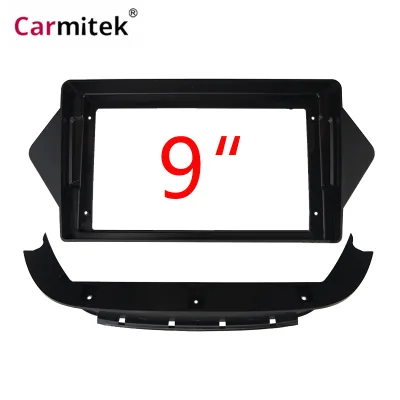
Minimum order quantities vary widely by product. Some universal radio frames list an MOQ of 10 pieces, while vehicle-specific 9-inch panels may require 50 pieces and 12.3-inch models 20 pieces. Because thresholds differ per listing, request the exact MOQ, tiered pricing, and sample availability for the specific model that fits your target vehicles before placing an order.
How fast can suppliers ship fascia panels?
Lead times among listed suppliers range from roughly 3 days to 15 days, and some product listings state delivery in 3-7 days or 7-10 days. Actual timing depends on order quantity, customization, and shipping method. Confirm production and transit schedules in writing, and ask whether in-stock items ship faster than made-to-order vehicle-specific frames.
Which car models do these fascia panels fit?
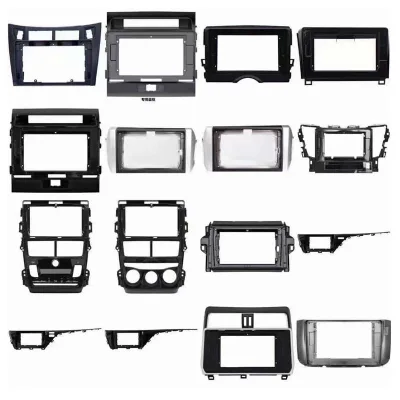
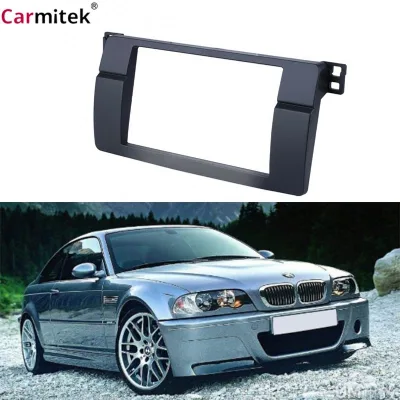
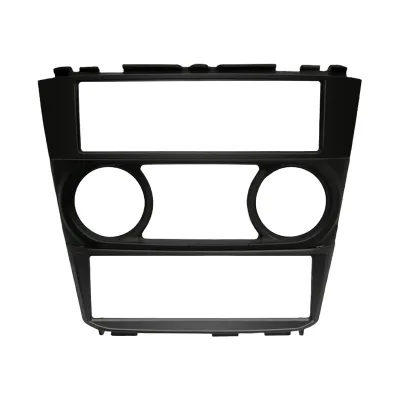
Listings cover universal-fit frames plus panels for specific vehicles, including Nissan Altima, Nissan dashboard radios, Lada Priora 2007-2014, Dodge Journey and Fiat Freemont 2013-2016, Hyundai Tucson 2018, and Honda Accord 8th generation 2008-2013. Sizes range from 9 to 12.3 inches. Always provide your vehicle year, model, and head unit size so the supplier confirms fitment before you buy.
What certifications should I verify before ordering?
Some listings show certifications such as ISO, CE, RoHS, FCC, SASO, BQB, EMC, and IATF16949, and supplier profiles may carry SGS or TUV Rheinland verification. Do not rely on logos alone. Request current certificate copies, check that they cover the exact panel model, and confirm whether your destination market requires specific approvals for interior automotive accessories.
Can fascia panels be customized for my vehicle models?
Yes, some suppliers list customization as available and offer sample processing, graphic processing, and customized designs on demand. Vehicle-specific panels are typically developed around a defined dashboard opening, screen size, and wiring harness. Share your vehicle fitment list, desired screen size, and target quantities, then ask for tooling costs, sample lead time, and whether frames can include wire and CANbus.