Pleated Knitted Mini Skirt Suppliers and Manufacturers
Source 25 verified suppliers for Pleated Knitted Mini Skirt production. Compare key dimensions including location, lead time, MOQ, and response time to identify the right partner. Review product specifications and pricing details to streamline your sourcing process effectively; review the available evidence before requesting comparable quotations from suitable candidates.
Updated
Suppliers List

shanghai jspeed industry co.,ltd
- Trading Company
- China Shanghai
- Lead time60 days
- Avg. response≤ 5h
Main productsSwimwear, Underwear, Sportswear, Socks, Dress, Skirt, Pants, Shorts, Textile
Main marketsSouth America,Southeast Asia/ Mideast,Domestic,Europe,Australia,North America


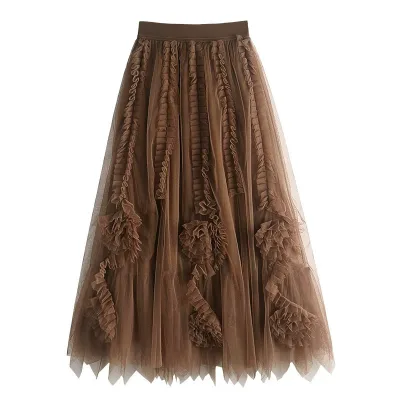
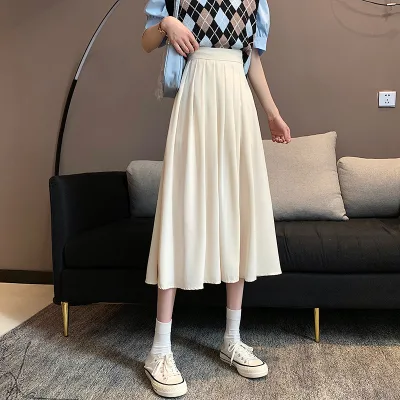
Women Tulle Skirt Elegant Pleated Skirts for Women MIDI Length Elastic Waist
$3.00 - $5.00
MOQ: 100 Pieces

- Verified by SGS
- Manufacturer
- China Guangdong
- Lead time15 days
- Avg. response≤ 5h

Ningbo Z & H Foreign Trade Co., Ltd.
- Trading Company
- China Zhejiang
- Lead time45 days
- Avg. response≤ 21h
Main productsGarment T Shirt Hoody Polo Fashion Cloth
Main marketsSouth America,Africa,Southeast Asia/ Mideast,East Asia(Japan/ South Korea),Europe,Australia,North America

Guangzhou Shangqian Clothing Co. Ltd
- Verified by CTI
- Trading Company
- China Guangdong
- Lead time38 days
- Avg. response≤ 25h
Main productsChildren's Clothing
Main marketsEurope,North America
Yiwu Fangxin Trading Co., Ltd.
- Trading Company
- Zhejiang, China
- Lead time5 days
- Avg. response≤ 5h
Main productswomen clothing,men clothing,shoes
Main marketsNorth America(50.00%), Northern Europe(10.00%), South America(10.00%), Africa(8.00%), Eastern Europe(5.00%), Southeast Asia(5.00%), South Asia(2.00%), Southern Europe(2.00%), Mid East(2.00%), Central America(2.00%), Western Europe(2.00%), Eastern Asia(2.00%)
Ma'anshan Tengxin Import And Export Trading Co., Ltd.
- Trading Company
- Anhui, China
- Lead time0 days
- Avg. response≤ 3h
Main productsAutomotive supplies,Cleaning supplies
Main marketsNorth America(70.00%), Northern Europe(4.00%), Western Europe(4.00%), Mid East(4.00%), Oceania(4.00%), Southeast Asia(4.00%), Eastern Europe(4.00%), South America(4.00%), Southern Europe(2.00%)
Guangzhou Ouerman Garment Co., Ltd.
- Verified by TüVRheinland
- Trading Company
- Lead time0 days
- Avg. response≤ 3h
Main productsJeans, T-Shirts, Coats, Dress, Suits
Main marketsWestern Europe(50%), North America(30%), Northern Europe(20%)
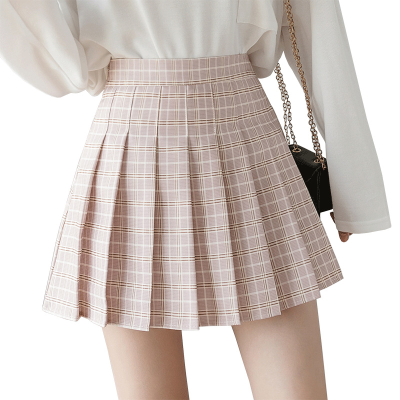
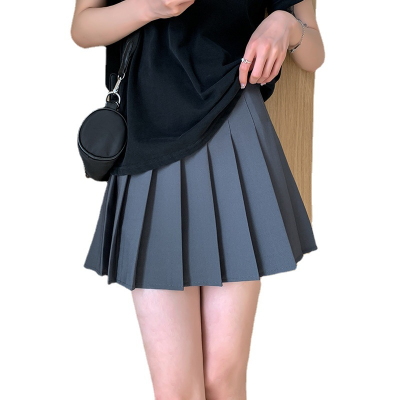
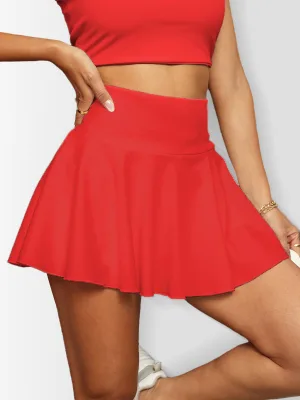
High Waisted Short Pleated Student Summer Skirts Women Sportswear Mini Pleated Women's Skirts
$4.90 - $5.90
MOQ: 1 pieces
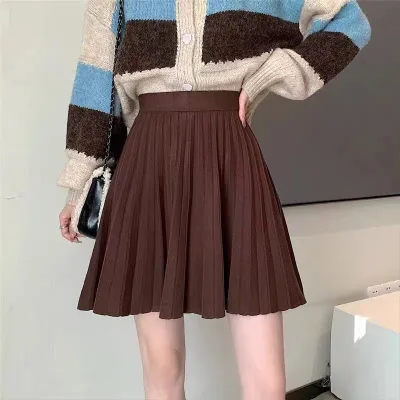
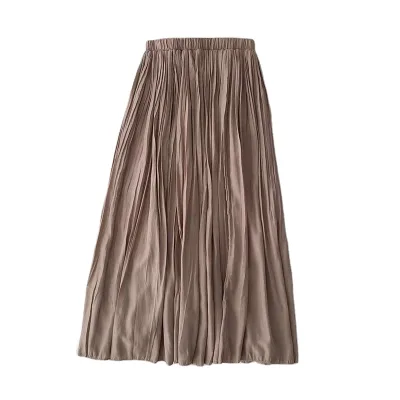

- Verified by CTI
- Trading Company
- China Anhui
- Lead time23 days
- Avg. response≤ 2h
Main productsFurniture, Home Furniture
Main marketsSoutheast Asia/ Mideast

Dongguan Hongsheng Garment Co., Ltd.
- Trading Company
- Guangdong, China
- Lead time0 days
- Avg. response≤ 15h
Main productsSweater,Swimwear,Yoga&Fitness wear,sweatshirt,jeans
Main marketsNorth America(30.00%), Eastern Europe(10.00%), Domestic Market(8.00%), Mid East(8.00%), Western Europe(6.00%), Southern Europe(6.00%), Northern Europe(6.00%), South America(5.00%), Central America(5.00%), Oceania(4.00%), Southeast Asia(3.00%), South Asia(3.00%), Eastern Asia(3.00%), Africa(3.00%)
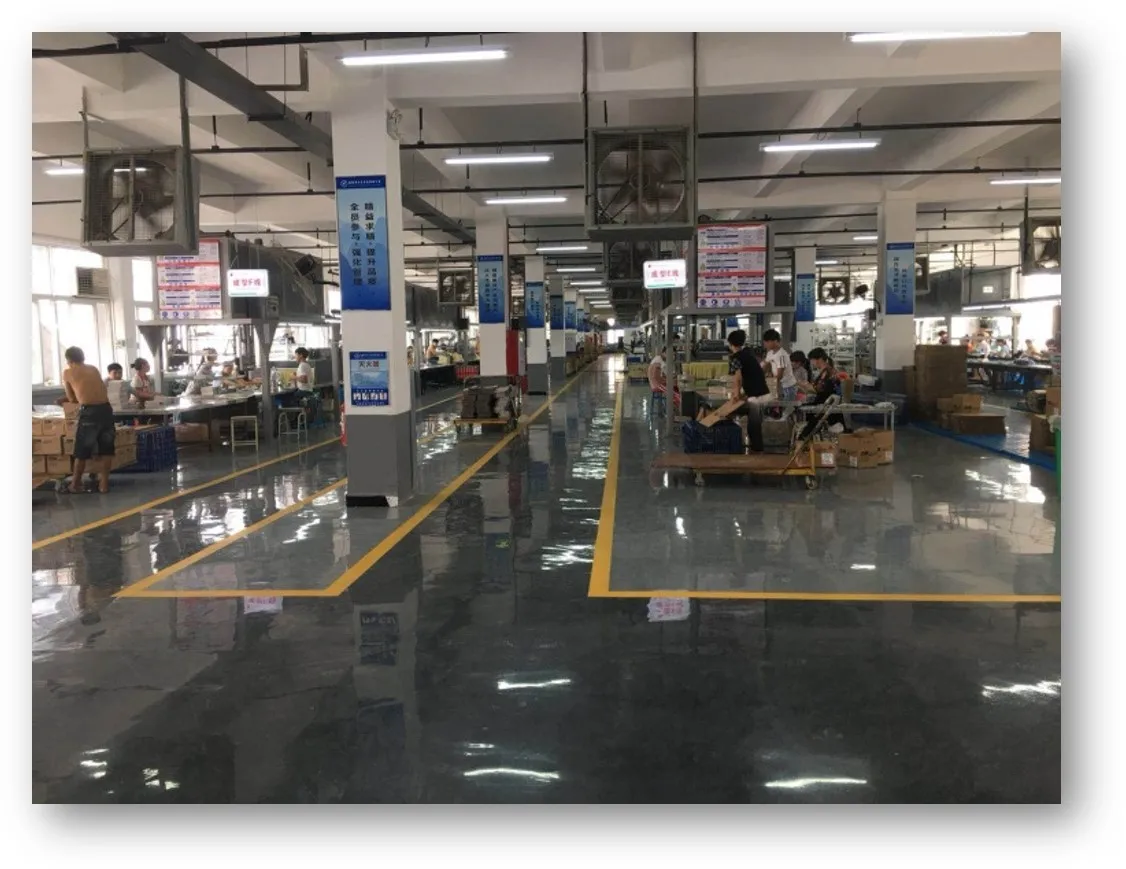
Xiamen Yingleihong Electronic Commerce Co., Ltd.
- Trading Company
- Fujian, China
- Lead time10 days
- Avg. response≤ 9h
Main productsWomen clothes,Women Shoes,Women bags,Accessories
Main marketsNorth America(93.00%), South America(7.00%)
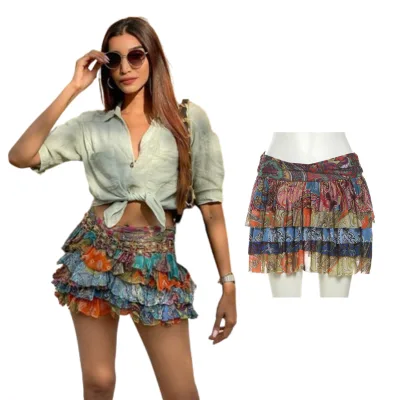
Summer New Women'S High Waist Cake Skirt Retro Print Mini Skirt Women Clothing Ruffles Pleated Skirt
$7.48 - $8.78
MOQ: 1 pieces
Dongguan City Zippy Clothing Co., Ltd.
- Manufacturer, Trading Company
- Guangdong, China
- Lead time15 days
- Avg. response≤ 10h
Main productsWomen Dress, Blouses & Shirts, Trousers & Pants, Skirts, Jumpsuits & Playsuits
Main marketsNorth America(35.00%), Oceania(30.00%), South America(15.00%), Central America(7.00%), Northern Europe(2.00%), Domestic Market(2.00%), Mid East(2.00%), South Asia(1.00%), Eastern Asia(1.00%), Western Europe(1.00%), Southern Europe(1.00%), Africa(1.00%), Eastern Europe(1.00%), Southeast Asia(1.00%)
Dongguan Metro Clothing Co., Ltd.
- Verified by SGS Group
- Manufacturer, Trading Company
- Lead time30 days
- Avg. response≤ 10h
Main productsDress, Jumpsuit, Skirt, Blouse, Pants
Main marketsNorth America(45%), Western Europe(30%), Oceania(20%)
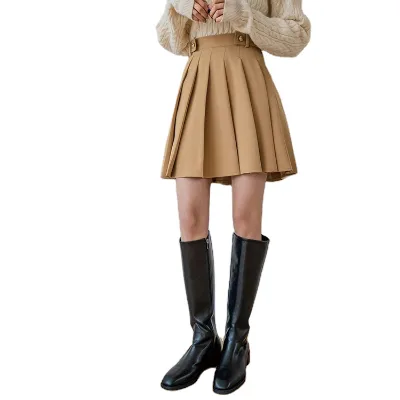
Manufacturer Women Clothing Custom High Waist Ladies Casual Pleated Skirt Mini Solid Women Skirts
$6.51 - $14.61
MOQ: 100 pieces
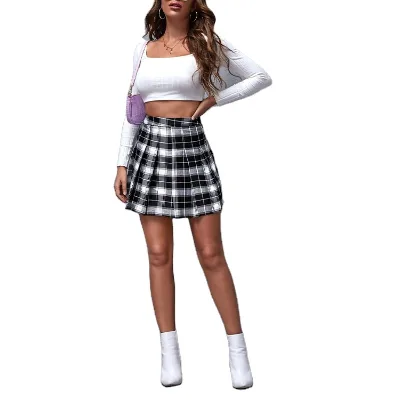
$6.51 - $14.61
MOQ: 100 pieces
Dongguan Lancai Garment Co., Ltd.
- Verified by SGS Group
- Manufacturer, Trading Company
- Lead time15 days
- Avg. response≤ 4h
Main productsDress, Skirt, Pants, Blouse, Jumpsuits
Main marketsNorth America(50%), Oceania(20%), Western Europe(10%)

Jinjiang Chengxin Cosmetics Co., Ltd
- Verified by CTI
- Trading Company
- China Fujian
- Lead time15 days
- Avg. response≤ 3h
Main productsShoes, Bags, Watch, Jewelry, Sunglasses, Belts, Wallets, Clothes
Main marketsEurope
Dongguan Feitong Garment Co., Ltd.
- Verified by Intertek
- Manufacturer, Trading Company
- Lead time15 days
- Avg. response≤ 2h
Main productsWomen's Dresses, Women's Sets, Women's Suit, Women's Jumpsuit, Women's Top
Main marketsNorth America(45%), Western Europe(30%), South America(5%)

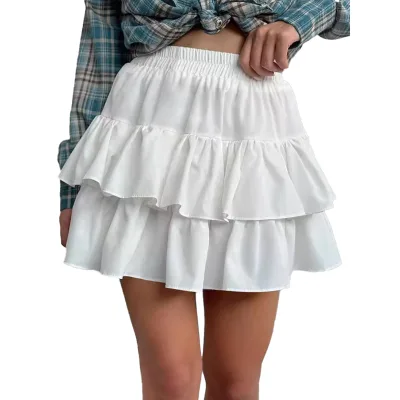
$11.43 - $13.87
MOQ: 30 pieces
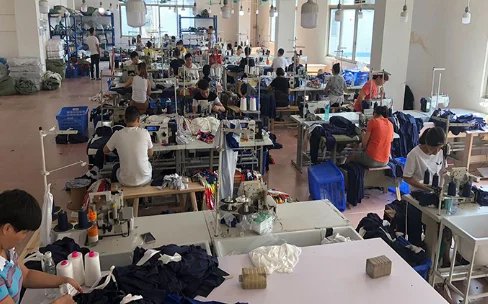
Guangzhou Samwestart Technology Co., Ltd.
- Manufacturer, Trading Company, Agent, Distributor/Wholesaler
- Guangdong, China
- Lead time5 days
- Avg. response≤ 7h
Main productspajamas,Women Pajamas,Men Pajamas,Silk Pajamas,Cotton Pajamas
Main marketsMid East(15.00%), North America(15.00%), Western Europe(12.00%), South America(10.00%), Eastern Asia(9.00%), Southeast Asia(8.00%), Oceania(7.00%), Domestic Market(5.00%), Africa(5.00%), South Asia(3.00%), Southern Europe(3.00%), Northern Europe(3.00%), Eastern Europe(3.00%), Central America(2.00%)
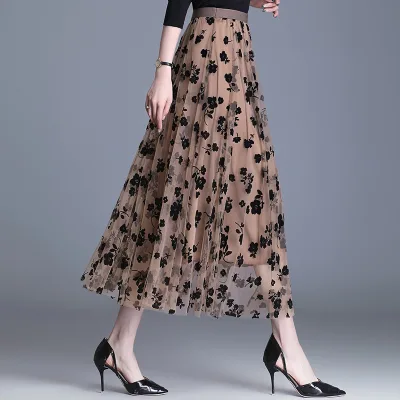
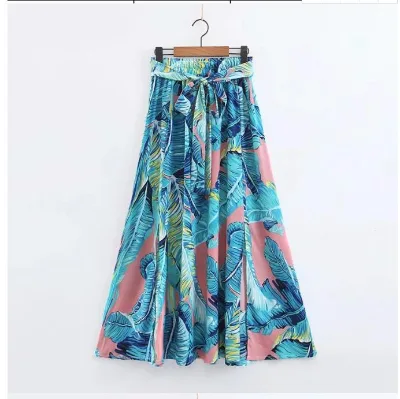
Summer Women's Large Swing Pleated Tulle Floral Print A-line Draped High-end Petite Midi Skirt
$5.57 - $6.96
MOQ: 2 pieces

Hubei Guanle Apparel Co., Ltd.
- Trading Company
- Hubei, China
- Lead time10 days
- Avg. response≤ 4h
Main productsBaby Rompers & Bodysuits,Baby Sleeping Bag,Baby Blanket&Swaddle,Baby Nest&Lounger,Baby Shirts & Tops
Main marketsNorth America(25.00%), South America(20.00%), Southeast Asia(15.00%), Eastern Europe(15.00%), Eastern Asia(10.00%), Africa(5.00%), Mid East(5.00%), Oceania(5.00%)
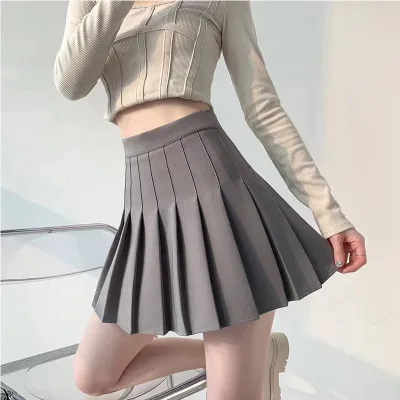
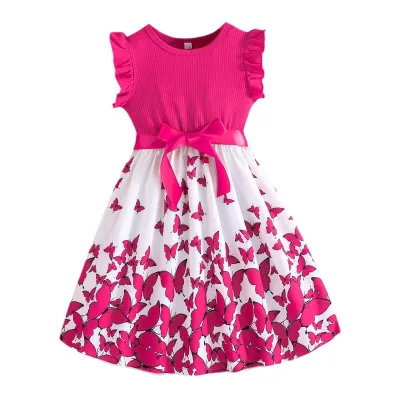
Summer Girls' New Butterfly Print Patchwork Solid Color Pit Stripe Sleeveless Skirts With Belt
$3.50 - $4.20
MOQ: 10 pieces
- Manufacturer, Trading Company
- Hong Kong S.A.R.
- Lead time7 days
- Avg. response≤ 1h
Main productsPleated Dress,Fashion suit,Pleated T-shirt,Pleated skirt,robe
Main marketsNorth America(40.00%), Mid East(15.00%), Southeast Asia(10.00%), South Asia(10.00%), Eastern Europe(5.00%), Northern Europe(5.00%), Western Europe(5.00%), Eastern Asia(5.00%), South America(5.00%)

Guangzhou Mingyu Manufacturing Co., Ltd
- Verified by SGS
- Trading Company
- China Guangdong
- Lead time15 days
- Avg. response≤ 1h
Main productsCoat, Dress, Trousers
Main marketsDomestic
Shantou Guilunda Garment Co., Ltd.
- Manufacturer, Trading Company
- Guangdong, China
- Lead time30 days
- Avg. response≤ 17h
Main productsLady Top,Skirt,Lady Trousers,Lady Jumpsuits,Dress
Main marketsAfrica(50.00%), Central America(40.00%), Western Europe(3.00%), North America(3.00%), South America(2.00%), Eastern Asia(2.00%)

- Verified by BV
- Trading Company,Manufacturer/Factory
- China Guangdong
- Lead time23 days
- Avg. response≤ 3h
Main productsJeans, Shorts, Skirts, Jacket, T-Shirt, Sweater, Dressess, Shirt, Pajamas, Knitted Trousers
Main marketsSouth America,Eastern Europe,Mid East,North America,Southeast Asia,Eastern Asia,Oceania,Western Europe,Africa
Dongguan Arangji E-Commerce Co., Ltd.
- Trading Company
- Guangdong Sheng, China
- Lead time0 days
- Avg. response≤ 23h
Guangzhou Gimily Fashion Co., Limited
- Trading Company
- Guangdong, China
- Lead time25 days
- Avg. response≤ 4h
Main productsDresses,Tops,Bottoms,Jacket,Crochet Cardigan
Main marketsNorth America(30.00%), South America(20.00%), Western Europe(20.00%), Oceania(15.00%), Eastern Europe(5.00%), Southeast Asia(5.00%), Mid East(5.00%)
Shanghai Tiandian Fashion Co., Ltd.
- Manufacturer, Trading Company
- Shanghai, China
- Lead time30 days
- Avg. response≤ 15h
Main productsClothes,Shirts,skirts,pants,Blouses
Main marketsNorth America(40.00%), Eastern Europe(18.00%), Northern Europe(16.00%), Southern Europe(13.00%), Southeast Asia(7.00%), Western Europe(6.00%)
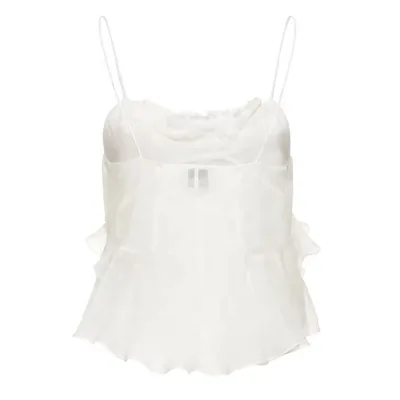
European and American women's suspender lace up solid color ruffled skirt short skirt
$12.50 - $15.90
MOQ: 100 pieces

- Verified by SGS
- Trading Company
- China Zhejiang
- Lead time30 days
- Avg. response≤ 3h
Main productsBlazers, Dress, Jumpsuits&Bodysuits, Bottoms&Pants, Blouses, Sportswear, Skirts, Tops, T-Shirts, Coats&Jackets
Main marketsEurope,Australia,North America



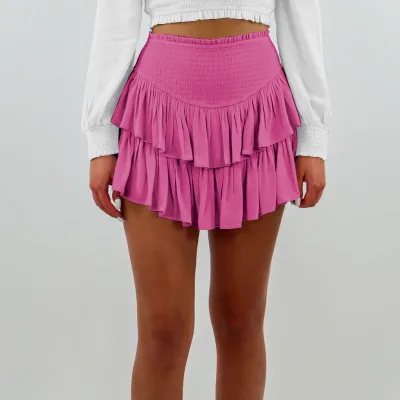
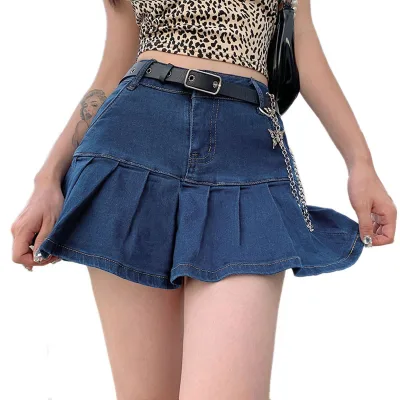
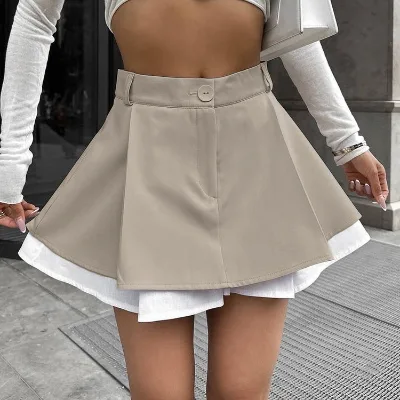
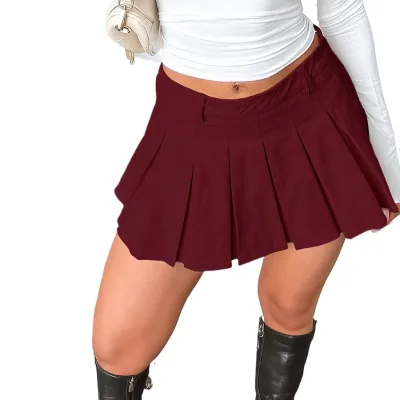
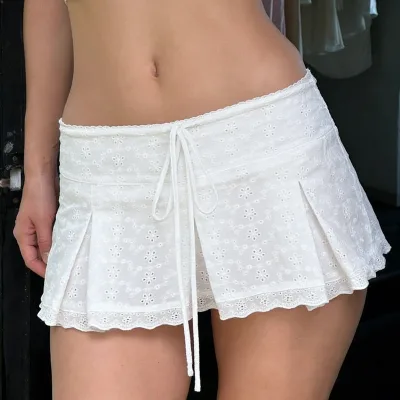
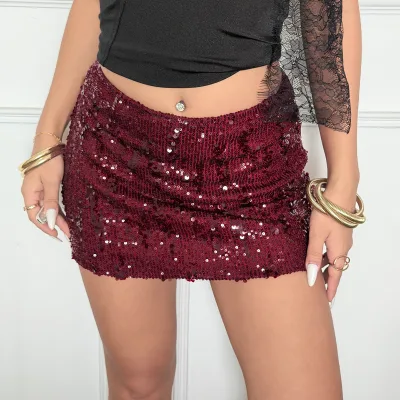



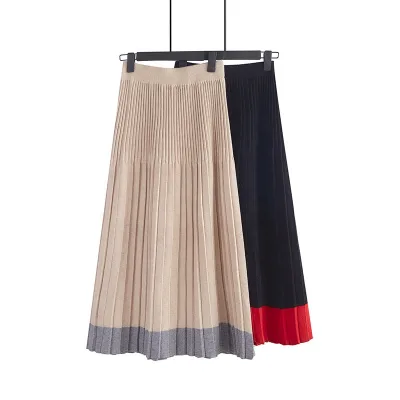
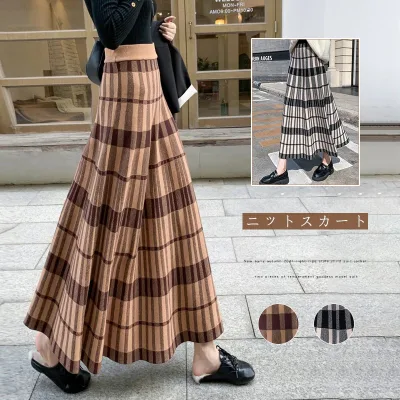








Comprehensive Sourcing Guide
Pleated Knitted Mini Skirt Supplier Concentration and Factory Types
When searching for Pleated Knitted Mini Skirt suppliers, buyers will encounter two broad company types: manufacturers and trading companies. Manufacturers typically list deeper product lines within one silhouette family—for example, a single factory offering the same high-waisted pleated mini in cotton, polyester-cotton blends, and faux leather across girls' and women's sizing—while trading companies present a wider assortment spanning swimwear, underwear, sportswear, dresses, skirts, pants, and shorts. Neither type is inherently better; the right choice depends on whether the buyer needs dedicated production capability or breadth across a category mix. Customization is commonly flagged as available on pleated skirt listings, so buyers should treat it as a starting question rather than a guarantee.
Location data in current results clusters in China, with Shanghai, Guangdong, and Zhejiang appearing among active suppliers. These regional signals matter because they hint at different operating models: a Shanghai-based trading company may quote longer lead times around 60 days, while a Guangdong manufacturer verified by SGS quotes roughly 15 days and offers ODM and OEM capacity. A Zhejiang garment supplier focused on t-shirts, hoodies, and polo fashion clothing lists a lead time near 45 days. Buyers should not assume these figures generalize; they are per-supplier attributes, so each shortlisted company's own claims must be checked directly against the buyer's season calendar and volume plan.
How to Verify Pleated Knitted Mini Skirt Suppliers
Verification should begin with the attributes a supplier actually displays rather than assumptions. On current results, one Guangdong manufacturer carries SGS verification, which is a third-party credential worth confirming by asking for the current certificate scope and validity. Company type is another verifiable signal: a supplier self-labeled as a trading company will not own the knitting and pleating lines, so buyers should ask which factory produces the goods and whether factory audits are permitted. Product-level evidence also helps verification—listings that show a defined size standard (S through XXL), a packing method such as carton or OPP bag plus outer carton, and a stated country of origin suggest a supplier that has exported before and documented its process.
Beyond displayed labels, buyers should request evidence directly tied to pleated knitted construction: fabric composition labels, knit gauge specifications, pleat-set durability after washing, and zipper or elastic waist componentry. Ask for a recent production sample in the exact silhouette—high waist, mini length, A-line or pleated style—rather than a catalog photo. Confirm that "customization available" extends to your needs, whether that is mixed colorways, private labels, or modified size grading. Finally, cross-check responsiveness: response times visible in results range from roughly four hours to more than twenty hours, so send identical inquiry emails to several suppliers and compare how quickly, concretely, and accurately each one answers technical and commercial questions before committing to samples.
What to Compare Across Pleated Knitted Mini Skirt Suppliers
Build a comparison sheet using dimensions suppliers actually publish. Lead time is one of the most differentiating figures in current results: one supplier quotes 15 days, another 45, and another 60, a spread that can decide whether a summer pleated skirt program ships in season or misses it. Response time is equally practical—recorded values span from about 4 hours to over 20 hours—and slow communication during sourcing usually predicts slow communication during production problems. Minimum order quantities also vary; one pleated mini skirt listing shows an MOQ of 100 pieces, which suits test orders, but other suppliers' MOQs must be requested because not every listing displays one.
Price is comparable only when specifications match. Current listings show pleated skirts from roughly $3 to $5 per piece on one supplier and $6.90 to $12 on another, but these reflect different materials—polyester versus cotton or polyester-cotton blends—different buyer segments (girls' versus women's), and different finishing such as faux leather or striped hems. Also compare main products to judge focus: a supplier whose catalog is swimwear, underwear, sportswear, socks, dresses, and skirts treats pleated minis as one line among many, while a manufacturer with ODM and OEM capacity and a model-numbered skirt range (Yu-001 through Yu-010 in one catalog) demonstrates dedicated development. Weight location, verification status, and customization depth alongside these numbers.
Common Pleated Knitted Mini Skirt Sourcing Risks
The first risk cluster involves product ambiguity. Several current listings describe the same garment inconsistently: one "faux leather mini skirt" is simultaneously tagged mini length, MIDI length, and "Long," and a tulle skirt is keyworded as a mini while its attributes say below-knee. If a buyer orders from keywords alone, the delivered length may not match expectations. Related risks include waist-shape confusion (high waist versus medium waist appear across similar listings), material substitution between polyester, cotton, and polyurethane blends, and mixed-color versus single-color listings where the photographed item may be only one variant of what ships.
Operational risks follow from unchecked assumptions. Trading companies with broad catalogs may subcontract pleating to workshops the buyer never sees, creating quality drift between reorders. Lead times quoted on the platform may exclude fabric knitting, dyeing, and pleat-setting time, which are the slowest stages for this category; a 60-day quoted lead time can stretch further in peak season. MOQs displayed on one style may not apply to custom colors or sizes. Packing differences—plain carton versus individual OPP bags—affect landed cost and retail readiness. Finally, seasonal mismatches are real: many listings target summer while knitted pleated styles often sell into autumn, so confirm production scheduling against your own retail window in writing before deposit payment.
Pleated Knitted Mini Skirt Regional Sourcing and Logistics
Regional information from current results points to three Chinese sourcing bases. Guangdong appears as a manufacturing location with an SGS-verified supplier quoting a 15-day lead time and ODM/OEM services—an attractive profile for buyers needing fast turnaround on reorderable styles. Shanghai hosts a trading company with a broad apparel catalog and a quoted lead time around 60 days, which may reflect consolidation of multiple factories or slower inland logistics. Zhejiang appears as a garment production region with a supplier whose main products are t-shirts, hoodies, and polos, quoting roughly 45 days; such suppliers often have knitting competence even when pleated skirts are not their headline category. Treat each of these as a hypothesis to test, not a conclusion, since quoted lead times are per-supplier figures that change with season and order size.
Logistics planning should account for how these locations move goods. All three regions have access to major Chinese export ports, so FOB quotes from coastal suppliers typically simplify freight booking compared with inland factories requiring domestic trucking to port. For knitted pleated skirts, carton packing is the norm in current listings, with some styles individually bagged, so confirm carton dimensions and gross weight early to estimate freight class. Air freight can rescue a late season but only suits small, high-margin batches given garment weight-to-value ratios. Always confirm whether the quoted lead time runs from deposit, from sample approval, or from fabric readiness, since the definitions differ across suppliers.
Pleated Knitted Mini Skirt Commercial Terms and Order Planning
Commercial terms should be negotiated in the same pass as specifications, not after. Start from the price bands visible in results—roughly $3–5 for polyester pleated minis at an MOQ of 100 on one supplier, and $6.90–12 for cotton-blend and faux-leather girls' styles on another—and use them as anchors for your own quotations, requesting itemized breakdowns covering fabric, pleating, trims such as zippers or buttons, labeling, and packing. Confirm which Incoterm the price assumes, since FOB, EXW, and CIF produce very different landed costs. Payment structure, deposit percentage, and balance timing must be agreed in writing, and buyers should ask whether platform escrow or trade assurance mechanisms are available on the specific order rather than assuming protection exists.
Order planning for this category should respect its seasonality and construction time. Because pleat-setting, knitting, and dyeing precede cutting, build a timeline that starts with a counter-sample approval, then a pre-production sample in the correct material and size grading (S–XXL is the common standard in current listings, though custom grading is offered by manufacturers). Phase orders: a small first batch at a low-MOQ listing to test market, then a larger reorder with the supplier who proved fastest and most accurate—lead-time gaps of 15 versus 60 days make supplier choice strategically decisive. Lock reinspection rights before balance payment, specify AQL expectations, and document packing format so retail-ready cartons arrive as quoted.
Word count check: approximately 1,390 words total.
FAQs
What is the typical lead time for mini skirts?
Manufacturers in China offer lead times ranging from 15 to 60 days depending on the supplier type. Trading companies generally require up to 60 days, while verified manufacturers can deliver in as little as 15 days. Buyers should confirm specific timelines with the supplier before placing orders to ensure timely delivery.
What is the minimum order quantity for these skirts?
The minimum order quantity is typically 100 pieces for standard polyester mini skirts. Some manufacturers offer customized standards, but the baseline MOQ remains consistent across many listings. Buyers should verify the exact MOQ with the supplier, as it may vary based on customization requirements or specific material choices.
What materials are commonly used for these skirts?
Polyester is the most common material, often used for its durability and comfort. Some options include cotton blends, faux leather, and tulle. Materials vary by style, with summer skirts often using lighter fabrics. Buyers should check product attributes to confirm the specific material composition for their desired style and season.
Are customization options available for these skirts?
Yes, customization is available for most mini skirt listings. Suppliers offer options for custom patterns, colors, and sizes. Some manufacturers support OEM and ODM services for tailored designs. Buyers should specify their customization needs, such as unique prints or specific waist shapes, when contacting suppliers to ensure their requirements are met.
What is the price range for mini skirts?
Prices range from $3.00 to $12.00 per piece depending on the material and design. Basic polyester skirts start around $3.00, while faux leather or cotton blend options can cost up to $12.00. Buyers should request quotes for specific styles to get accurate pricing, as costs vary by quantity and customization.
How quickly do suppliers respond to inquiries?
Response times vary, with some suppliers responding within 4 hours and others taking up to 20 hours. Faster response times are often associated with verified manufacturers. Buyers should prioritize suppliers with quicker response times for efficient communication and faster order processing, especially for urgent or customized requests.