Embroidered Fringe Wrap Dress Suppliers and Manufacturers
Source Embroidered Fringe Wrap Dress options from 22 verified suppliers in China. Compare key dimensions including location, response time, lead time, and MOQ to identify the right partner for your apparel needs; review the available evidence before requesting comparable quotations from suitable candidates.
Updated
Suppliers List

- Verified by CTI
- Trading Company
- China Anhui
- Lead time23 days
- Avg. response≤ 2h
Main productsFurniture, Home Furniture
Main marketsSoutheast Asia/ Mideast
Love Double Apparel (Guangdong) Co., Ltd.
- Trading Company
- Guangdong, China
- Lead time10 days
- Avg. response≤ 5h
Main productsCasual Dresses, Women's Sets, Women's Blouses & Shirts, Women's Pants & Trousers, Women's Coats
Main marketsNorth America(50.00%), Africa(30.00%), Eastern Asia(10.00%), Western Europe(5.00%), Southeast Asia(5.00%)

Hangzhou Longwin Industry Limited
- Verified by SGS
- Trading Company,Manufacturer/Factory
- China Zhejiang
- Lead time15 days
- Avg. response≤ 5h
Main productsHome Cleaning, Domestic Appliances, Auto and Motorcycle and Bicycle, Fiberglass Products, Battery, Clothing, Furniture, Tools, Machine, Building
Main marketsSouth America,Eastern Europe,Mid East,North America,Southeast Asia,Eastern Asia,Oceania,Western Europe,Africa

Bohemian Style Maxi Dress with Embroidery and Fringe Hemline Design Dress
$7.00 - $15.00
MOQ: 1 Pieces

Guangzhou Cat Claw Clothing Co., Ltd.
- Manufacturer, Trading Company
- Guangdong, China
- Lead time0 days
- Avg. response≤ 8h
Main productsDress/Shirt/Evening Dress
Main marketsSoutheast Asia(100.00%)
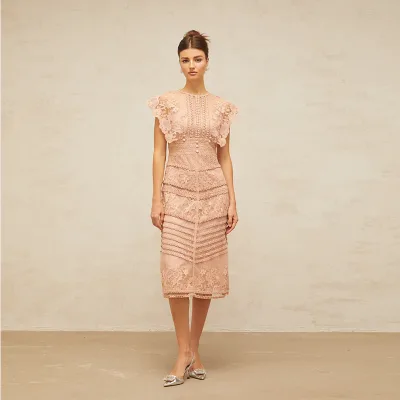
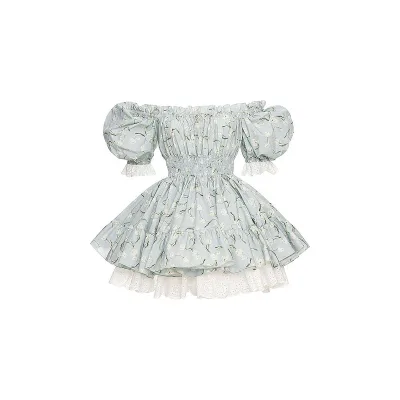
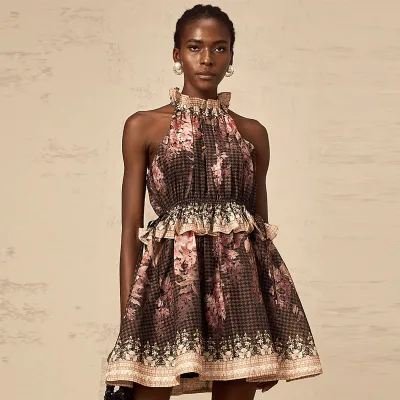
Elegant Lace Embroidered Midi Dress with Ruffled Sleeves
$12.00 - $19.00

- Verified by SGS
- Trading Company
- China Zhejiang
- Lead time30 days
- Avg. response≤ 3h
Main productsBlazers, Dress, Jumpsuits&Bodysuits, Bottoms&Pants, Blouses, Sportswear, Skirts, Tops, T-Shirts, Coats&Jackets
Main marketsEurope,Australia,North America
Guangzhou Jenny Textile Co., Ltd.
- Manufacturer, Trading Company
- Guangdong, China
- Lead time20 days
- Avg. response≤ 2h
Main productstracksuits,t shirts,pants,jackets,hoodies
Main marketsNorth America(30.00%), Western Europe(13.00%), Oceania(10.00%), Mid East(10.00%), Southeast Asia(8.00%), Africa(8.00%), Eastern Asia(5.00%), Eastern Europe(5.00%), Central America(3.00%), Domestic Market(2.00%), Northern Europe(2.00%), South America(2.00%), Southern Europe(1.00%), South Asia(1.00%)
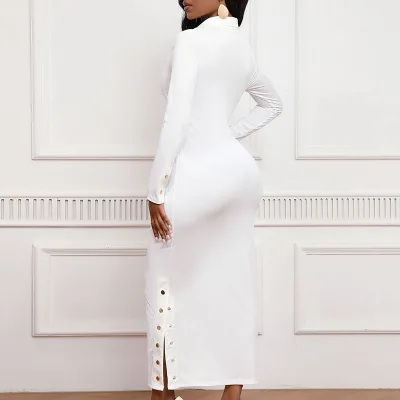
Hot Style Off Shoulder Summer, Women Midi Dresses Elegant Party Bandage Dress/
$7.2518 - $10.7796
MOQ: 50 pieces

Custom Sleeveless Bandage Short Dress, For Women Knee-length Dinner Party Casual Dresses/
$7.1874 - $10.6837
MOQ: 50 pieces
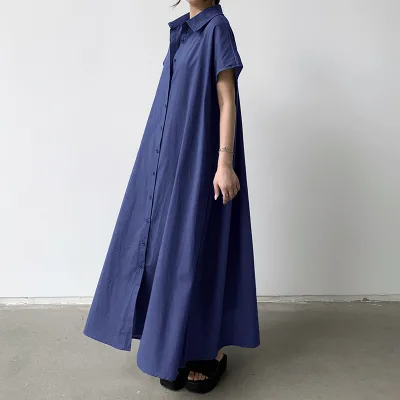
New Arrival Gold Bandage Party, Dress For Women Fashion And Simplicity Sling Backless /
$6.79 - $10.69
MOQ: 50 pieces
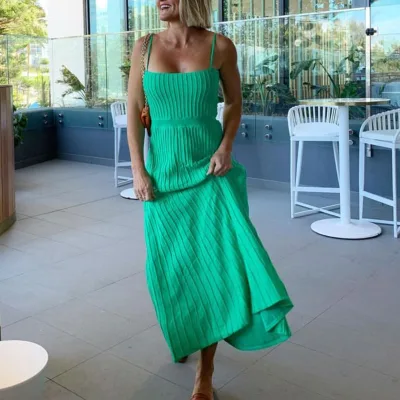
Customization Glitter Seamyla Fashion Dress, For Women Bandage Crisscross Low Back /
$7.1874 - $10.6837
MOQ: 50 pieces
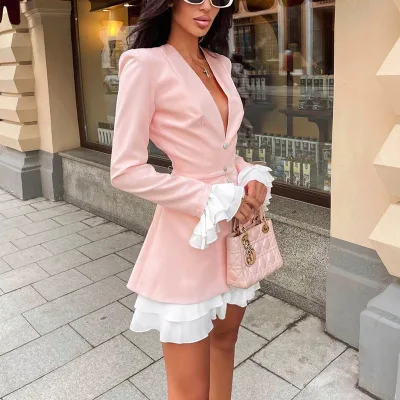
$5.1771 - $10.9863
MOQ: 50 pieces
Dengzhou Dingding Red Clothing Co., Ltd.
- Verified by TüVRheinland
- Trading Company
- Lead time7 days
- Avg. response≤ 2h
Main productsSuits, Zhongshan Suits, Wedding Dresses, Trench Coat, Jacket
Main marketsDomestic Market(78%), North America(10%), Africa(6%)

Guangzhou Mingyu Manufacturing Co., Ltd
- Verified by SGS
- Trading Company
- China Guangdong
- Lead time15 days
- Avg. response≤ 1h
Main productsCoat, Dress, Trousers
Main marketsDomestic


Pleated Women's Dress with Braided Detail for Summer Style/Women Dress
$13.00 - $16.00
MOQ: 100 pieces


Shaoxing Shaoying Import and Export Co., Ltd.
- Verified by SGS
- Combined
- China Zhejiang
- Lead time30 days
- Avg. response≤ 10h
Main productsSequin Fabric, Embroidered Fabric, African-Style Fabrics, Fashionable Fabric, Beaded Fabric, Children's Clothing Fabric, Cotton Fabric with Embroidery, Fashion Trend, Heavy-Duty Fabric, Light and Breathable Arab-Style Fabric
Main marketsOthers(foreignTradeCapacity.exportBusinessCapacityMarketOther),Southeast Asia/ Mideast

Jiaxing Qijia Imp&Exp Co., Ltd
- Verified by SGS
- Trading Company
- China Zhejiang
- Lead time60 days
- Avg. response≤ 1h
Main productsDress, Blouse, Sweater, Knitwear, Pants, Woven, Pullover, Jumper
Main marketsEurope,North America


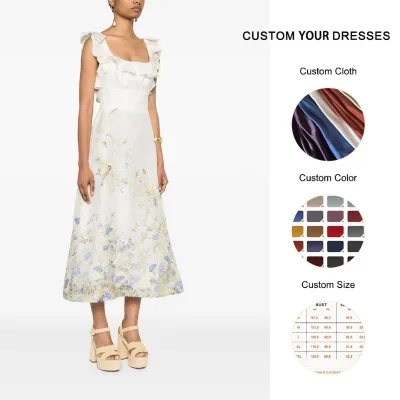
Custom Women's Floral Print High-Waisted Suspender Dress with Ruffled Trim and Square Neckline
$20.98 - $24.99
MOQ: 300 Pieces
Xinxiang Baiyin Clothing Co., Ltd.
- Trading Company
- Henan, China
- Lead time15 days
- Avg. response≤ 3h
Main productsGarment making,Costume printing,Clothing sales
Main marketsSouth America(35.00%), Domestic Market(5.00%), North America(5.00%), South Asia(5.00%), Southern Europe(5.00%), Northern Europe(5.00%), Central America(5.00%), Western Europe(5.00%), Eastern Asia(5.00%), Mid East(5.00%), Oceania(5.00%), Africa(5.00%), Southeast Asia(5.00%), Eastern Europe(5.00%)
Xiamen Hualecai Clothing Co., Ltd.
- Manufacturer, Trading Company, Distributor/Wholesaler
- Fujian, China
- Lead time5 days
- Avg. response≤ 6h
Main productsfashion clothing,women's clothing,swimsuit,Yoga Wear,shoes
Main marketsNorth America(95.00%), Western Europe(2.00%), Africa(2.00%), Southern Europe(1.00%)
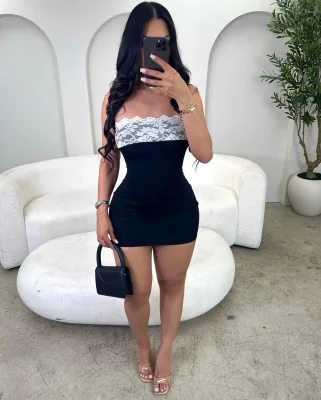
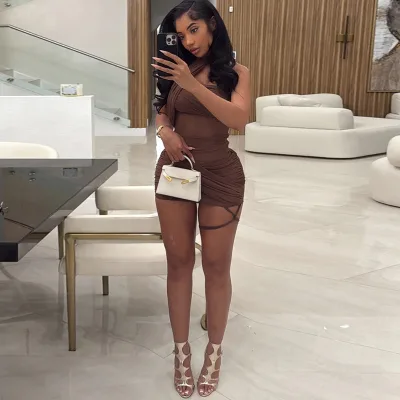
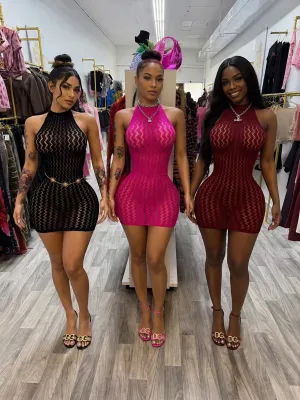
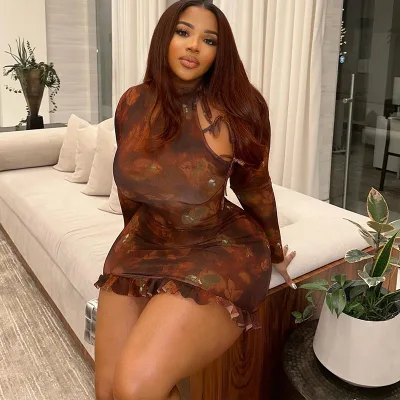
Floralcharm New Lace Sexy See-through Thin Dress
$4.50 - $5.50
Dongguan Lancai Garment Co., Ltd.
- Verified by SGS Group
- Manufacturer, Trading Company
- Lead time15 days
- Avg. response≤ 4h
Main productsDress, Skirt, Pants, Blouse, Jumpsuits
Main marketsNorth America(50%), Oceania(20%), Western Europe(10%)
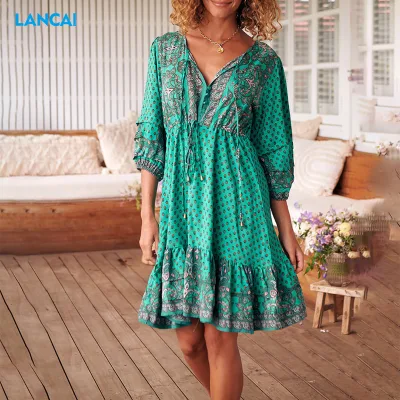
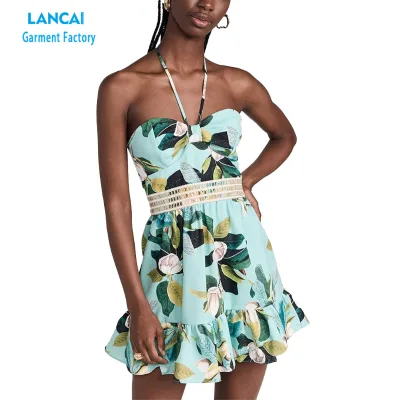
$10.90 - $16.30
MOQ: 50 pieces
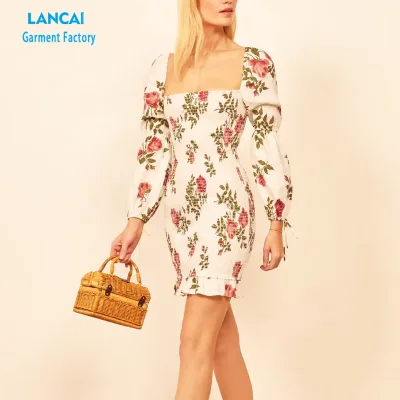
$11.208 - $16.7596
MOQ: 50 pieces

Guangzhou Shengli Clothing Co., Ltd.
- Verified by CTI
- Combined
- China Guangdong
- Lead time60 days
- Avg. response≤ 2h
Main productsSuit, Men Formal Suit, Medical Uniform, School Uniform, T-Shirt, Polo, Sports Apparel, Work Uniforms, Uniform, Hotel Uniform
Main marketsDomestic
Huixian Baishangji Clothing Co., Ltd.
- Trading Company
- Henan Province, China
- Lead time7 days
- Avg. response≤ 3h
Main productsWomen's clothing,men's clothing
Main marketsNorth America(60.00%), Africa(20.00%), Western Europe(10.00%), Northern Europe(5.00%), South America(5.00%)
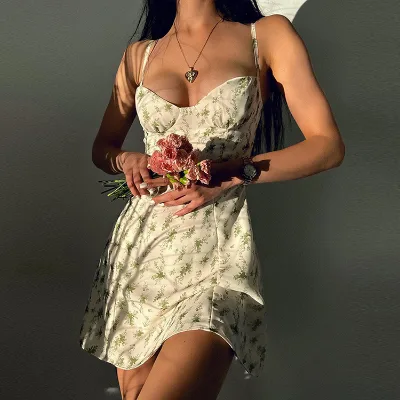
$4.92 - $6.51
MOQ: 2 pieces
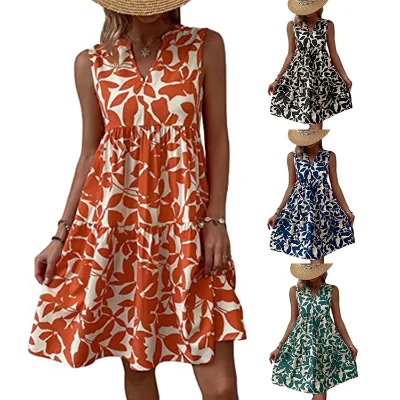

Guangzhou Panyu district south village Jinluoxuan clothing factory
- Verified by CTI
- Combined
- China Guangdong
- Lead time15 days
- Avg. response≤ 16h
Main productsOutfit, Sequin Evening Gown
Main marketsDomestic


Short Glitter Dress with Fitted Waist and Flared Hem for Flattering Movement
$25.00 - $26.00
MOQ: 50 Pieces

Party-Ready Short Dress with Bold Colors and Modern Cut for a Confident Look
$25.00 - $26.00
MOQ: 50 Pieces

Wrinkle-Resistant Long Sequin Dress with Soft Lining and Comfortable Fabric Feel
$25.00 - $26.00
MOQ: 50 Pieces

Durable Glitter Dress with Non-Slip Shoulder Straps and Skin-Friendly Fabric
$25.00 - $26.00
MOQ: 50 Pieces
Nanjing Jingshuiliushen Garment Co., Ltd.
- Verified by SGS Group
- Trading Company
- Lead time0 days
- Avg. response≤ 4h
Main productsGarment, Dress, Ladies Suits, Women Shorts, Women Top
Main marketsDomestic Market(40%), North America(30%), Western Europe(10%)
Dongguan Dali Clothing Co., Ltd.
- Manufacturer, Trading Company
- Lead time旺季: "1 - 500":35,"> 500":"To be negotiated", 淡季: "1 - 500":35,"> 500":"To be negotiated"
- Avg. response≤ 4h
Main productsWomen's Clothing
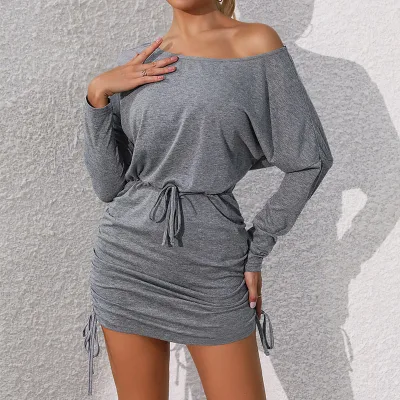
$10.80 - $14.70
MOQ: 100 pieces
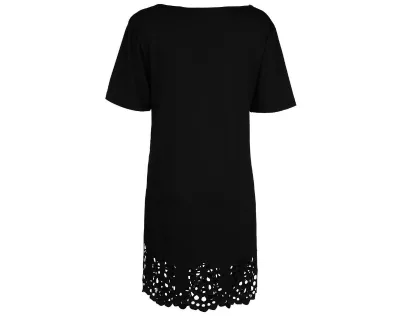
$6.68 - $10.58
MOQ: 100 pieces

Guangzhou Yifu Clothing Co., Ltd.
- Verified by SGS
- Combined
- China Guangdong
- Lead time15 days
- Avg. response≤ 9h
Main marketsDomestic
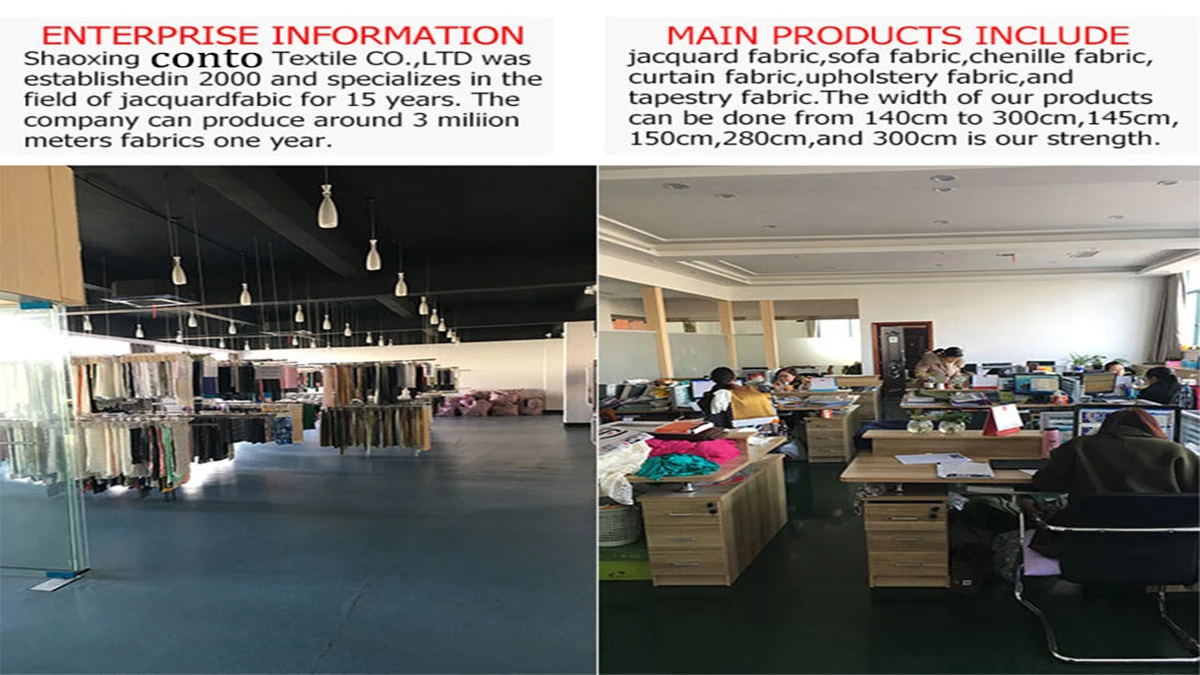
Shaoxing Keqiao Conto Textile Co., Ltd.
- Trading Company
- Zhejiang, China
- Lead time60 days
- Avg. response≤ 7h
Main productssofa fabric,garment fabric,flannel blanket,pu/pvc fabric,curtain
Main marketsSouth Asia(15.00%), Southern Europe(10.00%), North America(10.00%), Eastern Europe(10.00%), Northern Europe(10.00%), Domestic Market(5.00%), Africa(5.00%), Southeast Asia(5.00%), South America(5.00%), Central America(5.00%), Western Europe(5.00%), Eastern Asia(5.00%), Mid East(5.00%), Oceania(5.00%)
Yiwu Jiandie Trading Co., Ltd.
- Trading Company
- Zhejiang, China
- Lead time25 days
- Avg. response≤ 3h
Main productsHandbags,Backpacks,Travel Bags,Shoulder Bags,Evening Bags
Main marketsOceania(20.00%), Africa(20.00%), North America(20.00%), Mid East(10.00%), Western Europe(10.00%), Southeast Asia(10.00%), Domestic Market(2.00%), Southern Europe(2.00%), Eastern Asia(1.00%), South Asia(1.00%), Eastern Europe(1.00%), Northern Europe(1.00%), Central America(1.00%), South America(1.00%)
Guangzhou Dongfan Garment Factory
- Manufacturer, Trading Company, Distributor/Wholesaler
- Guangdong, China
- Lead time25 days
- Avg. response≤ 10h
Main productswomen clothing,kinds clothing,fashion clothing,Evening Dress,clothing
Main marketsSouth America(50.00%), Oceania(30.00%), North America(5.00%), Eastern Asia(5.00%), Western Europe(5.00%), Southeast Asia(3.00%), Eastern Europe(2.00%)


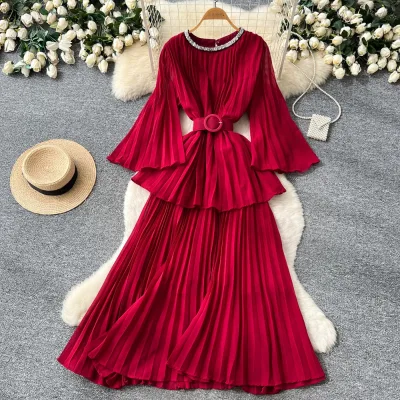
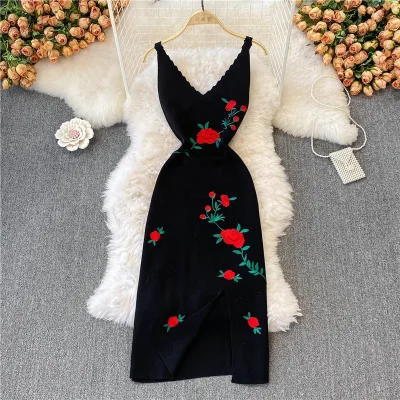
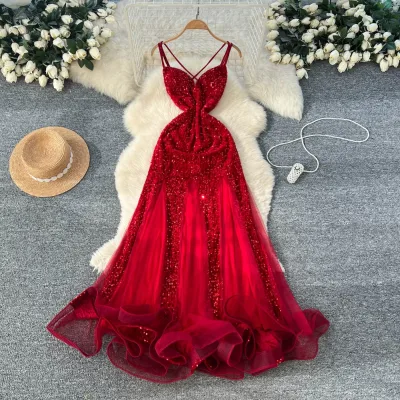
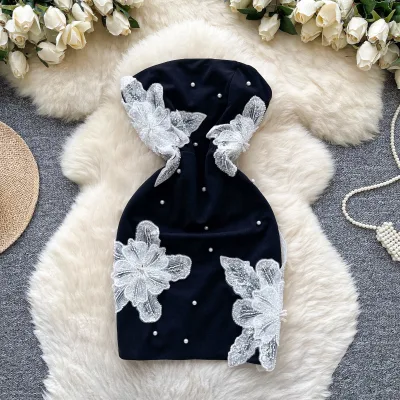
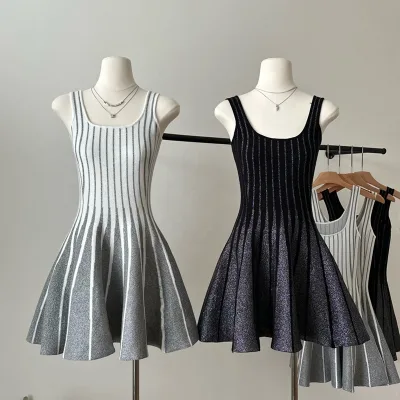


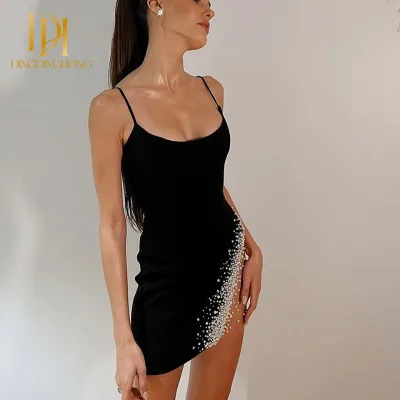
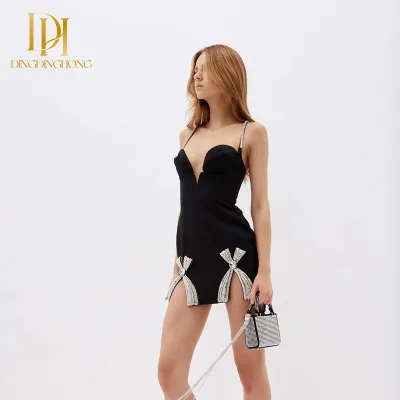


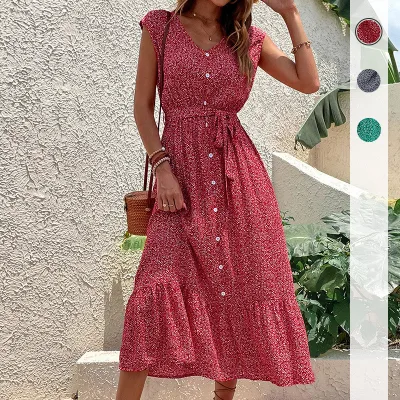
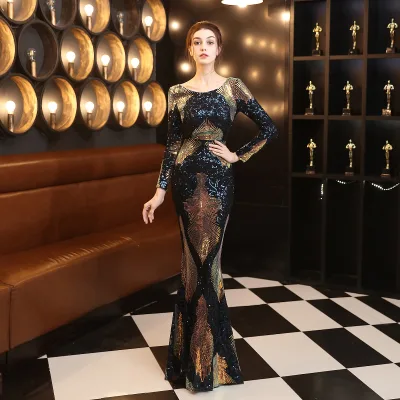
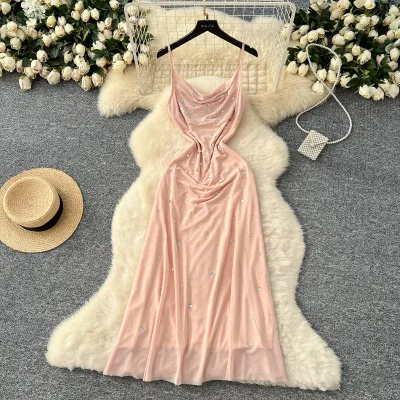
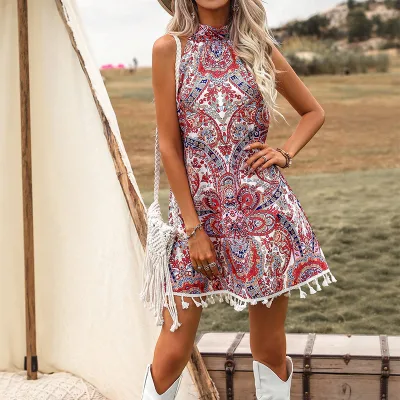
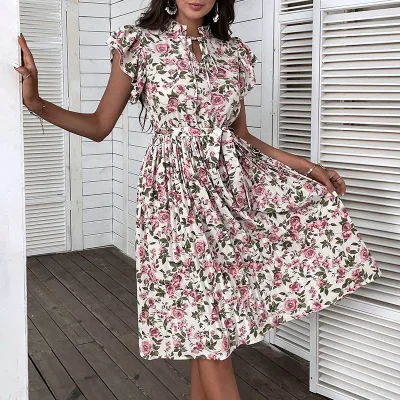




Comprehensive Sourcing Guide
Embroidered Fringe Wrap Dress Supplier Concentration and Factory Types
The current supplier landscape for embroidered fringe wrap dresses reveals a distinct concentration of manufacturing capabilities within specific Chinese provinces, notably Anhui and Guangdong. These regions serve as primary hubs for apparel production, offering varying degrees of specialization that directly impact sourcing strategies. Suppliers located in these areas often operate as trading companies rather than direct factories, which introduces a layer of intermediary management into the supply chain. This structural reality means that buyers must navigate a mix of direct manufacturing entities and trading firms that aggregate products from multiple smaller workshops. The presence of trading companies is significant because they often provide broader product ranges, such as casual dresses, women's sets, and blouses, alongside the specific Embroidered Fringe Wrap Dress items. This diversification can be advantageous for buyers seeking to consolidate orders across multiple apparel categories, but it requires careful verification to ensure that the core competency in embroidery and fringe detailing remains intact.
Understanding the factory type is crucial for assessing quality control and communication efficiency. Trading companies may offer more flexible communication channels and English-speaking support, which can simplify the negotiation process for international buyers. However, they might also add a markup to the final price and introduce potential delays in information flow between the buyer and the actual production floor. In contrast, direct factories might offer more competitive pricing and tighter control over the manufacturing process, particularly for complex techniques like embroidery and fringe application. Buyers should investigate whether the supplier’s main products align closely with the Embroidered Fringe Wrap Dress category or if it is merely one of many diverse offerings. A supplier whose primary focus is on women's clothing and dresses is likely to have more specialized equipment and skilled labor for this specific product type compared to a general trading company that sources from various unrelated factories. This distinction helps in predicting the consistency of the final product and the supplier’s ability to handle custom design requests effectively.
How to Verify Embroidered Fringe Wrap Dress Suppliers
Verification is a critical step in mitigating risk when sourcing embroidered fringe wrap dresses, especially given the prevalence of trading companies in the current results. Buyers should prioritize suppliers that display third-party verification badges, such as CTI, which indicates that an independent inspection agency has validated the company’s business credentials and operational capabilities. This verification provides a baseline level of trust regarding the supplier’s legal existence and basic operational integrity. However, verification alone does not guarantee product quality or manufacturing capacity. Buyers must look beyond the badge and examine the supplier’s response time and historical performance metrics. A rapid response time, such as 1.22 hours, suggests a dedicated customer service team that is likely to be responsive during the order fulfillment process. This responsiveness is particularly important for custom orders involving embroidery and fringe, where design specifications need to be clarified and approved before production begins.
In addition to verification badges and response times, buyers should scrutinize the supplier’s product listings for detailed attributes and customization options. The presence of specific product attributes, such as available customization, OEM services, and detailed material specifications, indicates a supplier’s willingness and ability to handle bespoke orders. Buyers should verify if the supplier offers sample production, which is essential for evaluating the quality of embroidery stitches and fringe attachment before committing to a large order. It is also important to check if the supplier provides clear information about their production standards and packing methods, such as the use of OPP bags or polybags, which can impact the condition of the garments upon arrival. Buyers should request detailed product photos or videos that showcase the embroidery work and fringe quality, as these visual proofs are often more reliable than textual descriptions. Furthermore, checking for any available certifications or compliance with international standards can provide additional assurance of the supplier’s commitment to quality and ethical manufacturing practices.
What to Compare Across Embroidered Fringe Wrap Dress Suppliers
When evaluating multiple suppliers for embroidered fringe wrap dresses, buyers must compare key operational metrics to determine the best fit for their specific needs. Lead time is a critical factor, as it directly impacts inventory planning and market launch schedules. Current data shows lead times ranging from 10 to 23 days, which reflects variations in production capacity and order complexity. Buyers should align their order placement with these lead times to avoid stockouts or excess inventory. Another essential metric is the Minimum Order Quantity (MOQ), which varies significantly across suppliers. Some suppliers may require an MOQ of 500 pieces, while others might demand 10,000 pieces, particularly for simpler styles or summer dresses. Understanding these MOQ requirements helps buyers assess whether a supplier can accommodate their initial order size or if they need to negotiate for a lower threshold. Comparing these metrics allows buyers to balance cost, volume, and speed according to their business model.
Price and customization capabilities are also vital comparison points. The price range for similar dress styles can vary widely, from as low as $0.50 to over $20.00, depending on the complexity of the design, material quality, and order volume. Buyers should request detailed quotations that break down costs for materials, labor, and customization fees. Suppliers that offer OEM services and customization options, such as specific embroidery patterns or fringe lengths, may charge higher prices but provide greater flexibility in meeting unique design requirements. Additionally, buyers should compare the supplier’s main product offerings to ensure they have expertise in the specific style of dress being ordered. A supplier specializing in casual dresses and women’s knitwear may have different strengths compared to one focusing on evening wear or party dresses. By systematically comparing these factors, buyers can identify suppliers that offer the best combination of price, quality, and service for their Embroidered Fringe Wrap Dress orders.
Common Embroidered Fringe Wrap Dress Sourcing Risks
Sourcing embroidered fringe wrap dresses involves several inherent risks that buyers must proactively manage to ensure a successful procurement process. One significant risk is the discrepancy between the sample and the bulk production quality. Embroidery and fringe details are labor-intensive and prone to variations in stitch density, thread color, and fringe length. Buyers must ensure that the supplier provides a pre-production sample that is approved in writing before mass production begins. Without this step, there is a high risk of receiving goods that do not match the expected aesthetic or quality standards. Another risk is the potential for delays in production due to supply chain disruptions or capacity constraints. Suppliers with longer lead times or those handling multiple product categories may face bottlenecks that affect the timely delivery of orders. Buyers should maintain open communication with their suppliers and request regular production updates to monitor progress and address any potential issues early.
Quality control is another major concern, particularly regarding the durability of embroidery and fringe attachments. Poorly attached fringe can unravel, and loose embroidery threads can snag or fall off during wear or washing. Buyers should verify the supplier’s quality control processes, including needle detection and final inspection procedures. Some suppliers may offer additional features like anti-static treatments or specific weaving methods that enhance the product’s durability and comfort. Buyers should also be cautious of suppliers who do not provide clear information about their materials and production standards. Lack of transparency in these areas can lead to unexpected costs or quality issues down the line. Additionally, buyers should be aware of the risks associated with trading companies, such as potential miscommunication or lack of direct control over the manufacturing process. To mitigate these risks, buyers should conduct thorough due diligence, request detailed product specifications, and consider using third-party inspection services to verify the quality of the goods before shipment.
Embroidered Fringe Wrap Dress Regional Sourcing and Logistics
The geographical location of suppliers plays a crucial role in determining logistics costs and delivery times for embroidered fringe wrap dresses. Current results indicate that suppliers are primarily located in China, with specific concentrations in Anhui and Guangdong provinces. These regions are well-established apparel manufacturing hubs, offering access to a robust supply chain infrastructure, including raw material suppliers, textile mills, and logistics providers. Guangdong, in particular, is known for its efficient export logistics and proximity to major ports, which can facilitate faster and more cost-effective shipping to international markets. Buyers should consider the logistical advantages of sourcing from these regions, such as reduced transit times and lower freight costs. However, it is also important to evaluate the supplier’s experience in handling international shipments and their ability to navigate customs regulations and documentation requirements.
Logistics planning should also account for the packaging and handling of the embroidered fringe wrap dresses. The choice of packaging, such as OPP bags or polybags, can impact the protection of the garments during transit. Buyers should ensure that the packaging is sturdy enough to prevent damage to the delicate embroidery and fringe details. Additionally, buyers should consider the impact of seasonal demand on logistics capacity. During peak seasons, such as before major holidays or fashion weeks, shipping slots may be limited, and freight rates may increase. Buyers should plan their orders well in advance and maintain flexibility in their logistics arrangements to accommodate potential disruptions. Working with suppliers who have established relationships with reliable freight forwarders can also help streamline the shipping process and reduce the risk of delays. By carefully considering regional logistics factors, buyers can optimize their supply chain and ensure the timely delivery of their Embroidered Fringe Wrap Dress orders.
Embroidered Fringe Wrap Dress Commercial Terms and Order Planning
Effective order planning for embroidered fringe wrap dresses requires a clear understanding of commercial terms and payment structures. Buyers should negotiate favorable payment terms, such as partial upfront payments and balance payments upon shipment, to manage cash flow and mitigate financial risk. It is also important to clarify the Incoterms, such as FOB or CIF, to determine who is responsible for shipping costs and insurance. Suppliers may offer different pricing tiers based on order volume, so buyers should aim to consolidate orders to achieve better pricing. Additionally, buyers should establish clear communication channels for order tracking and issue resolution. A supplier with a quick response time, such as 1.22 hours, can be invaluable in addressing any questions or concerns that arise during the order process. Buyers should also consider the supplier’s return and refund policies in case of quality issues or delivery delays.
Order planning should also include a detailed timeline for design approval, sample production, bulk manufacturing, and shipping. Buyers should allocate sufficient time for each stage to avoid rushing the process and compromising quality. For custom orders involving embroidery and fringe, design approval can be a time-consuming step, so buyers should provide clear and detailed design specifications to minimize revisions. It is also important to plan for potential delays in production or shipping by building buffer time into the schedule. Buyers should maintain a close relationship with their suppliers and foster a collaborative partnership to ensure smooth order execution. By carefully managing commercial terms and order planning, buyers can reduce risks, optimize costs, and ensure the successful delivery of their Embroidered Fringe Wrap Dress orders. This proactive approach helps in building a reliable and efficient supply chain that supports long-term business growth.
FAQs
What is the typical lead time for embroidered fringe wrap dresses?
Manufacturers in China generally require 10 to 23 days to produce and ship orders. This timeframe depends on the specific supplier location and current production capacity. Buyers should confirm exact dates with the supplier before placing the order to ensure timely delivery for their events.
What is the minimum order quantity for custom embroidered dresses?
Most suppliers require a minimum order quantity of 500 pieces for customized embroidered fringe wrap dresses. Some manufacturers may accept lower quantities for standard stock items, while others might require up to 10,000 units for specific styles. Always verify the MOQ directly with the supplier.
How quickly do suppliers typically respond to sourcing inquiries?
Response times vary, with some suppliers replying within 1.22 hours and others taking up to 5 hours. Faster response times often indicate higher availability and efficient customer service teams. Buyers should prioritize suppliers with quicker response rates to ensure smooth communication throughout the sourcing process.
Are embroidered fringe wrap dresses available with OEM customization?
Yes, many suppliers offer OEM customization services for embroidered fringe wrap dresses. Buyers can often request specific designs, colors, and materials to match their brand requirements. This flexibility allows for unique product development, but it is essential to confirm customization options and associated costs with the supplier.
What price range can buyers expect for these dresses?
Prices for embroidered fringe wrap dresses typically range from $0.50 to $20.00 per unit, depending on the design complexity and material quality. Basic styles may start at lower price points, while intricate embroidery and premium fabrics can increase the cost. Buyers should request detailed quotes for accurate pricing.
Where are most Embroidered Fringe Wrap Dress suppliers located?
Suppliers for these dresses are primarily located in China, with significant presence in Anhui and Guangdong provinces. These regions are known for their robust textile and apparel manufacturing industries. Buyers can access a wide variety of options and competitive pricing by sourcing from these established manufacturing hubs.