Portable Epoxy AirTag Case Suppliers and Manufacturers
Compare 22 verified suppliers offering portable epoxy airtag cases with varying lead times, MOQs, and certifications like ISO 9001. Review product attributes such as waterproof ratings and customization options to select the right factory for your needs; review the available evidence before requesting comparable quotations from suitable candidates.
Updated
Suppliers List

Shenzhen Xumeng Technology Co., Ltd.
- Verified by BV
- Trading Company,Manufacturer/Factory
- China Guangdong
- Lead time15 days
- Avg. response≤ 7h
Main productsEarphones, Phone Cases, Chargers, Data Cables, Memory Card, Smart Watch, Watch Straps, Speaker, Phone Battery
Main marketsSouth America,Eastern Europe,Mid East,North America,Southeast Asia,Eastern Asia,Oceania,Western Europe,Africa

PU Leather Case for Apple Airtag Keychain Airtags Location Tracker Protective Cover
$0.73 - $1.05
MOQ: 50 Pieces


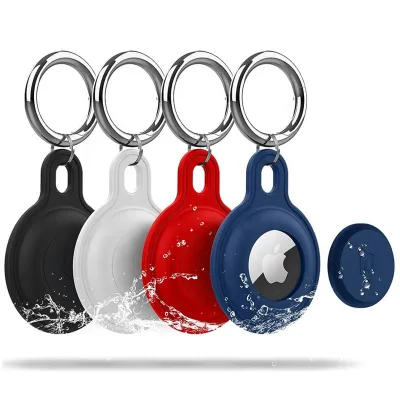
Silicone Case for Airtag Anti-Lost Protective Cover Bt Locator Tracker Protective Cover for Airtags
$0.75 - $1.10
MOQ: 50 Pieces

Shenzhen Sweetpet Pet Product Co., Ltd.
- Trading Company,Manufacturer/Factory
- China Guangdong
- Lead time23 days
- Avg. response≤ 5h
Main productsDog Collar, Dog Leash, Dog Harness, Dog Clothes, Dog Bed, Pet Supply, Pet Accessory, Pet Toys, Pet Bowl, Cat Toys
Main marketsSouth America,Eastern Europe,North America,Oceania,Western Europe


Wholesale with Keychain Leather Case Suitable Protective Cover Silicone Airtag
$0.58 - $0.94
MOQ: 100 Pieces

Airtag Case Genuine Leather, Protective Airtags Case Cover with Anti-Lost Keychain
$1.00 - $3.00
MOQ: 100 Pieces


Qr Code Airtag Holder Scan Qr Code Send Location Alert Email Waterproof Full Body Protection
$1.18 - $1.98
MOQ: 500 Pieces
Shenzhen Hongshengye Technology Co., Ltd.
- Manufacturer
- Guangdong, China
- Lead time3 days
- Avg. response≤ 4h
Main productsphone cases&Airtag Cases,watch bands,AI translator,Starlink accessories,popular electronic products
Main marketsNorthern Europe(25.00%), Western Europe(20.00%), North America(20.00%), Southeast Asia(10.00%), South Asia(8.00%), Central America(5.00%), Eastern Europe(5.00%), Eastern Asia(4.00%), South America(3.00%)

Zhongshan Keychain Gifts & Crafts Co., Ltd.
- Combined
- China Guangdong
- Lead time15 days
- Avg. response≤ 6h
Main productsKey Ring, Key Chain, Metal Key Chain, Bag Hanger, Compact Mirror, Medal, Key Chain with Bottle Opener, Promotional Gift, Souvenir, Badge
Main marketsSouth America,Europe,Australia,North America

Applies to The Apple Airtag Case Keyring PU Tracker Storage Sleeve Portable Leather Holster Keychain
$0.45 - $0.95
MOQ: 500 Pieces

Airtag Cases Applies to Apple Airtags Locator Tracker Anti-Loss Protector Key Ring
$0.45 - $0.95
MOQ: 500 Pieces

Cheap Airtag Case Apple Leather Keyring 2021 New iPhone Locator Leather Keychain Tracker
$0.45 - $0.95
MOQ: 500 Pieces

Different Size Different Color Leather Keychain Apple Airtag Protector Keyring Whlosale
$0.45 - $0.95
MOQ: 500 Pieces

Quanzhou Shengda Rubber Products Co., Ltd.
- Verified by TUVRHEINLAND
- Combined
- China Fujian
- Lead time15 days
- Avg. response≤ 4h
Main productsO Ring, Toilet Seat Hinge Top Fix Rubber Well Nut, Rubber Seal, Silicone Gasket, Silicone Washer
Main marketsEurope

Apple Airtag Protective Cover Kids Airtag Brooch Pin Case Cute 3D Cartoon Silicone Airtag Holder
$1.00 - $1.50
MOQ: 100 Pieces

Anti-Lost Apple Airtag Holder for Sneakers, Shoes & Boots Kids Cartoon Silicone Airtag Case
$0.85 - $1.00
MOQ: 100 Pieces

Soft Protective Shell Air Tag GPS Tracker Full Wrap Silicone Airtag Case
$0.35 - $0.60
MOQ: 300 Pieces

Adjustable Airtag Wristband Waterproof Silicone Bracelet Airtag Holder Case
$1.50 - $1.80
MOQ: 50 Pieces

Kids Airtag Badge Silicone Protective Case Apple Airtag Cartoon Airtag Brooch with Safety Pin
$1.00 - $1.50
MOQ: 100 Pieces

Shenzhen Betterconn Technology Co., Ltd.
- Manufacturer, Trading Company
- Guangdong, China
- Lead time2 days
- Avg. response≤ 5h
Main productshard case,chargers,Watch Band,keyboard covers,laptop sleeve
Main marketsNorth America(20.00%), Mid East(16.00%), Western Europe(10.00%), Domestic Market(10.00%), Southern Europe(8.00%), Northern Europe(5.00%), Central America(5.00%), Southeast Asia(5.00%), Eastern Europe(5.00%), South America(5.00%), Oceania(5.00%), Eastern Asia(2.00%), South Asia(2.00%), Africa(2.00%)
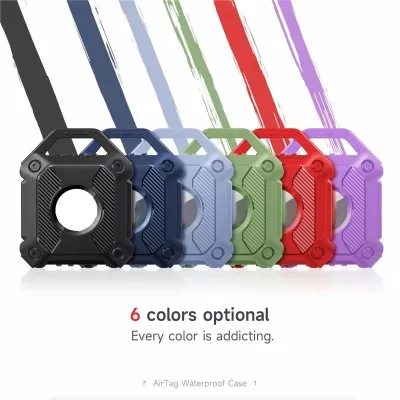
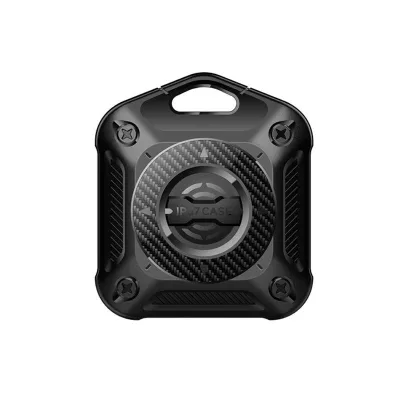
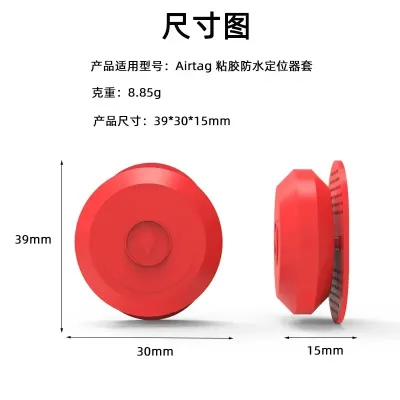
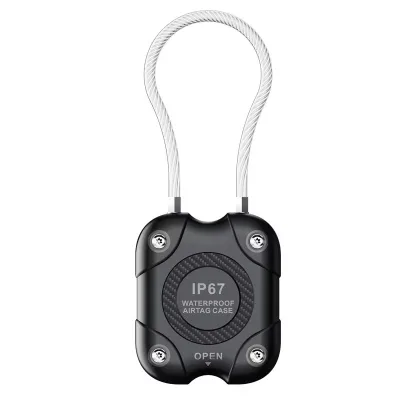
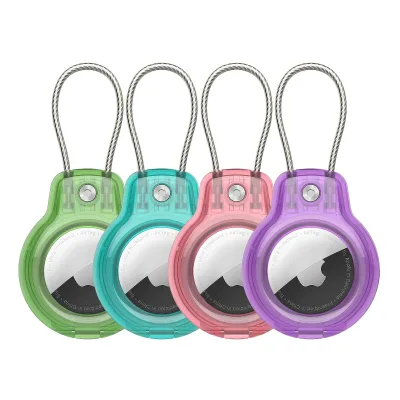
New Style Anti-lost Waterproof IP67 for Airtag Case Hard Pc Anti-drop Protective for Airtag
$1.45 - $1.59
MOQ: 5 pieces
Foshan Xino Technology Co., Ltd.
- Verified by SGS Group
- Manufacturer, Trading Company
- Lead time7 days
- Avg. response≤ 1h
Main productsCell Phone Case/Silicone Case, Tablet Case, Laptop Case
Main marketsNorth America(46%), South America(31%), Western Europe(8%)

Zhongshan Mingxin Silicone Manufactory
- Verified by SGS
- Combined
- China Guangdong
- Lead time15 days
- Avg. response≤ 5h
Main productsSilicone Kitchenware, Silicone Keypaid, Silicone Bracelet, Silicone Wristband, Silicone Ashtray, Silicone Tube, Silicone Watch, Silicone Rubber, Silicone Sex Doll, Silicone Mold
Main marketsEurope,North America
Shenzhen Manhui Technology Co., Ltd.
- Manufacturer, Buying Office, Distributor/Wholesaler
- Guangdong, China
- Lead time7 days
- Avg. response≤ 7h
Main productsconsumer accessories,daily accessories,sports accessories
Main marketsWestern Europe(25.00%), North America(25.00%), Eastern Europe(20.00%), South America(10.00%), Eastern Asia(10.00%), Mid East(10.00%)
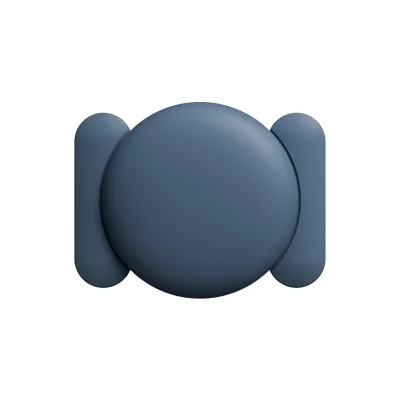
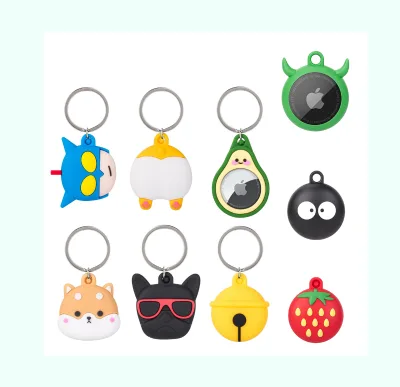
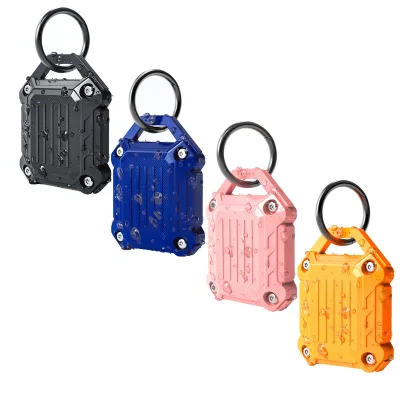
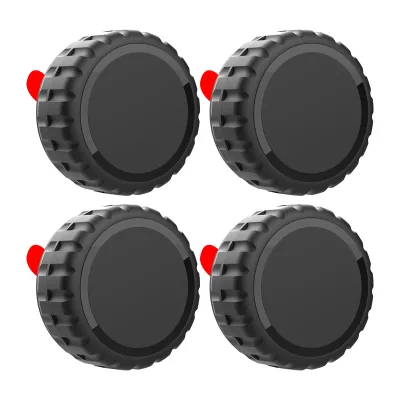
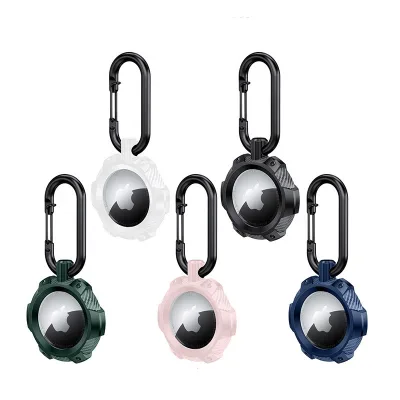
Anti Shock Heavy Duty case for apple airtag 4 Pack
$0.90 - $1.06
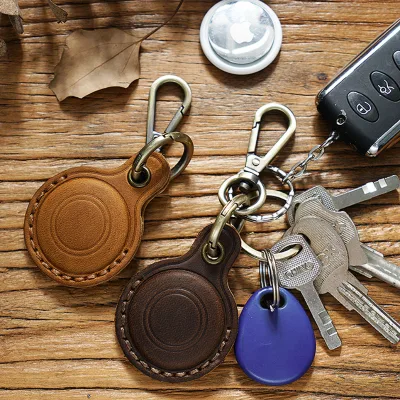
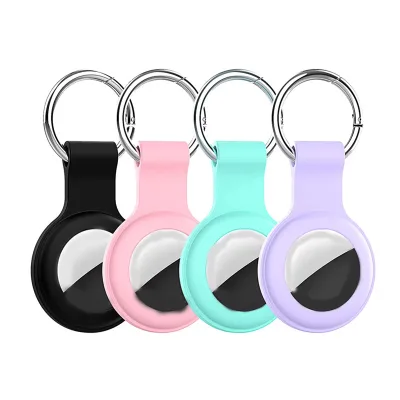
Fast Delivery for Silicone airtag Keychain Holder
$0.46 - $0.50

Guangzhou Changze Electronic Technology Co., Ltd.
- Manufacturer, Trading Company
- Guangdong, China
- Lead time0 days
- Avg. response≤ 6h
Main productsPhone Case,Earphones,USB Cable,Screen Protector,IMD Case
Main marketsNorth America(30.00%), Oceania(25.00%), Western Europe(10.00%), Southern Europe(10.00%), Southeast Asia(10.00%), Eastern Europe(10.00%), South America(5.00%)

Shenzhen Shiyusheng Technology Co., Ltd.
- Verified by SGS
- Manufacturer/Factory
- China Guangdong
- Lead time15 days
- Avg. response≤ 7h
Main productsSpeaker, Earphone, Gamed, Phone Case, Charger, Powerbank, Memory Card, Phone Cable
Main marketsSouth America,Eastern Europe,Mid East,North America,Southeast Asia,Eastern Asia,Oceania,Western Europe,Africa

Universal PU Leather Airtag Anti-Loss Tracker Cover Portable Key Ring Accessory
$1.50 - $2.80
MOQ: 20 Pieces

Shockproof PU Leather Airtag Case Lightweight Anti-Lost Tracker Sleeve with Keychain
$1.50 - $2.80
MOQ: 20 Pieces
Shenzhen Topshion Technology Co.,Ltd
- Manufacturer, Trading Company, Distributor/Wholesaler
- Guangdong, China
- Lead time3 days
- Avg. response≤ 4h
Main productsmobile phone accessories,airtag case,smart watch accessories,airpods case,travel cable organizer bag
Main marketsNorth America(20.00%), Central America(15.00%), Western Europe(10.00%), Northern Europe(10.00%), South America(10.00%), Eastern Europe(10.00%), Southeast Asia(8.00%), Southern Europe(5.00%), Eastern Asia(5.00%), Mid East(3.00%), Domestic Market(1.00%), South Asia(1.00%), Oceania(1.00%), Africa(1.00%)

- Verified by SGS
- Trading Company
- China Guangdong
- Lead time15 days
- Avg. response≤ 3h
Main productsPhone Accessories, Consumer Electronics, Car Accessories, Household Appliances, Mobile Phone Cases, Tablet Case, Wireless Charger, Bluetooth Speaker, Security Cameras, Power Bank
Main marketsOthers(foreignTradeCapacity.exportBusinessCapacityMarketOther),Europe

Dux Ducis 4PCS / Set TPU Protective Case Skin Sleeve Cover with Keyring for Apple Airtag Locator
$2.97 - $3.23
MOQ: 1 Pieces


Guangzhou Sunlight Electronic Technology Co., Ltd.
- Verified by SGS
- Trading Company,Manufacturer/Factory
- China Guangdong
- Lead time15 days
- Avg. response≤ 22h
Main products3c Electronic, Home Electronic, Mobile Accessories, Bluetooth Earphone, Wireless Charger, USB Charger, USB Cable, Hair Dryer, Game Machine, Photography Products
Main marketsSouth America,Eastern Europe,Mid East,North America,Southeast Asia,Eastern Asia,Oceania,Western Europe,Africa

- Verified by TUVRHEINLAND
- Trading Company
- China Zhejiang
- Lead time15 days
- Avg. response≤ 3h
Main productsLanyard, Promotional Gift, Baseball Cap, Bags, T-Shirt, Ceramic Mug, Sport Water Bottle, PU Toys
Main marketsEurope,Australia,North America
Shenzhen Esther Technology Co., Ltd.
- Manufacturer, Trading Company
- Guangdong, China
- Lead time3 days
- Avg. response≤ 1h
Main productsScreen Protector,Mobiles Accessories,Tablets Accessories,Laptop Accessories,Computers Accessories
Main marketsNorth America(26.00%), Eastern Europe(25.00%), Northern Europe(10.00%), Central America(10.00%), Western Europe(10.00%), South America(5.00%), Southern Europe(4.50%), Eastern Asia(3.00%), Southeast Asia(2.00%), South Asia(1.00%), Africa(1.00%), Mid East(1.00%), Oceania(1.00%), Domestic Market(0.50%)
Guangzhou Daju Technology Co., Ltd.
- Manufacturer, Trading Company
- Guangdong, China
- Lead time15 days
- Avg. response≤ 3h
Main productsphone accessories,other electronic products,smart tracker,other electronic products
Main marketsNorth America(20.00%), Northern Europe(20.00%), South Asia(10.00%), Southern Europe(10.00%), Western Europe(10.00%), South America(10.00%), Eastern Europe(5.00%), Central America(3.00%), Southeast Asia(3.00%), Eastern Asia(3.00%), Oceania(2.00%), Africa(2.00%), Mid East(2.00%)
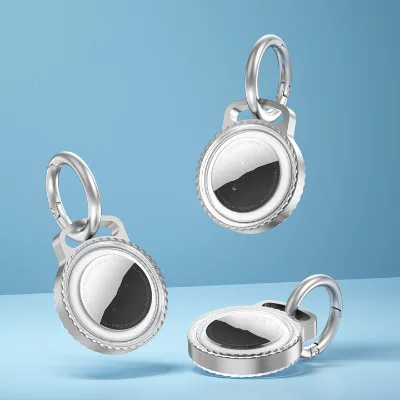
Hard Shockproof Case with Keychain for apple airtag case Anti-Scratch GPS Item Accessories
$1.92 - $2.11
MOQ: 100 pieces
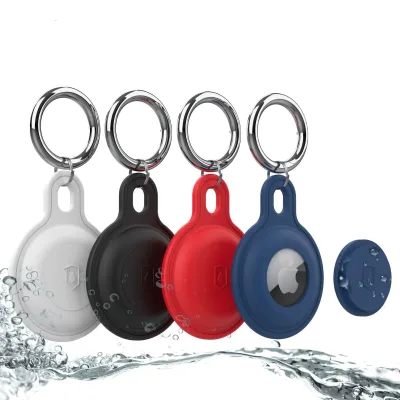

- Verified by SGS
- Trading Company
- China Hunan
- Lead time15 days
- Avg. response≤ 3h
Main productsPet Supplies, Automatic Pet Feeder, Pet Water Dispenser, Pet Toy, Puppy Training Pad, Pet Collar, Pet Carrier, Auto-Clean Cat Litter Box, Pet Trainer, Pet Air Purifier
Main marketsSouth America,Southeast Asia/ Mideast,Europe,Australia,North America
Guangzhou Beiman Electronic Technology Co., Ltd.
- Manufacturer, Trading Company
- Guangdong, China
- Lead time7 days
- Avg. response≤ 3h
Main productsPhone Case,Tempered glass screen protector,Mobile Phone Charger,Mobile phone accessories,Earphone
Main marketsNorthern Europe(32.00%), Western Europe(30.00%), North America(10.00%), Eastern Europe(6.00%), Central America(6.00%), South Asia(5.00%), Southeast Asia(5.00%), Southern Europe(4.00%), South America(2.00%)
Guangzhou Doolike Electronic Technology Co., Ltd.
- Verified by TüVRheinland
- Manufacturer, Trading Company
- Lead time7 days
- Avg. response≤ 4h
Main productsPhone Battery, Screen Protector, Power Bank, USB Charger
Main marketsNorth America(30%), Western Europe(30%), South America(10%)
Dongguan Beijia Silicone Products Co., Ltd.
- Verified by Intertek
- Manufacturer, Trading Company
- Lead time15 days
- Avg. response≤ 2h
Main productsSilicone Ice Cube Tray, Silicone Ashtray, Silicone Bottle Sleeve, Silicone Mat, Silicone Soap Holder
Main marketsNorth America(30%), Western Europe(20%), Southeast Asia(15%)

Shenzhen JRL Technology Co., Ltd.
- Verified by BV
- Combined
- China Guangdong
- Lead time30 days
- Avg. response≤ 23h
Main productsAramid Fiber Phone Case, Aramid Fiber Earphone Case, Aramid Fiber Watch Case, Carbon Fiber Phone Case, Forged Phone Case, TPU+Aramid Fiber Phone Case, TPU Phone Case, Wood Phone Case, Aramid Fiber iPad Case, Silicone Phone Case
Main marketsEast Asia(Japan/ South Korea)
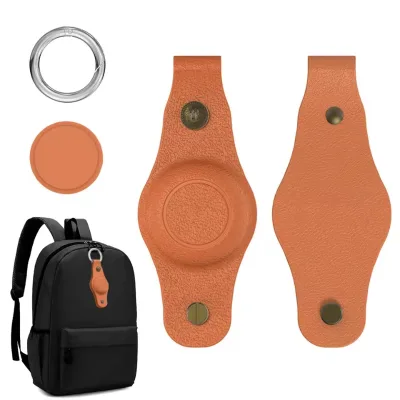
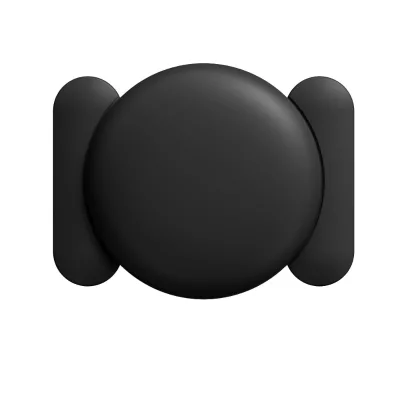
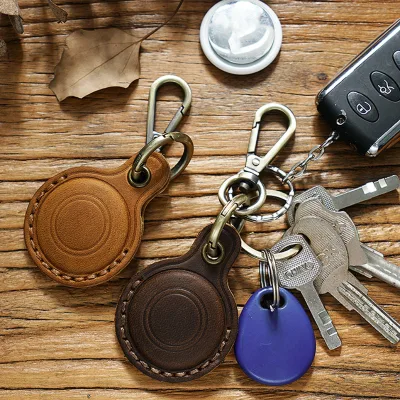
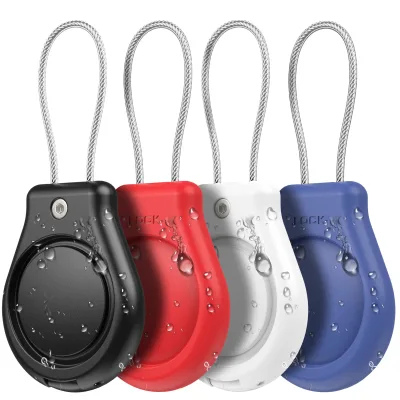
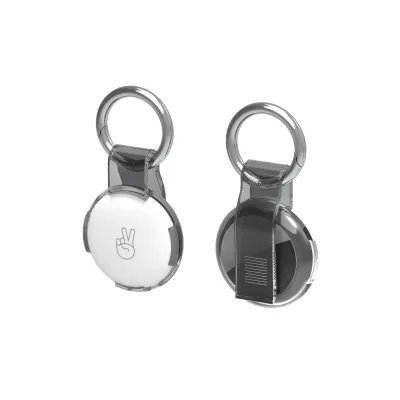
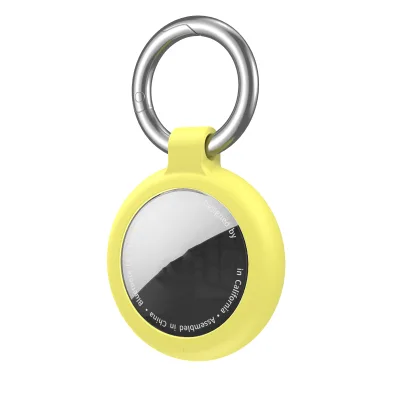
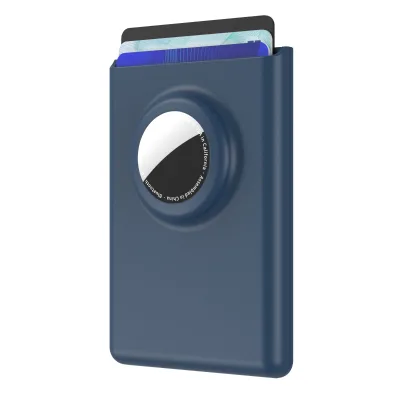
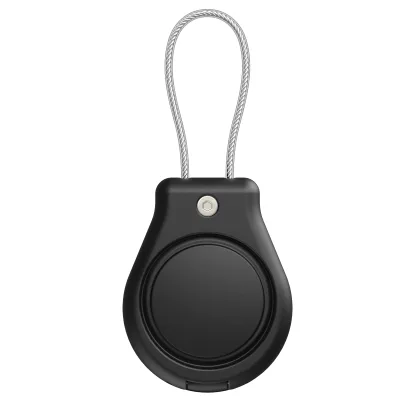
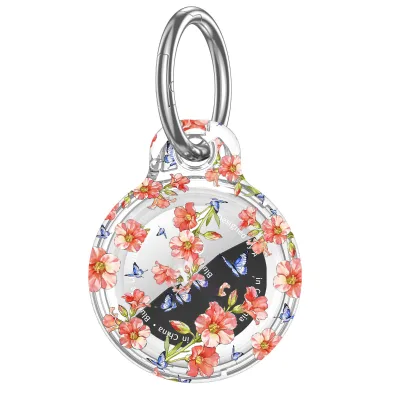


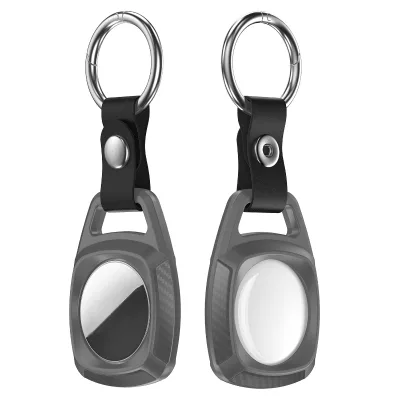
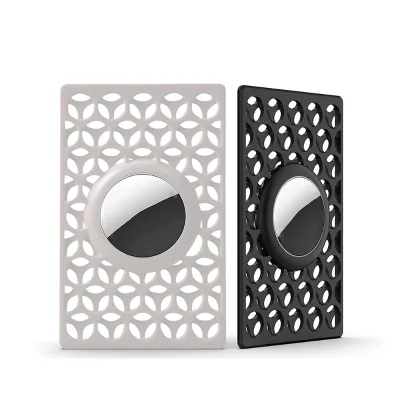
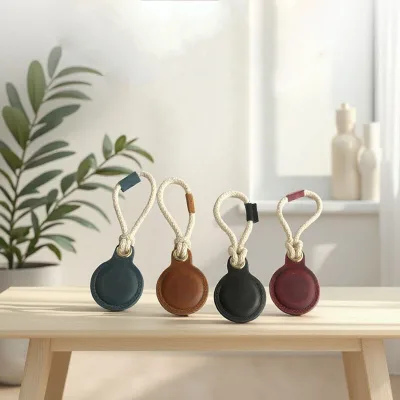
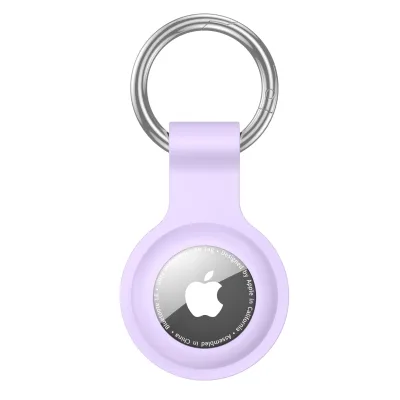




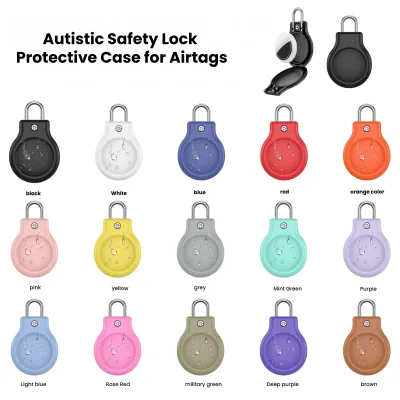
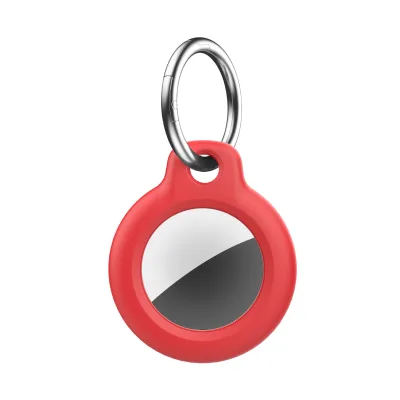
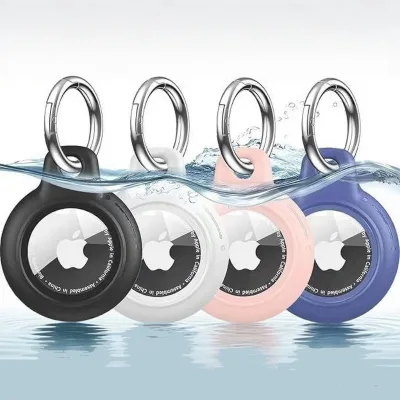
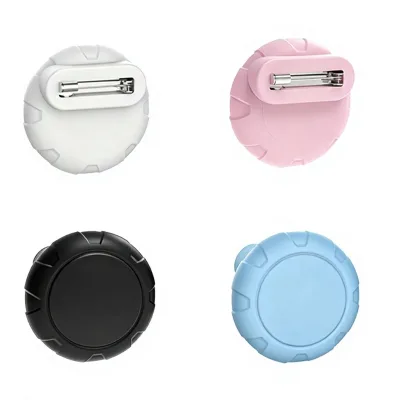
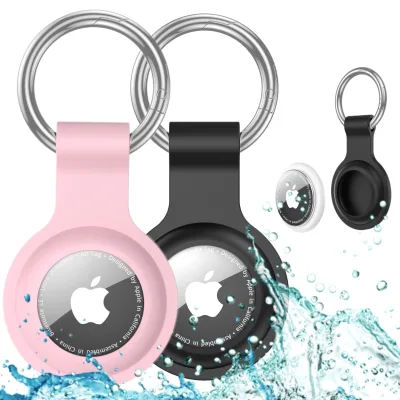


Comprehensive Sourcing Guide
Portable Epoxy AirTag Case Supplier Concentration and Factory Types
The current supplier landscape for portable epoxy airtag cases reveals a distinct concentration of manufacturing and trading entities located in China, specifically within the Guangdong region. This geographic clustering is significant because Guangdong serves as a global hub for consumer electronics accessories, providing suppliers with immediate access to raw materials, specialized molding equipment, and established logistics networks. When evaluating potential partners, buyers should recognize that the majority of verified results originate from this specific province, which suggests a mature ecosystem for producing small, intricate plastic and silicone components. The presence of both trading companies and manufacturers in the results indicates that buyers may encounter different operational models, each offering distinct advantages regarding price negotiation, communication flexibility, and direct factory oversight. Understanding this regional concentration helps in anticipating supply chain dynamics, as proximity to component suppliers often translates to faster prototyping cycles and more competitive pricing structures for bulk orders.
Within this regional cluster, the company types observed include both trading companies and manufacturers or factories, which influences how buyers should approach their sourcing strategy. Trading companies often provide a broader catalog of complementary products, such as phone cases, chargers, and data cables, allowing for consolidated shipping and simplified vendor management. In contrast, manufacturers or factories may offer greater control over the production process, particularly for custom epoxy molding requirements, and might provide more transparent cost breakdowns for raw materials. The verification status of these entities, such as BV verification, adds a layer of confidence regarding their business legitimacy and operational capacity. Buyers should carefully distinguish between these entity types to align their procurement goals, whether they prioritize product variety and ease of communication or direct manufacturing control and specialized technical expertise for epoxy-based protective cases.
How to Verify Portable Epoxy AirTag Case Suppliers
Verifying the credibility of suppliers requires a multi-layered approach that goes beyond surface-level profile reviews. Buyers should prioritize suppliers who display third-party verification badges, such as BV verification, which indicates that an independent agency has audited their business operations and legal standing. This verification is a critical first step in mitigating the risk of engaging with fraudulent entities or shell companies that may not have the actual capacity to fulfill large orders. Additionally, examining the supplier’s response time provides insight into their operational efficiency and customer service quality. A faster response time, such as those observed in the range of 4.48 to 6.79 hours, often correlates with a more responsive and organized procurement team, which is essential for resolving issues quickly during the production and shipping phases. Buyers should use these metrics as initial filters to narrow down their list of potential partners to those who demonstrate professional responsiveness and verified business credentials.
Beyond verification badges and response times, buyers must scrutinize the specific product attributes and customization capabilities listed by the supplier. For epoxy airtag cases, it is crucial to confirm whether the supplier offers OEM and ODM services, as this indicates their ability to produce custom designs, colors, and packaging rather than just standard off-the-shelf items. The presence of detailed product specifications, such as material composition, hardness, and waterproof ratings, helps buyers assess the technical competence of the supplier. Furthermore, checking for system certifications like ISO 9001 can provide additional assurance regarding the supplier’s quality management systems and consistent production standards. Buyers should request samples to physically evaluate the epoxy finish, durability, and fit for the Airtag device, as visual descriptions alone cannot fully convey the quality of the final product. This hands-on verification process is indispensable for ensuring that the supplier can meet the specific aesthetic and functional requirements of the Portable Epoxy AirTag Case.
What to Compare Across Portable Epoxy AirTag Case Suppliers
When comparing suppliers, buyers should focus on key operational metrics such as lead time, minimum order quantity, and pricing structures to determine the best fit for their business needs. Lead times vary significantly among suppliers, with some offering rapid turnaround times of 1-5 days after order confirmation, while others may require 15 to 23 days for production and shipping. This variance is critical for buyers managing inventory levels and fulfilling urgent customer demands. Similarly, the minimum order quantity (MOQ) is a decisive factor, with options ranging from 50 pieces to 300 pieces or more. Lower MOQs are advantageous for testing the market or launching new product lines with minimal risk, whereas higher MOQs may unlock better unit prices for established brands with consistent demand. Buyers should align these operational constraints with their sales forecasts and cash flow capabilities to avoid overstocking or stockouts.
Pricing and customization options are also central to the comparison process. Unit prices for airtag cases can range from approximately $0.40 to $3.00, depending on the material, design complexity, and order volume. Buyers should analyze the price-to-value ratio, considering factors such as the quality of the epoxy finish, the durability of the protective cover, and the inclusion of additional features like keychains or logo printing. Customization availability is another key differentiator, with some suppliers offering full OEM services including logo printing and custom packaging, while others may only provide standard products. Additionally, buyers should compare the main products offered by each supplier to assess their broader capabilities. Suppliers with a diverse range of mobile phone accessories may offer better bundling opportunities, while those specializing in specific niches might provide deeper expertise in their respective areas. This holistic comparison ensures that buyers select a partner who offers the best balance of cost, speed, and quality.
Common Portable Epoxy AirTag Case Sourcing Risks
One of the primary risks in sourcing portable epoxy airtag cases is the potential discrepancy between sample quality and bulk production output. Epoxy molding is a precise process, and variations in temperature, curing time, or material mixture can lead to inconsistencies in the final product’s appearance and durability. Buyers must be vigilant about ensuring that the supplier maintains strict quality control measures throughout the production run. This includes implementing 100% inspection before shipment, as indicated by some suppliers, to catch defects early. Without robust quality assurance protocols, buyers may receive batches with issues such as uneven surfaces, weak adhesion, or incorrect dimensions, which can lead to customer dissatisfaction and returns. Establishing clear quality standards and conducting pre-shipment inspections are essential steps to mitigate this risk and ensure that the final products meet the expected specifications.
Another significant risk is the misalignment of communication and expectations regarding customization and packaging. Suppliers may interpret customization requirements differently, leading to products that do not match the buyer’s design intent. For instance, color matching for epoxy cases can be challenging, and slight variations may occur between the sample and the bulk order. Additionally, packaging details, such as retail boxes or OPP bags, must be clearly specified to avoid logistical issues upon arrival. Buyers should provide detailed technical drawings, color codes, and packaging specifications to minimize misunderstandings. Furthermore, relying on suppliers with vague or inconsistent lead times can disrupt supply chain planning. Buyers should prioritize suppliers with transparent and reliable production schedules to ensure timely delivery. Clear contracts and regular communication are vital to managing these risks and maintaining a smooth sourcing process for portable epoxy airtag cases.
Portable Epoxy AirTag Case Regional Sourcing and Logistics
Sourcing from the Guangdong region in China offers distinct logistical advantages due to its well-developed infrastructure and proximity to major shipping ports. This concentration of suppliers facilitates efficient transportation of goods, reducing transit times and costs for international buyers. The region’s expertise in consumer electronics accessories means that suppliers are familiar with the specific packaging and handling requirements for small, delicate items like airtag cases. Buyers should leverage this regional strength by working with suppliers who have established relationships with reliable freight forwarders. This can streamline the shipping process, ensuring that products are packed securely to prevent damage during transit. Additionally, the availability of local logistics services allows for faster customs clearance and more predictable delivery schedules, which is crucial for maintaining inventory levels and meeting customer expectations.
However, buyers must also consider the potential challenges associated with international shipping from this region. While the infrastructure is robust, global supply chain disruptions can still impact lead times and shipping costs. Buyers should plan for these variables by maintaining open communication with their suppliers and staying informed about current logistics trends. It is also important to verify the supplier’s experience with international shipping, including their knowledge of export documentation and compliance with destination country regulations. Some suppliers may offer different shipping options, such as air freight for urgent orders or sea freight for bulk shipments, allowing buyers to balance cost and speed. By understanding the logistical landscape of the Guangdong region, buyers can make informed decisions about their sourcing strategy and optimize their supply chain for efficiency and reliability.
Portable Epoxy AirTag Case Commercial Terms and Order Planning
Commercial terms and order planning are critical components of a successful sourcing strategy for portable epoxy airtag cases. Buyers should negotiate clear payment terms, such as using escrow services to protect their funds until the goods are received and verified. This adds a layer of security to the transaction, ensuring that suppliers are incentivized to deliver on their promises. Additionally, buyers should establish a comprehensive order plan that includes detailed specifications, delivery schedules, and quality control checkpoints. This plan should be documented in a formal contract to avoid disputes and ensure that both parties are aligned on expectations. Buyers should also consider the total cost of ownership, including shipping, duties, and potential returns, to accurately assess the profitability of the product.
Effective order planning also involves forecasting demand and managing inventory levels to avoid overstocking or stockouts. Buyers should work closely with their suppliers to establish a reliable production schedule that aligns with their sales projections. Regular communication and updates on production progress can help identify potential delays early and allow for corrective actions. Furthermore, buyers should consider the scalability of their supplier relationship, ensuring that the supplier can handle increased order volumes as the business grows. By focusing on these commercial and planning aspects, buyers can build a sustainable and profitable sourcing operation for portable epoxy airtag cases, minimizing risks and maximizing returns.
FAQs
What is the minimum order quantity for Airtag cases?
The minimum order quantity is typically 50 pieces for standard silicone or leather protective covers. Some suppliers offer bulk options starting at 100 or 300 pieces for customized shapes and colors. Buyers should verify specific MOQ requirements with the supplier before placing an order to ensure alignment with their inventory needs.
How long does production take for Airtag cases?
Production lead times generally range from one to five days after order confirmation for standard items. Some suppliers indicate a lead time of up to ten days for specific models. The overall supplier lead time is listed as fifteen days, so buyers should confirm exact timelines to manage their supply chain effectively.
Are Airtag cases waterproof and durable?
Many available cases feature dirt-resistant, anti-knock, and waterproof functions to protect the tracker. Materials include soft silicone and genuine leather, offering shockproof protection. Some products undergo 100% inspection before shipment to ensure quality. Buyers should check specific product attributes for detailed durability claims and material specifications.
Can I customize the logo on Airtag cases?
Logo printing is available for many Airtag case suppliers, allowing for brand customization. Some options accept logo printing on leather or silicone materials. However, certain products may be listed without logo printing. Buyers must verify customization availability and any associated costs or minimum order requirements directly with the supplier.
What is the price range for Airtag cases?
Prices for Airtag cases typically range from $0.40 to $1.10 per unit depending on the material and design. Silicone cases often start around $0.40, while leather or premium options may cost up to $1.10. Buyers should request quotes for specific quantities and customization needs to determine the final unit price.
Where are these Airtag cases manufactured?
These cases are primarily manufactured in Guangdong, China. Suppliers in this region specialize in mobile phone accessories and consumer electronics. Buyers can verify the origin of specific products to ensure they meet their sourcing preferences and logistical requirements for international shipping and compliance.