Portable Electric Industrial Convection Oven Suppliers and Manufacturers
Compare 29 verified Portable Electric Industrial Convection Oven suppliers by location, response time, and lead time. Review GMP certifications and pricing details to select a factory for your bakery needs; review the available evidence before requesting comparable quotations from suitable candidates.
Updated
Suppliers List

Shanghai Mooha Import & Export Co., Ltd.
- Verified by TUVRHEINLAND
- Trading Company,Manufacturer/Factory
- China Shanghai
- Lead time23 days
- Avg. response≤ 3h
Main productsAuger Filler, Powder Filler, Screw Feeder, Bucket Feeder, Net Weight Filling Machine, Liquid Filling Machine, Vffs Machine, Powder Filling Machine, Bakery Equipment, Liquid Filler
Main marketsSouth America,Eastern Europe,Mid East,North America,Southeast Asia,Eastern Asia,Oceania,Western Europe,Africa

BestBake Machinery Technology (Zhaoqing) Co.,Ltd
- Verified by BV
- Combined
- China Guangdong
- Lead time30 days
- Avg. response≤ 5h
Main productsBakery Equipment, Dough Mixer, Baking Oven, Pizza Oven, Bread Oven, Baking Machine, Bakery Machine, Donuts Machine, Bread Machine, Rotary Oven
Main marketsSouth America,Africa,Southeast Asia/ Mideast,East Asia(Japan/ South Korea),Europe,North America


Industrial Electric Convection Oven for Baking Bread in Bakery Equipment
$1160.00 - $1340.00
MOQ: 1 Sets


High-Efficiency Industrial Electric Convection Baking Oven for Professionals
$2315.00 - $2670.00
MOQ: 1 Sets

Guangzhou Bakestar Machinery Co.,Ltd
- Combined
- China Guangdong
- Lead time15 days
- Avg. response≤ 11h
Main productsBaking Ovens, Bakery Equipments, Bakery Machines, Rotary Ovens, Moulders, Bread Machine, Pizza Oven, Pita Bread Machine, Tunnel Ovens, Baking Oven
Main marketsDomestic

Shijiazhuang Haidier Machinery Export Co., Ltd.
- Trading Company
- Hebei, China
- Lead time15 days
- Avg. response≤ 6h
Main productsfood machine,bakery equipment,baking equipment,bread machine,bakery machine
Main marketsSouthern Europe(11.11%), Central America(11.11%), Eastern Asia(11.11%), Mid East(11.11%), Oceania(11.11%), Africa(11.11%), Southeast Asia(11.11%), South America(11.11%), North America(11.11%), South Asia(0.10%)

Henan Chanda Machinery Co., Ltd
- Verified by SGS
- Trading Company,Manufacturer/Factory
- China Henan
- Lead time15 days
- Avg. response≤ 4h
Main productsFood Machine, Vegetable Cutting Machine, Bun Making Machine, Roti Making Machine, Samosa Making Machine, Skin Vacuum Packing Machine, Peeling Machine, Tablet Press Machine, Noodle Boiler, Meat Cutting Machine
Main marketsSouth America,Eastern Europe,Mid East,North America,Southeast Asia,Eastern Asia,Oceania,Western Europe,Africa

$1800.00 - $5000.00
MOQ: 1 Pieces

Industrial Electric Convection Oven Gas Powered Convection Oven Round Convection Oven for Sale
$1800.00 - $5000.00
MOQ: 1 Pieces

$1800.00 - $5000.00
MOQ: 1 Pieces

Henan Huanor Import And Export Trade Co., Ltd.
- Verified by TüVRheinland
- Trading Company
- Lead time0 days
- Avg. response≤ 6h
Main productsMeat Grinder, Bowl Cutter, Slicer, Beef Patty Machine
Main marketsNorth America(20%), Western Europe(20%), Eastern Europe(8%)

Henan Smile Technology Industrial Co., Ltd.
- Verified by SGS
- Trading Company,Manufacturer/Factory
- China Henan
- Lead time0 days
- Avg. response≤ 8h
Main productsBaking Oven, Industrial Mixer, Laboratory Equipment, Bakery Equipment, Bakery Processor, Kitchen Equipment, Refrigeration Series, Fast Food Equipment, Juicer Extractor Machine

Guangzhou Masterbakes Equipment Co., Ltd.
- Verified by SGS
- Combined
- China Guangdong
- Lead time15 days
- Avg. response≤ 4h
Main productsGas Deck Oven, Electric Deck Oven, Convection Oven, Rotary Oven, Electric Rotary Oven, Gas Rotary Oven, Diesel Rotary Oven, Spiral Mixer, Planetary Mixer, Bread Proofer
Main marketsAfrica,Southeast Asia/ Mideast,Europe


Reliable Electric Convection Oven for Industrial Use with Safety Elements
$1317.46 - $1549.95
MOQ: 5 Sets

Anti-Corrosion Electric Convection Oven with Humidity-Controlled Baking
$1317.46 - $1549.95
MOQ: 5 Sets


Guangzhou Sunrry Kitchen Equipment Co., Ltd.
- Verified by CTI
- Trading Company,Manufacturer/Factory
- China Guangdong
- Lead time30 days
- Avg. response≤ 3h
Main productsCommercial Kitchen Solutions, Turnkey Kitchen Solutions, Catering Equipment, Restaurant Equipment, Commercial Refrigeration Equipment, Commercial Bakery Equipment, Commercial Cooking Equipment, Stainless Steel Equipment, Commercial Food Prep Equipment, Commercial Kitchen Equipment
Main marketsSouth America,Eastern Europe,Mid East,North America,Southeast Asia,Eastern Asia,Oceania,Western Europe,Africa

Henan Penghui Machinery And Equipment Co., Ltd.
- Manufacturer, Trading Company
- Henan, China
- Lead time3 days
- Avg. response≤ 2h
Main productsFood machinery,Agricluture machinery,Wood machinery,Recycling machinery,Plastic machinery
Main marketsAfrica(30.00%), Eastern Europe(30.00%), North America(30.00%), Mid East(10.00%)

Guangzhou Youbake Kitchen Equipment Co., Ltd.
- Verified by BV
- Trading Company,Manufacturer/Factory
- China Guangdong
- Lead time23 days
- Avg. response≤ 4h
Main productsBaking Oven, Rotary Oven, Dough Mixer, Proofer, Toast Moulder, Baguette Moulder, Semi-Automatic Dough Rounder, Full-Automatic Dough Rounder, Electric Dough Divider, Deck Oven
Main marketsSouth America,Eastern Europe,Mid East,North America,Southeast Asia,Eastern Asia,Oceania,Western Europe,Africa


Convection Oven Bread Manufacturing Equipment Electric Oven Commercial Bakery
$699.00 - $2599.00
MOQ: 1 Sets


Hot Air Convection Oven Electric with Steam Bakery Commercial Convection Ovens
$1000.00 - $1820.00
MOQ: 1 Sets

Luohe Langrui Electromechanical Equipment Co., Ltd.
- Verified by TüVRheinland
- Trading Company
- Lead time15 days
- Avg. response≤ 2h
Main productsFruit And Vegetable Processing Equipment, Meat Processing Machinery, Nut Processing Machinery, Snack Processing Machinery, Packaging Machinery
Main marketsAfrica(25%), North America(20%), Southeast Asia(18%)
Guangzhou Bochang Catering Equipment Co., Ltd.
- Manufacturer, Trading Company
- Lead time旺季: "1 - 10":7,"> 10":"To be negotiated", 淡季: "1 - 10":7,"> 10":"To be negotiated"
- Avg. response≤ 3h
Main productsCommercial Kitchen Combination Oven,Commercial Deep Fryer,Commercial Grill/Barbecue Grill,Commercial Ice Cream machine,Waffle Maker
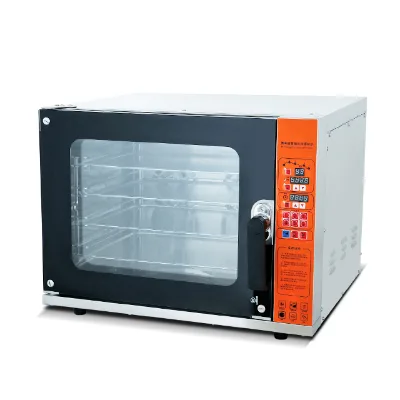
Factory Price Hot Sale Commercial 4 Trays Ovens Electric Convection Oven With Steam Function
$360.3469 - $389.1744
MOQ: 1 pieces
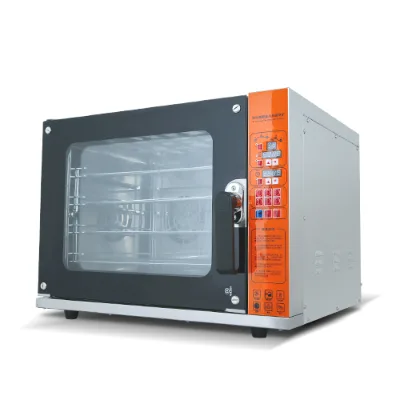
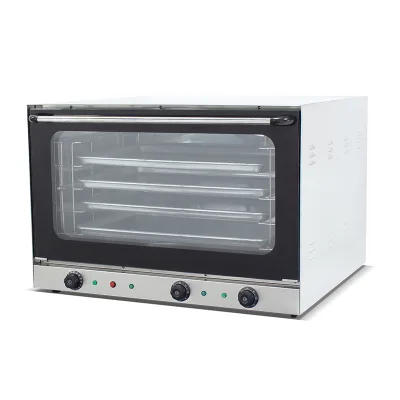
$205.7683 - $226.3463
MOQ: 1 pieces
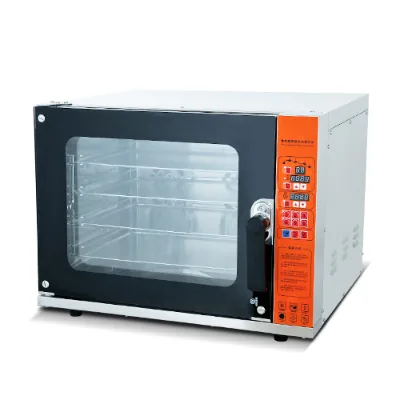
Good Quality Ovens Commercial Equipment Electric Baking Oven Pizza Cone Mini Oven
$350.00 - $378.00
MOQ: 1 pieces
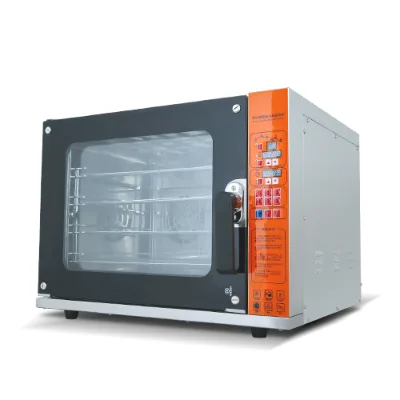
Wholesale Best Quality Professional Bread Oven Bakery Commercial Pizza Oven Electric for Sale
$360.0952 - $388.9033
MOQ: 1 pieces

Guangdong Jieguan Kitchen Equipment Manufacturing Co., Ltd.
- Combined
- China Guangdong
- Lead time30 days
- Avg. response≤ 6h
Main productsCombi Oven, Convection Oven, Fryer, Griddle, Induction Cooker, Coffee Maker, Chicken Rotisserie, Food Warmer, Bain Marie, Pasta Cooker and Cooking Range
Main marketsSouth America,Africa,Others(foreignTradeCapacity.exportBusinessCapacityMarketOther),Europe,Australia


Popular Electric Convection Bakery Oven with Spray Commercial Kitchen Equipment Baking Oven
$260.00 - $280.00
MOQ: 1 Pieces


High Quality Double Fan 4 Tray Electric Convection Oven with CE Eb-4ae
$452.00 - $480.00
MOQ: 1 Pieces
Guangzhou Baokang Western Kitchen Equipment Factory
- Verified by Intertek
- Manufacturer, Trading Company
- Lead time30 days
- Avg. response≤ 4h
Main productsFryer, Food Warmer, Griddle, Waffle Maker, Popcorn Machine
Main marketsEastern Europe(45%), Southeast Asia(20%), Africa(20%)
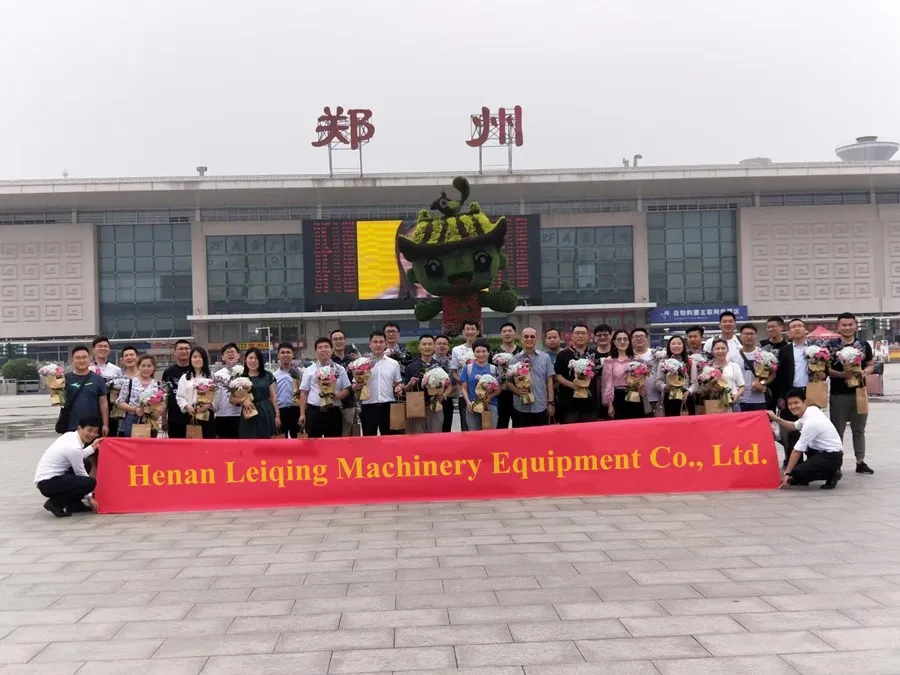
Henan Leiqing Machinery Equipment Co., Ltd.
- Trading Company
- Henan, China
- Lead time5 days
- Avg. response≤ 4h
Main productsDough&Pastry Machines,Meat&Vegetable Machines,Packing Machines,Filling&Packing Machines,Coding&Sealing Machines
Main marketsSouth America(10.00%), Domestic Market(5.00%), South Asia(5.00%), Southern Europe(5.00%), Northern Europe(5.00%), Central America(5.00%), Western Europe(5.00%), Eastern Asia(5.00%), Mid East(5.00%), Oceania(5.00%), Southeast Asia(5.00%), Eastern Europe(5.00%), North America(5.00%)
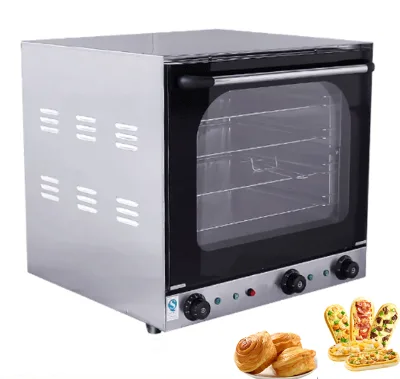
$318.0688 - $369.3694
MOQ: 1 sets
Guangzhou Sizhi Electromechanical Equipment Co., Ltd.
- Manufacturer
- Guangdong, China
- Lead time45 days
- Avg. response≤ 4h
Main productsKitchen Equipment,Catering Equipment,Commercial Fryer,Commercial Waffle Maker,Commercial Contact Grill
Main marketsMid East(20.00%), Northern Europe(20.00%), South Asia(20.00%), South America(20.00%), Africa(10.00%), Domestic Market(5.00%), Eastern Europe(5.00%)
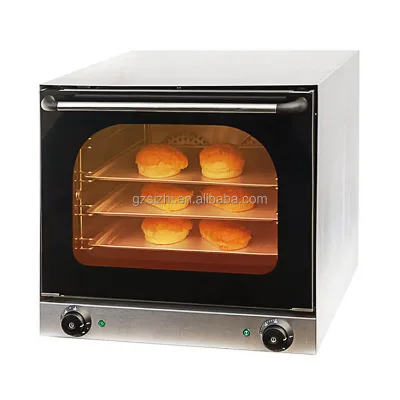
Commercial Kitchen Equipment Electric Convection Oven for Baking Cookies Cake Bread
$170.68 - $196.52
MOQ: 10 sets
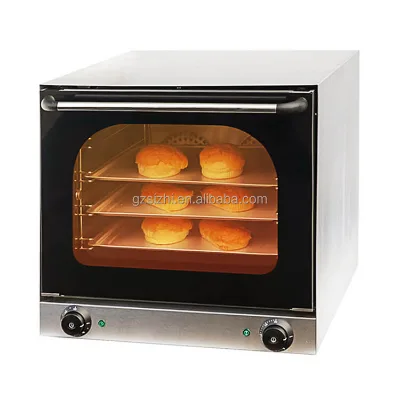
Commercial 3 Layer 28 Liters Electric Hot Air Convection Oven for Cake Pizza Roasting
$170.68 - $196.52
MOQ: 10
Guangzhou ITO Catering Equipment Co., Ltd.
- Verified by TüVRheinland
- Manufacturer, Trading Company
- Lead time15 days
- Avg. response≤ 2h
Main productsFryer, Oven, Ice Cream Machine, Beverage Dispenser, Popcorn Machine
Main marketsSoutheast Asia(19%), Mid East(16%), Africa(15%)
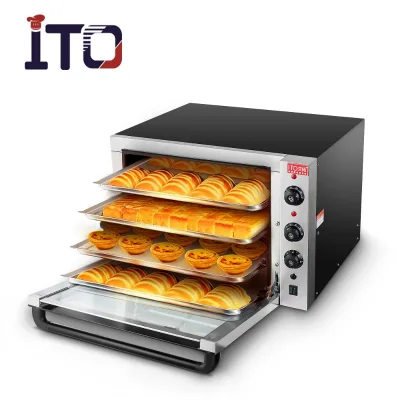
Counter Top Industrial Convection Oven for Sale
$358.00 - $376.00
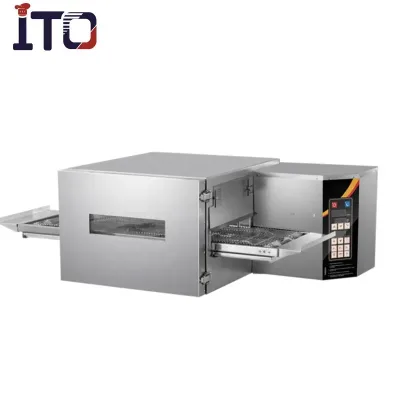
Commercial Electric Convection Conveyor Pizza Oven with Conveyor
$1578.00 - $1878.00

- Verified by SGS
- Trading Company
- China Guangdong
- Lead time30 days
- Avg. response≤ 4h
Main productsAir Fryer, Air Fryer Oven, Toaster Oven, Electric Oven, Toaster, Pressure Cooker, Commercial Microwave Oven, Commercial Oven, Aroma Diffuser, Ice Maker
Main marketsEast Asia(Japan/ South Korea),Europe,North America

Foshan Nanhai Flamemax Catering Equipment Co., Ltd.
- Verified by SGS
- Combined
- China Guangdong
- Lead time30 days
- Avg. response≤ 1h
Main productsConvection Oven, Pizza Oven, Rotisserie, Gas Stove, Shawarma Machine, Fryer, Hot Air Oven, Bakery Oven, Bakery Equipment, Kitchen Equipment
Main marketsSouth America,Africa,Southeast Asia/ Mideast

Efficient Electric Rotary Convection Oven for Commercial Baking Needs
$1446.00 - $1519.00
MOQ: 1 Pieces

Commercial Versatile Bread Baking Oven Electric Convection Oven with 16-Pans Capacity for Baking
$1580.00 - $1659.00
MOQ: 1 Pieces

Professional Digital Electric Convection Oven for Efficient Bakery Use
$315.00 - $331.00
MOQ: 2 Pieces

Mini Electric Counter Top Convection Oven with 3 Trays for Efficient Baking
$165.00 - $174.00
MOQ: 1 Pieces


Professional Gas Rotating Convection Oven with Digital Control System
$1692.00 - $1778.00
MOQ: 1 Pieces
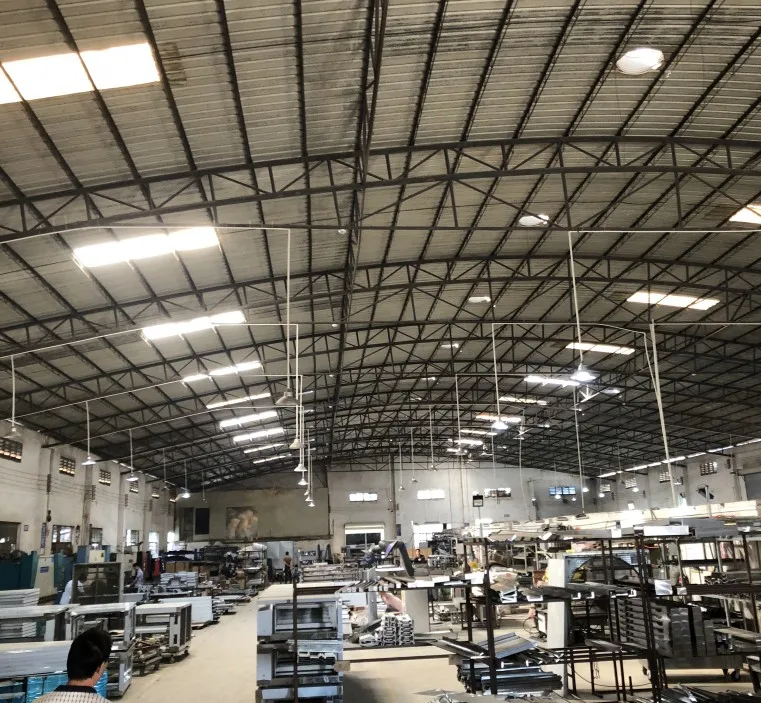
Shijiazhuang Bake Machine Tech Co., Ltd.
- Trading Company
- Hebei, China
- Lead time5 days
- Avg. response≤ 6h
Main productsBakery Machine,Bakery Production Line,Bread Making Machine,Bakery Equipment,Deck Oven
Main marketsNorth America(30.00%), Africa(15.00%), Western Europe(12.00%), Mid East(10.00%), Eastern Europe(5.00%), Northern Europe(5.00%), Central America(5.00%), Southern Europe(5.00%), South America(5.00%), Southeast Asia(3.00%), South Asia(2.00%), Domestic Market(1.00%), Eastern Asia(1.00%), Oceania(1.00%)

Guangzhou Nantian Sources Co., Ltd.
- Manufacturer/Factory
- China Guangdong
- Lead time15 days
- Avg. response≤ 6h
Main productsKitchen Equipment, Kitchenware, Food Machine, Kitchen Appliance, Glassware, Food Machinery, Bakery Equipment, Dinnerware, Kitchen Utensils, Food Processor
Main marketsSouth America,Mid East,Southeast Asia,Eastern Asia,Oceania,Africa
FOSHAN LIBOSA HOTEL SUPPLIES CO., LTD.
- Manufacturer, Trading Company
- Guangdong, China
- Lead time15 days
- Avg. response≤ 2h
Main productsoven,mixer,proffer,ice maker,cakeshowcase
Main marketsMid East(20.00%), Eastern Europe(10.00%), South America(10.00%), North America(10.00%), Southeast Asia(5.00%), Domestic Market(5.00%), South Asia(5.00%), Southern Europe(5.00%), Northern Europe(5.00%), Central America(5.00%), Western Europe(5.00%), Eastern Asia(5.00%), Oceania(5.00%), Africa(5.00%)
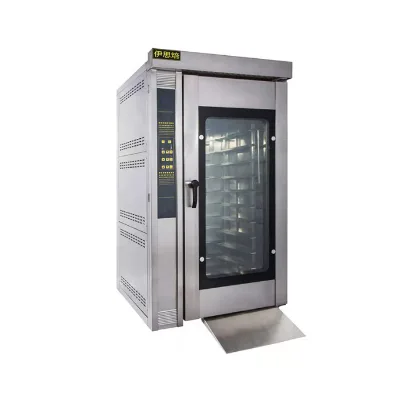
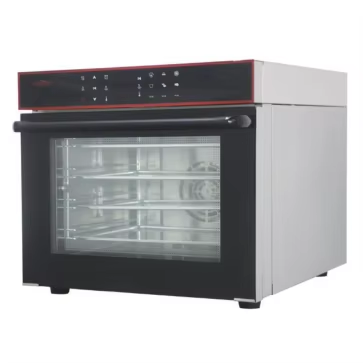
New Style Mini Convection Oven Electric
$399.00 - $553.00
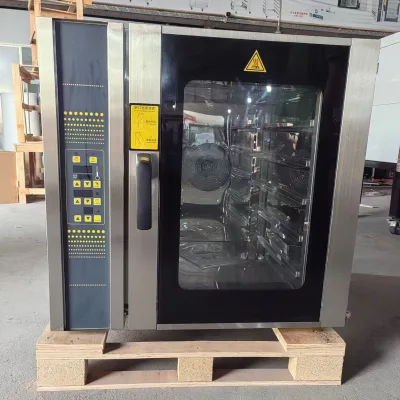
convection oven 40x60 dimensions
$919.00 - $979.00
Shijiazhuang Daina Machinery Commerce Co., Ltd.
- Verified by SGS Group
- Trading Company
- Lead time15 days
- Avg. response≤ 1h
Main productsIce Cream Machine, Ice Cream Cups, Deck Oven, Snack Machines, Baking Oven
Main marketsNorth America(20%), Africa(20%), Mid East(20%)
Guangzhou Weige Machinery Equipment Co., Ltd.
- Manufacturer, Trading Company
- Lead time旺季: "1 - 1":15,"> 1":"To be negotiated", 淡季: "1 - 1":15,"> 1":"To be negotiated"
- Avg. response≤ 5h
Main productsDeck Oven, Convection Oven, Rotisserie Oven, Pizza Oven, Rotary Oven

Guangzhou Astar Kitchen Equipment Co., Ltd.
- Verified by BV
- Combined
- China Guangdong
- Lead time15 days
- Avg. response≤ 15h
Main productsBakery Equipment, Oven, Kitchen Equipment, Mixer, Baking Oven, Convection Oven, Rotary Oven, Pizza Oven, Refrigerator, Cake Showcase
Main marketsAfrica,Domestic,Europe


High Efficiency Large Capacity Electric Hot Air Baking Convection Oven
$310.00 - $340.00
MOQ: 1 Pieces


Bakery Equipment Baking Oven 12 Trays Hot Air Convection Oven with Trolley
$2750.00 - $3088.00
MOQ: 1 Pieces


Guangzhou Hongyi Catering Equipment Co., Ltd
- Verified by TUVRHEINLAND
- Combined
- China Guangdong
- Lead time15 days
- Avg. response≤ 9h
Main productsDeep Fryer, Marinating Machine, Grill, Oven, Ice Cream Machine, Commercial Cooking Machine
Main marketsDomestic


8 Trays Hot Air Convection Bread Baking Electric Convection Bread Oven
$1486.00 - $1600.00
MOQ: 1 Pieces
Guangzhou Astar Kitchen Equipment Co., Limited
- Verified by TüVRheinland
- Manufacturer, Trading Company
- Lead time15 days
- Avg. response≤ 6h
Main productsOven, Hot Air Convection Oven, Rotary Oven, Food Mixer, Dough Mixer
Main marketsSouth America(20%), Africa(20%), Southeast Asia(10%)
Henan Jinfuda Trading Co., Ltd.
- Trading Company
- Lead time旺季: "1 - 1":15,"> 1":"To be negotiated", 淡季: "1 - 1":15,"> 1":"To be negotiated"
- Avg. response≤ 3h
Main productsFruit Vegetables Processing Machines, Meat Processing Machines, Bakery Pastry Processing Machines, Snack Processing Machines, Packaging Machines




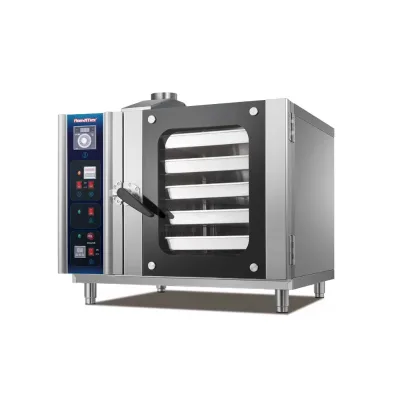


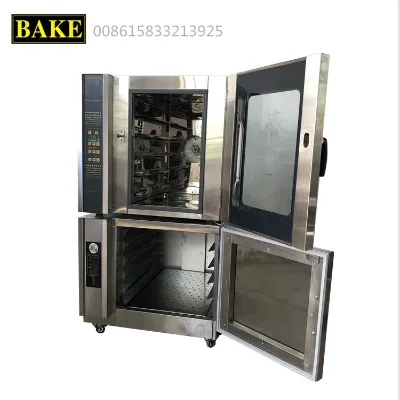
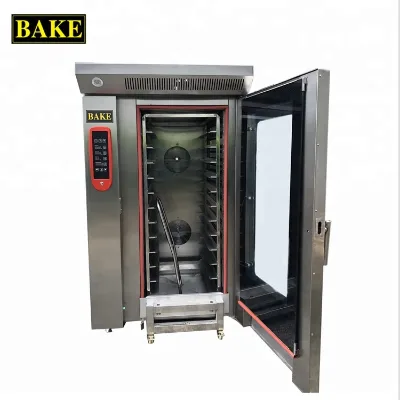


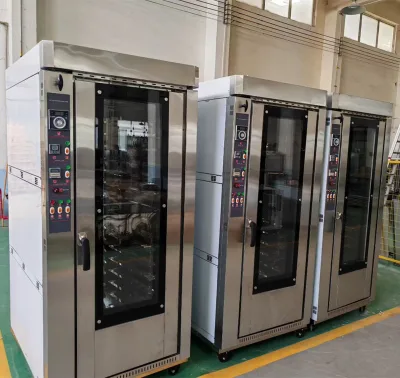
Comprehensive Sourcing Guide
Portable Electric Industrial Convection Oven Supplier Concentration and Factory Types
Current data indicates a concentration of manufacturing and trading entities in China, specifically within Shanghai and Guangdong provinces. These regions host suppliers offering a diverse range of bakery machinery, including auger fillers, powder fillers, and various convection oven models. The supplier base includes both manufacturers and factories alongside trading companies, suggesting a mix of direct production capabilities and distribution networks. Some entities list their primary output as bakery equipment, dough mixers, and rotary ovens, while others focus on specific filling and weighing machinery. This geographic clustering allows for a dense network of potential partners, though the specific factory type varies significantly between individual vendors.
Buyers must distinguish between trading companies and actual manufacturers when evaluating these clusters. The available records show company types ranging from pure trading entities to combined manufacturer-factory setups. Some suppliers offer OEM and ODM services, indicating in-house design and production capacity, while others may rely on third-party manufacturing. The presence of "Own Brand" capabilities alongside OEM services suggests that some factories have established their own product lines. However, without explicit confirmation of a specific vendor's factory status, buyers should verify whether the listed entity is the actual producer or an intermediary. This distinction is critical for understanding lead times, customization flexibility, and direct communication channels regarding technical specifications.
How to Verify Portable Electric Industrial Convection Oven Suppliers
Verification of supplier credentials is essential when sourcing industrial baking equipment. The current dataset reveals that some suppliers hold TUVRHEINLAND verification status, while others display BV verification. These third-party validations provide a baseline of trust regarding the company's operational legitimacy. Additionally, system certifications such as GMP are noted for certain entities, indicating adherence to specific quality management standards. However, other suppliers in the results list their system certification as "NIL" or "Others," which requires further investigation. Buyers should not assume all listed suppliers possess the same level of certification or verification status and must request current certificates directly from the vendor.
Beyond formal certifications, buyers should assess the responsiveness and operational history of potential partners. Response times in the observed data vary, with some suppliers showing a response time of approximately 2.53 hours, while others take significantly longer, such as 10.91 hours. This metric can indicate the efficiency of the sales team and the likelihood of timely communication during the procurement process. Furthermore, the presence of specific product attributes, such as voltage requirements of 380V or specific tray capacities, serves as a proxy for product knowledge. Buyers should verify that the supplier can accurately confirm these technical details and provide evidence of past performance through references or detailed product documentation before committing to an order.
What to Compare Across Portable Electric Industrial Convection Oven Suppliers
When evaluating multiple vendors, lead time is a primary differentiator that impacts project planning. The observed data shows lead times ranging from 15 days to 30 days, with some suppliers offering faster turnaround options. A supplier with a 15-day lead time may be preferable for urgent orders, whereas a 30-day lead time might be acceptable for planned inventory replenishment. Buyers must compare these timelines against their specific production schedules and ensure that the quoted lead time includes all necessary steps, from raw material procurement to final packaging. It is also important to confirm whether the lead time applies to standard models or if customization will extend the delivery window.
Pricing and minimum order quantities (MOQ) are equally critical factors in the comparison process. The available price ranges for convection ovens vary significantly, with some models listed between $1,160 and $1,340, while others range from $3,116 to $3,280. These price differences often correlate with capacity, power specifications, and included features like timing devices or specific tray sizes. Additionally, the MOQ for these industrial units appears to be as low as one unit for some suppliers, which is advantageous for small-scale operations or testing new markets. Buyers should analyze the total cost of ownership, including shipping and potential customization fees, rather than focusing solely on the base unit price. Comparing the power source options, such as electric versus gas, and the specific voltage requirements will also help in selecting the most cost-effective and suitable equipment for the intended application.
Common Portable Electric Industrial Convection Oven Sourcing Risks
One significant risk involves the discrepancy between advertised product attributes and actual delivery specifications. The data shows variations in product models, such as YKZ-12, YZD-12, and NK-4E, each with distinct power ratings and dimensions. A supplier might list a 12-tray oven with 380V voltage, but the actual delivered unit could differ in power consumption or physical dimensions, such as the 1225800645mm size noted for some models. Buyers must ensure that the technical specifications provided in the initial inquiry match the final product contract to avoid operational disruptions. Misalignment in power requirements, such as the availability of both electric and gas options, can lead to installation failures if the facility infrastructure is not compatible.
Another risk is the variability in packaging and shipping standards, which can affect the condition of the equipment upon arrival. The records indicate different packing methods, including plywood cases and wooden cases, with specific instructions for bread ovens and convection ovens. Inconsistent packaging standards can lead to damage during transit, especially for heavy industrial machinery weighing up to 200kg. Buyers should verify the packaging details for their specific order and request photos or videos of the packing process before shipment. Additionally, the lack of standardized certifications for some suppliers, indicated by "NIL" or "Others" in the data, poses a risk regarding product safety and compliance with local regulations. Ensuring that the supplier can provide valid safety certifications and test reports is crucial to mitigate these risks.
Portable Electric Industrial Convection Oven Regional Sourcing and Logistics
Geographic location plays a pivotal role in determining logistics costs and delivery efficiency. The current supplier pool is concentrated in Shanghai and Guangdong, two major industrial hubs in China. Suppliers in Shanghai, such as those offering the YKZ-12 model, may have different shipping advantages compared to those in Guangdong, like the NK-4E manufacturer. Buyers should consider the proximity of the factory to major ports to minimize inland transportation costs. The origin of the products, explicitly stated as Shanghai or Guangzhou in some records, provides a clear starting point for calculating freight charges. Understanding the specific port of loading is essential for accurate logistics planning and budgeting.
Logistics planning must also account for the specific dimensions and weight of the equipment. The observed data lists weights ranging from 150kg to 200kg and dimensions that vary based on the number of trays, such as 12 trays versus 4 trays. These physical attributes directly impact shipping container utilization and freight rates. Buyers should request detailed packing lists that include the exact dimensions and weight of the packaged unit to ensure the correct shipping method is selected. Furthermore, the availability of gas-powered options alongside electric models may require special handling or documentation depending on the destination country's regulations. Coordinating with a freight forwarder who understands the specific requirements of industrial bakery equipment is recommended to navigate these logistical complexities effectively.
Portable Electric Industrial Convection Oven Commercial Terms and Order Planning
Commercial terms, including payment methods and escrow services, are vital for securing a safe transaction. While the current data does not explicitly confirm the availability of escrow services for all suppliers, buyers should prioritize vendors who offer secure payment channels. The presence of verification badges like TUVRHEINLAND and BV suggests a higher level of trust, but specific payment terms must be negotiated and documented. Buyers should clarify whether the quoted prices include shipping, insurance, and taxes, as these costs can vary significantly based on the Incoterms agreed upon. Understanding the full scope of the commercial agreement prevents unexpected expenses and ensures a smooth transaction process.
Order planning requires a clear understanding of the customization capabilities and production capacity of the supplier. The data indicates that some suppliers offer customization services, while others list products as "Non-Customized." For buyers requiring specific modifications, such as unique voltage configurations or custom tray sizes, it is essential to confirm the supplier's ability to deliver these changes within the agreed lead time. The capacity to handle OEM and ODM orders varies, with some suppliers listing "Own Brand" capabilities alongside OEM services. Buyers should align their order volume with the supplier's production capacity to avoid delays. Additionally, verifying the availability of spare parts and after-sales support is crucial for long-term operational stability, ensuring that the investment in industrial baking equipment yields consistent results.
FAQs
What is the price range for portable electric convection ovens?
Prices for these industrial units typically range from $1,160 to $4,060 depending on capacity and features. Specific models like the 12-tray electric version are priced between $3,116 and $3,280. Lower-capacity countertop options start around $1,160. Buyers should verify exact pricing based on the desired tray count and power specifications before ordering.
What is the minimum order quantity for these ovens?
The minimum order quantity is generally one unit, allowing for single-unit purchases. This low MOQ facilitates easy testing of equipment quality before committing to larger orders. Buyers can start with a single oven to evaluate performance in their specific bakery or commercial kitchen environment without significant initial investment or inventory risk.
How long does delivery take for these industrial ovens?
Lead times vary by supplier, ranging from 15 to 30 days. Some manufacturers offer faster turnaround times of 15 days, while others require up to 30 days for production and shipping. Buyers should confirm the specific lead time with the supplier to ensure it aligns with their operational schedule and project deadlines.
Are these ovens customizable for specific bakery needs?
Yes, customization is available for many industrial convection ovens. Suppliers offer OEM and ODM services to tailor equipment to specific requirements. Buyers can request custom dimensions, power sources, or tray configurations. It is essential to discuss specific needs with the manufacturer to ensure the final product meets your exact operational standards and kitchen layout.
What certifications do these bakery ovens have?
Certifications vary by supplier, with some holding GMP system certification and others having none listed. Verification services like TÜV Rheinland and BV are used by certain manufacturers. Buyers should request specific certification documents from the supplier to ensure compliance with local safety and quality standards before finalizing any purchase agreement.
Where are these industrial ovens manufactured?
These ovens are primarily manufactured in China, with specific production hubs in Shanghai and Guangdong. Shanghai-based suppliers often offer models like the YKZ-12, while Guangdong manufacturers provide options like the NK-4E. Buyers should verify the exact origin to understand shipping logistics and potential import duties associated with the equipment.