Source Tinned Copper HDMI Cable for Computer, Monitor, and Projector
Find 30 verified options for Tinned Copper HDMI Cable suitable for computers, monitors, and projectors. Compare specifications including conductor types, shielding, and lengths from suppliers in Zhejiang, China. Explore various models like HITEK-31 and SH-FO-0030 with different gauges and insulation materials to meet your specific audio and video transmission needs efficiently.
Updated
Key considerations
Products List


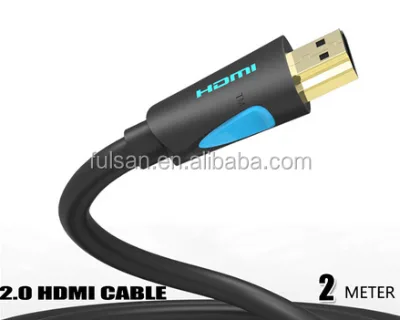
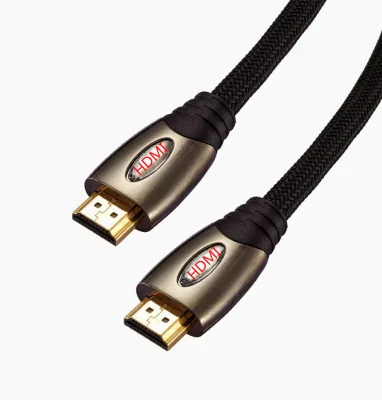
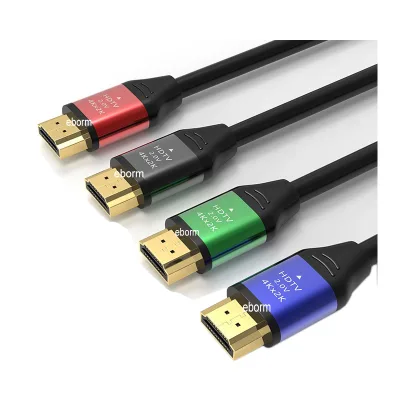


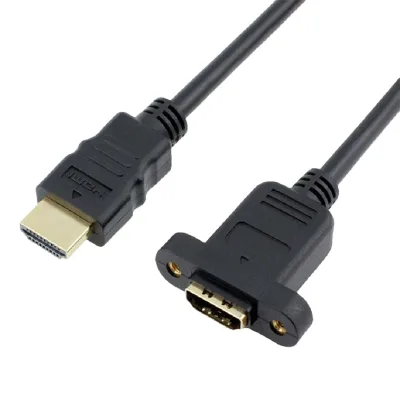


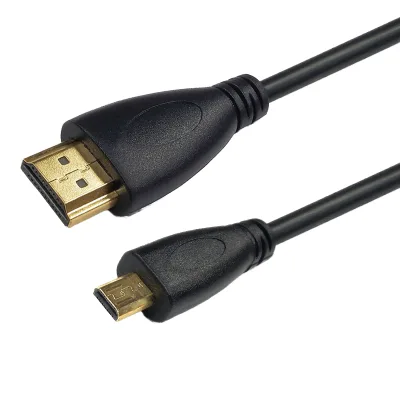

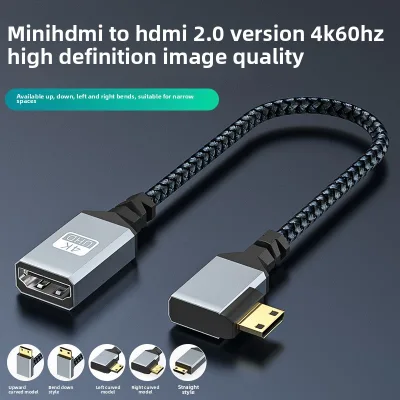




Comprehensive Sourcing Guide
Tinned Copper HDMI Cable Sourcing Guide
Sourcing tinned copper HDMI cables requires careful attention to material composition and connector integrity, as these factors directly influence signal stability and long-term durability in professional AV installations. Buyers must distinguish between pure copper variants and composite options like CCA or CCAM, which offer cost savings but may compromise conductivity and corrosion resistance over time. The observed market data indicates a wide range of conductor types, including CCS, oxygen-free copper, and tinned wire cores, each presenting distinct trade-offs in performance and price. Understanding these material differences is essential for selecting the right cable for specific bandwidth and distance requirements.
Procurement decisions should also account for the diverse application environments, from home theater systems to industrial CCTV setups, where environmental stressors like heat, moisture, and physical abrasion can degrade cable performance. The supplied facts highlight applications ranging from multimedia and computer connections to specialized uses in microphones and projectors, suggesting that buyers need to match cable specifications to their end-use scenarios. By verifying the jacket material, shielding effectiveness, and connector gender, buyers can ensure that the selected HDMI cables meet the rigorous demands of their specific technical infrastructure without over-specifying or under-performing.
Product Scope and Observed Listing Signals
The current market landscape for HDMI cables reveals a broad spectrum of product configurations, with observed prices ranging from $0.1 to $5 USD and minimum order quantities (MOQs) varying between 5 and 1000 units. This wide price band reflects differences in conductor quality, shielding complexity, and packaging standards, allowing buyers to align purchases with their budget constraints and volume needs. The presence of both single-item selling units and bulk packaging options suggests flexibility for both small-scale repairs and large-scale deployment projects, enabling procurement teams to scale orders efficiently based on immediate project demands.
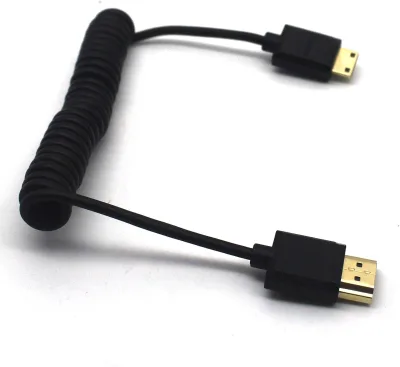
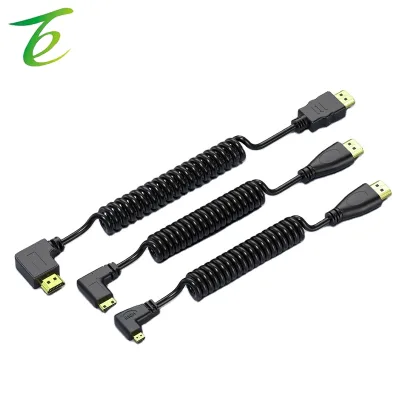
Listing signals also indicate a strong emphasis on customization and branding, with many suppliers offering private label options and various packaging formats such as PE bags, blister packs, and cartons. The observed model numbers, including HITEK-31 and HDMI F-Minihdmi+HDMI D Cable, demonstrate the availability of specialized connectors and form factors beyond standard HDMI configurations. Buyers should carefully review these model identifiers to ensure compatibility with their existing equipment, particularly when dealing with mini-HDMI or dual-cable solutions that may require specific adapter setups or installation procedures.
Technical Specifications to Verify
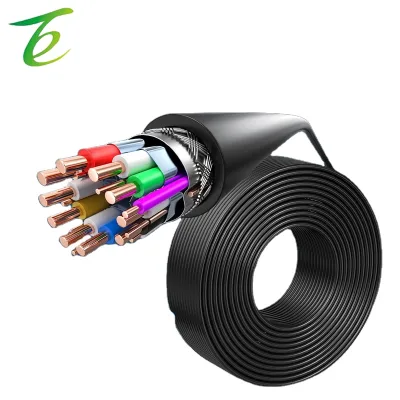
Verifying conductor material is the most critical technical step, as the supplied facts list options ranging from CCA and CCAM to pure copper and tinned wire cores, each with different conductivity ratings such as 15%, 18%, 21%, or 25%. Buyers must confirm whether the cable uses oxygen-free copper for high-bandwidth applications or composite materials for cost-sensitive projects, as this choice directly impacts signal integrity and maximum supported resolution. Additionally, the gauge of the wire, observed in ranges like 34AWG to 24AWG, influences resistance and power delivery capabilities, making it essential to match the gauge to the cable length and intended data throughput requirements.
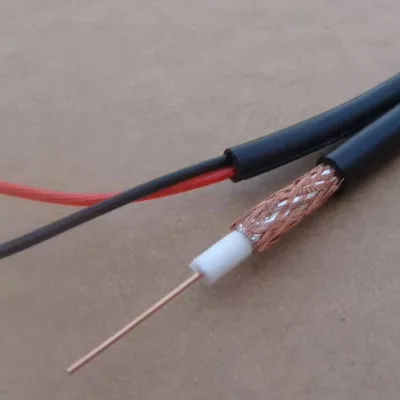
Shielding and insulation properties are equally important for maintaining signal quality in electrically noisy environments, with observed specifications including aluminum foil shielding and braiding options using CCA, CCAM, or aluminum-magnesium wire. The jacket material is typically PVC, while insulation options include FPE or SPE, which affect flexibility and heat resistance. Buyers should also verify the number of conductors, noting that standard 19-pin HDMI connectors are common, but some specialized cables may offer different configurations. Confirming these details ensures that the cable can withstand the physical and electromagnetic stresses of its intended installation environment.
Compliance and Safety Documentation
Compliance with international safety and environmental standards is a non-negotiable aspect of HDMI cable procurement, with observed certifications including RoHS, PAHs, CE, and ISO9001. These certifications indicate that the manufacturer adheres to strict guidelines regarding hazardous substances and quality management systems, reducing liability and ensuring product consistency across batches. Buyers should request valid certification documents from suppliers to verify that the cables meet the regulatory requirements of their target markets, particularly in regions with stringent environmental laws or safety inspections for electronic components.
In addition to certifications, buyers should verify adherence to industry standards such as AWM20276, which governs the construction and testing of wiring materials. The observed standard of 20G or 80g may refer to specific testing protocols or weight classifications, though buyers should clarify these metrics with suppliers to ensure they align with performance expectations. Understanding the standardization framework helps buyers assess the reliability of the manufacturing process and the consistency of the final product, ensuring that the cables will perform as expected in real-world applications without unexpected failures or safety hazards.
Cost Drivers and Commercial Terms
Cost drivers for HDMI cables are primarily influenced by conductor material, shielding complexity, and packaging requirements, with observed MOQs ranging from 5 to 1000 units allowing for flexible purchasing strategies. Buyers can optimize costs by selecting composite conductors like CCA for short-distance applications or pure copper for high-performance needs, while also considering the impact of packaging choices such as double blister packs or simple PE bags on overall unit costs. Understanding these variables enables procurement teams to negotiate better prices and tailor orders to specific project budgets without compromising essential performance characteristics.
Commercial terms should also include clear definitions of lead times, warranty policies, and return procedures, although specific lead times are not provided in the observed data. Buyers should establish agreements that cover quality assurance checks, sample approvals, and bulk production timelines to avoid delays in project execution. Additionally, considering the customization options available, such as branding and specific connector types, can add value but may also impact pricing and production schedules. Clear communication of these terms ensures that both parties have aligned expectations regarding delivery, quality, and financial obligations.
Supplier Qualification and Quality Control
Supplier qualification should focus on verifying manufacturing capabilities, with observed data indicating origins in Zhejiang, China, and the use of advanced machinery such as 16-set or 24-set production lines. Buyers should assess the supplier’s capacity to maintain consistent quality across large orders, particularly when dealing with complex shielding and conductor configurations. Requesting factory audits or third-party inspections can provide insights into the manufacturing process, ensuring that the supplier adheres to the claimed standards and certifications, and that the production environment supports high-quality output.
Quality control measures should include incoming material inspections, in-process testing, and final product verification to ensure that each cable meets the specified technical requirements. Buyers should establish clear acceptance criteria for conductivity, shielding effectiveness, and connector durability, and request test reports or sample evaluations before committing to large orders. By implementing rigorous quality control protocols, buyers can minimize the risk of receiving defective products and ensure that the HDMI cables perform reliably in their intended applications, reducing downtime and maintenance costs in the long run.
Long-Term Procurement Checks
Long-term procurement success depends on establishing ongoing performance monitoring and supplier relationship management, ensuring that the HDMI cables continue to meet evolving technical and market demands. Buyers should track key performance indicators such as defect rates, delivery consistency, and customer feedback to identify potential issues early and address them with suppliers. Regular reviews of supplier performance can help maintain high standards and foster a collaborative partnership that supports continuous improvement and innovation in product offerings.
Additionally, buyers should stay informed about emerging standards and technologies in the HDMI cable market, such as higher bandwidth requirements for 8K video or improved shielding techniques for next-generation applications. By proactively adapting to these changes, buyers can ensure that their procurement strategies remain relevant and effective, supporting the long-term success of their AV installations. Maintaining a flexible and informed approach to sourcing allows buyers to capitalize on new opportunities and mitigate risks associated with technological obsolescence or supply chain disruptions.
FAQs
What materials are used for the conductor in Tinned Copper HDMI Cable?
The conductor typically uses CCS, copper wire, or CCA materials. Some variants feature tinned wire cores for enhanced corrosion resistance. These options ensure reliable signal transmission while maintaining cost efficiency for various CCTV and multimedia applications.
Which certifications are available for Tinned Copper HDMI Cable products?
Products often carry RoHS, PAHs, CE, and ISO9001 certifications. These standards confirm compliance with environmental and safety regulations. Buyers should verify specific documentation to ensure the cable meets international quality requirements for their intended electronic applications.
How is the shielding constructed in Tinned Copper HDMI Cable?
Shielding usually consists of aluminum foil combined with braiding materials like CCA or aluminum-magnesium wire. This dual-layer design effectively reduces electromagnetic interference. It ensures stable signal integrity for high-definition video and audio transmission across various devices.
Can I customize the length of Tinned Copper HDMI Cable?
Yes, customization is available for various lengths ranging from 20 cm up to over 100 meters. Standard options include 1 meter, 2 meters, and 5 meters. Buyers can request specific dimensions to fit unique installation requirements for home theaters or commercial setups.
What is the typical MOQ for ordering Tinned Copper HDMI Cable?
The minimum order quantity generally ranges from 5 to 1000 units depending on the supplier. Specific orders may vary based on customization needs and packaging requirements. Buyers should confirm exact MOQs with manufacturers to align with their procurement budget and volume.
Where are Tinned Copper HDMI Cable products typically manufactured?
Most products originate from Zhejiang, China. This region is a major hub for cable manufacturing with established supply chains. Buyers can expect consistent production capabilities and competitive pricing from factories located in this specific geographic area.
Which applications support Tinned Copper HDMI Cable usage?
These cables support computers, projectors, DVD players, game players, and home appliances. They are also suitable for CCTV systems and multimedia setups. The versatile design allows connection between various electronic devices requiring high-quality audio and video signal transfer.