Programmable Closed Loop Servo Motor Suppliers and Manufacturers
Discover 16 verified suppliers offering programmable closed loop servo motors with ISO and CCC certifications. Compare response times, lead times, and pricing across Jiangsu, Zhejiang, and Guangdong factories. Request quotes today to evaluate customization options and MOQs; review the available evidence before requesting comparable quotations from suitable candidates.
Updated
Suppliers List

Jiangsu Novotech Electronic Technology Co., Ltd.
- Verified by BV
- Trading Company,Manufacturer/Factory
- China Jiangsu
- Lead time15 days
- Avg. response≤ 8h
Main productsStepper Motor, Hybrid Stepper Motor, Servo Motor, Stepper Driver, Low Voltage Servo System, Servo Driver, Open-Loop Integrated Stepper System, Close-Loop Integrated Servo System, Motor, Motor Driver
Main marketsSouth America,Eastern Europe,Mid East,North America,Southeast Asia,Eastern Asia,Oceania,Western Europe,Africa
Hangzhou Mige Electric Co., Ltd.
- Manufacturer, Trading Company
- Zhejiang, China
- Lead time7 days
- Avg. response≤ 3h
Main productsMotor,transformer
Main marketsDomestic Market(20.00%), Western Europe(15.00%), Southeast Asia(15.00%), North America(10.00%), Eastern Europe(10.00%), Northern Europe(10.00%), South America(10.00%), Oceania(10.00%)
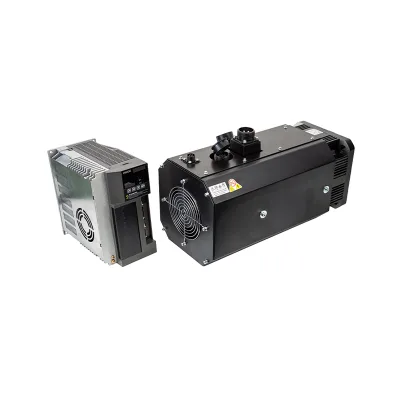
Environmentally Sealed High Reliability Servo Motor Brushless Servo Motor System For Automation
$243.00 - $253.00
MOQ: 1 pieces
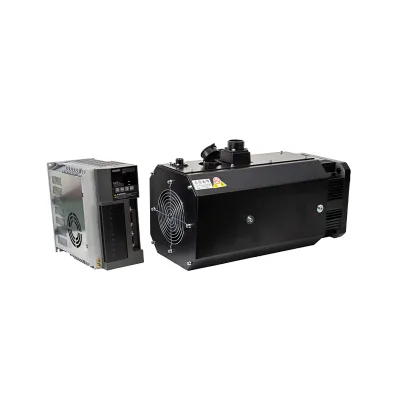
Energy Saving High Accuracy Servo Motor Thermal Protected Servo Motor System For Robotics
$243.00 - $253.00
MOQ: 1 pieces
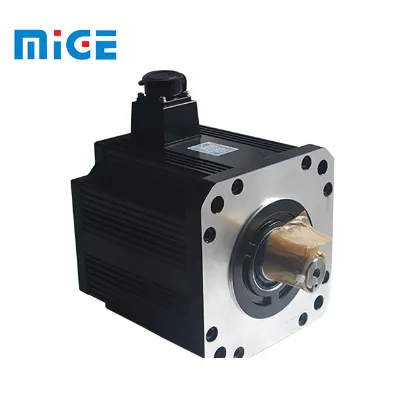
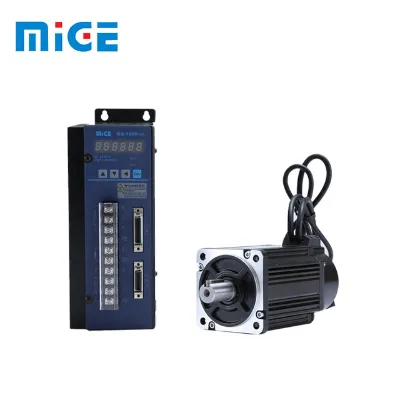
hotsale ac servo motor with encoder and driver for packaging machine
$365.3558 - $417.5494
MOQ: 1 Minimum

Wuhan Sine Electric Technology Co., Ltd
- Verified by BV
- Combined
- China Guangdong
- Lead time15 days
- Avg. response≤ 11h
Main productsFrequency Inverters, AC Inverters, AC Drive, Converters, Servo, Variable Frequency Inverters, AC Motor Drive, Variable Frequency Drive, Servo Driver, Variable Speed Drive
Main marketsSouth America,Africa

Servo Motor with Drive System Linear Servo Motor Explosion Proof Servo Motor
$1.00 - $999.00
MOQ: 1 Sets

Guangdong Jiesheng Electric Technology Co., Ltd.
- Verified by Intertek
- Manufacturer, Trading Company
- Lead time20 days
- Avg. response≤ 2h
Main productsFrequency Converter, Servo Motor, Stepper Motor, PLC, Automation System Development
Main marketsDomestic Market(86%), North America(2%), South America(2%)
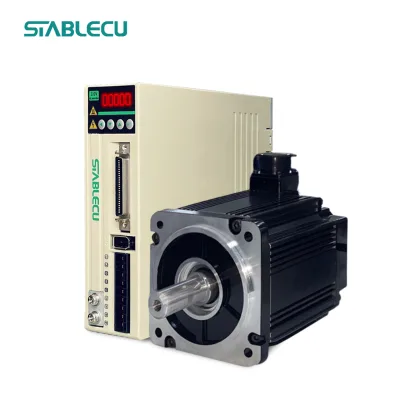
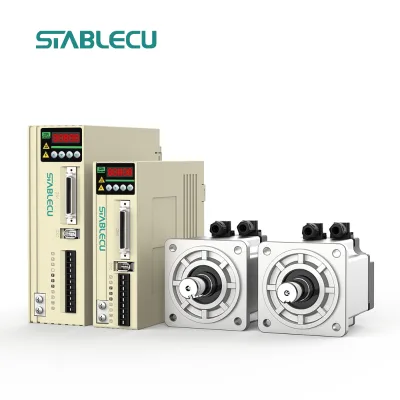
$136.00 - $145.00
MOQ: 50 Minimum
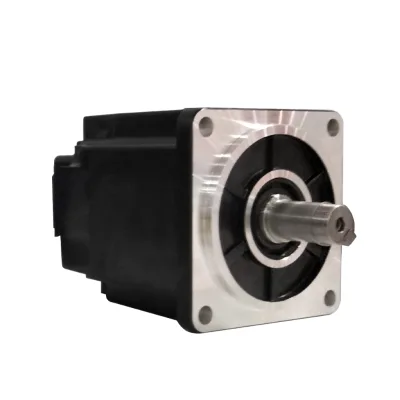
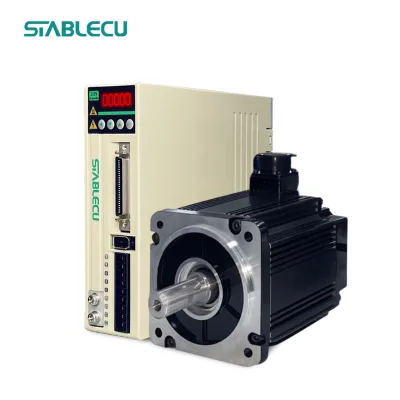
$117.7494 - $126.9653
MOQ: 50 pieces
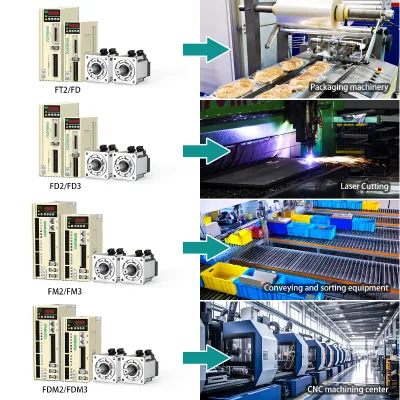
$180.00 - $201.00
MOQ: 50 pieces
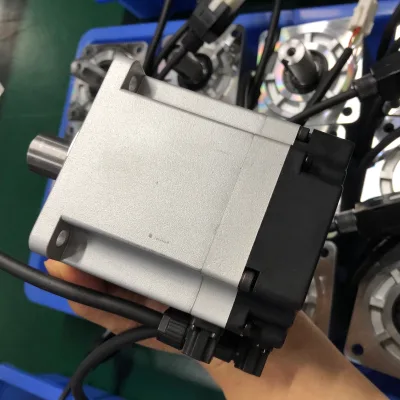
Integrated Servo Motor Drive Three-Phase Servo Motor 220V 750W 50Hz Frequency Hot Sale
$168.9448 - $180.2083
MOQ: 50 pieces
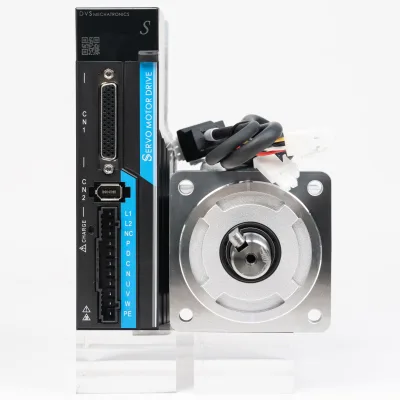
SHENZHEN DVS MECHATRONICS CO.,LTD
- Manufacturer
- Guangdong, China
- Lead time3 days
- Avg. response≤ 11h
Main productsStepper Motor Drives,Stepper Motors,Servo Motor Drives,Servo Motors,Easy Servo Systems
Main marketsDomestic Market(75.00%), Mid East(15.00%), South America(5.00%), Africa(5.00%)

Ningbo Vicks Hydraulic Co., Ltd.
- Verified by SGS
- Combined
- China Zhejiang
- Lead time23 days
- Avg. response≤ 4h
Main productsHydraulic Vane Pump, Servo System, Internal Gear Pump, Denison Vane Pump, Vickers Vane Pump, Hybrid Servo System, Yuken Vane Pump, Tokimec Vane Pump, Piston Pump
Main marketsSouth America,East Asia(Japan/ South Korea),Europe,North America

High Precision Servo Motor for Efficient Plastic and Rubber Production
$1650.00 - $1700.00
MOQ: 1 Pieces


Shenzhen K-Easy Electrical Automation Company Limited
- Combined
- China Guangdong
- Lead time15 days
- Avg. response≤ 1h
Main productsFrequency Inverters, Soft Starter, AC Drive, VFD Components
Main marketsDomestic

High Quality 2 Phase 24~60V DC Servo Motor Closed Loop Stepper Motor Easy Servo Drive
$70.00 - $495.00
MOQ: 1 Pieces

High Quality 2 Phase 24~60V DC Servo Motor Closed Loop Stepper Motor Easy Servo Drive
$70.00 - $495.00
MOQ: 1 Pieces


High Performance 2 Phase 24~50V DC Servo Motor Closed Loop Stepper Motor Servo Drive
$70.00 - $495.00
MOQ: 1 Pieces


Shenglin Transmission Technology (Ningbo) Co., Ltd
- Verified by TUVRHEINLAND
- Trading Company
- China Zhejiang
- Lead time30 days
- Avg. response≤ 1h
Main productsElectric Motor, Gear Box, Frequency Converter, Reducer
Main marketsSoutheast Asia/ Mideast


High Precision Pmac Synchronous Servo Motor with Controller for CNC Machine
$80.00 - $200.00
MOQ: 10 Pieces
Quanzhou Bingde Electromechanical Equipment Co., Ltd.
- Trading Company
- Fujian, China
- Lead time60 days
- Avg. response≤ 5h
Main productsOil and Gas,Maritime&Offshoreneering,Petrochemical industry,Renewable energy,Mining
Main marketsDomestic Market(40.00%), Eastern Asia(20.00%), Eastern Europe(15.00%), South Asia(10.00%), Southeast Asia(10.00%), Mid East(5.00%)
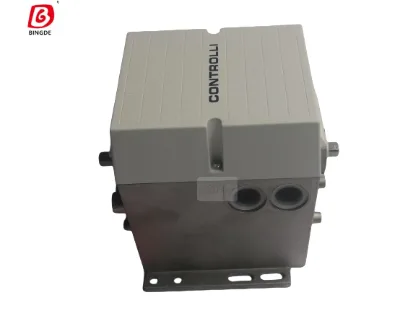
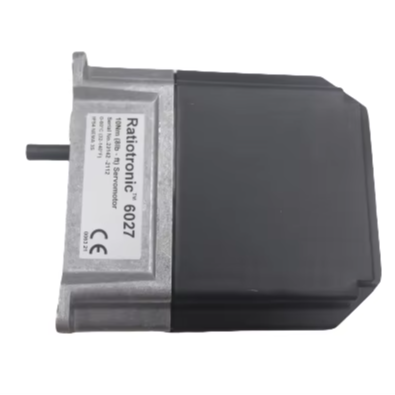
Servo Motor: Advanced Control for Industrial Applications Ratiotronic 6027
$1014.7945 - $1030.2477
MOQ: 1 pieces

Ji' Nan Tian Chuan Zhong Cheng Electricity Equipment Co., Ltd.
- Verified by SGS
- Trading Company
- China Shandong
- Lead time15 days
- Avg. response≤ 2h
Main productsFrequency Inverter, HMI, PLC, Servo Drive, VFD, Servo Motor
Main marketsOthers(foreignTradeCapacity.exportBusinessCapacityMarketOther),Southeast Asia/ Mideast
Xiamen Yuguan Trading Co., Ltd.
- Verified by TüVRheinland
- Trading Company
- Lead time0 days
- Avg. response≤ 2h
Main productsServo Drive, Servo Motor, PLC Module, Inverter, Touch Screen
Main marketsMid East(30%), Southeast Asia(25%), North America(20%)
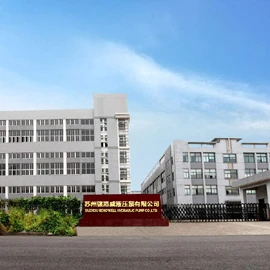
Suzhou Renowell Hydraulic Pump Co., Ltd.
- Manufacturer, Trading Company
- Jiangsu, China
- Lead time20 days
- Avg. response≤ 7h
Main productsPump,Vane Pump,Gear Pump,Piston Pump),Hydraulic pump
Main marketsMid East(68.00%), South Asia(13.00%), North America(7.00%), South America(5.00%), Domestic Market(4.00%), Southeast Asia(3.00%)

- Verified by BV
- Trading Company
- China Jiangsu
- Lead time15 days
- Avg. response≤ 8h
Main productsAxial Fan
Main marketsDomestic
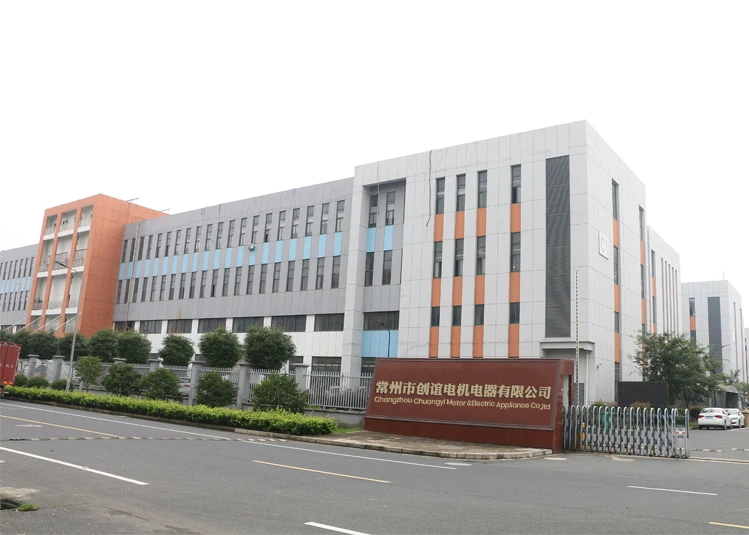
- Manufacturer
- Jiangsu, China
- Lead time30 days
- Avg. response≤ 1h
Main productsStepper Motor
Main marketsDomestic Market(80.00%), Western Europe(7.00%), Southeast Asia(5.00%), North America(4.00%), Eastern Europe(4.00%)
Dongguan Ouke Automation Equipment Co., Ltd.
- Trading Company
- Lead time旺季: "1 - 10":7,"> 10":"To be negotiated", 淡季: "1 - 10":7,"> 10":"To be negotiated"
- Avg. response≤ 3h
Main productsDrive, Motor, Inverter, HMI, PLC Module

Huizhou EHB Technology Co., Ltd.
- Trading Company
- Guangdong, China
- Lead time3 days
- Avg. response≤ 5h
Main productsPLC,Servo Motor,Driver,Circuit Board,inverter
Main marketsSouth America(40.00%), Western Europe(20.00%), South Asia(10.00%), Northern Europe(10.00%), North America(10.00%), Mid East(10.00%), Africa(10.00%)
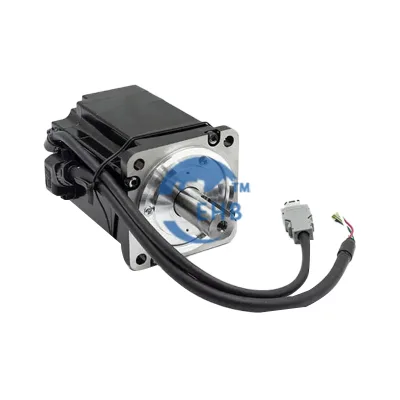
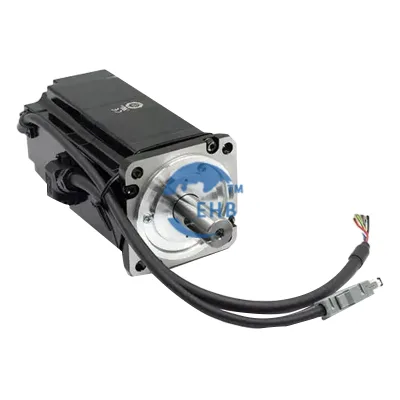
New Plc Original small single phase motor SGM7J-08AFC6S
$200.00 - $300.00
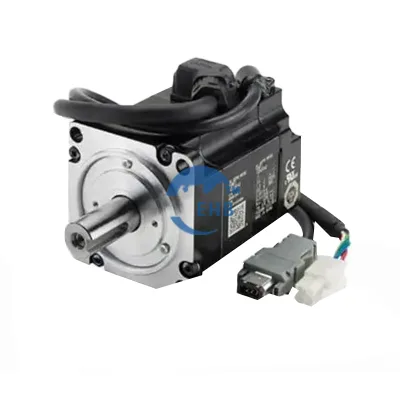
High Quality machine mini ac motor plc SGM7J-01AFC6S
$200.00 - $300.00
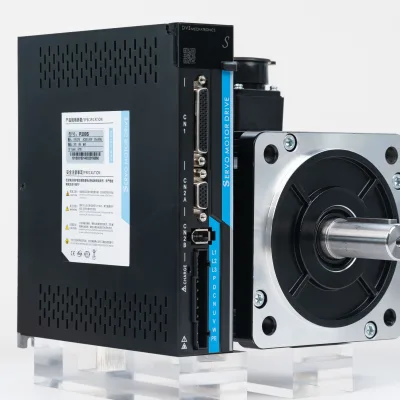
Best Quality compact motor plc SGM7J-02A7C6E
$200.00 - $300.00






Comprehensive Sourcing Guide
Programmable Closed Loop Servo Motor Supplier Concentration and Factory Types
The current supplier landscape for programmable closed loop servo motors reveals a distinct geographic concentration in China, with specific manufacturing hubs identified in Jiangsu and Zhejiang provinces. These regions serve as critical nodes for the production of both stepper and servo systems, offering buyers access to established industrial clusters. Suppliers in these areas often operate as either trading companies or manufacturer/factory entities, providing a dual advantage of direct production capabilities and flexible sourcing options. The presence of verified suppliers, such as those holding BV verification, indicates a baseline level of operational transparency and adherence to international trade standards. This verification status is particularly relevant for buyers seeking reliability in supply chain partnerships, as it suggests that the facilities have undergone third-party inspections to confirm their business legitimacy and production capacity.
In terms of corporate structure, many suppliers in these regions blend manufacturing with trading functions, allowing them to offer a broader range of products including hybrid stepper motors, low voltage servo systems, and integrated brushless servo motors. This hybrid model enables suppliers to customize offerings based on specific buyer requirements, such as OEM or ODM services, which are explicitly listed as available capabilities. The main products often include motor drivers and open-loop or close-loop integrated systems, indicating a comprehensive understanding of the technical demands associated with programmable closed loop servo motors. Buyers should note that while some suppliers focus on specific product lines like AC servo motors for machine tools, others provide a wider array of electric motor solutions, including DC motors and brushless systems for medical equipment. This diversity in product portfolios suggests that the supplier base is mature and capable of supporting various industrial applications, from robotics to packaging machinery.
How to Verify Programmable Closed Loop Servo Motor Suppliers
Verifying suppliers requires a multi-layered approach that goes beyond basic company profiles, focusing on tangible evidence of quality and operational stability. Buyers should prioritize suppliers who display specific system certifications, such as ISO 9001, which serves as a fundamental indicator of standardized quality management processes. Additionally, third-party verification badges like BV provide an extra layer of confidence regarding the supplier's business credentials. It is crucial to cross-reference these certifications with the specific product attributes listed, such as the excitation mode or protection features, to ensure that the claimed standards apply to the actual items being sourced. For instance, products labeled with CCC certification or specific efficiency ratings like IE3 offer concrete data points that can be used to validate the supplier's technical claims and compliance with regional or international safety standards.
Beyond certifications, buyers must assess the responsiveness and transparency of the supplier through direct engagement metrics. Response times, such as those recorded at 7.16 hours or faster, can indicate the efficiency of the supplier's sales and technical support teams, which is vital for resolving complex technical queries related to programmable closed loop servo motors. Buyers should also examine the detailed product specifications provided, including model numbers, rated power, and holding torque, to ensure they align with their specific application needs. For example, a supplier listing a 4500W servo motor with variable speed and totally enclosed protection features demonstrates a clear understanding of industrial requirements. By comparing these detailed attributes across different suppliers, buyers can identify those who provide comprehensive and accurate product information, which is a strong proxy for reliability and professionalism in the sourcing process.
What to Compare Across Programmable Closed Loop Servo Motor Suppliers
When evaluating multiple suppliers, buyers should systematically compare key operational metrics such as lead times, minimum order quantities (MOQ), and pricing structures to determine the best fit for their procurement strategy. Lead times vary significantly, with some suppliers offering a 15-day turnaround while others may provide faster delivery options, which can impact production schedules and inventory management. MOQs are another critical factor, as some suppliers may accept orders as low as one unit, facilitating prototyping and small-batch testing, while others might have higher thresholds. By analyzing these variables, buyers can identify suppliers that offer the flexibility required for their specific order volumes and timeline constraints. Additionally, comparing the main products offered by each supplier helps in assessing their specialization and expertise, ensuring that the chosen partner has the necessary capabilities to deliver high-quality programmable closed loop servo motors.
Pricing and customization options also play a pivotal role in the comparison process. Buyers should review the price ranges provided for different product models, noting that costs can vary based on specifications such as rated power, voltage, and certification levels. For example, prices for integrated brushless servo motors may range from $55 to $87, while higher-power AC servo motors can cost between $231 and $280. It is essential to consider whether customization is available, as this can affect both the final price and the lead time. Suppliers that offer OEM or ODM services may provide tailored solutions that better meet specific technical requirements, but these customizations often come with additional costs or longer production cycles. By carefully weighing these factors, buyers can make informed decisions that balance cost, quality, and delivery speed, ultimately selecting a supplier that aligns with their overall business objectives and technical needs.
Common Programmable Closed Loop Servo Motor Sourcing Risks
One of the primary risks in sourcing programmable closed loop servo motors is the potential mismatch between advertised specifications and actual product performance. Buyers must be cautious of suppliers who provide vague or incomplete product details, as this can lead to discrepancies in critical parameters such as holding torque, speed, and voltage compatibility. For instance, a supplier listing a servo motor with a "protection type" without specifying the exact IP rating may pose a risk if the application requires a totally enclosed system for harsh environments. Additionally, the reliance on generic product names or keywords without detailed technical documentation can obscure important differences between models, making it difficult for buyers to verify that the product meets their specific engineering requirements. This lack of transparency can result in costly delays and the need for extensive testing to ensure compatibility with existing systems.
Another significant risk is the variability in supplier reliability and after-sales support. While some suppliers display strong verification badges and clear response times, others may lack these indicators, raising concerns about their long-term viability and commitment to customer service. Buyers should be wary of suppliers who do not provide clear warranty information or return policies, as this can leave them vulnerable in case of product defects or failures. Furthermore, the complexity of programmable closed loop systems means that technical support is crucial for troubleshooting and integration issues. Suppliers who do not demonstrate a strong technical capability or provide adequate documentation may struggle to support buyers effectively, leading to operational disruptions. To mitigate these risks, buyers should prioritize suppliers with proven track records, clear communication channels, and comprehensive product support services, ensuring a smoother sourcing experience and reduced operational risk.
Programmable Closed Loop Servo Motor Regional Sourcing and Logistics
Sourcing programmable closed loop servo motors from specific regions in China, such as Jiangsu and Zhejiang, offers logistical advantages due to the established infrastructure and proximity to major ports. Suppliers in these areas often benefit from efficient supply chains and access to global shipping routes, which can facilitate faster and more cost-effective delivery. For example, suppliers located in Zhejiang may list Shanghai or Ningbo as their port of dispatch, indicating a well-connected logistics network that can handle large volumes of industrial equipment. Buyers should consider the impact of regional logistics on lead times and shipping costs, as these factors can significantly influence the overall procurement strategy. Additionally, the concentration of suppliers in these regions fosters a competitive environment, which can drive innovation and improve service levels, providing buyers with a wider selection of high-quality products.
However, buyers must also account for the complexities of international shipping and customs clearance when sourcing from these regions. While suppliers may offer convenient packaging options, such as green export packages or plywood cases, buyers need to ensure that the packaging meets international standards to prevent damage during transit. Furthermore, the variability in lead times, ranging from 7 to 15 days, requires careful planning to align with production schedules and avoid stockouts. Buyers should work closely with their suppliers to establish clear shipping terms and track the progress of their orders, ensuring that any potential delays are addressed promptly. By understanding the logistical landscape of these sourcing regions, buyers can optimize their supply chain, reduce risks, and ensure the timely delivery of programmable closed loop servo motors to their facilities.
Programmable Closed Loop Servo Motor Commercial Terms and Order Planning
Effective order planning for programmable closed loop servo motors requires a thorough understanding of commercial terms, including payment methods, warranty policies, and supply ability. Buyers should prioritize suppliers who offer secure payment options, such as escrow services, to protect their financial interests and ensure that funds are only released upon satisfactory delivery of the goods. Additionally, it is crucial to clarify the warranty period and after-sales support terms, as these factors can impact the long-term cost of ownership. For example, a supplier offering a 3-month warranty on a 4500W servo motor provides a baseline level of protection, but buyers should verify if extended warranty options are available for critical applications. By negotiating clear commercial terms, buyers can minimize financial risks and ensure that they have adequate support in case of product issues.
Supply ability and production capacity are also key considerations in order planning, as they determine the supplier's ability to meet large or urgent orders. Suppliers who list a supply ability of 50,000 pieces per month, for instance, demonstrate a robust production capacity that can support high-volume procurement needs. Buyers should assess whether the supplier's capacity aligns with their projected demand, ensuring that they can rely on consistent supply without facing bottlenecks. Furthermore, buyers should consider the flexibility of the supplier in handling custom orders, as this can be essential for meeting specific technical requirements. By carefully evaluating these commercial and operational factors, buyers can develop a robust sourcing strategy that balances cost, quality, and reliability, ultimately securing a dependable supply of programmable closed loop servo motors for their operations.
FAQs
What is the price range for closed loop servo motors?
Prices for integrated closed loop servo motors typically range from $55 to $87 for specific models, while AC servo systems can cost between $231 and $280. Higher power units, such as 7500W three-phase variants, may reach up to $835. Buyers should verify exact pricing based on the required horsepower and driver integration needs.
What certifications do these servo motors hold?
Manufacturers generally provide ISO 9001 system certification for quality management. Specific product models may also carry CCC certification for safety standards. Buyers should request current certificates to ensure compliance with regional electrical regulations and verify that the certification applies to the specific motor series being ordered.
What is the typical lead time for orders?
Standard lead times for servo motor orders are approximately 15 days for some suppliers, while others offer faster turnaround times of around 7 days. These durations depend on stock availability and customization requirements. Buyers should confirm the exact delivery schedule with the supplier before finalizing the purchase order.
What is the minimum order quantity for these motors?
The minimum order quantity is often set at just one unit, allowing buyers to test samples without committing to large volumes. This low MOQ facilitates initial quality checks and integration testing. However, bulk pricing discounts may apply for larger orders, so buyers should inquire about tiered pricing structures.
Where are these servo motors manufactured?
These motors are primarily manufactured in China, with production facilities located in Jiangsu, Zhejiang, and Guangdong provinces. Buyers can verify the specific origin of the components to assess supply chain reliability. Understanding the manufacturing location helps in estimating shipping costs and potential import duties for international deliveries.
What response times can buyers expect from suppliers?
Supplier response times vary, with some providers responding within 3 hours and others taking up to 7.16 hours on average. Faster response times indicate better customer service readiness. Buyers should prioritize suppliers with quicker response rates to ensure timely communication regarding technical specifications and order status updates.