Quick Dry Hooded Sweatshirt Suppliers and Manufacturers
Compare 13 verified suppliers offering quick dry hooded sweatshirts with features like breathable fabric and heat-transfer printing. Review response times, lead times, and certifications such as BSCI and TüVRheinland before requesting samples; review the available evidence before requesting comparable quotations from suitable candidates.
Updated
Suppliers List
Xiamen Customing Garment Co., Ltd.
- Verified by TüVRheinland
- Trading Company
- Fujian, China
- Lead time15 days
- Avg. response≤ 5h
Main productsYoga Set, Jumpsuit, Yoga Bra, Yoga Leggings, Tennis Wear
Main marketsNorth America(60%), Southern Europe(15%), Domestic Market(15%)

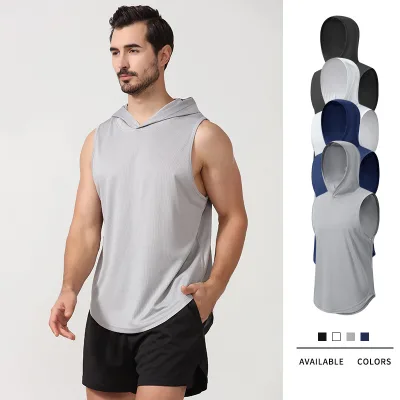
Gym Wear Hoodies Mens Pullover Custom Hoodie Hoodies and Sweatshirts for Men Polyester Sweatshirt
$4.0188 - $4.6364
MOQ: 2 pieces

Guangzhou Yinimei Trading Firm
- Trading Company
- China Guangdong
- Lead time30 days
- Avg. response≤ 2h
Main productsApparel & Accessories, Men's Wear, Children's Clothing, Ladies' Clothing, Shoes, Children's Toys, "Bag", Hair
Main marketsSouth America,Eastern Europe,Mid East,North America,Southeast Asia,Eastern Asia,Oceania,Western Europe,Africa

Guangzhou Tianyuan Clothing Co., Ltd
- Verified by SGS
- Combined
- China Guangdong
- Lead time30 days
- Avg. response≤ 2h
Main productsPolo Shirt, Shirt, Suit, T-Shirt, School Uniform, Hooded Sweatshirt, Medical Uniform, Chef's Uniform, Trousers, Work Clothes
Main marketsDomestic
Jiangxi Lebond Textile Co., Ltd.
- Verified by SGS Group
- Trading Company
- Lead time60 days
- Avg. response≤ 4h
Main productsFashion T-shirt, Hoodies, Pants, Active Wear, Work Uniforms
Main marketsNorth America(50%), Eastern Europe(20%), Oceania(20%)
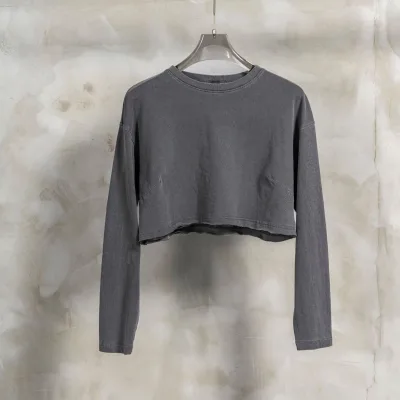
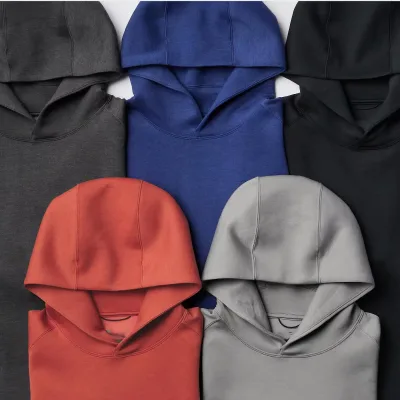
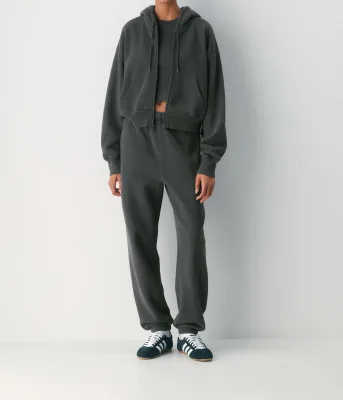
OEM New Fashion Stretch Dry Sweat Pullover Hoodie
$13.98 - $17.98
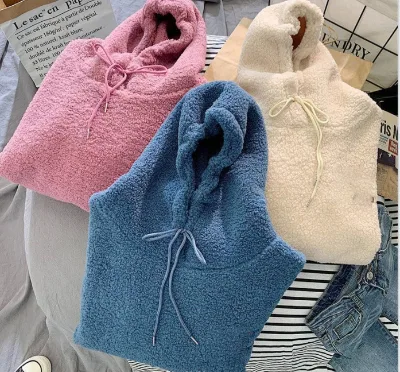

Shanghai Easun Group Imp & Exp Co., Ltd.
- Verified by BV
- Trading Company
- China Shanghai
- Lead time15 days
- Avg. response≤ 21h
Main productsHoodies, Pajamas, T-Shirt, Bath Robe, Sleepwear, Polo Shirts, Safety Shoes
Main marketsAfrica

Sublimation Sweatshirt Superdry Hoodie Sweat Shirt Sweat Suits Sweater Hoodies
$4.00 - $7.50
MOQ: 300 Pieces

Hoodie Embroidered Embossed Sweatsuit Thick Hoodies Thick Sweatsuit Black Sweatshirt
$3.00 - $7.50
MOQ: 300 Pieces


Guangzhou Ouzun Clothing Co., Ltd.
- Verified by CTI
- Combined
- China Guangdong
- Lead time23 days
- Avg. response≤ 2h
Main productsUniforms, Pants, Suits&Blazer, T Shirt, Polo Shirt, Sportswear, Jacket, Hoodies&Sweatshirts
Main marketsDomestic

Men's Zippered Hooded Sweatshirt with Soft Brushed Interior and Front Pockets Hoody Sweatshirt
$5.19 - $7.99
MOQ: 100 Pieces

Thick Thermal Lined Sweatshirt with Hood for Cold Weather Protection and Layering Sweatshirt
$5.19 - $7.99
MOQ: 100 Pieces

Guangzhou Nolai Garment Co., Ltd.
- Verified by TUVRHEINLAND
- Combined
- China Guangdong
- Lead time30 days
- Avg. response≤ 1h
Main productsT Shirt, School Uniform
Main marketsDomestic

Guangzhou Shangshang Industrial Co., Ltd.
- Combined
- China Guangdong
- Lead time15 days
- Avg. response≤ 17h
Main productsHoodies, T Shirt, Sweatpant, Shorts, Jacket
Main marketsDomestic
Shangrao Menglu Clothing Co., Ltd.
- Verified by TüVRheinland
- Manufacturer, Trading Company
- Lead time15 days
- Avg. response≤ 3h
Main productsT-shirts, Shirts, Dresses, Hoodies, Casual Shorts
Main marketsDomestic Market(50%), North America(30%), Western Europe(20%)
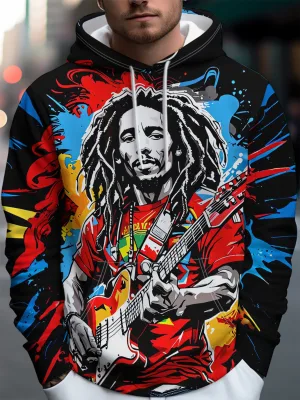
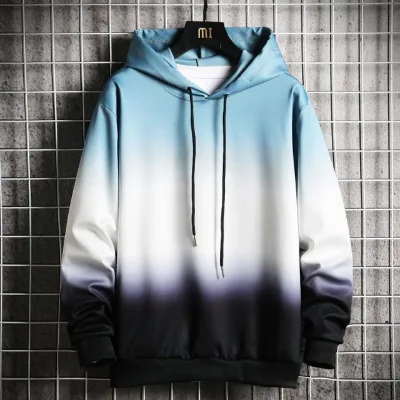
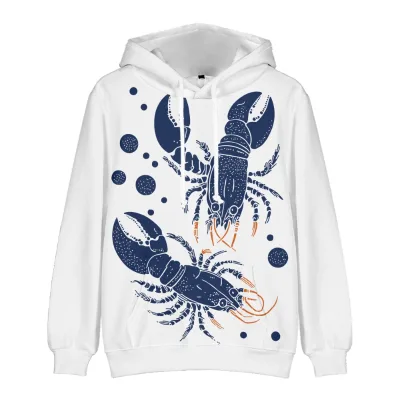
$4.6844 - $5.7277
MOQ: 20 grams

- Verified by CTI
- Trading Company,Manufacturer/Factory
- China Fujian
- Lead time90 days
- Avg. response≤ 16h
Main productsOutdoor Jackets, Swimwear, Gym Wear, Sport Pants, Beach Shorts, Puffer Jackets, Workwear, Yoga Wear, Kid's Clothes, Sweater
Main marketsSouth America,Eastern Europe,Mid East,North America,Southeast Asia,Eastern Asia,Western Europe,Africa

Men's Hoodies Pullover Soft Hooded Sweatshirts Long Sleeve Casual Hoodies with Zipper Pocket
$11.00 - $12.00
MOQ: 1000 Pieces

Nanle County Dalin Will Trading Co., Ltd.
- Manufacturer, Trading Company
- Henan, China
- Lead time20 days
- Avg. response≤ 6h
Main productsTote Bag,Cotton Canvas Bag,Non Woven Bag,Jute Bag,PVC Bag
Main marketsNorth America(66.00%), Eastern Europe(12.00%), Oceania(7.00%), Mid East(6.00%), Domestic Market(5.00%), Eastern Asia(4.00%)
Dongguan Aogu sportswear Co., Ltd.
- Verified by SGS Group
- Manufacturer, Trading Company
- Lead time25 days
- Avg. response≤ 7h
Main productsHoodie, Sweatshirt, Pants, T-shirt, Yoga Wear
Main marketsNorth America(30%), Western Europe(20%), Oceania(10%)
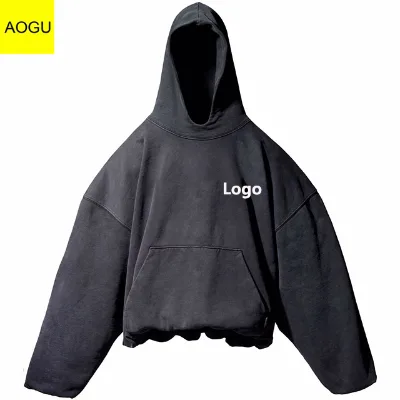
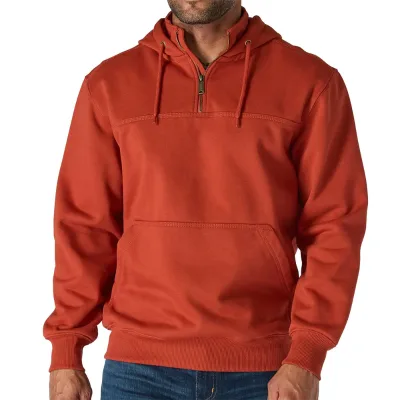
$13.99 - $16.99
MOQ: 100 pieces
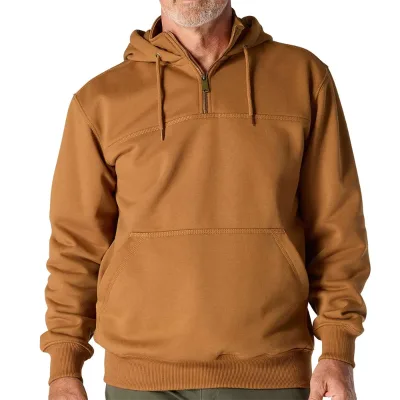
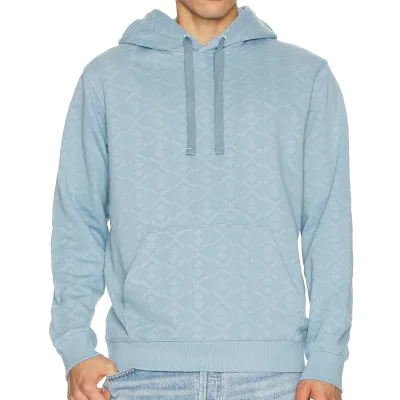
$13.99 - $16.99
MOQ: 100 pieces
Henan Boders Industrial Limited Company
- Verified by TüVRheinland
- Manufacturer, Trading Company
- Lead time15 days
- Avg. response≤ 3h
Main productsMen Knit Wear Clothing, Women Knit Wear Clothing, Hoodies, T-Shirts, Children Knit Wear Clothing
Main marketsNorth America(50%), Western Europe(22%), South America(5%)
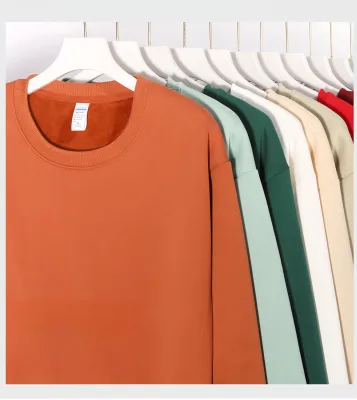
Hoodies 100% Cotton Heavyweight Drop Shoulder Hoodies Custom logo Heavyweight Hoodies
$8.39 - $10.99
MOQ: 50 Minimum


Comprehensive Sourcing Guide
Quick Dry Hooded Sweatshirt Supplier Concentration and Factory Types
The sourcing landscape for quick dry hooded sweatshirts reveals a distinct concentration of manufacturing capabilities within specific Chinese provinces, most notably Fujian and Guangdong. These regions serve as critical hubs for apparel production, offering established supply chains that support both raw material sourcing and finished goods assembly. Buyers evaluating suppliers should recognize that geographic proximity to these clusters often correlates with faster logistics and more mature vendor networks. The presence of suppliers in these areas indicates a high density of factories equipped to handle the technical demands of moisture-wicking fabrics and complex garment construction. Understanding this geographic distribution allows buyers to prioritize vendors who are physically located in or near these industrial centers, as they typically benefit from shared infrastructure and specialized labor pools. This concentration is not merely a logistical convenience but a reflection of decades of industry development in textile manufacturing.
Within these regions, the supplier base is diverse, encompassing both dedicated manufacturing factories and trading companies. Trading companies often act as intermediaries, aggregating products from multiple smaller factories to offer a broader catalog to international buyers. This structure can be advantageous for buyers seeking a one-stop-shop experience, as trading companies may handle quality control, consolidation, and export documentation. However, it is essential to distinguish between pure trading entities and those with direct factory ties. The main products listed by suppliers often include a wide array of apparel, such as yoga sets, jumpsuits, and tennis wear, alongside the target quick dry hooded sweatshirts. This variety suggests that many suppliers are generalist apparel manufacturers rather than niche specialists. Buyers must assess whether the supplier’s primary focus aligns with their specific volume and quality requirements, as generalists may offer flexibility but potentially less specialized expertise in technical sportswear compared to dedicated activewear factories.
How to Verify Quick Dry Hooded Sweatshirt Suppliers
Verification is a critical step in mitigating risk when sourcing quick dry hooded sweatshirts from international suppliers. Buyers should prioritize suppliers who have undergone third-party verification processes, such as those conducted by TüV Rheinland. This type of verification provides an objective assessment of the supplier’s business legitimacy and operational capabilities, offering a layer of trust that self-declared claims cannot match. When evaluating potential partners, look for explicit indicators of this verification status in the supplier’s profile. Additionally, system certifications such as (EU) 2015/863, BSCI, TS 16949, and GMP are significant markers of compliance and quality management. These certifications indicate that the supplier adheres to specific regulatory standards, whether related to chemical restrictions, social responsibility, or manufacturing processes. Buyers should request copies of these certificates and verify their validity through the issuing bodies to ensure they are current and applicable to the products being sourced.
Beyond certifications, the responsiveness of the supplier is a strong indicator of their operational efficiency and customer service quality. Response times, such as those recorded at 5 hours or even 1.04 hours, provide insight into how quickly a supplier can address inquiries, negotiate terms, and resolve issues. A faster response time often correlates with a more agile supply chain and better communication practices, which are crucial for managing complex orders. Buyers should also examine the supplier’s stated capabilities, such as OEM and ODM services, which indicate their ability to customize products according to specific brand requirements. The availability of sample processing and graphic processing services further demonstrates their technical proficiency. By combining verification status, certification checks, and responsiveness metrics, buyers can build a comprehensive profile of a supplier’s reliability and suitability for their specific sourcing needs, ensuring a more secure and efficient procurement process.
What to Compare Across Quick Dry Hooded Sweatshirt Suppliers
When comparing suppliers, buyers must evaluate a range of operational metrics to determine the best fit for their business. Lead times are a primary factor, with some suppliers offering 15-day turnaround times while others may require up to 30 days. This variance can significantly impact inventory planning and market launch strategies. Buyers should align their supplier choice with their urgency requirements, considering whether the faster lead time justifies any potential cost premium. Similarly, minimum order quantities (MOQs) vary widely, with some suppliers accepting orders as low as two units, while others require MOQs of 100 or more. This flexibility is crucial for startups or buyers testing new markets, whereas established brands with high volume needs may prefer suppliers with higher MOQs that often come with better unit pricing. Understanding these thresholds helps buyers negotiate terms that match their production capacity and financial constraints.
Price and product specifications are equally important comparison points. Unit prices for quick dry hooded sweatshirts can range significantly, from approximately $1.20 to over $16.50, depending on material, complexity, and order volume. Buyers should analyze these prices in the context of the product’s features, such as fabric composition (e.g., 100% cotton vs. 100% polyester), printing methods (e.g., heat-transfer printing), and additional features like anti-bacterial or anti-UV properties. The supply type, whether OEM service or standard stock, also influences pricing and customization options. Additionally, the supplier’s main products and category focus can indicate their expertise; a supplier specializing in sportswear may offer better technical support for quick dry fabrics than a general apparel trader. By systematically comparing lead times, MOQs, prices, and product attributes, buyers can identify suppliers that offer the optimal balance of cost, speed, and quality for their specific business model.
Common Quick Dry Hooded Sweatshirt Sourcing Risks
Sourcing quick dry hooded sweatshirts involves several inherent risks that buyers must proactively manage to ensure successful outcomes. One significant risk is the discrepancy between sample quality and bulk production quality. Suppliers may provide high-quality samples that do not reflect the standards of mass-produced items. To mitigate this, buyers should insist on pre-production samples that use the exact materials and techniques intended for the final order. Another risk is the variability in material performance, particularly regarding the "quick dry" functionality. Not all polyester or cotton blends perform equally in moisture-wicking tests. Buyers should verify material specifications and request test reports to ensure the fabric meets their performance standards. Additionally, the complexity of customization, such as heat-transfer printing or embroidery, can lead to defects if not properly controlled. Suppliers with advanced capabilities like automated cutting and various embroidery techniques may offer better consistency, but buyers must still implement rigorous quality control checks.
Communication and cultural barriers can also pose substantial risks, especially when dealing with suppliers in different regions. Misunderstandings regarding design specifications, packaging requirements, or delivery timelines can lead to costly errors. Buyers should establish clear communication protocols and document all agreements in writing. The reliance on trading companies can add another layer of complexity, as information may be distorted as it passes through intermediaries. Buyers should verify the direct involvement of factories in the production process to ensure accountability. Furthermore, the risk of non-compliance with international standards, such as chemical restrictions or labor practices, can result in shipment delays or legal issues. Ensuring that suppliers hold relevant certifications like BSCI or GMP helps mitigate these compliance risks. By identifying and addressing these potential pitfalls early in the sourcing process, buyers can protect their interests and maintain the integrity of their brand reputation.
Quick Dry Hooded Sweatshirt Regional Sourcing and Logistics
The geographic location of suppliers plays a pivotal role in determining logistics efficiency and cost structures. Suppliers located in Fujian and Guangdong, China, benefit from proximity to major ports and established shipping routes, which can reduce transit times and freight costs. Buyers should consider the logistical advantages of sourcing from these regions, particularly for orders destined for markets in North America, Europe, and Southeast Asia. The concentration of suppliers in these areas also facilitates easier factory audits and quality inspections, as buyers or their representatives can visit multiple vendors in a single trip. This logistical convenience can streamline the sourcing process and reduce the time and expense associated with supplier management. Additionally, the local infrastructure in these regions supports rapid prototyping and sample production, enabling faster iteration cycles for product development.
However, buyers must also account for the variability in logistics performance among different suppliers within the same region. While some suppliers may offer streamlined export processes, others may struggle with documentation or customs clearance. Buyers should inquire about the supplier’s experience with international shipping and their ability to handle various Incoterms. The lead time for production is only one component of the total delivery timeline; transit time and customs processing can add significant delays. Buyers should work with suppliers who have a proven track record of on-time delivery and who can provide accurate estimates for the entire supply chain process. Furthermore, the choice of shipping method, whether by sea, air, or express courier, will impact both cost and speed. Buyers should evaluate these options in conjunction with the supplier’s location and capabilities to optimize their logistics strategy and ensure timely product availability in their target markets.
Quick Dry Hooded Sweatshirt Commercial Terms and Order Planning
Effective order planning requires a thorough understanding of the commercial terms offered by suppliers, including payment structures, warranty policies, and after-sales support. Buyers should negotiate clear terms regarding payment milestones, such as deposits and balance payments upon shipment, to manage cash flow and risk. The availability of escrow services can provide an additional layer of security, ensuring that funds are released only when the buyer confirms receipt and quality of the goods. Buyers should also clarify the supplier’s policy on defective goods and returns, as this can significantly impact the total cost of ownership. Understanding the lead time for sample orders, such as the 7-day sample order lead time support mentioned by some suppliers, is crucial for accelerating the product development cycle. Buyers should integrate these timelines into their overall project schedule to avoid delays in market launch.
Additionally, buyers must consider the scalability of the supplier’s production capacity to meet future demand. Suppliers with capabilities for customized on-demand production and graphic processing are better positioned to handle fluctuating order volumes and design changes. Buyers should assess the supplier’s ability to maintain consistent quality and pricing as order volumes increase. The supply type, whether OEM or standard, will also influence the flexibility of the partnership. Buyers should establish long-term relationships with suppliers who demonstrate reliability and adaptability, as this can lead to better terms and priority treatment during peak seasons. By carefully planning commercial terms and order volumes, buyers can build a resilient supply chain that supports their business growth and minimizes operational disruptions. This strategic approach ensures that the sourcing of quick dry hooded sweatshirts contributes positively to the overall success of the brand.
FAQs
What is the typical lead time for quick dry hooded sweatshirts?
Manufacturers generally require 15 to 30 days to produce and ship orders. This timeframe allows for material sourcing, cutting, sewing, and quality control. Buyers should confirm specific delivery windows with suppliers before placing bulk orders to ensure timely arrival for seasonal launches.
What is the minimum order quantity for custom hoodies?
Minimum order quantities vary significantly by supplier capability. Some factories accept orders as low as two pieces for sampling or small batches. Others require a minimum of 100 units to initiate production. Buyers must check individual supplier listings to determine the exact MOQ applicable to their order size.
Which certifications do quick dry sweatshirt suppliers hold?
Reputable suppliers often hold system certifications such as BSCI, TS 16949, GMP, and EU 2015/863 compliance. These credentials verify adherence to social responsibility, quality management, and chemical restriction standards. Buyers should request valid certificates to ensure the products meet international safety and ethical manufacturing requirements.
How quickly do suppliers respond to sourcing inquiries?
Response times typically range from one to five days depending on the supplier's workload and location. Faster response rates indicate active sales teams ready to assist with quotes and samples. Buyers should prioritize suppliers with documented quick response metrics to streamline the negotiation and sampling process effectively.
What materials are used for quick dry hooded sweatshirts?
Common materials include 100% polyester and 100% cotton blends. Polyester offers superior quick-dry and breathable properties, while cotton provides comfort and warmth. Some products feature heavyweight constructions with four-way stretch and anti-odor treatments. Buyers should specify material preferences to ensure the final product meets performance and comfort standards.
Are OEM and ODM services available for hoodies?
Yes, many suppliers offer both OEM and ODM services. This allows buyers to customize logos, colors, and designs or select from existing templates. Services often include graphic processing and sample customization. Buyers should verify the specific customization capabilities and associated costs with the supplier before finalizing their design requirements.
What is the price range for bulk hooded sweatshirts?
Prices vary based on material, complexity, and order volume. Basic cotton hoodies may start around one dollar, while premium polyester options can range up to sixteen dollars per unit. Buyers should request detailed quotations that include shipping and customization fees to accurately budget for their specific product requirements.