anti-pilling breathable hooded sweatshirts Suppliers and Manufacturers
Find 18 verified suppliers offering anti-pilling breathable hooded sweatshirts with ODM capabilities and response times ranging from 0.85 to 16.32. Compare lead times, MOQs, and certifications like SGS or TÜV Rheinland before requesting quotes; review the available evidence before requesting comparable quotations from suitable candidates.
Updated
Suppliers List

Dongguan Humen Hucai Garment Co., Ltd.
- Verified by SGS
- Combined
- China Guangdong
- Lead time30 days
- Avg. response≤ 6h
Main productsSportswear, Yoga Pants, Sports Bra, T Shirt, Tank Top, Jogger Pants, Tracksuit, Hoodies, Shorts, Leggings
Main marketsSouth America,Africa,Southeast Asia/ Mideast,East Asia(Japan/ South Korea),Domestic,Europe,Australia,North America

Guangzhou Nolai Garment Co., Ltd.
- Verified by TUVRHEINLAND
- Combined
- China Guangdong
- Lead time30 days
- Avg. response≤ 1h
Main productsT Shirt, School Uniform
Main marketsDomestic


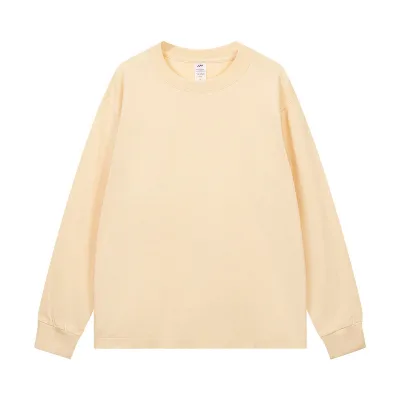
Anti Pilling Long Sleeve Customized Size Crew Neck Unisex Pullover Oversized Hoodies
$4.32 - $6.88
MOQ: 100 Pieces

Guangzhou Shangshang Industrial Co., Ltd.
- Combined
- China Guangdong
- Lead time15 days
- Avg. response≤ 17h
Main productsHoodies, T Shirt, Sweatpant, Shorts, Jacket
Main marketsDomestic

Nuolang (Guangdong) Garment Industry Co., Ltd.
- Verified by BV
- Combined
- China Guangdong
- Lead time15 days
- Avg. response≤ 2h
Main productsT-Shirt, Polo Shirt, Shirt, Coverall, Suit, Uniform, Sportswear, Casual Wear
Main marketsSoutheast Asia/ Mideast


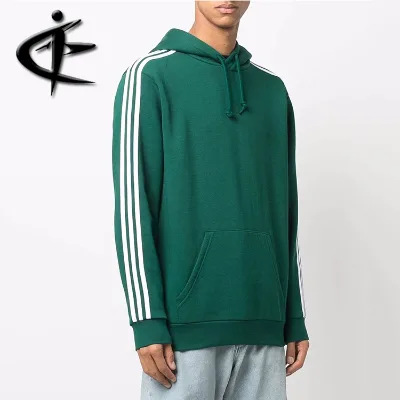
Hoody Track Suit Leisure Fashion Hoodie Outdoor Casual Hoodie Sweatshirts
$5.44 - $6.09
MOQ: 20 Pieces
Dongguan Chuangqiji Clothing Co., Ltd.
- Manufacturer, Trading Company
- Guangdong Province, China
- Lead time0 days
- Avg. response≤ 4h
Main productssportswear,activewear,fishing shirt,hoodie,shorts
Main marketsCentral America(30.00%), North America(15.00%), South America(15.00%), Southern Europe(10.00%), Domestic Market(5.00%), Eastern Europe(5.00%), Oceania(5.00%), Northern Europe(5.00%), Western Europe(5.00%), Mid East(5.00%)
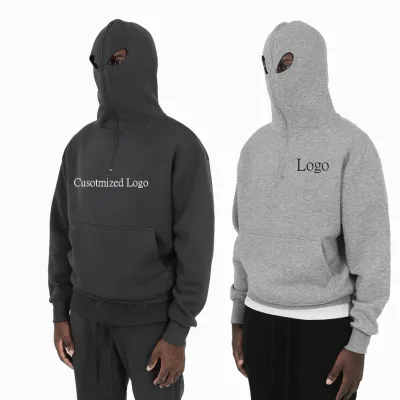
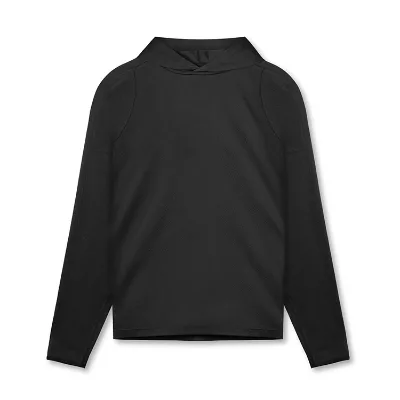
Wholesale Cotton Fleece Hooded 1/4 Zip Mens Hoodies Sweatshirt Custom Men Sweatshirt
$14.62 - $17.62
MOQ: 1
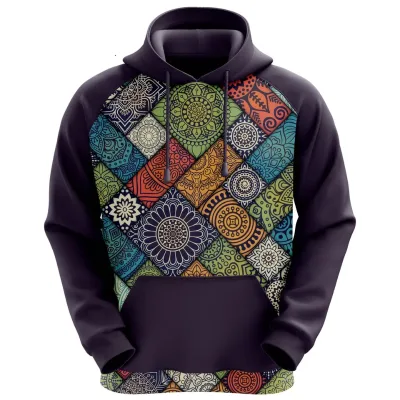
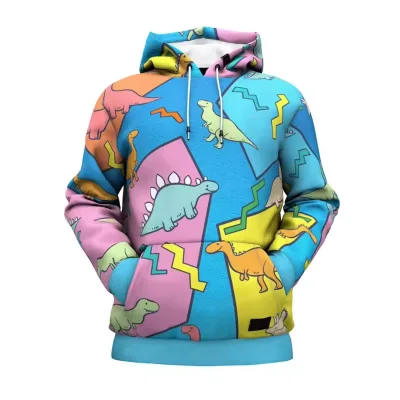

- Verified by CTI
- Trading Company,Manufacturer/Factory
- China Fujian
- Lead time90 days
- Avg. response≤ 16h
Main productsOutdoor Jackets, Swimwear, Gym Wear, Sport Pants, Beach Shorts, Puffer Jackets, Workwear, Yoga Wear, Kid's Clothes, Sweater
Main marketsSouth America,Eastern Europe,Mid East,North America,Southeast Asia,Eastern Asia,Western Europe,Africa


Men's Hoodies Pullover Soft Hooded Sweatshirts Long Sleeve Casual Hoodies with Zipper Pocket
$11.00 - $12.00
MOQ: 1000 Pieces

$10.00 - $11.00
MOQ: 1000 Pieces

Yancheng Chimei Apparel Co., Ltd.
- Verified by CTI
- Trading Company
- China Jiangsu
- Lead time30 days
- Avg. response≤ 4h
Main productsT Shirt, Hoodie, Jacket
Main marketsSouth America,Europe,Australia,North America

Embossed Custom Cotton Fleece Drop Shoulder Crew Neck Pullover Sweatshirts
$5.00 - $12.00
MOQ: 100 Pieces

Crew Neck Heavyweight Cotton Drop Shoulder Pullover Custom Oversized Sweatshirt
$6.00 - $13.00
MOQ: 100 Pieces


Drop Shoulder Oversize Custom Crew Neck Ribbed Cuffs Leisure Sweatshirt
$5.00 - $12.00
MOQ: 100 Pieces

Wholesale Custom Embossed Crewneck Oversized Heavyweight Long Sleeve Sweatshirt
$8.00 - $15.00
MOQ: 100 Pieces

Shanghai Easun Group Imp & Exp Co., Ltd.
- Verified by BV
- Trading Company
- China Shanghai
- Lead time15 days
- Avg. response≤ 21h
Main productsHoodies, Pajamas, T-Shirt, Bath Robe, Sleepwear, Polo Shirts, Safety Shoes
Main marketsAfrica


Fashionable Hoodie Fitness Hoodie Flannel Hoodie Fleece Hoodies Fleece Sweatshirt
$3.00 - $7.50
MOQ: 300 Pieces


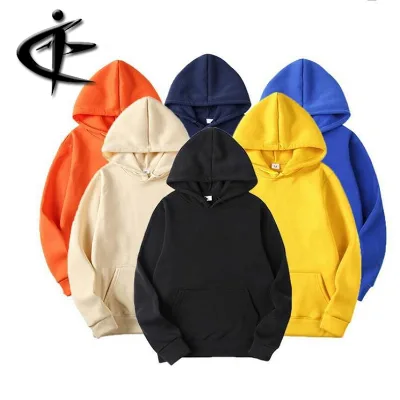
Winter Hoodies Winter Sweater Winter Sweatsuit Workout Hoodies Yellow Hoodie
$3.00 - $7.50
MOQ: 300 Pieces
Jiangxi Smile Garment Co., Ltd.
- Verified by Intertek
- Manufacturer, Trading Company
- Lead time30 days
- Avg. response≤ 2h
Main productsHoodie, T-shirt, Sweatshirt, Winter Jacket, Sweatpants
Main marketsNorth America(85%), Eastern Europe(10%), South America(5%)
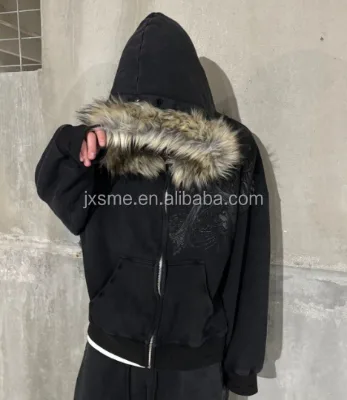
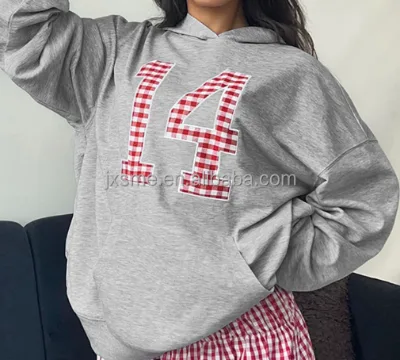
Customized basic contrasting color digital embroidery hooded sweatshirt loose casual hoodie
$5.80 - $13.80
MOQ: 50 pieces

Guangdong Mingyang Garment Industry Co., Ltd.
- Verified by BV
- Combined
- China Guangdong
- Lead time23 days
- Avg. response≤ 3h
Main productsGarment, Office Equipment, Bags & Gifts, Sports Fitness and Leisure, Toys, Uniform, Clothing Accessories, Workwear, Jacket, Outdoor Clothing
Main marketsSouth America,Southeast Asia/ Mideast,Europe,Australia

Guangzhou Tianyuan Clothing Co., Ltd
- Verified by SGS
- Combined
- China Guangdong
- Lead time30 days
- Avg. response≤ 2h
Main productsPolo Shirt, Shirt, Suit, T-Shirt, School Uniform, Hooded Sweatshirt, Medical Uniform, Chef's Uniform, Trousers, Work Clothes
Main marketsDomestic
Dongguan Arangji E-Commerce Co., Ltd.
- Trading Company
- Guangdong Sheng, China
- Lead time0 days
- Avg. response≤ 23h
Shangrao Menglu Clothing Co., Ltd.
- Verified by TüVRheinland
- Manufacturer, Trading Company
- Lead time15 days
- Avg. response≤ 3h
Main productsT-shirts, Shirts, Dresses, Hoodies, Casual Shorts
Main marketsDomestic Market(50%), North America(30%), Western Europe(20%)
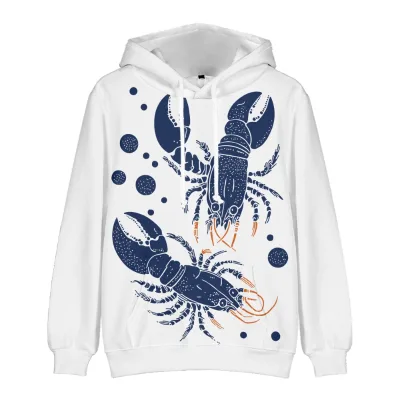
$4.6844 - $5.7277
MOQ: 20 grams
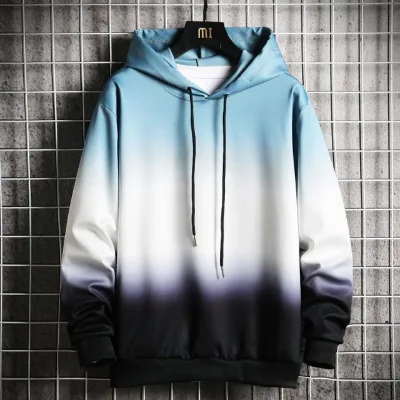
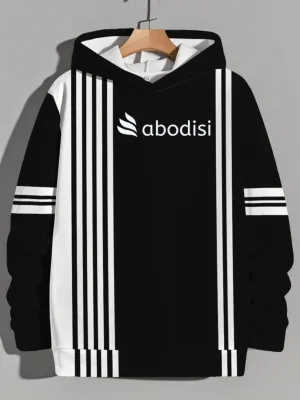
Black & White Striped Hoodie: Soft Breathable Pullover - Trendy Autumn Casual Daily Wear
$4.8598 - $5.8941
MOQ: 20 pieces

Guangzhou Ouzun Clothing Co., Ltd.
- Verified by CTI
- Combined
- China Guangdong
- Lead time23 days
- Avg. response≤ 2h
Main productsUniforms, Pants, Suits&Blazer, T Shirt, Polo Shirt, Sportswear, Jacket, Hoodies&Sweatshirts
Main marketsDomestic

$5.19 - $7.99
MOQ: 100 Pieces

$5.19 - $7.99
MOQ: 100 Pieces

Men's Zippered Hooded Sweatshirt with Soft Brushed Interior and Front Pockets Hoody Sweatshirt
$5.19 - $7.99
MOQ: 100 Pieces

Thick Thermal Lined Sweatshirt with Hood for Cold Weather Protection and Layering Sweatshirt
$5.19 - $7.99
MOQ: 100 Pieces

Soft Ring Spun Cotton Fleece Hoodie with Anti-Pilling Finish for Long Lasting Quality Cotton Hoodies
$5.19 - $7.99
MOQ: 100 Pieces
Dongguan Lianyishang Clothing Co., Ltd.
- Manufacturer
- Guangdong, China
- Lead time20 days
- Avg. response≤ 24h
Main productsT-shirt,Hoodie,Tracksuit,Jacket,Shorts
Main marketsNorth America(50.00%), Southern Europe(30.00%), Oceania(20.00%)

Goldely Garment Import and Export Inc.
- Verified by SGS
- Trading Company
- China Guangdong
- Lead time15 days
- Avg. response≤ 5h
Main marketsNorth America
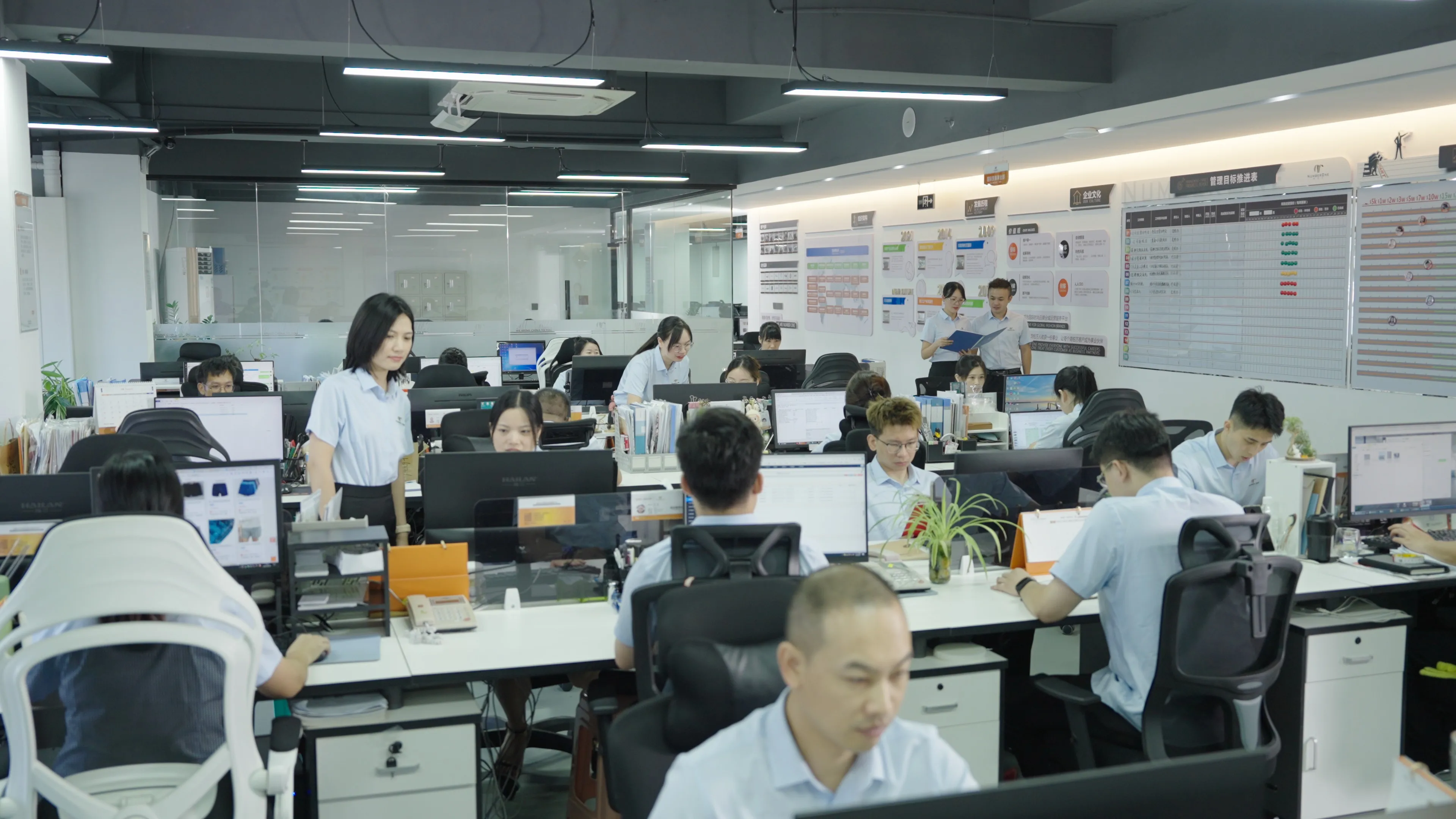
Number One Industrial Co., Ltd.
- Manufacturer, Trading Company
- Fujian, China
- Lead time45 days
- Avg. response≤ 3h
Main productsT -shirt,POLO,Hoodies,Tracksuit,sportswear
Main marketsNorth America(35.00%), Southeast Asia(15.00%), South America(15.00%), Western Europe(10.00%), Northern Europe(10.00%), Eastern Europe(10.00%), Africa(5.00%)
Ningbo Daxie Development Zone Xiehua Industrial Co., Ltd.
- Manufacturer, Trading Company
- Zhejiang, China
- Lead time0 days
- Avg. response≤ 5h
Main productsKnitting Garment,Hoodie,Sweatshirt,Sweatpants,T shirt
Main marketsWestern Europe(81.00%), Mid East(10.00%), Domestic Market(6.00%), Northern Europe(3.00%)


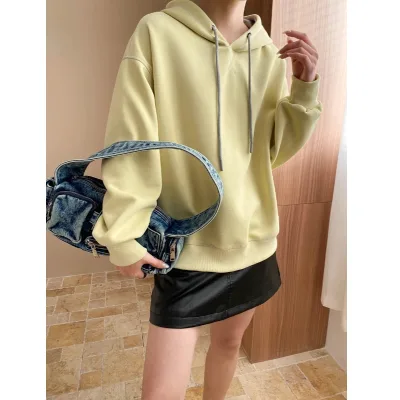
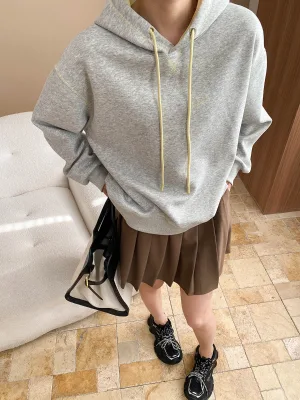
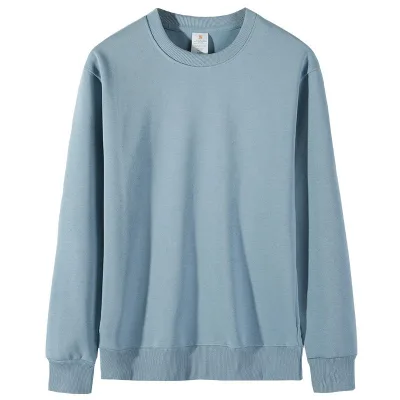


Comprehensive Sourcing Guide
Anti-Pilling Breathable Hooded Sweatshirts Supplier Concentration and Factory Types
Sourcing results for anti-pilling breathable hooded sweatshirts point strongly to Guangdong, China, as an active supply location, with several listing profiles originating from that province and specifically from Guangzhou-based operations. This matters because a concentrated cluster typically means buyers can compare multiple factories within a short travel radius, combine factory visits into one trip, and work with local trimming, printing, and embroidery vendors that serve the same apparel ecosystem. When evaluating results, check whether the stated origin in product attributes matches the company-level location field; discrepancies between a listing origin and the registered address are an early signal to ask questions before shortlisting.
Factory types in this category split into combined manufacturers, own-brand operators offering ODM and OEM services, and trading intermediaries. Combined-type companies in the observed results list sportswear alongside hoodies, sweatshirts, yoga pants, and tracksuits, which suggests production lines shared across knit categories. Own-brand suppliers with ODM, OEM, and in-house labels often carry stronger development capability for fabric treatments such as anti-pilling finishes. When reviewing listings, use the product keywords and catalog depth to judge whether a supplier genuinely manufactures hooded sweatshirts or merely aggregates them. A supplier whose main products center on T-shirts may treat hoodies as a sideline. Confirm company type, ask which operations are in-house versus subcontracted, and request the factory's physical address so you can validate the claimed cluster position independently before committing to samples or audits.
How to Verify Anti-Pilling Breathable Hooded Sweatshirts Suppliers
Verification starts with the credentials actually displayed in search results, then extends to checks you commission yourself. In the current results, some suppliers carry third-party verification badges from bodies such as SGS or TÜV Rheinland, while others show no system certification at all, with the certification field explicitly marked as nil. Treat a verification badge as confirmation that identity documents and a site check occurred at some point, not as proof of product quality. For anti-pilling and breathable performance, no badge substitutes for your own lab testing against the fabric composition and finish standards you specify in a purchase contract.
Practical verification steps for this category include requesting the factory's business license and cross-checking the registered scope against apparel manufacturing, asking for recent export records to your market, and ordering pre-production samples in the exact fleece or knit weight you intend to buy. Wash-test the samples repeatedly, since pilling resistance only reveals itself after several laundering cycles, and assess breathability subjectively during a gym or track session as stated usage contexts in the listings suggest. Note that several results describe products as unisex, adult-sized, and customization-enabled, so verify that the size set offered in listings matches your target market's grading. Finally, ask each supplier to state which processes — knitting, dyeing, cutting, sewing, finishing — happen on site, and reconcile their answer with the company type and verification data before you place a trial order.
What to Compare Across Anti-Pilling Breathable Hooded Sweatshirts Suppliers
Build a comparison table from the dimensions visible in supplier listings rather than assumptions. Useful fields include lead time, minimum order quantity, average response time, location, main product lines, company type, research and development capacity such as ODM or OEM status, and any displayed verification or certification. The observed results show meaningful spread: lead times ranging from fifteen to thirty days, minimum order quantities from twenty pieces on certain custom hoodie styles up to two hundred pieces on others, and response times spanning from under an hour to more than sixteen hours. A supplier answering in under an hour is easier to develop with during sampling, though responsiveness alone does not indicate capability.
Compare product-level economics alongside company-level terms. Listed price ranges in the results run from roughly three to four dollars for lightweight cropped crewneck styles, four to seven dollars for oversized pullover hoodies, ten to eleven dollars for cotton drawstring hoodies, up to the high teens or mid-twenties for premium fleece crewneck sweatshirts — but treat these as indicative, since fabric weight, customization, and finish drive the final quote. Weigh MOQ against your sell-through risk: a twenty-piece minimum lets you test designs cheaply, while a two-hundred-piece minimum usually accompanies deeper customization. Also compare packing formats, since listings describe polybag, OPP, and carton packing, which affects your inbound handling costs. Never assume every supplier displays all attributes; where a field is missing, request it in writing during RFQ.
Common Anti-Pilling Breathable Hooded Sweatshirts Sourcing Risks
The most frequent risk in this category is a gap between claimed fabric performance and delivered performance. Anti-pilling is a finish and fiber-quality outcome, not a guaranteed property, and breathability claims in listings describe intended usage such as fitness, gym, and track and field without attached test evidence. If you accept marketing language instead of contractual test requirements, you may receive fleece that pills after a handful of washes, triggering returns and marketplace penalties. Mitigate this by specifying a pilling grade requirement, fabric composition, and GSM weight in the purchase agreement, and by withholding final payment until bulk inspection confirms conformance.
Other risks concentrate around order terms and capacity. Low published minimums, such as twenty-piece custom runs, can invite small-order surcharges or hidden per-unit uplifts once logos, tags, and custom packaging are added — several listings note customized logo, tag, label, and hangtag services, which are rarely free. Long response lags of sixteen hours or more can stretch sampling rounds into weeks, jeopardizing seasonal windows even when quoted lead times are fifteen days. Unverified suppliers with nil certification records present higher counterparty risk, so consider escrow or staged payment structures rather than large deposits. Finally, mismatched size grading — some listings specify only limited sizes while others extend to triple extra-large — can produce bulk shipments that fail your market's fit expectations. Document every attribute in a tech pack and require a signed pre-production sample to anchor the bulk standard.
Anti-Pilling Breathable Hooded Sweatshirts Regional Sourcing and Logistics
Guangdong's role in these results carries logistics advantages beyond manufacturing. The province hosts major container ports and one of the world's busiest airport hubs, so goods manufactured there can move to ocean freight consolidation quickly, and air freight for samples or top-up orders is practical. Several listings state product origin as China with specific packing configurations — one piece per polybag or OPP bag, with forty to eighty pieces per carton in one example — which directly affects your container utilization calculations. Ask each shortlisted supplier for carton dimensions and gross weight so you can model cubes per forty-foot container before negotiating freight terms.
Regional clustering also shapes inland logistics and vendor coordination. Suppliers in the Guangzhou area can typically source zippers, drawcords, custom labels, and printed packaging from nearby vendors, compressing the trim-approval cycle that often delays hoodie production. When planning, confirm whether the quoted lead time of fifteen or thirty days includes fabric procurement or starts from fabric in hand, because anti-pilling finished fabric may need to be ordered or treated specially. For buyers outside China, evaluate whether a supplier's location supports your preferred Incoterms, and ask which forwarders they routinely use. Build a seasonal calendar backwards from your retail window: sampling, size-set approval, bulk production, inspection, and shipping should each be time-boxed, with buffer added for pre-shipment testing of pilling and colorfastness before goods leave the factory floor.
Anti-Pilling Breathable Hooded Sweatshirts Commercial Terms and Order Planning
Structure commercial terms to match the risk profile you identified during verification. For first orders with unverified or lightly certified suppliers, use staged payments — a modest deposit with the balance released after pre-shipment inspection — or platform escrow where available. Suppliers verified by recognized third-party inspection bodies may justify slightly friendlier terms, but keep inspection rights regardless. Negotiate price breaks against the MOQ tiers visible in listings: where a supplier posts twenty-piece minimums on custom hoodies and one hundred to two hundred pieces on other styles, ask what volume unlocks better fabric pricing, since cloth cost dominates hoodie economics. Confirm in writing whether customization charges for logos, labels, and packaging are included or additive.
Order planning should exploit the flexibility these suppliers advertise. ODM and OEM capability means you can start with a supplier's existing pullover or drawstring body and layer your branding, then graduate to fully custom patterns once sell-through is proven. Sequence orders to test anti-pilling durability in the field: launch a small batch, gather wash-cycle feedback from real customers, and only then scale with the same fabric lot specification locked in the contract. Align reorder timing with the stated lead times — fifteen days for some suppliers, thirty for others — plus freight transit, and maintain a safety stock covering at least one reorder cycle. Finally, agree on the inspection standard, carton packing format, and shipping marks before deposit, since these details are cheaper to fix on paper than at the port.
FAQs
What is the price range for anti-pilling hooded sweatshirts?
Prices for these garments typically range from $3.54 to $26.00 per unit. The final cost depends on material selection, customization options, and order volume. Buyers should expect higher prices for premium cotton blends or complex embroidery services compared to basic polyester options.
What is the minimum order quantity for custom hoodies?
Minimum order quantities vary significantly by supplier, ranging from 20 pieces to 200 pieces. Some manufacturers offer low MOQs of 20 units for standard designs, while others require 100 or 200 units for custom branding. Buyers should verify specific MOQs based on their production needs.
How long does production take for these sweatshirts?
Production lead times generally range from 15 to 30 days. Faster turnaround times are available for certain suppliers, while others may require up to a month for full production cycles. Buyers should confirm exact timelines with suppliers before placing orders to ensure timely delivery.
Are these hoodies suitable for gym and fitness activities?
Yes, many options are designed for fitness, track and field, and gym usage. Features like breathable fabrics and stretch materials make them ideal for active wear. Buyers can find unisex designs suitable for various sports, including yoga, basketball, and cycling, ensuring versatility for athletic applications.
What customization services are available for these sweatshirts?
Suppliers offer customization including logos, tags, labels, and packaging. Options range from screen printing to embroidery, allowing for unique branding. Buyers can also request specific sizes, colors, and materials. Customization availability should be confirmed with each supplier to ensure it meets specific design requirements.
Where are these suppliers located?
Most suppliers are located in China, specifically in Guangdong and Guangzhou regions. These areas are known for their strong apparel manufacturing capabilities. Buyers can expect products to originate from these locations, which may influence shipping costs and lead times for international orders.