Quick Dry Reflective Running Shorts Suppliers and Manufacturers
Explore 31 verified options for Quick Dry Reflective Running Shorts from factories in China. Compare response times, lead times, certifications, and MOQs to find the right partner. Request samples to validate quality before placing orders; review the available evidence before requesting comparable quotations from suitable candidates.
Updated
Suppliers List

Dongguan Deluo Industry & Trade Co., Ltd.
- Verified by SGS
- Manufacturer/Factory
- China Guangdong
- Lead time23 days
- Avg. response≤ 5h
Main productsHeat Transfer Label, Label, Boxing Shorts, Heat Transfer Logo, Garment Logo, Silicone Label, Bjj Gi Kimono, Brazilian Jiu Jitsu Uniform, Muay Thai Shorts, PVC Patch
Main marketsSouth America,Eastern Europe,Mid East,North America,Southeast Asia,Eastern Asia,Oceania,Western Europe,Africa

Xiamen Crownway Apparel Co., Ltd.
- Verified by TUVRHEINLAND
- Trading Company
- China Fujian
- Lead time30 days
- Avg. response≤ 5h
Main productsOutdoor/Ski/Waterproof/Down Jackets, Hiking/ Camping/Waterproof/Ski Pants, Yoga/Gym/Fitness Wear, Active Pants&Shorts, Hoody&Sweatshirt, Beachwear, Underwear, Cycling Wear/Running Wear, Equestrian Clothing/Breeches, Safety/Security Workwear
Main marketsSoutheast Asia/ Mideast,Europe,North America

Guangzhou Healong Sportswear Co., Ltd.
- Verified by BV
- Combined
- China Guangdong
- Lead time15 days
- Avg. response≤ 4h
Main productsGarment, Soccer Jersey, Basketball Jersey, Rugby Wear, T-Shirt, Polo Shirt, Netball Dress, Hoody, Tracksuit, Sublimation Sportswear
Main marketsAustralia,North America


Customized Men's Sports Shorts Breathable Shorts Quick-Drying Fitness Casual Running Shorts
$5.00 - $9.50
MOQ: 10 pieces

Men's Sports Shorts Quick-Drying Fitness Pants Track Field Marathon Shorts
$5.00 - $9.90
MOQ: 10 pieces

Xiamen Junmao Technology Co., LTD
- Verified by BV
- Combined
- China Fujian
- Lead time30 days
- Avg. response≤ 4h
Main productsFootball Kit, Sportswear, Football Equipment, Gym Wear, Yoga Set, Sports Products
Main marketsAfrica,Southeast Asia/ Mideast,Europe,Australia,North America

Outdoor Fitness Running Reflective Squat Workout Pants Woven Quick Dry Training Shorts
$5.30 - $6.30
MOQ: 2 PCS

Athletic Shorts Men's Breathable Quick Dry Basketball Pants Training Running Marathon Shorts
$4.72 - $6.00
MOQ: 2 PCS


Xiamen Ibestop Sport Co., Ltd.
- Trading Company, Distributor/Wholesaler
- Fujian, China
- Lead time10 days
- Avg. response≤ 5h
Main productscycling wear,Hoodies&Sweatshirt,T Shirt,training&jogging wear,Triathlon wear
Main marketsWestern Europe(20.00%), Southeast Asia(20.00%), North America(20.00%), South America(9.00%), Southern Europe(8.00%), Oceania(5.00%), Northern Europe(5.00%), South Asia(5.00%), Eastern Europe(5.00%), Central America(3.00%)

Guangzhou Shangshang Industrial Co., Ltd.
- Combined
- China Guangdong
- Lead time15 days
- Avg. response≤ 17h
Main productsHoodies, T Shirt, Sweatpant, Shorts, Jacket
Main marketsDomestic

Gym Shorts Breathable Custom Logo Quick Dry Workout Fitness Running Shorts
$8.00 - $14.00
MOQ: 50 Pieces


Ningbo Z & H Foreign Trade Co., Ltd.
- Trading Company
- China Zhejiang
- Lead time45 days
- Avg. response≤ 22h
Main productsGarment T Shirt Hoody Polo Fashion Cloth
Main marketsSouth America,Africa,Southeast Asia/ Mideast,East Asia(Japan/ South Korea),Europe,Australia,North America
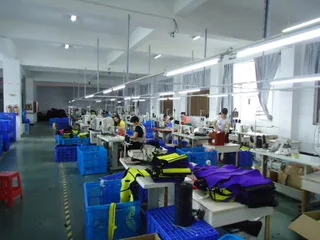
Yiwu Yinpeng Healthy&Sport Article Co., Ltd.
- Trading Company
- Zhejiang, China
- Lead time7 days
- Avg. response≤ 11h
Main productsSports Goods,Yoga Wear,Waist Shaper,Leggings,Corset
Main marketsNorth America(45.00%), Western Europe(15.00%), Southeast Asia(10.00%), Eastern Asia(8.00%), Africa(8.00%), Eastern Europe(7.00%), South Asia(4.00%), Southern Europe(3.00%)

Foshan Dopoo Sportswear Co., Ltd.
- Verified by TUVRHEINLAND
- Trading Company
- China Guangdong
- Lead time30 days
- Avg. response≤ 5h
Main productsSportswear, Hoodies, Baseball Jersey, Basketball Jersey, Fishing Shirts, Apparel, Jacket Jersey, Hockey Jersey, Cheerleading Uniform, Running Shirts
Main marketsNorth America
Guangxi Axi Technology Co., Ltd.
- Trading Company
- Guangxi, China
- Lead time3 days
- Avg. response≤ 4h
Main productsMen's Sport Clothing
Main marketsNorth America(50.00%), Eastern Europe(15.00%), Northern Europe(15.00%), South America(10.00%), Western Europe(10.00%)
Guangzhou Akilex Sporting Goods Ltd
- Verified by TüVRheinland
- Manufacturer, Trading Company
- Lead time30 days
- Avg. response≤ 7h
Main productsSoccer Wear, Basketball Wear, Gym Wear, Tracksuit, Rugby Jersey
Main marketsNorth America(50%), Oceania(20%), Western Europe(20%)

Ningbo East Packaging Technology Co., Ltd.
- Verified by BV
- Trading Company
- China Zhejiang
- Lead time23 days
- Avg. response≤ 3h
Main productsDisposable Gloves, Nitrile Gloves, Vinyl Gloves, Latex Gloves, Food Packaging, Disposable Tableware, PPE Products, Packaging & Labels, Flashlights, General Consumer Products
Main marketsDomestic

GANZHOU BESTEAM INTERNATIONAL CO.,LTD
- Verified by SGS
- Combined
- China Jiangxi
- Lead time30 days
- Avg. response≤ 5h
Main productsSoccer Jersey, Soccer Wear, Soccer Uniform, Soccer Shirt, Goalkeeper, Football Jersey, Football Shirt, Football Uniform, Referee, Custom Football Kit
Main marketsAfrica,Europe,Australia

$3.60 - $8.90
MOQ: 100 Pieces

Custom Sports Shorts Men's Summer Running Training Shorts Loose Fitness Racing Speed Dry Three Pants
$4.40 - $6.30
MOQ: 100 Pieces

$2.40 - $6.60
MOQ: 100 Pieces

shanghai jspeed industry co.,ltd
- Trading Company
- China Shanghai
- Lead time60 days
- Avg. response≤ 5h
Main productsSwimwear, Underwear, Sportswear, Socks, Dress, Skirt, Pants, Shorts, Textile
Main marketsSouth America,Southeast Asia/ Mideast,Domestic,Europe,Australia,North America


New Men's Fitness Running Training Pants Fast Dry Breathable Sports Shorts
$3.90 - $5.90
MOQ: 100 Pieces

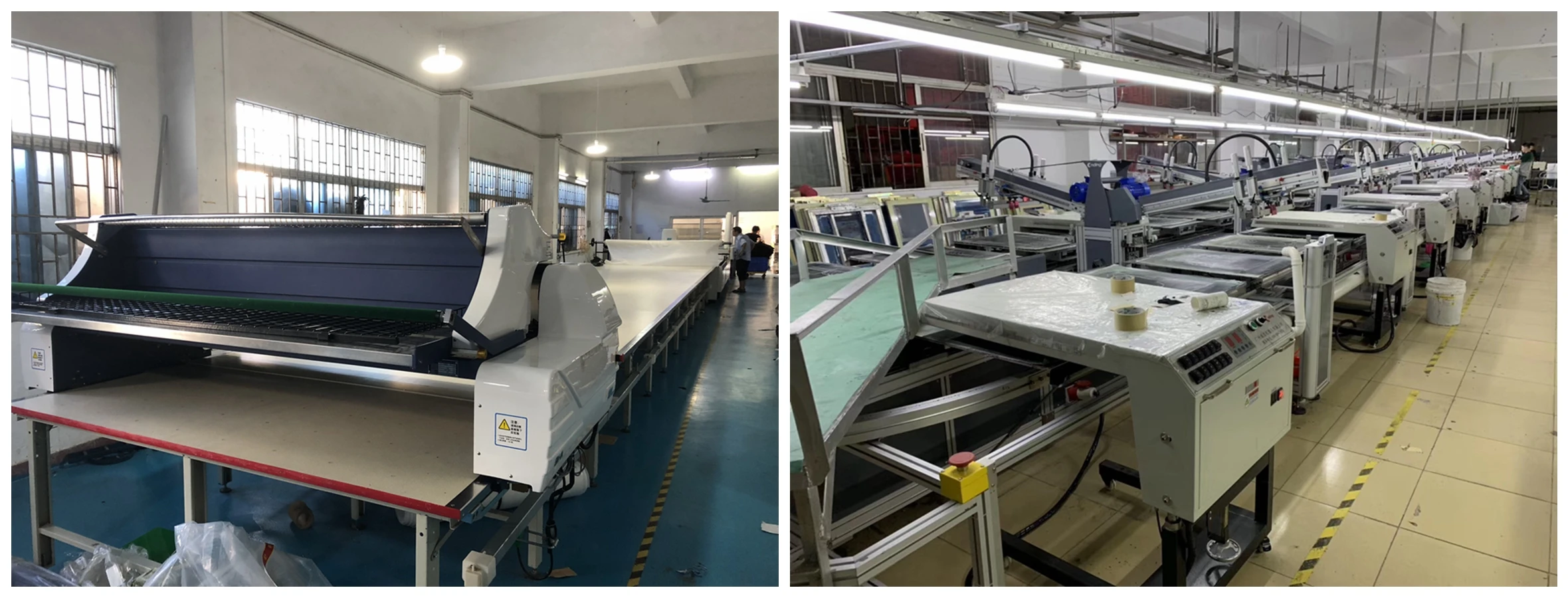
Guangzhou Thomas Trading Co., Ltd.
- Manufacturer, Buying Office
- Guangdong, China
- Lead time30 days
- Avg. response≤ 8h
Main productsMens clothing,Sports clothing,Womens clothing
Main marketsNorth America(50.00%), Southeast Asia(30.00%), Western Europe(20.00%)

Number One Industrial Co., Ltd.
- Manufacturer, Trading Company
- Fujian, China
- Lead time45 days
- Avg. response≤ 3h
Main productsT -shirt,POLO,Hoodies,Tracksuit,sportswear
Main marketsNorth America(35.00%), Southeast Asia(15.00%), South America(15.00%), Western Europe(10.00%), Northern Europe(10.00%), Eastern Europe(10.00%), Africa(5.00%)

Wujiang Hailihong Textile Co., Ltd.
- Verified by CTI
- Combined
- China Jiangsu
- Lead time15 days
- Avg. response≤ 8h
Main productsKnitted Textiles, Chemical Fibers, Home Textiles, Clothing and Accessories, Swim Trunks, T-Shirt, Hawaiian Shirt, Beach Pants, Bikini, Hoodie
Main marketsAfrica,Southeast Asia/ Mideast,East Asia(Japan/ South Korea),Domestic,Europe,Australia,North America

Sports Shorts Men's Summer Outdoor Fitness Quick-Drying Shorts Running Casual Shorts
$3.50 - $5.00
MOQ: 5 piece


XIAMEN FULLSTAR IMPORT AND EXPORT CO., LTD.
- Verified by BV
- Trading Company,Manufacturer/Factory
- China Fujian
- Lead time0 days
- Avg. response≤ 16h
Main productsPadding Jackets, Down and Goosedown Jackets, Hybrid Jackets, Softshell and Fleece Jackets, Ski Jackets, Hikking Clothes, Running Clothes, Yoga/Fitness Clothes, Swimming Clothes

Men's Running Shorts Quick Dry Custom Logo Gym Polyester Summer Sports Shorts
$15.00 - $25.00
MOQ: 600 Pieces


Running Shorts Wholesale Direct Factory Supply Eco-Friendly Canvas Breathable
$15.00 - $25.00
MOQ: 600 Pieces
Hebei Kang Sheng Yuan Sports Goods Co., Ltd.
- Verified by SGS Group
- Manufacturer, Trading Company
- Lead time5 days
- Avg. response≤ 3h
Main productsWaist Support; Back Posture Corrector; Knee Brace; Body Shaper Corset; Hip Resistance Bands
Main marketsNorth America(30%), Domestic Market(30%), Western Europe(15%)

Guangzhou Ouzun Clothing Co., Ltd.
- Verified by CTI
- Combined
- China Guangdong
- Lead time23 days
- Avg. response≤ 2h
Main productsUniforms, Pants, Suits&Blazer, T Shirt, Polo Shirt, Sportswear, Jacket, Hoodies&Sweatshirts
Main marketsDomestic

Jiangsu Baizhou Safety Technology Co., Ltd.
- Combined
- China Jiangsu
- Lead time15 days
- Avg. response≤ 4h
Main productsLife Jacket, Inflatable Life Jacket, Life Buoy, Rescue Tube, FRP Box, Fire Hose Box, Scba
Main marketsSouth America,Africa,Southeast Asia/ Mideast,East Asia(Japan/ South Korea),Domestic,Europe,Australia,North America

Fitness Running Men Sports Shorts Quick Drying Training Light Gym Joggers
$3.60 - $4.50
MOQ: 100 Pieces

High Quality Men Shorts Breathable and Quick-Drying Pants Fitness Running Shorts
$3.60 - $4.50
MOQ: 100 Pieces

Dongguan Humen Hucai Garment Co., Ltd.
- Verified by SGS
- Combined
- China Guangdong
- Lead time30 days
- Avg. response≤ 6h
Main productsSportswear, Yoga Pants, Sports Bra, T Shirt, Tank Top, Jogger Pants, Tracksuit, Hoodies, Shorts, Leggings
Main marketsSouth America,Africa,Southeast Asia/ Mideast,East Asia(Japan/ South Korea),Domestic,Europe,Australia,North America

Hanzhou (Guangzhou) Garment Manufacturing Co., Ltd.
- Verified by SGS
- Combined
- China Guangdong
- Lead time15 days
- Avg. response≤ 4h
Main productsSoccer Jersey, Yoga, Gym Clothing, Swimming Wear, Sport Suit, Short, Football Jersey
Main marketsNorth America
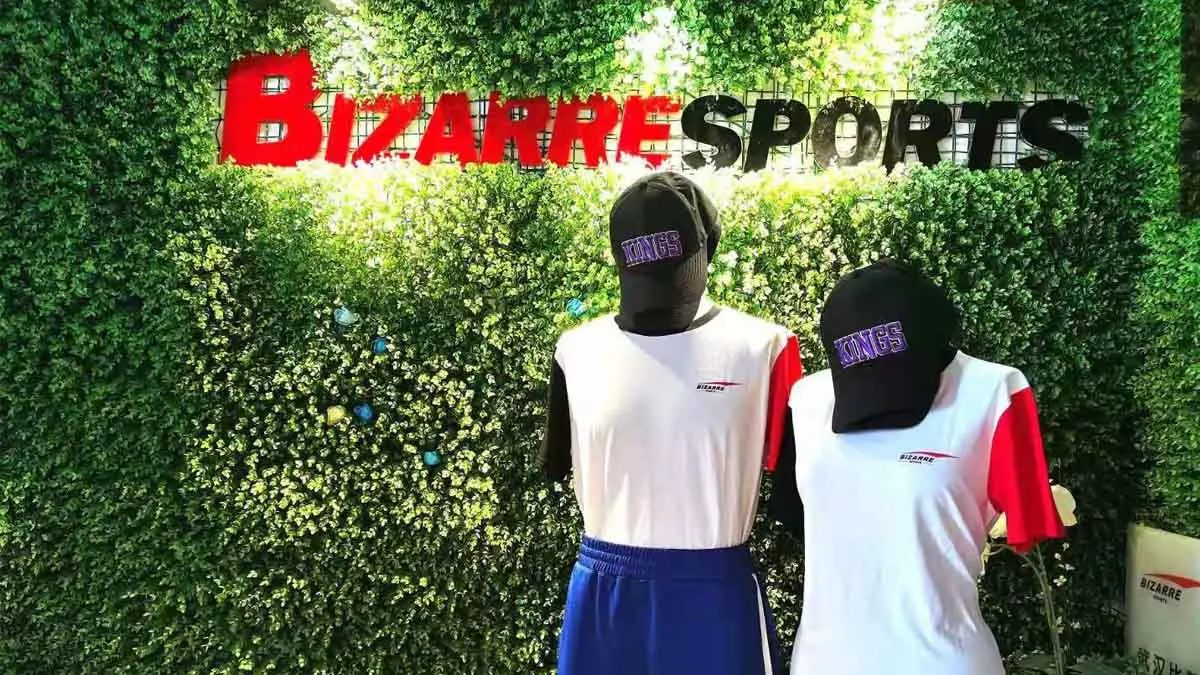
Wuhan Bizarre Sports Co., Ltd.
- Manufacturer, Trading Company
- Hubei, China
- Lead time20 days
- Avg. response≤ 1h
Main productsMen's T-Shirts,Equestrian Clothing,Basketball Wear,Rugby Polo,GYM Wear
Main marketsNorth America(23.00%), Oceania(20.00%), Northern Europe(18.00%), Western Europe(6.00%), Eastern Europe(6.00%), Central America(5.00%), Eastern Asia(5.00%), South America(4.00%), Africa(4.00%), Southern Europe(4.00%), Southeast Asia(2.00%), Domestic Market(1.00%), Mid East(1.00%), South Asia(1.00%)
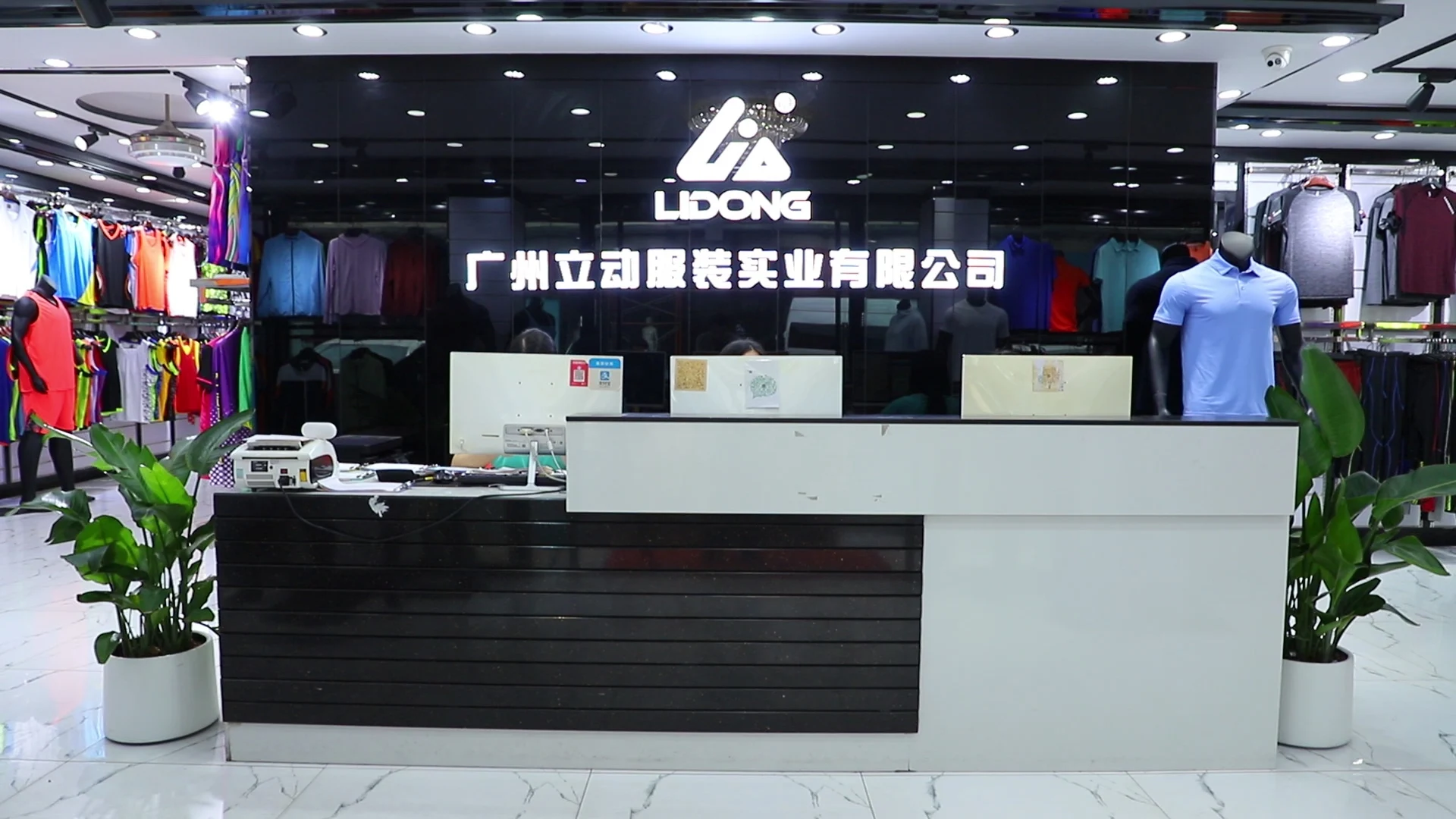
Lidong International Company Limited
- Trading Company
- Hong Kong S.A.R.
- Lead time7 days
- Avg. response≤ 3h
Main productsT shirts,Hoodies,Shorts,Sweatshirts,Golf Polos
Main marketsNorth America(25.00%), Western Europe(20.00%), Eastern Europe(15.00%), Mid East(10.00%), Southeast Asia(10.00%), South America(8.00%), Northern Europe(5.00%), Southern Europe(4.00%), Africa(2.00%), Central America(1.00%)
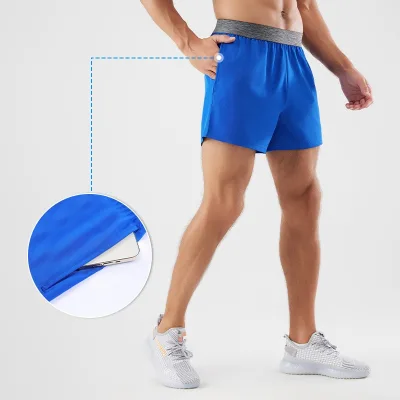
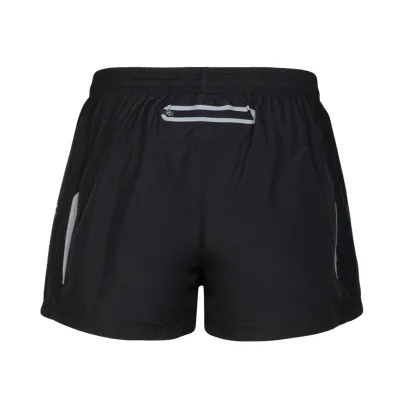
Lightweight Ultra-Flexible Mens Quick-Dry Shorts For Running With Secure Phone Pocket
$4.22 - $7.55
MOQ: 20 pieces
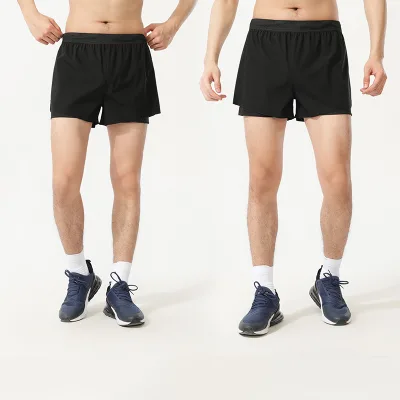
Moisture-Wicking Odor-Resistant Mens Sports Shorts For Sports Practice With Reflective Strips
$4.22 - $7.55
MOQ: 20 pieces
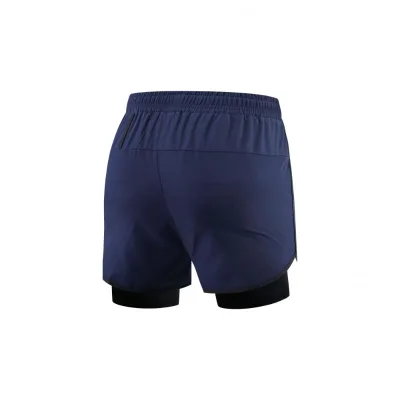
Breathable Compression Fit Mens Performance Shorts For Outdoor Activities With Anti-Chafe Seams
$4.22 - $7.55
MOQ: 20 pieces

Guangzhou Nolai Garment Co., Ltd.
- Verified by TUVRHEINLAND
- Combined
- China Guangdong
- Lead time30 days
- Avg. response≤ 1h
Main productsT Shirt, School Uniform
Main marketsDomestic
Dongguan Hongyan Clothing Co., Ltd.
- Verified by Intertek
- Trading Company
- Lead time0 days
- Avg. response≤ 3h
Main productsMen's Woven Tracksuit, Unisex Knitted Hoodie&Jogger Set, Men's t shirt &shorts set
Main marketsWestern Europe(95%), North America(5%)
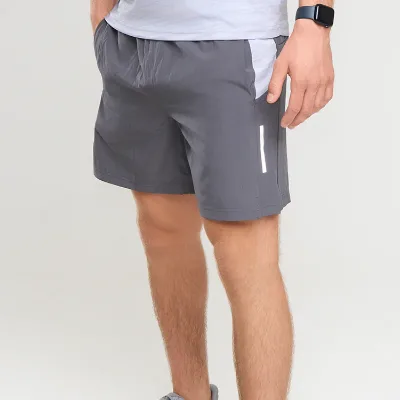
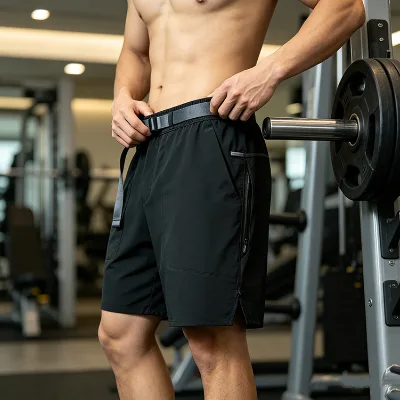
$9.685 - $12.055
MOQ: 50 pieces
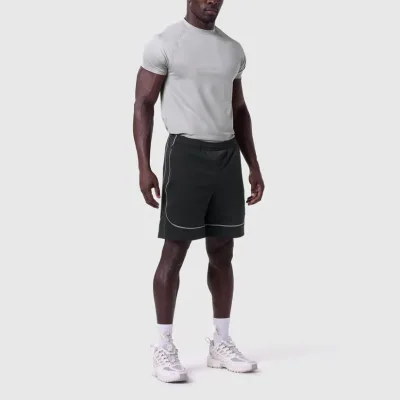
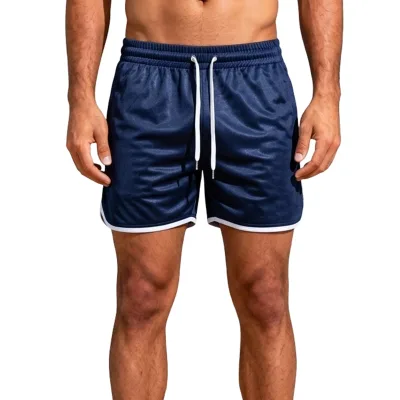
Wholesale Breathable Man Black Mesh Running Shorts with Drawstring Reflective Trim for Night Jogging
$10.5754 - $12.6291
MOQ: 100 pieces
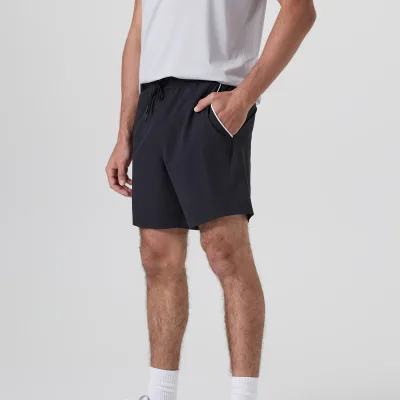
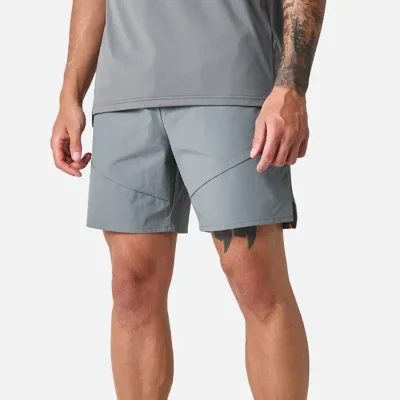
Reflective Mens Sports Shorts Black with White Stripe Elastic Waist for Safe Quick Dry Manufacturer
$9.2203 - $11.7072
MOQ: 100 pieces
Dantele Sports Goods (shenzhen) Co., Ltd.
- Verified by SGS Group
- Manufacturer, Trading Company
- Lead time20 days
- Avg. response≤ 1h
Main productsWomen's Sportswear , Women's Yoga Wear , Women's Sports Bra , Women's Yoga Pants, Men's Sportswear
Main marketsNorth America(50%), South America(10%), Africa(10%)
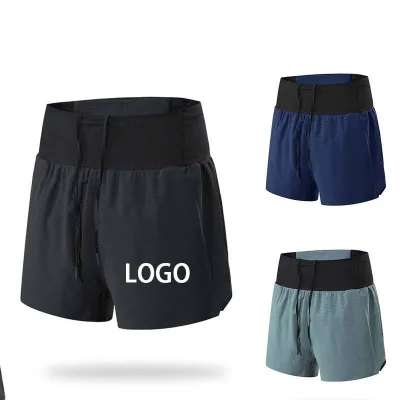
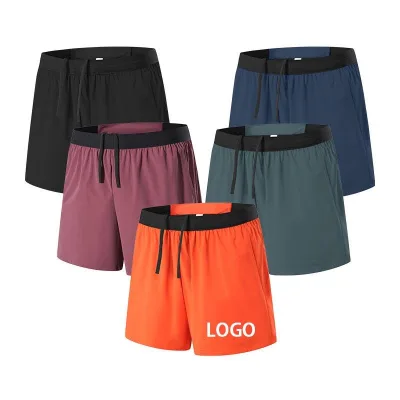
$9.7885 - $11.8481
MOQ: 2 pieces
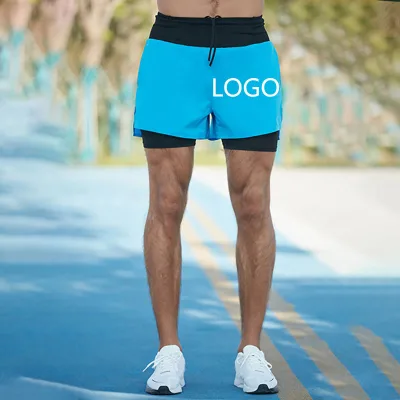

Shanghai Sky Industrial Products Co., Ltd
- Verified by SGS
- Trading Company
- China Shanghai
- Lead time30 days
- Avg. response≤ 18h
Main productsMilitary Uniform, Military Boot, Military Backpack, Belt, Buckle, T-Shirt, Badge
Main marketsDomestic


Lightweight Summer Running Shorts for Men - Quick Dry, Breathable Fitness Gear
$1.00 - $2.00
MOQ: 500 Pieces


Lightweight Quick-Dry Sports Shorts for Men - Ideal for Running and Basketball
$1.00 - $2.00
MOQ: 500 Pieces

Shenzhen Flya Sport Goods Co., Limited
- Manufacturer, Trading Company
- Hong Kong S.A.R.
- Lead time15 days
- Avg. response≤ 5h
Main productsT Shirts,Hoodies,Shorts,Jogger Pants,Running Belt
Main marketsNorth America(40.00%), South America(30.00%), Western Europe(5.00%), Central America(5.00%), Northern Europe(5.00%), Eastern Europe(3.00%), Southeast Asia(2.00%), Africa(2.00%), Oceania(2.00%), Southern Europe(2.00%), South Asia(2.00%), Domestic Market(2.00%)
Jiangxi Huadu Clothing Co., Ltd.
- Manufacturer, Trading Company
- Lead time旺季: "1 - 50":10,"51 - 500":20,"501 - 1000":25,"> 1000":"To be negotiated", 淡季: "1 - 50":10,"51 - 500":20,"501 - 1000":25,"> 1000":"To be negotiated"
- Avg. response≤ 4h
Main productsT-shirt, Hoodies and Sweatshirt, Tank Tops, Shorts, Pants


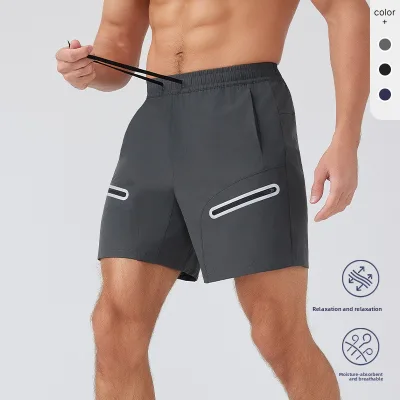
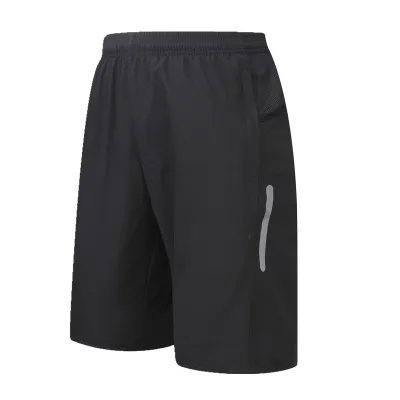
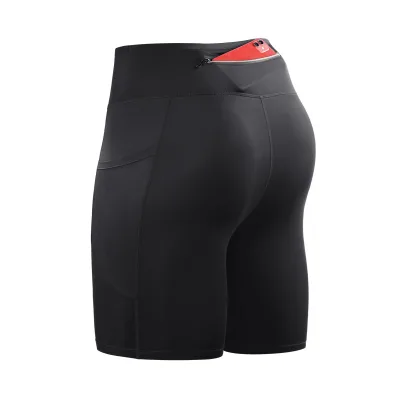
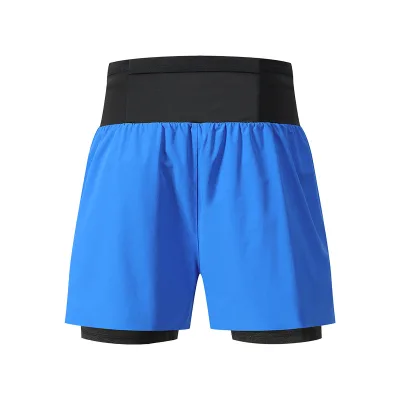






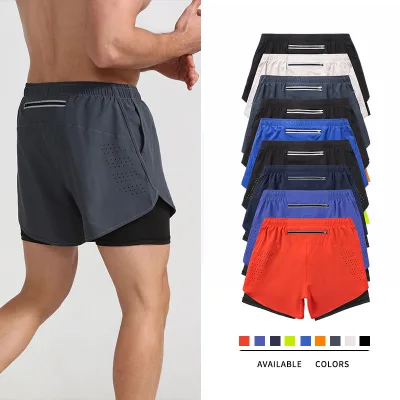
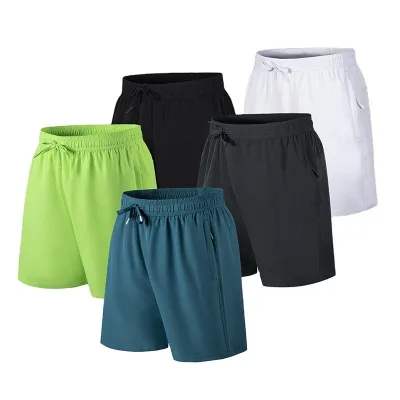
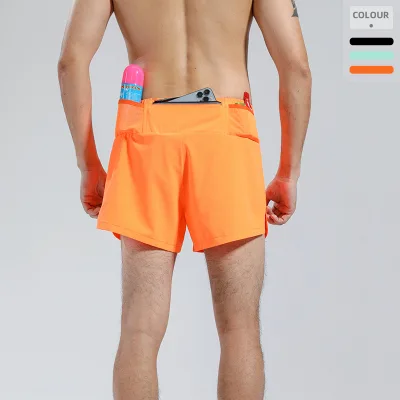
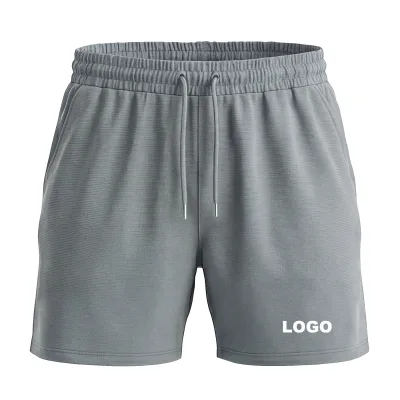






Comprehensive Sourcing Guide
Quick Dry Reflective Running Shorts Supplier Concentration and Factory Types
The sourcing landscape for Quick Dry Reflective Running Shorts reveals a distinct concentration of manufacturing capabilities within specific Chinese provinces, primarily Guangdong and Fujian. Guangdong-based suppliers often operate as manufacturers or factories, leveraging established industrial clusters to produce a wide array of apparel items including heat transfer labels, boxing shorts, and specialized sportswear. These entities frequently hold ISO 9001 system certifications and undergo rigorous verification processes, such as those conducted by SGS, ensuring a baseline of quality control and operational reliability. The presence of such verified manufacturers indicates a mature supply chain capable of handling complex production requirements, from basic garment assembly to more intricate reflective fabric applications. Buyers looking for direct factory engagement will find these Guangdong facilities particularly relevant, as they often possess the infrastructure to support both OEM and ODM services, allowing for significant customization of product designs and branding elements.
In contrast, suppliers located in Fujian may present a different operational profile, often functioning as trading companies or combined entities that bridge the gap between manufacturers and international buyers. These Fujian-based suppliers typically focus on a broader range of active wear, including outdoor jackets, hiking pants, and yoga wear, alongside their quick dry running shorts offerings. While they may not always be the direct manufacturers, their role as trading companies or combined service providers can offer buyers access to a diverse portfolio of products and potentially more flexible sourcing options. These suppliers often hold certifications such as BSCI and Oeko-Tex100, which are critical for buyers prioritizing ethical labor practices and material safety standards. The distinction between pure manufacturers and trading companies is crucial for buyers to understand, as it impacts pricing structures, communication efficiency, and the level of direct control over the production process.
How to Verify Quick Dry Reflective Running Shorts Suppliers
Verifying the legitimacy and capability of suppliers requires a multi-layered approach that goes beyond simple profile reviews. Buyers should prioritize suppliers who have undergone third-party verification processes, such as those provided by SGS, TÜV Rheinland, or Bureau Veritas. These verifications serve as a critical indicator of a supplier’s operational integrity and compliance with international standards. For instance, a supplier verified by SGS suggests a robust internal quality management system, while TÜV Rheinland verification often points to rigorous testing protocols for product safety and performance. Additionally, checking for specific system certifications like ISO 9001 or ISO 9001:2015 is essential, as these certifications demonstrate a commitment to standardized quality management practices. Buyers should also look for product-specific certifications, such as BSCI for social compliance or Oeko-Tex100 for textile safety, which are particularly relevant for apparel items that come into direct contact with the skin.
Beyond certifications, buyers must assess the supplier’s response time and communication efficiency, as these factors significantly impact the sourcing experience. A response time metric, such as an average of 4.07 hours, indicates a supplier’s readiness to engage and address inquiries promptly, which is vital for resolving issues during the sampling and production phases. Buyers should also examine the supplier’s main product focus to ensure alignment with their specific needs. For example, a supplier whose main products include heat transfer labels and boxing shorts may have specialized expertise in reflective applications, whereas a supplier focusing on outdoor jackets and hiking pants might offer broader sportswear solutions. It is also advisable to verify the supplier’s company type, distinguishing between manufacturers, trading companies, and combined entities, as each type offers different advantages in terms of pricing, flexibility, and direct factory access.
What to Compare Across Quick Dry Reflective Running Shorts Suppliers
When evaluating multiple suppliers, buyers must compare key operational metrics such as lead times, minimum order quantities (MOQs), and pricing structures to determine the best fit for their business model. Lead times can vary significantly, with some suppliers offering production times as short as 15 days, while others may require up to 30 days. This variance is crucial for buyers managing tight inventory schedules or seasonal launches. Similarly, MOQs can range from low thresholds, such as 100 pieces, to higher volumes like 500 or 800 pieces per color, depending on the supplier’s production capacity and business model. Buyers with smaller initial orders may need to seek out suppliers with lower MOQs, even if it means accepting slightly higher unit prices or longer lead times. Understanding these constraints early in the sourcing process helps buyers avoid potential bottlenecks and ensures that their order volumes align with supplier capabilities.
Pricing and customization options are another critical area for comparison. Unit prices for Quick Dry Reflective Running Shorts can range from approximately $2.50 to $13.90, depending on factors such as material quality, design complexity, and order volume. Buyers should also inquire about sample availability and associated fees, as some suppliers may charge sample fees, such as $50 USD, while others might offer samples for free or deduct the cost from bulk orders. Customization capabilities, including logo printing, color customization, and fabric selection, should be clearly defined, as these elements directly impact the final product’s market appeal. Additionally, buyers should compare the supplier’s response speed, as faster communication can lead to quicker problem resolution and a smoother overall sourcing experience. By systematically comparing these dimensions, buyers can make informed decisions that balance cost, quality, and operational efficiency.
Common Quick Dry Reflective Running Shorts Sourcing Risks
One of the primary risks in sourcing Quick Dry Reflective Running Shorts is the potential discrepancy between sample quality and bulk production output. Buyers must be vigilant about ensuring that the materials and craftsmanship used in samples are replicated in the final order, particularly when dealing with specialized features like reflective fabrics and quick-dry properties. Without clear quality control measures and standardized testing protocols, there is a risk that the bulk production may not meet the expected performance standards, leading to customer dissatisfaction and potential returns. To mitigate this risk, buyers should insist on detailed quality specifications, including acceptable defect rates such as AQL 2.5 or 4, and require pre-shipment inspections to verify that the final products align with the agreed-upon standards. This proactive approach helps ensure that the final products meet the buyer’s quality expectations and brand reputation.
Another significant risk is the variability in supplier reliability and communication efficiency, which can lead to delays and misunderstandings throughout the sourcing process. Suppliers with slower response times or unclear communication channels may struggle to address issues promptly, resulting in production delays or incorrect product specifications. Additionally, buyers should be cautious of suppliers who do not provide transparent information about their production capabilities, certifications, or verification status. To minimize these risks, buyers should conduct thorough due diligence, including verifying supplier credentials, checking for third-party audits, and establishing clear communication protocols. It is also advisable to start with smaller trial orders to assess the supplier’s reliability and quality consistency before committing to larger volumes. By identifying and addressing these potential risks early, buyers can build a more resilient and efficient sourcing strategy.
Quick Dry Reflective Running Shorts Regional Sourcing and Logistics
Sourcing Quick Dry Reflective Running Shorts from China involves navigating distinct regional advantages and logistical considerations that can impact overall supply chain efficiency. Guangdong province, known for its robust manufacturing infrastructure, offers buyers access to a wide range of suppliers with specialized capabilities in sportswear and apparel production. The region’s established supply chains and proximity to major ports facilitate efficient logistics and faster shipping times, making it an attractive option for buyers prioritizing speed and reliability. Additionally, Guangdong-based suppliers often benefit from a dense network of supporting industries, including fabric suppliers and accessory manufacturers, which can streamline the production process and reduce lead times. Buyers sourcing from this region should consider the logistical benefits of consolidated shipping and the availability of experienced freight forwarders who can handle complex export requirements.
In contrast, sourcing from Fujian province may offer different logistical advantages, particularly for buyers seeking a broader range of active wear products. Fujian-based suppliers, often operating as trading companies or combined entities, may provide more flexible sourcing options and access to diverse product portfolios. However, buyers should be aware of potential differences in shipping routes and port efficiencies compared to Guangdong. The choice of sourcing region should also consider the supplier’s location relative to the buyer’s target market, as this can impact shipping costs and delivery times. Additionally, buyers should factor in the supplier’s experience with international logistics and their ability to handle customs clearance and documentation requirements. By understanding the regional nuances and logistical implications, buyers can optimize their sourcing strategy to balance cost, speed, and reliability.
Quick Dry Reflective Running Shorts Commercial Terms and Order Planning
Effective order planning for Quick Dry Reflective Running Shorts requires a clear understanding of commercial terms, including payment structures, shipping terms, and after-sales support. Buyers should negotiate favorable payment terms, such as partial upfront payments and balance upon shipment, to mitigate financial risk while ensuring supplier commitment. It is also crucial to clarify shipping terms, such as EXW or FOB, as these determine who is responsible for logistics costs and risks during transit. For buyers sourcing from China, understanding the implications of EXW pricing, which may include sample fees, is essential for accurate cost estimation. Additionally, buyers should inquire about the supplier’s policy on defective products and returns, as this can impact long-term partnership stability. Clear communication of commercial terms helps prevent misunderstandings and ensures a smooth transaction process.
Beyond immediate order terms, buyers should plan for long-term supplier relationships by establishing consistent ordering patterns and volume commitments. Regular orders can help suppliers optimize production schedules and potentially offer better pricing or priority service. Buyers should also consider the supplier’s capacity for scaling production, especially if they anticipate growth in demand for Quick Dry Reflective Running Shorts. Establishing a clear communication channel for ongoing feedback and quality assurance is vital for maintaining product standards and addressing any emerging issues promptly. By integrating commercial terms with strategic order planning, buyers can build a resilient supply chain that supports their business growth and market competitiveness. This holistic approach ensures that sourcing activities align with broader business objectives and operational efficiencies.
FAQs
What is the typical lead time for reflective running shorts?
Manufacturers in China generally require 15 to 30 days for production. Specific timelines depend on order volume and customization complexity. Some suppliers offer faster turnaround for standard items, while others with extensive certification processes may take longer to complete orders.
What is the minimum order quantity for these shorts?
MOQs vary significantly by supplier type and product specifications. Some factories accept orders as low as 100 pieces, while others require 500 or 800 units per color. Buyers should verify specific MOQ requirements directly with manufacturers to ensure alignment with their inventory needs.
Are these shorts available with custom branding and logos?
Yes, most suppliers offer customization services including logo printing and design adjustments. OEM and ODM capabilities are common among manufacturers. Buyers can typically request custom colors, fabrics, and branding elements to meet specific brand identity requirements for their athletic apparel lines.
What certifications do these sportswear suppliers hold?
Suppliers often hold ISO 9001 quality management certifications. Some also possess BSCI and Oeko-Tex 100 certifications for ethical and safety standards. Verification services like SGS, TÜV Rheinland, and BV may also be available to ensure product quality and manufacturing compliance.
What is the price range for reflective running shorts?
Prices typically range from $2.50 to $13.90 per unit. Costs depend on material quality, customization level, and order volume. Basic polyester options are generally more affordable, while specialized reflective or quick-dry fabrics may command higher prices within this market range.
How quickly do suppliers respond to inquiries?
Response times generally average between 3.37 and 4.79 hours. Faster responses often indicate more active sales teams or streamlined communication processes. Buyers should expect prompt replies during business hours, though exact timing may vary based on supplier location and workload.