eco-friendly washed flannel shirt jacket Suppliers and Manufacturers
Compare 19 verified suppliers offering eco-friendly washed flannel shirt jackets with varying lead times, response speeds, and certifications. Review product specs like MOQ and pricing to select a factory or trading company for your next order; review the available evidence before requesting comparable quotations from suitable candidates.
Updated
Suppliers List

Fuzhou Changtai Textile Co., Ltd.
- Manufacturer
- China Fujian
- Lead time60 days
- Avg. response≤ 17h
Main productsJacket, Softshell Jacket, Padding Jacket, Wind Jacket, Safety Jacket, Reflective Jacket, Down Jacket, Rain Wear, Sports Wear, Outdoor Wear
Main marketsEurope,Australia
Yangzhou Deniswear Apparel Co., Ltd.
- Verified by TüVRheinland
- Manufacturer, Trading Company
- Lead time30 days
- Avg. response≤ 3h
Main productsShirts, Jacket Coats, Trousers
Main marketsNorth America(20%), Oceania(15%), Western Europe(15%)
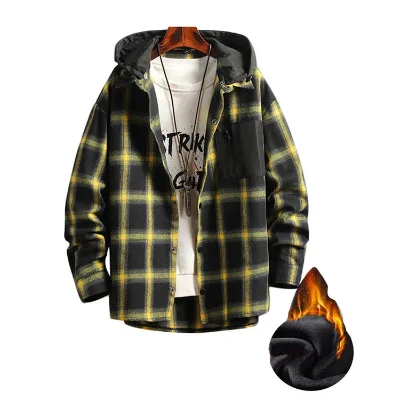
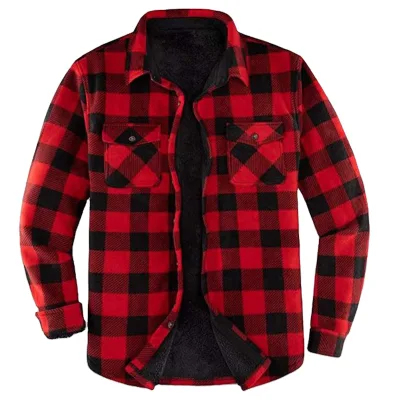
2022 Fashion 100% Cotton Long Sleeve Flannel Shirt Jacket Fleece Jacket
$7.7648 - $14.287
MOQ: 50 pieces
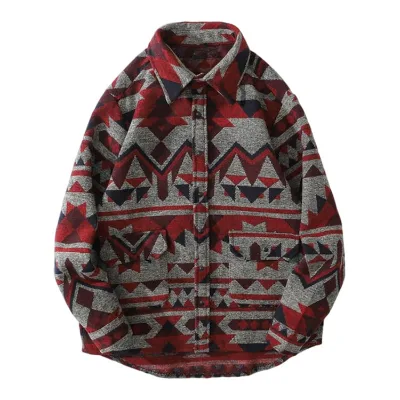
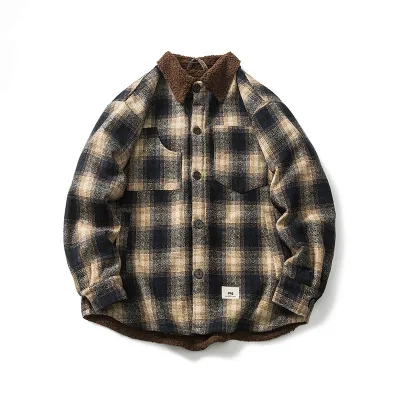
Fashion Men Casual Shirts Long Sleeve Flannel Checked Overshirt Woolen Jackets
$16.00 - $25.00
MOQ: 50
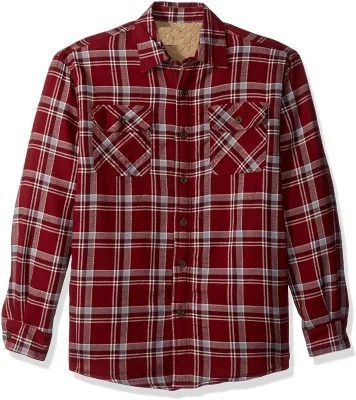

- Verified by CTI
- Trading Company,Manufacturer/Factory
- China Fujian
- Lead time90 days
- Avg. response≤ 16h
Main productsOutdoor Jackets, Swimwear, Gym Wear, Sport Pants, Beach Shorts, Puffer Jackets, Workwear, Yoga Wear, Kid's Clothes, Sweater
Main marketsSouth America,Eastern Europe,Mid East,North America,Southeast Asia,Eastern Asia,Western Europe,Africa

Men's Outdoor Casual Vintage Long Sleeve Plaid Flannel Button Down Shirt Jacket
$13.00 - $14.00
MOQ: 1000 Pieces

Men's Flannel Shirt Jacket Removable Hooded Quilted Lined Plaid Button Down Shirts Zipper Jacket
$8.00 - $9.00
MOQ: 1000 Pieces

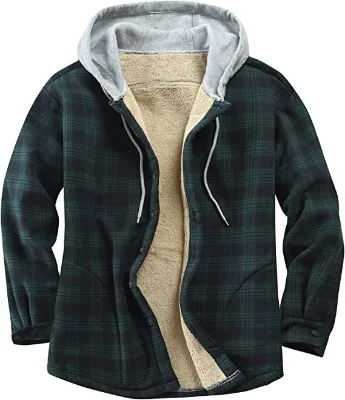
Men's Flannel Shirt Jacket Fleece Lined Plaid Zip up Winter Warm Coat with Hood
$13.00 - $14.00
MOQ: 1000 Pieces

$13.00 - $14.00
MOQ: 1000 Pieces

$13.00 - $14.00
MOQ: 1000 Pieces

Yancheng Yunqian Apparel Co.,Ltd
- Verified by CTI
- Trading Company
- China Jiangsu
- Lead time30 days
- Avg. response≤ 5h
Main productsT Shirt, Hawaiian Shirt, Flannel Shirt, Hoodies, Dress Shirt, Leggings, Pants, Polo Shirt, Jacket
Main marketsSouth America,Europe,Australia,North America

Mens Customizable Cotton Zip up Long Sleeve Pocket Flannel Shirt Jacket
$7.60 - $10.20
MOQ: 100 Pieces

- Verified by SGS Group
- Manufacturer, Trading Company
- Lead time25 days
- Avg. response≤ 2h
Main productsTactical Uniforms, Outdoor Jackets, Quick Dry Shirts/Pants, Sun Protection Shirts, POLO Shirts
Main marketsNorth America(60%), Western Europe(25%), Eastern Europe(5%)
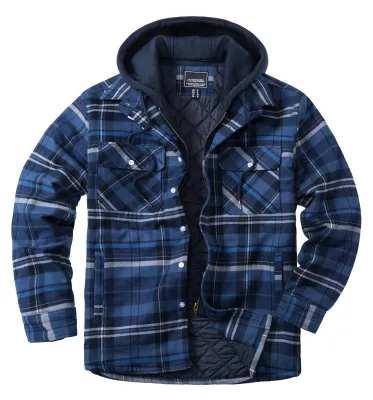
$24.3003 - $27.1709
MOQ: 10 pieces
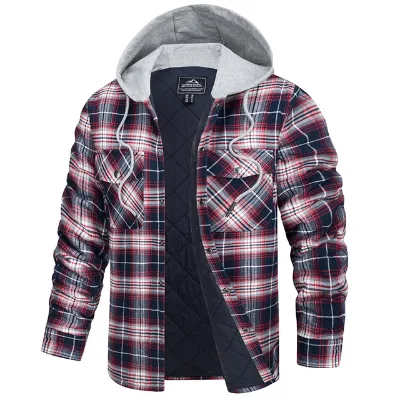
$21.0714 - $22.6244
MOQ: 10 pieces
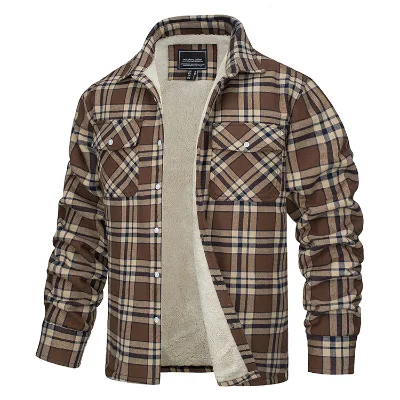

Guangzhou Profound Garment Co., Ltd.
- Verified by CTI
- Trading Company
- China Guangdong
- Lead time30 days
- Avg. response≤ 3h
Main productsHoodies, Jacket, T-Shirts, Shirt, Pants, Children's Ware, Sweater, Sportsware, Jeans, Denim
Main marketsSoutheast Asia/ Mideast,East Asia(Japan/ South Korea),Europe,Australia,North America

$19.88 - $28.55
MOQ: 100 Pieces

Clothing Factory Customized Men's Long Sleeve Sherpa Lined Shirt Jacket Flannel Plaid Fleece Coats
$16.78 - $32.98
MOQ: 100 Pieces

Fujian Province Jinjiang City Freelee Garment Factory
- Trading Company
- Fujian, China
- Lead time20 days
- Avg. response≤ 7h
Main productsJacket, Parka, Shorts, Shirt, Hoodies
Main marketsDomestic Market(70.00%), Eastern Europe(10.00%), North America(7.00%), Western Europe(4.00%), South America(3.00%), Southeast Asia(3.00%), Mid East(2.00%), Oceania(1.00%)
- Verified by TüVRheinland
- Manufacturer, Trading Company
- Lead time15 days
- Avg. response≤ 6h
Main productsMen's Shirts, Women's Shirts, Childen Shirts, Dress Shirts, Casual Shirts
Main marketsSouth America(30%), North America(20%), Eastern Europe(20%)

Hubei Yuyuan Garments Co., Ltd.
- Verified by TUVRHEINLAND
- Combined
- China Hubei
- Lead time60 days
- Avg. response≤ 6h
Main productsOutdoor Clothing, Waterproof Jacket, Ski Jacket, Padded Jacket, 3 in 1 Jacket, Hiking Pants, Ski Pants, Softshell Jacket, Workwear, Windproof Jacket
Main marketsSouth America,Europe

Factory Directly Spring Lightwight Vintage Work Casual Jacket Relaxed Fit Coat Jacket
$10.00 - $15.00
MOQ: 800 pcs


$15.00 - $25.00
MOQ: 800 pcs

Xiamen Crownway Apparel Co., Ltd.
- Verified by TUVRHEINLAND
- Trading Company
- China Fujian
- Lead time30 days
- Avg. response≤ 5h
Main productsOutdoor/Ski/Waterproof/Down Jackets, Hiking/ Camping/Waterproof/Ski Pants, Yoga/Gym/Fitness Wear, Active Pants&Shorts, Hoody&Sweatshirt, Beachwear, Underwear, Cycling Wear/Running Wear, Equestrian Clothing/Breeches, Safety/Security Workwear
Main marketsSoutheast Asia/ Mideast,Europe,North America
Dongguan Manyu Clothing Co., Ltd.
- Verified by TüVRheinland
- Manufacturer, Trading Company
- Lead time30 days
- Avg. response≤ 2h
Main productsSportswear, Tracksuits, T-shirts, Hoodies, Jackets
Main marketsNorth America(40%), South America(15%), Eastern Europe(10%)
Guangzhou Yufan Garment Trading Co., Ltd.
- Verified by TüVRheinland
- Trading Company
- Lead time30 days
- Avg. response≤ 2h
Main productsWindbreaker Jacket, Outdoor Jacket, Puffer Jacket, Down Jacket, Down Vest
Main marketsNorth America(50%), Domestic Market(40%), Eastern Europe(5%)
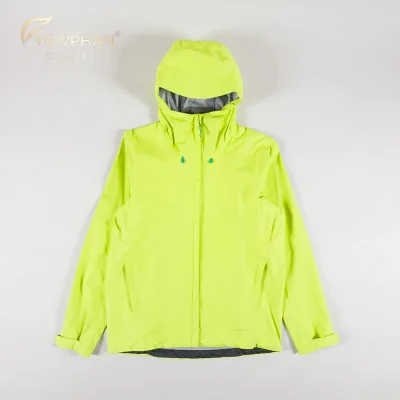
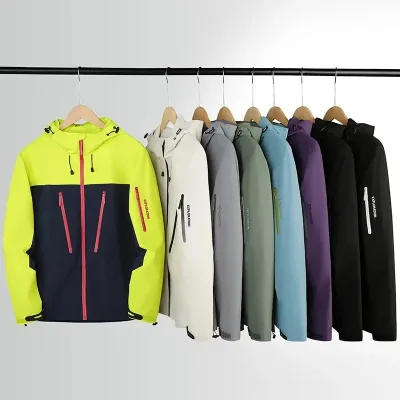
Phosphorus Green Hooded Windbreaker Jacket Outdoor Jacket Waterproof Windproof
$18.4062 - $42.9464
MOQ: 50 pieces
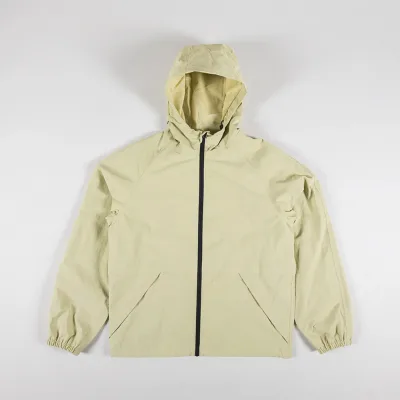
Custom logo Men Soft Shell Windbreaker Jacket Waterproof Blouson Heritage Jacket Pale Olive Green
$13.2931 - $22.4955
MOQ: 50 pieces
- Verified by TüVRheinland
- Trading Company
- Lead time30 days
- Avg. response≤ 3h
Main productsWomen's Clothing, Men's Clothing, Polo Shirt, Sweaters, Hoodies
Main marketsNorth America(30%), Eastern Europe(25%), Western Europe(25%)
Guangzhou Weidanglang Clothing Co., Ltd.
- Verified by Intertek
- Trading Company
- Lead time3 days
- Avg. response≤ 5h
Main productsT-shirt, Polo Shirt, Hoodie, Windbreaker Jacket, Vest
Main marketsNorth America(28%), Western Europe(22%), Southeast Asia(13%)
Xiamen Yingdilade E-commerce Co., Ltd.
- Verified by TüVRheinland
- Manufacturer, Trading Company
- Lead time45 days
- Avg. response≤ 3h
Main productsDown Jacket, One Piece Ski Suit, Waterproof Jacket, Ski Jacket, Workwear
Main marketsNorth America(70%), Western Europe(20%), South America(2%)
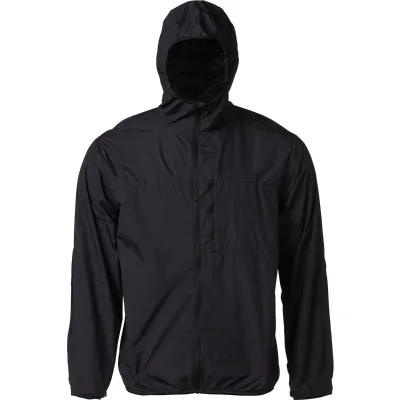
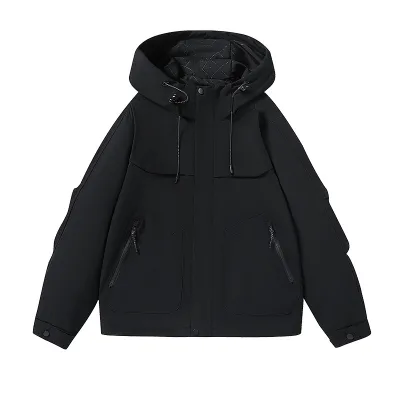
Jacket Waterproof Windproof Autumn Outdoor Travel Sports Unisex Loose Fitting
$26.40 - $38.40
MOQ: 100 pieces

Power Ascent (Xiamen) International Ltd.
- Verified by BV
- Trading Company,Manufacturer/Factory
- China Fujian
- Lead time90 days
- Avg. response≤ 25h
Main productsMen's Suit, Business Suit, Shirt, Trousers, Casual Jacket, Ski Wears, Softshell Jacket, Function Garments, Office Uniform, Worker Uniform
Main marketsSouth America,Eastern Europe,Mid East,North America,Oceania,Western Europe
Qingdao Cheng Pin Tong Trading Co., Ltd.
- Verified by SGS Group
- Trading Company
- Lead time30 days
- Avg. response≤ 2h
Main productsShirts/Trousers/Cargo Pants/Jogger Pants/T-shirts/Hoodies
Main marketsNorth America(47%), Africa(11%), Western Europe(11%)
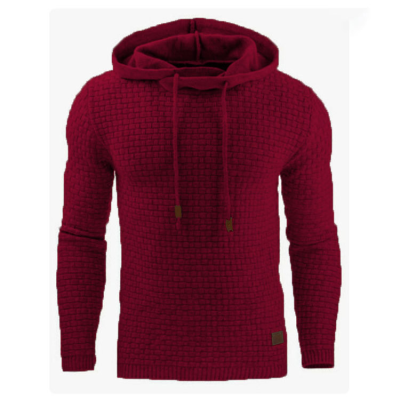
Sport Coat Men's New Spring Running Windbreaker Loose Jacket Hooded Jacket
$4.2781 - $6.1999
MOQ: 100 pieces
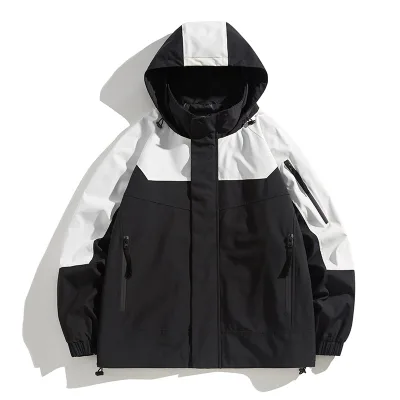
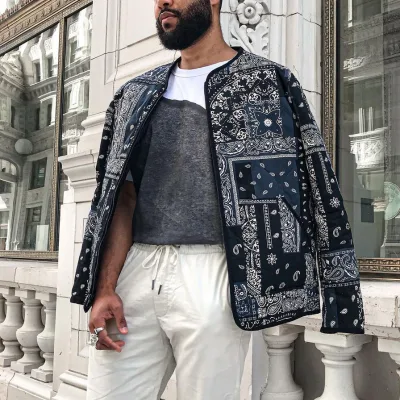

Yancheng Chimei Apparel Co., Ltd.
- Verified by CTI
- Trading Company
- China Jiangsu
- Lead time30 days
- Avg. response≤ 4h
Main productsT Shirt, Hoodie, Jacket
Main marketsSouth America,Europe,Australia,North America


Lightweight Men's Puffer Jacket - Warm and Water Repellent, Stylish Coat
$6.99 - $11.99
MOQ: 100 Piece


Reduced Puffer Jacket - Insulated, Lightweight, Water Repellent, Warm & Windproof Style
$6.99 - $11.99
MOQ: 100 Piece

Fleece Jacket Long Sleeve Cropped Button Down Shacket Work Outer Jacket
$10.88 - $16.88
MOQ: 100 Piece

Reduced Puffer Jacket - Lightweight, Insulated for Warmth, Water Repellent & Windproof
$6.99 - $11.99
MOQ: 100 Piece

Dongguan Humen Hucai Garment Co., Ltd.
- Verified by SGS
- Combined
- China Guangdong
- Lead time30 days
- Avg. response≤ 6h
Main productsSportswear, Yoga Pants, Sports Bra, T Shirt, Tank Top, Jogger Pants, Tracksuit, Hoodies, Shorts, Leggings
Main marketsSouth America,Africa,Southeast Asia/ Mideast,East Asia(Japan/ South Korea),Domestic,Europe,Australia,North America






Comprehensive Sourcing Guide
Eco-Friendly Washed Flannel Shirt Jacket Supplier Concentration and Factory Types
The sourcing landscape for eco-friendly washed flannel shirt jackets reveals a distinct concentration of manufacturing capabilities within specific geographic regions, with China Fujian emerging as a notable hub for this category. Buyers evaluating potential partners will find that the majority of verified suppliers in this cluster operate as manufacturers, indicating a direct access to production lines rather than relying solely on intermediary trading structures. This factory-type distinction is critical for buyers seeking to control quality parameters and negotiate pricing structures based on direct labor and material costs. The presence of manufacturers suggests that these entities possess the physical infrastructure necessary to handle the specific washing and finishing processes required for flannel fabrics, which often demand specialized equipment to achieve the desired soft hand feel and aesthetic consistency.
In addition to pure manufacturing entities, the market also includes a hybrid segment of suppliers classified as both trading companies and manufacturers or factories. This dual classification implies that some suppliers may have their own production facilities while also managing external supply chains for complementary items such as trousers, shirts, or other outerwear categories. This operational flexibility can be advantageous for buyers looking to consolidate orders across multiple apparel categories, as these suppliers often have established relationships with various mills and finishing units. The main products listed by these entities frequently include a broad range of jackets, including softshell, down, and safety jackets, alongside the core flannel offerings, suggesting a versatile production environment capable of adapting to diverse style requirements and seasonal trends in the men's clothing sector.
How to Verify Eco-Friendly Washed Flannel Shirt Jacket Suppliers
Verification of suppliers requires a multi-layered approach that goes beyond basic company registration checks, focusing heavily on third-party audit results and system certifications that validate ethical and quality standards. Buyers should prioritize suppliers who have undergone rigorous verification processes by recognized bodies such as TüV Rheinland or CTI, as these independent assessments provide objective evidence of the supplier’s operational legitimacy and compliance with international trade practices. The presence of such verification badges serves as a foundational trust signal, indicating that the supplier’s business operations, including their factory conditions and financial stability, have been scrutinized by external experts. This step is particularly important in the apparel industry, where labor practices and factory safety are significant concerns for global brands and retailers.
Beyond physical verification, the examination of system certifications is essential for ensuring that the supplier adheres to recognized management and ethical standards. Certifications such as BSCI, ISO 9001, and SEDEX are frequently observed among reputable suppliers in this category, each addressing different aspects of corporate responsibility. BSCI certification specifically focuses on social compliance, ensuring that workers’ rights are protected and working conditions meet international norms, which is crucial for brands with strict sustainability and ethical sourcing policies. ISO 9001 indicates a robust quality management system, suggesting that the supplier has standardized processes for maintaining product consistency and handling customer complaints. SEDEX membership further demonstrates a commitment to supply chain transparency and ethical trade practices. Buyers should request copies of these certificates and verify their validity through the respective certification bodies to ensure they are current and applicable to the specific factory producing the flannel shirts.
What to Compare Across Eco-Friendly Washed Flannel Shirt Jacket Suppliers
When evaluating multiple suppliers, buyers must systematically compare key operational metrics such as response time, lead time, and minimum order quantities to determine which partner best aligns with their supply chain requirements. Response times vary significantly across the market, with some suppliers demonstrating rapid communication capabilities while others may take longer to provide detailed quotations or samples. A faster response time, often measured in hours, can indicate a more agile and customer-centric organization, which is beneficial for projects with tight deadlines or those requiring frequent design iterations. Conversely, slower response times may suggest a higher volume of inquiries or a less dedicated customer service team, potentially impacting the overall efficiency of the sourcing process. Buyers should document these response patterns to gauge the reliability of communication throughout the engagement.
Lead times and MOQs are equally critical factors that influence inventory planning and cash flow management. Lead times for flannel shirt jackets can range from thirty to ninety days, depending on the complexity of the design, the availability of raw materials, and the current production load of the factory. Shorter lead times are often associated with suppliers who maintain stock of base fabrics or have streamlined production processes, while longer lead times may reflect a more customized or labor-intensive manufacturing approach. Similarly, MOQs can vary widely, from as low as ten pieces for sample processing or small batch testing to one thousand pieces for full production runs. Buyers with smaller order volumes should seek out suppliers with flexible MOQ policies, while those planning large-scale deployments may negotiate better pricing by committing to higher volumes. Comparing these metrics across suppliers allows buyers to identify the optimal balance between cost, speed, and flexibility.
Common Eco-Friendly Washed Flannel Shirt Jacket Sourcing Risks
One of the primary risks in sourcing flannel shirt jackets is the potential inconsistency in fabric quality and finishing, particularly regarding the "washed" aspect of the product. Flannel fabrics require specific washing and brushing processes to achieve the desired softness and texture, and variations in these techniques can lead to significant differences in hand feel, shrinkage, and color fastness between batches. Buyers must ensure that suppliers have strict quality control measures in place to maintain consistency, including standardized washing protocols and rigorous testing for shrinkage rates. Without clear specifications and pre-production samples, there is a risk of receiving goods that do not meet the expected aesthetic or functional standards, leading to customer dissatisfaction and potential returns. This risk is exacerbated when working with suppliers who lack specialized experience in flannel processing.
Another significant risk involves the accuracy of product specifications and the reliability of customization capabilities. Many suppliers offer OEM and ODM services, allowing for custom designs, logos, and fabric choices. However, the complexity of these customizations can introduce errors in production, such as incorrect sizing, mismatched colors, or flawed embroidery and printing. Buyers must provide detailed tech packs and clear communication channels to mitigate these risks. Additionally, the use of different materials, such as polyester blends versus 100% cotton, can affect the final product’s performance and durability. Suppliers may substitute materials without notice if not explicitly prohibited in the contract, leading to discrepancies between the ordered and delivered goods. To avoid these issues, buyers should conduct thorough pre-shipment inspections and establish clear penalties for non-compliance with specifications.
Eco-Friendly Washed Flannel Shirt Jacket Regional Sourcing and Logistics
Sourcing from regions like China Fujian offers logistical advantages due to the established infrastructure for textile manufacturing and export. The concentration of suppliers in this area facilitates easier coordination of raw material sourcing, such as cotton and polyester yarns, which are often available locally or through well-connected regional supply chains. This proximity to material sources can reduce lead times and transportation costs for fabrics, allowing factories to focus on value-added processes like cutting, sewing, and finishing. Buyers should consider the impact of regional logistics networks on their overall supply chain efficiency, as ports and freight forwarders in these areas are typically experienced in handling apparel shipments, ensuring smoother customs clearance and faster delivery to international destinations.
However, regional sourcing also presents challenges related to distance and shipping costs for buyers located far from the manufacturing hubs. Long-distance ocean freight can be subject to delays due to port congestion, weather conditions, or global supply chain disruptions. Buyers must factor in these variables when planning their inventory replenishment cycles and budgeting for freight expenses. Additionally, the environmental impact of long-haul transportation is a growing concern for eco-conscious brands. To mitigate these risks, buyers can explore strategies such as consolidating shipments, using faster but more expensive air freight for urgent orders, or working with suppliers who have experience in optimizing packaging and container utilization to maximize shipping efficiency. Understanding the logistical landscape of the supplier’s region is essential for developing a resilient and cost-effective supply chain.
Eco-Friendly Washed Flannel Shirt Jacket Commercial Terms and Order Planning
Commercial terms and order planning require careful negotiation to ensure that pricing, payment conditions, and delivery schedules align with the buyer’s financial and operational goals. Pricing for flannel shirt jackets can vary based on factors such as fabric composition, complexity of design, and order volume, with prices ranging from approximately seven to twenty-five dollars per unit depending on the specific product and supplier. Buyers should request detailed quotations that break down costs for materials, labor, and overhead to understand the pricing structure and identify areas for potential cost savings. Negotiating volume discounts or long-term partnership agreements can help secure more favorable pricing, especially for buyers with consistent order volumes.
Payment terms and escrow services play a crucial role in protecting the buyer’s financial interests throughout the transaction. Using secure payment methods such as escrow can provide peace of mind by holding funds until the goods are shipped and verified to meet the agreed-upon specifications. Buyers should also clarify the terms for sample orders, including whether sample costs are refundable upon placing a bulk order, and establish clear procedures for handling disputes or quality issues. Additionally, planning for lead times and production schedules is essential to avoid stockouts or excess inventory. Buyers should work closely with suppliers to create a realistic production timeline, accounting for potential delays in material sourcing or production bottlenecks. By establishing clear commercial terms and robust order planning processes, buyers can minimize risks and ensure a smooth sourcing experience.
FAQs
What is the price range for flannel shirt jackets?
Prices for these jackets typically range from $7.50 to $25.00 per unit. The final cost depends on the specific material, customization options, and order volume. Buyers should request quotes for exact pricing based on their design requirements and quantity needs.
What is the minimum order quantity for these jackets?
Minimum order quantities vary significantly by supplier. Some manufacturers require a minimum of 1000 units, while others accept orders as low as 10 pieces. Buyers should check individual supplier listings to find options that match their inventory capacity and budget constraints.
How long does production take for these jackets?
Lead times generally range from 30 to 90 days depending on the supplier and order complexity. Some manufacturers offer faster turnaround times of around 30 days, while others may require up to 90 days for larger or customized orders. Confirm timelines with the supplier.
Do suppliers offer customization services for these jackets?
Yes, many suppliers provide OEM and ODM services, allowing for custom designs, logos, and fabrics. Buyers can request tailored solutions for colors, sizes, and materials. This flexibility supports brand-specific requirements and unique product differentiation in the market.
What certifications do these suppliers hold?
Certifications vary by supplier, with some holding BSCI, ISO 9001, or SEDEX credentials. Others may have TüV Rheinland verification or CTI inspection reports. Buyers should verify specific certifications relevant to their market requirements and compliance standards before placing orders.
Where are these flannel jacket suppliers located?
Suppliers are primarily located in China, with specific manufacturing hubs in Fujian province. This region is known for its apparel production capabilities. Buyers can source directly from these locations to benefit from established supply chains and manufacturing expertise in outerwear production.