Slaughter Boot Washer Machine Suppliers and Manufacturers
Compare 16 verified Slaughter Boot Washer Machine suppliers in China Shandong with ISO9001:2015 and SGS or BV verification. Review response times, lead times, and pricing to source automatic hygiene stations for slaughterhouses; review the available evidence before requesting comparable quotations from suitable candidates.
Updated
Suppliers List

Henger Manufacturing (Shandong) Machinery Technology Co., Ltd.
- Verified by BV
- Combined
- China Shandong
- Lead time30 days
- Avg. response≤ 1h
Main productsSlaughter Equipment, Meat Processing Machine, Meat Packaging Machine, Meat Cutting and Deboning Line, Crate Washing Machine, Meat Press Machine, Air Shower, Meat Trolley Washing Machine, Hygiene Station, Workshop Stainless Steel Tools
Main marketsSoutheast Asia/ Mideast,Europe


Slaughterhouse-Specific Hygiene Cleaning Station Boot/Shoe Washing Machine
$800.00 - $6099.00
MOQ: 1 Pieces


Integrated Boot Washer with Access Control Unit for Slaughterhouse and Meat Plant
$799.00 - $5999.00
MOQ: 1 Pieces

Shandong Aonaer Refrigeration Science and Technology Co., Ltd.
- Verified by SGS
- Combined
- China Shandong
- Lead time30 days
- Avg. response≤ 1h
Main productsCold Storage, Cold Room, Meat Processing Machine, Slaughtering Machine, Refrigeration Equipment
Main marketsSoutheast Asia/ Mideast


Special Boot Washing Machine Meat Factory Hygiene Boot Washer for Slaughterhouse
$5999.00 - $6999.00
MOQ: 1 Sets

$4389.00 - $5999.00
MOQ: 1 Pieces

Stainless Steel Automatic Boot Washing Machine Boot Cleaner Disinfector for Slaughterhouse
$2000.00 - $8500.00
MOQ: 1 Sets

$1999.00 - $2999.00
MOQ: 1 Pieces

Hygienic Boot Washing Machine with Water Spray System for Slaughter Workshop
$735.00 - $1470.00
MOQ: 1 Pieces
Henan Domax Machinery Co., Ltd.
- Trading Company
- Henan, China
- Lead time20 days
- Avg. response≤ 4h
Main productsMeat Processing Machinery,Fruit & Vegetable Machinery,Nuts & Grains Machinery,Snack Machinery,Recycling Machinery
Main marketsDomestic Market(15.00%), Africa(15.00%), North America(15.00%), Mid East(10.00%), Southeast Asia(10.00%), South America(10.00%), Oceania(5.00%), South Asia(5.00%), Southern Europe(5.00%), Central America(5.00%), Western Europe(5.00%)
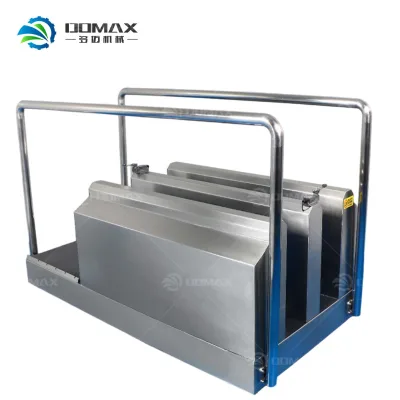
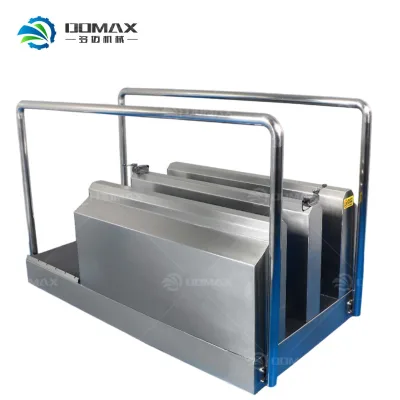
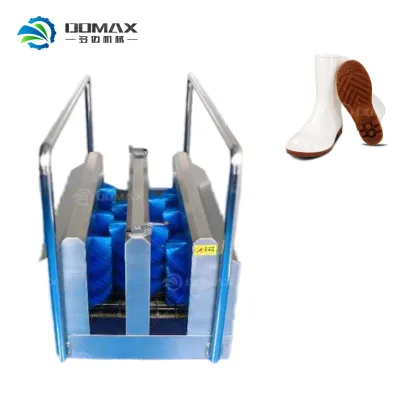
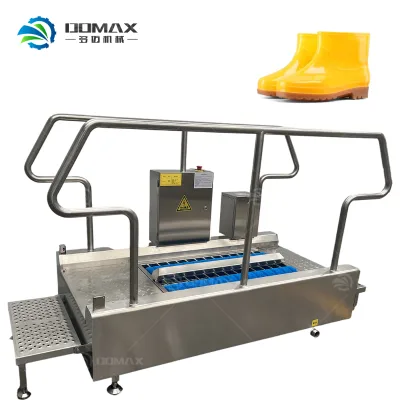
Stainless Steel Galoshes Boot Cleaner Boot Washing Hygiene Disinfection Boot Shoe Washer Machine
$3500.00 - $3980.00
MOQ: 1 sets
$3500.00 - $3980.00
MOQ: 1 sets
$3500.00 - $3980.00
MOQ: 1 sets
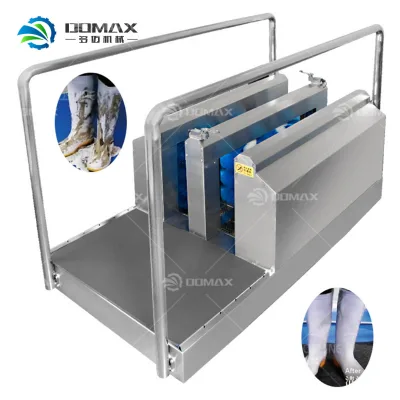
$3500.00 - $3980.00
MOQ: 1 sets
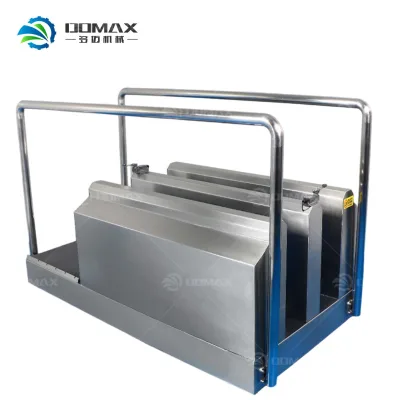
$3500.00 - $3980.00
MOQ: 1 sets
Shanghai One-Stop Engineering Co., Ltd.
- Verified by Intertek
- Manufacturer, Trading Company
- Lead time65 days
- Avg. response≤ 2h
Main productsSlaughtering Equipment, Stainless Steel Auxiliary Facility, Meat Processing Equipment, Meat Processing Conveyor Line, Waste Water Treatment Equipment
Main marketsSouth America(30%), Africa(30%), North America(20%)
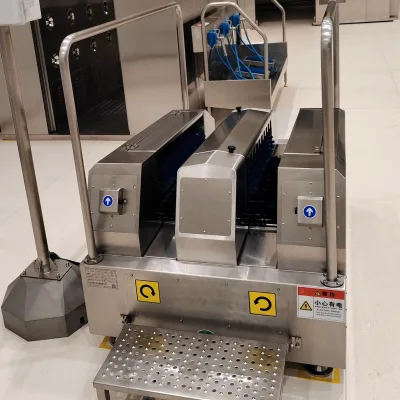
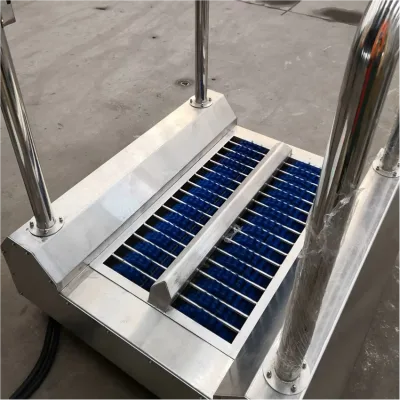
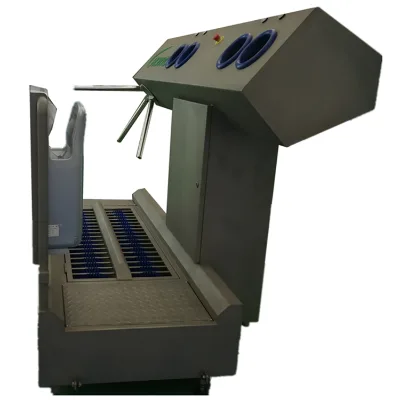
New Automatic Hygiene Boot Washer Machine Boot or Shoe Cleaning Machine
$5795.00 - $5800.00
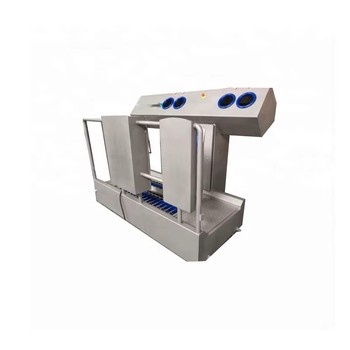
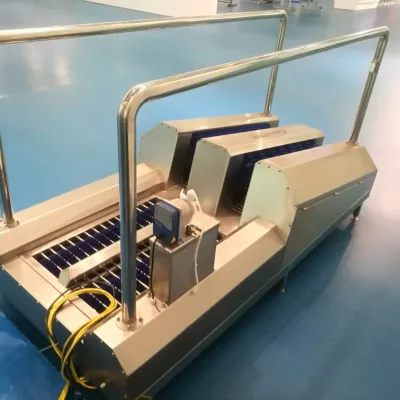
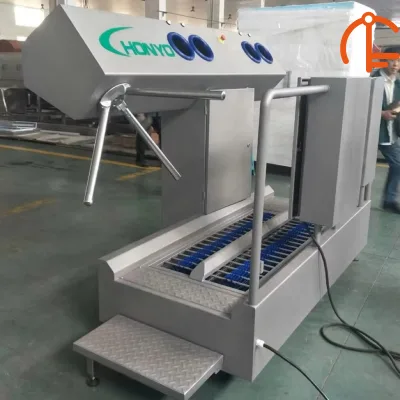
$9647.522 - $9854.9956
MOQ: 1 sets

Bomeida (Shandong) Intelligent Equipment Co., Ltd.
- Verified by SGS
- Trading Company
- China Shandong
- Lead time15 days
- Avg. response≤ 2h
Main productsBoots Washing Machine, Crate Washing Machine, Boots Dryer Rack, Meat Trolley Cleaning Machine, Hygiene Station, Meat Cart, Split Conveyor Line, Foam Cleaning Machine, Hygiene Cleaning Station, Meat Buggy
Main marketsSouth America,Southeast Asia/ Mideast,Europe

Boot Washing Machine with Brush Automatic Boots Washer Boots Cleaner Machine
$2200.00 - $2800.00
MOQ: 1 Pieces

Manual Boots Washer Sole and Upper Washing Machine for Slaughter House
$2280.00 - $2400.00
MOQ: 1 Sets


$2199.00 - $4199.00
MOQ: 1 Pieces

Automatic Slaughter Walk-Through Rubber Boot Washer Machine for Food Plant for South America
$1800.00 - $2000.00
MOQ: 1 Pieces

$580.00 - $680.00
MOQ: 1 set/sets

Shandong Zhengtong Machinery Equipment Co., Ltd.
- Verified by BV
- Combined
- China Shandong
- Lead time15 days
- Avg. response≤ 11h
Main productsSlaughter Equipment
Main marketsSouth America,Europe,North America


Automatic Boot Washing Disinfecting Washing Boot Machine Boot Washer
$3800.00 - $7400.00
MOQ: 1 Pieces


$3800.00 - $7400.00
MOQ: 1 Pieces

Automatic Shoe Cleaning Machine Hygiene Station for Slaughter House and Farms Boot Washing
$3800.00 - $7400.00
MOQ: 1 Pieces
Bomeida (shandong) Intelligent Equipment Co., Ltd.
- Verified by SGS Group
- Trading Company
- Lead time15 days
- Avg. response≤ 2h
Main productsCleaning and Disinfection Equipment, Meat Processing Equipment and Split Conveyor Line, Drying and Disinfection Equipment, Stainless Steel Tools and Locker Room Equipment, Trench and Drainage System
Main marketsDomestic Market(75%), South America(5%), Southeast Asia(5%)
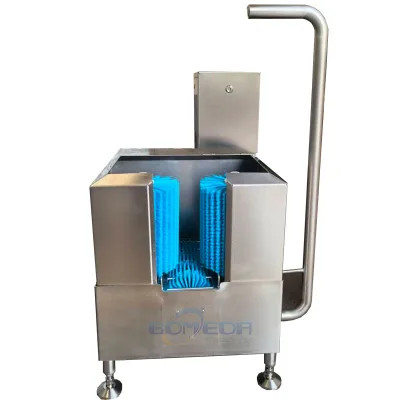
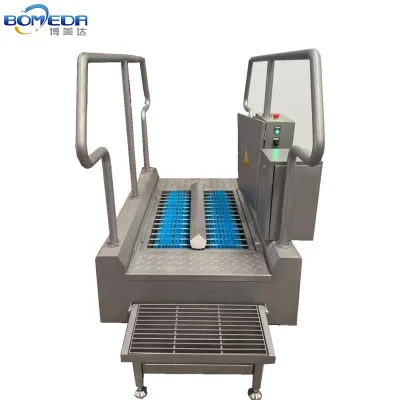
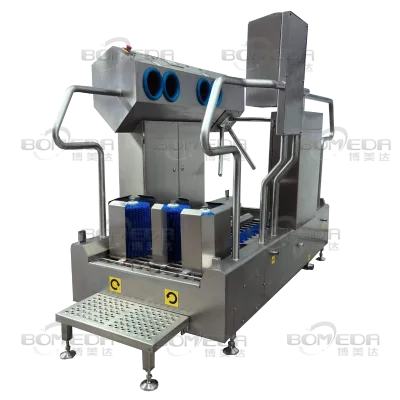
$4000.00 - $6299.00
MOQ: 1 sets
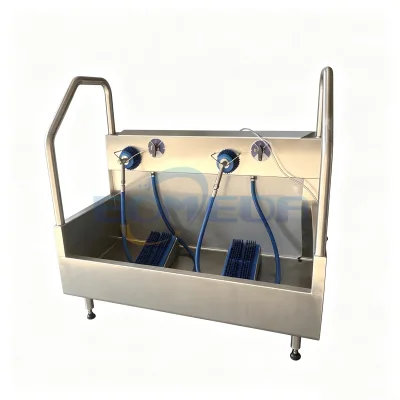
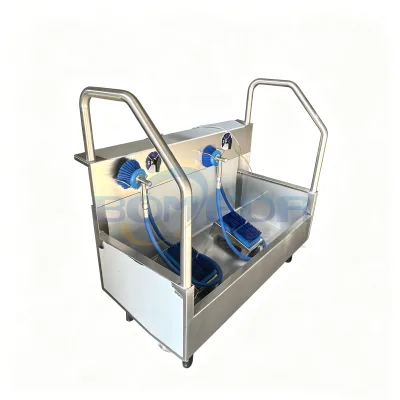
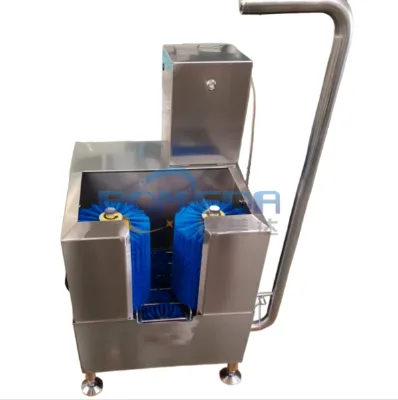
$2334.5081 - $2457.3767
MOQ: 1 sets

Henan Domax Machinery Co., Ltd.
- Verified by SGS
- Trading Company,Manufacturer/Factory
- China Henan
- Lead time15 days
- Avg. response≤ 4h
Main productsMeat Processing Machine, Snacks Machine, Vegetables Processing Machine, Fruits Processing Machine, Nut Processing Machine, Hygiene Station, Recycling Machine, Farm Machine
Main marketsSouth America,Eastern Europe,Mid East,North America,Southeast Asia,Eastern Asia,Oceania,Western Europe,Africa

Commercial Boots Washing Cleaning Machine Slaughter Cleaning Equipment Boot Upper Cleaning Machine
$2700.00 - $3000.00
MOQ: 1 Set

Workshop Entrance Boots Washing Cleaning Machine Footwear Washing Sanitizing Boot Washer Machine
$2700.00 - $3000.00
MOQ: 1 Set

High Quality Boots Washer Machine Walk Through Boot Washer Sneaker Sole Cleaner Machine
$2700.00 - $3000.00
MOQ: 1 Set

$2700.00 - $3000.00
MOQ: 1 Set

Durable Shoe Sides Washing Machine Boots Washer Disinfection Machine Shoe Sole Washing Machine
$2700.00 - $3000.00
MOQ: 1 Set

CE Certified Hygiene Cleaning Machine and Boot Washing Machine for Slaughterhouse
$2800.00 - $3000.00
MOQ: 1 set
Henger Manufacturing (Shandong) Machinery Technology Co., Ltd.
- Verified by Intertek
- Manufacturer, Trading Company
- Lead time20 days
- Avg. response≤ 1h
Main productsDairy Processing Machine, Food Processing Machine and Accessories, Fruit Paste Production Line , Beverage Production Line, Cold Room Storage
Main marketsSouth America(35%), North America(20%), Southeast Asia(16%)
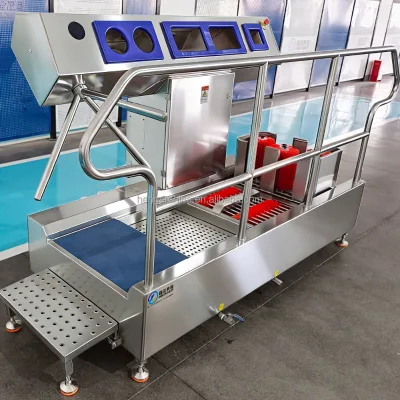
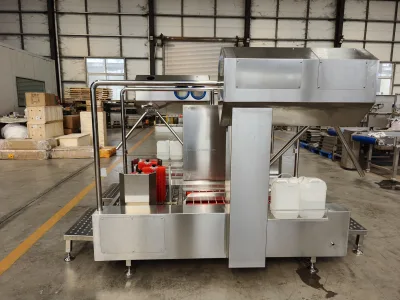
Wholesale Rubber Shoe Washer Boots Soles Boots Washing Machine for Slaughterhouse
$3900.473 - $4105.815
MOQ: 1 sets
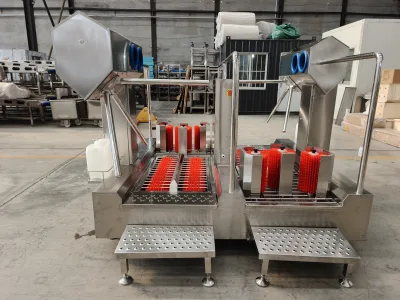
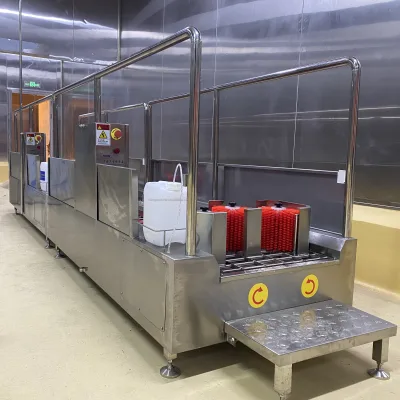
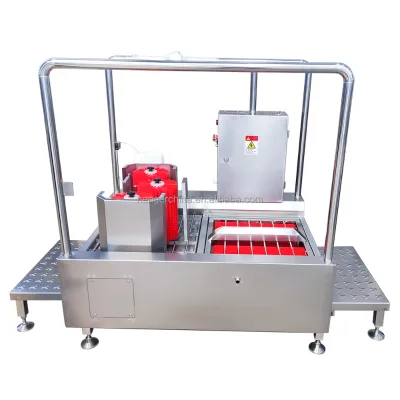
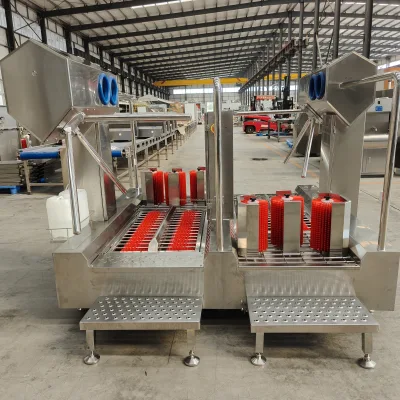
Factory Price Rubber Shoe Boot Washer Cleaning Machine Galoshes Boot Cleaner
$11000.00 - $11700.00
Shanghai Daribo Food Machinery Co., Ltd.
- Trading Company
- Shanghai, China
- Lead time10 days
- Avg. response≤ 3h
Main productsMeat Cuting Machine, Vacuum Mixer, Vegetable Cutter , Juicer , Washing Machine
Main marketsSoutheast Asia(30.00%), Domestic Market(15.00%), North America(10.00%), Northern Europe(10.00%), Africa(10.00%), Mid East(10.00%), Southern Europe(8.00%), Eastern Europe(7.00%)

Qingdao Empire Machinery Co.,Ltd
- Verified by BV
- Manufacturer/Factory
- China Shandong
- Lead time45 days
- Avg. response≤ 3h
Main productsCattle Slaughtering Equipment, Pig Slaughtering Equipment, Sheep Slaughtering Equipment, Poultry Slaughtering Equipment, Halal Cow Slaughter, Goat Slaughter, Pork Slaughter Machine, Poultry Processing Machine, Slaughterhouse Machine, Goat Slaughtering Machine
Main marketsSouth America,Mid East,North America,Southeast Asia,Eastern Asia,Africa


Meat Processing Workshop Integrated Shoes Boot Washing Machine Slaughter House Equipment
$10999.00 - $11999.00
MOQ: 1 Sets

Auto Efficiency Boots Washing Machine Abattoir Workshop Cleaning Equipment Slaughtering Machinery
$5199.00 - $6166.00
MOQ: 1 Sets

Food Meat Processing Plant Shoes Cleaning Machine Boot Washing Disinfection Machine
$10999.00 - $11999.00
MOQ: 1 Sets

New Automatic Hygiene Boot Washing Device Boot Shoes Cleaning Machine Abattoir Equipment
$2799.00 - $2999.00
MOQ: 1 Sets

Automatic Induction Boot Washing Machine for Livestock Abattoir Boots Cleaning
$10999.00 - $11999.00
MOQ: 1 Sets

Henger Manufacturing (Shandong) Machinery Technology Co., Ltd.
- Verified by BV
- Combined
- China Shandong
- Lead time30 days
- Avg. response≤ 1h
Main marketsSoutheast Asia/ Mideast,Europe

Automatic Boot Washer Stainless Steel Boot Washing Machine for Food Industry
$3900.00 - $11000.00
MOQ: 1 set

Automatic Work Boot Washing Machine for Slaughterhouse with Stainless Steel Cleaning Equipment
$3900.00 - $11000.00
MOQ: 1 set

Qingdao Wofeng Equipment Co., Ltd.
- Verified by CTI
- Trading Company,Manufacturer/Factory,Group Corporation
- China Shandong
- Lead time30 days
- Avg. response≤ 1h
Main productsCattle Slaughter Line, Sheep Slaughterhouse Equipment, Pig Slaughter Equipment, Slaughterhouse Plant Turnkey, Slaughter Line, Slaughtering Equipment Line, Slaughterhouse Equipment, Halal Slaughter Line, Meat Processing Line Project, Butcher Equipment
Main marketsSouth America,Eastern Europe,North America,Southeast Asia,Eastern Asia,Oceania,Western Europe,Africa


Cattle Sheep Pig Slaughtering Boot Washer for Slaughter House Equipment
$999.00 - $9999.00
MOQ: 1 Pieces

Cattle Sheep Pig Abattoir Equipment Boot Washer for Complete Slaughterhouse Machine
$999.00 - $9999.00
MOQ: 1 Pieces

Cattle Sheep Pig Slaughter Line Boot Washer for Turnkey Project Abattoir Equipment
$999.00 - $9999.00
MOQ: 1 Pieces
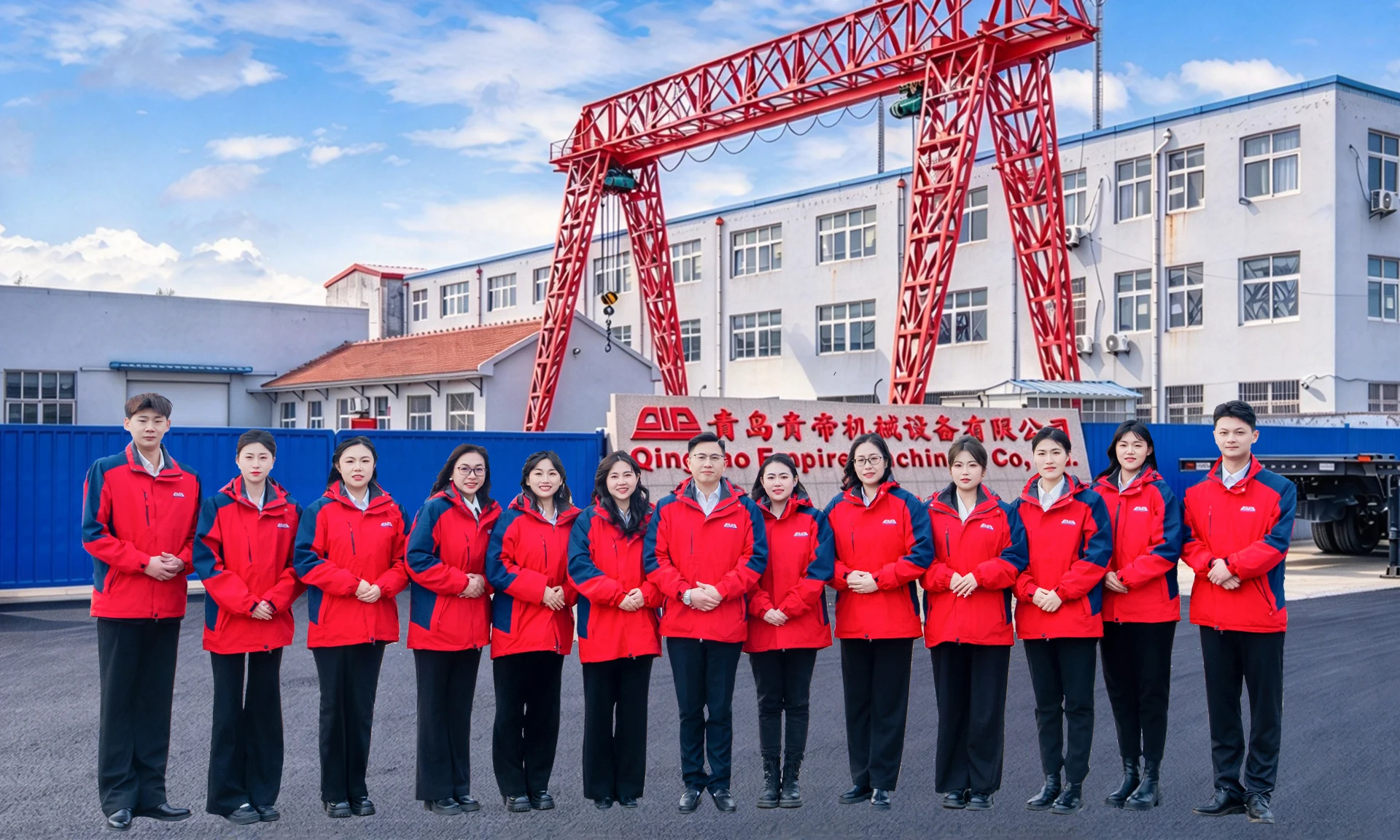
Qingdao Empire Machinery Co.,Ltd
- Manufacturer, Trading Company
- Shandong, China
- Lead time30 days
- Avg. response≤ 2h
Main productsCattle slaughterhouse equipments,Sheep/goat slaughterhouse equipments,Meat processing machine,Pig abattoir equipments,Livestock abattoir machine
Main marketsAfrica(50.00%), North America(15.00%), South America(10.00%), Mid East(10.00%), Southeast Asia(5.00%), Central America(3.00%), Oceania(3.00%), Eastern Europe(2.00%), Western Europe(2.00%)
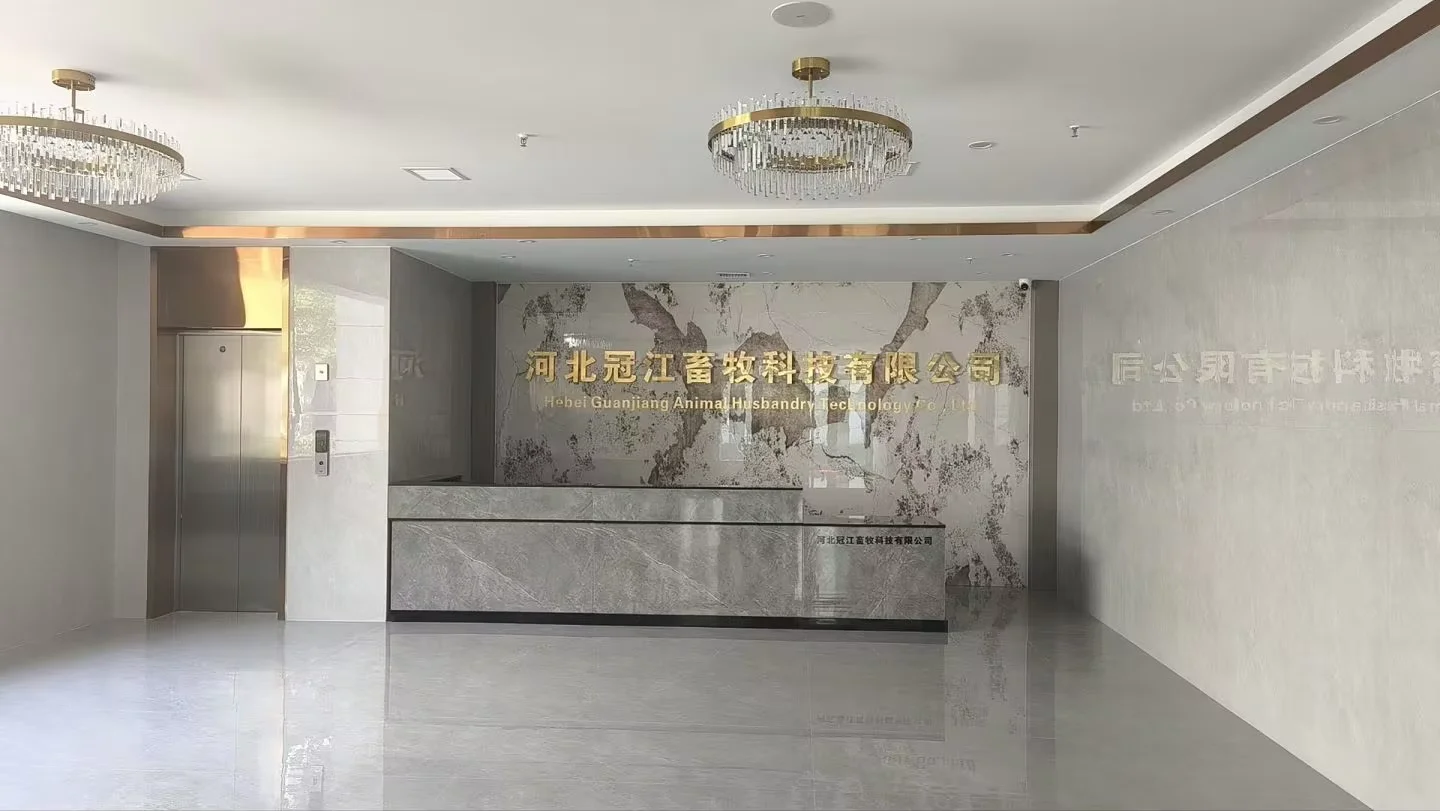
Hebei Guanjiang Smart Agriculture And Animal Husbandry Technology Co., Ltd.
- Manufacturer, Trading Company
- Hebei, China
- Lead time20 days
- Avg. response≤ 1h
Main productsPig drinking bowl,Sow bed,Feed bowl for pigs,Pig floor,Pig fender
Main marketsSouth Asia(20.00%), Southeast Asia(20.00%), North America(20.00%), Central America(10.00%), Northern Europe(10.00%), Mid East(5.00%), South America(5.00%), Africa(2.00%), Domestic Market(2.00%), Eastern Asia(2.00%), Western Europe(1.00%), Eastern Europe(1.00%), Southern Europe(1.00%), Oceania(1.00%)
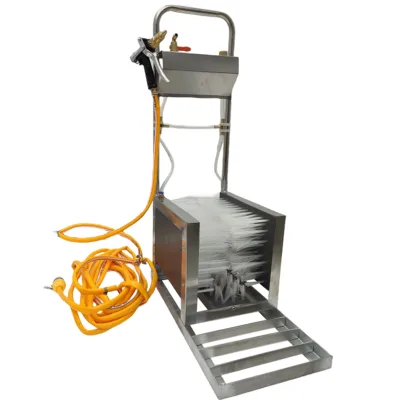
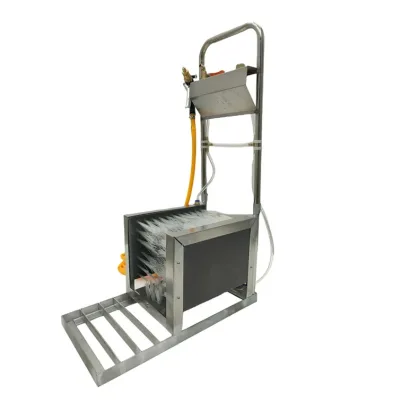
Disinfecting Equipment Brush Boots Washing and Cleaning Machine
$128.31 - $140.00
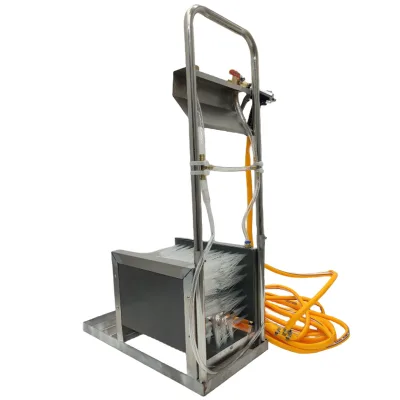
Changzhou Benhe Intelligent Technology Co., Ltd.
- Manufacturer
- Jiangsu, China
- Lead time0 days
- Avg. response≤ 1h
Main productsCleaning and disinfection machine,Personnel hygiene machine,Air disinfection machine,Hypochlorous acid generator,Sodium hypochlorite generator
Main marketsEastern Asia(80.00%), Southeast Asia(10.00%), Southern Europe(2.00%), Northern Europe(2.00%), Western Europe(2.00%), South America(2.00%), Eastern Europe(2.00%)
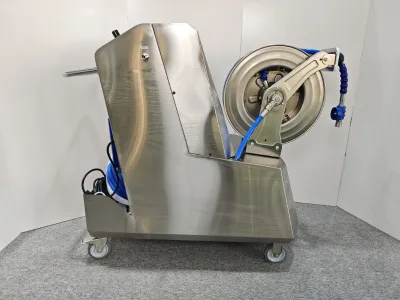
Automatic Boot Washing Equipment And High Capacity Boot Cleaning Machinery For Industrial Use
$5036.00 - $5599.00
MOQ: 1 sets
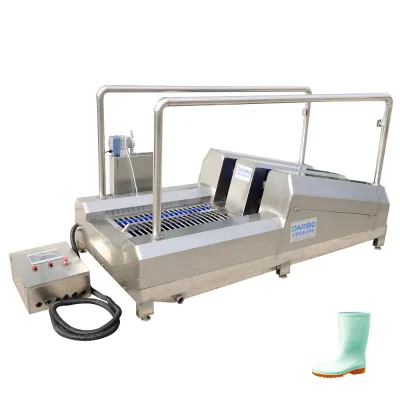
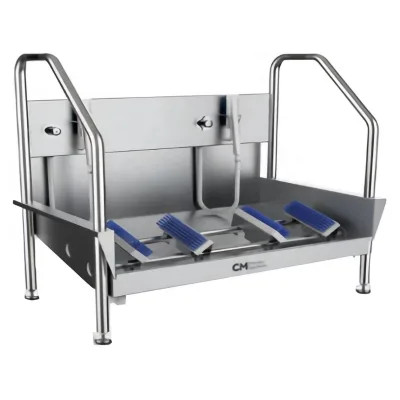
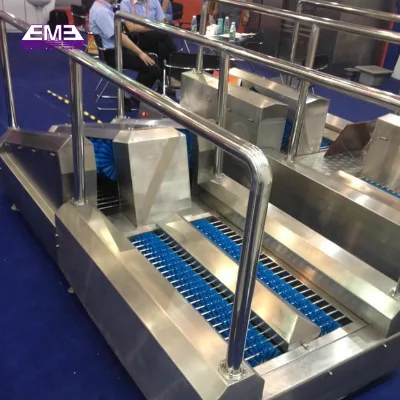
Comprehensive Sourcing Guide
Slaughter Boot Washer Machine Supplier Concentration and Factory Types
The current supplier landscape for slaughter boot washer machines reveals a distinct geographic concentration in China, specifically within the Shandong province. This regional clustering suggests a mature industrial ecosystem where manufacturers have developed specialized capabilities in meat processing equipment and hygiene infrastructure. Buyers evaluating these suppliers will find that the majority of available options are located in this specific area, which often correlates with established supply chains for stainless steel components and industrial cleaning technologies. The presence of multiple suppliers in one region can facilitate easier comparison of technical specifications and manufacturing standards, as local industrial parks often share common logistical and regulatory frameworks. This concentration allows for a more streamlined vetting process, as buyers can assess a cohort of factories that are already accustomed to exporting similar hygiene solutions to international markets.
In terms of company structure, the results indicate a mix of combined entities that operate as both manufacturers and trading companies. These combined types offer a hybrid advantage, providing direct factory access to certain product lines while leveraging trading capabilities for broader inventory management and customer service. The primary product focus for these entities extends beyond just boot washers to include a wide array of slaughter equipment, meat processing machines, and packaging solutions. This breadth of main products suggests that many suppliers are integrated facilities capable of handling large-scale hygiene station installations rather than just isolated machine sales. Buyers should recognize that a supplier offering comprehensive slaughterhouse tools may have more robust engineering resources for customizing boot washing stations, ensuring that the hygiene equipment integrates seamlessly with other facility infrastructure like air showers and trolley washing machines.
How to Verify Slaughter Boot Washer Machine Suppliers
Verification is a critical step when sourcing slaughter boot washer machines, as the hygiene standards required in slaughterhouses are stringent and non-negotiable. Buyers should prioritize suppliers who have undergone third-party verification processes, such as those conducted by BV or SGS. These verification badges provide an additional layer of confidence regarding the supplier’s business legitimacy and operational stability. In the current results, some suppliers display BV verification while others show SGS credentials, indicating that buyers have options for different verification bodies depending on their specific risk tolerance or regional requirements. It is essential to confirm that the verification is current and covers the specific manufacturing facilities where the boot washers are produced, rather than just a general corporate registration. This due diligence helps mitigate the risk of engaging with shell companies or unverified traders who may not have direct control over production quality.
Beyond basic verification, buyers must scrutinize the system certifications held by the supplier, particularly ISO9001:2015 and ISO14001:2015 certificates. These certifications demonstrate that the supplier adheres to recognized quality management and environmental management standards, which is crucial for equipment that interacts with food safety protocols. The presence of these certificates suggests a structured approach to manufacturing consistency and process control. Additionally, buyers should look for product-specific certifications such as CE, CB, ETL, RoHS, and UR marks, which indicate compliance with electrical safety and electromagnetic compatibility standards in various international markets. These product certifications are vital for ensuring that the automatic boot washing machines meet the regulatory requirements of the buyer’s destination country. Verifying these credentials directly with the issuing bodies or through the supplier’s provided documentation is a necessary step to ensure authenticity and compliance before placing any orders.
What to Compare Across Slaughter Boot Washer Machine Suppliers
When comparing suppliers, response time is a key indicator of operational efficiency and customer service readiness. The data shows a range in response speeds, with some suppliers responding in as little as 0.12 hours while others take up to 0.56 hours. A faster response time often correlates with a more agile sales team that can quickly address technical queries, provide quotations, and resolve pre-sales issues. Buyers should consider this metric as a proxy for post-sales support availability, as a supplier that responds quickly to initial inquiries is likely to be more responsive during the installation and maintenance phases. However, response time should not be the sole deciding factor; it must be weighed against the technical depth of the response and the accuracy of the information provided.
Another critical dimension for comparison is the lead time and minimum order quantity (MOQ). The observed lead times vary, with some suppliers offering a standard 30-day production window, which is typical for customized industrial machinery. Buyers must align this lead time with their project schedules, especially if they are coordinating the installation of hygiene stations with other slaughterhouse equipment. The MOQ for these machines is generally low, often starting at just one unit, which provides flexibility for small-scale facilities or pilot installations. However, buyers should also compare the price ranges, which can vary significantly from $800 to over $12,000 depending on the complexity, automation level, and additional features like remote control or access integration. Comparing these commercial terms alongside the technical specifications allows buyers to identify the best value proposition that meets their specific hygiene and budget requirements.
Common Slaughter Boot Washer Machine Sourcing Risks
One of the primary risks in sourcing slaughter boot washer machines is the variability in cleaning processes and automation levels. The product attributes indicate different cleaning methods, such as solvent cleaning, cold water cleaning, and high-pressure cleaning, as well as varying control systems like PLC, CNC, or artificial control. Buyers must ensure that the selected machine’s cleaning process is compatible with their facility’s water treatment and waste management systems. For instance, solvent cleaning may require specific disposal protocols, while high-pressure cleaning demands robust plumbing infrastructure. Misalignment between the machine’s requirements and the facility’s capabilities can lead to operational inefficiencies or compliance issues. Additionally, the degree of automation, ranging from sensor-operated systems to fully automatic hygiene stations, impacts labor costs and hygiene consistency. Buyers should carefully evaluate which level of automation is necessary for their specific workflow to avoid over-investing in features that are not utilized or under-investing in capabilities that are critical for food safety.
Another significant risk involves the customization and after-sales service provisions. While many suppliers offer customization options, the extent of this customization and the associated costs can vary widely. Buyers must clearly define their requirements for dimensions, materials, and functional integrations to avoid misunderstandings that could lead to delays or additional charges. Furthermore, the after-sales service terms, such as online support or free accessories, need to be explicitly confirmed. In the event of a mechanical or electrical failure, the availability of technical support and spare parts is crucial for minimizing downtime in a slaughterhouse environment. Buyers should verify the supplier’s ability to provide timely remote assistance or on-site maintenance, as well as the warranty period, which is typically one year but may vary. Failing to secure robust after-sales support can result in prolonged operational disruptions and increased maintenance costs, undermining the initial investment in the hygiene equipment.
Slaughter Boot Washer Machine Regional Sourcing and Logistics
Sourcing from the Shandong region in China offers logistical advantages due to the established export infrastructure for industrial machinery. The concentration of suppliers in this area facilitates efficient consolidation of shipments, particularly for buyers who are also purchasing other slaughterhouse equipment such as meat processing machines or cold storage units. The standard packaging for these machines, often involving polywood packages or plywood wooden crates, is designed to protect the stainless steel components during transit. Buyers should ensure that the packaging meets international shipping standards to prevent damage during long-haul transport. The dimensions of the machines, such as the 245012001500mm standard size, must be considered when planning warehouse storage and installation space. Proper logistics planning includes verifying the gross weight of the packaged units, which can be around 265kg for certain models, to ensure that the receiving facility has the appropriate handling equipment.
International shipping from China involves navigating various regulatory and customs requirements, which can impact the total landed cost and delivery timeline. Buyers must account for import duties, taxes, and any specific hygiene or electrical standards that may require additional certification or modification of the equipment. The use of certifications like CE, CB, and ETL can simplify the customs clearance process in many regions, as they demonstrate compliance with recognized safety standards. However, buyers should still verify the specific requirements of their destination country, as some regions may have additional local regulations. Coordinating with a reliable freight forwarder who has experience in handling industrial machinery from China can help mitigate logistical risks. This includes ensuring proper documentation, such as commercial invoices and packing lists, are accurate and complete to avoid delays at the port of entry.
Slaughter Boot Washer Machine Commercial Terms and Order Planning
Order planning for slaughter boot washer machines requires careful consideration of the commercial terms and payment structures offered by suppliers. The price ranges observed, from $800 to $12,000, reflect the diversity in machine capabilities and build quality. Buyers should request detailed quotations that break down the costs of the base machine, customization fees, and any additional accessories like soap dispensers or hand dryers. Understanding the total cost of ownership is essential, as it includes not only the purchase price but also installation, maintenance, and energy consumption costs. The availability of OEM and ODM services allows buyers to tailor the equipment to their brand identity or specific operational needs, but this customization may affect the lead time and price. Buyers should negotiate clear terms for customization changes to avoid scope creep and unexpected costs during the production phase.
Escrow services and secure payment methods are vital for protecting the buyer’s financial interests during the transaction. Using platform-provided escrow services ensures that payment is only released to the supplier upon confirmation of order fulfillment and quality standards. This mechanism provides a layer of security against non-delivery or significant deviations from the agreed specifications. Buyers should also clarify the warranty terms and the process for claiming repairs or replacements. The one-year warranty period is standard, but buyers should inquire about the availability of extended warranty options and the cost of spare parts. Additionally, understanding the return and refund policies in case of non-conformance is crucial. By establishing clear commercial terms and utilizing secure payment channels, buyers can minimize financial risks and ensure a smooth procurement process for their slaughterhouse hygiene equipment.
FAQs
What is the price range for slaughter boot washer machines?
Prices for these hygiene stations typically range from $800 to $12,000 depending on automation and features. Basic models start around $800, while heavy-duty automatic units with PLC control can cost up to $12,000. Buyers should verify specific pricing for customized configurations or bulk orders to ensure accurate budgeting for their facility needs.
What certifications do these machines usually have?
Most slaughter boot washer machines carry CE, CB, ETL, RoHS, and UR certifications. These standards ensure compliance with international safety and electrical requirements for industrial environments. Buyers should request valid certificates from suppliers to confirm that the equipment meets the specific regulatory standards required for their local market and operational safety protocols.
What is the typical lead time for manufacturing?
The standard lead time for manufacturing these machines is approximately 30 days. This timeframe allows for production, quality testing, and preparation for shipment. Buyers should confirm exact delivery schedules with suppliers, as customizations or high-volume orders may extend the production period beyond the standard thirty-day window for timely project planning.
Are these machines customizable for specific facilities?
Yes, customization is widely available for slaughter boot washer machines. Suppliers offer OEM and ODM services to adapt dimensions, controls, and functions to specific facility layouts. Buyers can request custom sizes or specialized cleaning processes to ensure the hygiene station integrates seamlessly into their existing workflow and meets unique operational requirements effectively.
What is the minimum order quantity for these machines?
The minimum order quantity is typically one unit, allowing buyers to purchase single machines for testing or small-scale operations. This low MOQ facilitates easy procurement for individual facilities without requiring large initial investments. Buyers should verify if bulk discounts apply for larger orders to optimize costs for extensive facility upgrades or multiple locations.
Where are these machines primarily manufactured?
These machines are primarily manufactured in Shandong, China. This region is a known hub for meat processing and hygiene equipment production. Buyers should verify the specific origin and factory location to assess logistics costs and ensure the supplier has the necessary infrastructure to support reliable production and timely delivery for international orders.
What after-sales support is provided?
Suppliers typically provide online services and free accessories for after-sales support. This includes remote troubleshooting and replacement parts to maintain machine functionality. Buyers should confirm the extent of warranty coverage, which is often one year, and clarify the availability of technical assistance to ensure long-term operational reliability and minimal downtime in their facility.