Source Refillable Double Wall Bottle for Office, School, Travel
Compare 30 Refillable Double Wall Bottle options featuring stainless steel construction, vacuum insulation, and leak-proof designs. Buyers can evaluate customization, certifications, and lead times for office, school, and travel applications; compare the available evidence and request quotations based on your requirements.
Updated
Key considerations
Products List


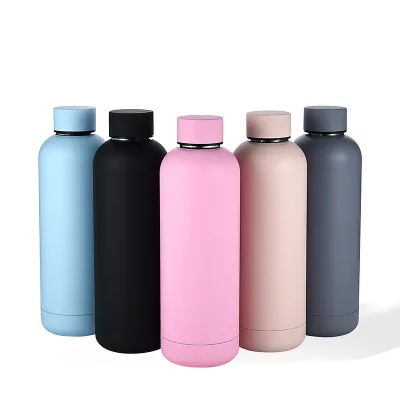
Popular Straight Bottles Double Wall Stainless Steel Bottles Insulated Bottles
$1.9472 - $2.9755
MOQ: 100 pieces
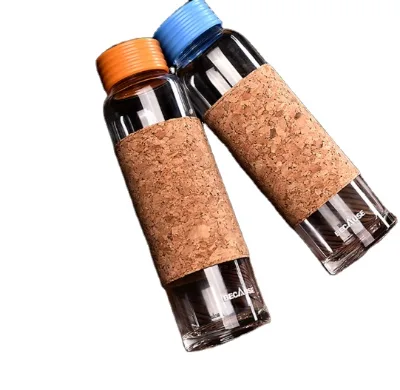
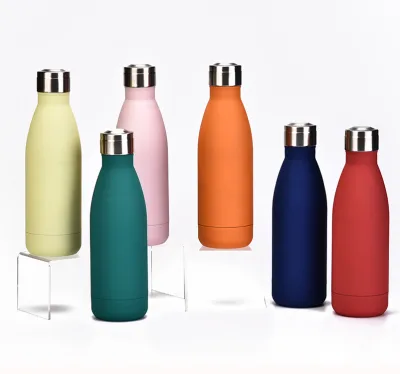
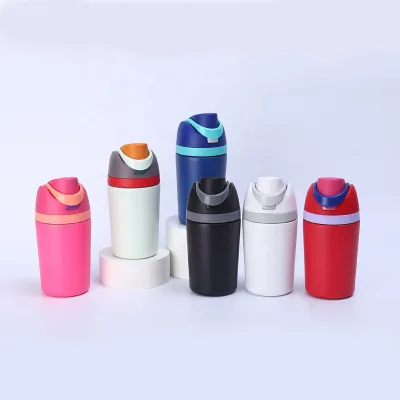
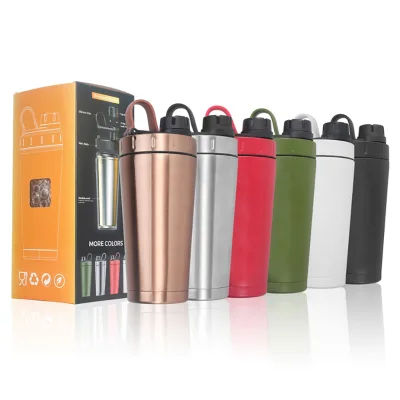


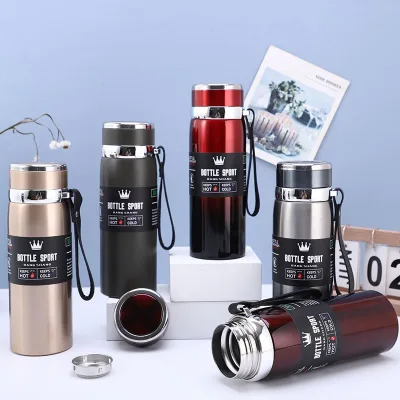
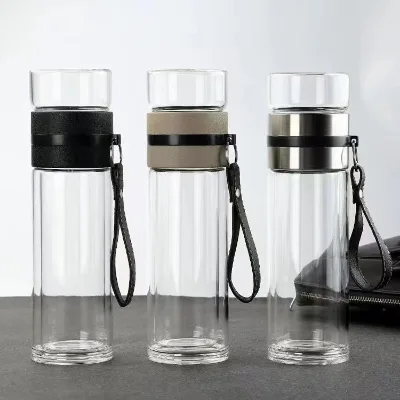


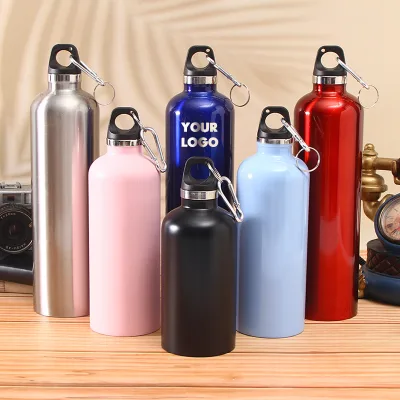

Promotional Bottle for Branding with Sleek Stainless Steel and Double Wall Insulation
$1.60 - $1.75
MOQ: 700 Pieces

Comprehensive Sourcing Guide
Refillable Double Wall Bottle Sourcing Guide
Sourcing refillable double wall bottles requires a strategic approach to balancing thermal performance, material integrity, and aesthetic customization. Buyers must navigate a market where products range from simple stainless steel designs to complex multi-tier containers, each with distinct manufacturing requirements. The core appeal lies in the vacuum insulation technology, which maintains beverage temperature for extended periods, often cited as up to twenty-four hours in observed listings. This functionality is critical for office, school, and outdoor use cases, driving demand for durable, leak-proof solutions that withstand daily wear and tear.
Procurement teams should prioritize suppliers who offer robust OEM and ODM support, allowing for brand differentiation through custom logos, colors, and shapes. The observed market includes bullet, round, and straight styles, with finishes ranging from colored to printed surfaces. Understanding the structural composition, such as the combination of inner 304 stainless steel and outer 201 stainless steel, is essential for evaluating cost versus quality. Buyers must also consider the production timeline, which typically spans fifteen to twenty days, to align inventory planning with seasonal demand spikes like back-to-school periods.
Product Scope and Observed Listing Signals
The current market for refillable double wall bottles encompasses a diverse array of product types, including standard vacuum-insulated tumblers and specialized food containers with double-tier structures. Observed listings indicate a strong emphasis on versatility, with products designed for universal application across various user demographics, including adults, teenagers, and children. Key features frequently highlighted include leak-proof seals, double-wall construction, and vacuum insulation, which collectively ensure that beverages remain hot or cold for significant durations. These attributes make the products suitable for office environments, educational settings, and general daily use.
Material composition is a primary differentiator, with stainless steel being the predominant choice due to its durability and food-grade safety. Listings specify materials such as 304 SUS for inner walls, ensuring resistance to corrosion and contamination, while outer layers may utilize 201 stainless steel to manage costs. Additional product attributes include BPA-free construction, eco-friendly advantages, and specific mouth diameters like fine mouths for controlled pouring. The scope also extends to accessories, with many units supplied with covers, and packaging options ranging from individual boxes to OPP shipping bags, reflecting varied logistical needs for different order sizes.
Technical Specifications to Verify
Verifying the structural integrity of double wall bottles is paramount to ensuring long-term performance and user safety. Buyers should confirm the specific grade of stainless steel used in the inner and outer walls, as variations between 304 and 201 grades impact corrosion resistance and cost. The vacuum insulation process must be validated to guarantee the claimed thermal retention capabilities, such as maintaining temperature for twenty-four hours. Additionally, the manufacturing technique, often blow molding, influences the uniformity of the wall thickness and the overall durability of the bottle against impacts and drops.
Seal quality and leak-proof mechanisms are critical technical aspects that require rigorous testing before mass production. Procurement teams should inspect the design of the cup mouth and lid interfaces to ensure they prevent spills during transport and use. The presence of a cover is a common feature that enhances functionality, but its fit and material compatibility must be verified. Furthermore, the production model numbers, such as KT0224 or KHX-450-1, serve as unique identifiers for specific designs, allowing buyers to track consistency across batches and ensure that the final product matches the approved sample in terms of dimensions and structural features.
Compliance and Safety Documentation
Compliance with international food safety standards is non-negotiable for refillable double wall bottles, given their direct contact with consumables. Buyers must request and verify certifications such as FDA and LFGB, which attest to the material's safety for food and beverage contact. These certifications ensure that the stainless steel and any plastic components, such as lids or seals, are free from harmful substances like BPA. Documentation should also include test reports confirming that the products meet specific migration limits for heavy metals and other contaminants, providing legal protection and consumer trust.
Beyond material safety, factory audit reports offer insights into the supplier's adherence to ethical and quality management standards. Certifications like BSCI, Sedex, and ISO9001 indicate that the manufacturing facility operates under rigorous controls for social responsibility and quality assurance. Buyers should review these audit results to assess the supplier's reliability and commitment to sustainable practices. Ensuring that the supplier maintains these certifications throughout the production cycle helps mitigate risks associated with supply chain disruptions and regulatory non-compliance, safeguarding the brand's reputation in global markets.
Cost Drivers and Commercial Terms
The cost of refillable double wall bottles is influenced by several key factors, including material grades, customization complexity, and order volume. The use of 304 stainless steel for inner walls increases material costs compared to 201 steel, but offers superior durability and safety. Customization options, such as printed logos, colored finishes, and unique shapes like bullet or round designs, add to the production expense. Buyers should negotiate pricing based on the observed MOQ ranges, which typically span from two to ten thousand units, to achieve optimal economies of scale without overcommitting inventory.
Commercial terms also encompass production lead times and packaging requirements, which impact overall procurement costs. Standard production times of fifteen to twenty days must be factored into inventory planning, especially for seasonal products. Sample times, usually five to seven days, allow for quality verification before full-scale manufacturing. Packaging options, from individual boxes to OPP bags, affect shipping efficiency and protection during transit. Buyers should clarify these terms in the contract to avoid hidden costs and ensure that the final delivered price aligns with budget expectations while maintaining quality standards.
Supplier Qualification and Quality Control
Selecting a qualified supplier involves evaluating their experience, production capacity, and quality control processes. Suppliers with over seventeen years in the industry often demonstrate stability and expertise in manufacturing complex vacuum-insulated products. Buyers should verify the supplier's ability to support OEM and ODM projects, ensuring they can handle custom designs and branding requirements effectively. Assessing the supplier's quality level, typically classified as first grade, helps ensure that the products meet high standards of finish and functionality, reducing the risk of defects and returns.
Quality control measures must be implemented at every stage of production, from raw material inspection to final packaging. Buyers should request detailed inspection reports and conduct third-party audits if necessary to verify compliance with agreed specifications. The supplier's ability to provide samples within five to seven days allows for thorough testing of thermal performance, leak-proof integrity, and aesthetic quality. Establishing clear communication channels and defining acceptance criteria for defects ensures that any issues are addressed promptly, maintaining the integrity of the supply chain and customer satisfaction.
Long-Term Procurement Checks
Long-term procurement success depends on continuous monitoring of supplier performance and market trends. Buyers should regularly review supplier audit results to ensure ongoing compliance with ethical and quality standards. Tracking production lead times and sample accuracy helps identify potential bottlenecks or quality drifts early in the relationship. Maintaining a diversified supplier base can mitigate risks associated with single-source dependencies, ensuring continuity of supply even during peak demand periods or global disruptions.
Additionally, staying informed about emerging materials and manufacturing technologies can provide competitive advantages. Evaluating the eco-friendly attributes of products, such as recyclability and BPA-free construction, aligns with growing consumer demand for sustainable goods. Buyers should periodically reassess product specifications and customization options to ensure they remain relevant to target demographics. By fostering strong relationships with reliable suppliers and maintaining rigorous quality control, procurement teams can secure a steady supply of high-quality refillable double wall bottles that meet evolving market needs.
FAQs
What certifications do the bottles have?
The bottles hold LFGB and FDA certifications to ensure food safety. These standards verify the materials meet strict health requirements for daily use. This makes them suitable for office and school environments where safety is a priority for all users.
How long does the insulation keep drinks hot or cold?
The double wall vacuum insulation maintains temperature for up to 24 hours. This feature ensures drinks stay cold or hot throughout the day. It is ideal for various scenarios including travel, office work, and outdoor activities requiring long-lasting thermal performance.
Can I customize the logo and design?
Yes, customization is available for logos and product designs. Buyers can request specific styles like simple or sport designs with printed or colored finishes. This allows businesses to create unique branding for their specific needs and target audiences effectively.
What is the minimum order quantity for these bottles?
The minimum order quantity ranges from 2 to 10,000 units depending on the specific model. This flexibility supports both small trial orders and large bulk purchases. Buyers should check specific product details to confirm the exact MOQ for their selected item.
Which materials are used to construct the bottles?
The bottles are constructed from stainless steel, specifically 304 inner and 201 outer layers. This material choice ensures durability and safety while being BPA free. The double wall structure provides excellent thermal insulation for keeping beverages at the desired temperature.
How long is the production time for custom orders?
Production time typically takes 15 to 20 days for custom orders. Sample preparation requires 5 to 7 days before full production begins. This timeline allows for quality checks and ensures the final product meets the required specifications and customization requests.
Are these bottles suitable for children and adults?
Yes, the bottles are designed for adults, children, and teenagers. Their universal applicability makes them suitable for various age groups in different settings. The leak-proof feature and safe materials ensure they are practical for daily use by everyone.