Reusable Christmas Wine Bottle Cover Suppliers and Manufacturers
Compare 30 verified suppliers offering reusable christmas wine bottle covers with varying lead times, MOQs, and certifications. Review response times and sample processing capabilities before requesting quotes for your holiday decoration needs; review the available evidence before requesting comparable quotations from suitable candidates.
Updated
Suppliers List
Henan Huaxin Import & Export Trade Co., Ltd.
- Verified by SGS Group
- Trading Company
- Lead time6 days
- Avg. response≤ 7h
Main productsTowels, Bed Sheets, Key Chain, Plastic Bottles, Bucket Hats
Main marketsSoutheast Asia(50%), Western Europe(15%), North America(10%)

Ningbo General Union Co., Ltd.
- Verified by BV
- Trading Company
- China Zhejiang
- Lead time30 days
- Avg. response≤ 10h
Main productsChristmas Tree, Party Supply, Christmas Ball, LED Light Strip, Halloween Product, Holiday Decoration, Santa Claus, Valentine's Day Product, Balloon Decoration, Birthday Decoration
Main marketsSouth America,Southeast Asia/ Mideast,Europe,North America

Creative Christmas Santa Claus Wine Bottle Cover Linen Champagne Bottle Cover Decoration
$0.59 - $0.79
MOQ: 50 Pieces


Yiwu Junnuo Electronic Technology Co., Ltd.
- Trading Company
- Zhejiang, China
- Lead time10 days
- Avg. response≤ 7h
Main productsCrafts,jewelry,household daily necessities
Main marketsNorth America(60.00%), Northern Europe(10.00%), Mid East(10.00%), Eastern Europe(10.00%), South America(10.00%)
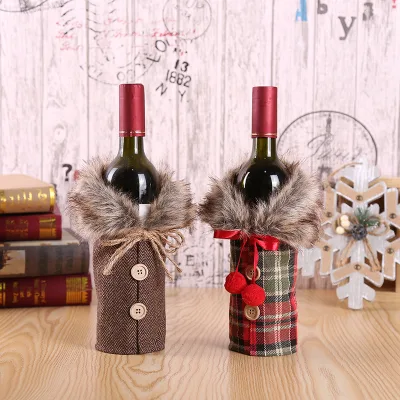
Christmas Wine Bottle Cover Santa Claus Wine Bottle Bag Christmas Table Decorations
$0.70 - $0.8844
MOQ: 100 pieces
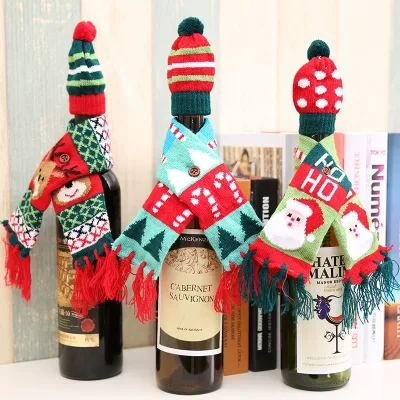
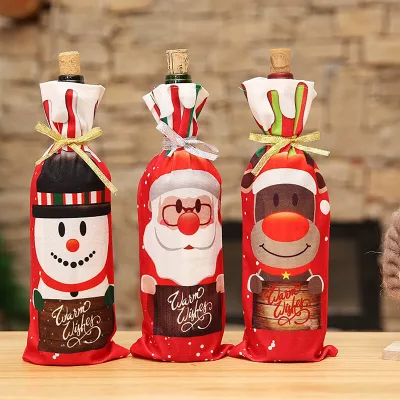
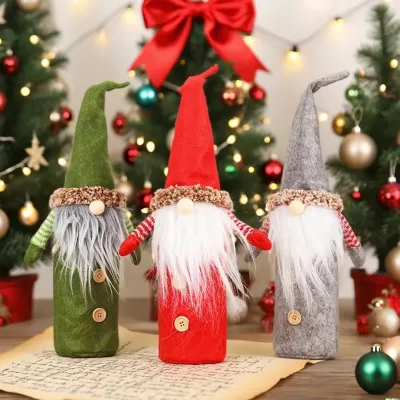
$0.4842 - $0.6281
MOQ: 30 pieces

- Verified by BV
- Manufacturer/Factory
- China Fujian
- Lead time15 days
- Avg. response≤ 25h
Main productsWater Bottle, Kitchen Ware, Shoes, Plastic Product, Bag, Toy
Main marketsSouth America,Eastern Europe,Mid East,North America,Southeast Asia,Eastern Asia,Oceania,Western Europe,Africa

Yiwu Shuangyuan Christmas Artware Co., Ltd.
- Verified by TUVRHEINLAND
- Combined
- China Zhejiang
- Lead time30 days
- Avg. response≤ 6h
Main productsChristmas Decoration, Christmas Tree, Christmas Ball, Christmas Santa, Christmas Ornament, Christmas Gift, Christmas Wreath
Main marketsOthers(foreignTradeCapacity.exportBusinessCapacityMarketOther)


New Design Fabric Bottle Wine Cover Factory Directly Sale Festival Decoration
$0.77 - $0.84
MOQ: 1000 Bags

High Quality Hot Sale Christmas Party Favorite Christmas Wine Cover Decoration
$1.14 - $1.24
MOQ: 1800 Pieces

- Verified by TUVRHEINLAND
- Trading Company
- China Zhejiang
- Lead time15 days
- Avg. response≤ 14h
Main productsWooden Toy, Outdoor Product, Kitchen Item, Personal Care Tool, Painting Set, Disk Rack, Yoga, Garden
Main marketsSouth America,Europe,North America

Christmas Wine Bottle Cover with Snowman Santa Claus Deer Beer Decoration
$0.89 - $1.60
MOQ: 200 Pieces

- Manufacturer, Trading Company
- Zhejiang, China
- Lead time15 days
- Avg. response≤ 1h
Main productsChristmas Decoration,Household Items,Fitness Accessories
Main marketsWestern Europe(40.00%), North America(40.00%), Northern Europe(10.00%), Eastern Europe(10.00%)
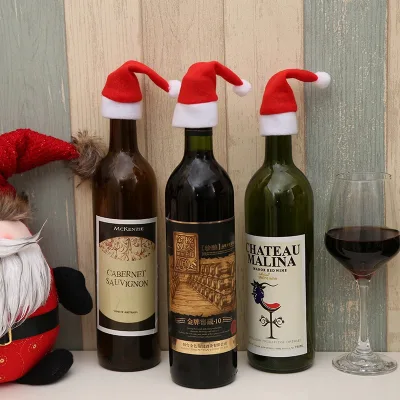
HB-3852 Christmas Wine Bottle Covers for Christmas Party Decoration Mini Santa Hat
$0.07 - $0.10
MOQ: 100 pieces
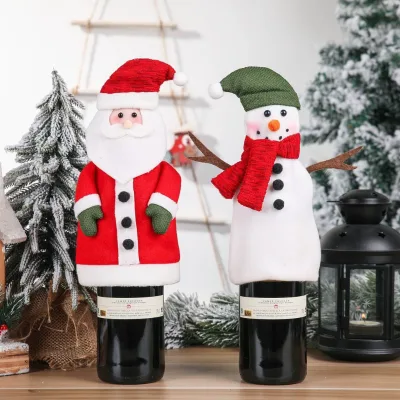
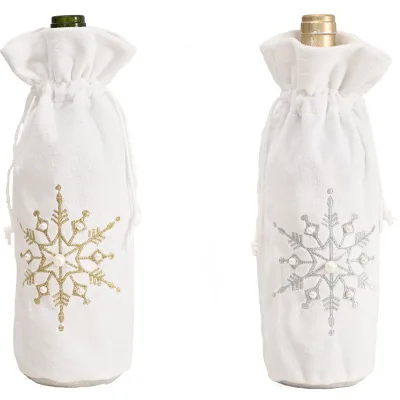
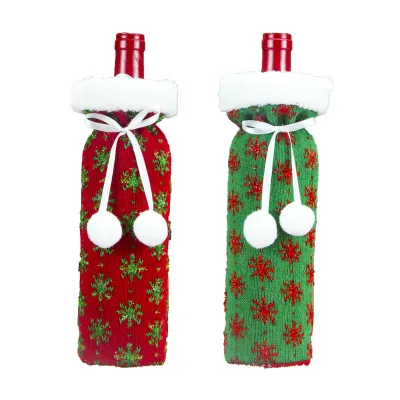
G-251 Cute Merry Christmas Wine Bottle Covers with Pom Pom for Holiday Party Gift Wine Bags
$0.9249 - $1.2322
MOQ: 20 pieces

Shantou Chenghai Huijun Crafts & Gifts Co., Ltd.
- Verified by SGS
- Combined
- China Guangdong
- Lead time30 days
- Avg. response≤ 2h
Main productsWestern Holiday Gifts and Decorations, Christmas Stockings, Snowman Kits, Calendars
Main marketsNorth America

$1.00 - $1.50
MOQ: 1000 pieces

Hot Selling Eco-Friendly Christmas Velvet Xmas Wine Bottle Cover Wine Cover
$0.90 - $1.30
MOQ: 1000 pieces


Wholesale Velvet Christmas Bottle Cover Decorative Xmas Wine Bottle Gift Bag Vintage Cover
$1.60 - $2.20
MOQ: 600 pieces

Christmas Crafts Amazon Top Seller Business Gift Bag Fleece Christmas Wine Bottle Covers
$1.10 - $1.40
MOQ: 1000 pieces

Wholesale Fleece Velvet Christmas Wine Bottles Covers Bag Xmas Gifts Business Gifts
$0.45 - $0.65
MOQ: 1000 pieces
Kunming Leying Flower Co., Ltd.
- Manufacturer, Trading Company
- Yunnan, China
- Lead time30 days
- Avg. response≤ 3h
Main productsdried flowers,preserved flowers,Aquarium accessories,Aquarium Decoration,Home Decoration
Main marketsEastern Europe(30.00%), Northern Europe(20.00%), Western Europe(20.00%), Southern Europe(10.00%), Mid East(10.00%), North America(10.00%)
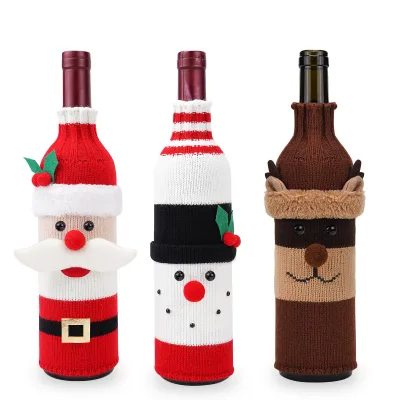
$0.8874 - $0.9788
MOQ: 50 pieces
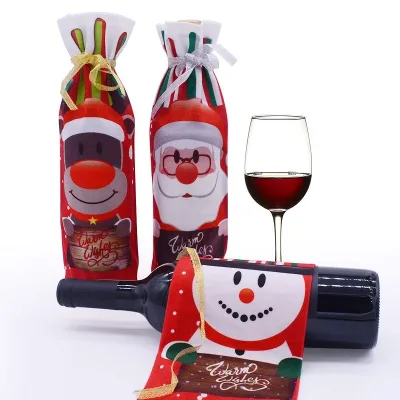
Hot Sale Decorative Christmas Wine Bag Festive Wine Bottle Cover for the Holiday Season
$0.2578 - $0.3912
MOQ: 50 pieces

Dongguan Kangbao Garment Co., Ltd.
- Verified by BV
- Combined
- China Guangdong
- Lead time23 days
- Avg. response≤ 5h
Main productsBeanie, Winter Hat, Scarf and Neck Warmer, Gloves and Mittens, Knit Poncho and Blanket, Headband Sports Gear, Canvas Bag, Golf Cover
Main marketsAfrica,Europe,North America

OEM Factory fashion Popular Knitted Christmas Wine Bottle Cover Santa Champagne Bottle Cover
$1.30 - $2.50
MOQ: 200 Pieces

$1.30 - $2.50
MOQ: 200 Pieces

Novelty Christmas Decorations Knitted Bottle Cover Sweater Christmas Wine Bottle Cover Customized
$1.30 - $2.50
MOQ: 200 Pieces

Hot Sales Striped Knitting Wine Bottle Cover Custom Jacquard Pattern Wine Bottle Covers Christmas
$1.30 - $2.50
MOQ: 200 Pieces

Good Quality Christmas Party Knitted Wine Bottle Covers Colorful Jacquard Knit Bottle Cover
$1.30 - $2.50
MOQ: 200 Pieces

Popular Customized Christmas Decoration Jacquard Knitted Bottle Sweater Wine Bottle Cover
$1.30 - $2.50
MOQ: 200 Pieces

Henan Xiaokangning Import And Export Co., Ltd.
- Trading Company
- Henan, China
- Lead time7 days
- Avg. response≤ 3h
Main productsSexy lingerie,sexy sleepwear,women underwear/panty,Women's clothing,Men's clothing
Main marketsNorth America(23.00%), South America(21.00%), Eastern Europe(11.00%), Southeast Asia(10.00%), Africa(6.00%), Oceania(5.00%), Domestic Market(3.00%), South Asia(3.00%), Southern Europe(3.00%), Northern Europe(3.00%), Central America(3.00%), Western Europe(3.00%), Eastern Asia(3.00%), Mid East(3.00%)

Hangzhou Chosen Textile Co., Ltd
- Verified by CTI
- Trading Company
- China Zhejiang
- Lead time45 days
- Avg. response≤ 7h
Main productsOutdoor Products, Textile Products, Home Textile, Weighted Products, Promotional Products, Gift Products
Main marketsAfrica,Southeast Asia/ Mideast,East Asia(Japan/ South Korea),Europe,Australia,North America
Ningbo General Union Co., Ltd.
- Verified by SGS Group
- Trading Company
- Lead time30 days
- Avg. response≤ 10h
Main productsHousehold Products, Cleaning Tools, Disposable Tableware, Kitchen Tableware, Kitchen Accessories
Main marketsWestern Europe(40%), North America(30%), Eastern Europe(10%)
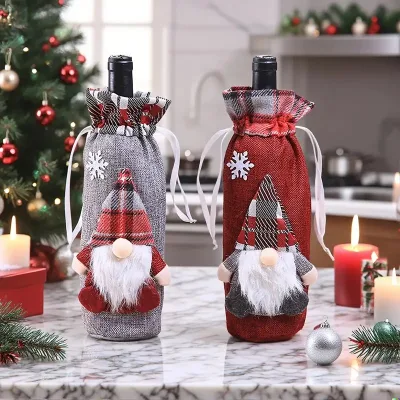
$1.2412 - $1.4405
MOQ: 50 pieces
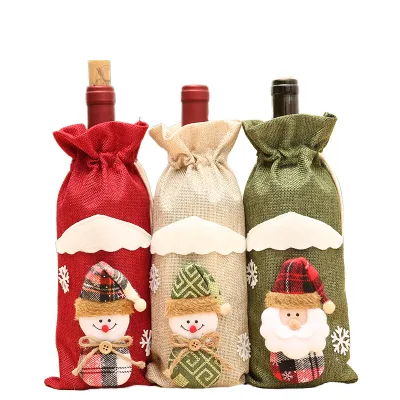
Factory Wholesale Reusable Cloth Xmas Wine Bottle Dress Cover for Christmas Party Decoration
$0.7195 - $0.8125
MOQ: 100 pieces
Yiwu Edommy Imp. & Exp. Co., Ltd.
- Trading Company
- Zhejiang, China
- Lead time7 days
- Avg. response≤ 3h
Main productsJewelry,Hair Accessories,Eyewear,Home Storage & Organization,Watch
Main marketsSouthern Europe(13.00%), Eastern Europe(13.00%), Western Europe(11.00%), North America(11.00%), South America(10.00%), South Asia(8.00%), Northern Europe(8.00%), Central America(6.00%), Southeast Asia(5.00%), Eastern Asia(4.00%), Oceania(2.00%), Domestic Market(1.00%), Mid East(1.00%), Africa(1.00%)
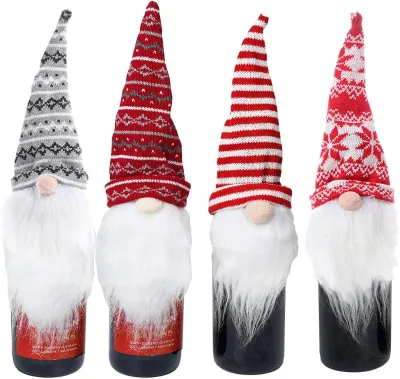
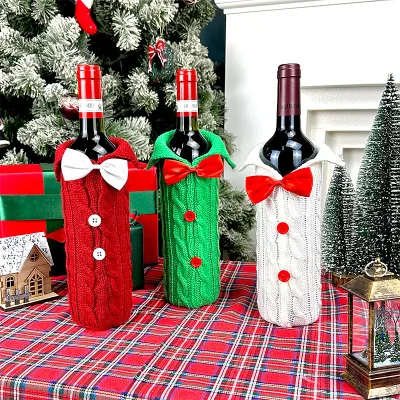
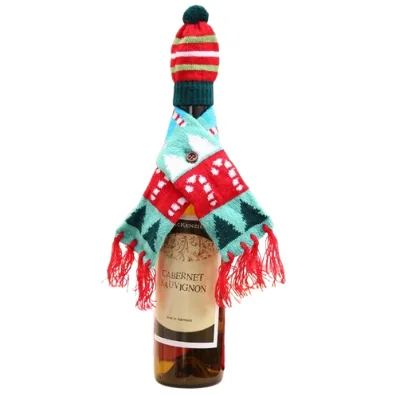
Wholesale Christmas Wine Bottle Cover Christmas Hat Shape Champagne Bottle Cover
$0.43 - $0.67
MOQ: 100

- Verified by CTI
- Trading Company
- China Zhejiang
- Lead time15 days
- Avg. response≤ 6h
Main productsJewelry, Brooch, Belt, Necklace, Agent, Bracelet, China Trim, China Ring, China Hair Accessory, China Earring
Main marketsSouth America

$1.39 - $1.50
MOQ: 100 Pieces


Yiwu Haoway Handicraft Co., Ltd.
- Manufacturer, Trading Company
- Lead time旺季: "1 - 5000":3,"> 5000":"To be negotiated", 淡季: "1 - 5000":3,"> 5000":"To be negotiated"
- Avg. response≤ 5h
Main productsHandicrafts, Household Goods, Luggage, Festival Products
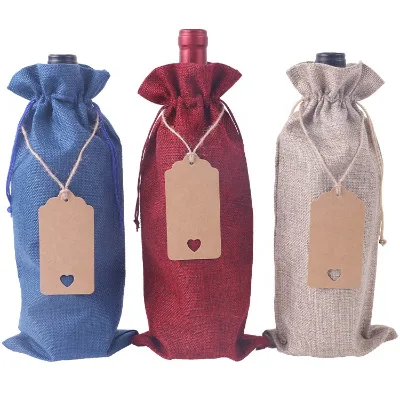
$0.71 - $0.85
MOQ: 2 pieces

Yiwu Chenwang Trading Co., Ltd.
- Trading Company
- Zhejiang, China
- Lead time30 days
- Avg. response≤ 4h
Main productsBalloons,Eid & Ramadan Crafts,Paper Crafts,Party Decoration,Party Supplies
Main marketsNorth America(35.00%), Eastern Europe(25.00%), Northern Europe(15.00%), Western Europe(10.00%), Oceania(10.00%), Mid East(5.00%)
- Manufacturer
- Shandong, China
- Lead time30 days
- Avg. response≤ 3h
Main productsKitchen Items,Pet Supplies,Home Decoration,Garden Decoration,Pet Toy
Main marketsNorth America(52.00%), Western Europe(20.00%), Southern Europe(5.00%), Northern Europe(5.00%), South America(5.00%), Eastern Asia(3.00%), Eastern Europe(3.00%), South Asia(2.00%), Southeast Asia(2.00%), Mid East(2.00%), Africa(1.00%)
Yiwu M&d Import And Export Co., Ltd.
- Trading Company
- Zhejiang, China
- Lead time10 days
- Avg. response≤ 9h
Main productsChristmas Socks, Christmas Sacks, Balloon, Gift Box, Doll
Main marketsNorth America(40.00%), Western Europe(20.00%), South America(10.00%), Eastern Europe(10.00%), Northern Europe(5.00%), Africa(5.00%), Mid East(5.00%), Southeast Asia(5.00%)
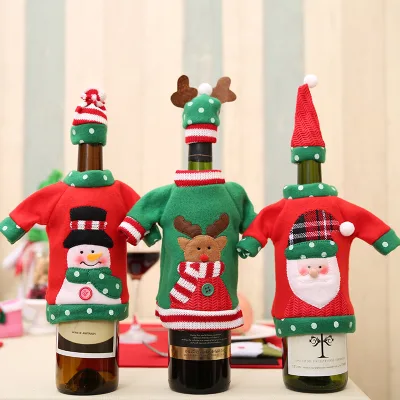
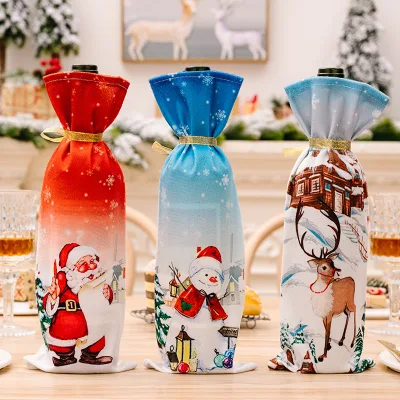
Christmas Red Wine Bottle Cover Elegant Champagne Bottle Bag for Atmosphere Decoration
$0.38 - $0.42
MOQ: 2 pieces
$0.9324 - $1.1407
MOQ: 10 pieces
- Verified by Intertek
- Trading Company
- Lead time15 days
- Avg. response≤ 5h
Main productsParty Decorations, Light Up Supplies, Party Hats, Balloon Arch Kit, Acrylic Decorations
Main marketsNorth America(50%), Western Europe(30%), South America(10%)

- Verified by SGS
- Trading Company
- China Zhejiang
- Lead time15 days
- Avg. response≤ 13h
Main productsChristmas Decoration, Christmas Tree, Christmas Gift, Party Decoration, Promotional Product, Festival Items, Gift, Valentine, Party Items, Halloween Decorations
Main marketsEurope,Australia

New Christmas Decoration Supplies Grid Printing Wine Cover Wine Champagne Bottle Cover
$1.03 - $1.05
MOQ: 1000 Pieces


Hot Selling Christmas Decoration Festival Wine Bottle Cover Restaurant Champagne
$0.85 - $0.96
MOQ: 1041 Pieces

Halloween Wine Bottle Cover Decoration Skull Pumpkin Knit Champagne Bottle Bag
$1.13 - $1.15
MOQ: 1200 Pieces
Shenzhen Hejia Industry Co., Ltd.
- Verified by SGS Group
- Trading Company
- Lead time0 days
- Avg. response≤ 7h
Main productsAluminium Tin, Pill Box , Vials Box, LED Stick
Jinhua City Jindong Area Duoyou Crafts Factory
- Verified by Intertek
- Manufacturer, Trading Company
- Lead time30 days
- Avg. response≤ 2h
Main productsChristmas Trees
Main marketsNorth America(40%), Western Europe(40%), Southeast Asia(20%)
Changsha Changlong Tongfei Electronic Technology Co., Ltd.
- Verified by Intertek
- Manufacturer, Trading Company
- Lead time30 days
- Avg. response≤ 2h
Main productsCrochet Flower Artificial Flower, Bags, Festival Gifts and Decorations, Fashion Accessories, Cable
Main marketsNorth America(20%), Mid East(15%), Northern Europe(13%)

- Verified by SGS
- Trading Company
- China Fujian
- Lead time15 days
- Avg. response≤ 6h
Main productsPromotion Gift, Keychain, Timing Belt, Sport Gift, Worm, Reducer, Pulley, Tennis Gift, Pickleball Gift
Main marketsEast Asia(Japan/ South Korea),Europe,Australia,North America

Anqing Perfect Import and Export Co.,Ltd
- Verified by SGS
- Trading Company
- China Anhui
- Lead time15 days
- Avg. response≤ 6h
Main productsGlove, Pouch Bag
Main marketsAfrica,Southeast Asia/ Mideast,Europe

$0.01 - $0.35
MOQ: 1000 Pieces


Yiwu JC Import & Export Co., Ltd.
- Verified by Intertek
- Trading Company
- Lead time10 days
- Avg. response≤ 2h
Main productsShaker Bottle, Vacuum Bottle, Umbrella, Kitchen Utensil, Tableware
Main marketsNorth America(50%), South America(10%), Mid East(10%)
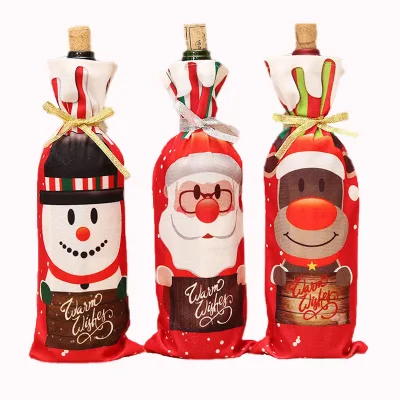
Hot Sale Decorative Christmas Wine Bag Festive Wine Bottle Cover for the Holiday Season
$0.55 - $2.15
MOQ: 10 pieces
- Verified by Intertek
- Trading Company
- Lead time15 days
- Avg. response≤ 3h
Main productsPlush Toy
Main marketsNorth America(60%), Western Europe(20%), Eastern Europe(15%)

$0.8754 - $1.0088
MOQ: 50 pieces
$3.4582 - $4.0698
MOQ: 2 pieces

- Verified by CTI
- Trading Company
- China Shanghai
- Lead time23 days
- Avg. response≤ 9h
Main productsGlass Bottle, Bottle, Vodka Glass Bottle, Whisky Glass Bottle, Glass Beer Bottle, Glass Wine Bottle, Beer Bottle, Glass Decanter, Glass Jars, Glass
Main marketsSouth America,Africa,Europe,Australia,North America

$0.25 - $0.50
MOQ: 6000 Pieces

Custom Made Christmas Wine Glass Bottle Cover and Ordinary Design Customized Logo
$0.25 - $0.50
MOQ: 6000 Pieces

Shanghai Touch Industrial Development Co., Ltd.
- Verified by TUVRHEINLAND
- Combined
- China Shanghai
- Lead time15 days
- Avg. response≤ 5h
Main productsInstant Hot Pack, Hot Cold Pack, Gel Eye Mask, Gel Ice Pack, Gel Bottle Cooler, Instant Ice Pack, Hand Warmer, Heat Pack, Cooling Scarf, Gel Beads
Main marketsSouth America,Others(foreignTradeCapacity.exportBusinessCapacityMarketOther),Southeast Asia/ Mideast,East Asia(Japan/ South Korea),Domestic,Europe,Australia,North America




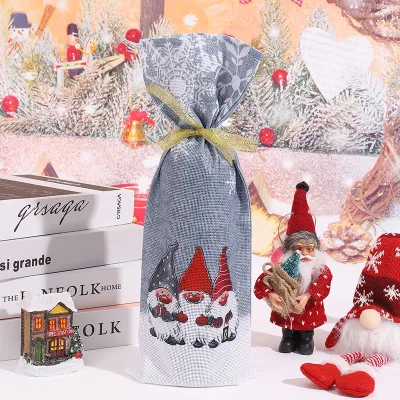
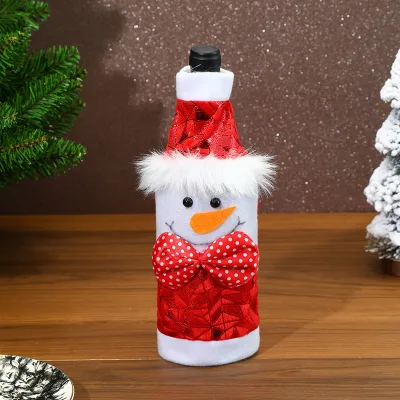
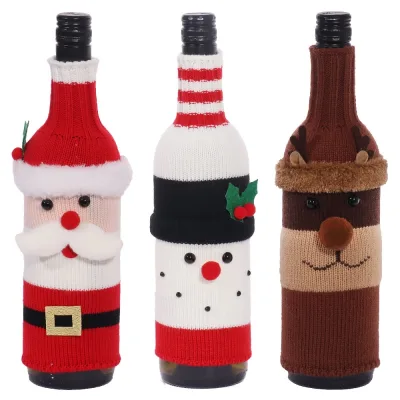
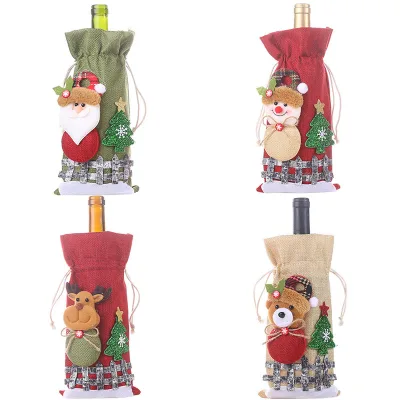
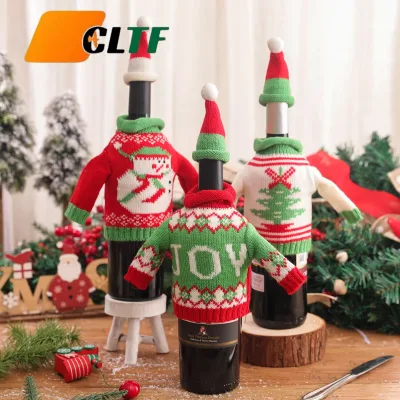


Comprehensive Sourcing Guide
Reusable Christmas Wine Bottle Cover Supplier Concentration and Factory Types
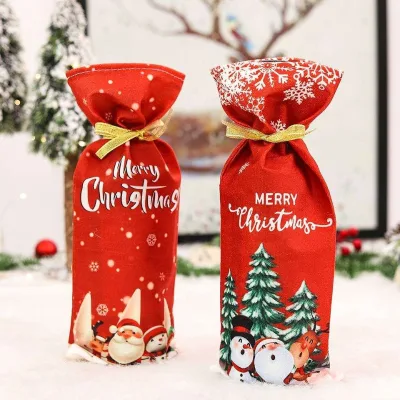
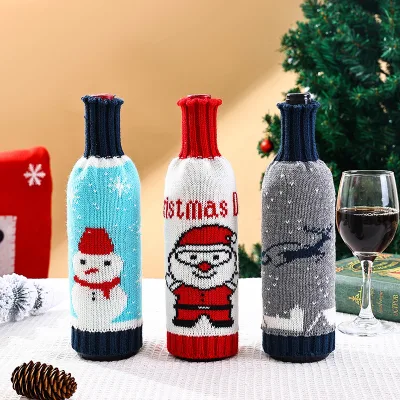
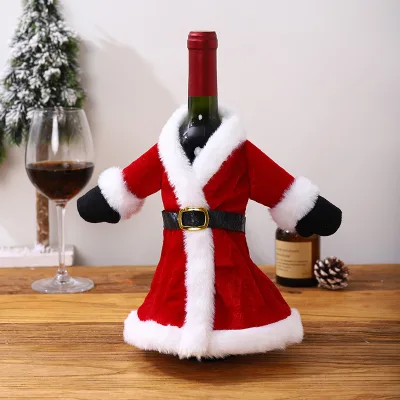
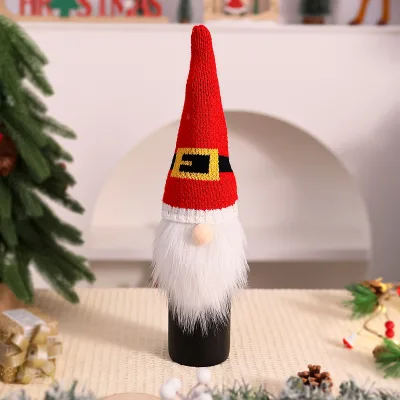
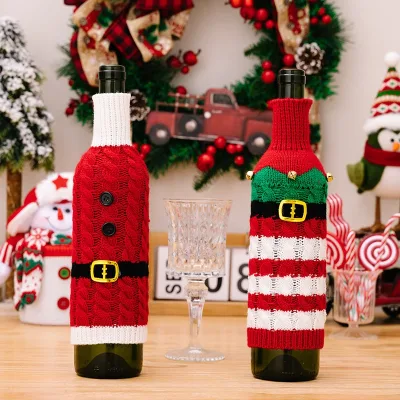
The current supplier landscape for reusable Christmas wine bottle covers is dominated by trading companies rather than direct manufacturing entities. This structural characteristic significantly influences how buyers should approach sourcing, as trading companies often aggregate products from multiple smaller workshops or factories. The primary location identified for these suppliers is Zhejiang, China, a region known for its robust textile and household goods manufacturing infrastructure. When evaluating suppliers in this cluster, buyers should recognize that the concentration of trading companies does not necessarily indicate a lack of quality, but it does require a different verification strategy. Trading companies often provide more flexible service models, including lower minimum order quantities and faster response times, which can be advantageous for smaller buyers or those testing new market trends. However, this model also introduces an additional layer between the buyer and the actual production facility, potentially complicating communication regarding specific manufacturing details or customizations.
Understanding the factory type is crucial for setting realistic expectations regarding production capabilities and lead times. Since the majority of observed suppliers are classified as trading companies, buyers must inquire about the specific nature of their supply chain. Some trading companies may have exclusive partnerships with certain factories, while others may source from various providers depending on order volume and complexity. This variability can impact consistency in product quality, especially for items like wine bottle covers that require specific materials such as cloth, terylene, or linen. Buyers should ask for evidence of factory audits or direct communication channels with production teams if they require strict quality control measures. Additionally, the presence of trading companies often means that the supplier’s main product range may be diverse, including items like towels, bed sheets, or other festive decorations, which can indicate a broad sourcing network but may also suggest that wine bottle covers are just one part of their portfolio rather than a specialized focus.
How to Verify Reusable Christmas Wine Bottle Cover Suppliers
Verification is a critical step in ensuring that the suppliers you engage with are legitimate and capable of delivering on their promises. One of the key indicators of supplier reliability is third-party verification status. In the current market, some suppliers have undergone verification by recognized agencies such as SGS Group or BV. These verifications provide a layer of confidence regarding the company’s business legitimacy and operational standards. Buyers should prioritize suppliers who display these verification badges, as they have undergone rigorous checks that confirm the company’s existence and basic operational capabilities. However, verification alone is not a guarantee of product quality or delivery performance, so it should be used as a baseline filter rather than a sole decision-making factor. It is also important to note that not all suppliers may have visible verification badges, so buyers should be prepared to request additional documentation or conduct their own due diligence in such cases.
Beyond verification badges, buyers should assess the supplier’s responsiveness and transparency as indicators of their professionalism. Response time is a measurable metric that can reflect the supplier’s efficiency and commitment to customer service. Suppliers with faster response times, such as those averaging around seven to nine hours, are generally more reliable for timely communication and issue resolution. Buyers should also look for clear and detailed product information, including specifications, materials, and customization options. For instance, some suppliers provide detailed attributes such as material type (e.g., cloth, terylene), dimensions, and cleaning methods, which demonstrates a higher level of product knowledge and attention to detail. Additionally, buyers should verify the supplier’s ability to handle custom orders, as many suppliers offer OEM/ODM services. This capability is essential for buyers looking to brand their products or customize designs, and it should be confirmed through direct communication and review of past examples or case studies.
What to Compare Across Reusable Christmas Wine Bottle Cover Suppliers
When comparing suppliers, buyers should focus on key operational metrics that directly impact their sourcing strategy and bottom line. Lead time is a critical factor, as it determines how quickly orders can be fulfilled and delivered to the end customer. In the current market, lead times vary significantly, with some suppliers offering as little as six days for sample processing and others requiring up to thirty days for full production runs. Buyers should align their lead time expectations with their sales cycles and inventory planning to avoid stockouts or excess inventory. Additionally, minimum order quantity (MOQ) is another important consideration, as it affects the initial investment and risk associated with the order. Some suppliers have low MOQs, such as thirty or fifty pieces, which are suitable for testing the market or small-scale orders, while others may require higher volumes, such as one hundred pieces or more. Buyers should choose suppliers whose MOQs align with their order size and budget constraints.
Price and customization options are also essential comparison points. The price range for reusable Christmas wine bottle covers can vary based on material, design complexity, and order volume. Buyers should request detailed quotes that include all costs, such as shipping and taxes, to ensure accurate budgeting. Furthermore, customization capabilities should be evaluated, as many suppliers offer OEM/ODM services that allow for branding and design modifications. Buyers should assess the supplier’s flexibility in handling custom requests, including the availability of sample processing and graphic processing services. Additionally, the supplier’s main product range can provide insights into their expertise and reliability. Suppliers with a diverse range of festive decorations and household items may have broader sourcing networks and greater flexibility in meeting varied customer needs. However, buyers should also consider whether the supplier’s specialization aligns with their specific requirements, as specialized suppliers may offer higher quality and more innovative designs.
Common Reusable Christmas Wine Bottle Cover Sourcing Risks
One of the primary risks in sourcing reusable Christmas wine bottle covers is the potential inconsistency in product quality. Since many suppliers are trading companies, the actual manufacturing process may be outsourced to various factories, leading to variations in material quality, stitching, and finishing. Buyers should be vigilant in requesting samples before placing large orders to assess the physical quality of the product. Additionally, the risk of miscommunication regarding customization details is significant, especially when dealing with suppliers who may not have direct control over the production process. Buyers should provide clear and detailed specifications, including dimensions, materials, and design elements, and confirm these details in writing before production begins. It is also important to verify the supplier’s ability to handle changes or corrections, as this can impact the overall timeline and cost of the order.
Another common risk is the delay in delivery, which can disrupt supply chains and lead to missed sales opportunities. Lead times can vary widely among suppliers, and some may not adhere strictly to their stated timelines. Buyers should establish clear communication channels and regular check-ins with their suppliers to monitor production progress and address any potential delays early. Additionally, the risk of non-compliance with safety and quality standards is a concern, particularly for products that may come into contact with food or beverages. Buyers should verify that the suppliers’ products meet relevant safety standards and regulations, and request any necessary certifications or test reports. Furthermore, the risk of intellectual property infringement should be considered, especially when working with suppliers who offer OEM/ODM services. Buyers should ensure that their designs and branding are protected and that the suppliers have the necessary agreements in place to prevent unauthorized use or reproduction.
Reusable Christmas Wine Bottle Cover Regional Sourcing and Logistics
Sourcing from Zhejiang, China, offers several logistical advantages due to the region’s well-developed infrastructure and proximity to major ports. This location is a hub for textile and household goods manufacturing, providing buyers with access to a wide range of suppliers and products. The concentration of suppliers in this region can lead to competitive pricing and faster shipping times, as logistics networks are optimized for high-volume exports. Buyers should consider the impact of regional logistics on their overall sourcing strategy, including the availability of freight forwarders and the efficiency of customs clearance processes. Additionally, the proximity to manufacturing clusters can facilitate easier communication and site visits, allowing buyers to verify production capabilities and quality control measures firsthand. However, buyers should also be aware of potential regional challenges, such as seasonal fluctuations in production capacity and transportation costs, which can affect lead times and pricing.
Logistics planning is crucial for ensuring timely delivery and minimizing costs. Buyers should work closely with their suppliers to determine the most efficient shipping methods, whether by sea, air, or express courier, based on their order size and urgency. Sea freight is often the most cost-effective option for large orders, while air freight and express courier services are suitable for smaller, time-sensitive shipments. Buyers should also consider the impact of packaging on logistics, as proper packaging can protect products during transit and reduce the risk of damage. Some suppliers provide detailed packaging information, such as carton dimensions and weight, which can help buyers calculate shipping costs and plan storage. Additionally, buyers should be aware of any import regulations and duties in their destination country, as these can impact the total cost of the order. Working with experienced freight forwarders can help navigate these complexities and ensure smooth logistics operations.
Reusable Christmas Wine Bottle Cover Commercial Terms and Order Planning
Commercial terms and order planning are essential for managing the financial and operational aspects of sourcing reusable Christmas wine bottle covers. Buyers should negotiate clear payment terms that align with their cash flow and risk tolerance. Common payment methods include telegraphic transfer (TT), letter of credit (LC), and online payment platforms, each with its own advantages and risks. Buyers should also consider the use of escrow services, which can provide an additional layer of security by holding funds until the order is completed and approved. Additionally, buyers should establish clear delivery terms, such as Incoterms, to define the responsibilities of both parties regarding shipping, insurance, and customs clearance. These terms can impact the total cost and risk associated with the order, so buyers should choose terms that best suit their needs and capabilities.
Order planning involves careful consideration of lead times, MOQs, and production schedules to ensure timely delivery and inventory management. Buyers should work with their suppliers to develop a realistic production timeline, accounting for sample approval, material sourcing, and production runs. It is also important to plan for potential delays and contingencies, such as material shortages or quality issues, by maintaining open communication and regular updates with the supplier. Additionally, buyers should consider the impact of seasonal demand on production capacity, as peak seasons can lead to longer lead times and higher prices. By planning ahead and maintaining strong relationships with their suppliers, buyers can mitigate risks and ensure a smooth sourcing process. Finally, buyers should document all agreements and communications to avoid misunderstandings and provide a clear record for future reference.
FAQs
What MOQ should I expect when ordering reusable Christmas wine bottle covers?
Minimum order quantities typically range from 30 to 100 pieces depending on the design and supplier. Knitted sweater styles and printed cloth covers often start around 30 to 50 pieces, while some linen covers require 100 pieces. Confirm the MOQ for your chosen colorway before sampling, since multi-color assortments may carry separate minimums per variant.
What is a typical lead time for Christmas wine bottle covers?
Lead times on this page range from about 6 days to 30 days depending on the supplier and order complexity. Trading companies with sample processing and customization capabilities usually quote faster turnaround for stock designs. Allow extra time for OEM branding, custom packaging, or peak-season production, and confirm the schedule in writing before paying.
What materials are commonly used for these bottle covers?
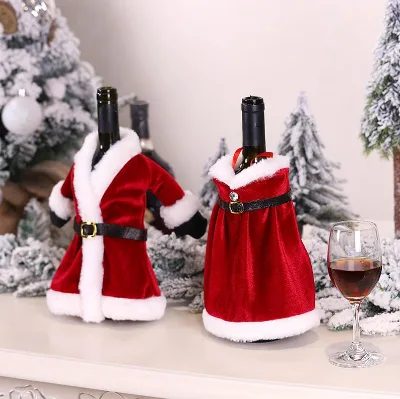
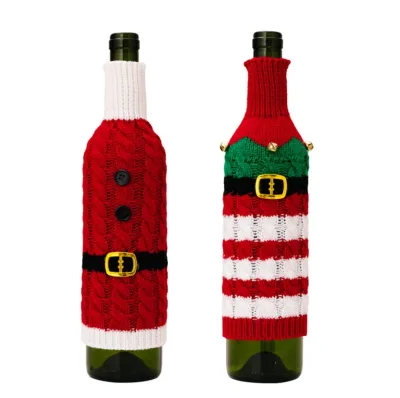
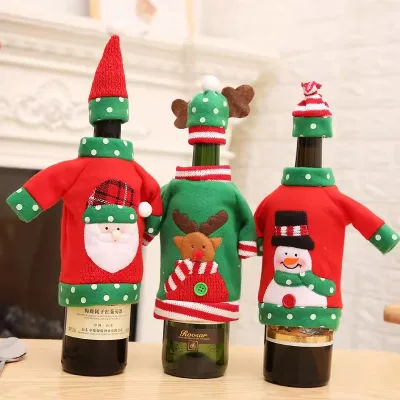
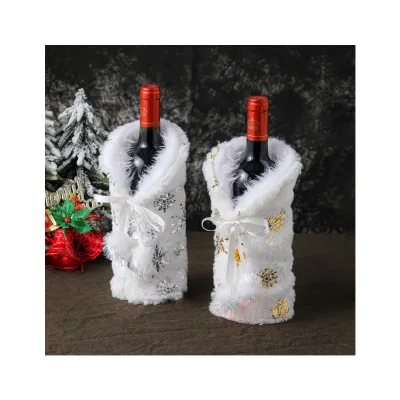
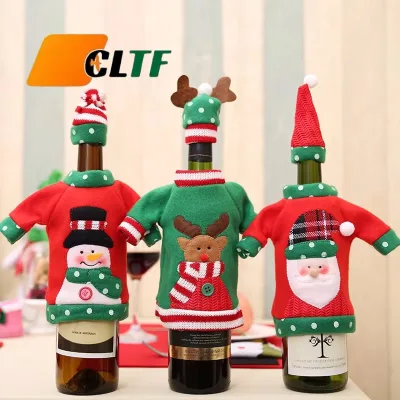
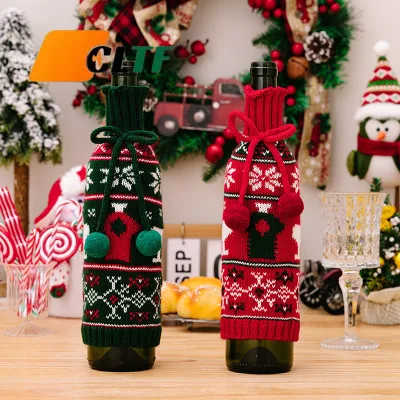
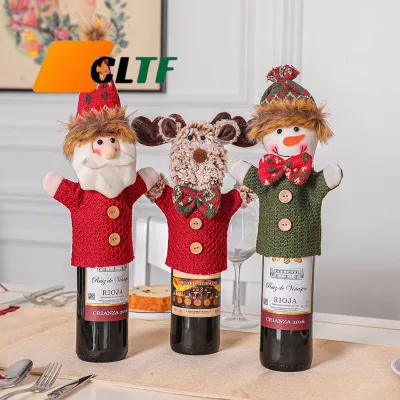
Cloth and fabric are the most common materials, including knitted sweater styles, linen covers, and terylene options. Some covers are waterproof, which helps when bottles are chilled or displayed outdoors. Weights around 30 grams are typical for standard covers. Ask about cleaning methods, since certain fabrics require hand washing only to keep colors and shape intact.
What sizes do Christmas wine bottle covers come in?
Standard covers on this page measure roughly 17 by 24 centimeters to 24 by 24 centimeters, fitting most 750 milliliter wine and champagne bottles. Many listings offer customized sizing on request, and one supplier lists retractable features for flexibility. Always provide your bottle dimensions to the supplier so the cover height and stretch fit are confirmed before production.
Can I get OEM branding or custom designs on bottle covers?
Yes, several listings welcome OEM and ODM orders, including custom colors, graphics processing, and made-to-request designs. Sample processing typically takes 3 to 7 days before bulk production begins. Note that some designs specify no printing techniques for graphics, so confirm embroidery, printing, or label options for your brand and request a pre-production sample for approval.
Where are these Christmas wine bottle covers produced?
The suppliers and listings on this page are based in China, with several production origins in Zhejiang Province. Zhejiang is a common hub for festive and party supplies, offering fabric sourcing and decoration expertise. Products are generally shipped worldwide, so clarify incoterms, shipping costs, and estimated transit times to your destination before placing a bulk order.
What price range should I budget per cover?
Listed prices on this page generally fall between roughly 0.59 and 1.20 US dollars per piece. Knitted and cartoon designs commonly sit between 0.64 and 1.20 dollars, while simpler linen covers start lower. Final pricing depends on quantity, customization, and fabric choice, so request itemized quotations and compare unit costs at your actual order volume.
How can I verify a supplier before ordering?
Look for verification indicators such as SGS Group or BV assessment status, which some suppliers on this page hold. Check whether the company is a trading company or manufacturer, review response speed and lead time history, and use secure payment methods. Request business licenses, product samples, and references, and confirm all order terms in a written contract.