Outdoor Commercial Artificial Christmas Tree Suppliers and Manufacturers
Compare 28 verified suppliers of Outdoor Commercial Artificial Christmas Tree based on location, lead time, certifications, and response time. Review product specifications like CE, RoHS, and EMC standards before contacting factories for quotes; review the available evidence before requesting comparable quotations from suitable candidates.
Updated
Suppliers List

Shenzhen Wild Art Decoration Co.,Ltd.
- Verified by CTI
- Trading Company,Manufacturer/Factory
- China Guangdong
- Lead time23 days
- Avg. response≤ 12h
Main productsChristmas Decorations, Christmas Tree, Ramadan Decorations, Chinese New Year Lantern, Christmas Ornaments, LED Motif Light, Artificial Tree, Fiberglass Planter Pot, Fiberglass Seat, Fiberglass Sculpture
Main marketsSouth America,Eastern Europe,Mid East,North America,Southeast Asia,Eastern Asia,Oceania,Western Europe,Africa


Outdoor Artificial Giant Christmas Tree with Opening for Commercial Decoration
$1000.00 - $4000.00
MOQ: 1 Pieces

Outdoor Artificial Giant Christmas Tree Outdoor Giant Christmas Tree for Shopping Mall
$1500.00 - $3000.00
MOQ: 1 Pieces

Large New Style Decoration Christmas Tree Giant Outdoor Commercial Christmas Tree
$1000.00 - $4000.00
MOQ: 1 Pieces


- Trading Company,Manufacturer/Factory
- China Guangdong
- Lead time0 days
- Avg. response≤ 13h
Main productsChristmas Ball, Christmas Decoration, Christmas Ornaments, Christmas Tree, Tinsel Garland, Mirror Ball, Disco Ball, Inside Painted Glass Ball
Guangzhou Haihong Arts & Crafts Factory
- Verified by Intertek
- Manufacturer, Trading Company
- Lead time15 days
- Avg. response≤ 4h
Main productsArtificial Plants, Artificial Trees, Artificial Foliage & Branch, Garden Landscaping, Luminous Plants And Animals
Main marketsMid East(40%), North America(15%), Eastern Europe(15%)
Shaanxi Longstar New Material Technology Co., Ltd.
- Manufacturer, Trading Company
- Lead time旺季: "1 - 50":45,"51 - 150":89,"151 - 500":170,"> 500":"To be negotiated", 淡季: "1 - 50":45,"51 - 150":89,"151 - 500":170,"> 500":"To be negotiated"
- Avg. response≤ 9h
Main productsChristmas Ball, Christmas Tree, Christmas Dolls, Christmas Wreath, Christmas Garland
Heyuan Limei Tree And Light Technology Co., Ltd.
- Verified by SGS Group
- Manufacturer, Trading Company
- Lead time15 days
- Avg. response≤ 5h
Main productsChristmas Tree, Christmas Wreath, Christmas Garland
Main marketsNorth America(35%), Eastern Europe(15%), Western Europe(15%)
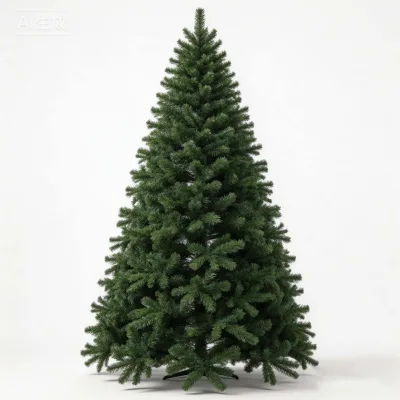
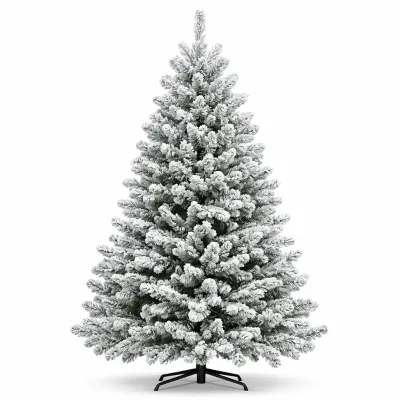
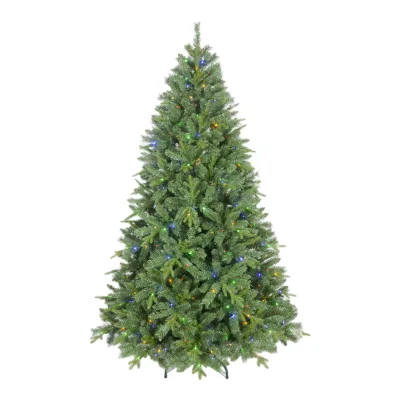
3ft 7ft Hot Selling Christmas Tree for Decorations Hanging Holiday Decor Home Indoor Outdoor
$48.4222 - $50.4833
MOQ: 1 pieces
Hangzhou Jiefa Stationery & Gifts Co., Ltd.
- Verified by TüVRheinland
- Trading Company
- Lead time30 days
- Avg. response≤ 8h
Main productsNotebook, Water Bottle, Umbrella, Bag, Christmas And Halloween Decorations
Main marketsNorth America(40%), Western Europe(32%), Northern Europe(10%)

Zhejiang Byer New Material Technology Co., Ltd.
- Verified by SGS
- Combined
- China Zhejiang
- Lead time30 days
- Avg. response≤ 9h
Main productsChristmas Tree, Artificial Christmas Tree, Christmas Wreath/Garland, PVC Christmas Tree Film
Main marketsNorth America

Indoor & Outdoor Mall Decoration Xmas Tree New Style White Artificial Christmas Tree
$52.14 - $54.82
MOQ: 100 Pieces

Manufacturer Factory Directly Sale Home Decoration Artificial Christmas Tree
$41.86 - $44.86
MOQ: 100 Pieces

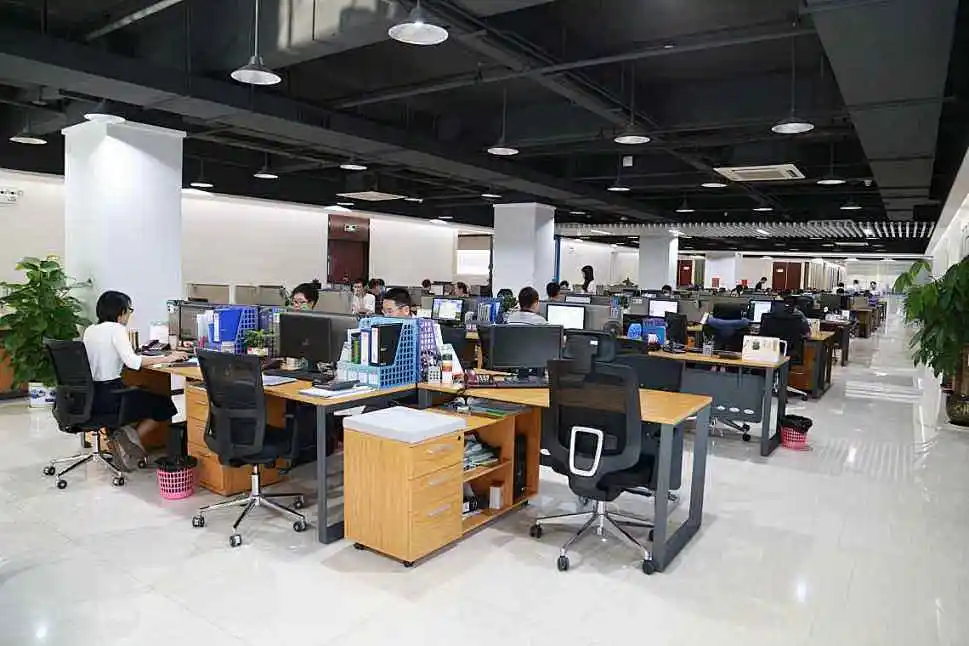
Jinheng Meijia Trade Department
- Trading Company
- Sichuan, China
- Lead time0 days
- Avg. response≤ 6h
Main productsArtificial flowers,LED Candles,Candle Holderss,Flower Stands,Wedding Centerpieces
Main marketsNorth America(75.00%), Northern Europe(10.00%), Eastern Europe(10.00%), Western Europe(5.00%)

Longshine Electrical Science & Technology Co., Ltd.
- Combined
- China Guangdong
- Lead time23 days
- Avg. response≤ 13h
Main productsChristmas Light, LED String Light, LED2d 3D Motif Light, LED Rope Light, LED Neon Flex, LED FRP Sculpture Light, LED Icicle Curtain Light, LED SMD Strip Light, LED Decoration Light, LED Fairy Light
Main marketsSouth America,Southeast Asia/ Mideast,Europe,Australia,North America
Shandong Fandiluo Arts & Crafts Co., Ltd.
- Verified by SGS Group
- Manufacturer, Trading Company
- Lead time15 days
- Avg. response≤ 3h
Main productsChristmas Decoration, Lighting DecorationSculpture Decoration, Sculpture Decoration, Interactive Props, Landscape Decoration
Main marketsNorth America(30%), South America(10%), Southeast Asia(10%)
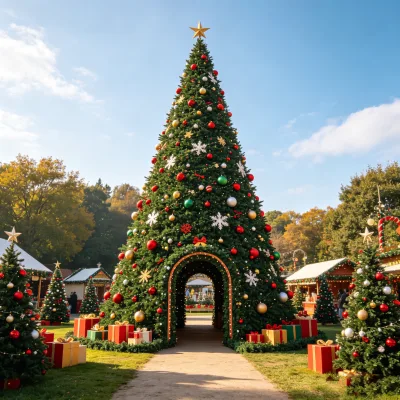
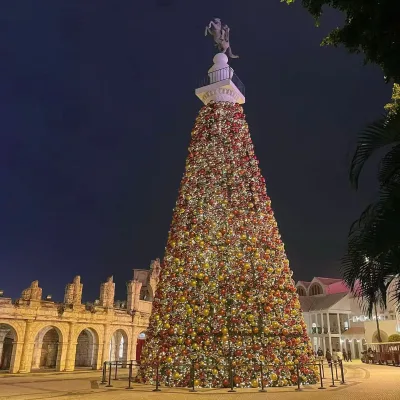
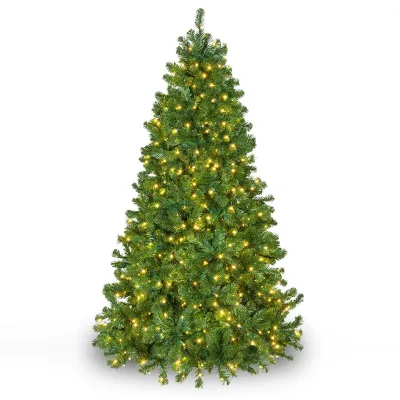
12ft Pre Lit Led Green Artificial Christmas Tree Tower Tree for Indoor&Outdoor Decoration
$46.3941 - $56.7027
MOQ: 10 pieces

Guangzhou Junpeng Artificial Craft Company Limited
- Verified by SGS
- Trading Company
- China Guangdong
- Lead time15 days
- Avg. response≤ 2h
Main productsArtificial Flower Wall, Artificial Palm Trees, Artificial Banyan Trees, Artificial Grass Wall, Artificial Olive Tree, Artificial Olive Bonsai, Artificial Flowers, Artificial Potted Plant, Artificial Cherry Tree, Artificial Fruit Tree
Main marketsSoutheast Asia/ Mideast,Europe,Australia,North America

$199.00 - $359.00
MOQ: 2 Meters


Wholesale Artificial Christmas Tree Artificial Pine Tree for Indoor Outdoor Decoration
$199.00 - $359.00
MOQ: 2 Meters


Ningbo General Union Co., Ltd.
- Verified by BV
- Trading Company
- China Zhejiang
- Lead time30 days
- Avg. response≤ 10h
Main productsChristmas Tree, Party Supply, Christmas Ball, LED Light Strip, Halloween Product, Holiday Decoration, Santa Claus, Valentine's Day Product, Balloon Decoration, Birthday Decoration
Main marketsSouth America,Southeast Asia/ Mideast,Europe,North America
Hangzhou Spenic Trading Co., Ltd.
- Trading Company
- Lead time旺季: "1 - 1000":25,"1001 - 3000":30,"3001 - 5000":40,"> 5000":"To be negotiated", 淡季: "1 - 1000":25,"1001 - 3000":30,"3001 - 5000":40,"> 5000":"To be negotiated"
- Avg. response≤ 8h
Main productsHand Toos,Auto Tools,Electric Tools,Outdoor Tools,Garden Tools

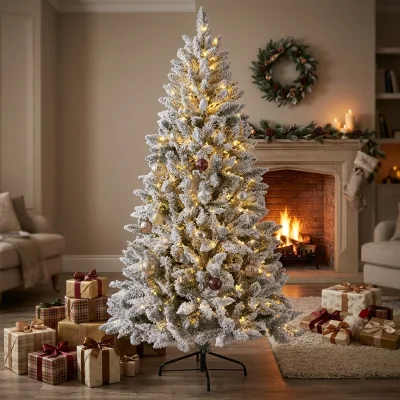
New Christmas Artificial Tree with Wooden Stand Factory Wholesale Christmas Tree
$6.57 - $21.25
MOQ: 500

Shandong Fandiluo Arts & Crafts Co., Ltd.
- Verified by TUVRHEINLAND
- Combined
- China Shandong
- Lead time30 days
- Avg. response≤ 11h
Main productsDisinfection Door, Disinfection Channel
Main marketsEast Asia(Japan/ South Korea),Europe,Australia

Outdoor Christmas Tree-Large Christmas Tree-Artificial Christmas Tree-Lighting Christmas Tree
$500.00 - $3000.00
MOQ: 1 Pieces

Indoor or Outdoor Various Styles Artificial Christmas Tree Giant Christmas Tree Factory
$400.00 - $3000.00
MOQ: 1 Pieces
Dongyang Xinzhan Arts And Crafts Co.,ltd.
- Verified by Intertek
- Manufacturer, Trading Company
- Lead time35 days
- Avg. response≤ 11h
Main productsChristmas Tree, Christmas Wreath, Christmas Garland, Christmas Decorations
Main marketsNorth America(30%), South America(30%), Western Europe(25%)
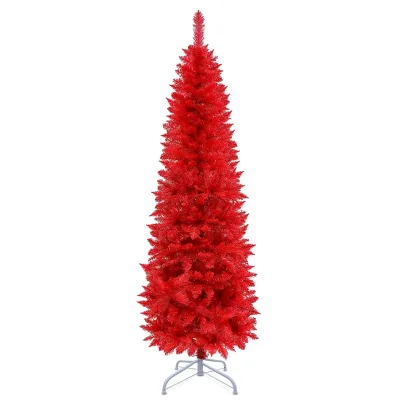
$18.00 - $19.00
MOQ: 200 pieces
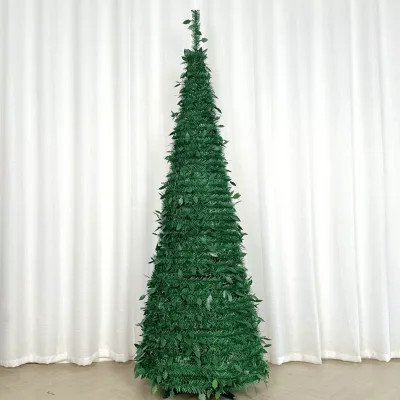
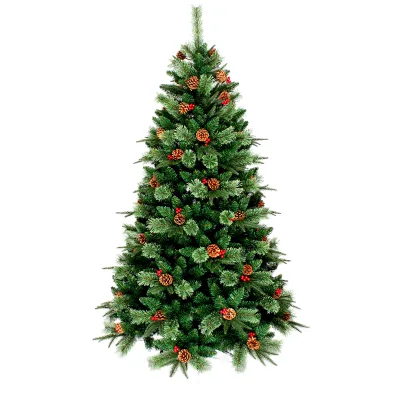
Professional Manufacture Cheap White Christmas Tree Christmas Trees Artificial Prelit Christmas Tree
$18.3178 - $18.697
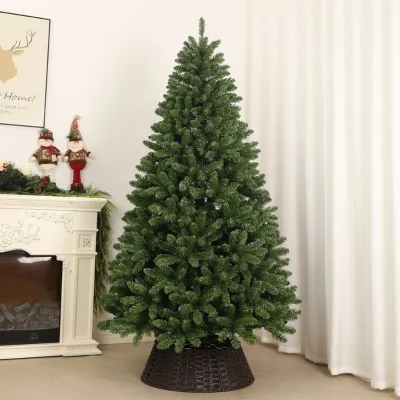
MOQ: 50 pieces
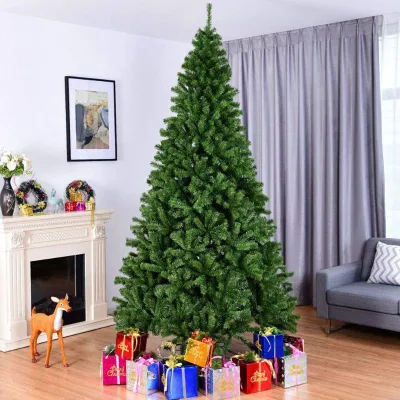
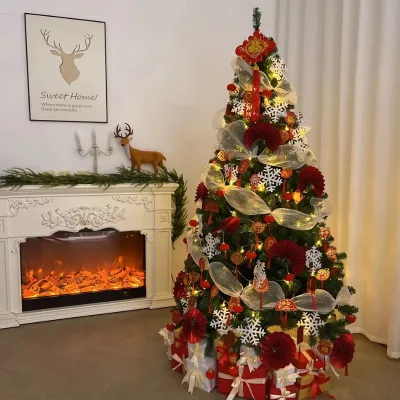
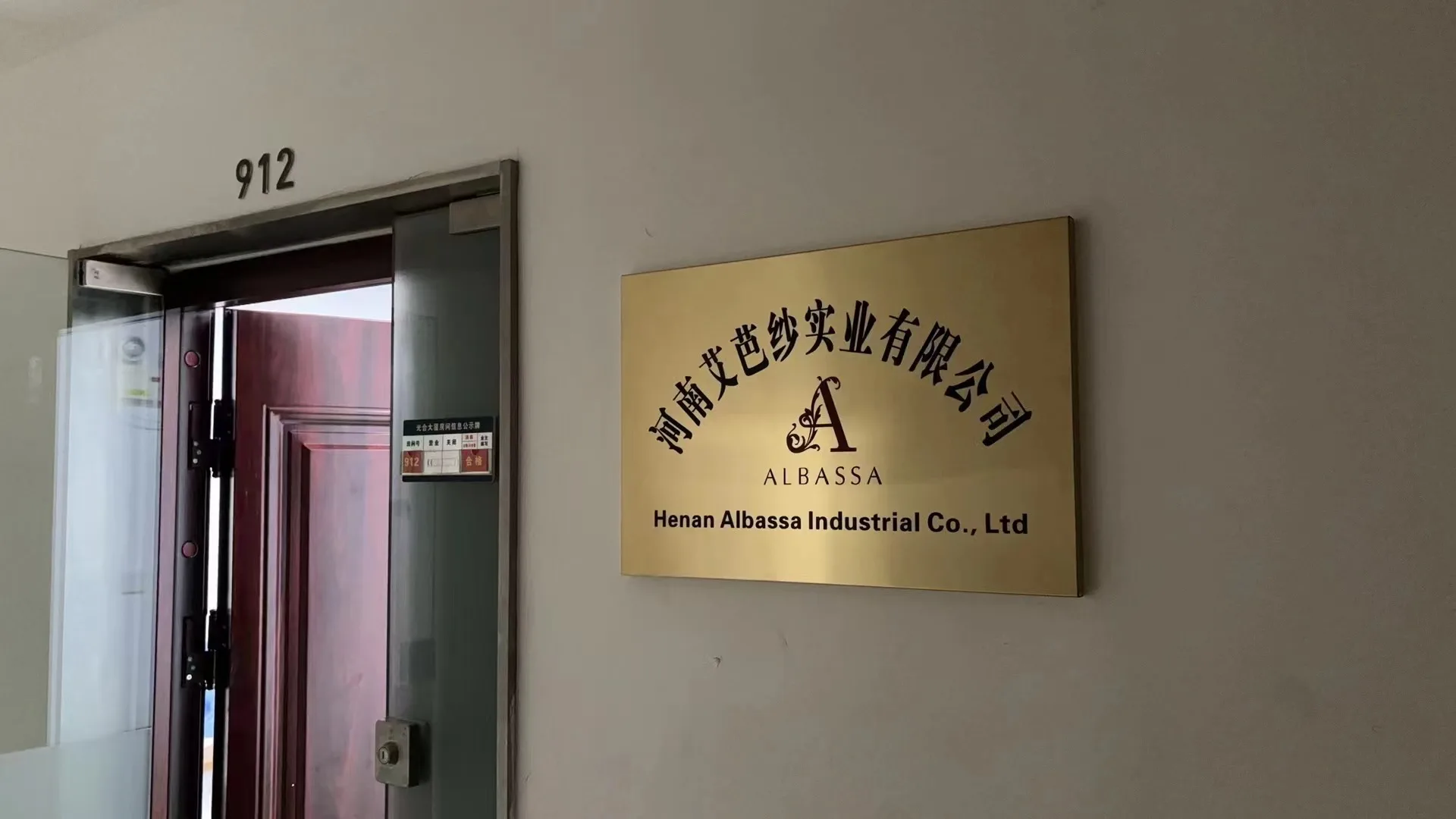
Henan Albassa Industrial Co., Ltd.
- Trading Company
- Henan, China
- Lead time0 days
- Avg. response≤ 1h
Main productsMontessori educational wooden toys,Puzzle toys,Wooden slide,Wooden children's bed,early education instrument
Main marketsNorth America(30.00%), South America(20.00%), Mid East(10.00%), Central America(10.00%), Eastern Europe(10.00%), Southern Europe(5.00%), Northern Europe(5.00%), Southeast Asia(5.00%), Western Europe(5.00%)
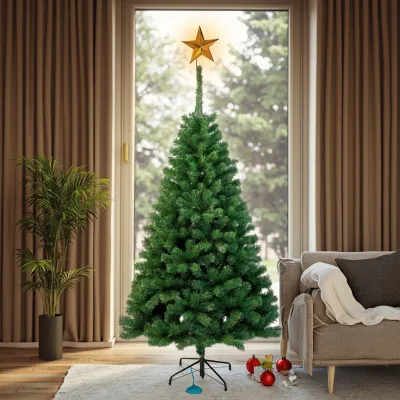
Christmas Tree Indoor Christmas Decor Artificial Trees Indoor Decorations Gifts Christmas Tree
$0.8739 - $36.9623
MOQ: 10 Minimum
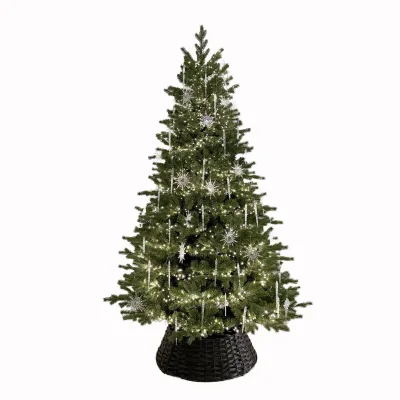
High Quality Luxury Artificial Smart Christmas Tree Pvc+pe Decorative Christmas Trees
$32.26 - $93.9453
MOQ: 2 Minimum
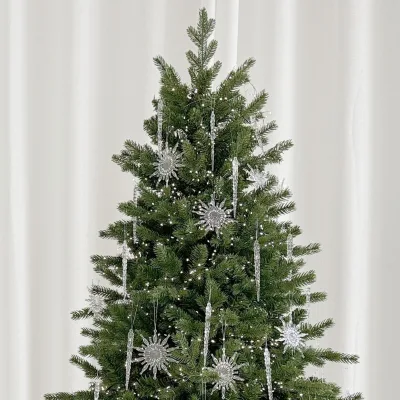
$32.26 - $93.9453
MOQ: 2 Minimum
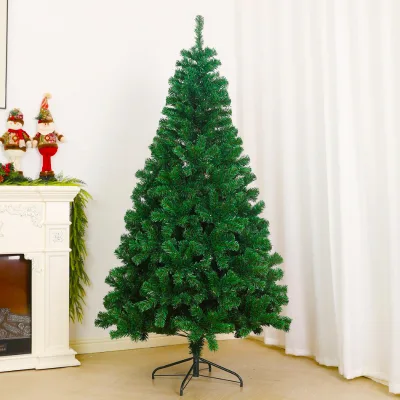
$0.8739 - $36.9623
MOQ: 10 Minimum

Ningbo General Union Co., Ltd.
- Trading Company
- China Zhejiang
- Lead time23 days
- Avg. response≤ 12h
Main productsTable Lamp, Heat Press Machine, Home Appliance, Alarm Clock, Fans, Night Light, Solar Light, Kitchen Appliance, Pet Product, Sport Equipment
Main marketsSouth America,Eastern Europe,Mid East,North America,Southeast Asia,Eastern Asia,Oceania,Western Europe,Africa
Yiwu Creative Life Commodity Co., Ltd.
- Manufacturer, Trading Company
- Zhejiang, China
- Lead time3 days
- Avg. response≤ 3h
Main productsChristmas Trees,Christmas Ornaments,Christmas Decoration,Easter decorations,Halloween decorations
Main marketsNorth America(50.00%), South America(20.00%), Western Europe(10.00%), Domestic Market(10.00%), Oceania(8.00%), Eastern Europe(8.00%), Southern Europe(5.00%), Northern Europe(5.00%), Southeast Asia(4.00%), Eastern Asia(3.00%), Mid East(3.00%), Africa(1.00%)
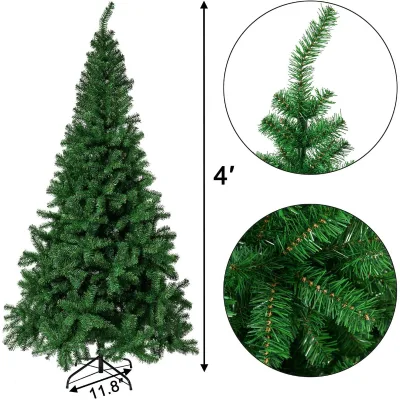
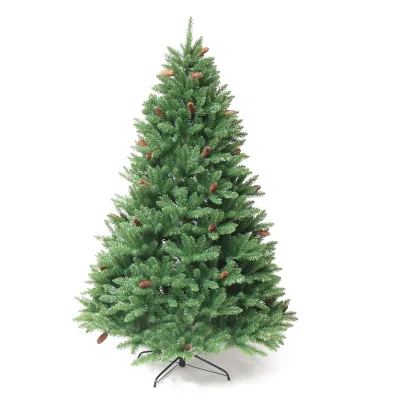
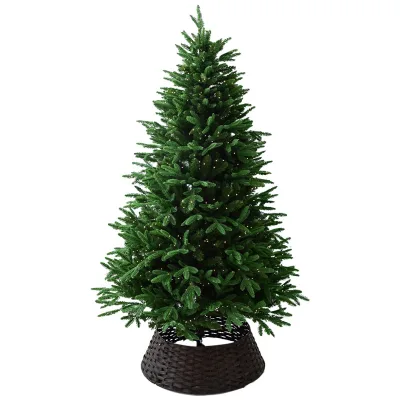
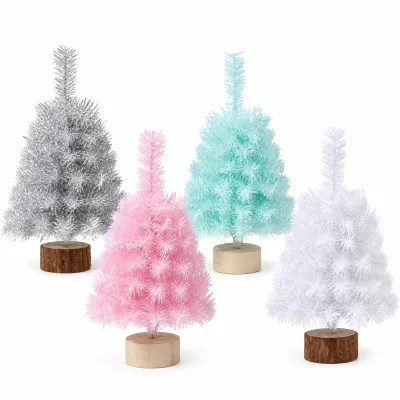
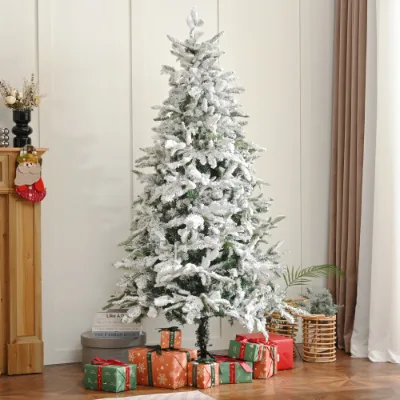
$84.9483 - $97.3795
MOQ: 1 units
Dongyang Chuanghu Crafts Co., Ltd.
- Manufacturer, Trading Company
- Zhejiang, China
- Lead time0 days
- Avg. response≤ 8h
Main productsChristmas tree
Main marketsNorth America(20.00%), South America(20.00%), Eastern Asia(20.00%), Eastern Europe(15.00%), Southeast Asia(10.00%), Western Europe(10.00%), Africa(5.00%)
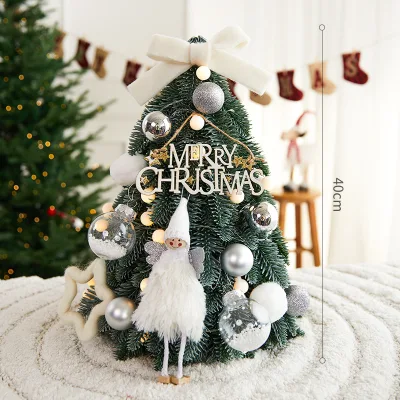
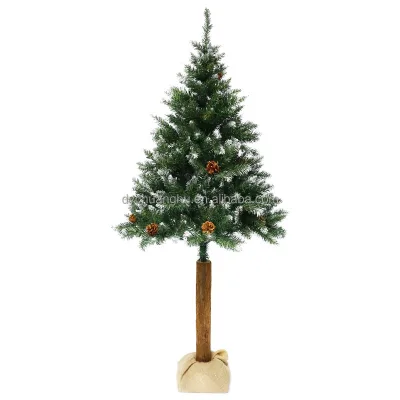
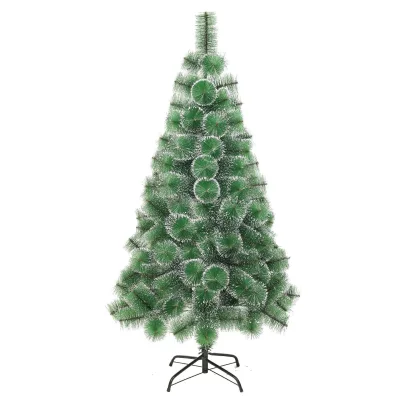
1.8cmPVC Christmas Tree with Pine Tree Pole Christmas Tree Decorations
$10.2966 - $11.8406
MOQ: 50 pieces
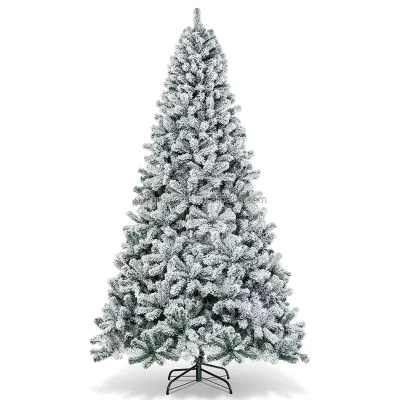
Yiwu Shuangyuan Christmas Artware Limited
- Manufacturer, Trading Company
- Lead time旺季: "1 - 500":30,"501 - 2000":45,"2001 - 5000":60,"> 5000":"To be negotiated", 淡季: "1 - 500":30,"501 - 2000":45,"2001 - 5000":60,"> 5000":"To be negotiated"
- Avg. response≤ 2h
Main productsPlastic Christmas Ball, Christmas Tree, PET Christmas Tinsel Garland, Decorated Christmas Wreath, Decorated Christmas Garland

Yiwu Shuangyuan Christmas Artware Co., Ltd.
- Verified by TUVRHEINLAND
- Combined
- China Zhejiang
- Lead time30 days
- Avg. response≤ 6h
Main productsChristmas Decoration, Christmas Tree, Christmas Ball, Christmas Santa, Christmas Ornament, Christmas Gift, Christmas Wreath
Main marketsOthers(foreignTradeCapacity.exportBusinessCapacityMarketOther)
Shaanxi Longstar New Material Technology Co., Ltd.
- Manufacturer, Trading Company
- Lead time旺季: "1 - 2":15,"> 2":"To be negotiated", 淡季: "1 - 2":15,"> 2":"To be negotiated"
- Avg. response≤ 6h
Main productsChristmas Tree, Flocked Christmas Tree, Christmas Wreath, Christmas Garland, Table Christmas Tree
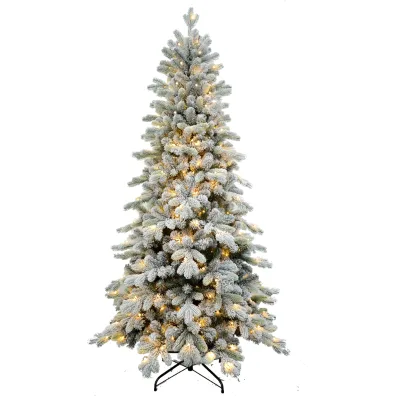
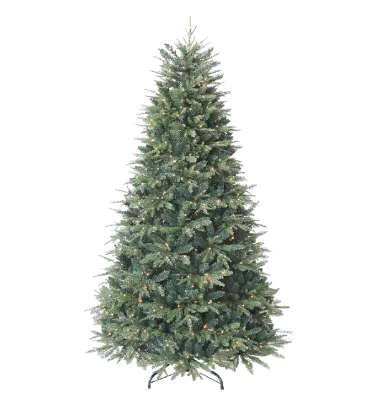
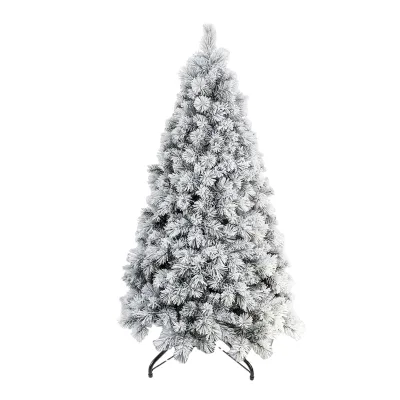
Wholesale High Quality Artificial Christmas Tree,Rotating Christmas Tree Stand
$72.92 - $79.75
MOQ: 100
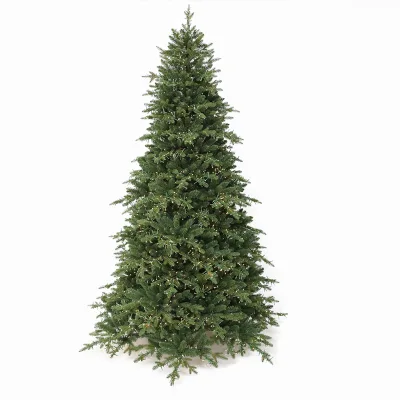
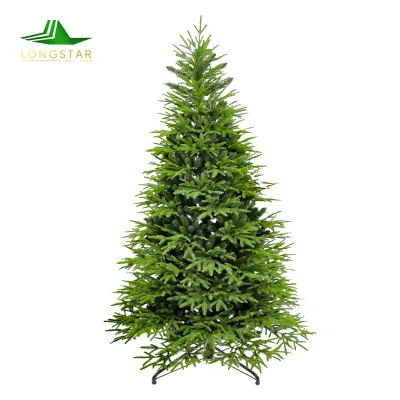
Shaanxi Longstar New Material Technology Co., Ltd.
- Manufacturer, Trading Company
- Lead time旺季: "1 - 1":7,"> 1":"To be negotiated", 淡季: "1 - 1":7,"> 1":"To be negotiated"
- Avg. response≤ 9h
Main productsGrass Wall, Onion Grass, Artificial Plant, Pot , Succulent
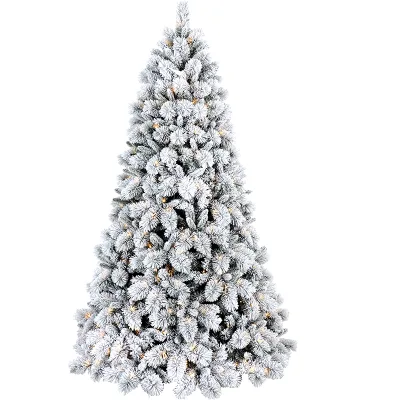
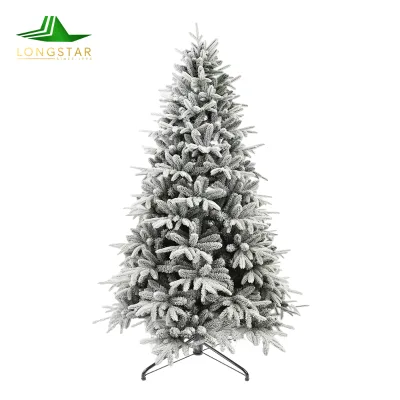
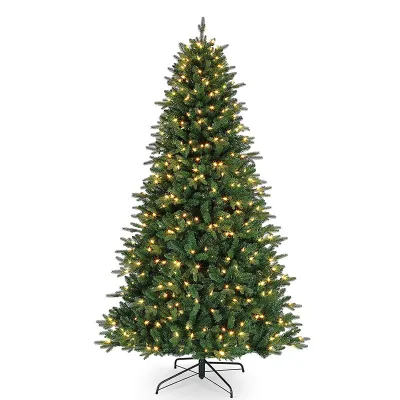
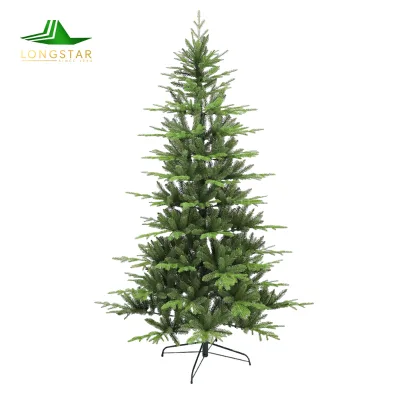
Hot Spot Direct Sale 7ft with Snow Melt Pre-lit Simulation White Christmas Tree
$72.3567 - $82.6009
MOQ: 1 pieces
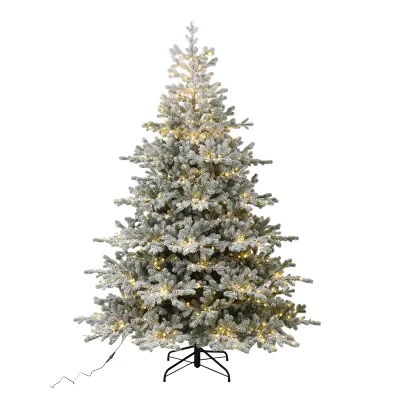
$79.5714 - $82.1377
MOQ: 10 pieces
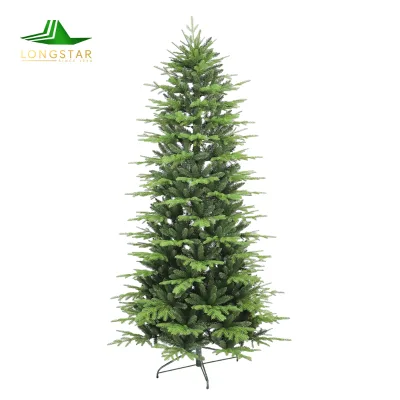
$54.8364 - $61.6269
MOQ: 1 pieces
Huizhou Zheng Tian Art&Crafts Co., Ltd.
- Verified by SGS Group
- Manufacturer, Trading Company
- Lead time60 days
- Avg. response≤ 9h
Main productsAcrylic Ornament, Tree Topper, Bead Garland, Light Ball
Main marketsNorth America(60%), Eastern Europe(20%), Western Europe(6%)
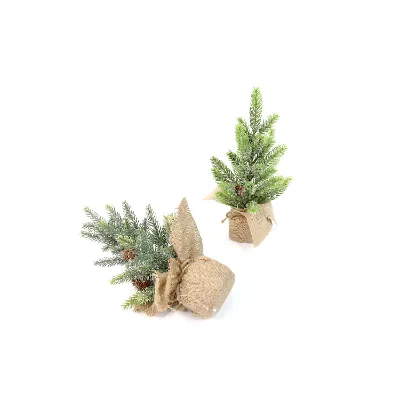
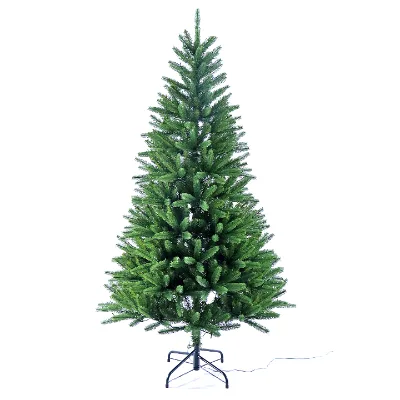
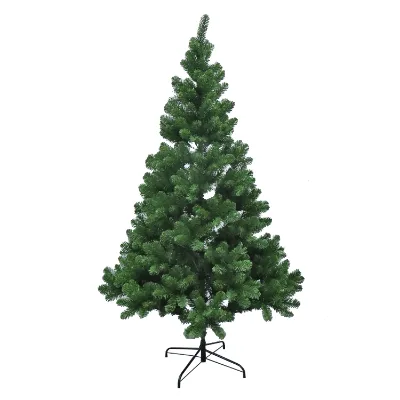
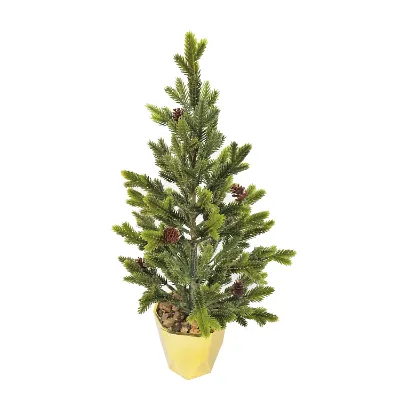
Luxury PVC PE Christmas Tree Mini Indoor and Outdoor for Xmas
MOQ: 600 Minimum
Huizhou Baoyingyi Metal Co., Ltd.
- Manufacturer, Trading Company
- Guangdong, China
- Lead time50 days
- Avg. response≤ 12h
Main productsArtificial Christmas Tree / Pre-Lit Tree / Pop-Up Tree / Tree Accessories
Main marketsNorth America(55.00%), Western Europe(32.00%), Northern Europe(5.00%), Eastern Europe(5.00%), Southern Europe(2.00%), Eastern Asia(1.00%)
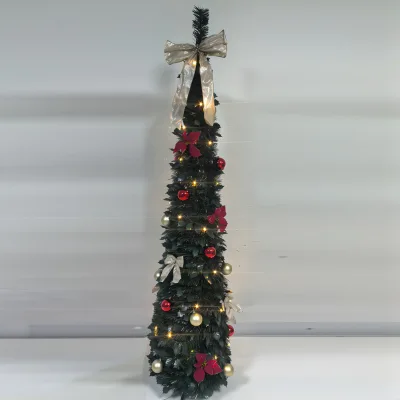
$10.2966 - $15.4442
MOQ: 100 pieces

Hot Sale High Quality Pre-Lit Warm Light Artificial Ribbon Christmas Tree
$10.2891 - $15.4337
MOQ: 100 pieces
Guangzhou Qingyuan Landscape Garden Design Co., Ltd.
- Trading Company
- Guangdong, China
- Lead time15 days
- Avg. response≤ 3h
Main productsartificial trees,artificial palm tree,artificial cherry blossom tree,The artificial peach trees,Guangzhou Shengjie Artificial Plant
Main marketsMid East(20.00%), Eastern Europe(10.00%), Southeast Asia(8.00%), Southern Europe(2.00%)
Shaanxi Longtree New Material Technology Co., Ltd.
- Verified by TüVRheinland
- Trading Company
- Lead time30 days
- Avg. response≤ 5h
Main productsArtificial Flower, Artificial Tree, Artificial Plants, Artificial Garland, Artificial Wreath
Main marketsNorth America(25%), Eastern Europe(20%), Western Europe(20%)
Yiwu Milai Stationery Co., Ltd.
- Verified by SGS Group
- Trading Company
- Lead time14 days
- Avg. response≤ 2h
Main productsBalloon and Balloon accessories, Paper Banner, Party Popper, Cake Stands, Wedding Decorations
Main marketsNorth America(30%), South America(23%), Eastern Europe(20%)







Comprehensive Sourcing Guide
Outdoor Commercial Artificial Christmas Tree Supplier Concentration and Factory Types
The current supplier landscape for outdoor commercial artificial Christmas trees reveals a distinct concentration of manufacturing and trading entities within China, specifically in the Guangdong region. This geographic clustering is significant for buyers because it indicates a mature industrial ecosystem capable of handling large-scale production of festive decorations. The presence of both trading companies and manufacturers/factories in this area suggests that buyers have access to a diverse range of sourcing options, from direct factory pricing to the logistical convenience of trading firms. Understanding this concentration helps in identifying where the supply chain infrastructure is most robust, particularly for items requiring complex assembly or specialized materials like fiberglass and LED lighting.
Within this regional cluster, the types of companies vary in their operational focus and capabilities. Some suppliers are identified as trading companies, which may offer a broader portfolio of related products such as Christmas ornaments, lanterns, and other decorative items, providing a one-stop-shop solution for event planners. Others are manufacturers or factories, often equipped with OEM and ODM capabilities, allowing for significant customization of tree designs, sizes, and lighting configurations. The distinction is crucial because manufacturers typically have more control over production quality and lead times, while trading companies might offer more flexible order quantities and consolidated shipping. Buyers should assess whether their project requires the bespoke nature of a factory or the convenience of a trading partner.
How to Verify Outdoor Commercial Artificial Christmas Tree Suppliers
Verifying the legitimacy and capability of suppliers requires a multi-layered approach that goes beyond simple profile reviews. One critical step is to check for third-party verification badges, such as CTI or Intertek, which indicate that an independent agency has inspected the supplier’s facilities and business operations. These verifications provide a layer of trust regarding the supplier’s existence and operational integrity. Additionally, buyers should look for system certifications like ISO 9001, ISO 45001, and ISO 14001, which demonstrate a commitment to quality management, occupational health and safety, and environmental management. These certifications are particularly important for commercial projects where safety standards and consistent quality are non-negotiable.
Beyond certifications, buyers must scrutinize the specific product evidence provided by suppliers to ensure it aligns with commercial requirements. This includes verifying that the products listed, such as giant outdoor trees or artificial cedar trees, have the necessary electrical and safety certifications like CE, RoHS, EMC, LVD, FCC, and SAA. These certifications are essential for ensuring that the LED lighting and electrical components meet international safety standards, reducing the risk of fire or electrical failure in public spaces. Buyers should also confirm the supplier’s ability to provide detailed product attributes, such as material composition (e.g., plastic, fiberglass) and power sources, to ensure the trees are suitable for their specific indoor or outdoor application.
What to Compare Across Outdoor Commercial Artificial Christmas Tree Suppliers
When evaluating multiple suppliers, buyers should compare key operational metrics such as lead times, minimum order quantities (MOQs), and response times to determine which partner best fits their project timeline and budget. Lead times can vary significantly, with some suppliers indicating a standard lead time of around 23 days, while others may offer faster turnaround times of 15 days or even zero days for stock items. Understanding these variations is critical for planning large-scale commercial installations where delivery deadlines are strict. Buyers should also consider the MOQ, which can range from a single unit for high-end custom trees to fifty pieces for smaller decorative trees, allowing for flexibility in order sizing based on project scale.
Response time is another vital metric that reflects the supplier’s efficiency and customer service quality. Suppliers with response times under five hours are generally more responsive to inquiries and potential issues, which is crucial for complex commercial orders that may require rapid adjustments or clarifications. Additionally, buyers should compare the range of main products offered, as suppliers with a diverse portfolio including Christmas balls, garlands, and other decorations may offer better bundling opportunities. The availability of customization options, such as OEM and ODM services, should also be weighed against the supplier’s ability to handle graphic processing and sample production, ensuring that the final product meets the specific aesthetic and functional requirements of the commercial space.
Common Outdoor Commercial Artificial Christmas Tree Sourcing Risks
One of the primary risks in sourcing outdoor commercial artificial Christmas trees is the potential mismatch between product specifications and actual delivery, particularly regarding size, material durability, and lighting performance. Buyers must be cautious of suppliers who provide vague product descriptions or lack detailed technical specifications, as this can lead to receiving trees that are not suitable for their intended outdoor environment. For instance, trees intended for outdoor use must withstand weather conditions, and buyers should verify that the materials, such as plastic or fiberglass, are rated for outdoor durability. Additionally, the quality of LED lights and electrical components is critical, as failures in these areas can compromise the entire installation and pose safety hazards.
Another significant risk is the inconsistency in lead times and production capacity, which can disrupt project schedules. Suppliers may promise short lead times but fail to deliver on time due to capacity constraints or poor production management. Buyers should be wary of suppliers with zero lead times, as this may indicate a lack of actual manufacturing capability or an overreliance on stock that may not meet specific customization needs. Furthermore, the risk of receiving products that do not meet the required safety certifications is high if buyers do not rigorously verify the supplier’s claims. Ensuring that all electrical components have the necessary certifications like CE and RoHS is essential to avoid legal and safety issues in commercial settings.
Outdoor Commercial Artificial Christmas Tree Regional Sourcing and Logistics
Sourcing from the Guangdong region in China offers logistical advantages due to its proximity to major shipping ports, such as Shenzhen, which facilitates efficient export operations. Buyers should consider the loading port specified by suppliers, as this can impact shipping costs and transit times. For example, suppliers loading from Shenzhen may offer more competitive freight rates and faster shipping options to international destinations. Understanding the regional logistics infrastructure helps buyers plan their supply chain more effectively, ensuring that large commercial trees, which may require special packaging like bubble wrap with wood frames or cartons, are shipped safely and efficiently.
Logistics planning also involves considering the packaging and handling requirements for large artificial trees, which can be bulky and fragile. Buyers should verify that suppliers use appropriate packaging methods to protect the trees during transit, such as carton packaging for smaller trees or specialized wooden frames for giant outdoor trees. This is particularly important for trees with intricate designs or delicate LED components that can be damaged during shipping. Additionally, buyers should be aware of the potential for customs delays and ensure that suppliers provide all necessary documentation, including certificates of origin and safety certifications, to facilitate smooth clearance at the destination port. Proper logistics planning can significantly reduce the risk of damage and delays, ensuring timely delivery for commercial installations.
Outdoor Commercial Artificial Christmas Tree Commercial Terms and Order Planning
Order planning for outdoor commercial artificial Christmas trees requires careful attention to commercial terms, including pricing, payment conditions, and customization agreements. Prices for these trees can vary widely, ranging from a few dollars for small decorative trees to thousands of dollars for large, custom-designed commercial trees. Buyers should request detailed quotes that break down costs for materials, labor, and shipping, ensuring transparency in pricing. Additionally, buyers should negotiate terms that allow for flexibility in order quantities, especially for projects with uncertain final requirements. Understanding the pricing structure helps in budgeting accurately and avoiding unexpected costs during the procurement process.
Customization is a key aspect of commercial tree sourcing, and buyers should establish clear agreements regarding design changes, sample approvals, and production timelines. Suppliers offering OEM and ODM services can provide tailored solutions, but buyers must ensure that all customization details are documented in the contract to avoid disputes. This includes specifying the exact dimensions, materials, lighting configurations, and any special features required for the commercial space. Buyers should also plan for sample production and approval processes, as these steps are crucial for verifying that the final product meets their expectations. Clear communication and detailed contracts are essential for successful order execution and customer satisfaction.
FAQs
What is the price range for outdoor commercial artificial Christmas trees?
Prices for these trees typically range from $1,000 to $4,000 depending on size and customization. Specific models like the GCT-18 start around $1,850, while smaller artificial trees can be found for as low as $1. Buyers should verify exact pricing based on their required height and feature specifications.
What certifications do these commercial Christmas trees have?
Most commercial outdoor trees carry CE, RoHS, EMC, LVD, FCC, and SAA certifications. These ensure electrical components meet international safety standards. Additionally, some manufacturers hold ISO 9001, ISO 14001, and ISO 45001 system certifications, indicating robust quality and environmental management practices for large-scale production.
What is the minimum order quantity for these trees?
Minimum order quantities vary significantly by product type. Giant commercial trees often have an MOQ of just one unit, allowing for single purchases. However, smaller artificial trees may require a minimum of 20 or 50 pieces. Buyers should check specific product listings to confirm the exact MOQ for their desired model.
How long does production and delivery take?
Lead times generally range from 15 to 23 days for standard orders. Some suppliers offer zero lead time for specific stock items, while sample times for custom designs can take 7 to 15 days. Response times for inquiries average between 4 and 12 hours, ensuring quick communication during the sourcing process.
Can these trees be customized for specific events?
Yes, customization is widely available for commercial trees. Suppliers offer OEM and ODM services, allowing for custom shapes, colors, and lighting configurations. Materials like plastic and fiberglass are used, with options for indoor and outdoor applications. Buyers can request specific designs to match their venue or event theme requirements.
Where are these commercial Christmas trees manufactured?
These trees are primarily manufactured in China, with many suppliers located in Guangdong province. Major loading ports include Shenzhen, facilitating efficient export logistics. The products are explicitly marked as originating from China, ensuring buyers know the supply chain origin for compliance and shipping calculations.