Reusable CE Surgical Tray Suppliers and Manufacturers
Source 31 suppliers for Reusable CE Surgical Tray options including plastic and metal variants. Compare ISO 9001 and ISO 13485 certifications, lead times, and MOQs to find the right fit. Contact verified factories directly to request samples and pricing; review the available evidence before requesting comparable quotations from suitable candidates.
Updated
Suppliers List

- Trading Company,Manufacturer/Factory
- China Shandong
- Lead time0 days
- Avg. response≤ 7h
Main productsTourniquet, Nonwoven Consumables, Surgical Suture, Bandage, Ostomy Bag, Urine Bag, Cotton Wool Roll, Blood Lancet, Lab Consumable


$0.10 - $0.30
MOQ: 5000 Pieces


Anping County Dinghe Wire Mesh Co., LTD
- Verified by CTI
- Manufacturer/Factory
- China Hebei
- Lead time23 days
- Avg. response≤ 11h
Main productsStainless Steel Wire Mesh, Wire Mesh Curtain, Wire Mesh Belt, Expanded Metal Mesh, Pleating Machine, Baling Wire, Binding Wire, Filter Disc, Knitted Wire Mesh, Woven Wire Mesh
Main marketsMid East,North America,Southeast Asia,Western Europe,Africa
Qingdao Hiprove Medical Technologies Co., Ltd.
- Trading Company
- Shandong, China
- Lead time15 days
- Avg. response≤ 7h
Main productsTourniquets,Bandages,Catheters,Medical needles,Laboratory products
Main marketsAfrica(20.00%), Mid East(18.00%), Southeast Asia(10.00%), South America(10.00%), Central America(5.00%), Western Europe(5.00%), Domestic Market(5.00%), Eastern Europe(5.00%), South Asia(5.00%), North America(5.00%), Eastern Asia(3.00%), Oceania(3.00%), Southern Europe(3.00%), Northern Europe(3.00%)
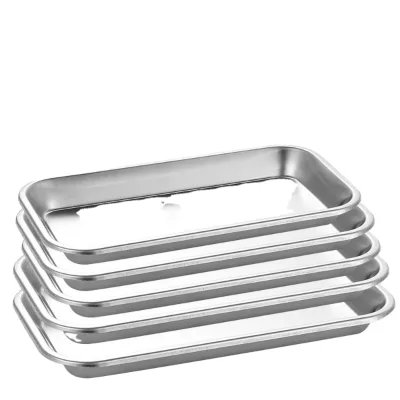
Hot Sale Reusable Autocalvable Stainless Steel Surgical Instrument Trays
$0.80 - $7.20
MOQ: 500 Minimum
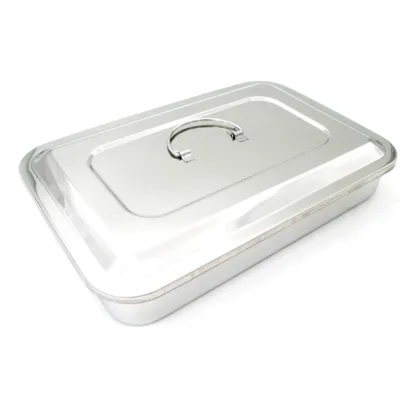
$0.10 - $1.00
MOQ: 100 Minimum

CIS (Nanjing) Medical Technology Co., Ltd.
- Verified by BV
- Combined
- China Jiangsu
- Lead time15 days
- Avg. response≤ 1h
Main productsDisposable Consumable, Medical Wire, Medical Tubing, Medical Needle, Medical Cable, Harmonic Scalpel, Sterilization Box, Disposable Electrosurical Pencil
Main marketsDomestic


Reusable Sterilizing Box Surgical Use Trays Sterilization Box with Silicone Pad
$38.00 - $261.00
MOQ: 1 Pieces


- Verified by BV
- Manufacturer/Factory
- China Jiangsu
- Lead time38 days
- Avg. response≤ 11h
Main productsGauze Swab, Surgical Towel, Shoe Cover, Face Mask, Gauze Bandage, Urine Bag, Feeding Bag, Vinyl Gloves, Hot Water Bag, Spinal Needle
Main marketsSouth America,Eastern Europe,Mid East,North America,Southeast Asia,Eastern Asia,Oceania,Western Europe,Africa

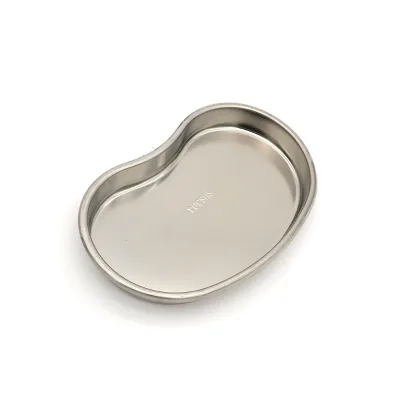
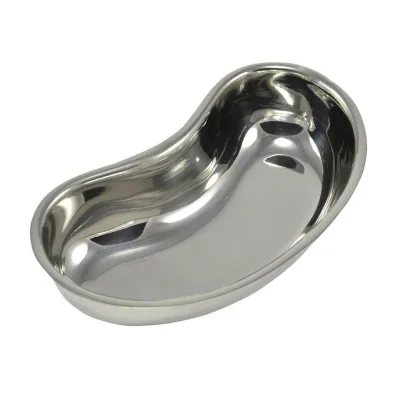
CE Quality Kidney Dish Tray Hospital Medical Sector Supplies Surgical Purpose
$0.05 - $0.17
MOQ: 30000 Pieces

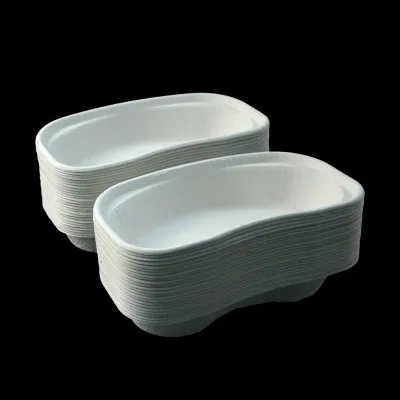
Eco-Friendly Surgical Operating Kidney Tray Dish for Hospital Medical Use
$0.05 - $0.17
MOQ: 30000 Pieces

Professional Customized Kidney Dish Tray for Hospital Clinics Medical Surgical Tray OEM
$0.05 - $0.17
MOQ: 30000 Pieces
Guangzhou Elega Import&export Trading Co., Ltd.
- Manufacturer, Trading Company
- Guangdong, China
- Lead time10 days
- Avg. response≤ 2h
Main productsBlood pressure monitor,Stethoscope,Surgical Instrument,Thermometer,Patient monitor
Main marketsAfrica(52.00%), Southeast Asia(10.00%), Domestic Market(10.00%), South America(10.00%), Mid East(5.00%), Eastern Europe(5.00%), Western Europe(5.00%), North America(2.00%), Oceania(1.00%)
Guangzhou Doctor Deer Medical Technology Co., Ltd.
- Trading Company, Agent, Distributor/Wholesaler
- Guangdong, China
- Lead time0 days
- Avg. response≤ 7h
Main productscupping cups,body massager,rehabition therapy,test strips,wheelchair
Main marketsSoutheast Asia(20.00%), Eastern Europe(20.00%), South America(20.00%), North America(20.00%)
Chaozhou Yazhiyi Medical Device Co., Ltd.
- Manufacturer, Trading Company
- Guangdong, China
- Lead time10 days
- Avg. response≤ 1h
Main productsMedical equipment,Medical trolley,Medical furniture,medical apparatus and instruments,furniture
Main marketsSoutheast Asia(35.00%), Africa(25.00%), Mid East(23.00%), Southern Europe(9.00%), South Asia(8.00%)
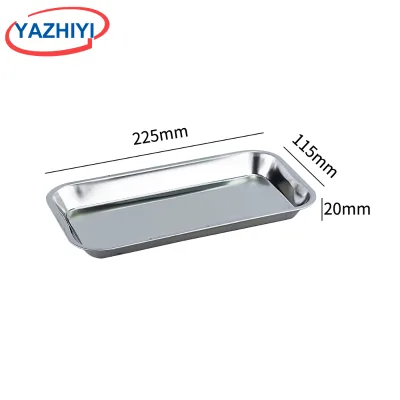
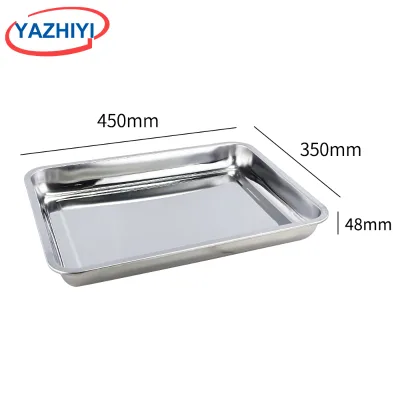
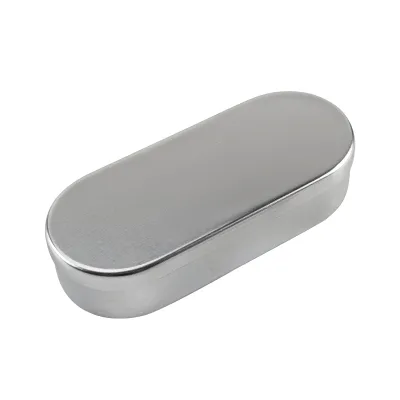
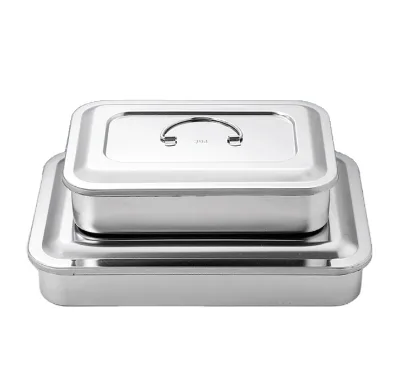
High Quality Wholesale Surgical Instruments Tray 304 Stainless Steel Sterilizing Box Without Hole
$0.7211 - $1.0292
MOQ: 1 Minimum

Henan Yulin Edu. Project Co., Ltd.
- Manufacturer, Trading Company
- Henan, China
- Lead time7 days
- Avg. response≤ 2h
Main productsTongue coating brush,Dental consumables,Personal care,Dental model,Whitening braces
Main marketsSouth America(15.00%), Mid East(15.00%), Africa(10.00%), Eastern Europe(10.00%), Domestic Market(5.00%), South Asia(5.00%), Southern Europe(5.00%), Northern Europe(5.00%), Central America(5.00%), Western Europe(5.00%), Eastern Asia(5.00%), North America(5.00%), Oceania(5.00%), Southeast Asia(5.00%)
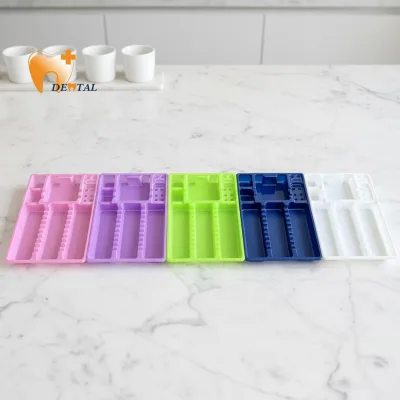
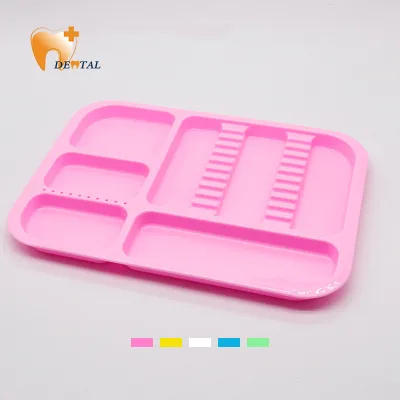
$2.4116 - $2.443
MOQ: 100 pieces
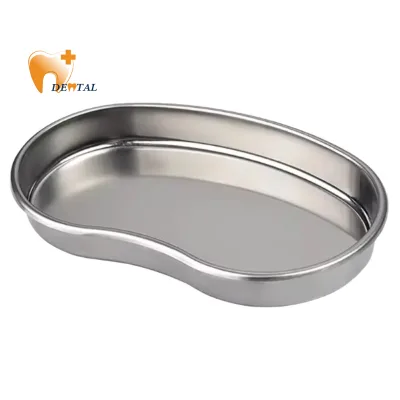

Hefei YuChen Plastic Products Co., Ltd.
- Verified by SGS
- Combined
- China Anhui
- Lead time30 days
- Avg. response≤ 5h
Main productsPE Film, Non Woven Material, Medical Laminated Material, Underpad, Disposable Non Woven Cap, Disposable Clothing, Disposable Glove, PE Apron, PE Sleeve Cover
Main marketsSouth America,Africa,Southeast Asia/ Mideast,East Asia(Japan/ South Korea),Domestic,Europe,Australia,North America
Youwei Technology (Zhengzhou) Co., Ltd.
- Verified by Intertek
- Manufacturer
- Lead time0 days
- Avg. response≤ 4h
Main productsDental instruments,Dental supplies,Dental X Ray,dental impression materials,Oral treatment equipment
Main marketsNorth America(20%), Southeast Asia(20%), Northern Europe(15%)

Ningbo Kangjiale Medical Devices Co., Ltd.
- Verified by TUVRHEINLAND
- Combined
- China Zhejiang
- Lead time30 days
- Avg. response≤ 3h
Main marketsDomestic

Disposable Medical Trays for Surgical Procedures and Clinical Applications
$0.10 - $0.50
MOQ: 10000 Pieces


Medical Kidney Trays for Surgical Procedures and Clinical Applications
$0.10 - $0.50
MOQ: 10000 Pieces

Disposable Kidney Trays for Surgical Procedures and Clinical Applications
$0.10 - $0.50
MOQ: 10000 Pieces


OEM Disposable Kidney Trays for Surgical Procedures and Clinical Applications
$0.10 - $0.50
MOQ: 10000 Pieces

Henan Yuenai Trading Co., Ltd.
- Trading Company
- Henan, China
- Lead time5 days
- Avg. response≤ 2h
Main productsMedical consumables,safety butterfly needle,Vacuum blood collection,wheelchair,Medical equipment
Main marketsEastern Asia(30.00%), Southeast Asia(20.00%), Western Europe(20.00%), Africa(20.00%), Mid East(10.00%)

Sainty International Group Jiangsu Yangzhou Sumex Imp. & Exp. Co., Ltd.
- Trading Company
- China Jiangsu
- Lead time30 days
- Avg. response≤ 12h
Main productsSyringe, Suction Catheter, Endotracheal Tube, Drainage Bag, Bandage, Dental Instrument, Surgical Gown, Vaginal Speculum, Vacutainer, Suture
Main marketsSouth America,Africa,Southeast Asia/ Mideast,East Asia(Japan/ South Korea),Europe,Australia,North America
Nanyang Major Medical Products Co., Ltd.
- Manufacturer
- Lead time旺季: "1 - 1000":5,"> 1000":"To be negotiated", 淡季: "1 - 1000":5,"> 1000":"To be negotiated"
- Avg. response≤ 5h
Main productsSurgical Packs,Surgical Drapes,Surgical Gowns,Equipment Covers,Warming Blanket
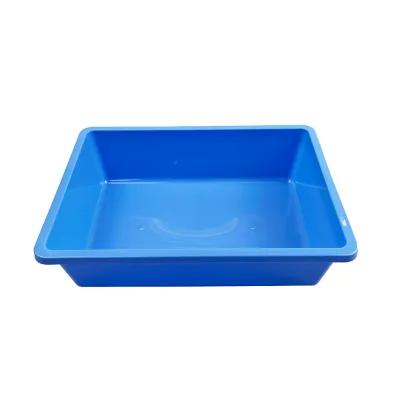
Disposable Tray Medical Grade Plastic Disposable Trays With 6000ml Scale
$0.0614 - $0.5939
MOQ: 1 Minimum

Hangzhou Kangyijiu Medical Technology Co., Ltd.
- Verified by BV
- Combined
- China Shanghai
- Lead time30 days
- Avg. response≤ 17h
Main productsSterlization Container, Sterlization Tray, Sterilization Box, Sterlization Basket, Instrument Box, Instrument Container
Main marketsDomestic

High Durability Durable Customizable General Surgical Instrument Tray for Hospital Operating Rooms
$10.00 - $200.00
MOQ: 50 Pieces

Practical General Stainless Steel Standard Sterilization Tray for Orthopedic Operating Room
$10.00 - $200.00
MOQ: 50 Pieces

$10.00 - $200.00
MOQ: 50 Pieces

Long Service Life High Durability Customizable General Sterilization Tray for Pediatric Surgery
$10.00 - $200.00
MOQ: 50 Pieces

$10.00 - $200.00
MOQ: 50 Pieces

Thin and Slim Design Resin General Surgical Instrument Tray for Emergency Operating Room
$10.00 - $200.00
MOQ: 50 Pieces

Shanghai Senyou Medical Supply Co., Ltd
- Trading Company,Manufacturer/Factory
- China Shanghai
- Lead time30 days
- Avg. response≤ 6h
Main productsDisposable Medical Supplies
Main marketsEastern Europe,Mid East,Southeast Asia,Eastern Asia,Oceania,Western Europe,Africa

Disposable Medical Plastic Bowl and Instrument Tray for Surgical Procedure
$0.04 - $0.45
MOQ: 1000 Pieces


$0.04 - $0.45
MOQ: 1000 Pieces


Disposable Medical Plastic Bowl and Tray for Surgical Pack Components OEM Manufacturer
$0.04 - $0.45
MOQ: 1000 Pieces

Pingdingshan Med-Healthily Supplies Co., Ltd.
- Manufacturer, Trading Company
- Henan, China
- Lead time30 days
- Avg. response≤ 2h
Main productsDisposable surgical Gowns /Suits,Disposable Surgical Drapes,Disposable Surgical Pack /Kits,Medical Instrument Covers,Dressing Kits
Main marketsSoutheast Asia(18.00%), Central America(15.00%), South America(15.00%), Africa(10.00%), Southern Europe(5.00%), Northern Europe(5.00%), Eastern Europe(5.00%), Western Europe(5.00%), Eastern Asia(5.00%), South Asia(5.00%), Oceania(5.00%), North America(5.00%), Mid East(2.00%)
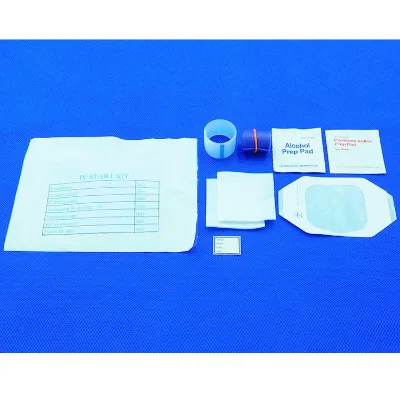
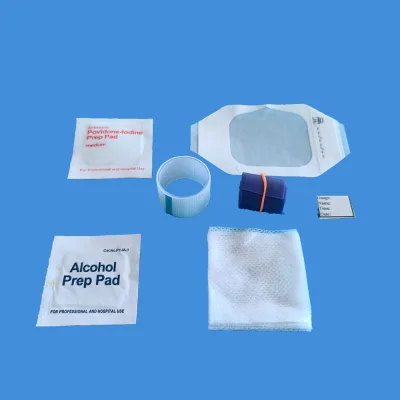
Wholesale Minor Procedure Tray Surgical Dressing Trays Disposable IV Start Kit Medical
$0.0104 - $0.3007
MOQ: 2000 Minimum
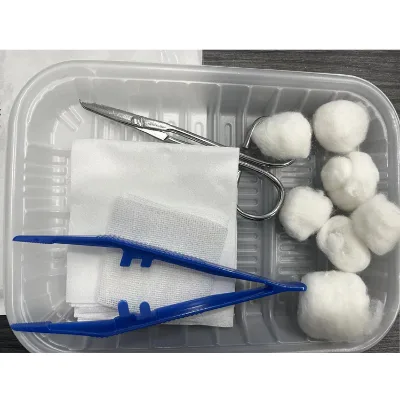
Customized Skin Prep Trays Disposable Sterile Dressing Kit Suture Removal Kit /Trays
$0.01 - $0.29
MOQ: 1000 Minimum
- Verified by SGS Group
- Trading Company
- Zhejiang, China
- Lead time旺季: "1 - 1000":20,"> 1000":"To be negotiated", 淡季: "1 - 1000":20,"> 1000":"To be negotiated"
- Avg. response≤ 3h
Main productsDigital Thermometer, Blood Pressure Monitor, Blood Glucose Meter, Wheelchair/ Walking Aids
Main marketsSouth America(30%), Africa(20%), Mid East(20%)
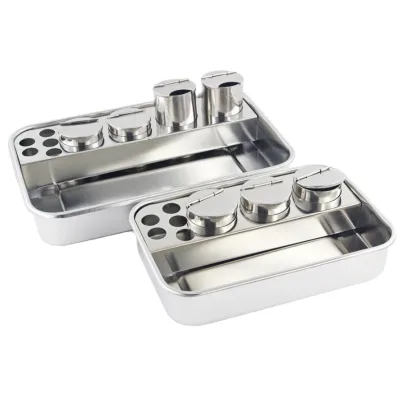
$6.9773 - $8.0036
MOQ: 50 pieces
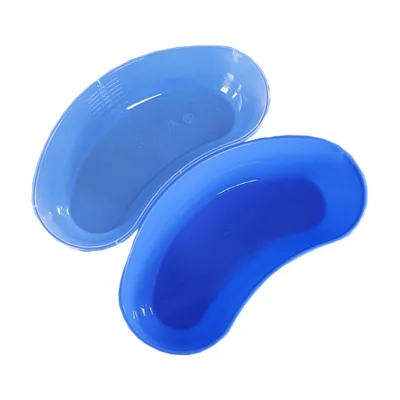
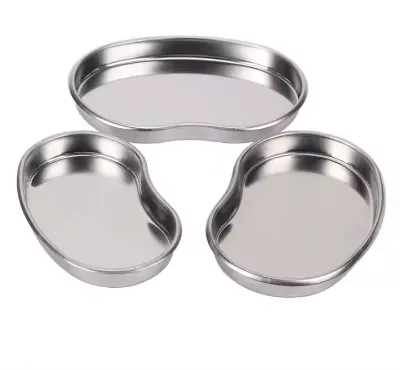
$1.0263 - $1.5394
MOQ: 50 parcels
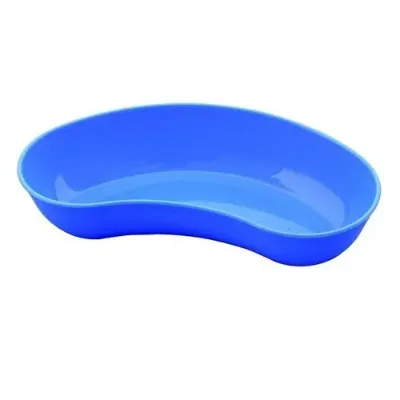
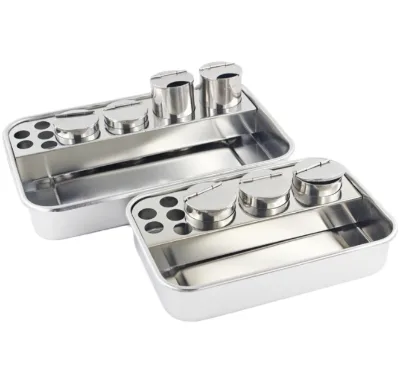
High Quality Kidney Tray for Hospital Use Medical Consumables Certified ABS Material Warms Deeply
$0.2364 - $0.3082
MOQ: 200 pieces

Shandong Harmowell Trade Co., Ltd.
- Verified by BV
- Trading Company
- China Shandong
- Lead time38 days
- Avg. response≤ 3h
Main productsMedical Equipment, Medical Supply, Hospital Furniture, Blood Collection Tube, Rapid Test Kit, Laboratory Supplies, Medical Catheter, Anesthesia Machine, Laboratory Analyzer, Laboratory Centrifuge
Main marketsSouth America,Eastern Europe,Mid East,North America,Southeast Asia,Eastern Asia,Oceania,Western Europe,Africa

Qingdao Love Squirrel International Trade Co., Ltd.
- Trading Company
- Shandong, China
- Lead time2 days
- Avg. response≤ 3h
Main productsFalse Eyelashes,Eyelash Extensions,Eyelash Tools,Eyelash Glue,Eyelash Cleaning Mousse
Main marketsNorth America(51.00%), Western Europe(17.00%), South America(7.00%), Oceania(6.00%), Central America(5.00%), Africa(4.00%), South Asia(3.00%), Southeast Asia(3.00%), Eastern Europe(2.00%), Mid East(2.00%)
Qingdao Hiprove Medical Technologies Co., Ltd.
- Verified by TüVRheinland
- Trading Company
- Lead time15 days
- Avg. response≤ 3h
Main productsMedical Dressing And Bandage, Injection And Infusion Products, Breathing And Anaesthesia, Medical Protection Products, Laboratory Products
Main marketsAfrica(20%), Mid East(20%), South America(10%)
Data Biotechnology (Hangzhou) Co., Ltd
- Manufacturer, Trading Company
- Zhejiang, China
- Lead time0 days
- Avg. response≤ 2h
Main productsBicycle,Electric bicycle,Bicycle accessories,Customized bicycle,electrocar
Main marketsNorth America(40.00%), Mid East(10.00%), Western Europe(10.00%), Eastern Europe(10.00%), South America(10.00%), Southern Europe(5.00%), Northern Europe(5.00%), Southeast Asia(5.00%), Eastern Asia(5.00%)

Sunny Medical Equipment Limited
- Verified by SGS
- Manufacturer/Factory
- China Guangdong
- Lead time0 days
- Avg. response≤ 9h
Main productsEndoscope Camera, B-Ultrasound Scanner, Laboratory Equipment, ECG, Patient Monitor, Dental Equipment, Dialysis Machine, X-ray Machine, Veterinary Equipment

High Quality Cheap Price Medical Basis Neck Dissection Tray Essential Surgical Instrument
$50.00 - $550.00
MOQ: 1 pieces

High Quality Tonsillectomy Tray Set Medical Instrument Tonsillectomy Tray for Surgical Use
$185.00 - $395.00
MOQ: 1 pieces

Hubei Cfull Medical Technology Co., Ltd.
- Manufacturer, Trading Company
- Hubei, China
- Lead time15 days
- Avg. response≤ 13h
Main productsAir disinfection,Medical temperature controller,Fast bio reader,Intelligent hospital blood collection management system,Testing Instrument & Equipment
Main marketsNorthern Europe(10.00%), Eastern Asia(10.00%), Mid East(10.00%), Oceania(10.00%), Africa(10.00%), Southeast Asia(10.00%), Eastern Europe(10.00%), South America(10.00%), Central America(10.00%), Western Europe(5.00%), North America(5.00%)
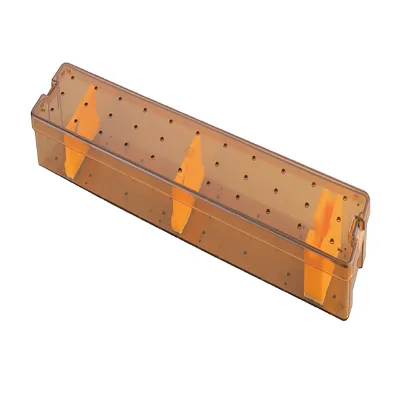
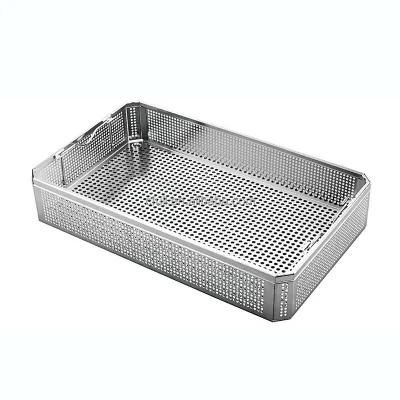
$100.00 - $400.00
MOQ: 1 Minimum
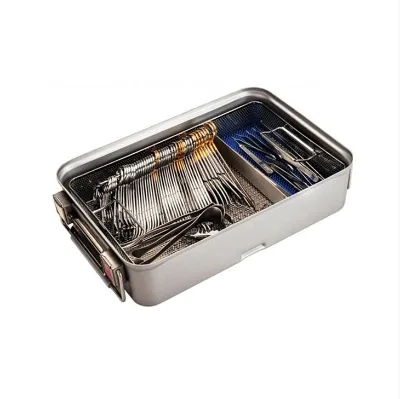
$10.2611 - $20.5221
MOQ: 1 Minimum
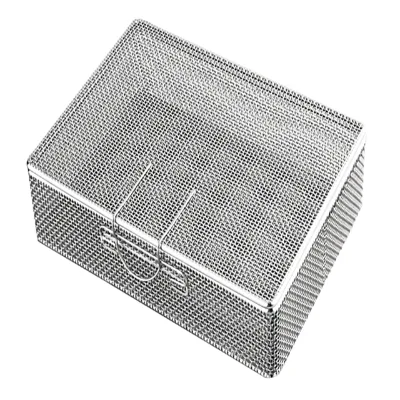
$20.00 - $96.00
MOQ: 1 Minimum
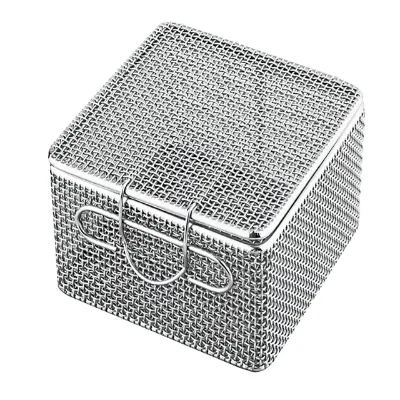
$10.3538 - $20.7061
MOQ: 1 Minimum

Ningbo Ks Medical Tech Co., Ltd.
- Trading Company
- Zhejiang, China
- Lead time25 days
- Avg. response≤ 4h
Main productsSurgical Equipment,Medical Products,Med Household Goods,Rehabilitation Products,Medical and Lab Consumables
Main marketsNorth America(50.00%), Africa(15.00%), Domestic Market(10.00%), Eastern Europe(10.00%), Western Europe(5.00%), Northern Europe(5.00%), Central America(5.00%)

Foshan SCS Medical Instrument Co., Ltd.
- Verified by BV
- Manufacturer/Factory
- China Guangdong
- Lead time15 days
- Avg. response≤ 5h
Main productsDental Unit / Dental Chair, Ent Unit, Dental Handpiece, Curing Light, Autoclave, Air Compressor, Scaler, Oral Camera / Monitor, X-ray Equipment, Diamond Burs / Files
Main marketsSouth America,Eastern Europe,Mid East,North America,Southeast Asia,Eastern Asia,Oceania,Western Europe,Africa

Best Selling Made Instrument Tray New Surgical Sterilization Tray for Instrument
$9.00 - $12.00
MOQ: 1 Pieces

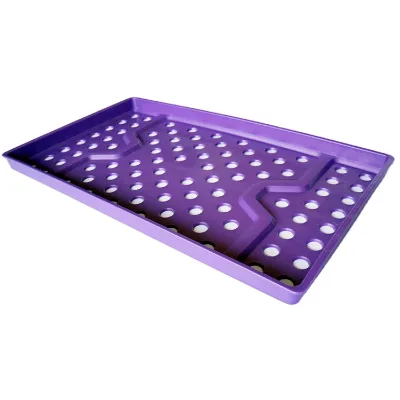
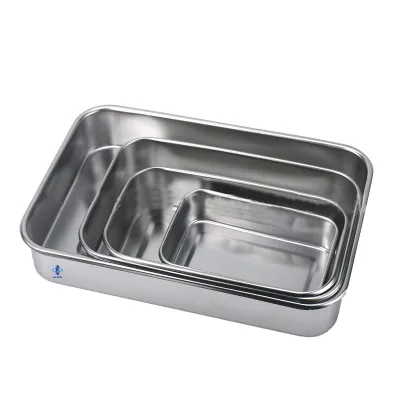
Orthopedic Medical Stainless Steel Wire Mesh Baskets of Surgical Instruments Sterilization Trays
$4.50 - $9.00
MOQ: 1 Pieces

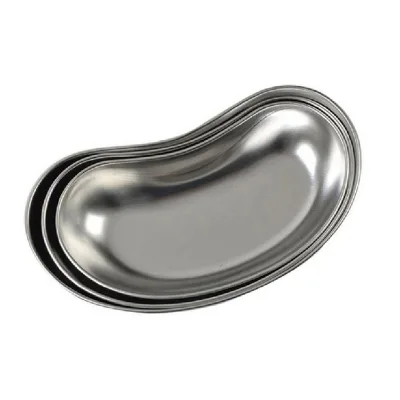
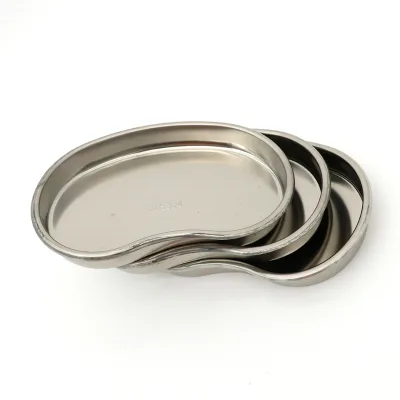
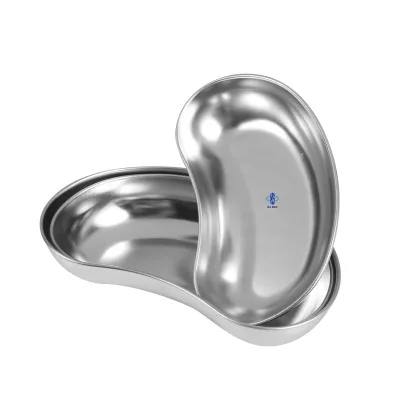
Professional Kidney Trays Stainless Steel Surgical Instruments High Quality Medical Kidney Trays
$4.50 - $9.00
MOQ: 1 Pieces
Ningbo Justop Medical Instruments Co., Ltd.
- Verified by SGS Group
- Trading Company
- Lead time30 days
- Avg. response≤ 6h
Main productsMedical Equipments
Main marketsAfrica(30%), Southeast Asia(20%), Mid East(10%)

CHINA HUAMEI MEDICAL INSTRUMENT CO., LTD.
- Combined
- China Shanghai
- Lead time38 days
- Avg. response≤ 16h
Main productsSurgical Instruments Surgical Scissors, Sterilization Pouch Bags Tyvek Pouches, Sterile Bags Pouches Medical Packaging, Medical Disposable Products, Paper Printing Label Printing, Travek Pillows Inflatable Pillows, Wrist Bands ID Bands, Medical Packaging Material, Gamma Radiation Sterilization, Ethelene Oxide Sterilization
Main marketsSoutheast Asia/ Mideast,Domestic,Europe,Australia,North America

Customized Hospital Disposables Injection Surgical Instruments Sterilising Trays
$4.00 - $4.60
MOQ: 100 Pieces

Chongqing New World Trading Co., Ltd.
- Verified by SGS Group
- Trading Company
- Lead time30 days
- Avg. response≤ 4h
Main productsBlood Collection Needle, Specimen Collection Swab, Urine Container, Vacuum Blood Collection Tube, Centrifuge Tube
Main marketsAfrica(22%), Southeast Asia(17%), South Asia(15%)

Choukroun Medical Technology (suzhou) Co., Ltd.
- Manufacturer
- Jiangsu, China
- Lead time15 days
- Avg. response≤ 3h
Main productsPRP tube,PRF tube,Centrifuge,Dialyzer,Dialysate
Main marketsNorth America(35.00%), Southeast Asia(15.00%), South America(15.00%), Western Europe(15.00%), Northern Europe(10.00%), Mid East(5.00%), Eastern Europe(5.00%)


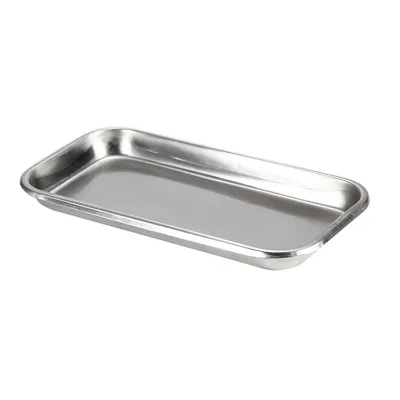
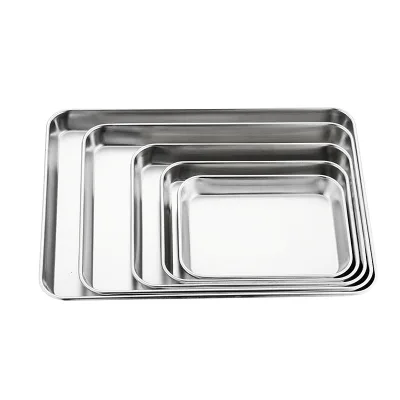




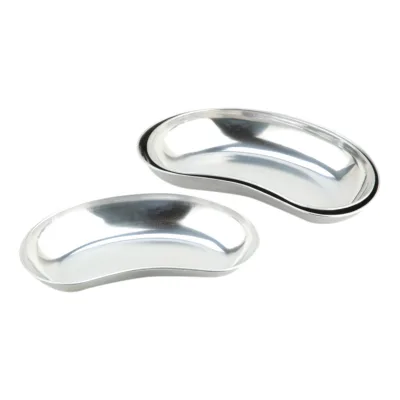
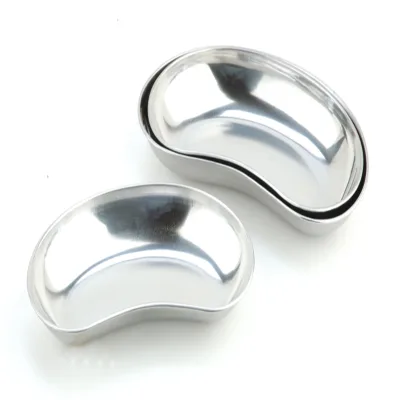
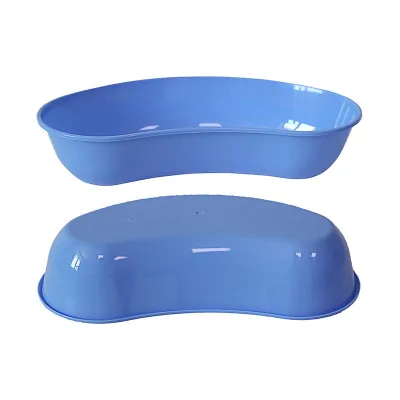
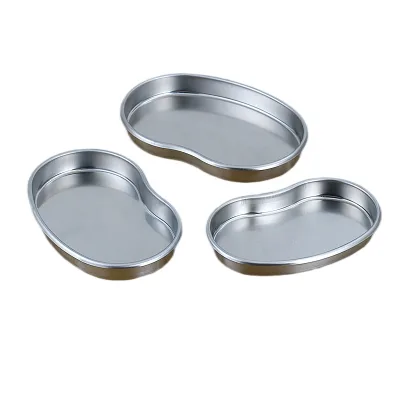
Comprehensive Sourcing Guide
Reusable CE Surgical Tray Supplier Concentration and Factory Types
The current supplier landscape for reusable CE surgical trays reveals a distinct concentration of manufacturing and trading entities within specific Chinese provinces, primarily Shandong and Hebei. Suppliers located in Shandong often operate as either trading companies or direct manufacturers, offering a diverse range of main products that include tourniquets, nonwoven consumables, surgical sutures, bandages, ostomy bags, urine bags, cotton wool rolls, blood lancets, and lab consumables. This broad product portfolio suggests that many Shandong-based suppliers are versatile medical supply hubs capable of providing comprehensive surgical instrument solutions alongside their core consumable offerings. The presence of both trading companies and factories in this region indicates a mixed supply chain where buyers might encounter intermediaries or direct production sources, requiring careful distinction during the vetting process to ensure direct access to manufacturing capabilities and pricing structures.
In contrast, suppliers situated in Hebei province appear to be predominantly manufacturer/factory entities, focusing heavily on metal-based products such as stainless steel wire mesh, wire mesh curtains, wire mesh belts, expanded metal mesh, pleating machines, baling wire, binding wire, filter discs, knitted wire mesh, and woven wire mesh. This specialization in metal fabrication aligns closely with the production of durable, reusable surgical instrument baskets and trays, which often require high-quality metal weaving and processing techniques. The Hebei suppliers listed are verified by CTI, a third-party inspection agency, which adds a layer of credibility to their manufacturing claims. This regional distinction allows buyers to target Shandong for broader medical supply integration or Hebei for specialized metal tray fabrication, depending on whether the priority is product variety or specific material expertise in surgical storage and sterilization equipment.
How to Verify Reusable CE Surgical Tray Suppliers
Verifying the legitimacy and capability of suppliers requires a multi-layered approach that goes beyond basic company profiles, focusing on tangible evidence of manufacturing capacity and quality assurance. For suppliers in Hebei, the presence of CTI verification is a critical starting point, indicating that an independent third party has inspected their facilities and operations. Buyers should request recent inspection reports or certificates to confirm that the verification is current and covers the specific production lines for surgical trays. Additionally, suppliers in Shandong may hold ISO 9001 system certification, which is a fundamental requirement for quality management in medical device manufacturing. Buyers must verify the scope of this certification to ensure it explicitly covers the production of reusable surgical instruments and trays, rather than just general trading activities or unrelated consumable lines.
Beyond certifications, buyers should scrutinize the specific product attributes and customization options provided by the supplier to assess their technical competence. For instance, some suppliers offer products with specific material compositions, such as plastic trays with high-temperature resistance up to 150 degrees centigrade, or metal trays with mesh sizes of 4mm and wire diameters of 1mm. These detailed specifications indicate a level of engineering precision that is essential for reusable surgical equipment. Buyers should also check for OEM support and logo printing availability, as these services often require dedicated production lines and quality control processes. Requesting samples of these specific attributes allows buyers to physically inspect the build quality, surface treatment, and durability of the trays, ensuring they meet the rigorous standards required for hospital use and repeated sterilization cycles.
What to Compare Across Reusable CE Surgical Tray Suppliers
When evaluating multiple suppliers, buyers must compare key operational metrics such as lead times, minimum order quantities (MOQs), and response speeds to determine which partner best fits their procurement strategy. Response times vary significantly, with some suppliers responding within an average of 6.85 hours, while others may take up to 10.82 hours. Faster response times are crucial for resolving technical queries and negotiating custom specifications, especially when dealing with complex reusable tray designs. Lead times also differ, with some suppliers indicating a lead time of 23 days, which is typical for manufactured goods requiring production scheduling. Buyers should clarify whether this lead time includes material sourcing, production, and quality inspection, or if it is an estimate based on stock availability. Understanding these timelines helps in planning inventory levels and avoiding production delays in hospital settings.
MOQs present another critical comparison point, ranging from low thresholds like 15 pieces for certain sterilization trays to higher volumes of 200 or 5000 pieces for other product lines. Low MOQs are advantageous for testing new suppliers or fulfilling small-scale hospital orders, while higher MOQs may offer better unit pricing for large institutional contracts. Buyers should also compare price ranges, which can vary from as low as $0.10 to as high as $50.00 per unit, depending on the material, size, and customization level. For example, plastic trays may have different pricing structures compared to metal wire mesh baskets. Additionally, comparing the available customization options, such as color choices, logo printing, and size adjustments, allows buyers to assess the flexibility of each supplier. Suppliers offering OEM support and custom sizes provide greater value for buyers seeking branded or specialized surgical equipment.
Common Reusable CE Surgical Tray Sourcing Risks
One significant risk in sourcing reusable surgical trays is the potential mismatch between claimed certifications and actual product compliance, particularly regarding sterilization methods and material safety. Some suppliers list products as being without ethylene oxide sterilization, which is a common method for medical devices, while others may not specify sterilization status at all. Buyers must ensure that the trays they purchase are compatible with their hospital’s sterilization protocols, whether that involves pressure steam, ethylene oxide, or other methods. Using trays that are not properly sterilized or are made from materials that degrade under specific sterilization conditions can lead to patient safety issues and regulatory violations. Additionally, the claim of "Reusable" status must be backed by evidence of durability and resistance to repeated cleaning cycles, as premature wear can compromise the integrity of the surgical instruments stored within.
Another risk involves the accuracy of product specifications and dimensions, which can vary significantly between suppliers. For instance, some trays are specified with dimensions like 5932.53.65 cm or 59033036mm, while others may have different standard sizes. Buyers must verify that the trays they order fit their existing sterilization equipment and storage racks, as mismatched dimensions can cause logistical issues in hospital settings. Furthermore, the use of different materials, such as plastic versus metal, introduces varying risks regarding corrosion, breakage, and weight. Metal trays, while durable, may be prone to rust if not properly treated, while plastic trays may crack under high temperatures. Buyers should request detailed material certificates and test reports to mitigate these risks, ensuring that the chosen trays meet the necessary durability and safety standards for long-term use in medical environments.
Reusable CE Surgical Tray Regional Sourcing and Logistics
Sourcing from China offers logistical advantages due to the established infrastructure for medical device exports, but buyers must navigate regional differences in supply chain efficiency. Suppliers in Shandong, being a major industrial province, often have access to a wide range of raw materials and component suppliers, which can streamline the production of diverse medical products. This concentration of resources may lead to faster production cycles for complex orders involving multiple product types, such as combining surgical trays with other consumables. However, buyers should also consider the proximity to major ports, as Shandong’s coastal location facilitates efficient shipping to international destinations. Understanding the specific logistics capabilities of each supplier, including their experience with export documentation and customs clearance, is essential for ensuring timely delivery and avoiding unexpected delays.
In contrast, suppliers in Hebei, while specialized in metal fabrication, may have different logistical profiles based on their inland location. Buyers sourcing metal trays from Hebei should evaluate the supplier’s ability to handle heavy or bulky items, as metal trays can be weighty and require robust packaging to prevent damage during transit. The use of wooden cases for packing, as noted in some product attributes, indicates a focus on protecting the trays during shipping, but buyers should confirm that this packaging meets international shipping standards. Additionally, buyers should assess the supplier’s experience with international freight forwarding, as inland suppliers may rely on third-party logistics providers to reach coastal ports. Comparing the total landed cost, including shipping and insurance, is crucial for determining the true value of sourcing from different regions, as transportation costs can significantly impact the final price of the surgical trays.
Reusable CE Surgical Tray Commercial Terms and Order Planning
Commercial terms and order planning are critical factors that influence the overall cost and efficiency of sourcing reusable surgical trays. Buyers should negotiate clear payment terms, such as letters of credit or escrow services, to protect their interests during the transaction. Some suppliers may offer sample availability, which is a valuable opportunity to test product quality before committing to a large order. However, buyers should clarify whether sample costs are refundable upon placing a bulk order, as this can affect the initial investment. Additionally, understanding the warranty and quality guarantee periods is essential, as some suppliers offer a two-year guarantee on their products. This warranty coverage provides peace of mind and ensures that the supplier stands behind the durability and performance of their trays, reducing the risk of financial loss due to product defects.
Order planning should also consider the scalability of the supplier’s production capacity and their ability to handle rush orders. Suppliers with OEM capabilities and flexible customization options are better positioned to meet changing market demands and specific hospital requirements. Buyers should establish a long-term relationship with suppliers who demonstrate consistent quality and reliable lead times, as this stability is crucial for maintaining a steady supply of surgical equipment. Regular communication and periodic audits of the supplier’s production processes can help identify potential issues early and ensure continuous improvement. By carefully evaluating commercial terms and planning orders strategically, buyers can optimize their procurement process, reduce costs, and ensure the availability of high-quality reusable surgical trays for their medical facilities.
FAQs
What is the price range for reusable CE surgical trays?
Prices for reusable surgical trays typically range from $0.10 to $50.00 per unit depending on material and size. Plastic trays often cost between $4.00 and $5.00, while metal sterilization baskets may range from $20.00 to $50.00. Buyers should verify specific quotes based on customization needs and order volume.
What materials are used for reusable surgical instrument trays?
Reusable surgical trays are commonly manufactured from plastic or metal materials. Plastic options are often autoclavable and resistant to high temperatures up to 150 degrees Celsius. Metal trays, typically made from 304 or 316 stainless steel, offer durability for pressure steam sterilization and are suitable for long-term hospital use.
What are the minimum order quantities for surgical trays?
Minimum order quantities vary significantly by product type. Plastic instrument trays may require a minimum of 200 units, while specialized sterilization trays can have an MOQ of just 15 pieces. Metal wire baskets often start at 10 units. Buyers should confirm specific MOQs with suppliers before placing orders.
Are OEM and customization options available for surgical trays?
Yes, OEM services and customization are widely available for surgical trays. Suppliers support custom sizes, colors, and logo printing. Many manufacturers offer own-brand options and tailored specifications to meet specific hospital or clinic requirements. Buyers should discuss their exact needs directly with the supplier to ensure compatibility.
What certifications do surgical tray suppliers hold?
Suppliers often hold ISO 9001 and ISO 13485 certifications for quality management. Some metal tray products also carry CE certification. These credentials indicate compliance with international standards for medical device manufacturing. Buyers should request valid certificates to verify supplier qualifications and product safety before procurement.
Where are surgical tray manufacturers located?
Manufacturers of surgical trays are primarily located in China, specifically in Shandong and Hebei provinces. These regions host both trading companies and direct factories. Buyers can source from verified suppliers in these areas to access a wide range of plastic and metal medical instrument storage solutions.
What is the typical lead time for surgical tray orders?
Lead times for surgical trays can vary, with some suppliers reporting a production time of 23 days. Other listings may indicate zero days for immediate stock availability. Buyers should confirm current production schedules with suppliers to ensure timely delivery for their specific order requirements and project timelines.