reversible non-slip doormat Suppliers and Manufacturers
Compare 26 verified suppliers offering reversible non-slip doormats with details on location, lead times, certifications, and pricing. Review product attributes like material and MOQ to select the right factory for your needs; review the available evidence before requesting comparable quotations from suitable candidates.
Updated
Suppliers List

Shandong Everwin Carpet Co., Ltd.
- Verified by BV
- Trading Company,Manufacturer/Factory
- China Shandong
- Lead time15 days
- Avg. response≤ 4h
Main productsNon Woven Exhibition Carpet, PVC Coil Mat, Carpet, Artificial Grass Turf, Mat, Carpet Tile, Machine Tufted Carpet
Main marketsSouth America,Eastern Europe,Mid East,North America,Southeast Asia,Eastern Asia,Oceania,Western Europe,Africa


Personalized Anti-Slip Doormat with Custom Logo Printing for Home
$2.32 - $3.98
MOQ: 1000 Square Meters

Ningbo Quanwei Rubber Products Co., Ltd.
- Verified by BV
- Combined
- China Jiangsu
- Lead time15 days
- Avg. response≤ 4h
Main marketsDomestic


Front Door Mat Roll Heavy-Duty Outdoor Indoor Doormat Entrance Access Floor Mat Rubber Door Mat
$0.80 - $1.50
MOQ: 50 Pieces

Warehouse Super Absorbent Doormat Soft and Smooth Best-Selling Non-Slip Mat for Door and Bedroom
$2.99 - $3.80
MOQ: 50 Pieces

Direct From Manufacturer Entryway Mats & Door Mat Multiple Styles Available
$2.80 - $3.80
MOQ: 50 Pieces

Custom Anti-Slip Doormat Roll Rubber Backing Washable Floor Mat Door Mat with Hotel Logo Outdoor
$0.80 - $1.50
MOQ: 50 Pieces

$1.06 - $1.99
MOQ: 50 Pieces
Guangzhou Haizhao Plastic Manufacturing Co., Ltd.
- Manufacturer
- Guangdong, China
- Lead time0 days
- Avg. response≤ 5h
Main productsDoor Mats,Rubber Mats,Car Mats,Rugs,Clean Step Mat
Main marketsNorth America(25.00%), South America(20.00%), Oceania(10.00%), Western Europe(9.00%), Southern Europe(5.00%), Eastern Asia(5.00%), Domestic Market(5.00%), Northern Europe(5.00%), Central America(5.00%), Southeast Asia(3.00%), Eastern Europe(3.00%), South Asia(3.00%), Mid East(1.00%), Africa(1.00%)
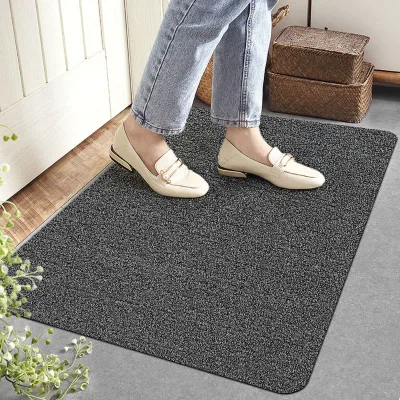
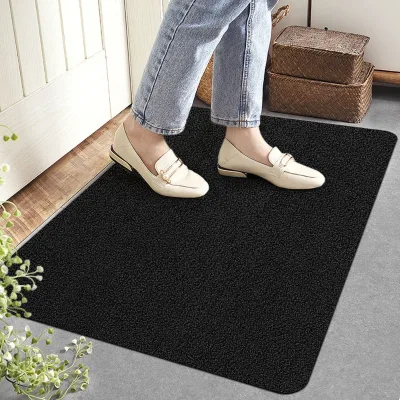
Polyester Dirt Trapper Washable Stain Resistant Non-Slip Reversible Doormat for Home
$2.7866 - $3.0879
MOQ: 500 pieces

DEZHOU ANKANG IMPORT AND EXPORT CO., LTD.
- Manufacturer/Factory
- China Shandong
- Lead time15 days
- Avg. response≤ 3h
Main productsExhibition Carpet, Carpet, PVC Mat, Geomembrane, Geotextile, PP Woven Fabric, Weed Control Fabric, Rib Carpet, Red Carpet, Velour Carpet
Main marketsSouth America,Eastern Europe,Mid East,North America,Southeast Asia,Eastern Asia,Oceania,Western Europe,Africa


Customized Logo Printing PVC and Rubber Backing Anti-Slip Doormat
$2.32 - $3.98
MOQ: 1000 Square Meters


Customized Pattern Printing Surface Doormat Anti Slip PVC Backing Door Mat
$2.32 - $3.98
MOQ: 1000 Square Meters


Non Woven Surface with PVC Backing Antislip Runner Doormat for Entrance
$2.76 - $2.88
MOQ: 1000 Square Meters

Shandong Rainbow Carpet Co., Ltd.
- Verified by SGS
- Trading Company,Manufacturer/Factory
- China Shandong
- Lead time15 days
- Avg. response≤ 12h
Main productsFloor Carpet, Rugs, Door Mat, PVC Coil Mat, Rib/Stripe Door Mat, PVC S Mat for Swimming Pool, Grass Door Mat, Artificial Grass, Non-Woven Carpet, Stair Carpet
Main marketsSouth America,Eastern Europe,Mid East,North America,Southeast Asia,Eastern Asia,Oceania,Western Europe,Africa


Welcome Anti Slip Doormatwashable Doormat Door Mat Customized Door Mat for Rugs Home
$1.20
MOQ: 1000 Pieces

Dalian Mairkey International Trading Co., Ltd.
- Verified by BV
- Trading Company
- China Liaoning
- Lead time15 days
- Avg. response≤ 12h
Main productsOffice Carpet, Floor Carpet, Door Mat, Patterned Rug, Wall to Wall Carpet, Handtufted Carpet, Nonwoven Carpet
Main marketsSouth America,Africa,Southeast Asia/ Mideast,Europe,Australia
Linyi Weiye New Materials Co., Ltd.
- Trading Company
- Shandong, China
- Lead time30 days
- Avg. response≤ 2h
Main productshomogeneous vinyl flooring,PVC flooring mat,anti slip PVC flooring mat,door mat,bathroom mat
Main marketsSouth America(20.00%), Southeast Asia(20.00%), Domestic Market(10.00%), Western Europe(10.00%), Eastern Asia(10.00%), Mid East(10.00%), Oceania(10.00%), North America(10.00%)

Shandong Tuoyi Environmental Protection Materials Co., Ltd.
- Manufacturer/Factory
- China Shandong
- Lead time15 days
- Avg. response≤ 2h
Main productsNon Woven Exhibition Carpet, PVC Coil Mat, Jumbo Bags, Geosynthetic Products, Carpet, Artificial Grass Turf, Mat, Carpet Tile, Machine Tufted Carpet
Main marketsSouth America,Eastern Europe,Mid East,North America,Southeast Asia,Eastern Asia,Oceania,Western Europe,Africa


Doormat Double Ribbed Striped Embedded Backing Outdoor Floor Mat Entrance Non Slip Door Mat
$2.39 - $2.49
MOQ: 1000 Square Meters


Little Dolphin (Jiangsu) Leisure Products Co., Ltd.
- Verified by SGS
- Combined
- China Jiangsu
- Lead time15 days
- Avg. response≤ 19h
Main productsPolypropylene Outdoor Rug, PP Woven Mat, Outdoor Mat, Door Mat, Kitchen Mat, Anti-Fatigue Mat, Pet Mat, Leisure Furniture, Home Furnishings, Pincnic Beach RV Travel Mat
Main marketsAustralia,North America
Ningbo Hapton Houseware Co., Ltd.
- Verified by TüVRheinland
- Manufacturer, Trading Company
- Lead time30 days
- Avg. response≤ 3h
Main productsCarpets, Mat, Throws, Cleaning Cloth, Bedding Basics
Main marketsNorth America(25%), Western Europe(22%), Domestic Market(9%)
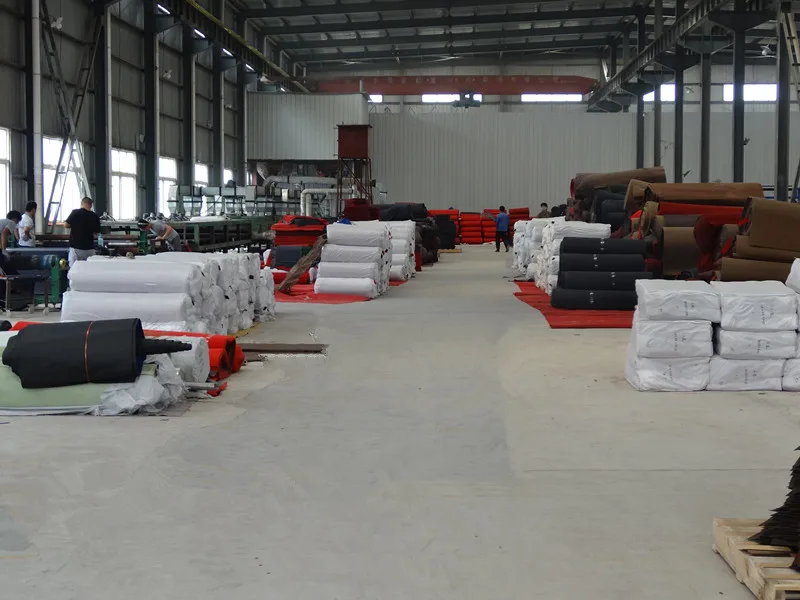
Jinan Laiwu Hengcheng Carpet Co., Ltd.
- Manufacturer, Trading Company
- Shandong, China
- Lead time3 days
- Avg. response≤ 4h
Main productsNon-Woven Carpet,PVCcarpet,TPRcarpet,Striped carpet,Flannelette caepet
Main marketsAfrica(20.00%), Southeast Asia(20.00%), Eastern Europe(20.00%), South America(20.00%), North America(20.00%)

Qingdao Kingstone Industry Co., Ltd.
- Verified by TUVRHEINLAND
- Combined
- China Shandong
- Lead time30 days
- Avg. response≤ 8h
Main productsRubber Flooring, Rubber Mat
Main marketsEast Asia(Japan/ South Korea)

Nylon Surface Custom Durable Large Heavy Duty Entrance Door Mat Front Outdoor Rug Non-Slip Doormat
$20.16
MOQ: 1000 Square Meters

Durable Rubber Door Mat Non Slip Durable Welcome Doormat Indoor Outdoor Mat
$20.16
MOQ: 1000 Square Meters


Wholesale Hot Selling Non Slip Waterproof Custom Print Rubber Door Mat
$21.20 - $22.10
MOQ: 1000 Square Meters

Taizhou Dedao Industry Co., Ltd.
- Verified by TüVRheinland
- Manufacturer, Trading Company
- Lead time15 days
- Avg. response≤ 5h
Main productsChair Mat, Desk Mat, Gaming Chair Mat, Anti Fatigue Mat, Footrest
Main marketsNorth America(45%), Oceania(35%), Western Europe(15%)
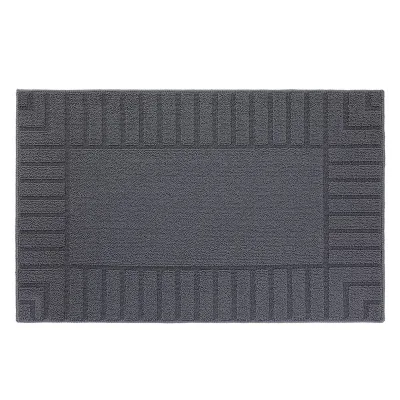
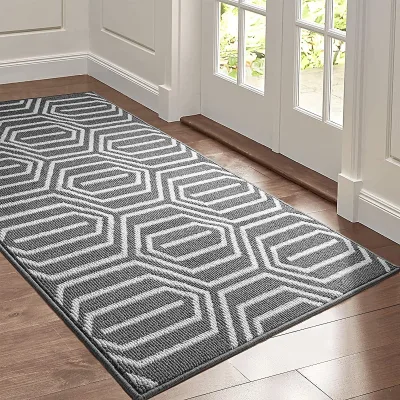
Polyester Surface with Recycle Rubber Backing Door Mat Non Slip Floor Entrance Door Mat
$2.8811 - $4.6304
MOQ: 500 pieces
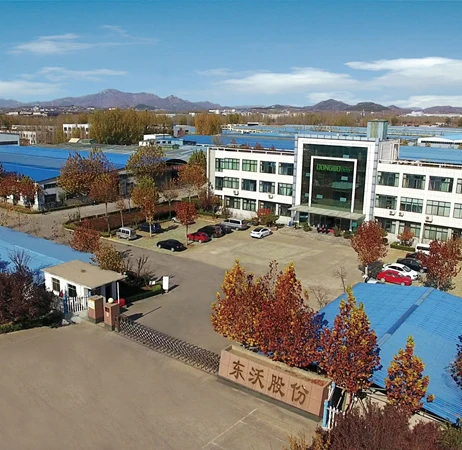
SHANDONG DONGWO CARPET CO., LTD.
- Manufacturer, Trading Company
- Shandong, China
- Lead time30 days
- Avg. response≤ 9h
Main productsTufted Door Mat, Printed Door Mat, Coir Door Mat, Jacquard Carpet, Exhibition Carpet
Main marketsDomestic Market(37.00%), Eastern Asia(7.00%), North America(5.00%), South America(5.00%), Oceania(5.00%), Western Europe(5.00%), Southern Europe(5.00%), Central America(5.00%), Northern Europe(5.00%), Africa(5.00%), Eastern Europe(5.00%), Southeast Asia(5.00%), South Asia(3.00%), Mid East(3.00%)
Shandong Jk Household Industry Co., Ltd.
- Verified by SGS Group
- Manufacturer, Trading Company
- Lead time30 days
- Avg. response≤ 2h
Main productsCarpet, Mat, Rug
Main marketsSouth America(30%), North America(20%), Eastern Europe(10%)
$1.3191 - $2.8841
MOQ: 5000 Minimum
Zhejiang Aopeng Commodity Co., Ltd.
- Verified by SGS Group
- Trading Company
- Lead time20 days
- Avg. response≤ 3h
Main productsDoor Mat, Floor Mat, Carpet, Washable Rug, Baby Play Mat

$1.16 - $1.80
MOQ: 50 pieces
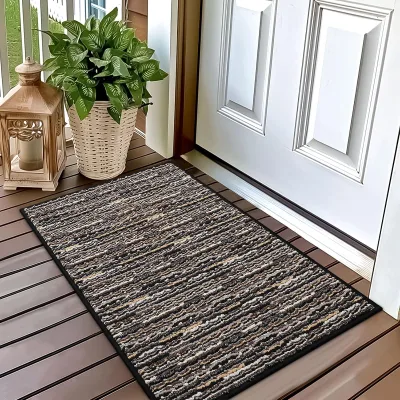
$1.59 - $1.79
MOQ: 300 pieces
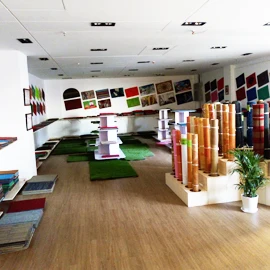
Qingdao Graceline International Co., Ltd.
- Manufacturer, Trading Company
- Shandong, China
- Lead time15 days
- Avg. response≤ 2h
Main productsDoor mat,Shower mat,Carpet,Artificial Grass,Vinyl Flooring
Main marketsNorth America(35.00%), Southeast Asia(20.00%), South America(15.00%), Eastern Europe(15.00%), Southern Europe(5.00%), Western Europe(5.00%), Africa(5.00%)
Shenzhen Dotcom Houseware Products Co., Ltd.
- Verified by TüVRheinland
- Trading Company
- Lead time25 days
- Avg. response≤ 2h
Main productsLogo Mat, Kids Rug, Golf Mat, Dart Mat, Motorcycle Mat
Main marketsWestern Europe(32%), North America(20%), Southeast Asia(10%)
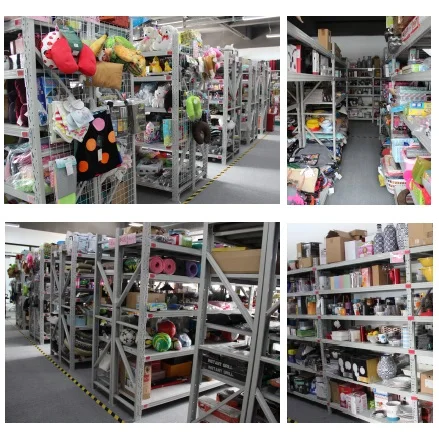
Shenzhen Hengxinweiyeh Trade Co., Ltd.
- Trading Company
- Guangdong, China
- Lead time7 days
- Avg. response≤ 10h
Main productsBath Mat,Door Mat,Area Rug,Kitchen Mats,Yoga Mats
Main marketsMid East(100.00%), Domestic Market(100.00%), Central America(100.00%), Eastern Asia(100.00%), North America(50.00%), South America(15.00%), Africa(10.00%), Oceania(8.00%), Western Europe(6.00%), Eastern Europe(5.00%), Southeast Asia(3.00%), Northern Europe(1.00%), South Asia(1.00%), Southern Europe(1.00%)
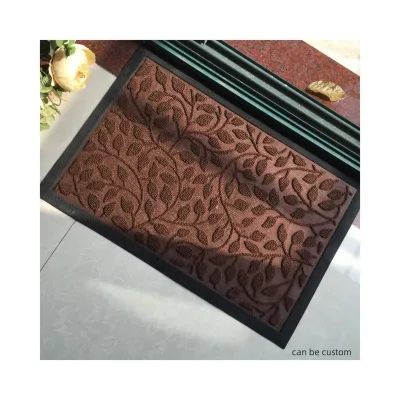
$1.08 - $1.30
MOQ: 500 pieces

Guizhou Fuding Rubber & Plastic Co., Ltd.
- Verified by SGS
- Combined
- China Guizhou
- Lead time23 days
- Avg. response≤ 4h
Main productsMouse Pad, Yoga Mat, Door Mat, Chair Mat, Bed Runner, Chess Mat, Floor Mat, Rubber Roll Material
Main marketsSouth America,Others(foreignTradeCapacity.exportBusinessCapacityMarketOther),Southeast Asia/ Mideast,East Asia(Japan/ South Korea),Domestic,Europe,Australia,North America

Anti Slip Foot Mat Linen Doormat Rubber Door Mat Entrance Door Mat with Rubber Pad
$0.55 - $0.90
MOQ: 50 Pieces

Anti-Slip Rubber Back Carpet Mud Doormat Foot Mats Clean Mud Control Mat Cotton Door Mat
$0.82 - $1.92
MOQ: 100 Pieces


Heavy Duty Entrance Door Mat Front Outdoor Rug Non-Slip Floor Door Mat with Rubber Backing
$0.85 - $1.58
MOQ: 50 Pieces

$0.55 - $0.90
MOQ: 50 Pieces
Qingdao Great Way International Commerce Co., Ltd.
- Verified by Intertek
- Manufacturer, Trading Company
- Lead time15 days
- Avg. response≤ 2h
Main productsPVC Coil Mat, Polyester Doormat, PVC Car Floor Mat, PVC Flooring, PVC Mat
Main marketsSoutheast Asia(40%), South America(30%), Africa(15%)
Dezhou Yirun Environmental Protection Technology Co., Ltd.
- Verified by SGS Group
- Manufacturer, Trading Company
- Lead time15 days
- Avg. response≤ 2h
Main productsCarpet Tile, Aluminum Alloy Mat, Logo Mat, PVC Anti-slip Mat, Modular Entrance Mat
Main marketsCentral America(20%), Southeast Asia(10%), Domestic Market(9%)
$18.9803 - $22.5015
MOQ: 1 pieces
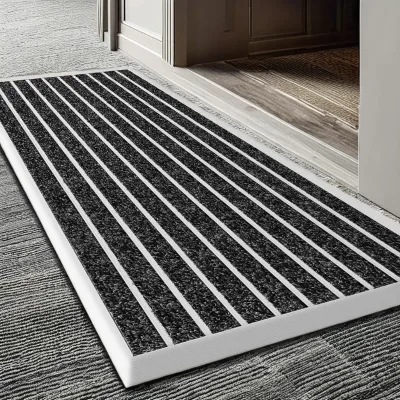
Factory Price CE Aluminium Alloy Mat Durable Entrance Doormat Custom Aluminum Doormat with Frame
$15.48 - $17.88
MOQ: 100 pieces
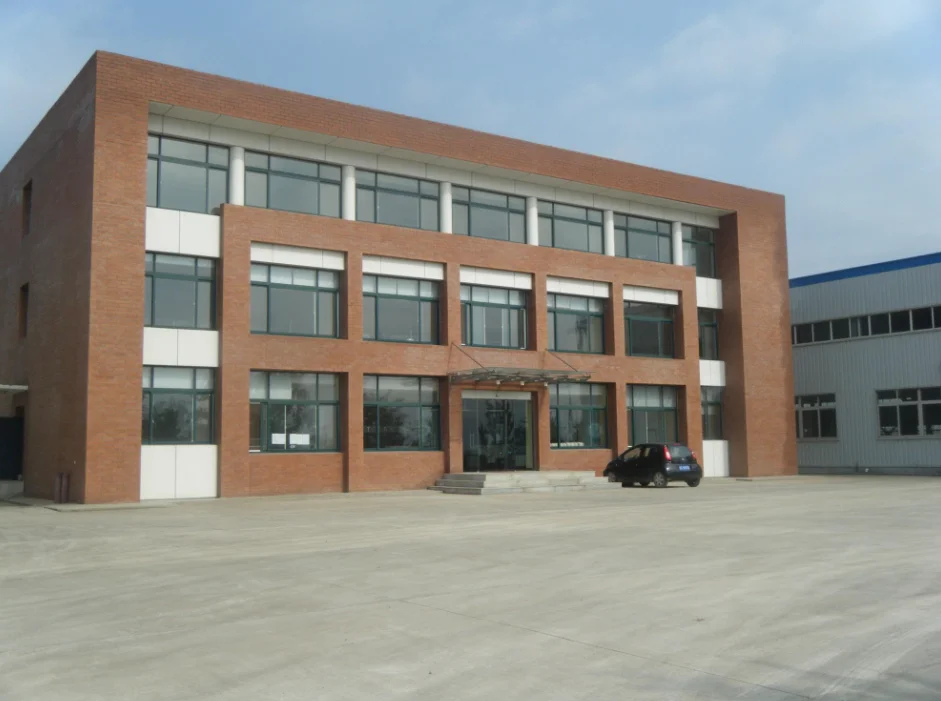
Jinan Laiwu Beauty Carpet And Household Co., Ltd.
- Trading Company
- Shandong, China
- Lead time30 days
- Avg. response≤ 4h
Main productsdoormat,carpet,car mat
Main marketsSouth America(20.00%), South Asia(10.00%), North America(10.00%), Eastern Europe(9.00%), Mid East(5.00%)
Hangzhou Xiangmi Trading Co., Ltd.
- Verified by Intertek
- Manufacturer, Trading Company
- Lead time20 days
- Avg. response≤ 6h
Main productsSofa Cover, Chair Cover, Carpets, Blanket, Bedding Set
Main marketsNorth America(40%), Western Europe(20%), Southern Europe(15%)
Shijiazhuang Jiutu Carpet Co., Ltd.
- Verified by Intertek
- Trading Company
- Lead time20 days
- Avg. response≤ 1h
Main productsCarpet
Main marketsDomestic Market(50%), North America(15%), Southeast Asia(8%)

Jinan Laiwu Hengcheng Carpet Co., Ltd.
- Verified by SGS
- Combined
- China Shandong
- Lead time15 days
- Avg. response≤ 11h
Main marketsSouth America,Southeast Asia/ Mideast,East Asia(Japan/ South Korea)





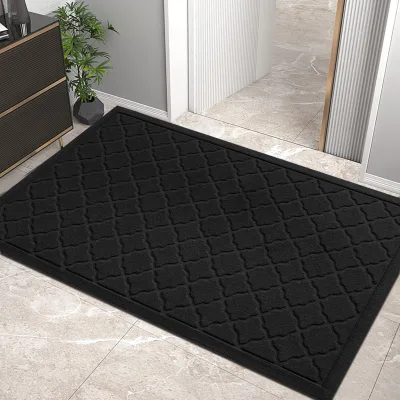
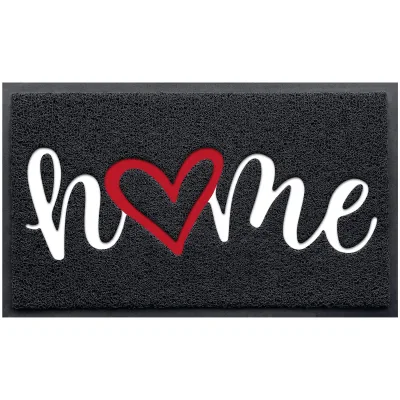
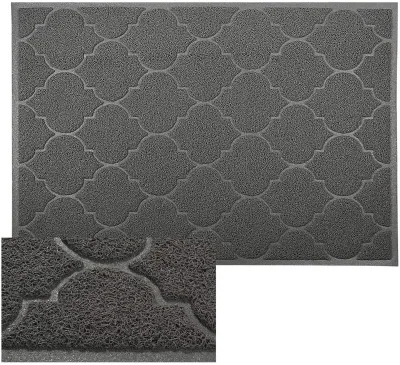
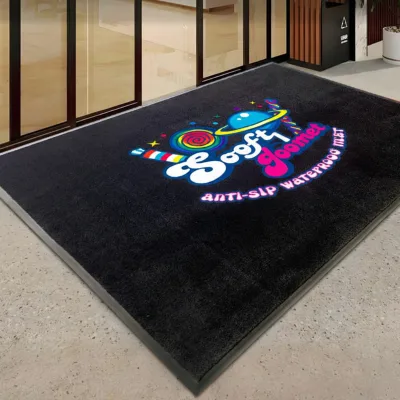


Comprehensive Sourcing Guide
Reversible Non-Slip Doormat Supplier Concentration and Factory Types
The current supplier landscape for reversible non-slip doormats reveals a distinct geographic concentration in China, with specific manufacturing hubs identified in Shandong and Jiangsu provinces. Suppliers in Shandong are predominantly categorized as either Trading Companies or Manufacturer/Factory entities, indicating a mixed market where direct production capabilities coexist with intermediary services. This dual structure allows buyers to access a broader range of product variations, from standard PVC coil mats to custom needle-punched carpets, while navigating different supply chain dynamics. The presence of established brands such as Jiusheng, Everwin, and Ankang within the Shandong cluster suggests that some facilities possess their own brand equity alongside their OEM and ODM capabilities. This implies that buyers can potentially source from factories with proven track records in brand management, which may correlate with consistent quality control processes. However, the trading company presence also means that some listings may represent aggregated inventory rather than direct factory output, requiring careful verification of the actual production source.
In contrast, suppliers located in Jiangsu are classified as Combined entities, which often indicates a hybrid business model that may blend manufacturing, trading, and design services. This classification suggests a different operational focus compared to the Shandong-based suppliers, potentially offering more integrated solutions for buyers seeking both product customization and logistical support. The Jiangsu suppliers listed do not display specific system certifications in the current data, which contrasts with the ISO 14001 and ISO 9001 certifications observed in the Shandong results. This difference highlights the importance of not assuming uniform compliance standards across all regional suppliers. Buyers must recognize that the "Combined" type may offer flexibility in order sizes and product customization, but it also necessitates a deeper due diligence process to verify the actual manufacturing capabilities and quality assurance protocols. Understanding these regional and structural differences is crucial for aligning supplier selection with specific project requirements, whether prioritizing direct factory pricing or comprehensive service integration.
How to Verify Reversible Non-Slip Doormat Suppliers
Verification of reversible non-slip doormat suppliers requires a multi-layered approach that goes beyond basic profile checks, focusing on tangible evidence of capability and compliance. One critical step is to examine the verification status provided by third-party inspection agencies. For instance, some suppliers in the current results hold BV (Bureau Veritas) verification, which serves as a baseline indicator of business legitimacy and operational transparency. Buyers should prioritize suppliers with such verified badges, as they have undergone external audits of their business licenses and factory conditions. Additionally, system certifications like ISO 9001 and ISO 14001, observed in Shandong-based suppliers, provide concrete proof of standardized quality management and environmental practices. These certifications are not merely decorative; they indicate that the supplier has established documented procedures for production consistency and waste management, which are vital for large-scale orders. Buyers should request copies of these certificates and verify their validity through the issuing bodies to ensure they are current and applicable to the specific products being sourced.
Beyond certifications, buyers must scrutinize the product-specific attributes and technical specifications provided in the supplier listings. For reversible non-slip doormats, details such as material composition, backing thickness, and surface weight are critical indicators of product quality. Suppliers listing attributes like PVC backing, needle-punched techniques, or specific weight ranges (e.g., 400g/Sqm to 800g/Sqm) demonstrate a level of technical transparency that suggests familiarity with industry standards. Buyers should compare these specifications against their own requirements to ensure compatibility. Furthermore, the presence of detailed product keywords and attributes, such as "Anti-Slip," "Customization Available," and specific usage scenarios (Hotel, Home, Commercial), helps in assessing whether the supplier understands the end-market needs. Buyers should also look for evidence of customization capabilities, such as the ability to provide free samples or offer customized colors and logos, as these are strong indicators of a supplier's flexibility and customer-centric approach. Verifying these details through direct communication or sample requests is essential to confirm that the listed attributes accurately reflect the actual product quality.
What to Compare Across Reversible Non-Slip Doormat Suppliers
When evaluating multiple suppliers for reversible non-slip doormats, buyers should systematically compare key operational metrics to identify the most suitable partner for their specific needs. One of the most critical factors is the minimum order quantity (MOQ), which varies significantly across suppliers. For example, some suppliers offer an MOQ of 500 square meters, while others may require 1000 units or even lower quantities like 50 pieces for certain product lines. This variation directly impacts inventory management and cash flow, especially for smaller buyers or those testing new markets. Buyers should align their order volume with the supplier's MOQ to avoid excessive inventory costs or production delays. Additionally, lead times are a crucial comparison point, with some suppliers indicating a standard lead time of 15 days. This consistency suggests a streamlined production process, but buyers should confirm if this timeline includes sample approval and shipping, as delays in any stage can impact overall project schedules. Comparing these operational parameters helps in selecting a supplier that matches the buyer's logistical capabilities and market demand forecasts.
Price and payment terms are another vital dimension for comparison, offering insights into the supplier's pricing strategy and financial flexibility. The current results show price ranges for various doormat products, such as $2.49 to $4.11 per unit for certain PVC backing mats, and $0.70 to $1.50 for rubber-based options. These price differences reflect variations in material quality, production techniques, and customization levels. Buyers should not solely focus on the lowest price but should evaluate the value proposition, considering factors like material durability, anti-slip performance, and customization options. Payment terms also vary, with some suppliers requiring a 30% TT deposit and 70% balance against the bill of lading copy. This standard term provides a balance of risk for both parties, but buyers should assess if the supplier offers more flexible terms for repeat customers or larger orders. Additionally, response times, such as the 3.32 and 3.23 hours observed, indicate the supplier's responsiveness and potential for effective communication. Faster response times can be crucial for resolving issues quickly and maintaining a smooth supply chain, making it a valuable metric for comparison alongside price and operational flexibility.
Common Reversible Non-Slip Doormat Sourcing Risks
Sourcing reversible non-slip doormats involves several inherent risks that buyers must proactively manage to ensure a successful procurement process. One significant risk is the discrepancy between listed product specifications and the actual delivered goods. Suppliers may advertise attributes like "Anti-Slip" or "Waterproof" cleaning maintenance, but the actual performance can vary based on material quality and manufacturing consistency. For instance, while some products are described as having a PVC backing for durability, the thickness and material grade can differ, affecting the mat's longevity and slip resistance. Buyers should mitigate this risk by requesting physical samples before placing bulk orders, allowing for thorough testing of the product's performance under real-world conditions. Additionally, the customization options, such as logo printing or specific sizes, introduce the risk of errors in production. Miscommunication regarding design files or color codes can lead to rejected goods, so clear and documented specifications are essential. Buyers should also verify the supplier's ability to handle custom orders efficiently, as delays or mistakes in customization can disrupt supply chains and customer satisfaction.
Another common risk is the variability in supplier reliability and compliance. While some suppliers display certifications like ISO 9001 or BV verification, others may lack such credentials, raising concerns about their operational standards and ethical practices. For example, the Jiangsu-based suppliers in the current results do not show specific system certifications, which may indicate a higher risk in terms of quality control and regulatory compliance. Buyers should be cautious when sourcing from suppliers without verified credentials, as they may not adhere to international standards for safety and environmental impact. Furthermore, the risk of supply chain disruptions, such as raw material shortages or production delays, is ever-present. Suppliers with longer lead times or less transparent production processes may be more susceptible to these issues. Buyers should assess the supplier's capacity and resource stability, looking for evidence of consistent production capabilities and robust supply chain management. Additionally, the risk of intellectual property infringement, particularly for custom-designed mats, should be addressed through clear contracts and non-disclosure agreements. By identifying and addressing these risks early, buyers can protect their interests and ensure a smoother sourcing experience.
Reversible Non-Slip Doormat Regional Sourcing and Logistics
The geographic location of suppliers plays a pivotal role in determining logistics costs, lead times, and overall supply chain efficiency for reversible non-slip doormats. Suppliers located in China, specifically in Shandong and Jiangsu provinces, offer distinct logistical advantages and challenges that buyers must consider. Shandong-based suppliers, often categorized as Trading Companies or Manufacturer/Factory entities, may benefit from proximity to major ports and industrial infrastructure, potentially reducing shipping times and costs for international orders. The presence of established brands and OEM/ODM capabilities in this region suggests a mature supply chain ecosystem, which can facilitate smoother logistics operations. Buyers sourcing from Shandong should verify the supplier's export experience and logistics partnerships to ensure reliable shipping arrangements. Additionally, the regional concentration of suppliers may offer opportunities for consolidating orders from multiple vendors, reducing per-unit shipping costs and simplifying customs clearance processes. However, buyers should also consider the potential for regional disruptions, such as weather events or policy changes, and have contingency plans in place.
In contrast, suppliers in Jiangsu, classified as Combined entities, may offer different logistical dynamics due to their hybrid business models. These suppliers might have more flexible logistics solutions, integrating manufacturing, trading, and design services to provide end-to-end support. Buyers sourcing from Jiangsu should evaluate the supplier's ability to handle complex logistics, including customs documentation and international shipping coordination. The lack of specific certifications in the Jiangsu results may also indicate a need for closer monitoring of logistics compliance and quality control during transit. Buyers should assess the supplier's track record in international shipments, looking for evidence of successful deliveries to their target markets. Additionally, the regional differences in labor costs and infrastructure can impact overall pricing and delivery reliability. Buyers should compare the total landed cost, including shipping, insurance, and duties, for suppliers in different regions to make an informed decision. Understanding these regional logistical nuances is essential for optimizing supply chain efficiency and minimizing risks associated with international trade.
Reversible Non-Slip Doormat Commercial Terms and Order Planning
Effective order planning for reversible non-slip doormats requires a thorough understanding of commercial terms, including pricing structures, payment conditions, and delivery schedules. The current supplier results indicate a range of price points, from $0.70 to $6.80 per unit, depending on the product type, material, and customization level. Buyers should analyze these prices in the context of their target market margins and product positioning, ensuring that the selected supplier offers competitive pricing without compromising on quality. Payment terms, such as the 30% TT deposit and 70% balance against the bill of lading copy, are standard in the industry and provide a balanced risk profile for both parties. Buyers should negotiate these terms based on their relationship with the supplier and the order volume, seeking more favorable conditions for repeat business or larger commitments. Additionally, the availability of free samples, as mentioned in some listings, can be a valuable tool for quality verification and cost assessment before finalizing orders. Buyers should utilize this opportunity to evaluate the supplier's responsiveness and product quality, ensuring alignment with their expectations.
Delivery time is another critical commercial term that impacts order planning and inventory management. With lead times of 15 days observed
FAQs
What is the typical lead time for non-slip doormats?
The typical lead time for these mats is 15 days. This duration applies to standard orders from suppliers in China Shandong and Jiangsu. Buyers should confirm specific timelines based on order volume and customization needs before finalizing purchases.
What is the minimum order quantity for PVC door mats?
The minimum order quantity varies by product type. Some PVC coil mats require 1000 square meters, while embossed mats start at 500 square meters. Rubber mats may have a lower threshold of 50 units. Always verify the specific MOQ for your selected design.
Are these mats available with custom designs and logos?
Yes, customization is available for most non-slip doormats. Suppliers offer options for custom colors, sizes, and logo printing on the surface. Buyers can request specific dimensions like 50 by 80 centimeters or other custom standards to fit their entrance requirements perfectly.
What certifications do the suppliers hold for these mats?
Many suppliers hold ISO 9001 and ISO 14001 certifications. Some rubber mat products also list BSCI, Sedex, and RoHS compliance. Verification status may include BV checks. Buyers should request current certificates to ensure the products meet specific safety and quality standards.
How much do PVC backing door mats cost per square meter?
Prices for PVC backing door mats range from 2.31 to 6.80 dollars per unit. Specific costs depend on the model, such as embossed or coil styles. Rubber mats may be priced lower, starting around 0.70 dollars. Final pricing requires confirmation based on quantity and material specifications.
Where are the manufacturers of these mats located?
Manufacturers and trading companies are located in China Shandong and China Jiangsu. These regions produce various types including needle-punched and non-woven mats. Buyers can source from these locations to access a wide range of materials like chemical fiber, polyester, and natural rubber.
What cleaning methods are recommended for these mats?
Cleaning methods vary by material. Needle-punched mats often require hand washing, while waterproof PVC coil mats can be cleaned with water. Some products are stain-resistant and suitable for commercial use. Always follow the specific maintenance instructions provided by the supplier for longevity.