Self-Piercing Pop Rivet Gun Suppliers and Manufacturers
Compare 19 verified suppliers offering self-piercing pop rivet guns with CE and GS certifications from China. Review response times, lead times, and pricing to select a factory that meets your production needs; review the available evidence before requesting comparable quotations from suitable candidates.
Updated
Suppliers List

Dongguan Co-Win Machinery Equipment Co.,Ltd
- Verified by CTI
- Trading Company
- China Guangdong
- Lead time23 days
- Avg. response≤ 3h
Main productsFastener Insertion Machine, Riveting Machine, CNC Spinning Machine, Pneumatic Press Machine, Hydro Pneumatic Press Machine, Kf94 Mask Production Line, Punching Machine, Face Mask Machine, CNC Metal Spinning Machine, Pneumatic Riveting Machine
Main marketsSoutheast Asia/ Mideast,Europe,North America


Manufacturer High Quality Battery Pop Self Piercing Electric Rivet Gun
$2490.00 - $3100.00
MOQ: 1 Pieces


Wuxi Mayshee Developing Company Ltd.
- Trading Company
- Jiangsu, China
- Lead time30 days
- Avg. response≤ 5h
Main productsRivets,Nuts,Fasteners
Main marketsWestern Europe(33.00%), North America(20.00%), Southeast Asia(13.00%), South Asia(10.00%), Eastern Europe(10.00%), South America(5.00%), Mid East(5.00%), Oceania(2.00%), Africa(1.00%), Southern Europe(1.00%)

Ningbo Cloudtop Tools Co., Ltd.
- Trading Company,Manufacturer/Factory
- China Zhejiang
- Lead time30 days
- Avg. response≤ 9h
Main productsSpray Gun, Pneumatic Tool, Air Tool, Air Impact Wrench, Air Riveter, Air Sander, Air Nailer, Air Filter, Air Screwdriver, Air Ratchet Wrench
Main marketsSouth America,Eastern Europe,Mid East,North America,Southeast Asia,Eastern Asia,Oceania,Western Europe,Africa

- Trading Company
- China Jiangsu
- Lead time30 days
- Avg. response≤ 6h
Main productsFastener Insertion Machine, Self Clinching Machine, Bending &Cutting, Hydraulic Steel Worker, Grinding Machine, Bending Tools, Press Brake, V-Cutting Machine, Corner Forming Machine, Hydraulic Ironworker
Main marketsSoutheast Asia/ Mideast,Domestic,Europe,North America


Reliable and Economical with High Dynamic Strength Aluminum Self Piercing Rivet Tool
$3200.00 - $3500.00
MOQ: 1 Pieces


Dongguan Liweite Hardware Co., Ltd.
- Manufacturer, Trading Company
- Guangdong, China
- Lead time10 days
- Avg. response≤ 1h
Main productsBlind Rivets,Rivet nut,Screws,Pneumatic rivet gun,Nuts
Main marketsNorth America(35.00%), Western Europe(25.00%), Southeast Asia(20.00%), Oceania(20.00%)

Dongguan Thor Machinery Co., Ltd
- Verified by TUVRHEINLAND
- Trading Company
- China Guangdong
- Lead time15 days
- Avg. response≤ 3h
Main productsTapping Machine, Chamfering Machine, Mini Lathe Machine, Machine Vise, Rotary Table, Dividing Head, Cutter Grinder, Chuck
Main marketsSoutheast Asia/ Mideast


Aluminum Body Riveting Machine Rivet Gun Pressure Adjustable Spr Self Piercing Rivet Gun
$2280.00 - $2380.00
MOQ: 1 Pieces


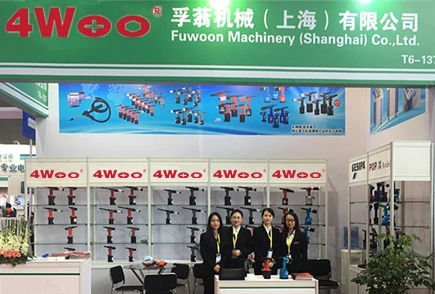
Fuwoon Machinery (Shanghai) Co., Ltd.
- Trading Company
- Shanghai, China
- Lead time7 days
- Avg. response≤ 3h
Main productsHardware,Air Tools,Battery Tools,Hand Tools,Electric Tools
Main marketsEastern Europe(70.00%), Domestic Market(15.00%), Southeast Asia(10.00%), Western Europe(5.00%)
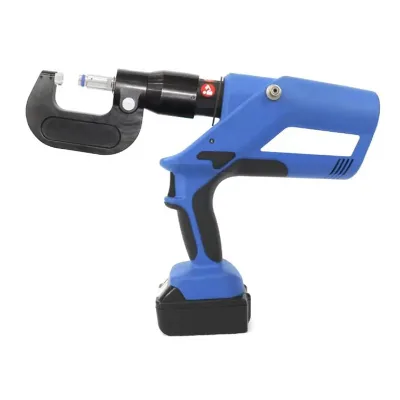
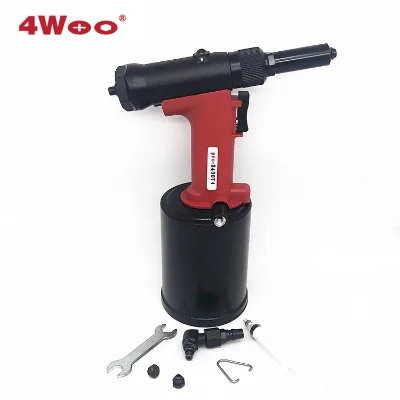
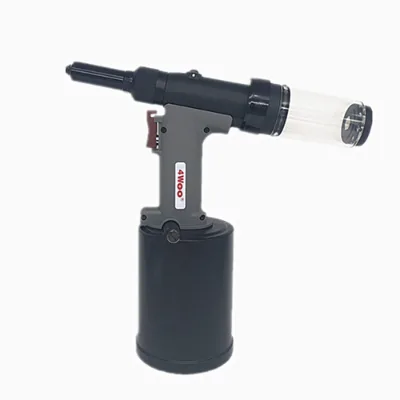
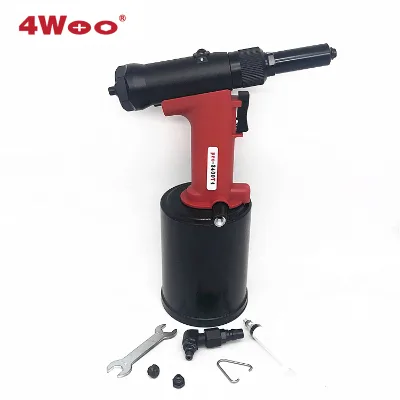
Best Sell Piercing Self-Piercing Rivet Gun Pop Electric Solid Machine Hydraulic Rivet Tool
$1700.00 - $2400.00
MOQ: 1 sets
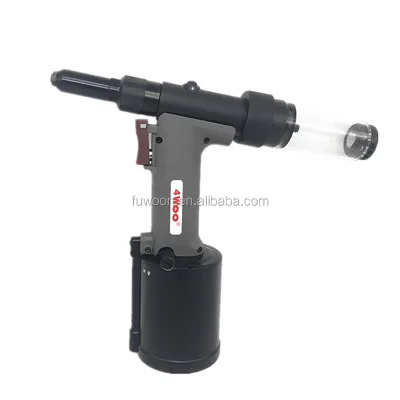

KSEET Special Metal Products Co., Ltd.
- Manufacturer
- Guangdong, China
- Lead time15 days
- Avg. response≤ 3h
Main productsBlind Rivet,Automatic Blind Rivet Machine,Rivet Nut,Rivet Tools,Rivet nut Tools
Main marketsNorth America(25.00%), Domestic Market(15.00%), Central America(8.00%), Southeast Asia(8.00%), Northern Europe(8.00%), Eastern Europe(7.00%), Western Europe(6.00%), Mid East(5.00%), South America(4.00%), Southern Europe(4.00%), Eastern Asia(3.00%), South Asia(3.00%), Africa(2.00%), Oceania(2.00%)
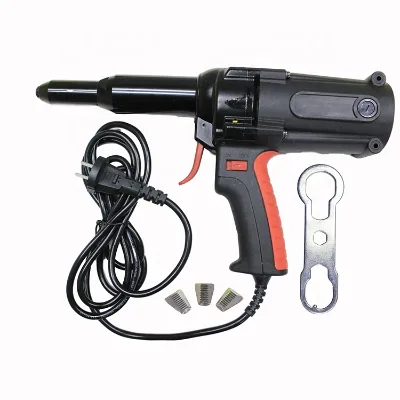
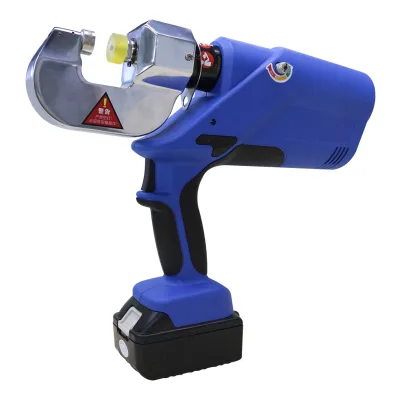
Power Tool Self Piercing Riveting Gun System With Die Kit Blue Pro Spot Aluminum Self Piercing Rivet
$3055.00 - $3155.00
MOQ: 1
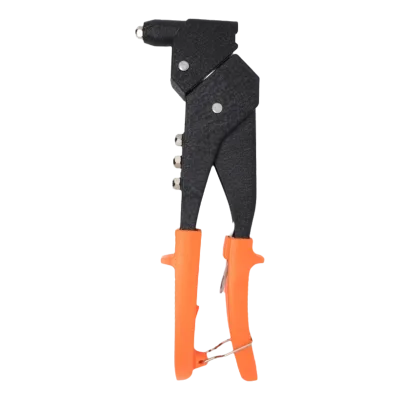
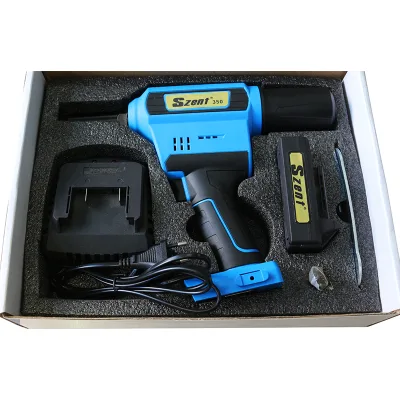
2.4mm-6.4mm Lithium Battery Cordless Rivet Gun Machine Electric Pop Rivet Tools
$312.00 - $322.00
MOQ: 1
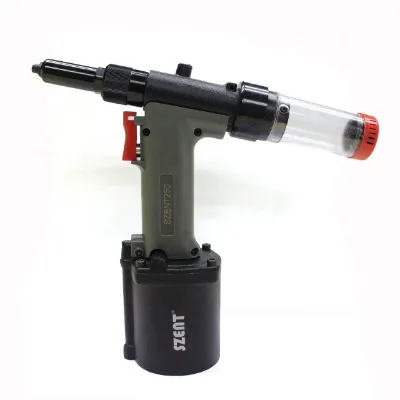
Dongguan Co-Win Machinery Eqiupment Co., Ltd.
- Verified by Intertek
- Trading Company
- Lead time5 days
- Avg. response≤ 3h
Main productsRiveting Machine, Fasteners, Metal Straightening Machinery, Metal Spinning Machine, Metal Forming Equipment
Main marketsEastern Europe(30%), North America(25%), Southeast Asia(20%)
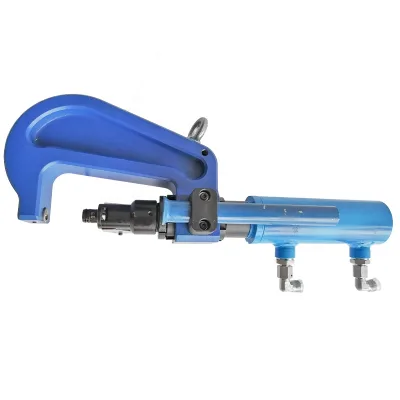
Self Piercing Riveting Gun Machine for Busbar
$3100.00 - $5800.00
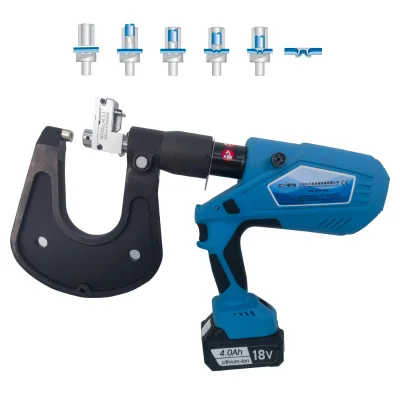
Self-pierce Riveting Process Electric Riveting Gun for New Energy Vehicles
$2290.00 - $3100.00
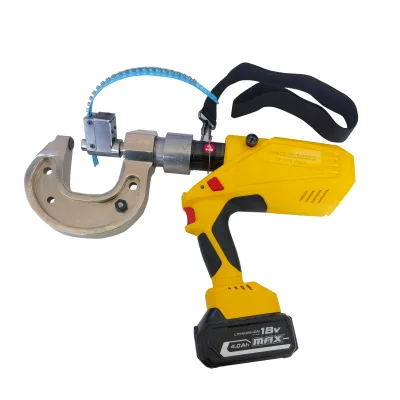
Portable Steel Rivet Gun with Lightweight and Compact Design
$2290.00 - $3100.00
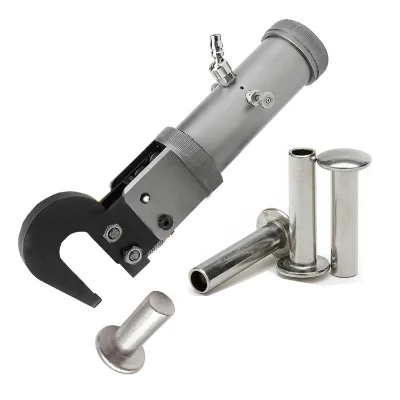
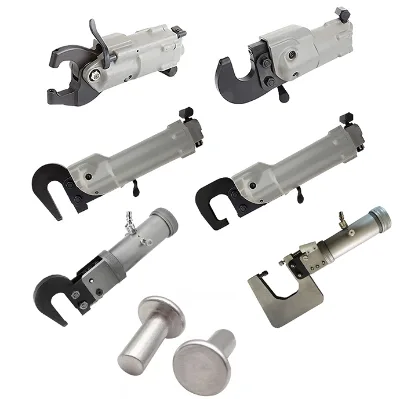

Wuxi Mayshee Developing Company., Ltd
- Verified by SGS
- Trading Company,Manufacturer/Factory
- China Jiangsu
- Lead time23 days
- Avg. response≤ 8h
Main productsBlind Rivet, Rivet Nut, Semi-Tubular Rivet, Screws, Rivet, Rivet Gun, HSS Drill Bit, Huck Items
Main marketsEastern Europe,North America,Southeast Asia,Western Europe


Battery Power Portable Hand Held Pressure Adjustable Self-Piercing Riveting Gun
$1800.00 - $2500.00
MOQ: 1 Pieces

Hot Sale Pop Rivet Gun Hand Riveter Heavy Duty 330mm Hand Rivet Gun for 2.4mm-6.4mm
$9.50 - $14.00
MOQ: 50 Pieces

Aluminum Self-Piercing Rivet Gun with Battery for 3.3mm and 5.3mm Rivets
$1800.00 - $2500.00
MOQ: 1 Pieces

Rivfast Machinery(Shanghai) Co., Ltd
- Verified by TUVRHEINLAND
- Trading Company,Manufacturer/Factory
- China Shanghai
- Lead time23 days
- Avg. response≤ 2h
Main productsRivet Gun, Cordless Paint Sprayer, Nail Gun, Power Tools, Air Tools
Main marketsSouth America,Eastern Europe,North America,Western Europe

High Pulling Force Pop Rivet Gun Tool Kit, Riveting Gun Kit Riveter Set Pull Rivnut Gun
$249.00 - $280.00
MOQ: 2 Pieces


Pop Rivet Gun Kit with 5 Nosepieces 12" Full Metal Hand Rivet Gun Tool for Pop Rivets
$16.80 - $18.50
MOQ: 10 Pieces

Hebei Sinotools Industrial Co., Ltd.
- Verified by CTI
- Trading Company
- China Hebei
- Lead time30 days
- Avg. response≤ 2h
Main productsScrewdriver, Plier, Wrench, Hammer, Tape Measure, Pruning Shear, Knife, Tool Set
Main marketsEurope


Heavy Duty Pop Rivet Gun A3 Steel 10.5'' Hand Riveting Manual Hand Riveter Guns
$1.42 - $1.49
MOQ: 1500 Pieces

Hand Manual Cheaper 10.5'' Small Light Pop Rivet Gun 2.4mm/3.2mm/4mm/4.8mm Riveter
$1.92 - $2.20
MOQ: 1500 Pieces

Guangzhou Xiran Hardware Co., Ltd.
- Manufacturer, Trading Company
- Guangdong, China
- Lead time7 days
- Avg. response≤ 4h
Main productsHardware tools,Hand Tool,Power tools,pneumatic tool,Spray gun
Main marketsSouth Asia(5.00%), Mid East(5.00%), Central America(5.00%), Western Europe(5.00%), Southeast Asia(5.00%), Eastern Europe(5.00%), South America(5.00%), North America(5.00%), Southern Europe(4.00%), Oceania(3.00%), Eastern Asia(2.00%), Africa(2.00%), Northern Europe(2.00%), Domestic Market(1.00%)

Suzhou Kiande Electric Co., Ltd.
- Trading Company,Manufacturer/Factory
- China Jiangsu
- Lead time23 days
- Avg. response≤ 4h
Main productsBusbar Fabrication Machine, Busbar Assembly Machine, Busbar Inspection Machine, Busbar Riveting Machine, Busduct Manufacturing Line, Busbar Packaging Machine, Busbar Punching Machine, Busbar Joint, Busbar Insulator, Busbar Tap off Unit
Main marketsSouth America,Mid East,Southeast Asia,Africa


Affordable Self-Piercing Riveting Tools for Efficient Busduct Production
$13000.00 - $16000.00
MOQ: 1 Sets

Dong Guan Usun Fluid Control Equipment Co., Ltd.
- Trading Company
- China Guangdong
- Lead time15 days
- Avg. response≤ 5h
Main productsGas Booster, Gas Booster Pump, Air Hydraulic Pump, Gas Booster System, High Pressure Fittings, High Pressure Needle Valves, Pneumatic Test Bench, Air Liquid Pump, Pneumatic Hydraulic Test Bench
Main marketsSouth America,Southeast Asia/ Mideast,East Asia(Japan/ South Korea),Europe,Australia,North America

Usun Model: Ccb-M Customized Aluminum Self Piercing Riveting Gun with Hydraulic Self Piercing System
$5750.00 - $5950.00
MOQ: 1 Pieces

$5750.00 - $5950.00
MOQ: 1 Pieces
Guangzhou Liangu International Trade Co., Ltd.
- Manufacturer, Trading Company
- Guangdong, China
- Lead time3 days
- Avg. response≤ 6h
Main productsPower tools,Hardware tools,Hand Tool,pneumatic tool,electrical tools
Main marketsNorth America(30.00%), Eastern Europe(10.00%)
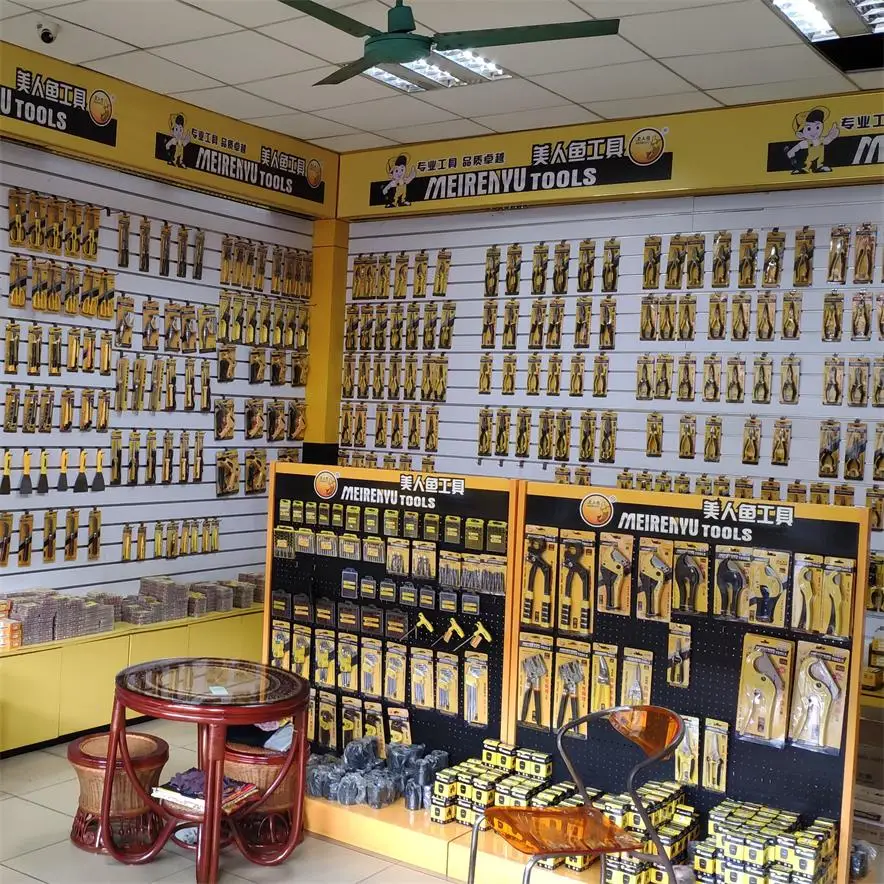
Fuzhou Lingyang E-Commerce Co., Ltd.
- Trading Company
- Fujian, China
- Lead time7 days
- Avg. response≤ 19h
Main productsTools,Glue gun,Hammer,Measuring tape,Soldering iron
Main marketsNorth America(50.00%), Southeast Asia(30.00%), Eastern Asia(10.00%), South America(10.00%)

Ningbo Zhite Import and Export Co., Ltd.
- Verified by SGS
- Trading Company
- China Zhejiang
- Lead time15 days
- Avg. response≤ 4h
Main productsTool Set, Hardware Tool, Hand Tool, Hand Tools, Tooling Kit, Hardware Tools, Socket Set, Small Home Appliances, Air Fryer, Meat Grinder
Main marketsEurope

Double Handle Rivet Pulling Gun, Manual Double Handle Core Pulling Rivet Gun
$5.00 - $7.30
MOQ: 1000 Pieces


- Verified by SGS Group
- Manufacturer, Trading Company
- Lead time0 days
- Avg. response≤ 2h
Main productsHand tools, Pneumatic tools, Knife Sharpeners
Main marketsMid East(50%), Domestic Market(20%), North America(15%)
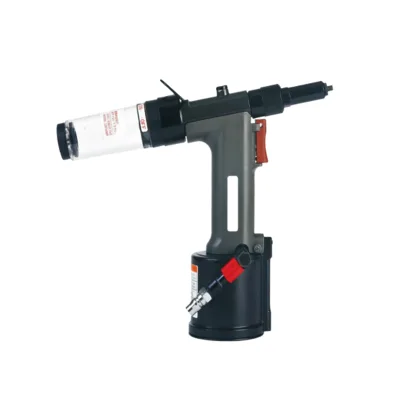


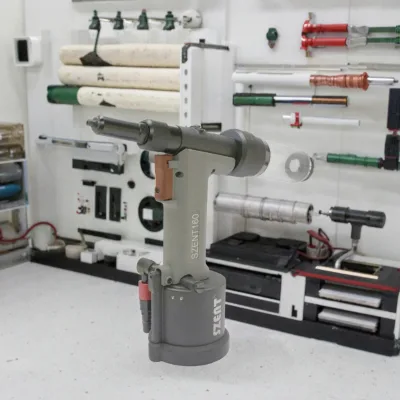
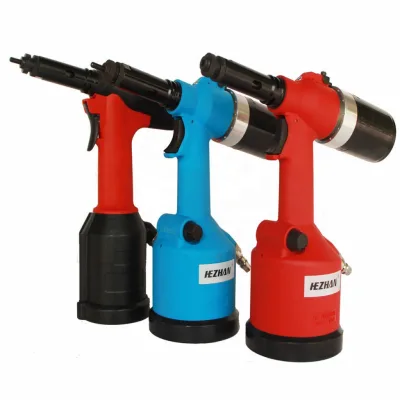
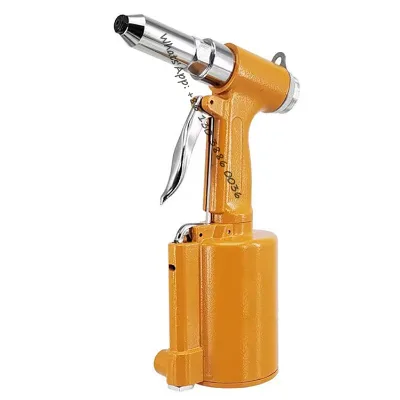
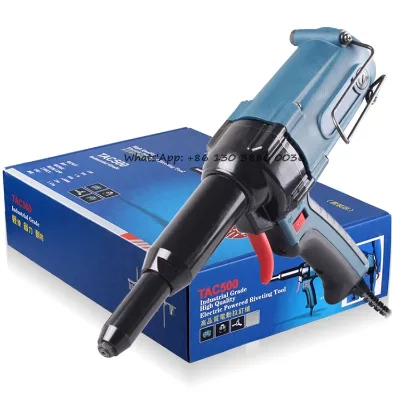
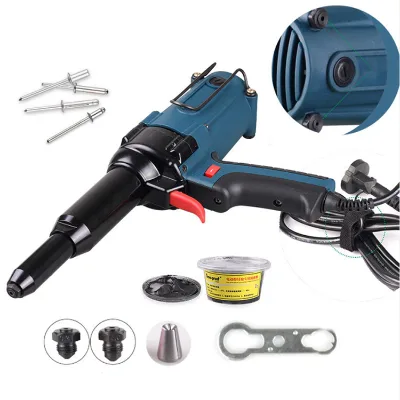
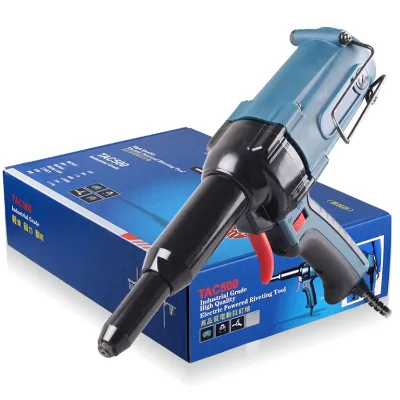
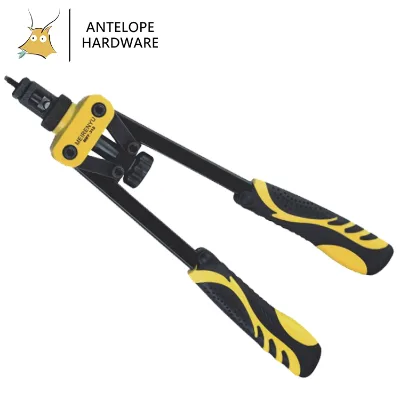
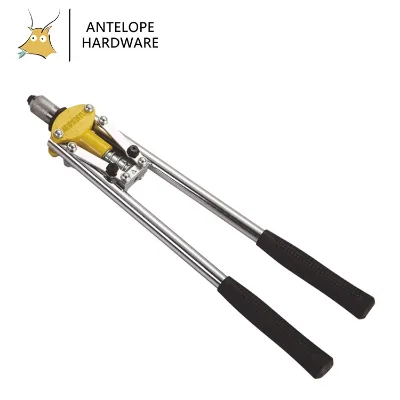
Comprehensive Sourcing Guide
Self-Piercing Pop Rivet Gun Supplier Concentration and Factory Types
The current supplier landscape for self-piercing pop rivet guns reveals a distinct concentration of manufacturing and trading entities within specific Chinese industrial hubs. Evidence indicates that a significant portion of available suppliers are located in Guangdong, with specific origins noted in Dongguan. This region is historically known for its robust hardware and power tool manufacturing ecosystems, which supports the production of complex electromechanical devices like electric riveting guns. The presence of suppliers in this area suggests a mature supply chain for components such as motors, batteries, and precision metal parts required for self-piercing mechanisms. Buyers evaluating options in this cluster should anticipate a high density of specialized factories that focus on fastening equipment, potentially offering greater variety in model numbers and customization options compared to more generalized tool manufacturers.
In addition to the Guangdong cluster, results also show suppliers operating from Jiangsu province, indicating a broader geographic distribution of capabilities across China. The company types observed in these results are predominantly trading companies, which may act as intermediaries between factories and international buyers. This structure can impact lead times and communication flows, as trading companies often aggregate products from multiple factories. While some suppliers list main products that include rivets, nuts, and fasteners, others specialize in machinery such as CNC spinning machines and pneumatic presses. This diversity in main products suggests that some suppliers may offer a broader range of fastening solutions beyond just the rivet gun itself, potentially simplifying procurement for buyers who need complementary hardware. However, the trading company model means that direct factory access might be limited, requiring buyers to verify the actual manufacturing source for quality control purposes.
How to Verify Self-Piercing Pop Rivet Gun Suppliers
Verification is a critical step when sourcing self-piercing pop rivet guns, as the reliability of the equipment directly impacts production efficiency and safety. Buyers should prioritize suppliers that display third-party verification badges, such as CTI, which indicates that an independent inspection agency has validated the supplier’s business credentials and operational capabilities. This verification provides a baseline level of trust regarding the company’s legal existence and basic operational integrity. However, verification alone does not guarantee product quality or manufacturing consistency. Therefore, buyers must look beyond the initial badge and request detailed documentation regarding the specific models they intend to purchase. This includes asking for factory audit reports, production line photos, and quality control procedures specific to electric and pneumatic riveting tools.
Certification requirements for these tools vary by target market, so buyers must ensure that the suppliers’ products meet the necessary regulatory standards for their region. Evidence shows that some products carry CE certification, which is essential for selling in European markets, while others may display GS marks, indicating safety testing compliance. It is crucial to verify that the certification applies to the specific model and voltage configuration being ordered, as certifications are often model-specific. Buyers should also inquire about warranty terms, as some suppliers offer three-year warranties, which can be a strong indicator of manufacturer confidence in their product durability. Additionally, checking for OEM and ODM support capabilities can help buyers assess whether a supplier is a true manufacturer capable of customizing designs or merely a reseller of standard off-the-shelf items.
What to Compare Across Self-Piercing Pop Rivet Gun Suppliers
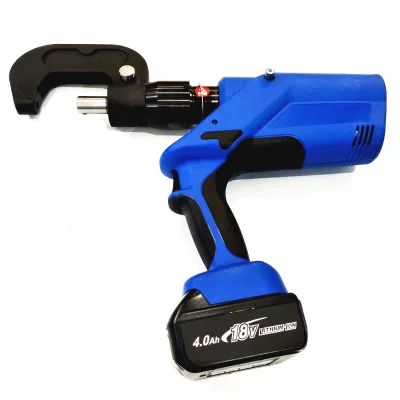
When comparing suppliers, technical specifications are the primary differentiator for self-piercing pop rivet guns. Buyers should closely examine attributes such as output pressure, throat depth, and power source. For instance, some models offer adjustable output pressure ranging from 20 to 60 kN, which is critical for handling different material thicknesses in automotive or construction applications. Throat depth options, such as 35, 130, or 240 mm, determine the accessibility of the riveting point, making it essential to match the tool to the specific workpiece geometry. Power source is another key comparison point, with options including electric battery-powered units and pneumatic models. Electric guns often feature 18V motors and specific battery charging times, while pneumatic tools require compatible air compressors and specify working air pressure, such as 6 kg. Comparing these technical details ensures the selected tool meets the operational demands of the intended application.
Beyond technical specs, commercial terms and supplier performance metrics provide valuable comparative data. Lead times vary significantly, with some suppliers offering a 23-day turnaround while others may require 30 days or more. Response time is another important metric, with some suppliers demonstrating rapid communication capabilities, such as a response time of 2.11 hours, which can be vital for resolving technical queries or order issues quickly. Minimum order quantities (MOQ) also differ, with some suppliers accepting orders as low as one unit, which is beneficial for testing or small-scale projects, while others may have higher thresholds. Price ranges are another critical factor, with costs varying based on features and certification levels. For example, electric self-piercing guns may range from approximately $2,490 to $3,199, while simpler pneumatic or manual options might be priced lower. Buyers should weigh these factors against their volume needs and budget constraints to select the most suitable supplier.
Common Self-Piercing Pop Rivet Gun Sourcing Risks
One significant risk in sourcing self-piercing pop rivet guns is the potential mismatch between advertised specifications and actual product performance. Suppliers may list generic attributes such as adjustable pressure or specific throat depths, but the actual performance under load can vary. Buyers must be cautious of suppliers who do not provide detailed technical datasheets or who use vague terminology for critical parameters like output force or piston stroke. Without precise data, it is difficult to ensure the tool can handle the specific rivet types and material thicknesses required for the buyer’s production line. This risk is compounded if the supplier is a trading company that sources from multiple factories, as consistency across batches may be compromised. Buyers should request sample units for testing before committing to large orders to verify that the tool’s performance matches the advertised specifications.
Another risk involves the reliability of after-sales support and warranty claims. While some suppliers offer warranties, the practicality of claiming them can be challenging, especially for international buyers. If a tool fails or requires replacement parts, the process of returning the item or shipping components can be costly and time-consuming. Buyers should investigate the supplier’s policy on spare parts availability and technical support. Additionally, there is a risk related to certification validity. Some suppliers may claim certifications that are not applicable to the specific model or may have expired. Buyers must verify the authenticity of certificates like CE or GS with the issuing bodies to avoid compliance issues in their home markets. Failure to do so can result in customs delays, fines, or the inability to sell the products in regulated markets. Therefore, thorough due diligence on both product quality and support infrastructure is essential to mitigate these risks.
Self-Piercing Pop Rivet Gun Regional Sourcing and Logistics
Sourcing from China, particularly from hubs like Guangdong and Jiangsu, offers logistical advantages due to established export infrastructure. Guangdong, with its proximity to major ports like Shenzhen and Guangzhou, often facilitates faster shipping times for international orders. Buyers should consider the impact of location on logistics costs and delivery speed. Suppliers in Dongguan, for instance, may benefit from efficient supply chains for electronic components and metal parts, which can reduce production delays. However, buyers must also account for the variability in lead times, which can range from 23 to 30 days or more depending on the supplier’s current workload and inventory levels. Planning for these variations is crucial to avoid production stoppages. Additionally, the type of packaging used by suppliers, such as foam inside and plywood boxes outside, can affect shipping costs and product protection during transit. Buyers should confirm packaging standards to ensure the tools arrive in pristine condition.
Logistics planning also involves understanding the import regulations and duties applicable in the buyer’s country. Self-piercing pop rivet guns, being power tools, may be subject to specific tariffs or safety regulations upon entry. Buyers should work with freight forwarders who are experienced in handling machinery and tools to ensure proper documentation and classification. The weight and dimensions of the packaged goods, such as a single package size of 30x40x20 cm or larger industrial units, will influence shipping costs. For example, pneumatic tools may have different weight profiles compared to electric battery-powered models. Buyers should request detailed packing lists and gross weights from suppliers to accurately calculate freight costs. Furthermore, considering the response time of suppliers can impact logistics coordination, as quick communication is necessary to resolve any shipping discrepancies or customs issues that may arise during transit.
Self-Piercing Pop Rivet Gun Commercial Terms and Order Planning
Commercial terms play a pivotal role in the final cost and risk allocation of self-piercing pop rivet gun orders. Buyers should carefully review payment terms, such as the availability of escrow services, which provide a layer of financial security by holding funds until the goods are received and verified. This is particularly important when dealing with new suppliers or large orders. Additionally, understanding the supplier’s return and refund policies is essential, especially given the technical nature of the products. Buyers should negotiate clear terms for defective items, including who bears the cost of return shipping and replacement. Price negotiations should also consider the MOQ, as suppliers offering lower MOQs may have higher per-unit prices. For instance, while some suppliers accept orders of just one unit, the price per unit may be at the higher end of the range, whereas bulk orders might qualify for discounts.
Order planning should align with the supplier’s lead times and production capacity to ensure timely delivery. Buyers must account for the time required for customization, if applicable, as some suppliers offer OEM and ODM services that may extend the lead time. It is also important to consider the warranty period, with some suppliers offering three years of coverage, which can influence the total cost of ownership. Buyers should factor in the cost of maintenance and potential spare parts when calculating the long-term value of the investment. Furthermore, communication efficiency is a key component of order planning; suppliers with faster response times can help resolve issues more quickly, reducing the risk of delays. By carefully evaluating these commercial terms and planning accordingly, buyers can secure favorable deals and ensure a smooth procurement process for their self-piercing pop rivet gun needs.
FAQs
What output pressure should a self-piercing pop rivet gun offer?
Most electric self-piercing rivet guns listed here provide adjustable output pressure in the 20 to 60 kN range, which suits common automotive and sheet-metal joining tasks. Lower settings handle thinner panels, while higher settings pierce harder steel stacks. Before ordering, confirm the pressure range matches your material thickness and ask whether the adjustment is done electronically or mechanically.
Can I order a self-piercing rivet gun in small trial quantities?
Yes, several listings show a minimum order quantity of one unit, so you can test a sample before committing to volume. Pricing generally scales with quantity, with single-piece orders sitting at the higher end of the quoted range. Confirm the exact MOQ and unit price for your target volume directly with the supplier before placing a trial order.
What throat depth options are available on these rivet guns?
Listings on this page advertise customized throat depths of 35 mm, 130 mm, and 240 mm, letting you match the C-frame opening to your workpiece geometry. Deeper throats reach farther into a panel but reduce achievable force slightly. Measure the deepest joint access point on your parts and specify the required throat depth when requesting a quotation.
How long does production and delivery usually take?
Lead times on this page range from roughly 23 days to 30 days depending on the supplier and order specifics. Products ship from Guangdong and Jiangsu provinces in China, so add international transit time to your planning. Always confirm the current lead time in writing, since customization of throat depth or packaging can extend production schedules.
Do these rivet guns carry any certification?
Product listings show CE certification on several electric models and GS certification on a pneumatic self-piercing rivet gun. Note that some suppliers on this page list no system-level certification, so verify what applies to the specific unit. Request copies of the certificate and confirm it covers your exact model number before finalizing any purchase agreement.
What customization can suppliers provide on rivet gun orders?
Listings state that customization is available, with OEM and ODM support offered on at least one pneumatic model. Typical options include throat depth, color, branding, and packaging arrangements. Customization usually affects lead time and minimum order requirements, so describe your exact specifications early and request written confirmation of what the supplier can actually deliver.
How fast do these suppliers typically respond to inquiries?
Response times on this page range from about two hours to five hours, so most suppliers reply within a single business day. Fast response matters when negotiating customization details or resolving technical questions about pressure settings and rivet sizes. Send a detailed inquiry covering your application, quantities, and required certifications to get a substantive first reply.
What practical specs should I compare between electric models?
Compare output pressure range, piston stroke, throat depth options, battery charging time, and package weight. For example, some electric models here show a 35 mm piston stroke, 20 to 60 kN adjustable output, and package weights around 12 to 13.5 kg. Also check packing method, since foam and plywood cases protect precision tooling better during long sea freight.