Sliding Type Spray Mop with 2 Mopheads Suppliers and Manufacturers
Source Sliding Type Spray Mop with 2 Mopheads from 26 verified suppliers in China. Compare key dimensions including Zhejiang and Hebei locations, response times, lead times, and pricing. Verify certifications and MOQs directly to streamline your procurement process; review the available evidence before requesting comparable quotations from suitable candidates.
Updated
Suppliers List

- Verified by BV
- Trading Company
- China Zhejiang
- Lead time30 days
- Avg. response≤ 13h
Main productsMop with Bucket, Spray Mop, Cleaning Brush, Shoe Rack, Flat Mop, Mop Cloth
Main marketsSoutheast Asia/ Mideast,Europe,North America
Langfang Leyijia International Trade Co., Ltd.
- Trading Company
- Hebei Province, China
- Lead time15 days
- Avg. response≤ 2h
Main productsMop,Wiper,Clean Brush,Broom set,Cleaning cloth
Main marketsSouth America(30.00%), North America(20.00%), Southern Europe(10.00%), Western Europe(10.00%), Eastern Europe(10.00%), Eastern Asia(5.00%), Northern Europe(5.00%), Southeast Asia(5.00%)
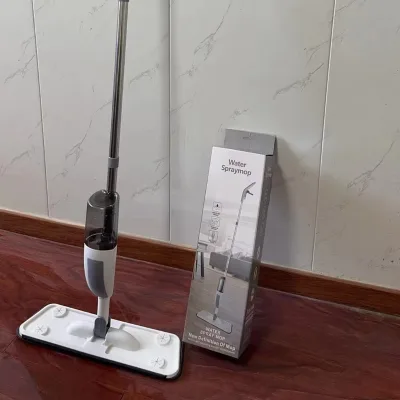
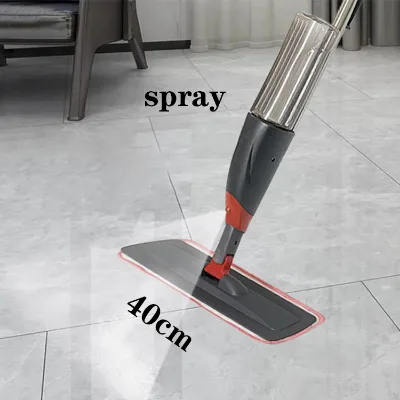
Supplies Easy Mop Flat Stainless Steel Handle Spray Mop Floor Cleaning Spray Mop
$2.55 - $3.16
MOQ: 500 pieces
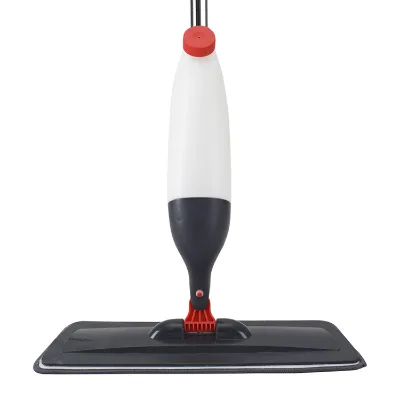
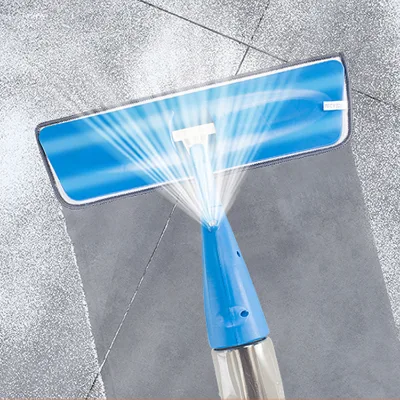
Flat Mop With Replaceable Ultra-fine Fiber Cloth Head and Water Spray Function
$1.8356 - $2.3053
MOQ: 500 pieces
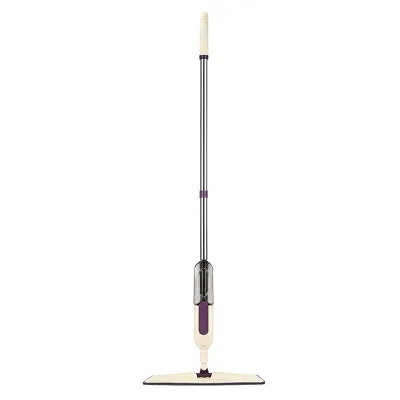
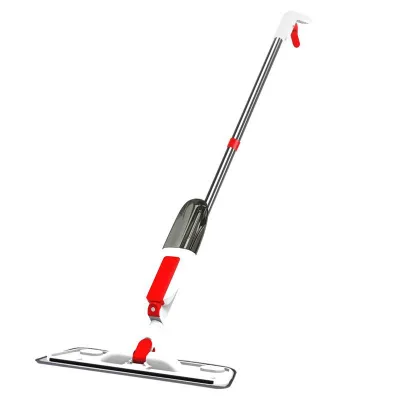
Multifunctional Water Spray Mop Is Easy to Use and Has Strong Decontamination Ability
$1.98 - $2.30
MOQ: 500 pieces
Ningbo Dongsu Plastic Industry Co., Ltd.
- Manufacturer, Trading Company
- Lead time旺季: "1 - 3000":30,"> 3000":"To be negotiated", 淡季: "1 - 3000":30,"> 3000":"To be negotiated"
- Avg. response≤ 3h
Main productsMop, Window Wiper, Clean Duster, Dust Pan, Brush
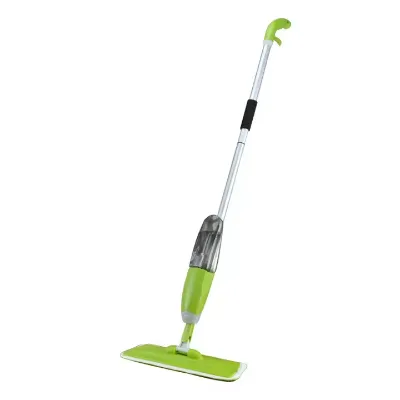
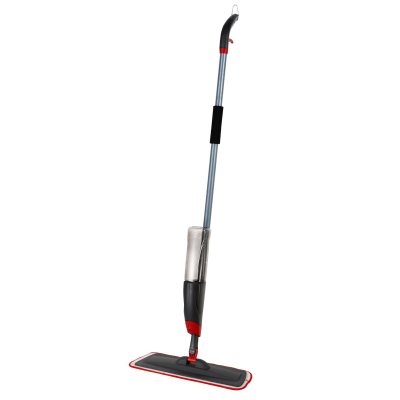
Cleaning Mop With Water Bottle New Large Style Flat Mop Aluminum Spray Mop
$4.65 - $5.00
MOQ: 500 sets
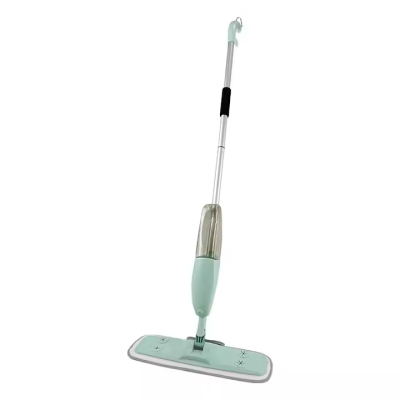
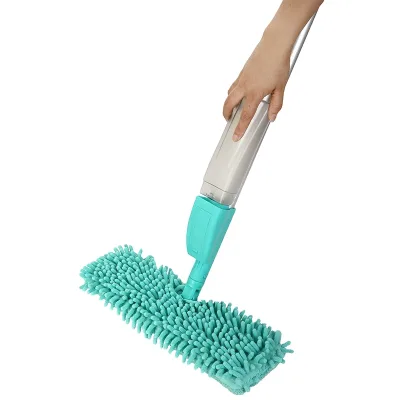
Household Cleaning 360 Rotating Floor Clean Rotary Mop Dry and Wet Spray Mop
$8.80 - $9.50
MOQ: 1000 sets

Ningbo Le Prosperity Import & Export Co., Ltd.
- Trading Company
- zhengjiang, China
- Lead time30 days
- Avg. response≤ 3h
Main productsCleaning Brush,Chimney Brush,Electric Cleaning Brush,Mops,Window Cleaner
Main marketsEastern Europe(30.00%), Western Europe(30.00%), North America(15.00%), Eastern Asia(5.00%), Northern Europe(5.00%), Mid East(4.00%), Southeast Asia(3.00%), South Asia(3.00%), Oceania(2.00%), Central America(1.00%), Southern Europe(1.00%), Africa(1.00%)
Cixi Maile Environmental Protection Technology Co., Ltd.
- Manufacturer
- Zhejiang, China
- Lead time25 days
- Avg. response≤ 6h
Main productsspray mop,flat mop,window brush,cleaing products,mop refill
Main marketsNorth America(40.00%), Western Europe(30.00%), Domestic Market(10.00%), South America(10.00%), Eastern Europe(10.00%)

Jiangyin Moonstar Clean Products Co., Ltd.
- Verified by SGS
- Trading Company,Manufacturer/Factory
- China Jiangsu
- Lead time15 days
- Avg. response≤ 12h
Main productsMicrofiber Cloth, Microfiber Fabric, Nonwoven Fabric
Main marketsSouth America,Eastern Europe,Mid East,North America,Southeast Asia,Eastern Asia,Oceania,Western Europe,Africa
Jiaxing Joyan Houseware Products Co., Ltd.
- Verified by Intertek
- Manufacturer, Trading Company
- Lead time45 days
- Avg. response≤ 2h
Main productsMop, Duster, Squeegee, Toilet Brush, Broom and Dustpan
Main marketsDomestic Market(67%), Oceania(9%), Western Europe(6%)
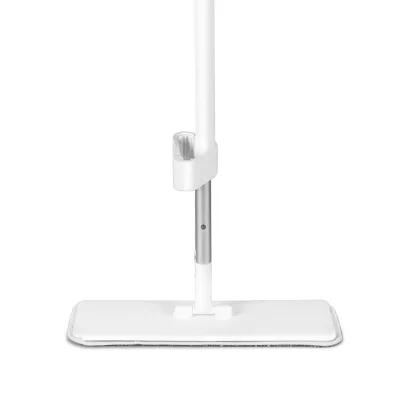
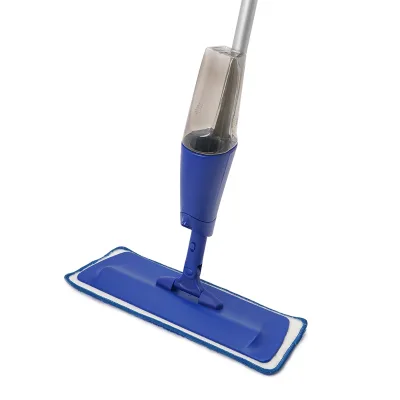
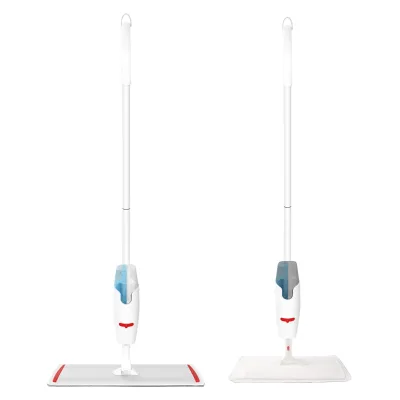
For Double Bottle Cleaning Solution Spray Flat Mop with Foldable Handle and Steel Pole
$7.42 - $8.56
MOQ: 100 pieces

- Verified by BV
- Trading Company
- China Zhejiang
- Lead time30 days
- Avg. response≤ 12h
Main productsLunch Box
Main marketsSouth America,Africa,Southeast Asia/ Mideast,East Asia(Japan/ South Korea),Europe,Australia,North America


Hot Selling Microfiber Rotatable Water Spray Wet Dry Use Easy Cleaning Spray Mop
$4.09
MOQ: 3000 pieces

- Verified by TüVRheinland
- Manufacturer, Trading Company
- Lead time35 days
- Avg. response≤ 5h
Main productsMop, Broom And Dustpan Set, Brush, Storage Item, Kitchen Item
Main marketsEastern Europe(15%), Western Europe(12%), North America(11%)
Shenzhen FCY Household Products Co., Ltd.
- Manufacturer
- Guangdong, China
- Lead time15 days
- Avg. response≤ 14h
Main productsCordless Electric Mop,Wet dry vacuum cleaner,Electric robot,Atomizer gun,Nebulizer
Main marketsNorth America(14.00%), Southeast Asia(13.00%), South Asia(10.00%), Eastern Europe(10.00%), Northern Europe(9.00%), South America(9.00%), Central America(9.00%), Southern Europe(8.00%), Western Europe(7.00%), Africa(4.00%), Eastern Asia(3.00%), Mid East(2.00%), Domestic Market(1.00%), Oceania(1.00%)

Zhejiang Joy Commodities Co., Ltd.
- Combined
- China Zhejiang
- Lead time23 days
- Avg. response≤ 6h
Main productsSpin Mop, Magic Mop, Easy Mop, Cleaning Mop, 360 Mop, 360 Spin Mop, Tornado Mop, Cyclone Mop, Happy Mop
Main marketsSouth America,Africa,Southeast Asia/ Mideast,East Asia(Japan/ South Korea),Domestic,Europe,Australia,North America

- Verified by BV
- Trading Company,Manufacturer/Factory,Group Corporation
- China Shandong
- Lead time0 days
- Avg. response≤ 3h
Main productsAwning, Pergola, Sunshade, Outdoor Product, Mop, Gazebos, Canopy, Fences, Retractable Awning
Main marketsSouth America,Eastern Europe,Mid East,North America,Southeast Asia,Eastern Asia,Oceania,Western Europe,Africa

Water Spray Mop High-Quality Newly Upgraded Water Spray Mop Wireless Spray Mop
$2.16 - $2.70
MOQ: 1 Pieces


Spraywater Multifunctional Household Hand-Free Dual-Use Flat Mop Cleaning Product
$2.16 - $2.70
MOQ: 1 Pieces

CLEANUP Industrial & Trading Co., Ltd.
- Trading Company,Manufacturer/Factory
- China Zhejiang
- Lead time45 days
- Avg. response≤ 8h
Main productsMop, Microfiber Cloth, Cleaning Brush, Window Cleaner, Duster, Lint Roller, Broom
Main marketsEastern Europe,Mid East,North America,Western Europe


Hand Press Microfiber Flat Spray Mop with Spray Function /Floor Cleaning
$2.50 - $3.50
MOQ: 2000 Pieces


Hangzhou U-life Technology Co., Ltd
- Verified by CTI
- Trading Company
- China Zhejiang
- Lead time30 days
- Avg. response≤ 2h
Main marketsSouth America,Southeast Asia/ Mideast,East Asia(Japan/ South Korea),Europe,Australia,North America

Yongkang Hesheng Jiaye Industry & Trade Co., Ltd.
- Manufacturer, Trading Company
- Zhejiang, China
- Lead time20 days
- Avg. response≤ 1h
Main productsrotating mop,flat mop,spray mop,spin mop,magic broom
Main marketsDomestic Market(20.00%), Northern Europe(15.00%), Central America(10.00%), North America(10.00%), Southeast Asia(10.00%), South America(10.00%), Eastern Europe(10.00%), Southern Europe(5.00%), Western Europe(5.00%), Eastern Asia(5.00%)
Huangshi Mega Commodity Co., Ltd.
- Manufacturer, Trading Company
- Hubei, China
- Lead time25 days
- Avg. response≤ 1h
Main productsMop,Squeegee & Wiper & Brush,PVA Sponge Block & Chamois Cloth,Microfiber Cloth,Wringer Trolley
Main marketsEastern Europe(20.00%), North America(10.00%), Western Europe(10.00%), South America(8.00%), Southern Europe(8.00%), Domestic Market(5.00%), Southeast Asia(5.00%), Central America(5.00%), Oceania(5.00%), Mid East(4.00%), Eastern Asia(3.00%), Northern Europe(3.00%), Africa(2.00%), South Asia(1.00%)
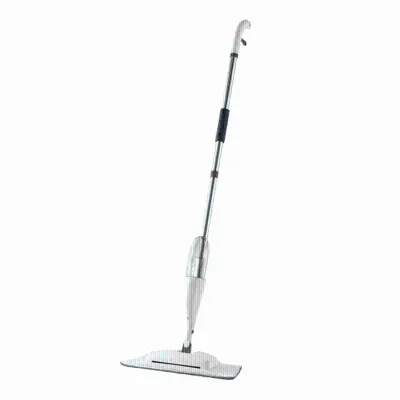
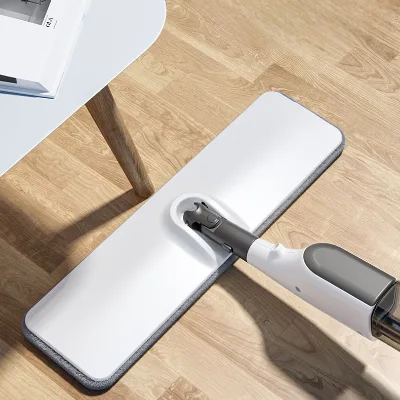
$3.61 - $3.65
MOQ: 3000 pieces
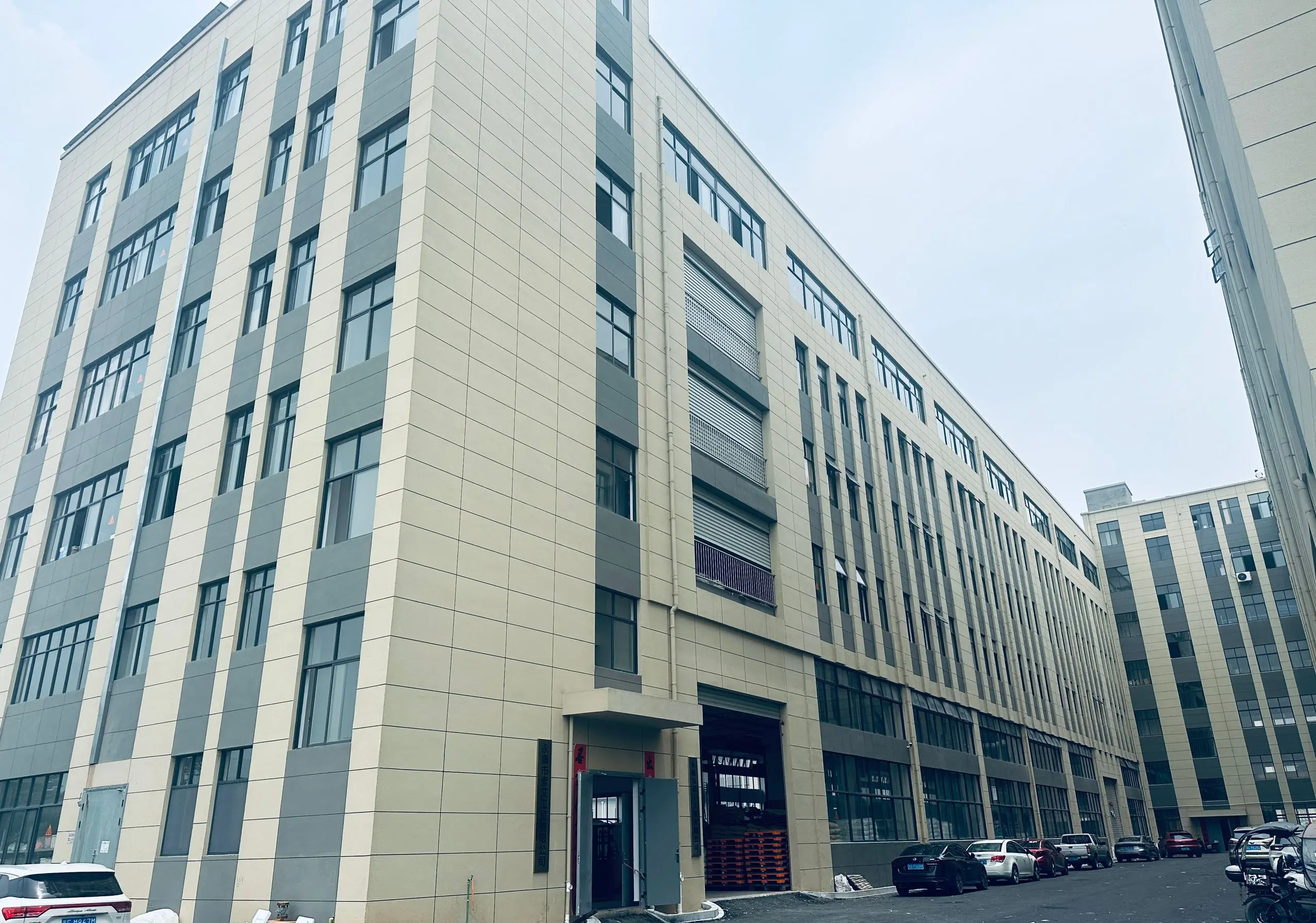
Yiwu Lisheng Trading Co., Ltd.
- Trading Company
- Zhejiang, China
- Lead time3 days
- Avg. response≤ 4h
Main productsHousehold Storage,General Merchandise,Outdoor Goods,Festival & Decor,Pet Products
Main marketsNorthern Europe(15.00%), North America(15.00%), Mid East(10.00%), South Asia(10.00%), Western Europe(10.00%), Eastern Europe(10.00%), Oceania(5.00%), Southern Europe(5.00%), South America(5.00%), Central America(5.00%), Southeast Asia(5.00%), Eastern Asia(5.00%)
Yongkang Yiyu Industry & Trade Co., Ltd.
- Manufacturer, Trading Company
- Zhejiang, China
- Lead time7 days
- Avg. response≤ 6h
Main productsMagic Mop,Spin Mop,mop,cleaning mop,spray mop
Main marketsDomestic Market(20.00%), Southeast Asia(15.00%), Western Europe(15.00%), Africa(10.00%), Central America(10.00%), Southern Europe(5.00%), Eastern Europe(5.00%), South America(5.00%), Mid East(5.00%), North America(5.00%), South Asia(2.00%), Northern Europe(2.00%), Oceania(1.00%)
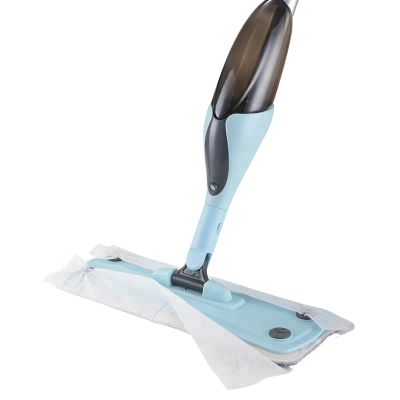
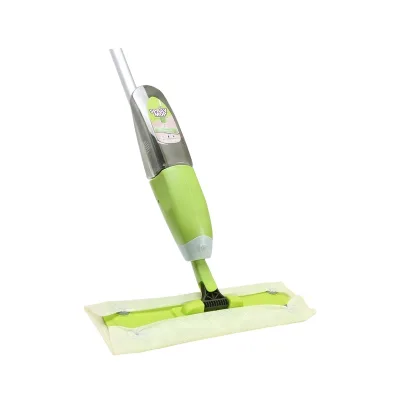
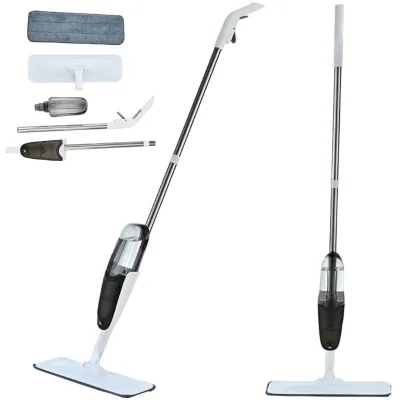
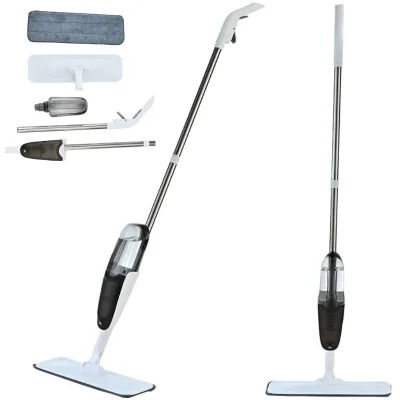
Factory Direct Sales Water Spray Mop for Floor Cleaning Equipment Home Flat Mop
$4.68 - $4.90
MOQ: 2000 pieces
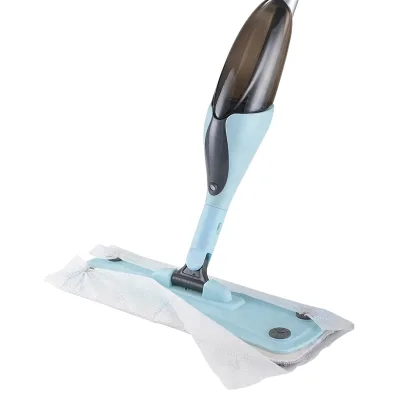
$4.68 - $4.90
MOQ: 2000 pieces
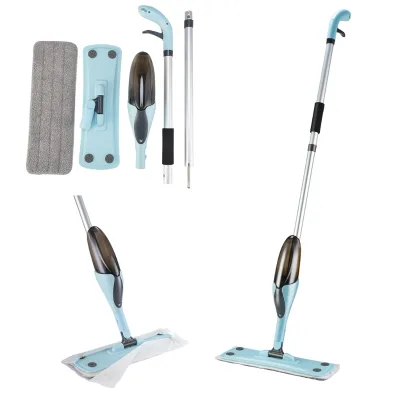
$4.7872 - $4.9293
MOQ: 1 pieces
Nanning Youkeshu Electronic Commerce Co., Ltd.
- Trading Company
- Guangxi, China
- Lead time3 days
- Avg. response≤ 6h
Main productsPersonal home appliances,Household appliances,Personal home appliances,Beauty&Make up,Care products
Main marketsCentral America(20.00%), North America(20.00%), Southern Europe(10.00%), Northern Europe(10.00%), South America(10.00%), Western Europe(10.00%), Eastern Europe(10.00%), South Asia(5.00%), Eastern Asia(5.00%), Mid East(5.00%), Africa(5.00%), Southeast Asia(5.00%)
Bazhou Linyu Household Products Co., Ltd.
- Manufacturer, Trading Company
- Hebei, China
- Lead time10 days
- Avg. response≤ 9h
Main productsSpray Mop, Flat Mop, Window Brush, Broom Sweeper, Electric Chopper
Main marketsSouth America(40.00%), Southeast Asia(25.00%), Western Europe(10.00%), South Asia(5.00%), North America(5.00%), Oceania(5.00%), Central America(5.00%), Eastern Europe(5.00%)
Ningbo Mastertop Home Products Co., Ltd.
- Manufacturer, Trading Company
- Lead time旺季: "1 - 5000":31,"> 5000":"To be negotiated", 淡季: "1 - 5000":31,"> 5000":"To be negotiated"
- Avg. response≤ 4h
Main productsCleaning Products

Baoding Longyou Trading Co., Ltd.
- Trading Company
- Hebei, China
- Lead time7 days
- Avg. response≤ 1h
Main productsMOP,water bottle,fan,rain gear,cleaning products
Main marketsSouth America(30.00%), Mid East(20.00%), Southeast Asia(20.00%), North America(20.00%), South Asia(10.00%)
Henan Dibangni Industrial Development Co., Ltd.
- Manufacturer, Trading Company
- Henan, China
- Lead time3 days
- Avg. response≤ 7h
Main productsHome Storage & Organization,Kitchen & Tabletop
Main marketsNorth America(30.00%), Southeast Asia(10.00%), Northern Europe(10.00%), Western Europe(10.00%), Eastern Europe(5.00%), Central America(5.00%), South America(5.00%), South Asia(5.00%), Southern Europe(5.00%), Oceania(5.00%), Domestic Market(5.00%), Eastern Asia(2.00%), Mid East(2.00%), Africa(1.00%)
Guangzhou Yiran Household Necessities Co., Ltd.
- Trading Company
- Guangdong, China
- Lead time14 days
- Avg. response≤ 7h
Main productsmop,vacuum cleaner dust bag,vacuum cleaner filter,sweeper accessories,air purifier filters
Main marketsNorthern Europe(20.00%), Eastern Europe(20.00%), Central America(10.00%), Domestic Market(5.00%), South Asia(5.00%), Southern Europe(5.00%), South America(5.00%), North America(5.00%), Western Europe(5.00%), Eastern Asia(5.00%), Mid East(5.00%), Africa(5.00%), Southeast Asia(5.00%)
Gaobeidian Restar Electrical Applicances Manufacture Co., Ltd.
- Verified by TüVRheinland
- Manufacturer, Trading Company
- Lead time0 days
- Avg. response≤ 1h
Main productsMop, Broom & Dustpan, Cleaning Brush
Main marketsEastern Europe(50%), North America(10%), South America(10%)
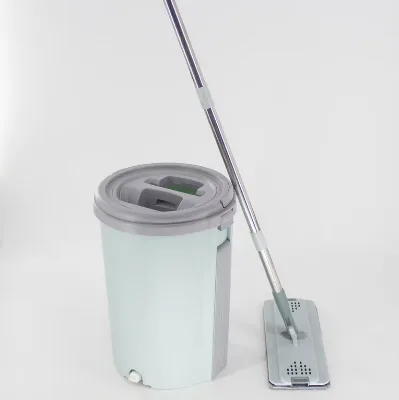
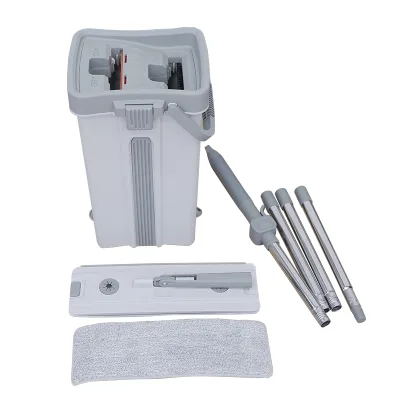
$5.35 - $5.80
MOQ: 32 pieces
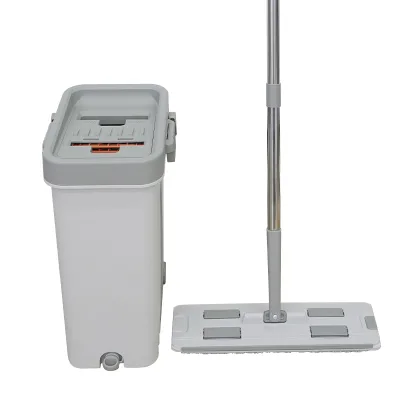
Langfang Suoteng Household Goods Co., Ltd.
- Verified by Intertek
- Manufacturer, Trading Company
- Hebei, China
- Lead time35 days
- Avg. response≤ 3h
Main productsBroom and Dustpan, Toilet Brush, Clothes Cleaning Brush, Pot Brush, Bed Brush
Main marketsDomestic Market(75%), North America(10%), Western Europe(7%)




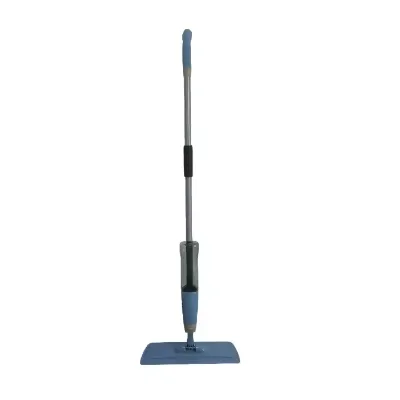
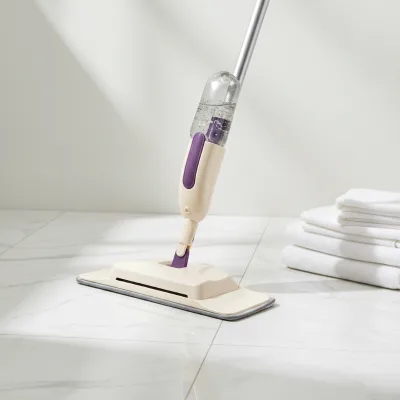
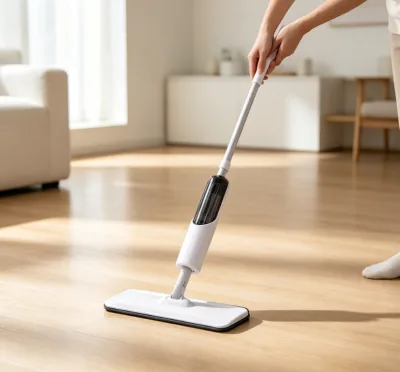


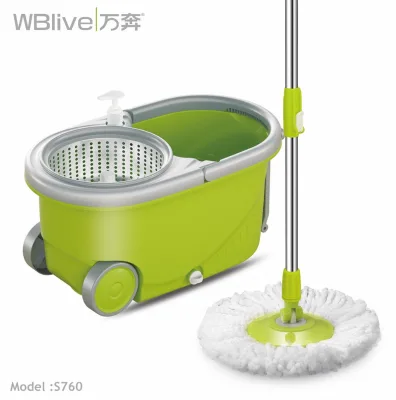
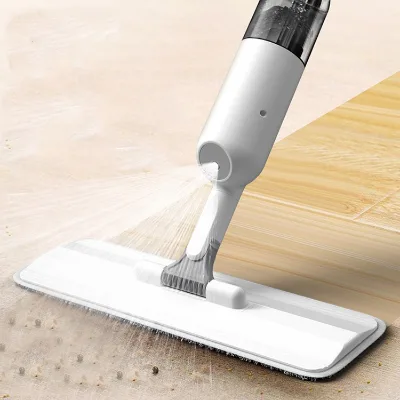
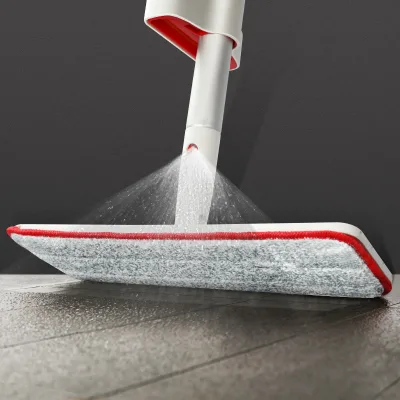
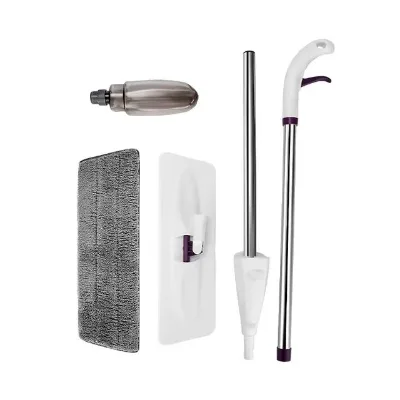
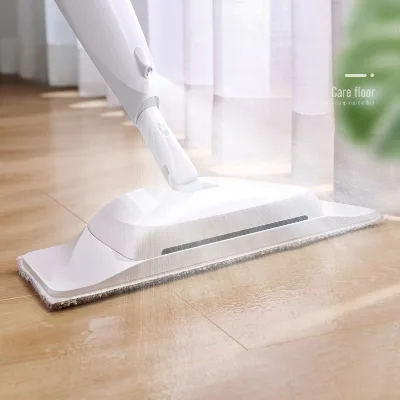
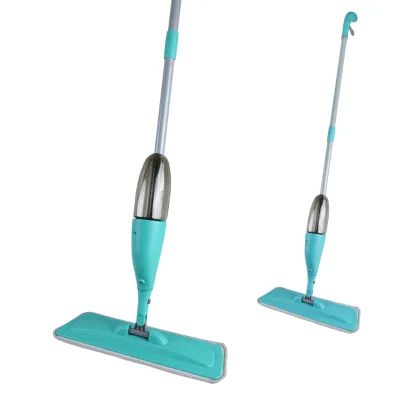
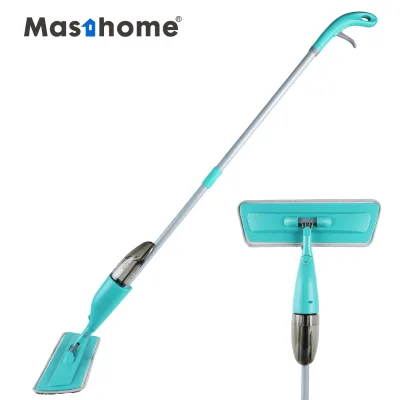
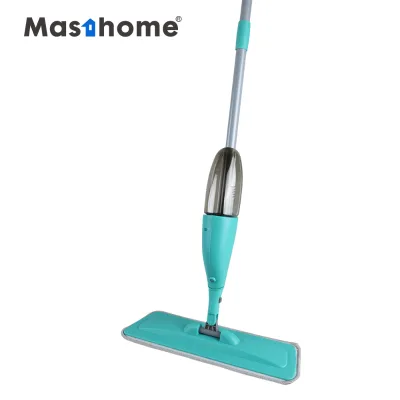
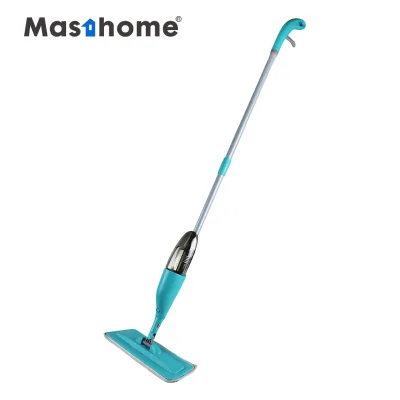
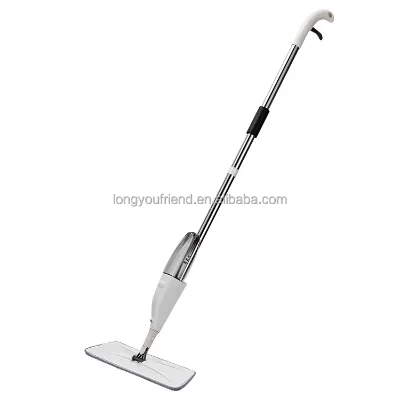
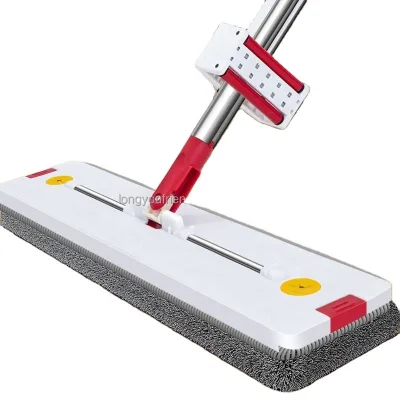
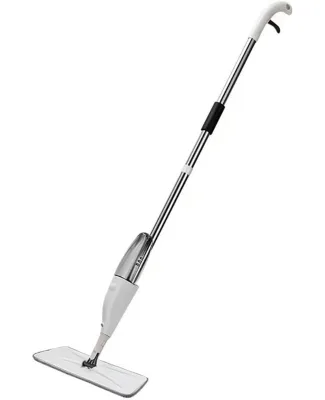
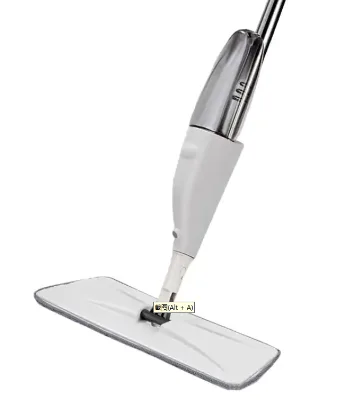
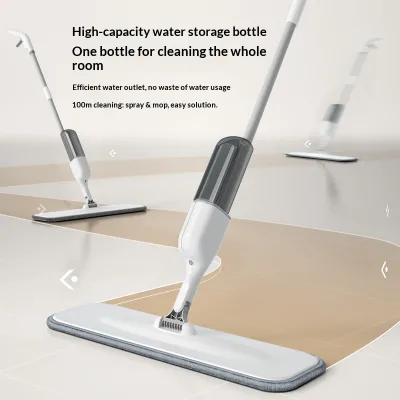
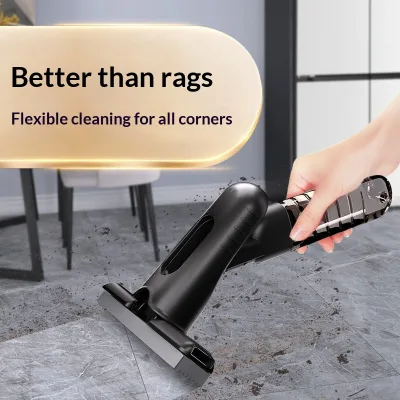
Comprehensive Sourcing Guide
Sliding Type Spray Mop with 2 Mopheads Supplier Concentration and Factory Types
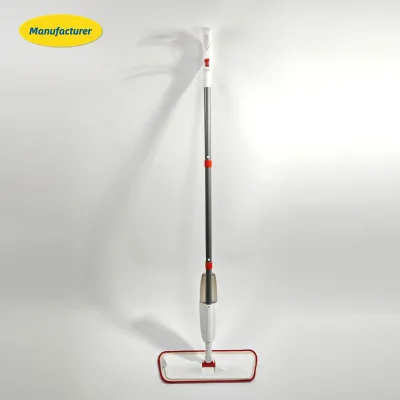
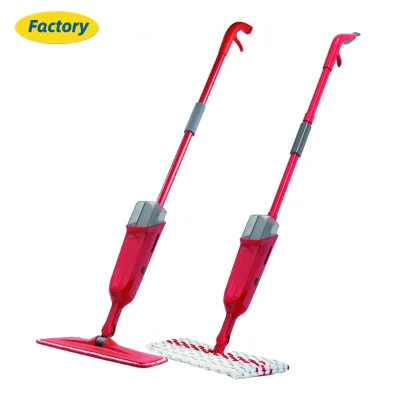
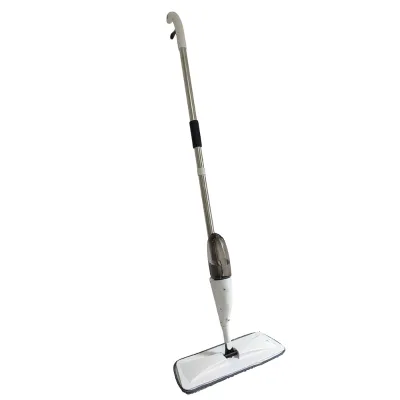
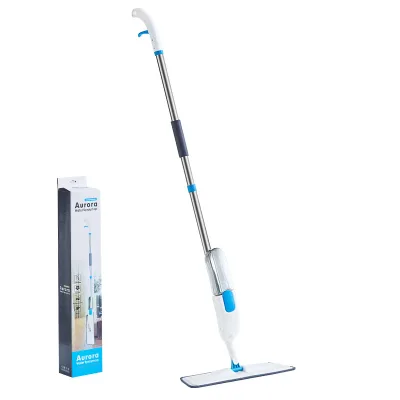
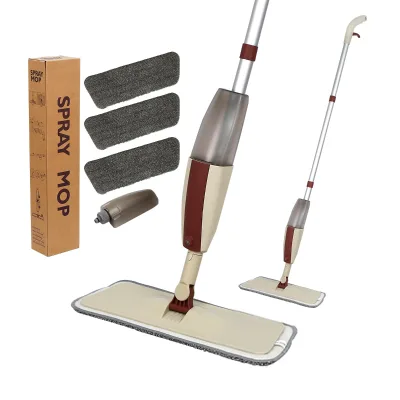
Buyers sourcing this category will encounter suppliers concentrated in China, with the current results pointing to two provinces. Zhejiang appears as the origin of a trading company listing mops with buckets, spray mops, cleaning brushes, shoe racks and flat mops, with product origins in Zhejiang, China. Hebei Province also appears, with a supplier whose main products cover mops, wipers, cleaning brushes, broom sets and cleaning cloths, and whose product data lists Hebei, China as the place of origin. These provincial clusters matter because they signal where molds, microfiber pad supply, plastic injection and steel pole sourcing are already geographically close, which supports the dual-mophead configuration and spare-pad bundles this product type requires.
Supplier types vary. The Zhejiang entry is identified as a trading company, which typically aggregates factory output across several mop lines and can simplify communication for mixed orders, while Hebei listings show a manufacturer-style brand name (COLYNTOOL) on a specific model. Neither structure is inherently superior: trading companies may offer wider SKU coverage but add a margin layer, while factory-direct sourcing may favor customization of the sliding mechanism and second mophead. Where a location is not confirmed in the results, buyers should identify clusters independently by checking declared product origins, asking for factory addresses and business licenses, and verifying whether the sliding mechanism, tank molding and mophead stitching are done in-house or subcontracted before committing to a supplier.
How to Verify Sliding Type Spray Mop with 2 Mopheads Suppliers
Verification should start with the credentials displayed on the platform and move to evidence the buyer requests directly. In the current results, the Zhejiang supplier carries a BV verification mark, which indicates a third-party audit of business information rather than a product-level certification. Buyers should not assume equivalent verification for the Hebei entry and should confirm what, if anything, has been audited. Request the business license, factory photos or a live video walkthrough, and confirm that the supplier actually produces sliding-type spray mops with two mopheads rather than only standard flat or bucket mops, since main-product lists here cover broad cleaning categories.
Because this page returns a trading company alongside other supplier types, buyers should ask who performs final assembly and quality control, and whether the two mopheads, spray nozzle and water tank are tested together before packing. Product-level attributes are a useful cross-check: the Zhejiang listings specify models, materials, packing and origin, while the Hebei listing states a brand, materials such as stainless steel plus PP plus microfiber, and a durability figure of 20,000 uses or above. Verify any durability, absorption or load-bearing claim in writing and, where material to the order, through third-party testing arranged by the buyer. Finally, confirm responsiveness as an operational signal: displayed response times of roughly 2 hours and 12 hours exist among these results, so test whether actual reply speed matches the listing before issuing payment terms.
What to Compare Across Sliding Type Spray Mop with 2 Mopheads Suppliers
Build a comparison table using the attributes actually displayed, without assuming every supplier shows every field. Lead time is a clear differentiator in the current results: one supplier lists 15 days while another lists 30 days, a gap that matters for seasonal restocking. Response time also varies, with listings showing roughly 2 hours versus about 12 hours, which affects how quickly engineering questions about the sliding mechanism or dual-head attachment get resolved. MOQ and price span a wide range: one microfiber-head spray mop lists a 10-piece MOQ at roughly $4.15–$4.30 per unit, a cotton-head 2-in-1 model lists a 50-piece MOQ at $1.90, and Hebei spray mops list prices from about $1.78–$1.98 up to $2.55–$3.16.
Beyond these, compare main products to judge specialization: a Zhejiang supplier focused on mops, spray mops and mop cloths differs from a Hebei supplier spanning mops, wipers, brushes, broom sets and cloths. Compare specification depth, since some listings provide capacity, carton size, pieces per carton, gross weight and handle type while others provide only color and size. Compare handle configuration (extensible versus unextensible), mophead material (microfiber versus cotton), and whether customization is marked available. Establishment year and escrow availability are dimensions worth checking on the platform where displayed, but they are not asserted for every supplier here, so collect them directly rather than assuming parity across the list.
Common Sliding Type Spray Mop with 2 Mopheads Sourcing Risks
The most category-specific risk is mechanism failure at the joints that make this product distinct: the sliding action, the spray trigger or pump, and the attachment of the second mophead. A supplier whose main line is general household cleaning tools, rather than spray mops specifically, may not have validated these points. The Hebei listing describes a 360-degree rotating head and a carton-flow wringing system, which is a related but different construction from a sliding design; confirm the actual product matches your specification before sampling. Mismatched configurations, where photos show one design and production ships another, are a recurring problem in this category.
Attribute inflation is a second risk. Listings state claims such as a durability of 20,000 uses or above, absorption in under 10 seconds, and mop rod load-bearing above 10kg. These are marketing attributes until verified; treat them as testable requirements in a purchase contract with defined failure conditions. Third, watch for MOQ and price volatility: the displayed range runs from a 10-piece MOQ to 50 pieces, and unit prices from under $2 to over $4, so quotes obtained months apart may not reflect the same configuration. Fourth, beware of suppliers who cannot state where the water tank is molded or the mopheads are cut and stitched, since subcontracted steps often cause the delays behind long lead times. Finally, response-time asymmetry—fast pre-sale replies that slow after deposit—is a recognized pattern; align payment milestones with inspection evidence.
Sliding Type Spray Mop with 2 Mopheads Regional Sourcing and Logistics
The confirmed sourcing geographies are Zhejiang and Hebei Province, China, and logistics planning should account for the practical differences between them. Zhejiang's coastal position supports relatively direct container consolidation for North American and European sea freight, and the region's household-products ecosystem means the two mopheads, microfiber pads, steel poles and tank components can often be sourced nearby. Hebei's positioning near northern Chinese ports and industrial supply also supports export shipping, and the region's broader cleaning-tool base (mops, wipers, brushes, broom sets) can be an advantage if you plan to consolidate adjacent SKUs in one shipment.
Product dimensions drive freight economics in this category. The Zhejiang listings give a product standard of 41×14×120cm and, for one model, a carton size of 65×48×65cm with 25 pieces per carton and 18kg per carton; the Hebei listing cites a single package of 100×20×20cm and gross weight of 3kg with carton packing. These figures let buyers compute container utilization before ordering, and the inclusion of two mopheads adds volume per unit that should be reflected in the quoted carton data. Confirm whether mopheads are packed attached or detached, since detached packing usually improves density. Lead times of 15 and 30 days in the current results should be mapped against vessel schedules, and buyers should ask each supplier for the production-only portion of that lead time versus transit.
Sliding Type Spray Mop with 2 Mopheads Commercial Terms and Order Planning
Order planning should reconcile the MOQ structure with the two-mophead requirement. The displayed MOQs run from 10 pieces on a microfiber spray mop to 50 pieces on a cotton-head 2-in-1 model, so low-volume buyers can sample economically, but a second mophead may raise the effective MOQ or per-unit price; confirm whether the quote covers one or two heads and how spare pads are priced. Verify whether customization is genuinely available—both Zhejiang listings mark it so—and clarify minimums for custom color, logo, packaging box and any branding on the tank, since customized color is explicitly offered on the Hebei entry but minimums are not shown in these results.
Payment and risk terms deserve explicit negotiation because escrow status is not asserted for all suppliers on this page; ask each supplier what protected payment options they support and favor structures that tie final payment to inspection of finished goods. Anchor contracts to the specification data that listings provide: model numbers such as MU-HA0050 and PW-7018, materials (microfiber or cotton heads, steel or stainless-steel poles, PP components), capacity figures such as about 400ml or above 701ml where stated, packing box versus carton, and the specific price tier (for example, the $1.78–$1.98 and $2.55–$3.16 ranges). Confirm the lead time in the contract—15 and 30 days appear in current listings—and define what happens if the sliding mechanism or spray function fails pre-shipment inspection, including rework, replacement or cancellation rights.
FAQs
What is the price range for spray mops?
Prices for available spray mops range from approximately $1.78 to $4.30 per unit. The specific cost depends on the model and material. Microfiber options typically cost more than cotton versions. Buyers should check the minimum order quantity to determine the final per-unit price for their specific order volume.
What is the minimum order quantity for these mops?
The minimum order quantity varies by product model. Some microfiber spray mops require a minimum of ten units. Other cotton head models may require fifty units. Buyers must verify the specific MOQ for the exact product code they intend to purchase before placing an order with the supplier.
How long does production take?
Production lead times generally range from fifteen to thirty days. Suppliers in Zhejiang typically report a thirty-day lead time. Suppliers in Hebei Province often offer a faster fifteen-day turnaround. Buyers should confirm the exact schedule with the supplier before finalizing the purchase agreement.
Are customization options available?
Customization is available for many of the listed spray mop models. Buyers can often select specific colors or request custom packaging. The product attributes indicate that customization services are offered. Contact the supplier directly to discuss specific branding or design requirements for your order.
What materials are used for the mop heads?
The available spray mops primarily use microfiber or cotton for the mop heads. Microfiber heads are noted for being eco-friendly and flexible. Cotton heads are described as easily cleaned and suitable for flat mops. The pole material is typically steel for durability. Choose the material that best fits your cleaning needs.
Where are these suppliers located?
The suppliers offering these products are located in China. Specific locations include Zhejiang Province and Hebei Province. Zhejiang suppliers often have a thirty-day lead time. Hebei suppliers may offer faster fifteen-day lead times. Buyers can filter results by these regions to find suppliers closest to their logistics preferences.
How quickly do suppliers respond?
Supplier response times vary across the platform. Some suppliers respond within two hours. Others may take up to twelve hours to reply. Fast response times indicate active customer service teams. Buyers should prioritize suppliers with quick response times to ensure smooth communication during the sourcing process.