Sterile Disposable Surgical Cannula Suppliers and Manufacturers
Source Sterile Disposable Surgical Cannula from 25 verified suppliers in China. Compare ISO 13485 certifications, CE standards, lead times, and MOQs. Contact suppliers directly to request quotes and verify production capabilities; review the available evidence before requesting comparable quotations from suitable candidates.
Updated
Suppliers List

Zibo Eastmed Healthcare Products Co., Ltd.
- Verified by SGS
- Trading Company,Manufacturer/Factory
- China Shandong
- Lead time38 days
- Avg. response≤ 15h
Main productsSyringe, Infusion Set, Disposable Syringe, Burette Set, Hypodermic Needle, Surgical Gloves, Surgical Blade, Blood Transfusion Set, Uringe Bag, Scalp Vein Set
Main marketsSouth America,Eastern Europe,Mid East,Southeast Asia,Eastern Asia,Western Europe,Africa

Changzhou Kangxin Medical Instruments Co., Ltd.
- Manufacturer
- China Jiangsu
- Lead time0 days
- Avg. response≤ 25h
Main productsMedical Disposable, Medical Instruments, Cardiac Surgery Products, Catheter, Extracorporeal Circuit Cannula, Minimally Invasive Surgery Products, Cannula, Wound Retractor, Wound Protector, Medical Cannula
Qingdao Hiprove Medical Technologies Co., Ltd.
- Verified by TüVRheinland
- Trading Company
- Lead time15 days
- Avg. response≤ 3h
Main productsMedical Dressing And Bandage, Injection And Infusion Products, Breathing And Anaesthesia, Medical Protection Products, Laboratory Products
Main marketsAfrica(20%), Mid East(20%), South America(10%)

Qingdao Conston Medical Technology Co., Ltd.
- Manufacturer, Trading Company
- Shandong, China
- Lead time15 days
- Avg. response≤ 9h
Main productsligating clips and appliers,disposable endoscopic instruments,aortic punch,suction irrigation set,disposable trocar
Main marketsSouth Asia(10.00%), Southern Europe(10.00%), Northern Europe(10.00%), Western Europe(10.00%), Eastern Asia(10.00%), Mid East(10.00%), Oceania(10.00%), Africa(10.00%), Southeast Asia(10.00%), Eastern Europe(10.00%)
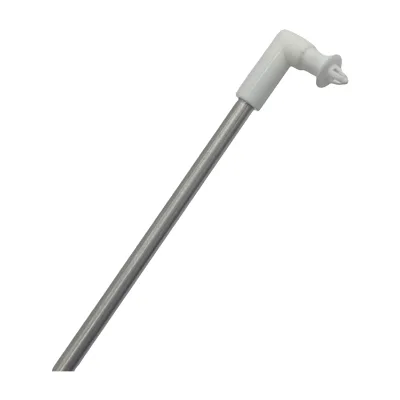
Sterile Disposable Arterial Cannula Cheep Surgical Artery Catheter Coronary Artery Ostial Cannula
$8.00 - $10.00
MOQ: 1 pieces
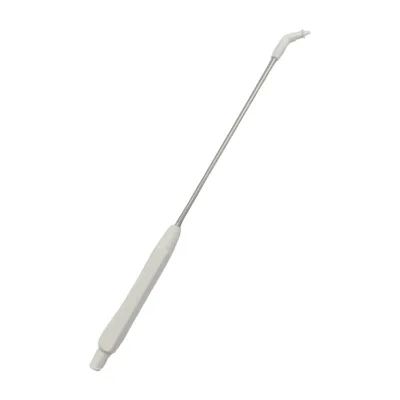
$8.00 - $10.00
MOQ: 1 pieces
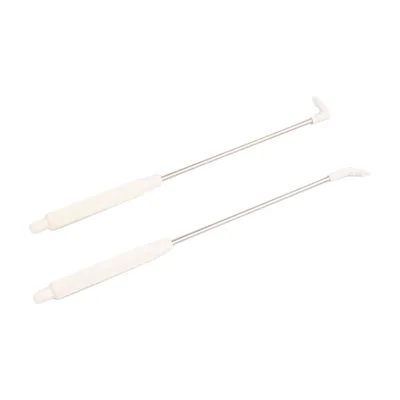
Arterial Iv Cannula Artery Catheter Medical Equipment Medical Supplies Surgical Arterial Cannula
$8.00 - $10.00
MOQ: 1 pieces

SHANGHAI TEAMSTAND CORPORATION
- Verified by BV
- Trading Company
- China Shanghai
- Lead time23 days
- Avg. response≤ 2h
Main productsHypodermic Syringe, Blood Collection Set, Infusion Set, Huber Needle, Breathing Circuit, Prefilled Syringe, Catheter and Tube, Hemodialyser, AV Fistula Needle, Biopsy Needle
Main marketsOthers(foreignTradeCapacity.exportBusinessCapacityMarketOther)


Medical Sterile Disposable Puncture Indwelling Needles Disposable IV Cannula
$0.10 - $0.50
MOQ: 10000 Pieces


Life Medical Equipment(Guangzhou)Co., Ltd.
- Manufacturer
- Guangdong, China
- Lead time7 days
- Avg. response≤ 2h
Main productsEnteral Feeding Tubes,Medical Suction Liner/Ultrasound Anesthesia Needle,Ultrasound anesthesia needle,Arterial Cannula,IV Cannual
Main marketsNorth America(35.00%), Eastern Europe(20.00%), South America(15.00%), Mid East(7.00%), Western Europe(5.00%), Southern Europe(5.00%), Southeast Asia(3.00%), South Asia(3.00%), Eastern Asia(2.00%), Africa(2.00%), Central America(2.00%), Domestic Market(1.00%)

Ningbo Sintrue Medical Instruments Co., Ltd.
- Trading Company
- China Zhejiang
- Lead time30 days
- Avg. response≤ 13h
Main productsMedical Device, Diagnostic Products, Medical Tubes, Wound Dressing, Surgical Instruments, Hospital Uniform, Laboratory Instruments
Main marketsSouth America,Africa,Southeast Asia/ Mideast,East Asia(Japan/ South Korea),Europe,Australia,North America
Weifang Hota New Material Technology Co., Ltd.
- Verified by SGS Group
- Trading Company
- Lead time10 days
- Avg. response≤ 2h
Main productsDisposable Equipment Protective Cover, Surgical Pack, Surgical Drape, Wound Dressing, OR Consumables
Main marketsSouth America(25%), Mid East(25%), North America(10%)
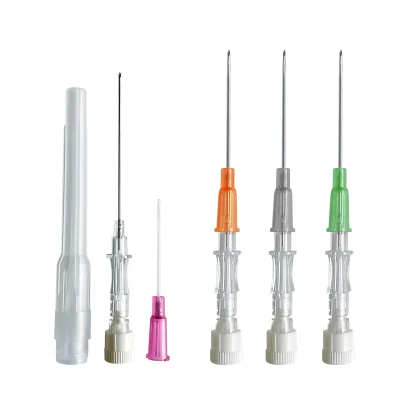
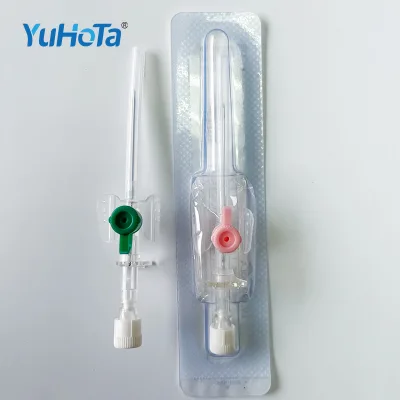
Customized Production of Hospital IV Cannula Venous Cannula Surgical Consumables IV Cannula
$0.5146
MOQ: 1000 Minimum
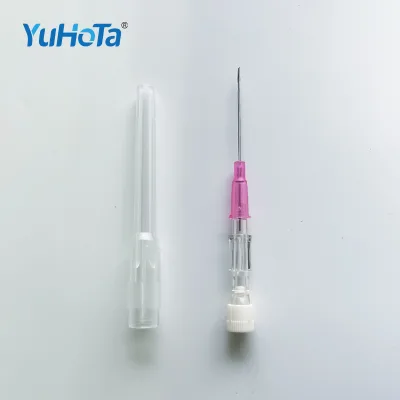
$0.0514 - $0.1556
MOQ: 50 pieces

Shanghai Goldenwell Medical Technology Co., Ltd.
- Verified by CTI
- Trading Company
- China Shanghai
- Lead time15 days
- Avg. response≤ 5h
Main productsMedical Devices, Sports Support, Medical Dressings
Main marketsSoutheast Asia/ Mideast,Europe


Medical Disposable Sterile IV Catheter IV Cannula with Injection Port
$0.1325 - $0.2206
MOQ: 100000 Pieces


Disposable Medical Sterile Products IV Cannula with Injection Valve Low Price
$0.1325 - $0.2206
MOQ: 100000 Pieces

Beijing Liaojie Medical Technology Co., Ltd.
- Trading Company
- Beijing, China
- Lead time0 days
- Avg. response≤ 2h
Main productswound retractor,surgical retractor,suture grasper,tissue stabilizers,suction irrigation
Main marketsSouth Asia(30.00%), Eastern Europe(30.00%), Southeast Asia(20.00%), Mid East(10.00%), Eastern Asia(10.00%)
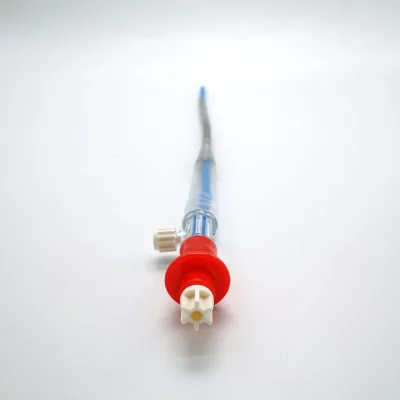
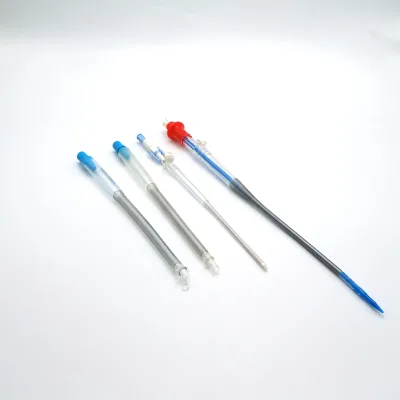
Disposable Wire-wound Reinforced Arterial Cannula Straight Tip,without Ring
$8.50 - $9.50
MOQ: 10 pieces

Shanghai Tebien MedTech Co., Ltd.
- Verified by BV
- Combined
- China Shanghai
- Lead time23 days
- Avg. response≤ 2h
Main productsBlood Collection Tubes, Urine Drainage Bags, Specimen Containers, IV Cannulas, Infusion Sets, Syringes, Borosilicate Glass Tubes, Nasal Oxygen Cannulas, Blood Collection Needles, Medical Device Accessories
Main marketsSoutheast Asia/ Mideast


Disposable IV Catheter / IV Cannula with Injection Port 18g-24G Whole Sale
$0.1352 - $0.1573
MOQ: 5000 Pieces

CHANGZHOU MEDICAL APPLIANCES GENERAL FACTORY CO., LTD.
- Combined
- China Jiangsu
- Lead time30 days
- Avg. response≤ 13h
Main productsSyringe, Disposable Syringe, Infusion Set, Medical Syringe, Hernia Mesh, Ad Syringe, Syringe Luer Lock, Luer Slip Syringe, Insulin Syringe, Disposable Stapler
Main marketsSouth America,Africa,Southeast Asia/ Mideast,East Asia(Japan/ South Korea),Domestic,Europe,Australia,North America


Blister Packed Medical Disposable IV Cannula/IV Catheter with Injection Port
$0.16 - $0.17
MOQ: 20000 Pieces
Ningbo Joycare Medical Instruments Co., Ltd.
- Verified by Intertek
- Trading Company
- Lead time30 days
- Avg. response≤ 5h
Main productsGauze, Vacuum Blood Collection Tube, Reinfocred Universal Set, Medical Tape, Urine Drainage Bag
Main marketsAfrica(50%), Mid East(20%), North America(15%)
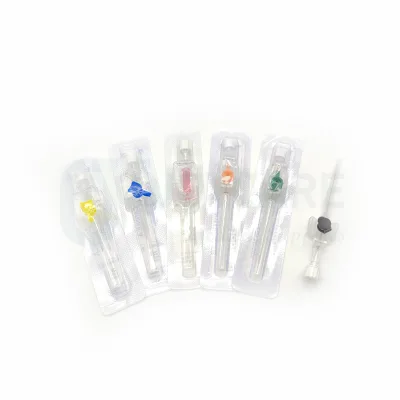
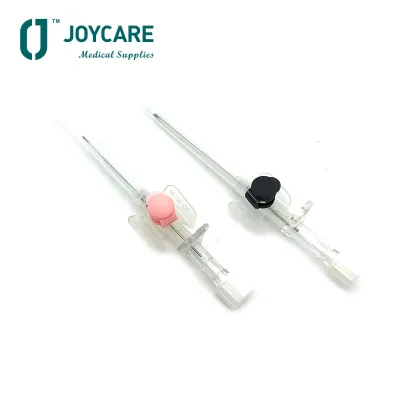
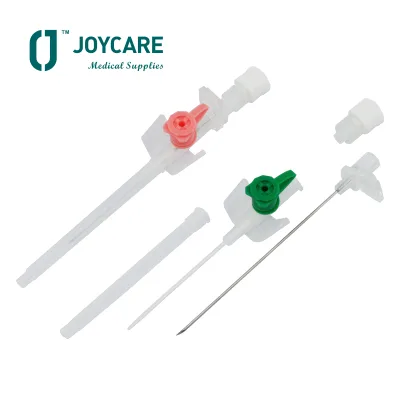
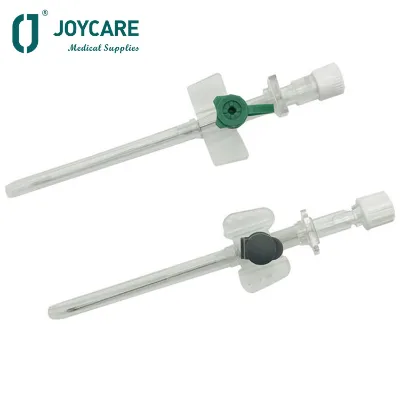
Medical Grade IV Catheter Needles IV Cannula Injection Safety Cannula With Port Size 14G 18G 20G 22G
$0.169 - $0.2573
MOQ: 100 Minimum
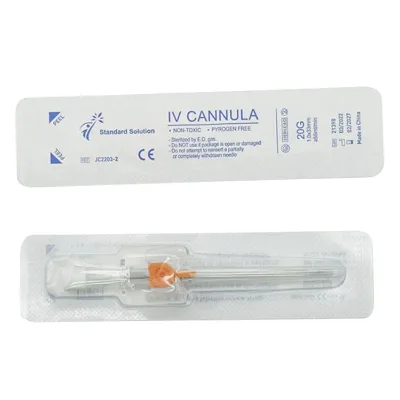
Shandong Chengwu Medical Products Factory
- Manufacturer, Trading Company
- Lead time旺季: "1 - 10000":30,"> 10000":"To be negotiated", 淡季: "1 - 10000":30,"> 10000":"To be negotiated"
- Avg. response≤ 4h
Main productsDisposable Venous Blood Collection Needles, Disposable Vacuum Blood Collection Tubes, Disposable Infusion Set With Burette, Disposable Virus Sampling Tubes, Disposable Infusion Set
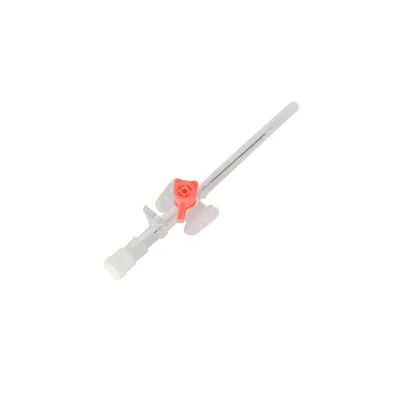
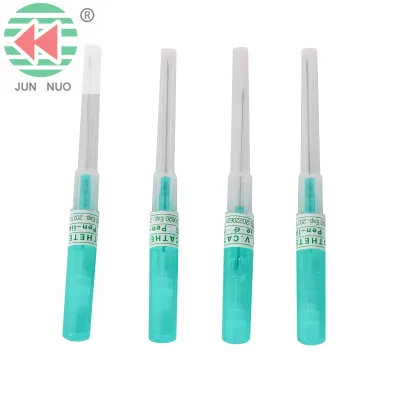
Safety IV Cannula for Medical Infusion Therapy Premium Intravenous Cannula Medical Consumables
$0.1235 - $0.1441
MOQ: 50400 pieces
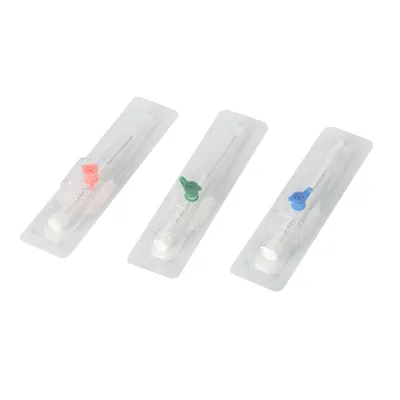
Enhanced Safety Closed IV Cannula with Needle Protection Medical Consumables Product
$0.20
MOQ: 50400 Minimum

Xiamen Vida Healthcare Products Co., Ltd.
- Trading Company,Manufacturer/Factory,Group Corporation
- China Fujian
- Lead time38 days
- Avg. response≤ 5h
Main productsMedical Injection Mould, Disposable Infusion Sets, Disposable Syringe Pre-Filled Flush Syringe, I. V. Catheter I. V. Cannula, Disposable Blood Collection Tube & Needles, Angiography Syringes CT Syringes MRI Syringes, Anesthesia Needles Spinal and Epidural Kit, Silicone Nasal Cannula Oxygen Tubing & Mask, Anesthesia Mask CPAP Mask CPR Mask, Silicone Nasal Prongs
Main marketsSouth America,Eastern Europe,Mid East,North America,Southeast Asia,Eastern Asia,Oceania,Western Europe,Africa


Different Type Medical Disposable Intravenous Cannula Catheter IV Cannula
$0.20 - $0.35
MOQ: 5000 Pieces


High Quality Disposable IV Cannula in Intravenous IV Catheter Intravenous Cannula
$0.28 - $0.45
MOQ: 5000 Pieces

Disposable Intravenous Catheter/IV Cannula /Sealed Intravenous Catheter
$0.28 - $0.45
MOQ: 5000 Pieces
Berpu Medical Technology Co., Ltd.
- Manufacturer
- Zhejiang, China
- Lead time0 days
- Avg. response≤ 10h
Main productsdisposable medical stainless steel cannula,sterile hypodermic needles,insulin pen needles,insulin syringes,sterile syringes
Main marketsEastern Europe(30.00%), North America(30.00%), Domestic Market(20.00%)
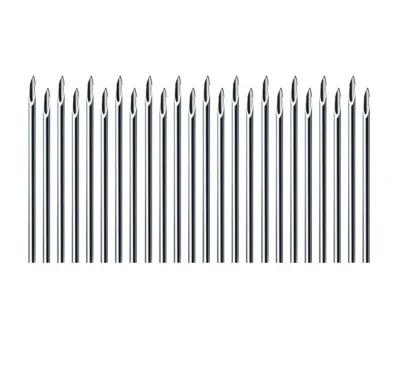
$0.001 - $0.0021
MOQ: 100000 Minimum

Taper Cannula Right Angle Cannula 304 Stainless Steel Cannula for Medical Use
$0.001 - $0.002
MOQ: 100000 Minimum
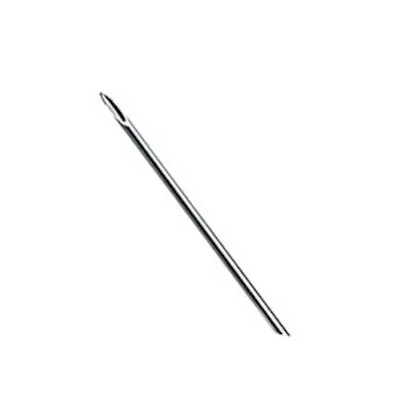
Special Stainless Steel Cannula Custom Made Hypodermic Needle Micro Cannula
$0.001 - $0.002
MOQ: 100000 Minimum
Shanghai Youshou Biotech Technology Co., Ltd.
- Trading Company
- Shanghai, China
- Lead time10 days
- Avg. response≤ 4h
Main productsEndotracheal Tubes,I.V. cannula,Disposable infusion set,Surgical Sutures,Silicone Urinary Catheters
Main marketsNorth America(35.00%), Western Europe(20.00%), South Asia(15.00%), Eastern Europe(10.00%), South America(10.00%), Eastern Asia(10.00%)

Ningbo Yingmed Medical Instruments Co., Ltd.
- Verified by TUVRHEINLAND
- Trading Company,Manufacturer/Factory
- China Zhejiang
- Lead time23 days
- Avg. response≤ 16h
Main productsSurgical Gloves, Alcohol Pads, Surgical Mask, Syringe, IV Set, Bandage, Urine Bag, Oxygen Mask, Nebulizer Mask, Surgical Suture
Main marketsMid East,Southeast Asia,Western Europe,Africa

Sainty International Group Jiangsu Yangzhou Sumex Imp. & Exp. Co., Ltd.
- Trading Company
- China Jiangsu
- Lead time30 days
- Avg. response≤ 12h
Main productsSyringe, Suction Catheter, Endotracheal Tube, Drainage Bag, Bandage, Dental Instrument, Surgical Gown, Vaginal Speculum, Vacutainer, Suture
Main marketsSouth America,Africa,Southeast Asia/ Mideast,East Asia(Japan/ South Korea),Europe,Australia,North America

Shanghai Even Medical Instruments Co., Ltd.
- Trading Company
- Shanghai, China
- Lead time20 days
- Avg. response≤ 3h
Main productsSurgical Blades,Urine Bag,alginate impression,dental stone,surgical suture
Main marketsNorth America(20.00%), Africa(10.00%), Southeast Asia(10.00%), Eastern Europe(10.00%), Mid East(10.00%), Domestic Market(5.00%), South Asia(5.00%), Southern Europe(5.00%), Northern Europe(5.00%), Central America(5.00%), Western Europe(5.00%), Eastern Asia(5.00%), South America(5.00%)
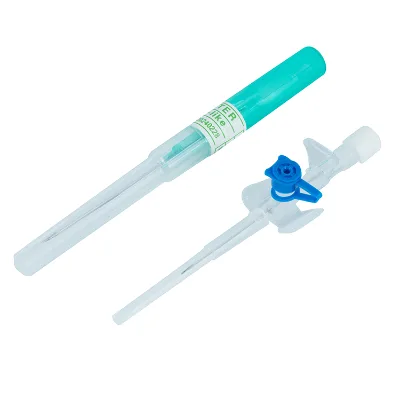
Safety Intravenous Catheter Disposable Sterile IV Cannula for Medical Infusion
$0.11 - $0.25
MOQ: 10000 Minimum
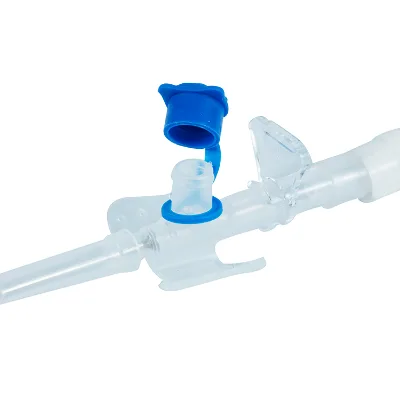
Disposable Different Types Introcan Safety Iv Cannula Sizes and Color Iv Cannula Price Iv Catheter
$0.104 - $0.2603
MOQ: 1000 Minimum
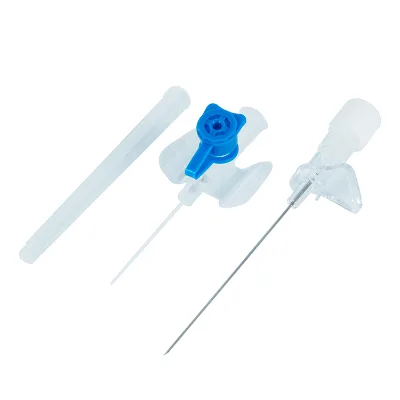
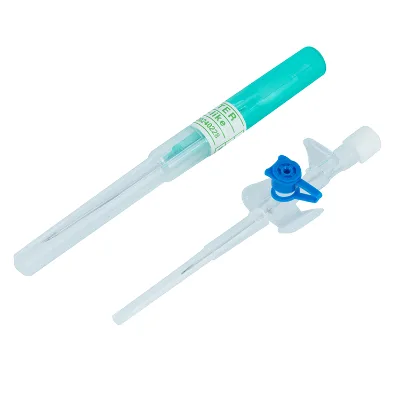
Disposable Safety Intravenous Butterfly Cannula with Class I IV Catheter
$0.1139 - $0.2693
MOQ: 10000 Minimum
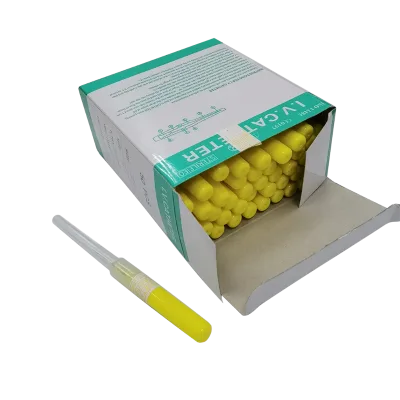
Best Selling Disposable I.V Cannula Catheter Factory Direct Plaster Medical Use
$0.1915 - $0.3052
MOQ: 10000 Minimum

Changzhou Operson Medical Devices Co.,Ltd.
- Verified by SGS
- Combined
- China Jiangsu
- Lead time30 days
- Avg. response≤ 18h
Main productsWounder Plaster, Catheter, Surgical Suture, Medical Consumables, Wounder Dressing, Surgical Disposables, Surgical Equipment, Bandage, First Aid Kit, Syringe
Main marketsDomestic

Yangzhou Goldenwell Import&Export Co., Ltd.
- Verified by BV
- Trading Company,Manufacturer/Factory
- China Jiangsu
- Lead time23 days
- Avg. response≤ 6h
Main productsMedical Devices, Syringe, Medical Tape, Medical Bandage
Main marketsSouth America,Eastern Europe,Mid East,North America,Southeast Asia,Eastern Asia,Oceania,Western Europe,Africa


Medical Disposables Products Sterile IV Catheter Pen Type Intravenous Cannula
$0.1325 - $0.2206
MOQ: 10000 Pieces

Yangzhou Kingcome Supply Chain Co., Ltd
- Verified by SGS
- Trading Company,Manufacturer/Factory
- China Jiangsu
- Lead time45 days
- Avg. response≤ 2h
Main productsAcupotomy Needle, Moxibustion Equipment, Plaster
Main marketsSouth America,Eastern Europe,Mid East,North America,Southeast Asia,Eastern Asia,Oceania,Western Europe,Africa

Reliable Sterile Disposable Laparoscopic Trocar Cannula for Abdominal Surgery
$3.90 - $4.00
MOQ: 50 Pieces

Guaranteed Safe Sterile Disposable Laparoscopic Trocar Cannula for Patients
$3.90 - $4.00
MOQ: 40 Pieces

Changzhou Health Import and Export Company Ltd.
- Verified by TUVRHEINLAND
- Trading Company
- China Jiangsu
- Lead time30 days
- Avg. response≤ 15h
Main productsDisposable Syringe, Hypodermic Needle, Scale Vein Needle, Infusion Set, Transfusion Set, Insulin Syringe, Auto Destruct Syringe, Enfit Syringe, Oral Syringe, Irrigation Syringe
Main marketsSouth America,Africa,Southeast Asia/ Mideast,Europe,Australia,North America

Disposable Medical Sterile IV Catheter/ IV Cannula/ Intravenous Cannula Pen Type
$0.16 - $0.198
MOQ: 20000 Pieces

Disposable Medical Sterile IV Cannula/ IV Catheter/ Intravenous Cannula From 14G to 26g
$0.16 - $0.198
MOQ: 20000 Pieces

IV Catheter Disposable Medical Sterile IV Cannula/ Intravenous Cannula 14G to 26g with CE and ISO
$0.16 - $0.198
MOQ: 20000 Pieces

$0.16 - $0.198
MOQ: 20000 Pieces

Medical Sterile IV Catheter/ IV Cannula/ Intravenous Cannula for Single Use From 14G to 26g
$0.16 - $0.198
MOQ: 20000 Pieces
Hebei Dianya Medical Technology Co., Ltd.
- Verified by SGS Group
- Trading Company
- Hebei, China
- Lead time30 days
- Avg. response≤ 2h
Main productsHousehold Medical Devices, Medical Consumables, Professional Medical Devices
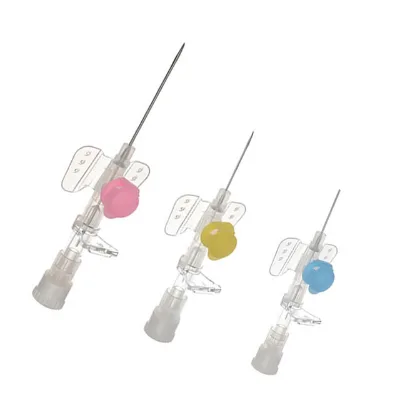
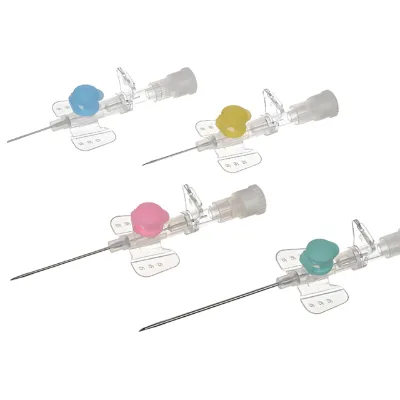
Disposable Medical Iv Catheter with Wing Iv Cannula with Injection Port and wings
$0.1434 - $0.2573
MOQ: 1 pieces
$0.0717 - $0.1229
MOQ: 10000 pieces







Comprehensive Sourcing Guide
Sterile Disposable Surgical Cannula Supplier Concentration and Factory Types
Sterile Disposable Surgical Cannula suppliers on B2B platforms are heavily concentrated in China, and the current supplier results reflect two active provinces: Shandong and Jiangsu. Shandong-based listings cover a broad disposable medical consumables portfolio — syringes, infusion sets, hypodermic needles, blood transfusion sets, and scalp vein sets alongside oxygen and IV cannula products — which indicates a cluster oriented toward high-volume consumables manufacturing. Jiangsu-based listings focus on cardiac surgery products, extracorporeal circuit cannulae, and minimally invasive instruments, pointing to a more specialized surgical device cluster. Buyers should treat these provincial concentrations as observed evidence from the current results rather than a permanent map, and re-check concentrations whenever they run a new search.
Supplier types split between manufacturers and trading companies. A Shandong entry is labeled as both trading company and manufacturer/factory, while the Jiangsu entry is labeled purely as a manufacturer. This distinction matters for cannula sourcing because sterile, EO-sterilized single-use devices require process control that a factory directly manages, whereas a trading company may aggregate multiple plants and offer broader catalogs. When you cannot determine which structure a supplier operates, ask directly whether the sterilization step happens in-house or at a contracted facility, and request the name of that facility. Also note capability labels in the results, such as OEM support and an own brand, which signal whether a supplier can produce under your labeling or only sells stock product lines.
How to Verify Sterile Disposable Surgical Cannula Suppliers
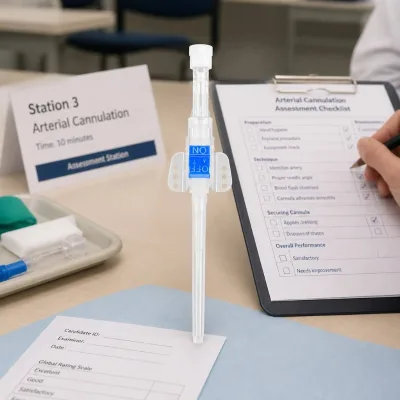
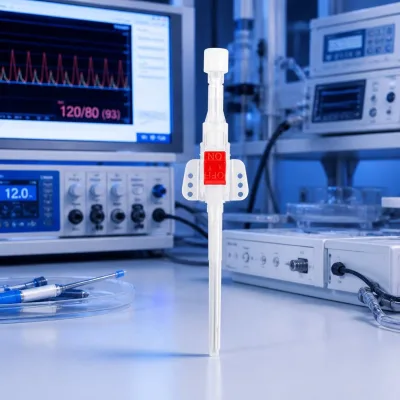
Verification for a sterile single-use device starts with third-party status. In the current results, at least one supplier carries SGS verification, and system certifications listed include ISO 13485, ISO 9001, and QHSE. ISO 13485 is the quality management standard specific to medical devices and should be treated as the baseline expectation for cannula manufacturing; a supplier showing only ISO 9001 warrants a follow-up question about device-specific controls. Product-level evidence also matters: several listings display certifications such as ISOCE on IV cannula products and CE & ISO standards on hypodermic needle cannulae, and one arterial cannula listing cites SGS, ISO 13485, and CE. Ask for the actual certificate documents, check the scope covers cannula products of the type you need, and confirm validity dates rather than relying on a platform badge.
Beyond certificates, verify production reality. Request the sterilization method — ethylene oxide sterilization is declared across multiple cannula and needle listings — and ask for residual EO test reports, since EO residues are a regulated safety parameter for sterile devices. Confirm the claimed shelf life: one arterial cannula listing declares a two-year quality guarantee period, which you should reconcile with your own distribution timelines. Ask whether the factory permits an audit, either in person or via a third-party inspection firm, and request recent batch release documentation. For any claim that appears only as listing text and not as a verified attribute, treat it as unconfirmed until you receive documentary evidence.
What to Compare Across Sterile Disposable Surgical Cannula Suppliers
Build a comparison table from the attributes the platform actually displays, without assuming every supplier shows every field. Useful dimensions in the current results include location (Shandong versus Jiangsu), company type (manufacturer versus trading company), main products, system certifications, verification status, average response time, quoted lead time, research and production capabilities such as OEM availability, and whether the supplier operates an own brand. Response times in the evidence range from roughly fifteen to twenty-five hours, which is a meaningful differentiator when you will run iterative technical discussions. One Shandong supplier shows a lead time of around thirty-eight days; where a supplier shows no lead time, as with the Jiangsu manufacturer, ask for a quoted production schedule rather than assuming parity.
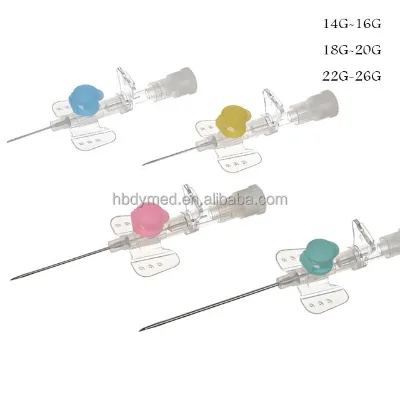
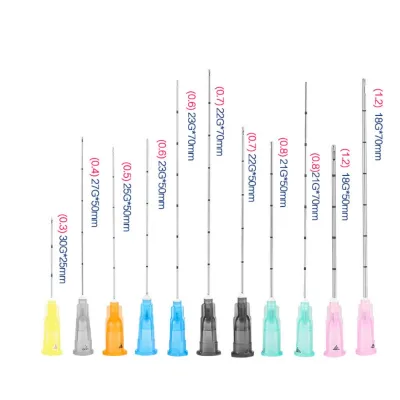
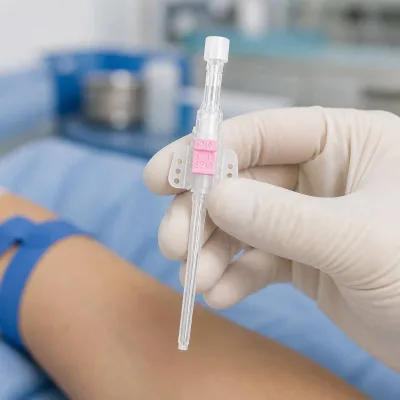
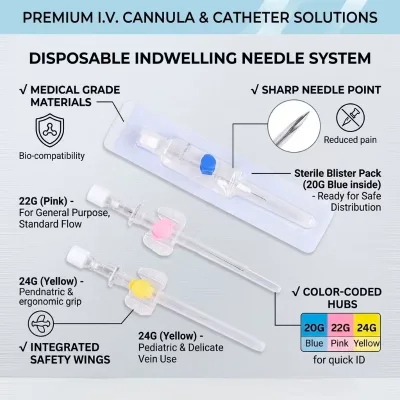
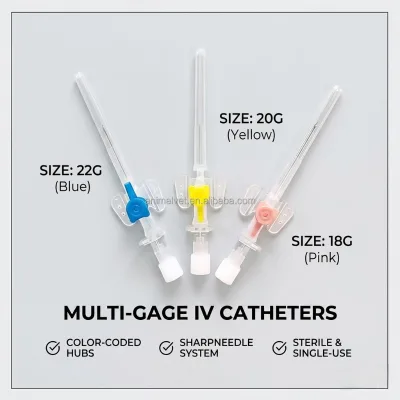
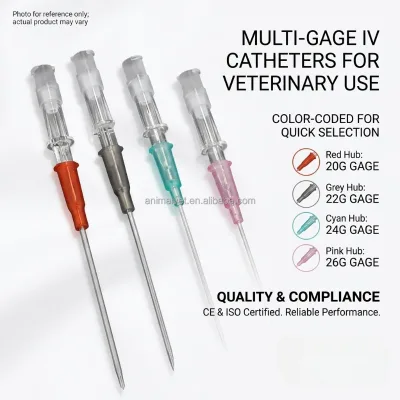
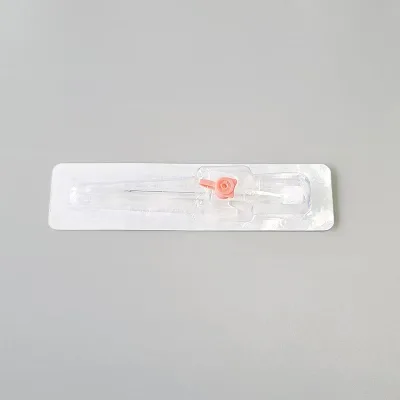
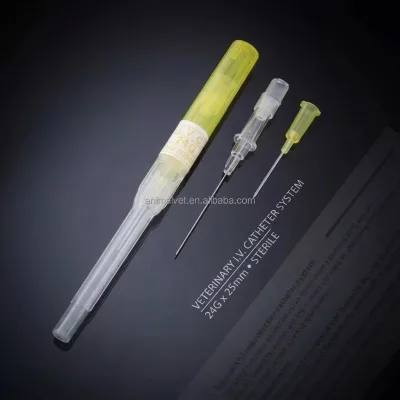
Compare products on their declared specifications, not just photos. For IV cannulae, listings declare gauge ranges, packaging formats such as fifty pieces per box and one thousand per carton, pen-type or winged models, injection port options, and logo printing availability. For cardiac cannulae, compare size ranges such as six to twenty-six French, straight versus curved tips, wirewound reinforced structure, and single Tyvek pouch packaging. For hypodermic needle cannulae, compare the sixteen to thirty gauge model range and packing formats. Finally, compare MOQ structures: consumable cannulae in the results start at ten thousand pieces, while a specialized arterial cannula lists an MOQ of only ten units, reflecting very different volume economics between commodity and surgical-specialty items.
Common Sterile Disposable Surgical Cannula Sourcing Risks
The most frequent risk is conflating a trading company's catalog breadth with manufacturing capability. A listing page may show dozens of cannula and consumable products, but the certified facility behind them may produce only a subset. Because one supplier in the results is labeled as both trading company and manufacturer, clarify for each product line whether the goods come from the company's own registered facility or from subcontracted plants, and obtain the manufacturing site address for the specific cannula you intend to buy. A second risk is certificate mismatch: a supplier may hold ISO 13485 for some device classes while the cannula you need falls outside the certificate scope, or a listing declares a standard without documentary proof.
Sterilization and shelf-life risks are also significant. Ethylene oxide sterilization is declared across many listings, but EO residual limits, biological indicators, and batch validation records are rarely shown on a product page, so demand them. Packaging integrity is another quiet failure point: sterile cannulae ship in PE bags, blister packs, or Tyvek pouches depending on the listing, and a packaging format chosen for cost rather than barrier performance can compromise sterility in humid transit. Also watch for MOQ surprises — commodity IV cannula MOQs of one hundred thousand pieces versus surgical cannula MOQs of ten or twenty units create very different commitment levels — and for price entries that show a single figure without clarity on what volume or configuration it applies to.
Sterile Disposable Surgical Cannula Regional Sourcing and Logistics
The evidence points to two Chinese sourcing regions with different profiles. Shandong suppliers concentrate on high-volume disposable consumables — syringes, infusion sets, needles, and IV and oxygen cannulae — with product origin fields declaring Shandong, China on hypodermic needle listings. This cluster suits buyers needing large-quantity, lower-unit-cost cannula products; declared unit prices in the results sit in the fractions-of-a-dollar range for IV cannulae and needle cannulae, with MOQs scaled to container-level shipping. Jiangsu suppliers specialize in cardiac surgery cannulae such as arterial and venous return cannulae, with unit prices in the eight-to-fourteen dollar range and small MOQs, suiting buyers of procedure-specific surgical devices rather than bulk consumables.
Logistics planning should reflect product value density and sterilization shelf life. Low-value consumable cannulae justify consolidated sea freight in export cartons — one oxygen cannula listing declares a carton measure of fifty-one by twenty-eight by twenty-one centimeters with one hundred pieces per carton — while higher-value cardiac cannulae in single Tyvek pouches can move by air when surgical schedules demand urgency. Confirm that the declared shelf life, such as the two-year guarantee shown on a cardiac cannula listing, leaves adequate remaining life at arrival, and ask how lot numbers and sterilization dates appear on the outer carton for traceability at customs and in your hospital or distributor network. Because neither province guarantees port proximity equally, ask each supplier which port they ship from and factor inland transit into quoted delivery dates.
Sterile Disposable Surgical Cannula Commercial Terms and Order Planning
Order planning should start from the MOQ and price structure visible in the results. Commodity cannulae carry MOQs of ten thousand pieces (oxygen cannulae) and one hundred thousand pieces (IV cannulae), with declared unit prices around fifteen cents, while cardiac arterial cannulae list MOQs as low as ten to twenty units at prices from eight and a half to fourteen dollars, and needle cannulae quote fraction-of-a-cent unit pricing. These ranges mean your negotiation leverage differs sharply by product class: for bulk consumables, push on price breaks at higher tiers and confirm whether the listed price holds at your target volume; for specialty surgical cannulae, minimums are small enough that customization, lead time, and documentation support matter more than unit price.
Structure first orders to manage risk. Because one supplier in the results shows a lead time near thirty-eight days and another shows none, obtain a written production-and-shipment schedule before committing, and build in time for sterilization and release testing, which commonly extends effective delivery beyond assembly time. Use stage-gated payments rather than full prepayment, secure a sample approval tied to the purchase contract, and specify packaging, labeling, gauge mix, and certificate copies as contractual deliverables. Where a platform offers escrow or trade assurance-style protection, note that the current results do not confirm escrow availability for these suppliers, so verify payment-protection options directly. Finally, confirm customization terms — several listings declare customization available with or without logo printing — and agree who owns tooling and printing plates for your branded cannula configurations.
FAQs
What certifications do Sterile Disposable Surgical Cannula suppliers hold?
Suppliers typically hold ISO 13485, ISO 9001, and CE certifications. Some also maintain QHSE system certifications. These credentials ensure compliance with international medical device standards. Buyers should verify specific certificates for their target markets to guarantee product safety and regulatory approval for importation.
What is the typical lead time for manufacturing orders?
Lead times vary significantly by supplier location and capacity. Some manufacturers report a lead time of 38 days, while others may indicate zero days for specific stock items. Buyers should confirm exact production schedules with the supplier before placing orders to ensure timely delivery for their surgical needs.
What are the minimum order quantities for these products?
MOQs range widely depending on the product type. Standard items like test strips may require 10,000 pieces, while specialized arterial cannulas might have an MOQ of just 10 units. Venous return cannulas often require a minimum of 20 units. Buyers should check specific product listings for exact requirements.
How quickly do suppliers typically respond to inquiries?
Response times differ among suppliers. Some report an average response time of 14.76 hours, while others may take up to 25 hours. Prompt communication is crucial for B2B sourcing. Buyers should prioritize suppliers with faster response rates to ensure efficient negotiation and order processing throughout the procurement cycle.
What sterilization methods are used for these cannulas?
Most sterile disposable surgical cannulas utilize Ethylene Oxide Sterilization. This method ensures effective microbial elimination while preserving material integrity. Products are often packaged in single Tyvek pouches or PE bags to maintain sterility until use. Buyers should verify sterilization methods to meet specific hospital or regulatory requirements.
Where are these medical devices primarily manufactured?
Manufacturing locations include China, specifically in Shandong and Jiangsu provinces. Shandong suppliers often produce hypodermic needles and IV cannulas, while Jiangsu manufacturers specialize in arterial and venous cannulas for cardiac surgery. Buyers should verify the exact origin to assess logistics costs and supply chain reliability for their specific needs.
What price ranges apply to disposable surgical cannulas?
Prices vary by product type and specifications. Basic IV cannulas may cost around $0.145 to $0.165 per unit. Specialized arterial cannulas for cardiac surgery can range from $8.50 to $14.00 per unit. Buyers should request detailed quotes based on volume and customization requirements to determine accurate budgeting.