Stage Steps Suppliers and Manufacturers in China
Compare 26 verified Stage Steps suppliers by location, lead time, and certifications. Review product specs like TUV and ISO standards, then request quotes for Aluminum Alloy Fixed Stage Steps or platform steps; review the available evidence before requesting comparable quotations from suitable candidates.
Updated
Suppliers List

- Verified by CTI
- Combined
- China Guangdong
- Lead time15 days
- Avg. response≤ 7h
Main productsSpigot/Bolt Truss, Truss Accessories, Truss Structure, Goal Post Truss, LED Support, Portable Stage, Crowd Barrier, U-Shaped Light Truss, Layher Truss
Main marketsDomestic,Europe,North America

Hunan Hua-Alu Machinery Technology Co., Ltd.
- Verified by TUVRHEINLAND
- Combined
- China Hunan
- Lead time60 days
- Avg. response≤ 22h
Main productsAluminium Step Ladder, Aluminum Work Platforms, Aluminum Pallets, Aluminum Fence, Aluminum Structure, Aircraft Docking, Helicopter Docking, Aluminum Maintenance Platforms
Main marketsSoutheast Asia/ Mideast,East Asia(Japan/ South Korea),Europe,Australia,North America
HESHAN FUSHAN FURNITURE CO., LTD.
- Verified by SGS Group
- Manufacturer, Trading Company
- Lead time30 days
- Avg. response≤ 5h
Main productsBanquet Furniture, Restaurant Furniture, Cafe Furniture, Bar Furniture, Outdoor Table and Chair
Main marketsNorth America(18%), Oceania(15%), Eastern Asia(15%)
Guangzhou Guofeng Stage Equipment Co., Ltd.
- Verified by TüVRheinland
- Manufacturer, Trading Company
- Lead time15 days
- Avg. response≤ 4h
Main productsTruss Lift Tower, Stage, LED Ground Support, Truss Displays, Barrier
Main marketsNorth America(30%), Africa(20%), Mid East(15%)
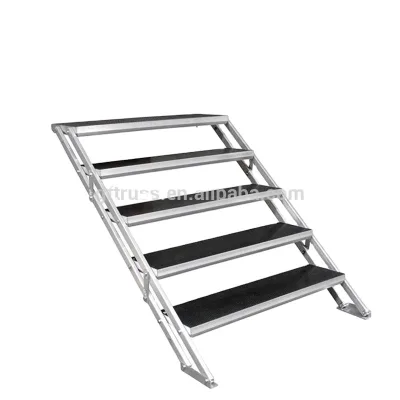
Easy Install Portable Folding Stage Stairs Customized Stairs Steps With Guardrails
$138.6065 - $143.7406
MOQ: 2 pieces
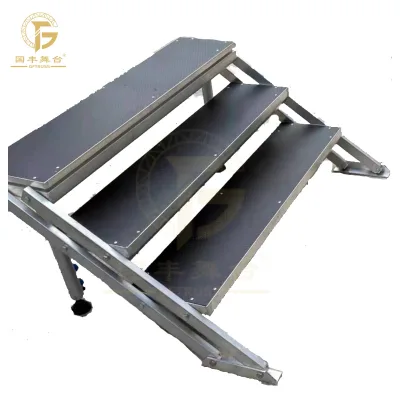
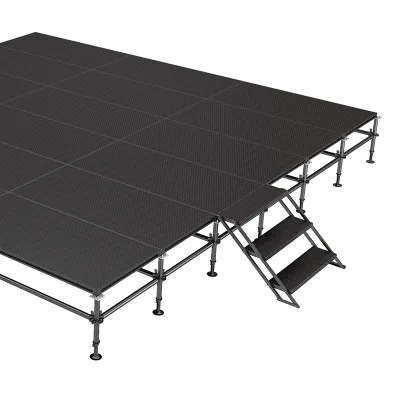
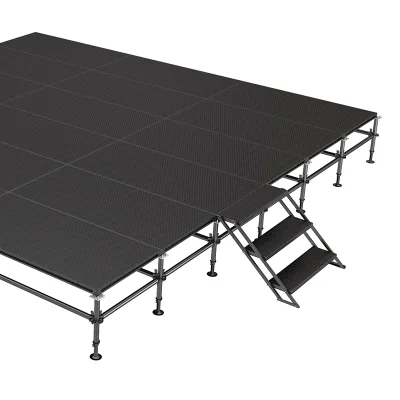
Aluminum Easy Assemble Adjustable Legs Event Stage Platform 3-steps Stairs for Simple Stage
$169.408 - $251.5442
MOQ: 1 pieces
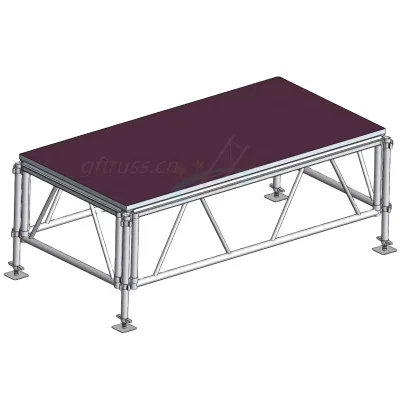
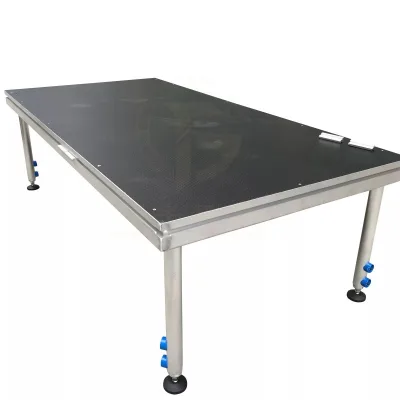
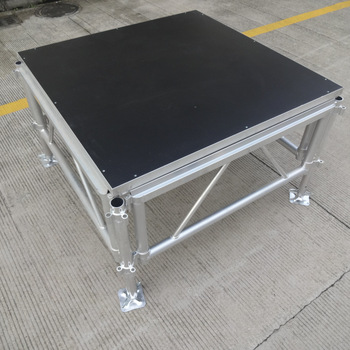
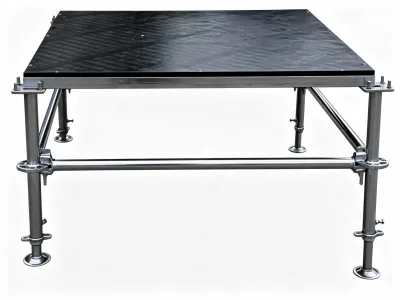
Portable Performance Dance Stage Platform Adjustable Outdoor Swimming Pool Music Stage Floor
$174.5421 - $205.342
MOQ: 50 sets

FOSHAN DRAGON STAGE EQUIPMENT CO.,LTD
- Combined
- China Guangdong
- Lead time15 days
- Avg. response≤ 10h
Main productsTruss, Flight Case, Stage, Lighting Truss, Layer Truss, Truss Manufacturer, Box Truss, Stage Truss, Moving Stage, Performance Equipment
Main marketsSouth America,Africa,Southeast Asia/ Mideast,East Asia(Japan/ South Korea),Domestic,Europe,Australia,North America
Foshan Jiayi Technology Co., Ltd.
- Manufacturer, Trading Company
- Guangdong, China
- Lead time7 days
- Avg. response≤ 2h
Main productsAluminum Truss,Portable Stage,Aluminum Barrier,Lifting Tower,Lighting Truss
Main marketsSoutheast Asia(30.00%), Domestic Market(20.00%), Mid East(10.00%), North America(10.00%), Africa(10.00%), Oceania(5.00%), Western Europe(5.00%), Eastern Asia(5.00%), South Asia(3.00%), Central America(2.00%)
Guangzhou Giant Stage Equipment Co., Ltd.
- Manufacturer, Distributor/Wholesaler, Business Service (Transportation, finance, travel, Ads, etc)
- Guangdong, China
- Lead time15 days
- Avg. response≤ 14h
Main productsaluminum truss,portable stage,aluminum bleachers,aluminum barrier,steel stage
Main marketsSoutheast Asia(15.00%), North America(15.00%), South America(10.00%), South Asia(10.00%), Eastern Asia(8.00%), Africa(8.00%), Oceania(6.00%), Central America(5.00%), Eastern Europe(5.00%), Mid East(5.00%), Southern Europe(4.00%), Western Europe(4.00%), Northern Europe(3.00%), Domestic Market(2.00%)
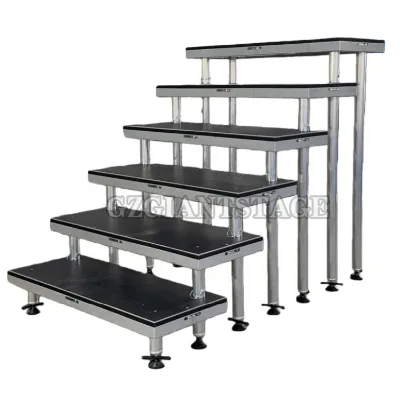
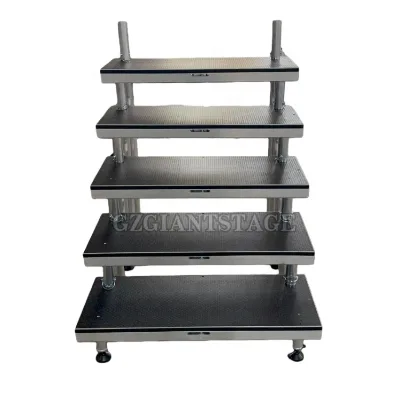
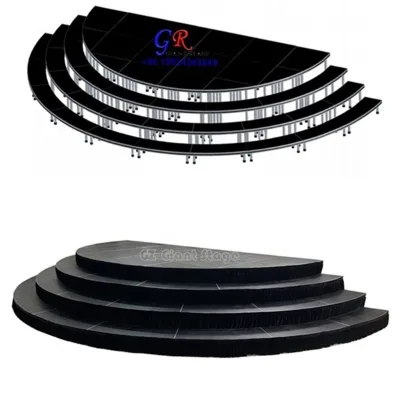
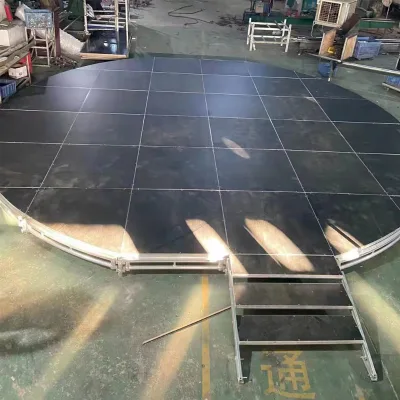
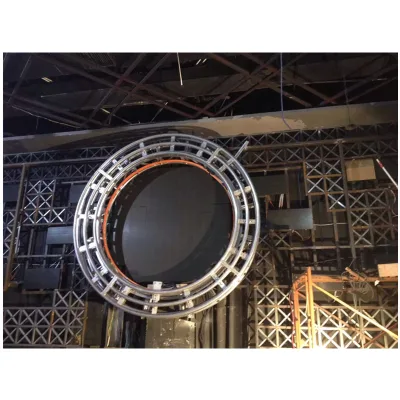
Round Stage Platform Mobile Portable Event Curve Stage Step for Sale
$49.3846 - $70.9896
MOQ: 10 Minimum
- Trading Company
- Hong Kong S.A.R.
- Lead time0 days
- Avg. response≤ 4h
Main productsstage,truss,flight case,pipe drape,crowd barrier
Main marketsSoutheast Asia(40.00%), North America(30.00%), South America(5.00%), Africa(5.00%), Northern Europe(5.00%), Western Europe(5.00%), Southern Europe(4.00%), Mid East(2.00%), Eastern Asia(2.00%), Eastern Europe(2.00%)
Guangzhou Flyko Stage Equipment Co., Ltd.
- Verified by SGS Group
- Manufacturer, Trading Company
- Lead time7 days
- Avg. response≤ 2h
Main productsPar light, LED kinetic ball, LED curtain, LED dance floor, Truss system
Main marketsNorth America(30%), South America(20%), Africa(10%)

Guangzhou Landluck Truss Stage Co., Ltd
- Verified by TUVRHEINLAND
- Trading Company
- China Guangdong
- Lead time30 days
- Avg. response≤ 1h
Main productsTruss Stage, Barries, Flight Case
Main marketsDomestic
HEBEI KADIA FLOOR TECHNOLOGY CO.,LTD
- Trading Company
- Hebei, China
- Lead time15 days
- Avg. response≤ 11h
Main productsPVC SPORTS FLOOR,RUBBER FLOOR MAT,PVC FLOOR,PP INTERLOCKING SPORTS FLOOR,SPC
Main marketsSoutheast Asia(30.00%), North America(20.00%), Mid East(10.00%), South Asia(10.00%), Eastern Asia(10.00%), South America(10.00%), Eastern Europe(10.00%), Northern Europe(5.00%), Western Europe(5.00%), Southern Europe(5.00%), Africa(3.00%), Oceania(1.00%)
Guangzhou Fengsheng Performance Equipment Co., Ltd.
- Verified by TüVRheinland
- Manufacturer, Trading Company
- Lead time10 days
- Avg. response≤ 2h
Main productsAluminum Truss, Stage Tabale, Tent Roof Truss
Main marketsMid East(25%), Southeast Asia(20%), Africa(20%)
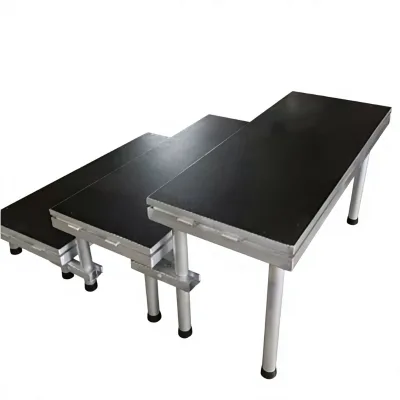
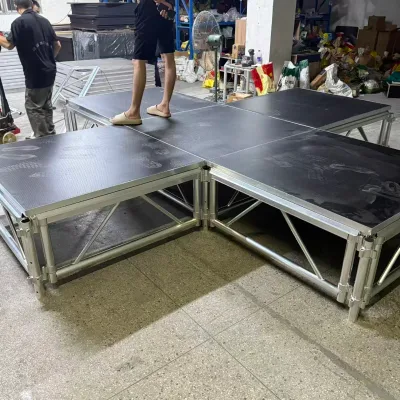
$29.0071 - $41.4384
MOQ: 10 square
Shenzhen Events Technology Co., Ltd.
- Manufacturer
- Guangdong, China
- Lead time15 days
- Avg. response≤ 3h
Main productsPipe and drape,Stage,Truss,LED dance floor
Main marketsWestern Europe(20.00%), North America(20.00%), Central America(10.00%), South America(10.00%), Southern Europe(8.00%), Mid East(7.00%), Southeast Asia(5.00%), Oceania(5.00%), South Asia(4.00%), Eastern Europe(4.00%), Northern Europe(3.00%), Eastern Asia(2.00%), Africa(2.00%)
Guangdong Feiyu Outdoor Product Co., Ltd.
- Trading Company
- Guangdong, China
- Lead time0 days
- Avg. response≤ 9h
Main productstruss,stage,light,tent
Main marketsEastern Asia(80.00%)
$52.3631 - $56.4703
MOQ: 1 square
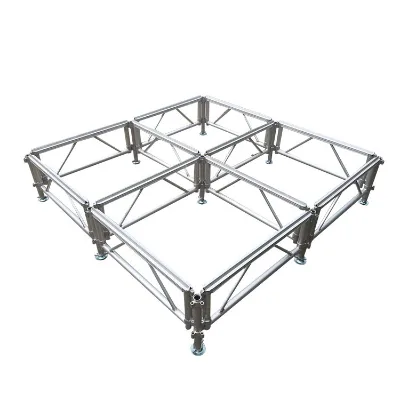
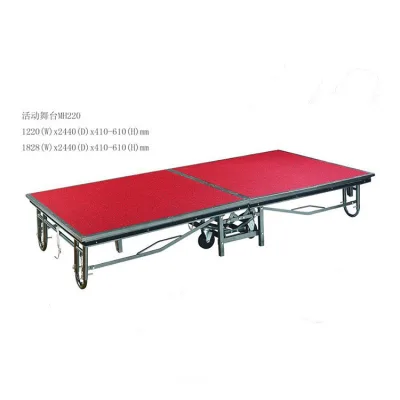
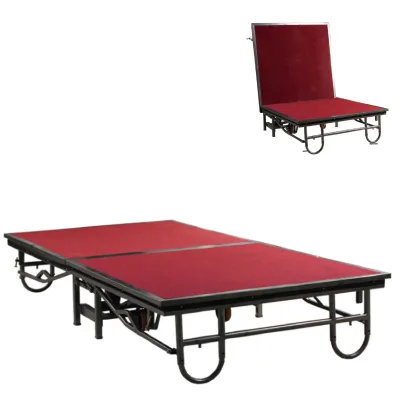
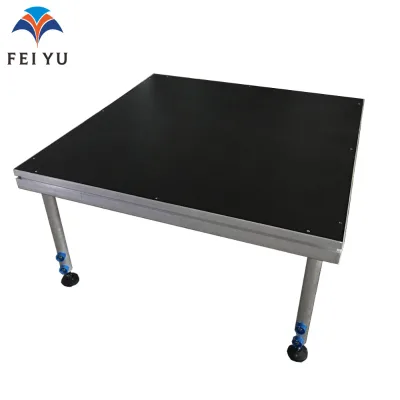
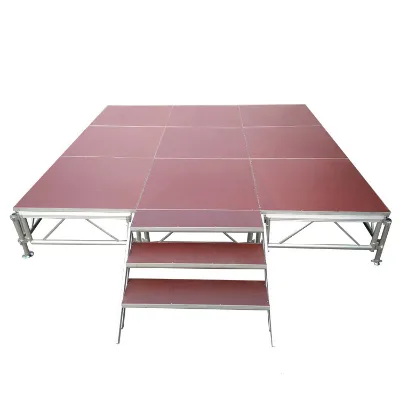
Folding Stage Platform Stage Platform for Music Performance Display Stage Lighting Truss for Sale
$51.00 - $55.00
MOQ: 1 square

Guangzhou Kenzo Performance Equipment Co., Ltd.
- Combined
- China Guangdong
- Lead time23 days
- Avg. response≤ 10h
Main productsAluminum Stage, Aluminum Truss, Aluminum Scaffolding, Layer Truss, Flight Case, Cable Ramp, Aluminum Barricade, Lighting Stand, Electrical Hoist, Choral Risers
Main marketsAfrica,Europe,North America
Shenzhen Kkmark Event Co., Ltd.
- Manufacturer, Trading Company
- Lead time旺季: "1 - 10":55,"11 - 50":65,"51 - 100":75,"> 100":"To be negotiated", 淡季: "1 - 10":55,"11 - 50":65,"51 - 100":75,"> 100":"To be negotiated"
- Avg. response≤ 2h
Main productsAluminum Truss, Staging, Truss Clamps, Flight Cases, Power Cable

Foshan Nanhai Epe Truss Stage Equipment Co., Ltd
- Manufacturer/Factory
- China Guangdong
- Lead time23 days
- Avg. response≤ 10h
Main productsTruss Stage, Stage Truss, Portable Barrier, Scaffolding, Light Stands, Speaker Podium, Hoist, Rigging, Power Cabling, Stage Carpets
Main marketsSouth America,Eastern Europe,Mid East,North America,Southeast Asia,Eastern Asia,Oceania,Western Europe,Africa

- Verified by SGS
- Combined
- China Jiangsu
- Lead time30 days
- Avg. response≤ 2h
Main productsWedding Tent, Party Tent, Tent, Marquee, Warehouse Tent, Sports Tent, Truss Stage
Main marketsNorth America

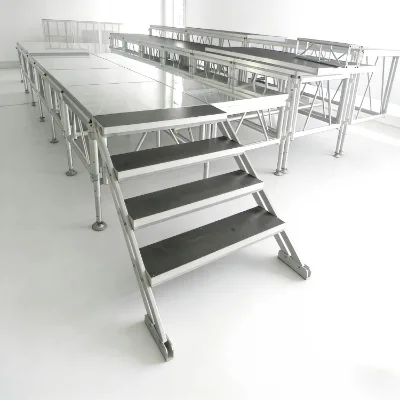
High Quality Aluminum Stair Rise Dance Concert Event Stage Platform for Sale
$37.00 - $58.00
MOQ: 10 Square Meters



Shenzhen Shy Technology Co., Ltd.
- Manufacturer, Trading Company
- Guangdong, China
- Lead time15 days
- Avg. response≤ 4h
Main productsPortable Stage,Dance Floor,Pipe and drape,Flight Case,Truss
Main marketsNorth America(35.00%), Northern Europe(18.00%), Domestic Market(10.00%), Oceania(10.00%), South America(5.00%), Mid East(5.00%), Central America(5.00%), Africa(5.00%), Southeast Asia(2.00%), Western Europe(1.00%), South Asia(1.00%), Southern Europe(1.00%), Eastern Asia(1.00%), Eastern Europe(1.00%)

Foshan Xingmao Furniture Co., Ltd.
- Manufacturer, Trading Company
- Guangdong Province, China
- Lead time30 days
- Avg. response≤ 2h
Main productsFurniture,Household products,Furniture accessories,Import and export of goods,Import and export of technology
Main marketsNorth America(35.00%), Africa(20.00%), Eastern Asia(10.00%), Northern Europe(10.00%), South America(10.00%), Southeast Asia(10.00%), Mid East(5.00%)
Changzhou Qiangyu Metal Products Co., Ltd.
- Verified by Intertek
- Manufacturer, Trading Company
- Lead time7 days
- Avg. response≤ 1h
Main productsTent, Truss, Stage
Main marketsSouth America(25%), Oceania(20%), Africa(15%)
Zhengzhou Jin Tie Machinery Manufacturing Co., Ltd.
- Verified by SGS Group
- Manufacturer, Trading Company
- Henan, China
- Lead time10 days
- Avg. response≤ 1h
Main productsAluminum Alloy Truss, Stage, Layher, Tent, Performing Instrument
Main marketsDomestic Market(50%), Southeast Asia(13%), South America(10%)
Guangzhou Meile Exhibition Equipment Co., Ltd.
- Manufacturer, Trading Company
- Guangdong, China
- Lead time15 days
- Avg. response≤ 6h
Main productsTent,wedding tent,party tent,aluminium gazebo,pagoda
Main marketsSouth Asia(7.69%), Southern Europe(7.69%), Northern Europe(7.69%), Central America(7.69%), Western Europe(7.69%), Eastern Asia(7.69%), Mid East(7.69%), Oceania(7.69%), Africa(7.69%), Southeast Asia(7.69%), Eastern Europe(7.69%), South America(7.69%), North America(7.69%)
Guangzhou Can Win Electronic Technology Co., Ltd.
- Manufacturer
- Guangdong, China
- Lead time15 days
- Avg. response≤ 4h
Main productsStage Truss,Flight Case,Stage Lighting,Electric chain hoists,Stage Effect
Main marketsNorth America(30.00%), South America(20.00%), Western Europe(15.00%), Eastern Europe(5.00%), Northern Europe(5.00%), Mid East(5.00%), Oceania(5.00%), Africa(5.00%), Southern Europe(5.00%), Eastern Asia(3.00%), Southeast Asia(2.00%)
Guangzhou Vake Performance Equipment Co., Ltd.
- Manufacturer, Distributor/Wholesaler, Other
- Guangdong, China
- Lead time15 days
- Avg. response≤ 2h
Main productsTruss,Stage,Nightclub Machinery,Lift stage,Matal Structure customization
Main marketsNorth America(15.00%), Mid East(12.00%), Southeast Asia(10.00%), Africa(10.00%), South Asia(9.00%), South America(8.00%), Central America(7.00%), Southern Europe(5.00%), Northern Europe(5.00%), Western Europe(5.00%), Domestic Market(5.00%), Eastern Europe(5.00%), Eastern Asia(3.00%), Oceania(1.00%)
Jiangyin Damin Lianzhong Electronics Co., Ltd.
- Verified by SGS Group
- Manufacturer, Trading Company
- Lead time7 days
- Avg. response≤ 1h
Main productsTent, Truss, Stage
Main marketsDomestic Market(60%), Southeast Asia(20%), Mid East(20%)
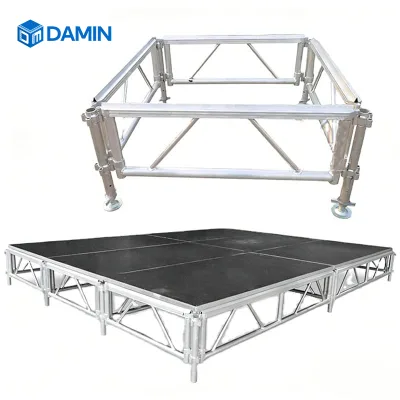
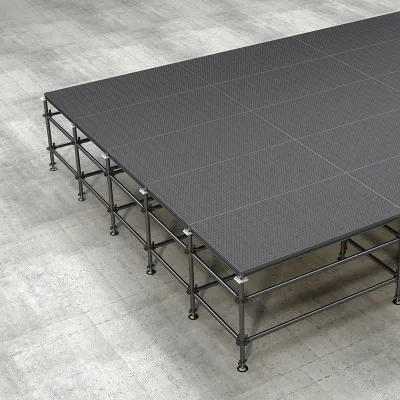
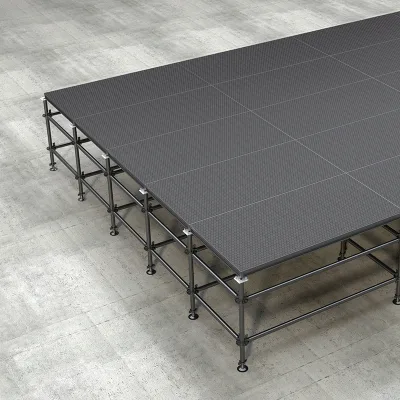
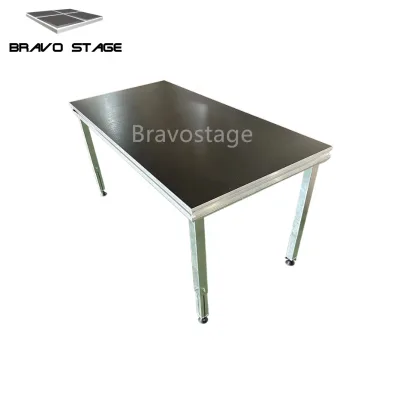
Low Cost Module Stage Podium With Adjustable Feet for Party Activities
$29.7656 - $33.7275
MOQ: 30 meters
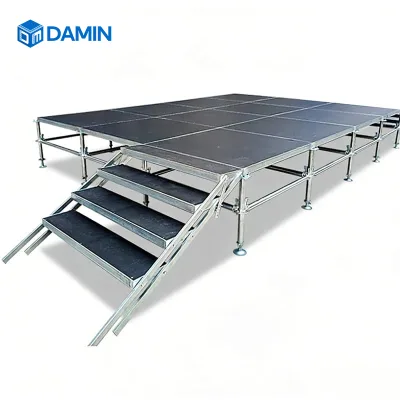




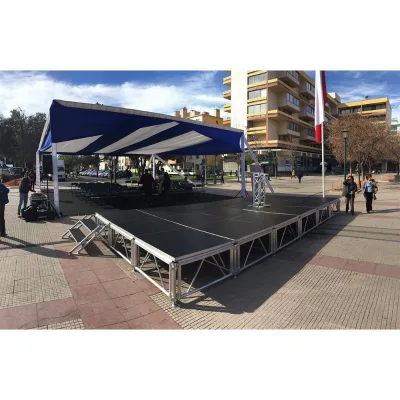
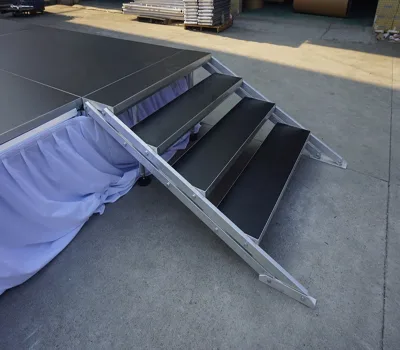
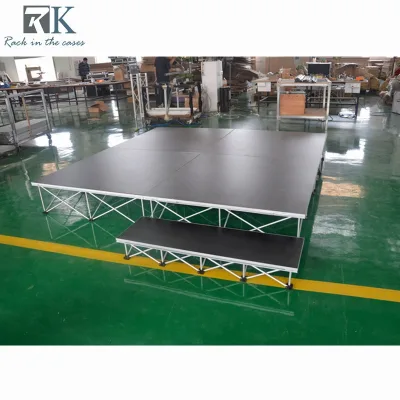
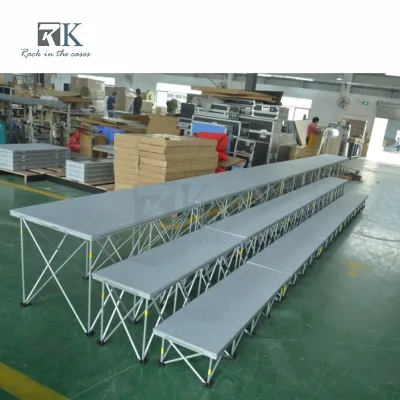


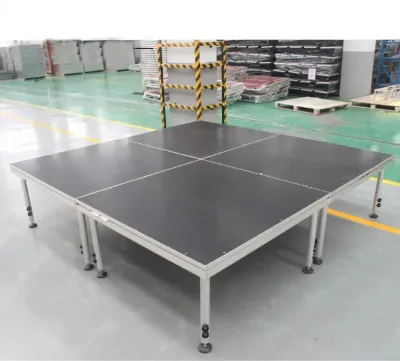
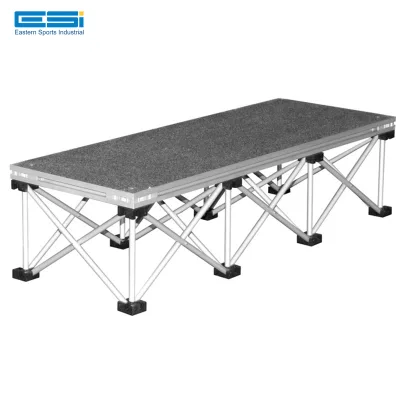
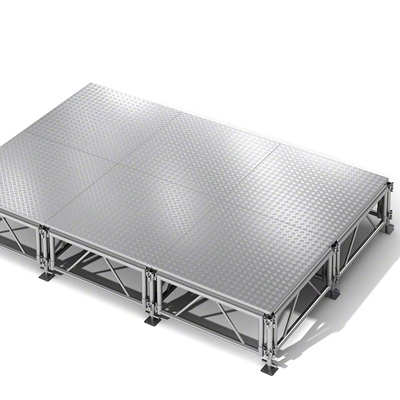


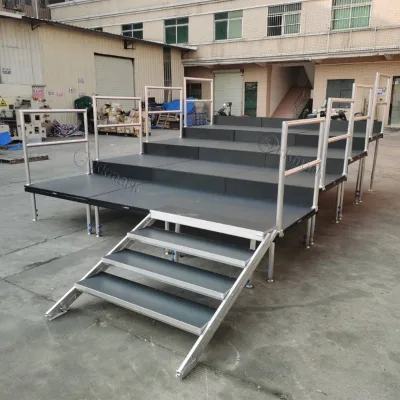


Comprehensive Sourcing Guide
Stage Steps Supplier Concentration and Factory Types
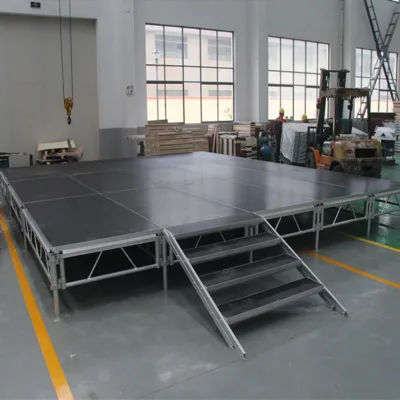
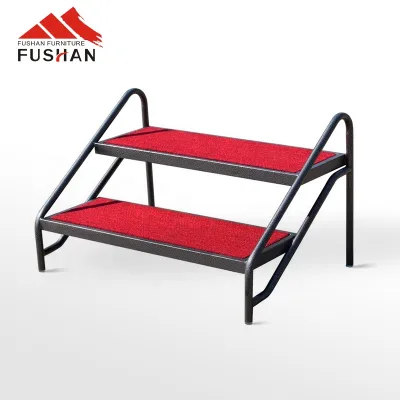
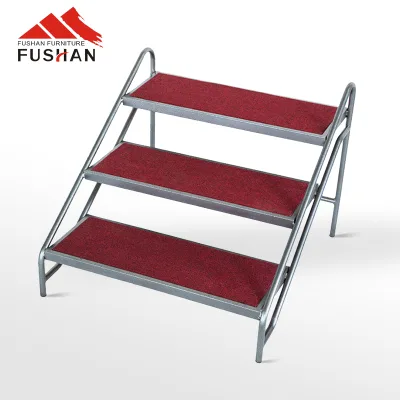
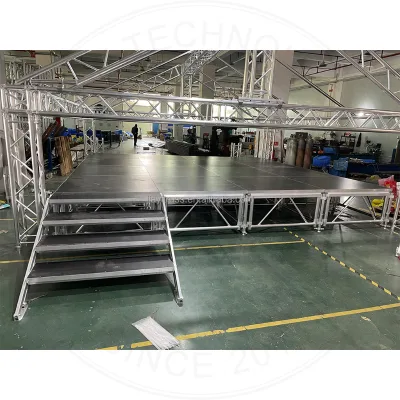
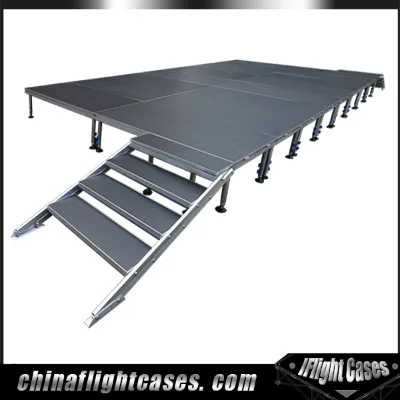
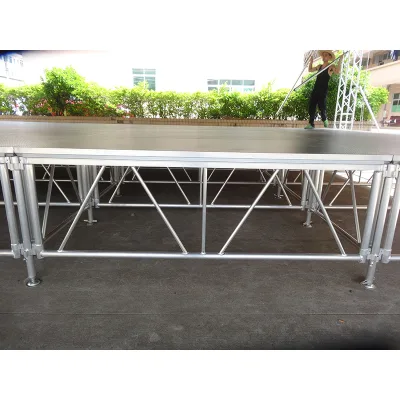
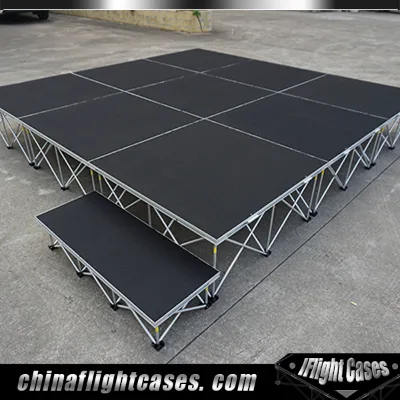
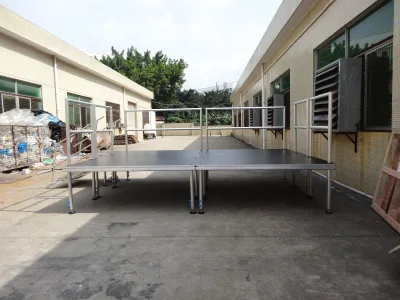
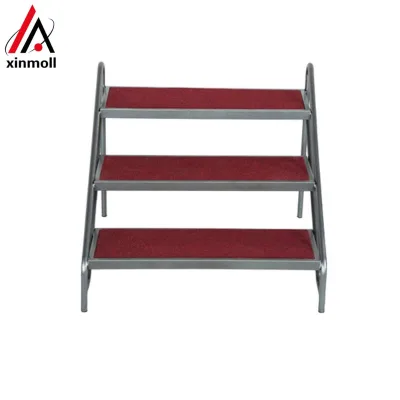
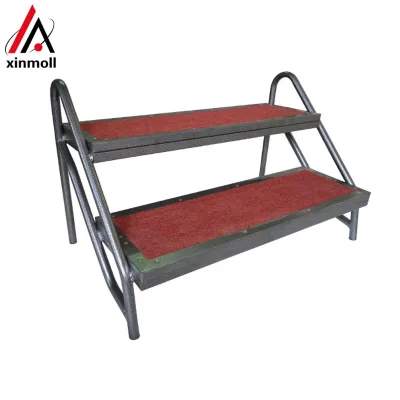
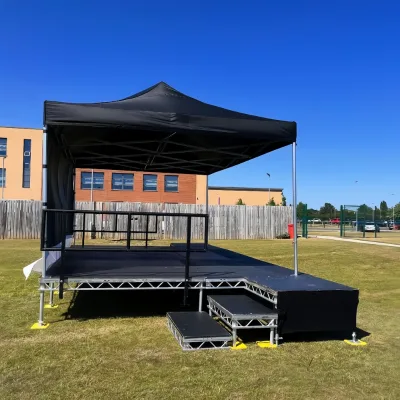
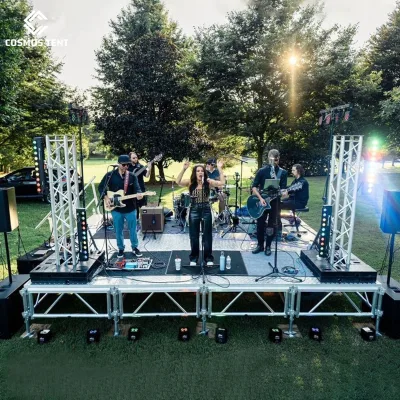
The current supplier landscape for Stage Steps reveals a distinct geographic concentration in China, with specific manufacturing hubs identified in Guangdong and Hunan provinces. Suppliers in Guangdong, such as those in Guangzhou, often focus on event-related structures, including truss accessories, portable stages, and aluminum alloy fixed Stage Steps designed for exhibitions, concerts, and weddings. These entities frequently operate as combined entities, blending manufacturing capabilities with trading functions to offer a broader range of trade show and party equipment. In contrast, suppliers located in Hunan, particularly in Changsha, tend to specialize in industrial and maintenance applications, producing aluminum quick retract platform steps and easily movable aluminum platform steps with casters. This regional split suggests that buyers seeking event-specific staging should look toward the Guangdong cluster, while those requiring heavy-duty industrial access platforms may find more suitable options in the Hunan region. Understanding this geographic distribution allows for more targeted sourcing strategies, ensuring that the supplier’s primary product focus aligns with the specific use case of the Stage Steps required.
Factory types vary significantly across these regions, influencing the level of customization and service offered. Many suppliers in the Guangdong area identify as combined companies, which can provide flexibility in handling both standard and customized orders for exhibition shows. These suppliers often highlight capabilities in ODM (Original Design Manufacturing), allowing for tailored solutions in shape, color, and application scenarios. Meanwhile, suppliers in Hunan often emphasize their status as factories with OEM/ODM options, catering to industrial zones and factory environments. Some suppliers in this sector also hold their own brands, indicating a mature production ecosystem. The presence of both manufacturer and trading company types in the broader market means buyers must carefully distinguish between direct factory sources and intermediaries. Direct factories may offer more control over production timelines and material specifications, while trading companies might provide a wider variety of complementary products. Evaluating the company type is crucial for determining the level of direct engagement and the potential for cost savings or specialized service.
How to Verify Stage Steps Suppliers
Verification is a critical step in ensuring the reliability and quality of Stage Steps suppliers, as the market includes entities with varying levels of third-party validation. Buyers should prioritize suppliers who have undergone rigorous verification processes by recognized international testing and certification bodies. For instance, some suppliers in the current results are verified by CTI, while others hold verification from TÜV Rheinland or SGS Group. These verifications provide a layer of confidence regarding the supplier’s business legitimacy and operational stability. Additionally, system certifications such as ISO 9001:2015, ISO 14001:2015, and ISO 45001 are key indicators of a supplier’s commitment to quality management, environmental responsibility, and occupational health and safety. Suppliers in the Hunan region, for example, are noted to hold ISO 9001 and ISO 14001 certificates, which are particularly relevant for industrial platform steps. Buyers should actively request and review these certification documents to ensure they meet the specific regulatory or safety standards required for their project.
Beyond certifications, product-specific evidence and attributes offer further insight into a supplier’s capabilities. Detailed product listings often include information on materials, such as 6061-T6 aluminum, and specific features like non-slip treads or heavy-duty load-bearing capacities. Some products are certified by TUV, which adds another layer of assurance for safety-critical components. Buyers should examine the product attributes closely, looking for details on customization options, such as available shapes, colors, and tier configurations. The presence of specific model numbers, like HL-M25 or HL-M26, can also help in tracking product consistency and availability. Furthermore, checking the supplier’s response time can be an indirect indicator of their operational efficiency; faster response times may suggest a more agile and customer-focused organization. By combining verification status, system certifications, and detailed product evidence, buyers can build a comprehensive profile of each supplier, reducing the risk of engaging with unreliable or unqualified vendors.
What to Compare Across Stage Steps Suppliers
When evaluating multiple suppliers, it is essential to compare key operational metrics such as lead times, minimum order quantities (MOQs), and response speeds to determine which partner best fits the project timeline and volume requirements. Lead times can vary significantly, with some suppliers offering a 15-day turnaround for standard items, while others may require up to 60 days for more complex or customized orders. This difference is crucial for buyers with tight deadlines, as it directly impacts project scheduling and inventory management. Similarly, MOQs provide insight into the supplier’s flexibility; some suppliers accept orders as low as one unit, which is ideal for small-scale events or prototyping, while others may have higher thresholds. Comparing these metrics across suppliers allows buyers to identify those that align with their specific volume needs and delivery expectations. Additionally, response times, measured in hours, can indicate the supplier’s responsiveness to inquiries and potential issues during the procurement process.
Another critical aspect of comparison is the range of main products and customization capabilities offered by each supplier. Suppliers focusing on event equipment may offer a wide array of truss structures, portable stages, and LED supports, whereas those in the industrial sector might specialize in aluminum work platforms and maintenance steps. Buyers should assess whether the supplier’s main products align with their broader sourcing needs, as this can simplify logistics and reduce the number of vendors to manage. Customization options, such as available shapes, colors, and tier configurations, are also important differentiators. Some suppliers offer extensive customization, including square or circular shapes and specific color choices, while others may have more limited options. By systematically comparing lead times, MOQs, response speeds, product ranges, and customization capabilities, buyers can make informed decisions that balance cost, quality, and convenience. This comparative approach ensures that the selected supplier not only meets the immediate requirements but also supports long-term sourcing goals.
Common Stage Steps Sourcing Risks
One of the primary risks in sourcing Stage Steps is the potential mismatch between product specifications and actual delivery, particularly when dealing with customized items. Suppliers may offer extensive customization options, such as specific shapes, colors, or tier configurations, but the final product may not meet the buyer’s exact expectations if the specifications are not clearly defined in the contract. This risk is exacerbated by the lack of standardized dimensions across different suppliers, as products may vary in thickness, step height, and overall dimensions. Buyers must ensure that all technical details, including material grades like 6061-T6 aluminum and load-bearing capacities, are explicitly stated in the purchase order. Additionally, the absence of antitheft features in some products, as noted in certain listings, may pose security risks for outdoor or public events. Buyers should carefully review product attributes to identify any limitations or missing features that could impact the safety or functionality of the Stage Steps in their specific application.
Another significant risk is the variability in quality assurance and after-sales support among suppliers. While some suppliers provide quality guarantees, such as a normal use period of 9-12 years, others may not offer such assurances, leaving buyers vulnerable to premature wear or failure. The lack of system certifications in some cases, indicated by "NIL" in certain results, further increases this risk, as it suggests that the supplier may not adhere to recognized quality management standards. Buyers should be cautious when selecting suppliers without verifiable certifications or clear quality guarantees, as this can lead to costly replacements and project delays. Furthermore, the payment terms, such as a 30% deposit in advance and 70% balance before shipment, can pose financial risks if the supplier fails to deliver or delivers substandard products. To mitigate these risks, buyers should conduct thorough due diligence, request samples, and consider using escrow services or other secure payment methods to protect their interests throughout the procurement process.
Stage Steps Regional Sourcing and Logistics
Sourcing Stage Steps from specific regions in China, such as Guangdong and Hunan, offers distinct logistical advantages and challenges that buyers must consider. Suppliers in Guangdong, particularly in Guangzhou, are often well-positioned for export due to their proximity to major ports and established logistics networks. This location can facilitate faster shipping times and lower freight costs for international buyers, especially those in Asia, Europe, and North America. The focus of Guangdong suppliers on event-related products, such as portable stages and truss structures, means that packaging and handling methods are optimized for these items, often using air bubble film or bubble wrap to protect delicate components during transit. Buyers should leverage this regional expertise by coordinating with suppliers who have experience in exporting similar products, ensuring that packaging standards meet international shipping requirements. Additionally, the concentration of suppliers in this region can lead to competitive pricing and a wider selection of products, making it an attractive sourcing destination for event organizers and rental companies.
In contrast, sourcing from Hunan, particularly Changsha, may involve different logistical considerations due to its inland location. Suppliers in this region specialize in industrial aluminum steps and platforms, which may require more robust packaging, such as wooden box packages or wooden frames, to withstand longer transit times and handling. Buyers should account for potential delays in shipping and ensure that the packaging is sufficient to protect the products during transit. The focus on industrial applications in Hunan also means that buyers may need to coordinate more closely with suppliers to ensure that the products meet specific industrial safety standards. Additionally, the lead times for products from this region may be longer, as indicated by the 60-day lead time for some suppliers, which buyers must factor into their project planning. By understanding the logistical implications of sourcing from different regions, buyers can make informed decisions about which suppliers to engage with, ensuring that the products arrive on time and in good condition.
Stage Steps Commercial Terms and Order Planning
Commercial terms and order planning are critical components of successful Stage Steps procurement, requiring careful attention to pricing, payment structures, and delivery schedules. Prices for Stage Steps can vary widely, with some products ranging from approximately $155 to $199 per unit, while others, such as industrial platform steps, may cost around $400 to $500 per unit. Buyers should request detailed quotes that include all costs, such as shipping, insurance, and taxes, to avoid unexpected expenses. Payment terms also play a significant role in order planning; some suppliers require a 30% deposit in advance with the balance due before shipment, which can impact cash flow. Buyers should negotiate terms that align with their financial capabilities and risk tolerance, considering the use of escrow services to secure transactions. Additionally, understanding the lead times is essential for effective order planning, as delays can disrupt project timelines. Buyers should establish clear communication channels with suppliers to monitor production progress and address any issues promptly.
Order planning also involves managing inventory and storage, particularly for large-scale events or industrial projects. Buyers should consider the dimensions and weight of the Stage Steps to determine the most efficient storage and handling methods. Products with customizable dimensions, such as 1.221.22m or 12m stages, may require specific storage solutions to prevent damage. Furthermore, buyers should plan for potential maintenance and replacement needs, especially for high-traffic areas or industrial environments. Some suppliers offer quality guarantees, such as a normal use period of 9-12 years, which can inform long-term maintenance budgets. By carefully planning commercial terms and order logistics, buyers can ensure a smooth procurement process, minimize risks, and achieve their project goals. This proactive approach to order planning helps in building strong relationships with suppliers and securing reliable supply chains for future needs.
FAQs
What is the price range for aluminum Stage Steps?
Prices for aluminum Stage Steps typically range from 155.56 to 198.90 USD per unit. Some specialized industrial platform steps may cost around 400 to 500 USD. These figures reflect standard configurations and may vary based on customization needs, material thickness, and specific load-bearing requirements for your event or facility.
What is the minimum order quantity for Stage Steps?
The minimum order quantity is generally one unit, allowing for single-item purchases. This low MOQ supports trial orders or small-scale event setups. Buyers can order individual pieces without needing to meet bulk thresholds, making it accessible for various project sizes and budget constraints.
How long does production take for Stage Steps?
Lead times vary by supplier location and product type. Suppliers in Guangdong typically offer a lead time of 15 days. Manufacturers in Hunan may require up to 60 days for production. These timelines depend on order volume, customization complexity, and current factory capacity.
Are Stage Steps customizable for specific events?
Yes, customization is available for most Stage Steps. Buyers can select shapes like square or circle, and colors such as black or red. Step heights can be adjusted between 150-250mm, and tier configurations are customizable. This flexibility ensures the steps fit specific stage designs and safety requirements.
What certifications do Stage Steps have?
Product certifications include TUV for certain aluminum Stage Steps. System certifications for suppliers may include ISO9001:2015, ISO14001:2015, and ISO45001. Some products also carry CE and SGS certificates. These certifications ensure quality and safety standards are met for commercial and industrial applications.
Where are Stage Steps manufactured?
Stage Steps are primarily manufactured in China. Key production locations include Guangdong and Hunan provinces. Guangdong suppliers often focus on truss structures and portable stages, while Hunan manufacturers specialize in aluminum platform steps and industrial ladders. These regions offer robust supply chains for metal fabrication.