Steam Heating Rotary Dryer Suppliers and Manufacturers
Compare 26 verified Steam Heating Rotary Dryer suppliers in China Henan and Shandong. Review ISO 9001 certifications, response times, lead times, and product specifications like capacity and voltage before contacting factories for quotes; review the available evidence before requesting comparable quotations from suitable candidates.
Updated
Suppliers List

Henan Songling Heavy Industry Technology Co., Ltd.
- Verified by TUVRHEINLAND
- Manufacturer/Factory
- China Henan
- Lead time45 days
- Avg. response≤ 3h
Main productsMining Machine, Crushers, Grinding Mills, Feeders, Screens, Flotation Machine, Magnetic Separator, Oil Sludge Pyrolysis Machine, Ore Dressing Equipments, Conveyors
Main marketsSouth America,Mid East,Southeast Asia,Eastern Asia,Africa
Shandong Bolida Machinery Co., Ltd.
- Manufacturer, Trading Company
- Lead time旺季: "1 - 1":30,"> 1":"To be negotiated", 淡季: "1 - 1":30,"> 1":"To be negotiated"
- Avg. response≤ 4h
Main productsShredder, Wood Chipper, Hammer Mill, Dryer, Wood Pellet Machine
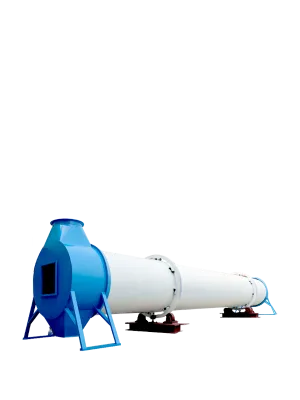
$82300.00
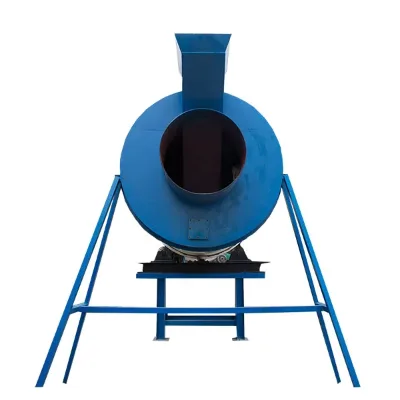

Shandong Jinta Machinery Group Co., Ltd.
- Combined
- China Shandong
- Lead time120 days
- Avg. response≤ 17h
Main productsAlcohol Equipment, Ddgs, Chemical Equipment, Heat Exchager, Column, Vessel, Fuel Ethanol Equipment, Starch Equipment, Ethanol/Alcohol Production Line, Pump
Main marketsSouth America,Africa,Southeast Asia/ Mideast,North America

Shanghai Huayi Washing Machinery Co., Ltd.
- Verified by SGS
- Combined
- China Shanghai
- Lead time30 days
- Avg. response≤ 4h
Main productsLaundry Equipment, Laundry Machine, Washer Extractor, Industrial Washing Machine, Flatwork Ironer, Laundry Folding Machine, Dry Cleaning Machine, Commercial Washing Machine, Coin Operated Washing Machine, Coin Washer Dryer
Main marketsAustralia
Henan Zhongke Engineering & Technology Co., Ltd.
- Verified by Intertek
- Manufacturer, Trading Company
- Lead time0 days
Main productsJaw Crusher, Rotary Kiln, Rotary Dryer, Ball Mill, Ore Dressing Production Line
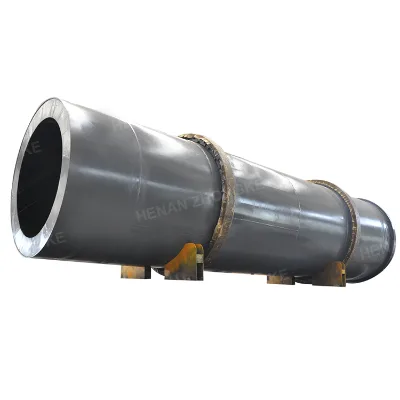
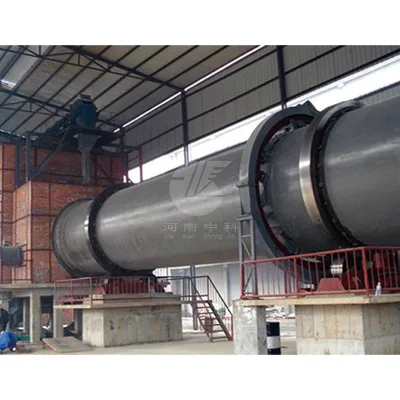
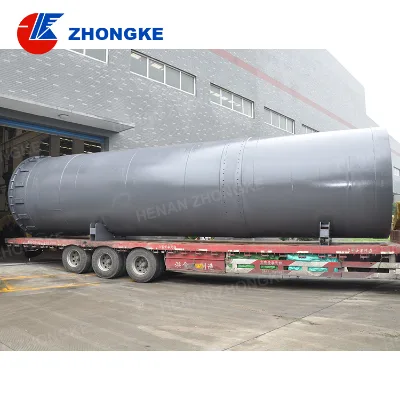
Rotary Drum Dryer Oven Steam Tube Rotary Dryer for Gypsum Iron Powder Pellet Mill
$58690.5928
MOQ: 1 Minimum
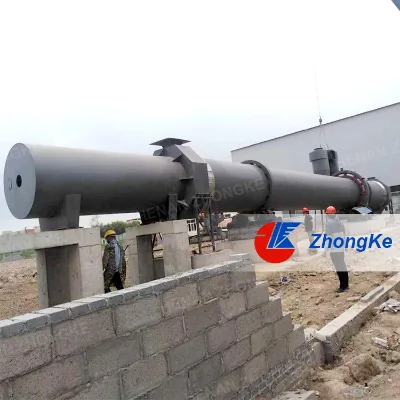
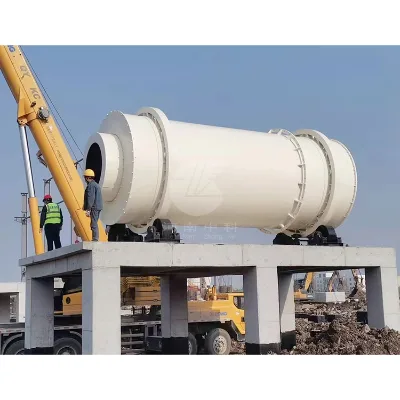
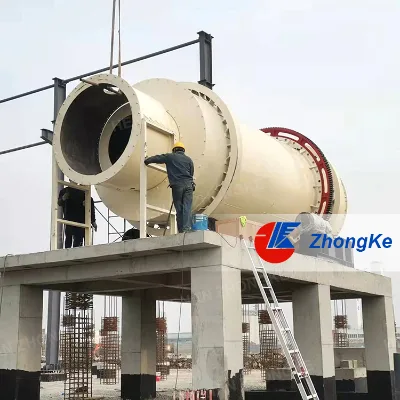
Rotary Drum Scraper Dryer Specification - Tea Processing Rotary Dryer Machine
$58129.8574
MOQ: 1 Minimum
Low Noise Screw Rotary Dryer - Direct Heating Rotary Dryer for Agricultural Waste Biomass
$58129.8574
MOQ: 1 Minimum

- Verified by TUVRHEINLAND
- Combined
- China Jiangsu
- Lead time60 days
- Avg. response≤ 4h
Main productsRendering Plant, Fish Meal Plant, Lamella Pump, Screw Conveyor, Crusher, Reactor, Heat Exchanger, Cooler, Disc Dryer, Tube Bundle Dryer
Main marketsSouth America,Domestic,Europe

Customized Steam Heating Continuous Automatic Drying Equipment Rotary Disc Dryer
$250000.00
MOQ: 1 Pieces


Customized Steam Dryer with a Rotatable Heating Tube Bundle Germ Dryer
$48000.00 - $50000.00
MOQ: 1 Sets

Henan Bohan Environmental Protection Technology Co., Ltd.
- Manufacturer, Trading Company
- Henan, China
- Lead time30 days
- Avg. response≤ 1h
Main productsCharcoal machine production line,Sand making machine production line,Metal carton packer,Scrap metal crushing and shearing machine,Copper wire crusher
Main marketsSoutheast Asia(70.00%), Western Europe(30.00%)
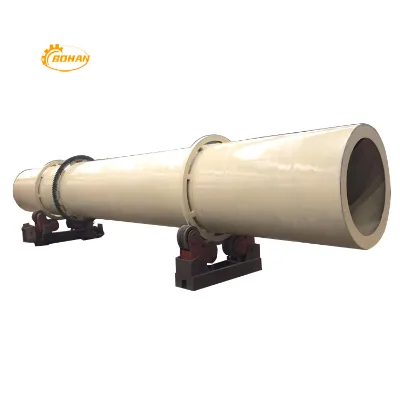
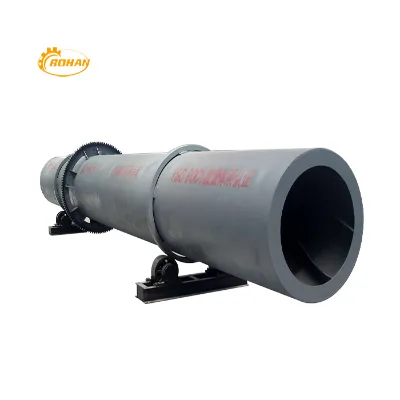
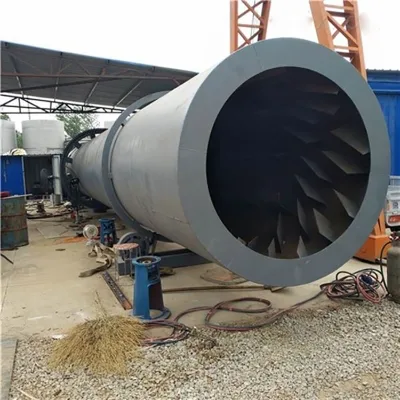
Factory Customized Industrial Drum Dryer/hot air Drum Dryer at a Discounted Price
$4700.00 - $4850.00
MOQ: 1 pieces
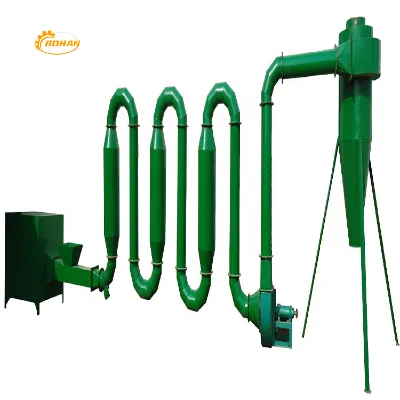
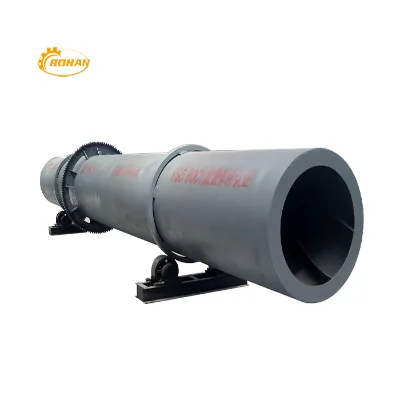
Factory customized hot selling drum dryer for drying wood chips and industrial limestone
$4700.00 - $4850.00
MOQ: 1 pieces
Henan Zhongke Engineering & Technology Co., Ltd.
- Manufacturer, Trading Company
- Lead time旺季: "1 - 3":30,"> 3":"To be negotiated", 淡季: "1 - 3":30,"> 3":"To be negotiated"
- Avg. response≤ 4h
Main productsCrusher,Rotary Dryer,Ball Mill,Rotary Kiln
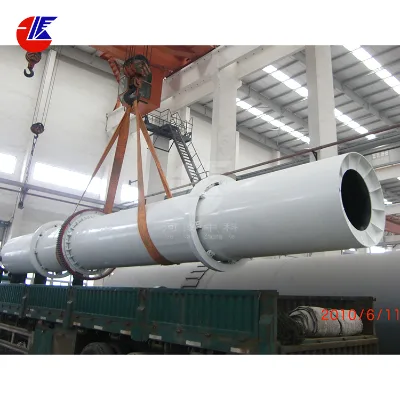
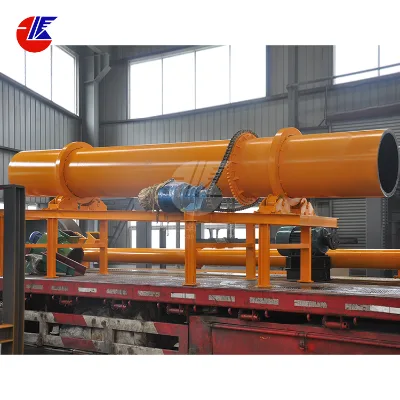
China Rotary Drying Machine Rotary Dry with Oven Waste Heat System Rotary Power Dryer Machine
$8700.00 - $9800.00
MOQ: 1
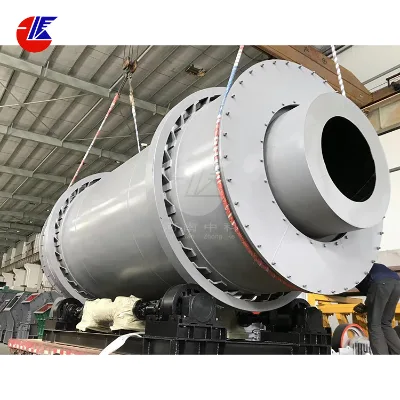
Industry Rotary Dryer Triple Pass Biomass Rotary Dryer 10T/H Straw Rotary Dryer
$9700.00 - $9850.00
MOQ: 1
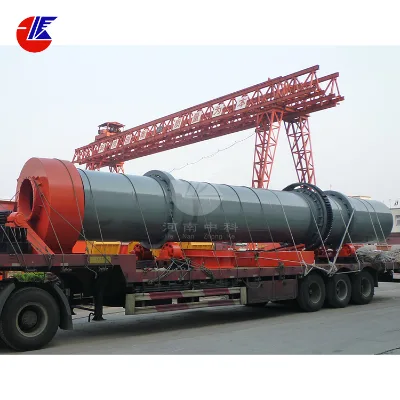
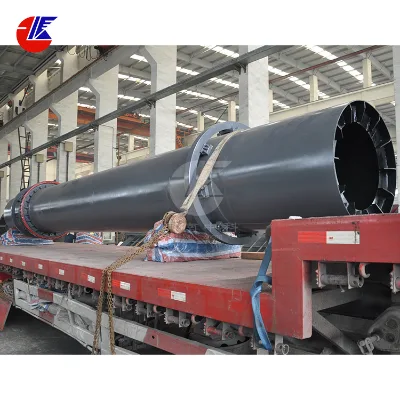
Rotary Drum Dryer Small Scale Rotary Dryer Continuous Rotary Dryer for Sand/wood/slag
$9660.00 - $10500.00
MOQ: 1
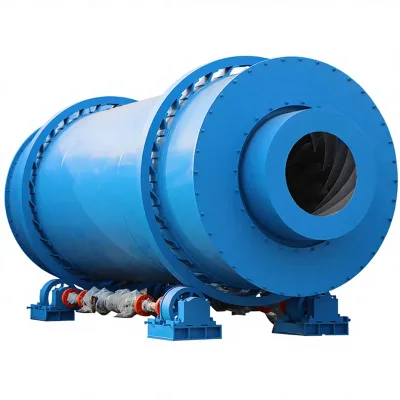
Henan Zhongke Engineering & Technology Co., Ltd.
- Manufacturer, Trading Company
- Lead time旺季: "1 - 3":30,"> 3":"To be negotiated", 淡季: "1 - 3":30,"> 3":"To be negotiated"
- Avg. response≤ 3h
Main productsJaw Crusher, Rotary Kiln, Rotary Dryer, Ball Mill, AAC Production Line
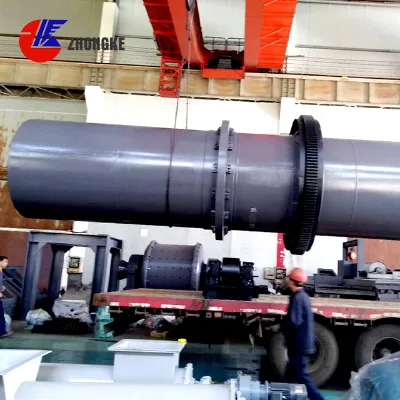
Rotary Dryer with air Compressor Hot air Vacuum Rotary Dryer Rotary Dryer for Coal Powder
$8127.7069 - $8847.8835
MOQ: 1 sets
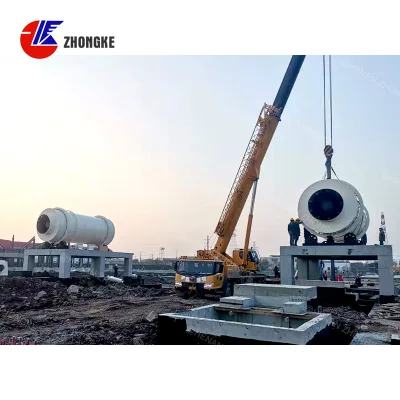
Direct Heating Rotary Dryer Rotary Vacuum Paddle Dryer Poultry Dung Rotary Dryer
$9400.00 - $9600.00
MOQ: 1 sets
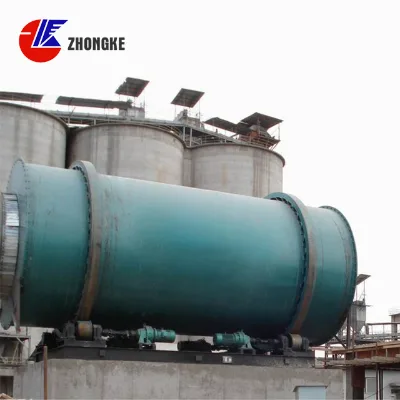
Industrial Rotary Drum Dryers Rotary Scraper Dryer Ore Rotary Drying Machine
$10113.0949 - $11540.2224
MOQ: 1 sets
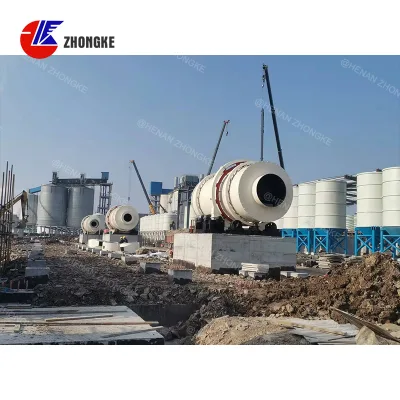
$9400.00 - $9600.00
MOQ: 1 sets
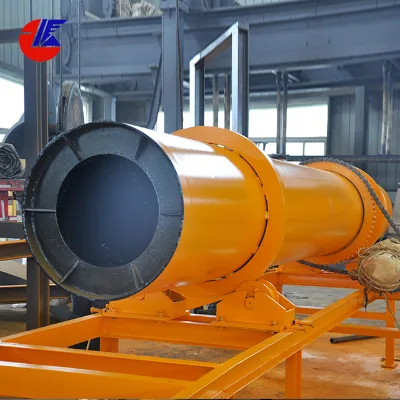
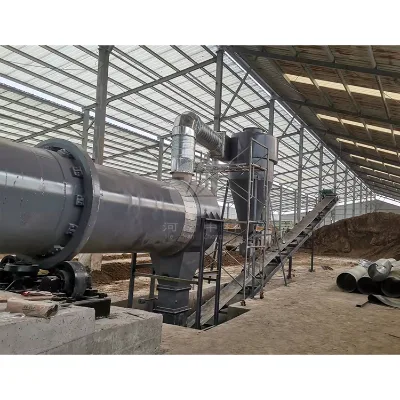
Hot Sale Rotary Dryer Price Biomass Drying Machine Maize Bran Rotary Drying Machine
$9850.00 - $11240.00
MOQ: 1

Jiangsu Tayacn Drying Technology Co., Ltd.
- Combined
- China Jiangsu
- Lead time30 days
- Avg. response≤ 14h
Main productsDrying Machine, Granulator, Dryer, Mixer, Drying Equipment, Dryer Machine, Spray Dryer, Fluid Bed Dryer, Vacuum Dryer
Main marketsSoutheast Asia/ Mideast,Domestic,Europe

CITICIC Luoyang Heavy Machinery Co., Ltd.
- Verified by SGS
- Combined
- China Henan
- Lead time15 days
- Avg. response≤ 21h
Main productsMining Equipment, Environmental Protection Equipment, Metallurgy Equipment, Ball Mill, Rotary Kiln, Rotary Dryer, Mining Hoist, Cement Mill, Mining Mill, Girth Gear
Main marketsAfrica,Others(foreignTradeCapacity.exportBusinessCapacityMarketOther),Europe
Zhengzhou Great Machinery Equipment Co., Ltd.
- Manufacturer, Trading Company
- Lead time旺季: "1 - 1":20,"> 1":"To be negotiated", 淡季: "1 - 1":20,"> 1":"To be negotiated"
- Avg. response≤ 1h
Main productsDrying Equipment, Food Processing Equipment, Agriculture Equipment
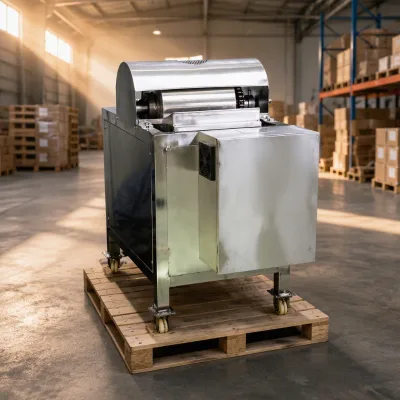
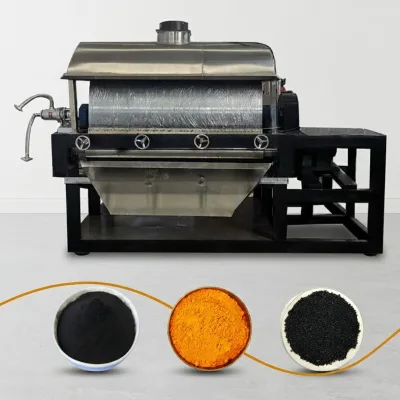
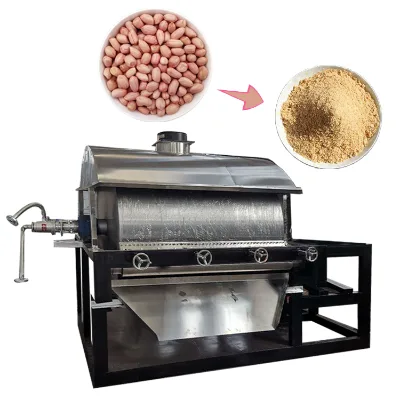
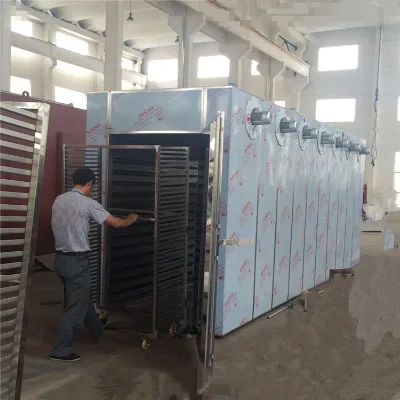
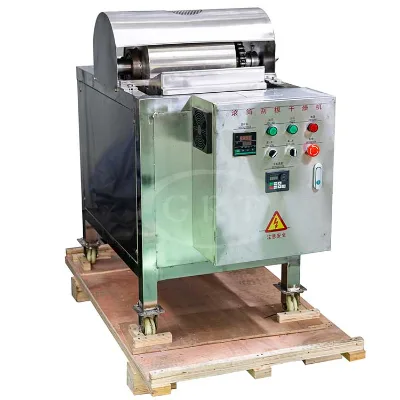
Stainless Steel Scraper Dryer Uniform Drying and Long Service Life
$3593.4852 - $5133.5504
MOQ: 1 sets
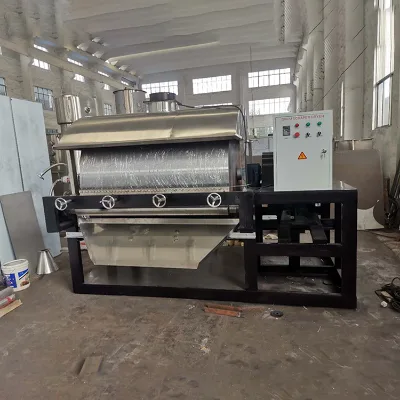
Best Sale High Efficiency Rotating Heating Scraper Drum Dryer for Reactive Yellow
$3149.1592 - $3988.9349
MOQ: 1 sets
Zhengzhou Great Machinery Equipment Co., Ltd.
- Trading Company
- Lead time旺季: "1 - 1":20,"> 1":"To be negotiated", 淡季: "1 - 1":20,"> 1":"To be negotiated"
- Avg. response≤ 1h
Main productsdrying machine,Food Processing Machinery,machinery equipment,Microwave Drying Equipment,packaging machine
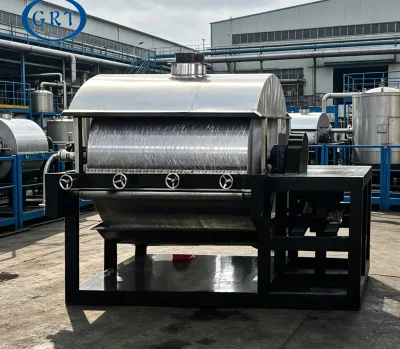
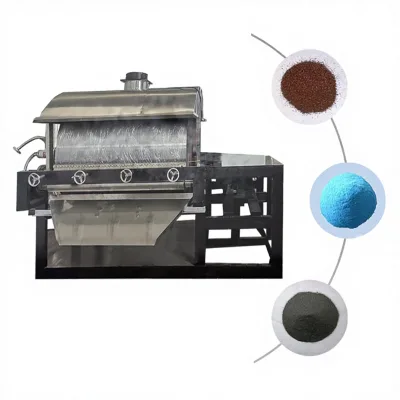
$2035.6765 - $2940.4219
MOQ: 1 sets
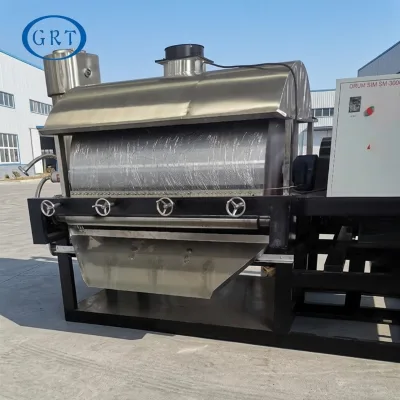
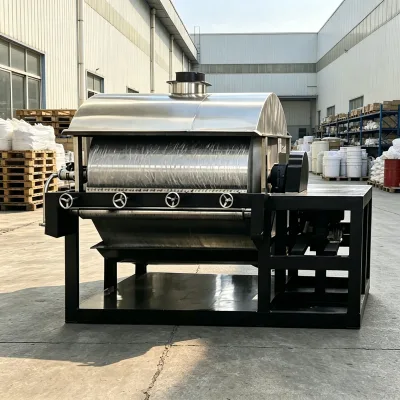

Jiangsu Sunflower Machinery Co., Ltd.
- Combined
- China Jiangsu
- Lead time23 days
- Avg. response≤ 4h
Main productsWashing Machine, Laundry Machine, Laundry Equipment, Tumble Dryer, Washer Extractor, Industrial Washer, Flat Work Ironer, Ironing Machine, Steam Press, Folding Machine
Main marketsSouth America,Africa,Southeast Asia/ Mideast,East Asia(Japan/ South Korea),Domestic,Europe,Australia,North America

Guangzhou Qiangye Machinery Technology Co., Ltd.
- Verified by TUVRHEINLAND
- Combined
- China Guangdong
- Lead time30 days
- Avg. response≤ 9h
Main productsIndustrial Washing Machine, Automatic Baler, Plastic Crusher, Pet Washing Line, Drying Machine
Main marketsDomestic
Henan Nanyang Environmental Protection Machinery Co., Ltd.
- Verified by SGS Group
- Manufacturer, Trading Company
- Lead time5 days
- Avg. response≤ 2h
Main productsRotary dryer, Mesh belt dryer, Box dryer, Shredder machine, Crusher
Main marketsDomestic Market(35%), Eastern Asia(20%), Africa(20%)
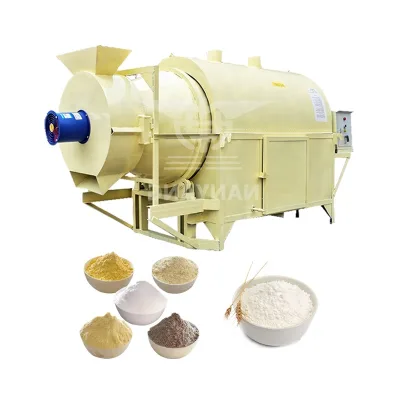
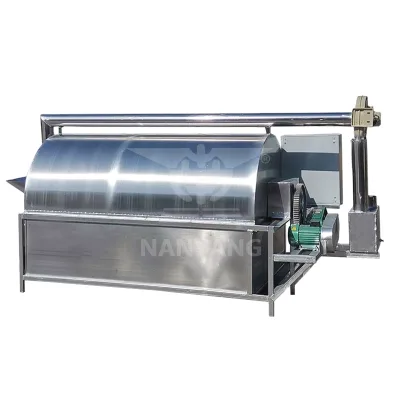
Rotary Dryer for Powder Materials Rotary Powder Dryers Scraper Cassava Starch Dehumidifier
$1150.00 - $1300.00
MOQ: 1
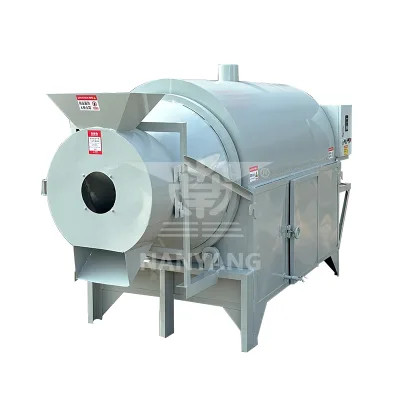
Direct From Factory Dryer Rotary Machine Sawdust Rotary Dryer Machine Rotary Dryer burner System
$1150.00 - $1300.00
MOQ: 1

Zhengzhou Dingli New Energy Equipment Co., Ltd.
- Verified by BV
- Combined
- China Henan
- Lead time30 days
- Avg. response≤ 3h
Main productsRotary Dryer, Biomass Dryer Plant, Biomass Pellet Plant, Industrial Ore Dryer, Organic Fertilizer Production Line, Coal Rotary Dryer, Wood Shaving Machine, Briquette Machine, Belt Dryer
Main marketsSouth America,Africa,Southeast Asia/ Mideast,Europe,Australia,North America

Shanghai Yingyong Machinery Co., Ltd.
- Verified by SGS
- Combined
- China Shanghai
- Lead time30 days
- Avg. response≤ 3h
Main productsBall Mill, Rotary Kiln, Vertical Roller Mill, Roller Press, Spare Parts
Main marketsSouth America,Africa,Southeast Asia/ Mideast,East Asia(Japan/ South Korea),Europe,North America

Reliable Rotary Dryer with Automatic Temperature Control for Consistent Drying Results
$38000.00 - $77000.00
MOQ: 1 Pieces

Customized Rotary Dryer with Multiple Heating Options for Various Material Specifications
$27000.00 - $79000.00
MOQ: 1 Pieces

Henan Zhengzhou Mining Machinery Co., Ltd.
- Verified by BV
- Combined
- China Henan
- Lead time30 days
- Avg. response≤ 1h
Main productsRotary Kiln, Ball Mill, Active Lime Production Line, Cement Production Line, Magnesium Calcined Line, Rotary Dryer, Conveyor Sysetm, Bag Filter, Beneficiation Line, Ceramic Sand Production Line
Main marketsAfrica,Others(foreignTradeCapacity.exportBusinessCapacityMarketOther),Southeast Asia/ Mideast,Europe,North America
Zhengzhou Hengxing Heavy Equipment Co., Ltd.
- Manufacturer, Trading Company
- Henan, China
- Lead time25 days
- Avg. response≤ 7h
Main productsBall Mill,Rotary Dryer,Rotary Kiln,Stone Crusher Plant,AAC Block Equipment
Main marketsDomestic Market(49.00%), Southeast Asia(11.00%), Africa(10.00%), South Asia(8.00%), South America(6.00%), Mid East(6.00%), Eastern Asia(3.00%), Eastern Europe(3.00%), North America(1.00%), Oceania(1.00%), Western Europe(1.00%), Southern Europe(1.00%)
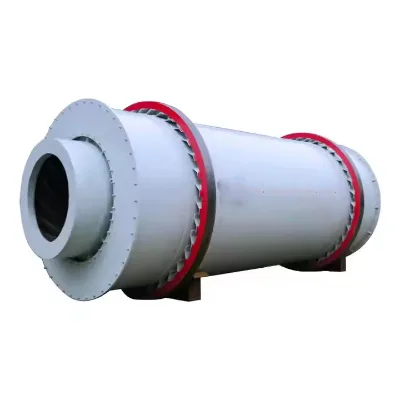
High Efficiency Rotary Drum Dryer Small Gas Rotary Dryer Rotary-Kiln Dryer
$24691.7678 - $26749.4152
MOQ: 1 pieces
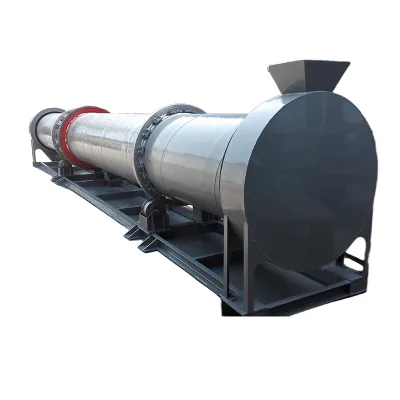
$20394.4946 - $25493.1183
MOQ: 1 pieces
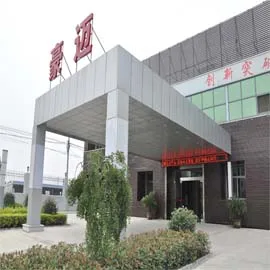
Changzhou Haomai Drying Engineering Co., Ltd.
- Manufacturer, Trading Company
- Jiangsu, China
- Lead time40 days
- Avg. response≤ 5h
Main productsDrying equipments,Granulation equipments,Mixing equipments,Spray dryer,Fluid bed dryer
Main marketsDomestic Market(50.00%), Western Europe(8.00%), Southern Europe(7.00%), North America(5.00%), South Asia(5.00%), Southeast Asia(5.00%), South America(5.00%), Eastern Asia(5.00%), Mid East(5.00%), Africa(5.00%)
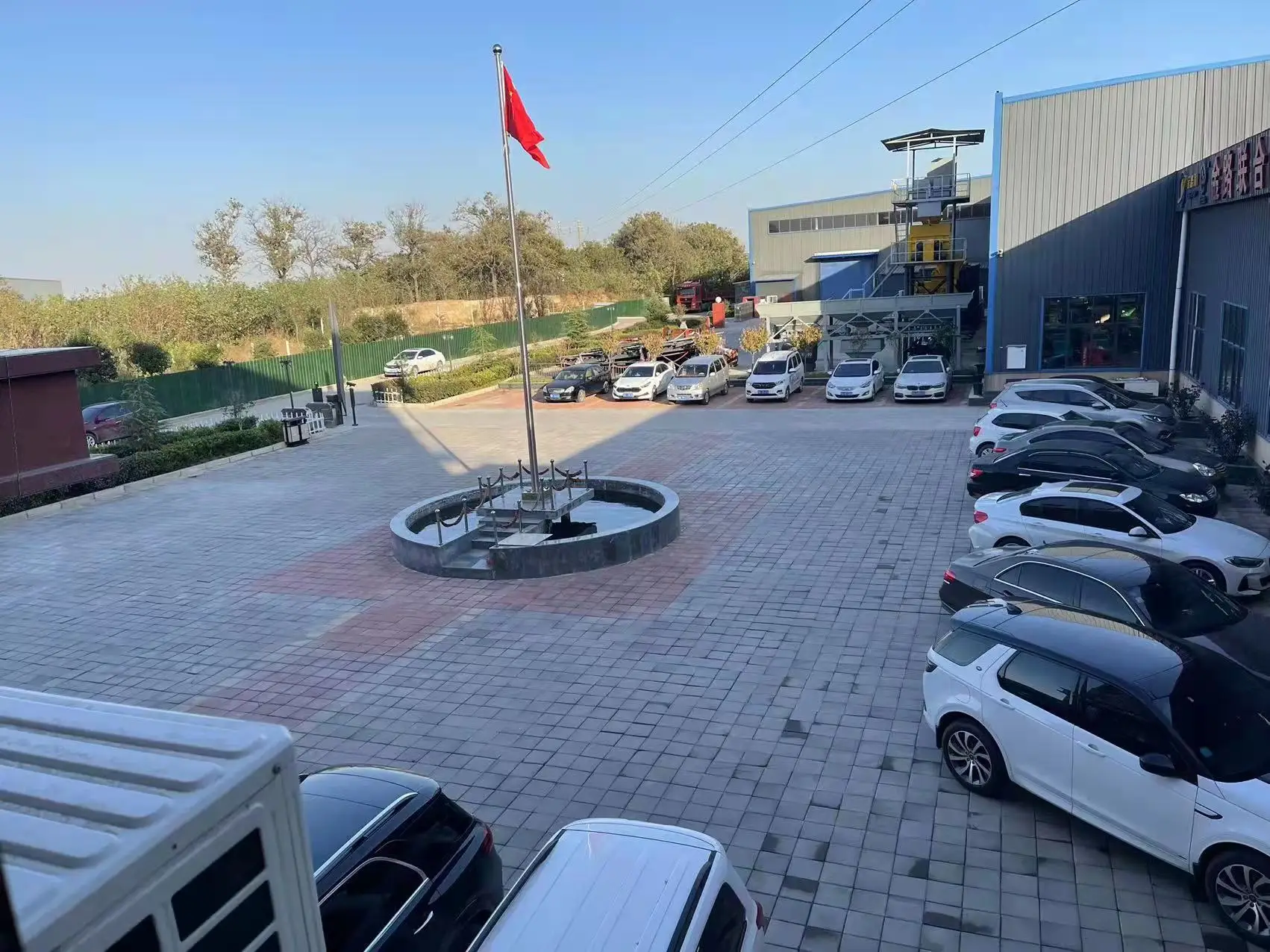
Gongyi Dujiang Machinery Manufacture Co., Ltd.
- Manufacturer, Trading Company
- Henan, China
- Lead time10 days
- Avg. response≤ 2h
Main productsenvironmental protection machinery,metal balers Machinery,plastic crusher machinery,Rubber tire shredder machinery,waste carton balers machinery
Main marketsDomestic Market(32.00%), Southern Europe(8.20%), Southeast Asia(8.00%), South Asia(7.30%), Eastern Asia(6.70%), Mid East(6.50%), South America(6.50%), North America(5.00%), Western Europe(4.70%), Africa(4.60%), Oceania(3.50%), Eastern Europe(3.50%), Northern Europe(2.30%), Central America(1.20%)
- Verified by SGS Group
- Manufacturer, Trading Company
- Lead time20 days
- Avg. response≤ 2h
Main productsConcentrator & Extractor, Drying machine, Grinding machine, Mixing Machine, Granulation machine

Jiangsu Sunkaier Industrial Technology Co., Ltd.
- Verified by TUVRHEINLAND
- Combined
- China Jiangsu
- Lead time60 days
- Avg. response≤ 18h
Main productsDrying Equipment, Kneader Reactor, Chemical Process Line, Processs Technology, Nylon 6 6 Production Line, Agitators, Gear Pump
Main marketsSoutheast Asia/ Mideast,Domestic,North America

Easily Assembled High Heat Efficiency Steam Tube Dryer with Precision Drying Processes
$25000.00 - $700000.00
MOQ: 1 unit

Huibu (Shanghai) Industrial Co., Ltd.
- Verified by SGS Group
- Manufacturer, Trading Company
- Shang'hai, China
- Lead time30 days
- Avg. response≤ 2h
Main productsTunnel washer system, Washer Extractor, Tumble dryer, Folding Machine, Flatwork ironing machine
Main marketsNorth America(15%), Southeast Asia(15%), Southern Europe(12%)

Shandong Chemsta Machinery Manufacturing Co., Ltd.
- Verified by BV
- Combined
- China Shandong
- Lead time30 days
- Avg. response≤ 4h
Main productsOil Press, Soya Protein Machine, Oil Project
Main marketsSouth America,Africa,Southeast Asia/ Mideast,East Asia(Japan/ South Korea),Domestic,Europe,Australia,North America


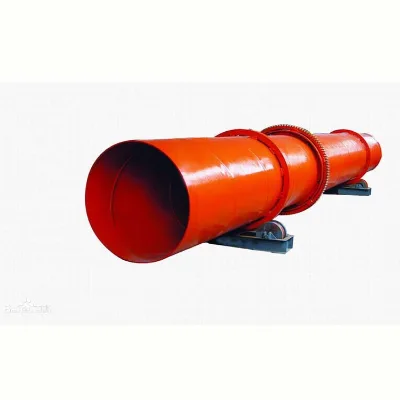
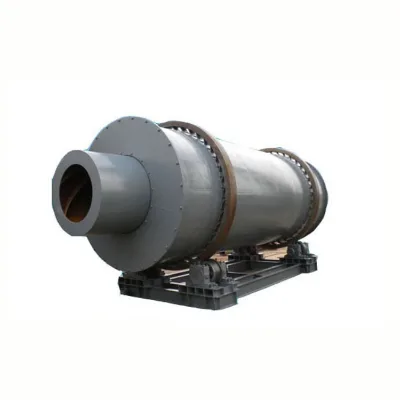


Comprehensive Sourcing Guide
Steam Heating Rotary Dryer Supplier Concentration and Factory Types
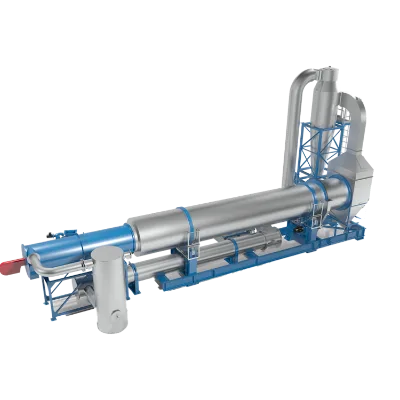
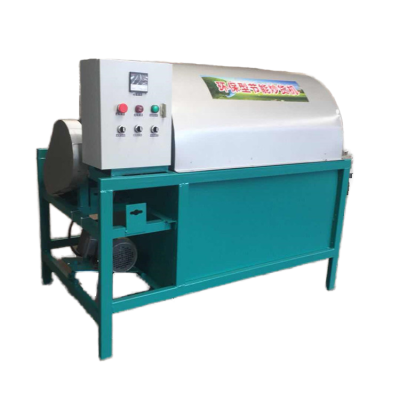
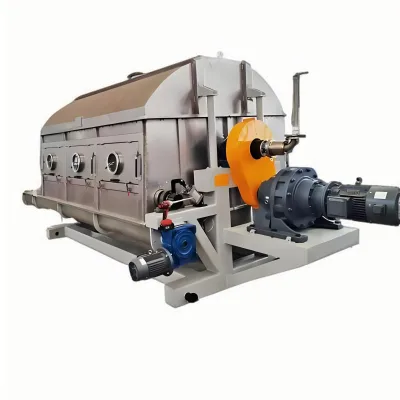
The current supplier landscape for industrial drying equipment reveals a distinct geographic concentration in China, specifically within the provinces of Henan and Shandong. These regions serve as primary manufacturing hubs for heavy machinery, including the steam heating rotary dryers required for mining, chemical processing, and biomass applications. Suppliers located in these areas often benefit from established supply chains for steel components, motors, and bearings, which are critical core components for these large-scale machines. The presence of manufacturers in Henan indicates a strong focus on heavy industrial equipment, while Shandong-based suppliers often cater to a broader range of agricultural and chemical processing needs. Buyers should recognize that this geographic clustering is not random but reflects decades of industrial development in these specific zones. When evaluating potential partners, understanding this regional distribution helps in assessing logistical feasibility and the likelihood of finding specialized expertise. Suppliers in these locations are typically equipped to handle the fabrication of large drum diameters, such as the Φ2800mm and Φ1200mm models observed in current listings, which require significant workshop space and heavy lifting capabilities. This concentration also suggests that many suppliers may share similar technical standards and manufacturing practices, potentially simplifying the comparison process for buyers who are familiar with the regional industrial norms. However, buyers must still verify individual factory capabilities, as the density of suppliers does not guarantee uniform quality across all entities in these regions.
Factory types in this sector vary significantly, ranging from pure manufacturers to combined entities that include trading operations. The majority of suppliers identified are classified as manufacturers or factories, indicating they possess the physical infrastructure to produce the rotary dryers in-house. This is a crucial distinction for buyers who require customizations, such as specific drum dimensions or voltage configurations like 380V, as direct manufacturers are generally more flexible in adapting their production lines to unique client specifications. Some suppliers are listed as trading companies or combined entities, which may offer a wider variety of brands or models but might have less direct control over the manufacturing process. For steam heating rotary dryers, which often require precise engineering for heat exchange efficiency, dealing directly with a manufacturer can reduce communication layers and potential errors in technical specifications. The presence of OEM and ODM capabilities among these suppliers further supports the need for direct factory engagement when customizing equipment for specific materials like limestone, sawdust, or sludge. Buyers should prioritize suppliers who explicitly state their manufacturing capacity, as this ensures they can manage the complex assembly of components such as bearings, motors, and pressure vessels. Understanding the factory type helps in predicting the level of technical support and after-sales service available, as manufacturers are often better positioned to provide detailed machinery test reports and video outgoing inspections.
How to Verify Steam Heating Rotary Dryer Suppliers
Verifying the legitimacy and capability of Steam Heating Rotary Dryer suppliers requires a multi-layered approach that goes beyond simple profile reviews. One of the most critical steps is to confirm third-party verification status, such as TUVRHEINLAND certification, which provides an independent assessment of the supplier’s business operations and manufacturing capabilities. Buyers should look for suppliers who have undergone rigorous verification processes, as this reduces the risk of engaging with fraudulent entities or those lacking the necessary infrastructure. Additionally, checking for system certifications like ISO 9001 is essential, as these standards indicate a commitment to quality management systems in the production process. For steam heating rotary dryers, which operate under high temperatures and pressures, adherence to international standards is not just a formality but a safety requirement. Buyers should also verify the authenticity of product certifications, such as CE, ISO9001, and CCC, which are often listed in product attributes. These certifications ensure that the equipment meets specific safety and performance criteria for the target markets. It is important to cross-reference these claims with official certification bodies to avoid relying on self-declared statements that may be inaccurate. Furthermore, buyers should request detailed machinery test reports and video outgoing inspections, which provide tangible evidence of the machine’s functionality before shipment. These documents serve as a crucial verification tool, allowing buyers to assess the quality of welding, the alignment of the drum, and the performance of the heating system.
Another vital aspect of verification is assessing the supplier’s responsiveness and transparency in communication. The response time of suppliers can be an indicator of their operational efficiency and customer service quality. Suppliers with faster response times, such as those under three hours, are often more engaged and likely to provide timely support throughout the procurement process. Buyers should also examine the supplier’s main products to ensure they specialize in drying equipment rather than offering a generic range of unrelated machinery. A focused product portfolio suggests a deeper expertise in the specific engineering challenges associated with rotary dryers. Additionally, verifying the place of origin and the specific factory location is crucial, as it helps in confirming the supplier’s actual manufacturing base. Buyers should be cautious of suppliers who claim to be manufacturers but operate from locations that do not align with industrial manufacturing zones. Requesting proof of factory ownership or lease agreements can further validate the supplier’s claims. Moreover, checking for the availability of spare parts and after-sales service networks in the buyer’s region is an important verification step. Suppliers who can demonstrate a robust support structure are more likely to provide long-term reliability for the steam heating rotary dryers. By combining these verification methods, buyers can build a comprehensive profile of each supplier, ensuring they select a partner who is both legitimate and capable of meeting their specific technical and operational requirements.
What to Compare Across Steam Heating Rotary Dryer Suppliers
When evaluating multiple suppliers for steam heating rotary dryers, buyers must systematically compare key operational and technical attributes to identify the most suitable partner. One of the primary dimensions for comparison is the lead time, which varies significantly among suppliers. For instance, some suppliers may offer a standard lead time of 45 days, while others might require up to 120 days, depending on the complexity of the order and the current production schedule. Buyers should also consider seasonal variations, as some suppliers indicate different lead times for peak and off-peak seasons, with negotiations required for larger orders. Understanding these timelines is crucial for project planning, especially for buyers with tight installation deadlines. Another critical factor is the Minimum Order Quantity (MOQ), which can range from one set to larger batches. Suppliers with an MOQ of one set offer greater flexibility for small-scale projects or testing purposes, while those with higher MOQs may offer better economies of scale. Buyers should also compare the customization options available, such as the ability to adjust drum diameters, voltage specifications, and heating methods. Suppliers that offer extensive customization capabilities, including OEM and ODM services, are better suited for projects with unique requirements. Additionally, the warranty period is a significant differentiator, with some suppliers offering two years of coverage while others provide only one year. A longer warranty period often reflects the supplier’s confidence in the durability and quality of their equipment.
Price and capacity are also essential comparison points, although they should be evaluated in conjunction with other factors. The price range for steam heating rotary dryers can vary widely, from a few thousand dollars for smaller units to over eighty thousand dollars for large-scale industrial models. Buyers should not solely focus on the lowest price but rather assess the value proposition, which includes the quality of components, energy efficiency, and after-sales support. The capacity of the dryer, measured in tons per hour, is another critical specification that must match the buyer’s production needs. Suppliers may offer various models with capacities ranging from 0.5 to 50 tons per hour, so buyers must select the appropriate size for their application. Furthermore, comparing the energy-saving features and the type of heating system is important for long-term operational costs. Some dryers are designed with energy-saving technologies that reduce fuel consumption, which can lead to significant savings over the machine’s lifespan. Buyers should also compare the supplier’s main products to ensure they have expertise in the specific type of dryer required, whether it is for biomass, mining, or chemical processing. By systematically comparing these attributes, buyers can make an informed decision that balances cost, quality, and operational efficiency. This comprehensive approach ensures that the selected supplier can meet both the immediate technical requirements and the long-term strategic goals of the procurement project.
Common Steam Heating Rotary Dryer Sourcing Risks
Sourcing steam heating rotary dryers from international suppliers involves several inherent risks that buyers must proactively manage to ensure a successful procurement. One of the most significant risks is the potential mismatch between the supplier’s claims and the actual product quality. Suppliers may advertise high productivity and energy-saving features, but without independent verification, these claims may not hold up in practice. Buyers should be cautious of suppliers who provide vague technical specifications or lack detailed machinery test reports. Another common risk is the delay in delivery, which can disrupt production schedules and lead to additional costs. Suppliers may quote attractive lead times but fail to meet them due to production bottlenecks or supply chain issues. Buyers should establish clear contractual terms regarding delivery schedules and penalties for delays to mitigate this risk. Additionally, the complexity of steam heating systems means that improper installation or operation can lead to safety hazards and equipment failure. Buyers must ensure that the supplier provides comprehensive installation guides and technical support to prevent such issues. The risk of receiving equipment that does not meet the required standards, such as CE or ISO certifications, is also prevalent. Buyers should verify all certifications independently and request documentation to confirm compliance.
Another critical risk is the lack of after-sales support, which can leave buyers stranded if the equipment requires maintenance or repairs. Suppliers may not have a robust service network in the buyer’s region, leading to prolonged downtime and increased operational costs. Buyers should assess the supplier’s after-sales capabilities before finalizing the order, including the availability of spare parts and technical assistance. Furthermore, the risk of currency fluctuation and payment security cannot be overlooked. Buyers should use secure payment methods, such as escrow services, to protect their financial interests until the goods are received and inspected. The risk of intellectual property infringement is also a concern, especially when dealing with custom designs. Buyers should ensure that their proprietary designs are protected through appropriate legal agreements. Additionally, the risk of environmental non-compliance is significant, as steam heating dryers may emit pollutants if not properly designed. Buyers should verify that the equipment meets local environmental regulations and standards. By identifying and addressing these risks early in the sourcing process, buyers can minimize potential disruptions and ensure a smoother procurement experience. Proactive risk management involves thorough due diligence, clear communication, and robust contractual safeguards, all of which are essential for successful international sourcing of industrial machinery.
Steam Heating Rotary Dryer Regional Sourcing and Logistics
The geographic location of suppliers plays a pivotal role in determining the logistics and shipping costs associated with steam heating rotary dryers. Suppliers located in China, particularly in Henan and Shandong provinces, offer distinct logistical advantages due to their proximity to major ports and industrial infrastructure. Henan, being a central province, provides easy access to rail and road networks, facilitating the transportation of heavy machinery to various parts of the country and beyond. Shandong, with its extensive coastline, offers direct access to sea ports, which is crucial for exporting large and heavy equipment like rotary dryers. Buyers should consider the shipping method when evaluating suppliers, as these machines often require specialized handling due to their size and weight. For instance, some suppliers may offer standard exporting packing, while others might load the equipment directly into containers. The choice of packing method can impact the safety of the goods during transit and the overall shipping cost. Buyers should also assess the supplier’s experience in international logistics, as experienced suppliers are better equipped to handle customs clearance, documentation, and freight forwarding. This expertise can reduce the risk of delays and additional charges at the destination port.
Furthermore, the regional sourcing strategy can influence the availability of local support and maintenance services. Suppliers in China may
FAQs
What is the typical lead time for steam heating rotary dryers?
The typical lead time is 45 days for standard orders. Some suppliers offer 30 days during off-peak seasons, while larger quantities may require negotiation. Always confirm specific timelines with the manufacturer before placing an order to ensure production schedules align with your project needs.
Do suppliers offer customization for rotary dryer specifications?
Yes, customization is available for most rotary dryer models. Buyers can request specific drum diameters, voltage requirements, and capacity adjustments. Many manufacturers provide OEM and ODM services to tailor the equipment to unique industrial applications like mining, fertilizer production, or biomass processing.
What certifications do these rotary dryers typically hold?
Most units carry CE, ISO 9001, and CCC certifications. Some suppliers also hold ISO 14001 certificates for environmental management. These certifications ensure the machinery meets international safety and quality standards, providing assurance for industrial operations requiring compliant equipment for drying processes.
What is the minimum order quantity for rotary dryers?
The minimum order quantity is typically one set or unit. This allows buyers to test the equipment without committing to large volumes. However, pricing and lead times may vary based on the specific model selected and the current production capacity of the supplier.
Where are these rotary dryers manufactured?
These dryers are primarily manufactured in China, specifically in Henan and Shandong provinces. Suppliers in these regions specialize in industrial machinery and offer a wide range of drying solutions. Buyers should verify the exact factory location to assess logistics and shipping costs accurately.
What is the warranty period for rotary dryers?
The standard warranty period is usually one to two years. This covers defects in materials and workmanship for core components like motors and bearings. Buyers should review the specific warranty terms provided by the manufacturer to understand coverage limits and claim procedures.
How fast do suppliers typically respond to inquiries?
Response times vary, with some suppliers replying within 2.8 hours and others taking up to 16 hours. Faster response times often indicate higher availability or dedicated sales teams. Buyers should prioritize suppliers with quick response rates to ensure efficient communication during the sourcing process.