Sustainable Cutting Board with Stand Suppliers and Manufacturers
Compare 26 verified suppliers offering Sustainable Cutting Board with Stand options from China Yunnan, Zhejiang, and Fujian. Review response times, lead times, certifications like BSCI and LFGB, and MOQs to select a partner for your kitchenware needs; review the available evidence before requesting comparable quotations from suitable candidates.
Updated
Suppliers List

Shuifu Huiyang Agricultural Technology Co., Ltd.
- Verified by SGS
- Trading Company
- China Yunnan
- Lead time23 days
- Avg. response≤ 3h
Main productsBamboo Products, Bamboo Crafts, Bamboo Chopsticks, Bamboo Skewers, Bamboo Weaving, Bamboo Tray, Bamboo Box, Bamboo Placemat, Bamboo Fruit Bowl, Lamp Shades
Main marketsDomestic


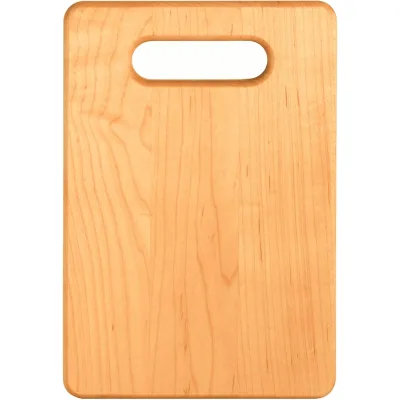
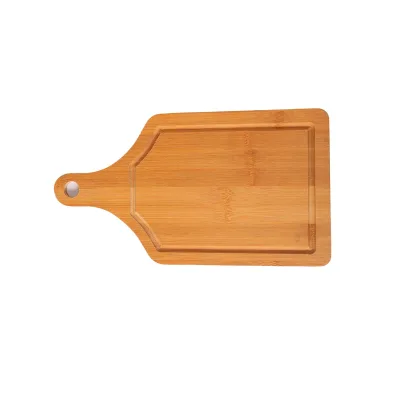
Wooden Cutting Board with Handle Large Durable Eco Friendly Kitchen Chopping Board
$9.98
MOQ: 1000 Pieces


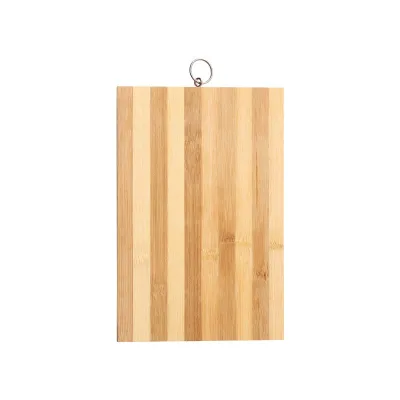
Bamboo Cutting Board for Kitchen Durable Eco Friendly Multi Purpose Chopping Board
$9.98
MOQ: 1000 Pieces

Fujian Bridge Style Furnishings Co., Ltd.
- Verified by TüVRheinland
- Trading Company
- Lead time45 days
- Avg. response≤ 2h
Main productsCutting Board, Cheese Board, Bamboo Drawer Organizer, Bath Tray, Bamboo Storage Box
Main marketsNorth America(60%), Western Europe(40%)

Taizhou Shangyi Plastic Co., Ltd.
- Verified by TUVRHEINLAND
- Trading Company
- China Zhejiang
- Lead time23 days
- Avg. response≤ 20h
Main productsFood Container, Storage Container, Lunch Box, Bento Box, Plastic Laundry Basket, Plastic Storage Container, Plastic Cutting Board
Main marketsSouth America,Southeast Asia/ Mideast
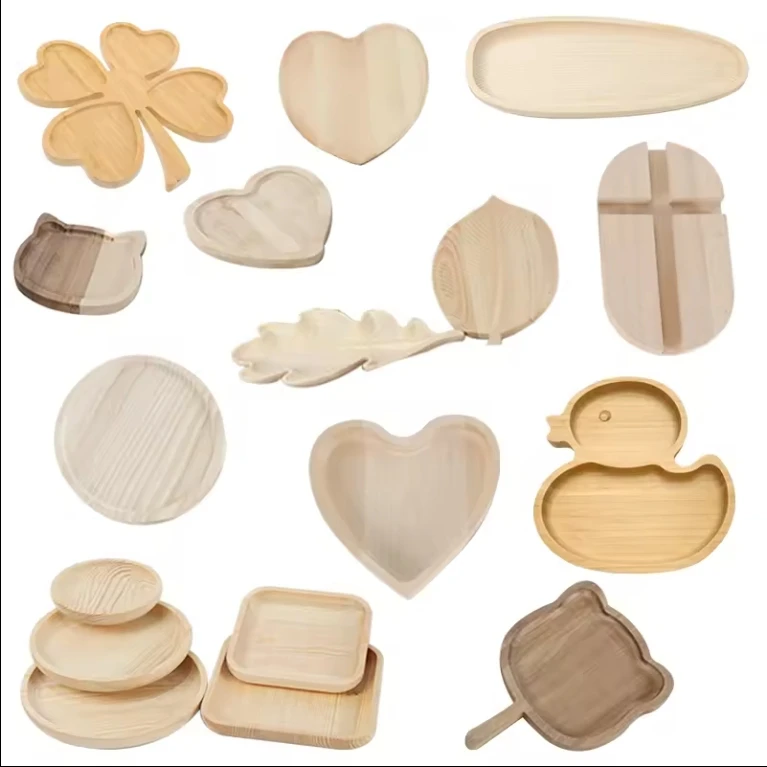
Cao County Huiyifeng Crafts Co., Ltd.
- Manufacturer, Trading Company
- Shandong, China
- Lead time25 days
- Avg. response≤ 6h
Main productswood decor,wood box,wood coaster,wood craft,wood shelf
Main marketsNorth America(35.00%), Eastern Europe(20.00%), Western Europe(10.00%), Eastern Asia(10.00%), Central America(5.00%), Southeast Asia(5.00%), Northern Europe(4.00%), Mid East(3.00%), Africa(3.00%), South America(3.00%), Oceania(2.00%)
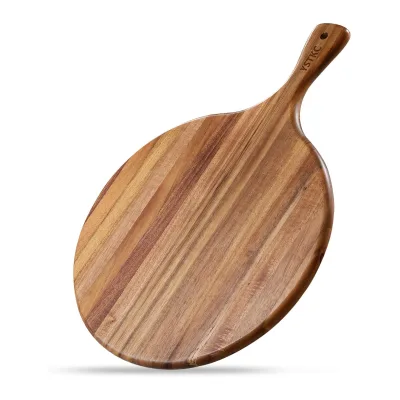
Customized Circular Cutting Board Wooden with Handle Cutting Board Sustainable Use of Cutting Boards
$2.55 - $3.82
MOQ: 200 pieces
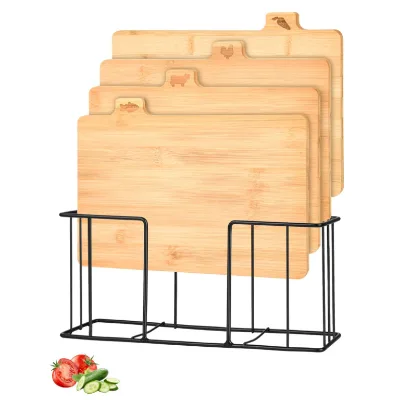
Durable Eco-Friendly Functional Labeled Tabs Cutting Board Kitchen Cutting Boards for Chopping Fruit
$3.64 - $4.77
MOQ: 300 pieces

XIAMEN TWO CITY IMP AND EXP CO., LTD.
- Verified by SGS
- Trading Company
- China Fujian
- Lead time30 days
- Avg. response≤ 4h
Main productsBamboo Panel, Bamboo Plywood, Bamboo Cutting Board, Bamboo Chopping Board, Bamboo Products, Bamboo Kitchenware, Bamboo Tableware, Bamboo Furniture, Wood Product, Wood Root Carving Product
Main marketsSoutheast Asia/ Mideast,Europe,North America

Chaozhou Binsly Stainless Steel Manufactory (sole Proprietorship)
- Verified by SGS
- Combined
- China Guangdong
- Lead time23 days
- Avg. response≤ 5h
Main productsLunch Box, Water Bottle, Kitchenware
Main marketsSoutheast Asia/ Mideast,Europe,North America


$9.00 - $10.70
MOQ: 500 Pieces

$10.52 - $12.14
MOQ: 500 Pieces

Hebei Peliou New Materials Technology Co., Ltd
- Verified by TUVRHEINLAND
- Combined
- China Hebei
- Lead time15 days
- Avg. response≤ 3h
Main productsUHMWPE Sheet, HDPE Sheet, PP Sheet, PE1000 Sheet, Ground Protection Mats and Outrigger Pads, UHMWPE Guide Rail, Nylon Sheet, Plastic CNC Parts, PE Cutting Boards, PE Plastic Rod
Main marketsSoutheast Asia/ Mideast

Ningbo Happy Valley Household Co., Ltd.
- Verified by SGS
- Trading Company
- China Zhejiang
- Lead time30 days
- Avg. response≤ 18h
Main productsPot Lid, Glass Pot Lid, Kitchen Utensil Set, Kitchen Tool, Bento Box, Lunch Box, Plastic Lunch Box, Silicone Lunch Box, Collapsible Bucket, Plastic Bucket
Main marketsEurope


Durable Stainless Steel Cutting Board with Double-Sided Design for Kitchen Use
$4.50 - $4.70
MOQ: 10 Pieces

High-Quality Stainless Steel Cutting Board Featuring Double-Sided Design for Efficiency
$1.80 - $2.10
MOQ: 10 Pieces


Cao County Hengyu Woods Co., Ltd.
- Manufacturer, Trading Company
- Lead time旺季: "1 - 300":9,"301 - 3000":35,"> 3000":"To be negotiated", 淡季: "1 - 300":9,"301 - 3000":35,"> 3000":"To be negotiated"
- Avg. response≤ 2h
Main productsWood Gifts and Crafts
Xiamen Ehang Household Products Co., Ltd.
- Trading Company
- zhejiang, China
- Lead time37 days
- Avg. response≤ 5h
Main productsKitchenware,bamboo and wooden products,Houseware,Kitchen gadgets,Garden
Main marketsSoutheast Asia(20.00%), North America(20.00%), Southern Europe(10.00%), Northern Europe(10.00%), Western Europe(10.00%), South America(10.00%), Eastern Europe(10.00%), Central America(5.00%), Domestic Market(1.00%), Mid East(1.00%), Oceania(1.00%), Eastern Asia(1.00%), Africa(1.00%)
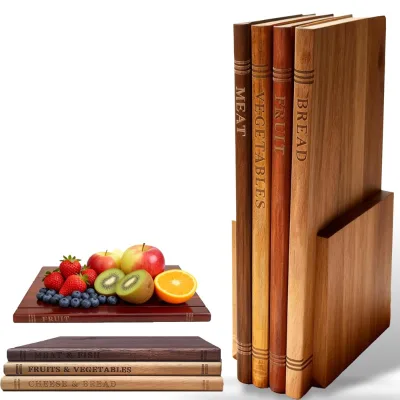
$2.0553 - $9.2472
MOQ: 500 pieces
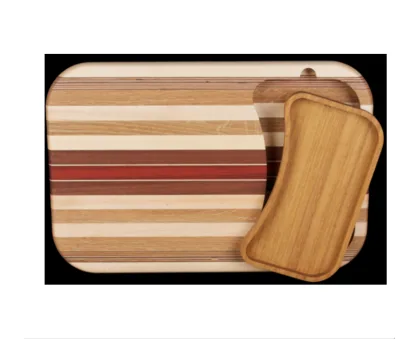
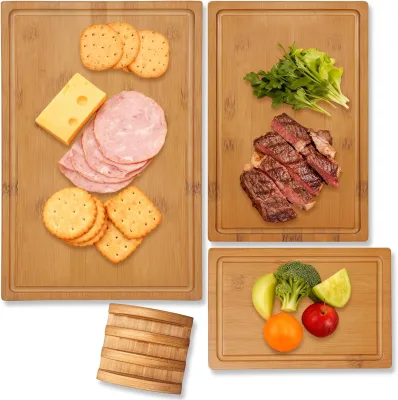
HOT SALE Hardwood Cutting Board with Removable Tray
$2.00 - $8.00
Fuzhou Bridge Trading Co., Ltd.
- Verified by TüVRheinland
- Manufacturer, Trading Company
- Lead time45 days
- Avg. response≤ 2h
Main productsCutting Board, Cheese Board, Bamboo Drawer Organizer, Bath Tray, Bamboo Storage Box
Main marketsNorth America(60%), Western Europe(40%)

Xiamen Forever Rise Imp and Exp Co., Ltd.
- Verified by BV
- Trading Company
- China Fujian
- Lead time23 days
- Avg. response≤ 17h
Main productsBamboo Plywood, Bamboo Panel, Bamboo Chopping Board, Bamboo Pizza Board, Bamboo Kitchenwares, Bamboo Weaving Mat, Bamboo Table Top, Bamboo Skewer Sticks, Outdoor Bamboo Decking, Outdoor Wall Panel
Main marketsSoutheast Asia/ Mideast,East Asia(Japan/ South Korea),Europe,Australia,North America
Xiamen Eco Go Industry Co., Ltd.
- Verified by Intertek
- Trading Company
- Lead time0 days
- Avg. response≤ 4h
Main productsBamboo and Wooden Kitchenware, Bamboo and Wooden Office Items, Bamboo and Wooden Bathroom Items, Bamboo and Wooden Household Items
Main marketsNorth America(50%), Western Europe(38%), Northern Europe(5%)
Taizhou Dingsheng Plastic Industry Co., Ltd.
- Manufacturer, Trading Company
- Zhejiang, China
- Lead time30 days
- Avg. response≤ 3h
Main productsPlastic Chopping Board,Kitchen Storage Rack,Bamboo Cutting Board,Wood Cutting Board
Main marketsDomestic Market(79.00%), Mid East(8.00%), North America(8.00%), Oceania(3.00%), Western Europe(2.00%)
Cao County Lianchuang Wood Craft Packaging Co., Ltd.
- Verified by SGS Group
- Manufacturer, Trading Company
- Lead time30 days
- Avg. response≤ 2h
Main productsWooden Pallets, Wooden Cutting Boards, Wooden Jars, Kitchen Storage Rack, Wooden Crafts
Main marketsDomestic Market(100%)
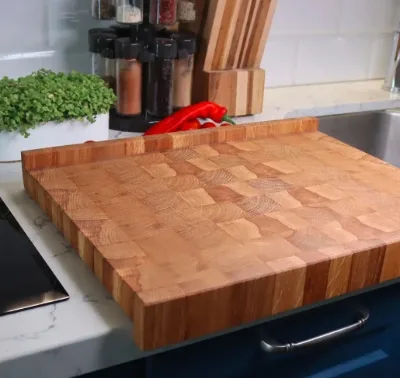
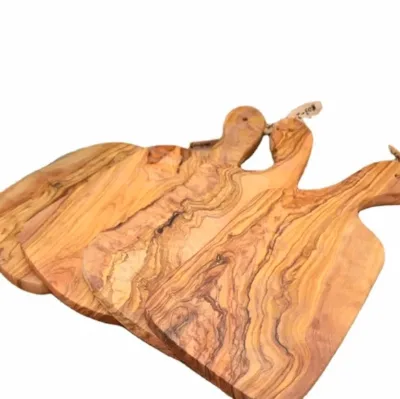
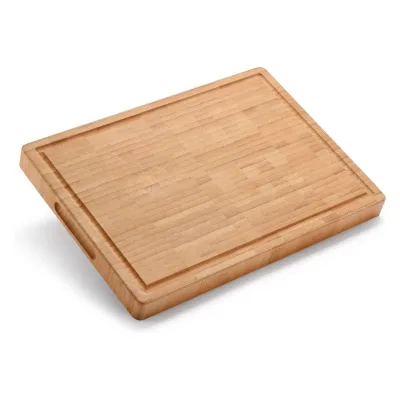
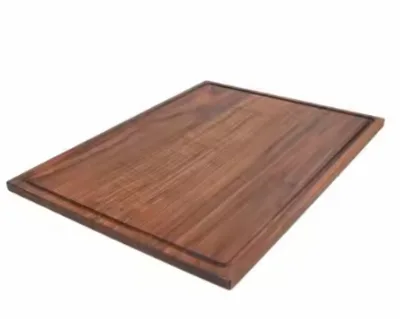
$2.34 - $3.13
MOQ: 200 pieces

- Trading Company
- China Fujian
- Lead time0 days
- Avg. response≤ 2h
Main productsHandicrafts, Gift Box, Toy, Office Stationery

Henan Yiqi Plastic Products Co., Ltd
- Verified by CTI
- Trading Company
- China Henan
- Lead time60 days
- Avg. response≤ 3h
Main productsHDPE Sheet, PP Sheet, Plastic Cutting Board, HDPE Conveyor Roller, Temporary Road Mat, Crane Outrigger Pad, Plastic Pallet, Plastic Irregular Part, Fender Facing Pad
Main marketsSouth America,Southeast Asia/ Mideast,East Asia(Japan/ South Korea),Europe,Australia,North America

- Manufacturer, Trading Company
- Anhui, China
- Lead time30 days
- Avg. response≤ 5h
Main productsWooden Decorations/Wooden Garden Supplies/Wooden Dough Bowl/Wooden Kitchen Supplies,Wooden Home Furniture
Main marketsNorth America(30.00%), Western Europe(20.00%), South America(15.00%), Oceania(10.00%), Northern Europe(10.00%), Mid East(10.00%), Eastern Asia(5.00%)
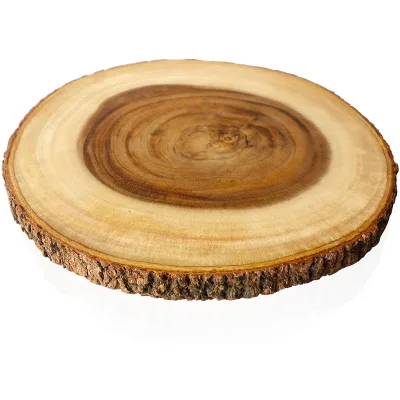
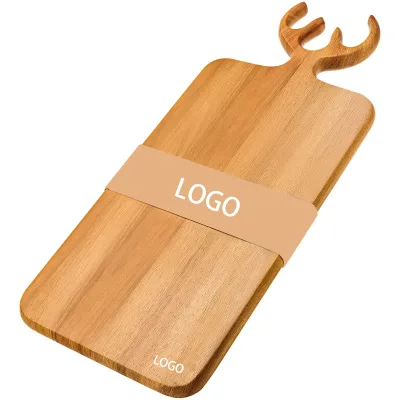
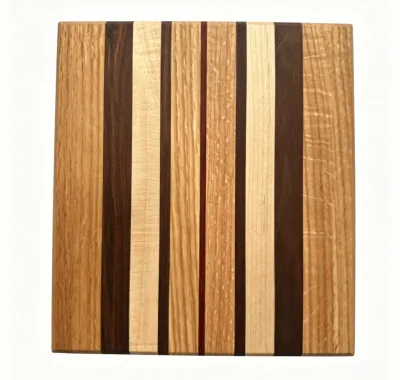
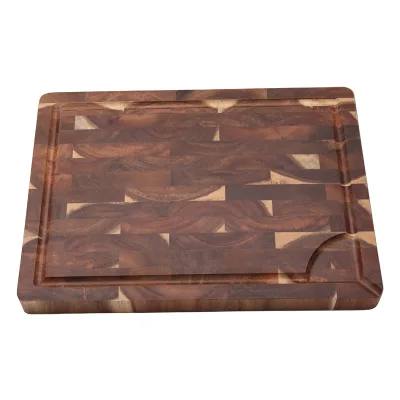
Hand Crafted End Grain Cutting Board with Bark Made From Sustainable Wood
$6.58 - $7.20
MOQ: 60 pieces
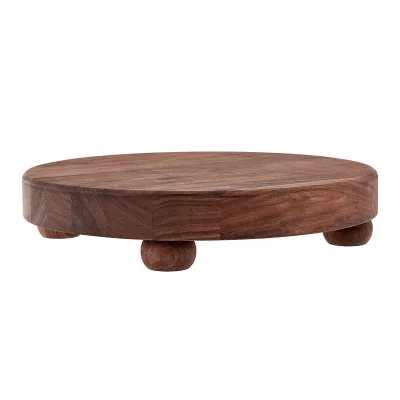
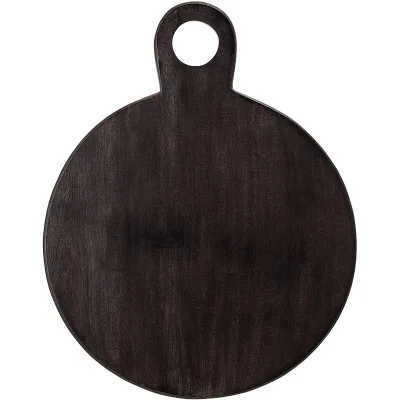
Round Walnut Wood Cutting Board With Feet
$6.58 - $7.20

Xiamen Ebei Import & Export Co., Ltd.
- Verified by CTI
- Trading Company,Manufacturer/Factory
- China Fujian
- Lead time45 days
- Avg. response≤ 2h
Main productsEco-Friendly Products, Bamboo Tableware, Bamboo Furniture, Bamboo Kitchenware, Bamboo Office Supply, Bamboo Fibre Products, Biodegradable Products, Bamboo Towel, Solar Energy Products, Bamboo Garden Products
Main marketsSouth America,Eastern Europe,Mid East,North America,Southeast Asia,Eastern Asia,Oceania,Western Europe,Africa

Langfang Yunshi Environmental Protechnology Co., Ltd.
- Verified by CTI
- Combined
- China Hebei
- Lead time15 days
- Avg. response≤ 3h
Main productsPlastic Sheet, PP Sheet, PVC Sheet, HDPE Sheet, Nylon Sheet, Plastic Rod, Plastic Welding Products, Plating Tank, Water Tank, Washing Tower
Main marketsSouth America,Africa,Southeast Asia/ Mideast,Domestic,Europe,North America
Shenzhen Jiamina Technology Co., Ltd.
- Trading Company
- guangdong, China
- Lead time15 days
- Avg. response≤ 4h
Main productsBBQ Tools,Smoking and Bar Tools,Kitchen Tools and Electronic Tools
Main marketsNorth America(40.00%), Northern Europe(20.00%), Western Europe(20.00%), Oceania(20.00%)
Fuzhou Dachion Import&Export Co., Ltd.
- Trading Company
- Lead time旺季: "1 - 1000":31,"1001 - 5000":32,"5001 - 10000":35,"> 10000":"To be negotiated", 淡季: "1 - 1000":31,"1001 - 5000":32,"5001 - 10000":35,"> 10000":"To be negotiated"
- Avg. response≤ 2h
Main productsStress Ball, Cotton Bag, Drawstring Backpack, Laundry Bag, Jewelry Bag

Yantai Guocheng Metal Products Co., Ltd
- Verified by TUVRHEINLAND
- Manufacturer/Factory
- China Shandong
- Lead time90 days
- Avg. response≤ 1h
Main productsStructural Steel Fabrication, Pressure Vessels, Weldments Structure Steel, Idlers, Transmission Shaft, Roller, Bottom Skid, Bracket, Riveting and Welding Parts, Sandblasting and Painting Parts
Main marketsNorth America,Southeast Asia,Eastern Asia,Western Europe


Customized Manufacturer of Eco-Friendly Material Stainless Steel Cutting Boards
$0.10 - $10.00
MOQ: 1 Pieces


Caoxian Fengdan Wood Industry Co., Ltd.
- Verified by SGS Group
- Manufacturer, Trading Company
- Lead time45 days
- Avg. response≤ 2h
Main productsWooden Cutting & Serving Board, Wooden Trays, Wooden Box, Wooden Bowl, Wooden Rack
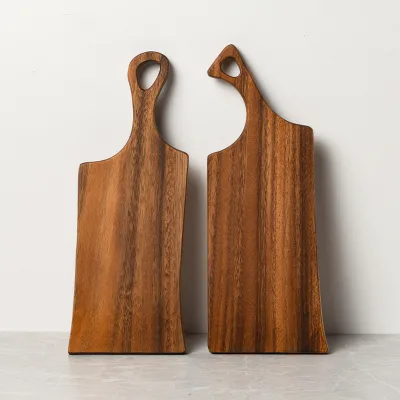
Multifunction Style Durable Personalized Wooden Kitchen Cutting Board with Handle for Home
$4.3547 - $4.7741
MOQ: 100 pieces
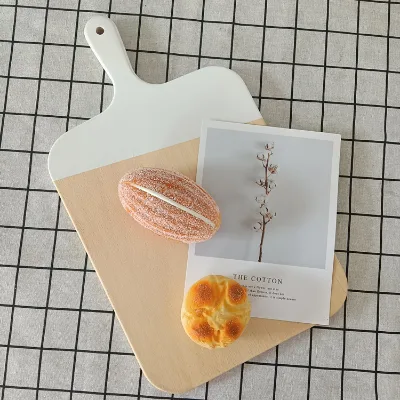
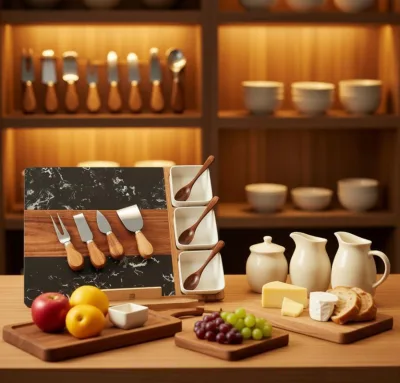
Personalized Durable Acacia Wood and White Marble Splicing Cutting Board with Handle
$8.50 - $10.50
MOQ: 100
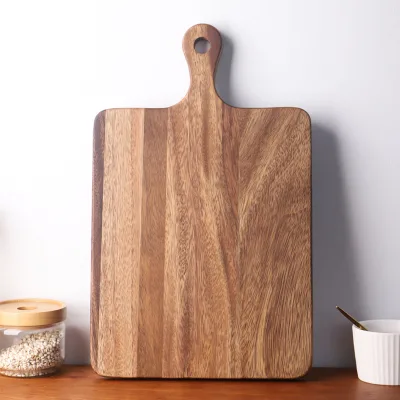
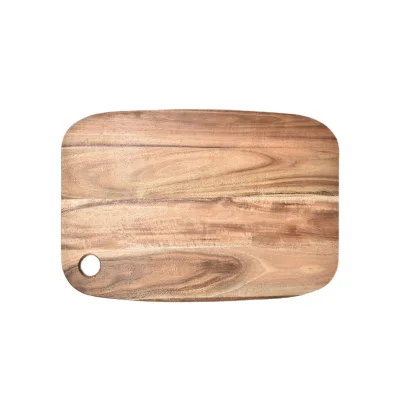
Natural Advanced Double Sided Rectangular Irregular Wooden Cutting Board with Handle for Kitchen
$2.50 - $2.90
MOQ: 100 pieces
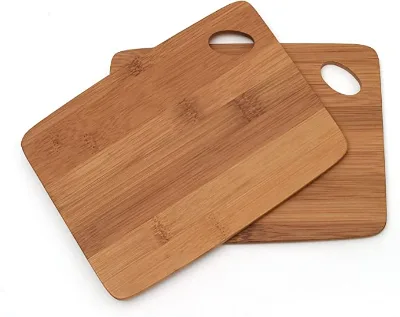
Custom Design Customize Shape Wood and Bamboo Cutting Board with Logo
$2.0987 - $10.4905
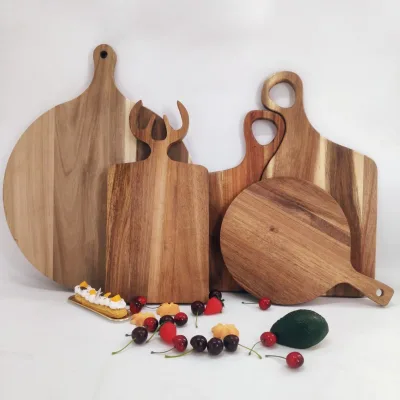
MOQ: 100 pieces
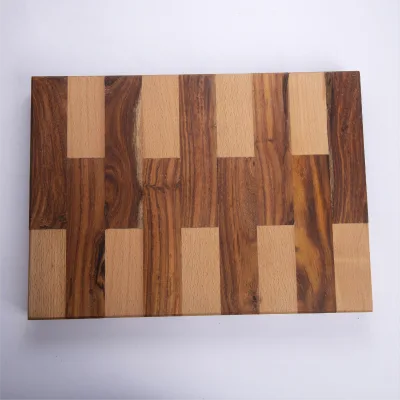

Yangdong Mettor Industrial Co., Ltd.
- Manufacturer, Trading Company
- Guangdong, China
- Lead time30 days
- Avg. response≤ 19h
Main productsWooden Kitchen Ware,Wooden cutting board,Salt and pepper mill,Wooden cheese board,kitchen knife set
Main marketsNorthern Europe(20.00%), Western Europe(20.00%), Eastern Europe(20.00%), Southern Europe(20.00%), North America(20.00%), South America(10.00%)

Henan Okay Plastic Industry Co., Ltd.
- Verified by TUVRHEINLAND
- Combined
- China Henan
- Lead time23 days
- Avg. response≤ 12h
Main productsHDPE Sheet, UHMWPE Sheet, Ground Protection Mat, Synthetic Ice, Temporary Road, Borated Polyethylene, Cutting Board, Chopping Board, UHMW Sheet, Plastic Road Plates
Main marketsEast Asia(Japan/ South Korea),Australia,North America









Comprehensive Sourcing Guide
Sustainable Cutting Board with Stand Supplier Concentration and Factory Types
The current supplier landscape for sustainable cutting boards with stands reveals a distinct concentration of manufacturing activity within China, specifically highlighting regions such as Yunnan and Zhejiang. These locations serve as primary hubs for producers specializing in bamboo and wood-based kitchenware, offering buyers access to established supply chains for eco-friendly materials. The presence of suppliers in Yunnan suggests a strong connection to raw bamboo resources, which is critical for maintaining the structural integrity and sustainability claims of the final product. Meanwhile, Zhejiang-based entities often focus on a broader range of plastic and composite storage solutions, indicating a diverse manufacturing ecosystem that can accommodate various material preferences for cutting board production. Understanding these geographic clusters helps buyers narrow their search to regions with proven expertise in handling the specific raw materials required for durable, eco-conscious kitchen tools.
Beyond geography, the types of companies operating in this sector vary significantly, ranging from specialized trading companies to factories with direct production capabilities. Many suppliers identify as trading companies, which can offer a wider variety of product designs and customization options by aggregating inventory from multiple workshops. However, for buyers seeking strict quality control over the manufacturing process, identifying factories with in-house capabilities for sample processing and graphic customization is essential. Some suppliers explicitly list capabilities such as customized on-demand production and graphic processing, which are vital for brands looking to create unique, branded cutting board sets with integrated stands. This distinction between trading entities and manufacturing facilities directly impacts the level of transparency, lead time reliability, and the ability to implement specific sustainability certifications or material standards required by modern consumers.
How to Verify Sustainable Cutting Board with Stand Suppliers
Verifying the legitimacy and capability of suppliers requires a multi-layered approach that goes beyond basic company profiles. Buyers should prioritize suppliers who hold recognized third-party verifications, such as SGS or TÜV Rheinland, which provide an additional layer of trust regarding business operations and product safety. These verifications are crucial for ensuring that the supplier’s claims about sustainability and material quality are backed by independent assessment. Additionally, checking for specific system certifications like BSCI, LFGB, FDA 21 CFR 178, and FSC is essential for suppliers dealing with food-contact materials. These certifications indicate compliance with international standards for hygiene, chemical safety, and responsible forestry practices, which are non-negotiable for sustainable kitchenware. Buyers must actively request and validate these documents to ensure that the supplier’s operations meet the rigorous demands of global markets and regulatory requirements.
Response time and communication efficiency are also critical indicators of a supplier’s reliability and professionalism. A quick response time, such as those observed in the range of two to three hours, suggests a well-staffed and responsive sales team capable of addressing complex inquiries about customization and logistics. Buyers should test this responsiveness by asking detailed questions about material sourcing, production processes, and certification validity. Furthermore, examining the supplier’s main product focus can reveal their depth of expertise; suppliers specializing in bamboo products, crafts, and kitchenware are likely more knowledgeable about the nuances of sustainable cutting board production than general traders. By combining verification of credentials with an assessment of communication speed and product specialization, buyers can effectively filter out unreliable partners and focus on suppliers who demonstrate both compliance and operational competence.
What to Compare Across Sustainable Cutting Board with Stand Suppliers
When evaluating multiple suppliers, buyers must compare key operational metrics such as lead times, minimum order quantities (MOQs), and pricing structures to determine the best fit for their business model. Lead times can vary significantly, with some suppliers offering rapid turnaround times of around 14 to 23 days, while others may require up to 45 days for production. This variance is often influenced by the complexity of the product, such as the inclusion of integrated stands or custom packaging, and the current order volume of the factory. Buyers should align these lead times with their inventory planning and seasonal demand forecasts to avoid stockouts or excess inventory. Additionally, MOQs can range from low thresholds of 100 units to higher volumes of 1000 units, allowing flexibility for both small startups and large-scale retailers. Understanding these constraints helps buyers negotiate terms that balance cost efficiency with operational agility.
Pricing and customization options are equally important factors in the comparison process. Prices for sustainable cutting boards with stands can vary based on material quality, such as bamboo versus acacia wood, and the level of customization offered, including logo engraving or specific packaging designs. Some suppliers offer competitive pricing for standard items, while others may charge premiums for eco-friendly certifications or specialized features like anti-skidding and antibacterial properties. Buyers should also compare the scope of customization, such as the ability to modify product models, colors, and packaging materials, to ensure the supplier can meet their brand’s unique requirements. By systematically comparing these dimensions, buyers can identify suppliers that offer the best value proposition, balancing cost, quality, and flexibility to meet their specific market needs and sustainability goals.
Common Sustainable Cutting Board with Stand Sourcing Risks
One of the primary risks in sourcing sustainable cutting boards is the potential mismatch between claimed sustainability and actual material sourcing. Buyers must be vigilant about verifying the origin of raw materials, particularly bamboo and wood, to ensure they are sourced from responsibly managed forests or renewable plantations. Without proper certification verification, such as FSC, there is a risk of inadvertently supporting unsustainable harvesting practices that contradict the product’s eco-friendly positioning. Additionally, the durability and safety of the cutting boards must be rigorously tested, as issues like mold resistance, anti-slip properties, and non-toxic finishes are critical for consumer satisfaction and regulatory compliance. Buyers should request detailed product specifications and test reports to confirm that the materials meet the required standards for food contact and long-term use, avoiding products that may degrade quickly or pose health risks.
Another significant risk involves logistical and quality control challenges, particularly when dealing with suppliers in distant regions. Variations in packaging standards, such as single piece packages versus carton palletizing, can impact shipping costs and product protection during transit. Buyers must ensure that the supplier’s packaging methods are robust enough to prevent damage to the cutting boards and their integrated stands, which are often more fragile than standard boards. Furthermore, discrepancies in product attributes, such as size, thickness, and shape, can lead to fulfillment errors if not clearly defined in the purchase order. Buyers should establish clear quality assurance protocols, including pre-shipment inspections and sample approvals, to mitigate these risks. By proactively addressing these potential pitfalls, buyers can protect their brand reputation and ensure consistent product quality across their supply chain.
Sustainable Cutting Board with Stand Regional Sourcing and Logistics
Sourcing from specific regions in China, such as Yunnan and Zhejiang, offers distinct logistical advantages and challenges that buyers must consider. Yunnan-based suppliers, often located near bamboo resources, may offer faster access to raw materials and potentially lower production costs for bamboo-based products. However, buyers must account for the transportation logistics from inland regions to major ports, which can impact lead times and shipping costs. On the other hand, Zhejiang-based suppliers, often situated closer to major shipping hubs, may provide more streamlined logistics for international exports, reducing transit times and simplifying customs clearance processes. Understanding these regional differences allows buyers to optimize their supply chain by selecting suppliers that align with their preferred shipping routes and delivery schedules.
Logistics planning also involves coordinating with suppliers on FOB ports and packaging specifications to ensure efficient cargo handling. For instance, suppliers operating out of Fuzhou may have established relationships with freight forwarders, offering competitive shipping rates and reliable service. Buyers should work closely with their suppliers to determine the most cost-effective shipping methods, whether by sea or air, based on order volume and urgency. Additionally, coordinating on packaging dimensions and weights is crucial for maximizing container space and minimizing freight costs. By leveraging regional logistics strengths and maintaining clear communication with suppliers, buyers can streamline the import process, reduce overall costs, and ensure timely delivery of sustainable cutting boards with stands to their target markets.
Sustainable Cutting Board with Stand Commercial Terms and Order Planning
Commercial terms, including payment structures and order planning, play a vital role in establishing a sustainable and mutually beneficial relationship with suppliers. Common payment terms, such as T/T 30% upfront, provide a balance of security for both parties, ensuring commitment while managing cash flow. Buyers should negotiate these terms based on their financial capabilities and the supplier’s trust level, potentially adjusting them for repeat orders or larger volumes. Additionally, understanding the sample process, including sample times and costs, is essential for validating product quality before committing to large-scale production. Buyers should plan their order timeline to accommodate sample approval, production lead times, and shipping durations, ensuring that inventory arrives in time for market demand.
Order planning also involves strategic inventory management and forecasting to avoid stockouts or overstock situations. Buyers should analyze historical sales data and market trends to predict demand for sustainable cutting boards with stands, adjusting order quantities accordingly. Working with suppliers who offer flexible MOQs and customization options can enhance this planning process, allowing buyers to respond quickly to changing market conditions. Furthermore, establishing clear communication channels for order updates and potential delays helps mitigate risks and maintain operational efficiency. By carefully managing commercial terms and order planning, buyers can build a resilient supply chain that supports their business growth and sustainability objectives, ensuring consistent product availability and customer satisfaction.
FAQs
What certifications do sustainable cutting board suppliers hold?
Suppliers offer BSCI, LFGB, FDA 21 CFR 178, and FSC certifications. These credentials verify compliance with international safety and environmental standards. Buyers should verify specific certificates for their target market to ensure regulatory alignment and product safety for food contact applications.
What is the typical lead time for orders?
Lead times vary by supplier, ranging from 14 days to 45 days. Some manufacturers provide faster turnaround for standard items, while others require longer processing for customized designs. Buyers should confirm exact timelines during negotiation to align with inventory planning and shipping schedules.
What are the minimum order quantities for cutting boards?
Minimum order quantities typically range from 100 to 1000 units. Lower MOQs are available for specific bamboo or wooden sets, while larger orders may be required for custom branding. Buyers should check individual product listings to determine the exact threshold for their desired specifications.
Where are these sustainable cutting boards manufactured?
Manufacturing locations include China Yunnan, Fujian, and Zhejiang. These regions are known for bamboo and wood processing capabilities. Buyers can filter suppliers by location to assess logistics costs and ensure alignment with regional sourcing strategies for sustainable kitchenware products.
What materials are used for eco-friendly cutting boards?
Common materials include bamboo, acacia wood, and other sustainable woods. Bamboo is highlighted for its durability and eco-friendly properties. Some products feature anti-skidding and antibacterial functions. Buyers should review product attributes to select the material that best fits their durability and aesthetic requirements.
Do suppliers offer customization for cutting boards?
Customization is available for many products, including logo engraving and packaging. Suppliers support graphic processing and customized designs on demand. Buyers can request laser engraving for branding or specific packaging solutions. This flexibility allows for unique product differentiation in the competitive kitchenware market.
What is the price range for bamboo cutting boards?
Prices vary significantly based on material and features. Bamboo cutting boards can range from $0.32 to $9.98 per unit. Wooden sets may cost between $5.90 and $18.00. Buyers should compare specific product listings to find options that fit their budget and quality expectations.