Source Automatic Water Resistant Camping Tent for Beach, Party, Relief
Find 30 Automatic Water Resistant Camping Tent options with varying capacities and materials. Compare specifications for beach, party, and relief uses to select the right shelter for your needs; compare the available evidence and request quotations based on your requirements.
Updated
Key considerations
Products List
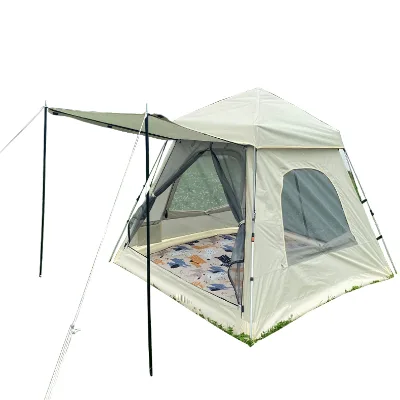
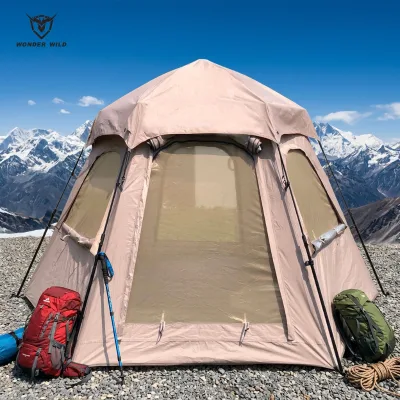


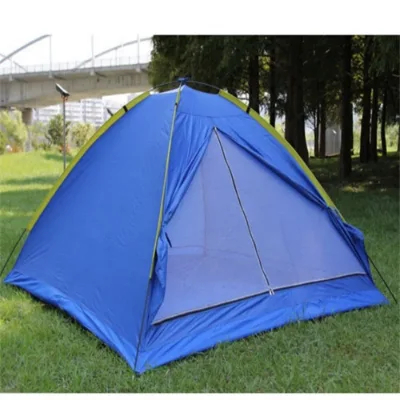
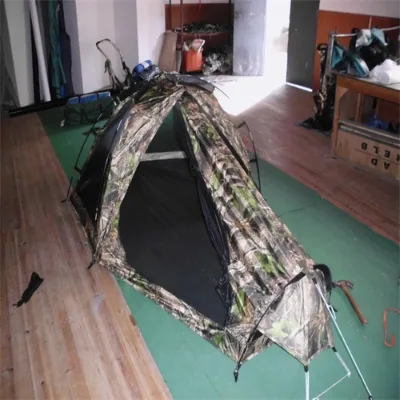


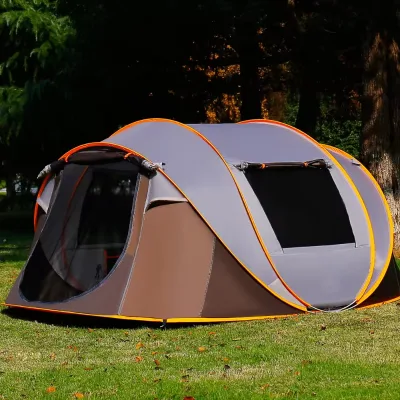
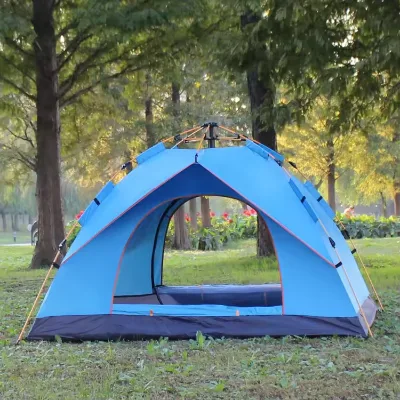


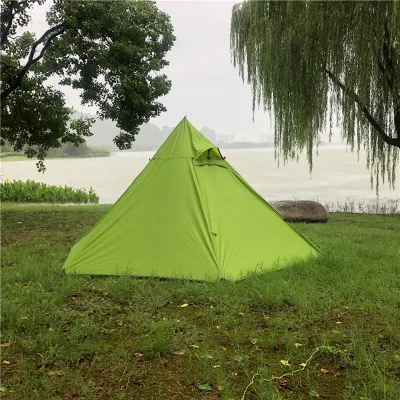

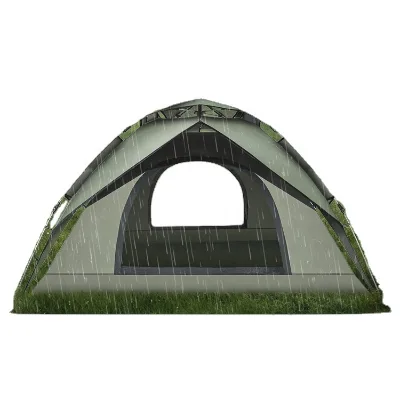

High Quality Automatic Pop up Camping Tent Waterproof UV Resistant Tents
$33.00 - $39.50
MOQ: 2000 Pieces
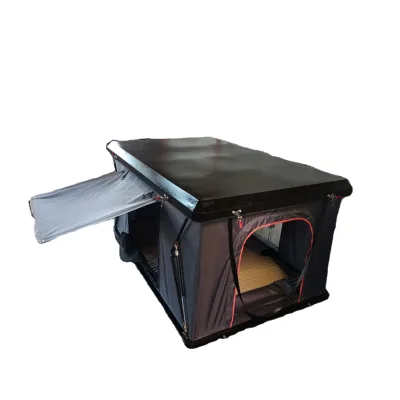

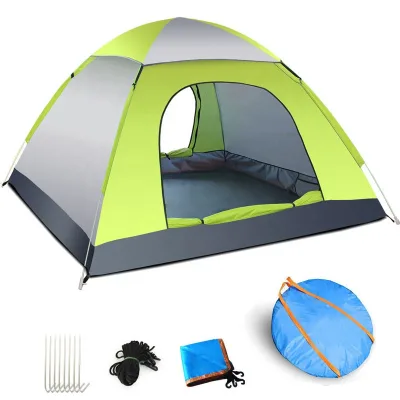
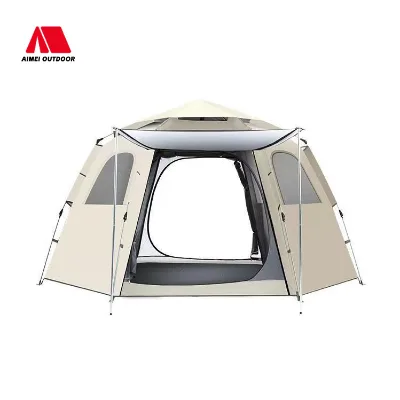


Comprehensive Sourcing Guide
Automatic Water Resistant Camping Tent Sourcing Guide
Procuring automatic water resistant camping tents requires a careful balance between rapid deployment convenience and robust weather protection. Buyers must prioritize tents that combine inflatable or spring-pole mechanisms with high-grade waterproof fabrics to ensure reliability in adverse conditions. The market offers various configurations, from single-skin structures to double-layer designs, each serving different operational needs. Understanding the specific material composition, such as polyester-cotton blends or Oxford fabrics, is essential for determining durability and breathability. This guide outlines the critical verification steps for sourcing these products effectively.
The selection process should begin with defining the intended usage environment, whether for traditional camping, beach leisure, or emergency relief. Automatic tents often feature reinforced PVC air beams or fiberglass poles, which provide structural integrity while minimizing setup time. Buyers should evaluate the deployed dimensions against their space constraints, noting that models vary significantly in footprint and height. Additionally, the inclusion of accessories like pumps, pegs, and repair kits can impact the total value proposition. A thorough assessment of these physical attributes ensures the chosen tent meets both logistical and functional requirements.
Product Scope and Observed Listing Signals
The current market landscape for automatic camping tents reveals a diverse range of product specifications and customization options. Listings indicate a price range from approximately $0.79 to $654.93, reflecting variations in material quality, brand reputation, and structural complexity. Minimum order quantities (MOQs) typically span from 1 to 2,000 units, offering flexibility for both small-scale retailers and large distributors. These signals suggest that buyers can source single units for sampling or bulk orders for commercial distribution, depending on their inventory strategy and market demand.
Observed product attributes highlight significant diversity in design and functionality. Common features include white or cream-colored exteriors, double-door configurations, and single-skin structures. Some models utilize waterproof polyester-cotton fabric, while others employ Oxford fabric or PVC-coated polyester mesh for enhanced ventilation. The presence of customized options allows buyers to tailor products to specific branding or functional needs. Understanding these listing signals helps buyers identify suppliers who align with their specific quality and volume requirements, ensuring a more targeted sourcing approach.
Technical Specifications to Verify
Verifying technical specifications is crucial for ensuring the tent meets performance expectations. Key attributes to confirm include the pole material, which may be fiberglass, aluminum, or reinforced PVC air beams. The fabric material should be explicitly stated as waterproof, with options ranging from polyester-cotton canvas to breathable polyester mesh. Buyers must also check the deployed dimensions, which vary from compact sizes like 300x210x200cm to larger leisure areas up to 480x360x250cm. These dimensions directly impact the usable interior space and portability of the tent.
Additional technical details include the packed dimensions and included accessories. Packed sizes typically range from 74x42x39cm to 90x55x45cm, affecting storage and transportation logistics. Accessories such as pumps, pegs, carry bags, and repair kits are often included, enhancing the product's value. The layer structure, whether single or double, influences insulation and condensation management. Buyers should request detailed specification sheets to verify these parameters, ensuring the selected model aligns with their operational needs and customer expectations.
Compliance and Safety Documentation
Compliance and safety documentation are vital for mitigating risks in international trade. Buyers should request certificates of conformity and material safety data sheets to verify that fabrics and coatings meet relevant environmental and health standards. While specific certifications like ISO 9001 or ISO 14001 are mentioned in background contexts, buyers must confirm their validity and scope with the supplier. These documents provide assurance that the manufacturing processes adhere to recognized quality and environmental management principles.
Additionally, buyers should inquire about fire retardancy and UV resistance certifications, especially for tents used in outdoor or commercial settings. Waterproof ratings and seam sealing techniques should be documented to ensure reliability in wet conditions. Requesting test reports from independent laboratories can validate these claims. Clear documentation not only facilitates customs clearance but also builds trust with end-users who prioritize safety and durability. Maintaining a comprehensive file of these documents is essential for long-term supplier relationships and product liability management.
Cost Drivers and Commercial Terms
Cost drivers for automatic camping tents include material quality, structural complexity, and customization levels. High-grade waterproof fabrics and reinforced air beams typically command higher prices due to their durability and performance. Customization options, such as branded logos or specific color schemes, can also increase costs. Buyers should analyze the price range of $0.79 to $654.93 to understand the value proposition of different models. Understanding these drivers helps in negotiating favorable terms and selecting products that offer the best balance of cost and quality.
Commercial terms, including MOQs and lead times, significantly impact procurement strategy. MOQs ranging from 1 to 2,000 units allow for flexible ordering, but larger volumes may offer better pricing. Lead times should be clarified to ensure timely delivery, especially for seasonal demand. Payment terms, such as deposits or letters of credit, should be negotiated to manage cash flow and risk. Buyers should also consider shipping costs and import duties, which can affect the total landed cost. Clear commercial terms ensure a smooth transaction process and predictable budgeting.
Supplier Qualification and Quality Control
Supplier qualification is a critical step in ensuring product reliability and consistency. Buyers should verify the supplier's manufacturing capabilities, including production capacity and quality control processes. Factories with established QC teams and standardized testing procedures are more likely to deliver consistent quality. Requesting samples before placing bulk orders allows buyers to assess product quality firsthand. Evaluating the supplier's response to inquiries and their willingness to provide documentation are also indicators of their professionalism and reliability.
Quality control measures should include pre-production inspections, during-production checks, and final random inspections. Buyers should define clear acceptance criteria for defects, such as stitching errors, fabric tears, or malfunctioning automatic mechanisms. Implementing a robust QC plan helps identify and rectify issues before shipment, reducing the risk of returns and customer complaints. Building a strong relationship with the supplier through regular communication and feedback fosters continuous improvement. A qualified supplier with rigorous QC processes is essential for maintaining brand reputation and customer satisfaction.
Long-Term Procurement Checks
Long-term procurement checks involve monitoring supplier performance and product quality over time. Regular audits and performance reviews help identify any deviations from agreed standards. Buyers should track metrics such as on-time delivery rates, defect rates, and customer feedback to assess supplier reliability. Continuous improvement initiatives, such as joint quality improvement projects, can enhance the partnership and product quality. Staying informed about market trends and technological advancements ensures that the sourced products remain competitive and relevant.
Additionally, buyers should maintain open communication channels with suppliers to address any emerging issues promptly. Regularly reviewing contract terms and updating them to reflect changes in market conditions or regulatory requirements is essential. Building a diversified supplier base can mitigate risks associated with single-source dependencies. Long-term procurement checks also involve evaluating the sustainability of the supply chain, including environmental and social responsibility practices. A proactive approach to supplier management ensures a resilient and efficient procurement process.
FAQs
What materials are used for the tent poles?
The tent poles are constructed from fiberglass or a combination of aluminum and fiberglass. These materials provide the necessary structural integrity and flexibility for outdoor use. The choice depends on the specific model, ensuring durability against wind and weather conditions while maintaining a lightweight profile for easy transport and setup.
Can the tent be customized for specific needs?
Yes, customization is available for these camping tents. Buyers can request specific colors, such as white, cream, or yellow, to match branding or personal preferences. The structure and fabric materials can also be tailored. This flexibility allows businesses to meet unique market demands or specific event requirements effectively.
What are the packed dimensions for the tent?
Packed dimensions vary by model, typically ranging from 74x42x39 cm to 90x55x45 cm. For instance, the YT23 model packs to 74x42x39 cm, while the YT36 model measures 90x55x45 cm. These compact sizes facilitate easy storage and transportation, making them suitable for various logistics and retail packaging needs.
Which fabric materials are used for the tent body?
The tent bodies utilize various waterproof fabrics, including polyester-cotton fabric, Oxford fabric, and PVC-coated polyester mesh. Some models feature waterproof polyester cotton canvas. These materials ensure reliable water resistance and durability, protecting occupants from rain and moisture while providing breathability and comfort in diverse weather conditions during outdoor activities.
What is the origin of these camping tents?
These camping tents originate from China, specifically from the Jiangsu region. This location is a known hub for manufacturing outdoor gear. The products are exported globally, adhering to international standards for quality and safety. Buyers can rely on established supply chains from this region for consistent production and delivery.
What is the minimum order quantity for these tents?
The minimum order quantity ranges from 1 to 2000 units, depending on the supplier and specific product model. This flexibility accommodates both small trial orders and large bulk purchases. Buyers can negotiate MOQs based on their volume requirements, allowing for scalable sourcing strategies that fit various business sizes and inventory needs.