Source Portable Outdoor Emergency COB Lantern for Camping, Car, Boat
Find 30 Portable Outdoor Emergency COB Lantern options with battery or solar power, ABS construction, and water resistance. Compare specs like brightness, runtime, and customization for camping, car, boat, and garden use; compare the available evidence and request quotations based on your requirements.
Updated
Key considerations
Products List


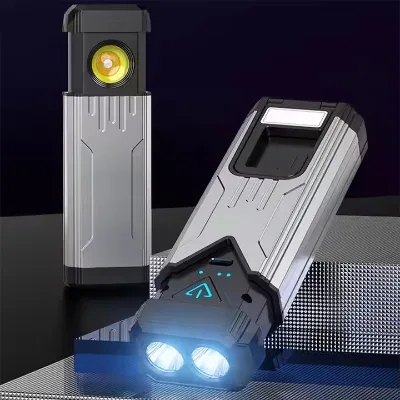


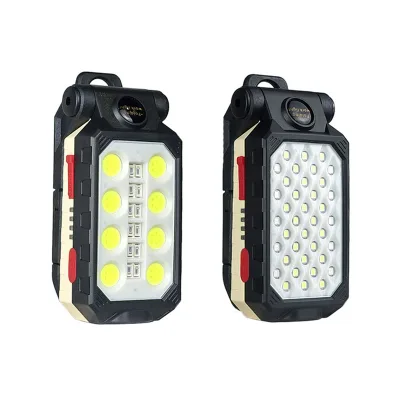
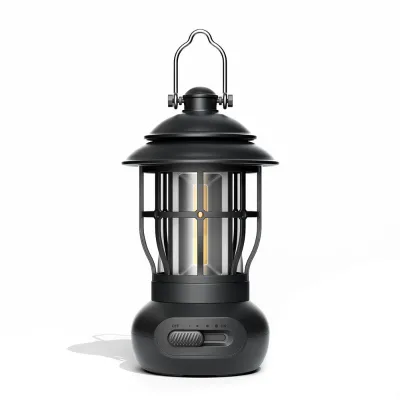
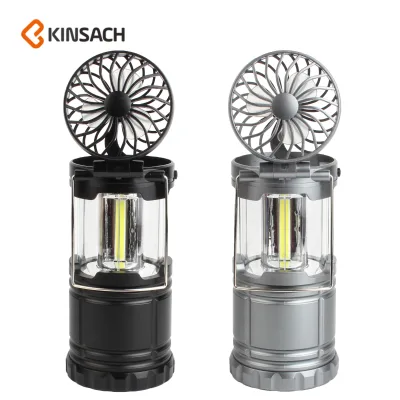
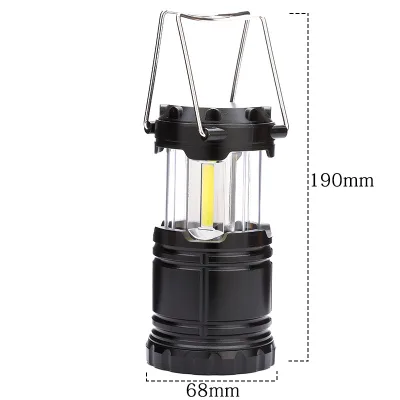
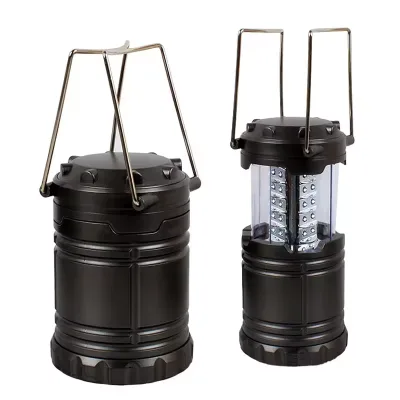
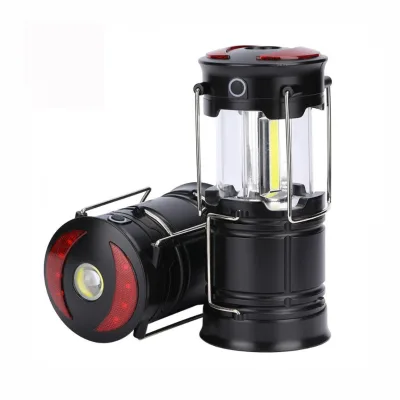


High Lumen COB Night Hiking Lamp Outdoor LED Rechargeable Camping Lantern
$10.18 - $11.08
MOQ: 100 Pieces

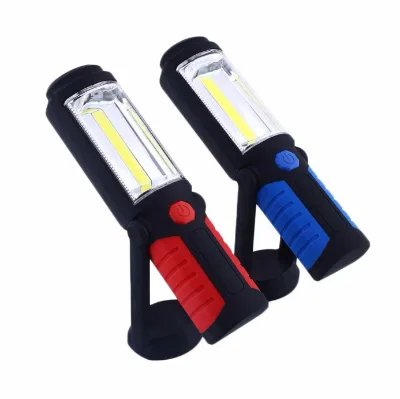
Comprehensive Sourcing Guide
Portable Outdoor Emergency COB Lantern Sourcing Guide
Sourcing portable outdoor emergency COB lanterns requires a clear understanding of the diverse product landscape available from manufacturers, particularly those based in key manufacturing hubs like Ningbo, China. Buyers must navigate a wide array of specifications, from battery types to light sources, to ensure the selected unit meets specific operational needs. The observed market includes models powered by batteries such as AA cells or rechargeable lithium packs, as well as hybrid systems combining solar panels with USB input/output capabilities. This variety necessitates careful evaluation of power source reliability and charging infrastructure compatibility before placing bulk orders.
Procurement decisions should also account for the intended usage environment, which ranges from camping and emergency lighting to garden and street applications. Products vary significantly in physical dimensions, with some measuring as small as 10x13.3x3.7cm while others extend to 60x137x191mm. Weight and material composition, often ABS plastic, further influence portability and durability. Buyers must align these physical attributes with their target market’s expectations for ruggedness and ease of carry, ensuring that the selected lanterns can withstand the rigors of outdoor use while providing consistent illumination during power outages or recreational activities.
Product Scope and Observed Listing Signals
The current market listings reveal a broad spectrum of portable lanterns designed for emergency and outdoor use, with observed price points ranging from $0.64 to $20 USD. Minimum order quantities (MOQs) vary widely, starting from just one unit up to 5,000 pieces, allowing both small-scale testers and large distributors to find suitable entry points. Key product attributes frequently highlighted include cool white color temperature, water-resistant construction, and high brightness levels. These signals indicate a market focused on practical, high-visibility lighting solutions that prioritize functionality and accessibility for consumers needing reliable light sources in various settings.
Specific models observed include the 20YC-0045-1, HLL025, and CL-24, each with distinct packaging and standard dimensions. For instance, the HLL025 model features a 9.6x23cm form factor and utilizes a push-button switch, while the 9707 small blue/green variant offers a 100lm output with a light range of 0-10m. Buyers should note that customization is available for many of these units, including branded packaging options like colored paper boxes. Understanding these specific model identifiers and their associated physical characteristics is crucial for accurate inventory planning and ensuring that the procured goods match the technical requirements of the end-users.
Technical Specifications to Verify
When evaluating technical specifications, buyers must verify the light source configuration, as many units combine COB (Chip on Board) LEDs with traditional LED beads for versatile illumination. For example, some models specify a combination of 3W LED, 3W COB, and tube lighting, while others rely solely on 1W LED flashlight beads or 5W COB working lights. It is essential to confirm the lumen output and light range, with observed values such as 100lm and a 0-10m range, to ensure adequate visibility for emergency scenarios. Additionally, the presence of multiple lighting modes, such as lantern mode, should be validated to guarantee flexibility in different lighting conditions.
Power management is another critical area requiring verification. Buyers should check the battery type and capacity, noting that some units use AA batteries (e.g., AA*3) while others employ rechargeable 3.7V 1200mAh lithium cells. Charging times can vary significantly, with some models requiring 10-12 hours for a full charge, and runtime durations typically falling between 5-6 hours or under 10 hours. Input voltage specifications, such as 3.7V or 4V, must also be confirmed to ensure compatibility with existing charging equipment. Understanding these power dynamics is vital for managing user expectations regarding battery life and rechargeability in off-grid situations.
Compliance and Safety Documentation
Compliance with international safety and environmental standards is non-negotiable for portable electronic devices entering global markets. Buyers must request and verify certification documents, with CE and RoHS being the most commonly observed certifications for these products. These certifications indicate that the lanterns meet European health, safety, and environmental protection standards, which is often a prerequisite for selling in regulated markets. It is crucial to ensure that the provided certificates are valid and correspond to the specific models being procured, as compliance can vary between different product lines and manufacturing batches.
Beyond certifications, buyers should inquire about the materials used in construction, particularly the ABS plastic housing, to ensure they are free from harmful substances. The water-resistant feature, often highlighted in product descriptions, should be backed by relevant testing data or IP rating specifications, although specific IP levels are not always explicitly stated in initial listings. Verifying that the product origin, such as Ningbo, China, aligns with the supplier’s declared manufacturing capabilities is also important for traceability. Ensuring that all documentation is complete and accurate helps mitigate regulatory risks and facilitates smoother customs clearance for imported goods.
Cost Drivers and Commercial Terms
Several factors influence the final cost of portable outdoor emergency COB lanterns, including the complexity of the light source, battery type, and packaging requirements. Models with hybrid power systems, such as those combining solar panels with USB input/output, may command higher prices due to the additional components and assembly complexity. Similarly, units with higher lumen outputs or specialized features like push-button switches and multiple lighting modes can affect pricing. Buyers should also consider the impact of customization, such as branded packaging or specific crust colors, which may incur additional setup fees or higher per-unit costs.
Commercial terms, including MOQs and lead times, play a significant role in total procurement costs. While some suppliers offer low MOQs starting at one unit, larger orders may benefit from volume discounts, though specific price breaks are not always disclosed upfront. Buyers should negotiate clear terms regarding payment methods, shipping responsibilities, and warranty coverage, with a standard one-year warranty being a common offering. Understanding these commercial dynamics allows for more accurate budgeting and helps in selecting suppliers who can meet both financial and logistical requirements without compromising on product quality or delivery schedules.
Supplier Qualification and Quality Control
Selecting a reliable supplier involves rigorous qualification processes to ensure consistent product quality and adherence to specifications. Buyers should verify the supplier’s manufacturing capabilities, particularly their experience in producing electronic lighting products with features like COB LEDs and rechargeable batteries. Requesting samples of different models, such as the HLL025 or CL-24, allows for hands-on evaluation of build quality, light output, and battery performance. It is also important to assess the supplier’s ability to provide customized packaging and branding options, as this can be a key differentiator in competitive markets.
Quality control measures should be clearly defined and agreed upon before production begins. This includes establishing acceptance criteria for visual defects, functional testing of light modes, and battery charge/discharge cycles. Buyers should inquire about the supplier’s internal QC processes and whether they conduct pre-shipment inspections. Additionally, verifying the supplier’s responsiveness to issues and their willingness to provide after-sales support, including warranty claims, is crucial for long-term partnership success. A robust quality control framework helps minimize the risk of receiving defective goods and ensures that the final products meet the expected standards of durability and performance.
Long-Term Procurement Checks
Long-term procurement success depends on continuous monitoring of product performance and supplier reliability. Buyers should establish feedback loops with end-users to gather insights on battery longevity, light durability, and overall user satisfaction. This data can inform future purchasing decisions and help identify any recurring issues that need to be addressed with the supplier. Regularly reviewing warranty claims and return rates can also provide valuable metrics on product quality and supplier accountability, allowing for proactive management of potential supply chain disruptions.
Furthermore, staying updated on regulatory changes and market trends is essential for maintaining compliance and competitiveness. As environmental standards evolve, buyers must ensure that their suppliers continue to meet the latest certification requirements, such as updated RoHS directives. Exploring opportunities for product innovation, such as improved solar efficiency or enhanced water resistance, can also help differentiate offerings in the market. By maintaining a strategic approach to supplier relationships and product development, buyers can secure a steady supply of high-quality portable outdoor emergency COB lanterns that meet the evolving needs of their customers.
FAQs
What power sources are available for this lantern?
This lantern supports multiple power sources including battery and solar panel options. Some models feature solar panel charging alongside USB input and output capabilities. Users can select based on their specific camping or emergency lighting needs without relying on a single power method.
Which certifications does the product hold?
The product holds CE and RoHS certifications as confirmed by the specifications. These certifications indicate compliance with safety and environmental standards for electronic goods. Buyers can rely on these documented attributes when evaluating the lantern for international distribution or specific regulatory requirements.
How long does the battery last on a full charge?
The runtime typically lasts between five to six hours on a full charge. This duration depends on the specific battery capacity and usage mode selected by the user. Charging time generally requires ten to twelve hours to reach full capacity for optimal performance during outdoor activities.
Can the product be customized for branding?
Yes, customization is available for this lantern product. Buyers can request customized packaging or specific design modifications to meet their branding needs. This flexibility allows businesses to tailor the product for their specific market requirements while maintaining the core functional attributes of the lantern.
What is the warranty period for this item?
The product comes with a one-year warranty period covering manufacturing defects. This warranty ensures reliability for users in camping, car, or emergency lighting scenarios. Buyers should verify specific terms with the supplier to understand the full scope of coverage provided under this standard warranty agreement.
Which materials are used in the lantern construction?
The lantern is constructed using ABS material for durability and lightweight performance. This material choice ensures resistance to impact and weather conditions during outdoor use. The combination of ABS with other components provides a robust structure suitable for various applications like garden or street lighting.