Tila Beads Suppliers and Manufacturers - 25 Verified Factories
Compare 25 Tila Beads suppliers and manufacturers by response time, lead time, and location. Review product specifications like material and MOQ before contacting factories in Zhejiang, China, or Jiangsu, China for your jewelry making needs; review the available evidence before requesting comparable quotations from suitable candidates.
Updated
Suppliers List
Yiwu Shanmei Arts And Gifts Co., Ltd.
- Manufacturer, Trading Company
- Lead time旺季: "5 - 250":15,"> 250":"To be negotiated", 淡季: "5 - 250":15,"> 250":"To be negotiated"
- Avg. response≤ 8h
Main productsGemstone Jewelry, Metal Jewelry, Jewelry Accessories, Sterling Sliver Jewelry, Gemstone Decorations

Jiangyin Jinhui Arts & Crafts Co., Ltd.
- Combined
- China Jiangsu
- Lead time30 days
- Avg. response≤ 11h
Main productsGlass Bead
Main marketsSoutheast Asia/ Mideast

$0.01 - $0.025
MOQ: 100 pieces


$0.01 - $0.025
MOQ: 100 pieces

$0.01 - $0.025
MOQ: 100 pieces

Beijing Hong Yun Xi International Trade Company Limited
- Verified by SGS
- Trading Company
- China Beijing
- Lead time23 days
- Avg. response≤ 20h
Main productsFRP Tank, FRP Vessel, FRP Pipe, FRP Tower, FRP Clarifier, FRP Wet Electrostatic Precipitator Tube, FRP Environment Protection Equipment, Fiberglass Mat, Fiberglass Roving, Glass Beads
Main marketsOthers(foreignTradeCapacity.exportBusinessCapacityMarketOther),Southeast Asia/ Mideast

Zhengzhou Mission Ceramic Products Co., Ltd.
- Verified by BV
- Trading Company
- China Henan
- Lead time15 days
- Avg. response≤ 17h
Main productsAlumina Tube, Alumina Crucible, Alumina Plate, Precision Alumina Ceramic Part, Silicon Carbide Ceramic, Zirconia Ceramic, Boron Nitride Ceramic, Alumina Ceramic Fiber Board, Mosi2 Heating Element, Sic Heating Element
Main marketsSouth America,Africa,Others(foreignTradeCapacity.exportBusinessCapacityMarketOther),Southeast Asia/ Mideast,East Asia(Japan/ South Korea),Europe,Australia,North America
Yiwu Zhuofang Jewelry Co., Ltd.
- Manufacturer, Trading Company
- Lead time旺季: "1 - 1000":7,"> 1000":"To be negotiated", 淡季: "1 - 1000":7,"> 1000":"To be negotiated"
- Avg. response≤ 2h
Main productsNecklace , Earring, Rings, Bracelet , Brooch
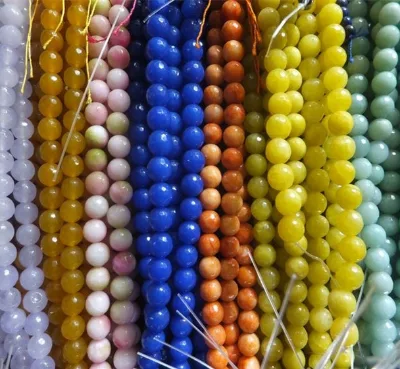
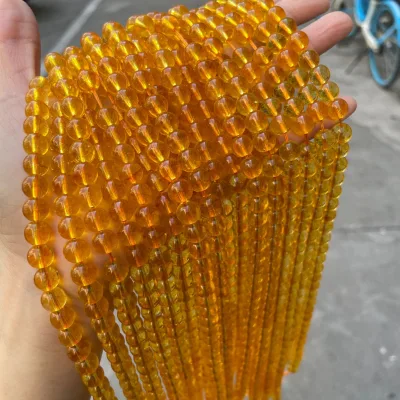
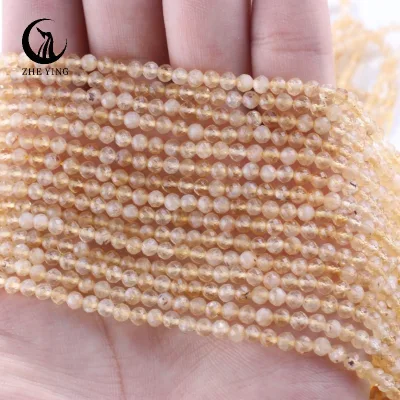
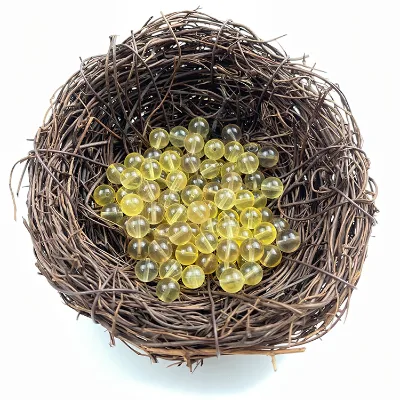
6/8/10/12mm Loose Stone Citrine Beads Yellow Quarts Round Crystal Agate Loose Stone Strand Beads
$5.82 - $9.35
MOQ: 50 Minimum
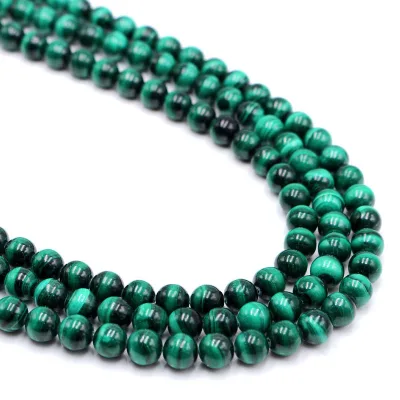
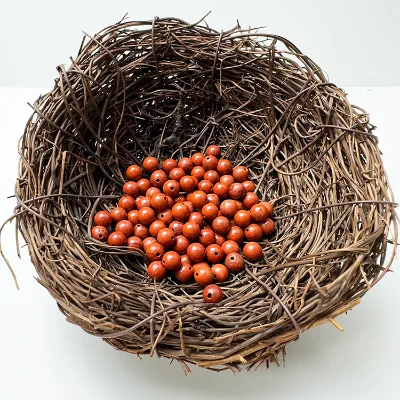
Natural Malachite Beads Stones High Quality Natural Stone Beads for Malachite Jewelry in 4-10mm
$10.23 - $22.49
MOQ: 10 Minimum
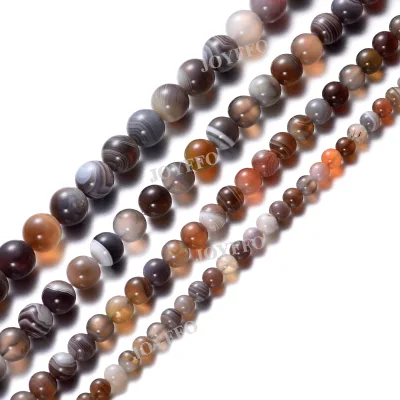
$2.85 - $7.05
MOQ: 10 Minimum

NINGBO HOBA INTERNATIONAL TRADING CO., LTD.
- Verified by BV
- Trading Company
- China Zhejiang
- Lead time30 days
- Avg. response≤ 3h
Main productsThread, Button, Lace Tape, Zipper, Hot Fix Stone, Crystal, Rope, Jewelry Accessory, Ribbon, Reflecting Material
Main marketsSouth America,Africa,Southeast Asia/ Mideast,East Asia(Japan/ South Korea),Europe,Australia,North America


Beads 2/3/4/5/6/8mm Colorful Glass Bicone Crystal Beads for Jewelry Making
$0.06 - $0.11
MOQ: 3000 bunch


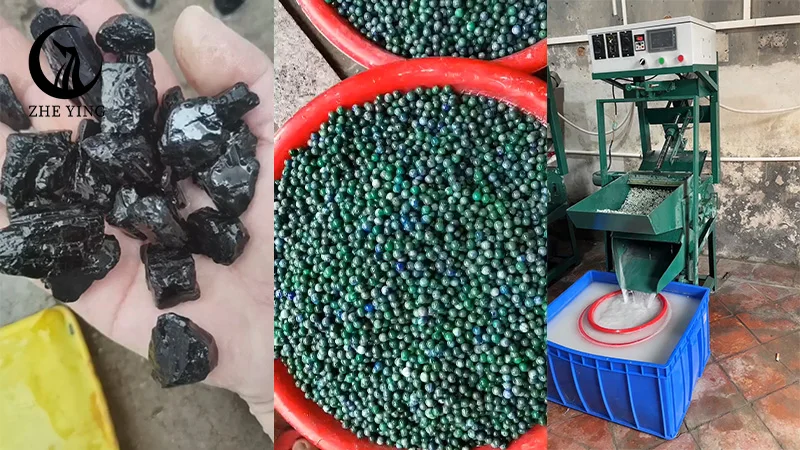
JiangXi Brother Union Crystal&Stone Co.,Ltd.
- Manufacturer, Trading Company
- JIANGXI, China
- Lead time10 days
- Avg. response≤ 3h
Main products4~10mm stone beads,2-4mm faceted stone,natural stone beads,glass beads hydro beads,pearl
Main marketsSouth America(15.00%), North America(15.00%), South Asia(10.00%), Eastern Asia(10.00%), Domestic Market(5.00%), Southeast Asia(5.00%), Southern Europe(5.00%), Northern Europe(5.00%), Central America(5.00%), Western Europe(5.00%), Eastern Europe(5.00%), Mid East(5.00%), Oceania(5.00%), Africa(5.00%)
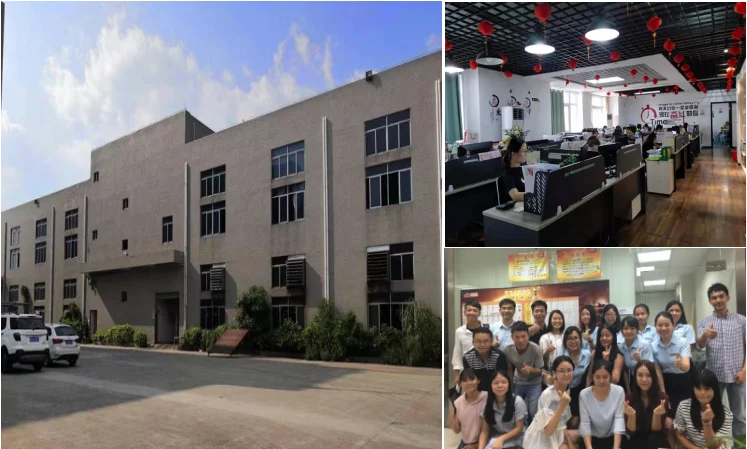
Guangzhou Linked International Trade Co., Ltd.
- Trading Company, Buying Office, Agent, Distributor/Wholesaler, Business Service (Transportation, finance, travel, Ads, etc)
- Guangdong, China
- Lead time15 days
- Avg. response≤ 4h
Main productsGemstone natural stone beads,semi-precious beads for DIY jewelry,Jewelry accessories,Jewelry set,pearls beads
Main marketsCentral America(30.00%), Eastern Europe(25.00%), Southeast Asia(10.00%), Northern Europe(5.00%), Mid East(5.00%), South Asia(5.00%), South America(5.00%), North America(5.00%), Southern Europe(3.00%), Western Europe(3.00%), Eastern Asia(2.00%), Oceania(1.00%), Africa(1.00%)

Hunan Jingshengda Ceramic Technology Co., Ltd.
- Verified by BV
- Trading Company,Manufacturer/Factory
- China Hunan
- Lead time15 days
- Avg. response≤ 1h
Main productsLab Ball Mill, Planetary Ball Mill, Jar Mill, Ball Mill Jar, Grinding Jar Comfort with Retsch, Grinding Jar Comfort with Fritsch, Rotary Ball Mill, Zirconia Beads, Planetary Ball Mill for Laboratory, Grinding Jar
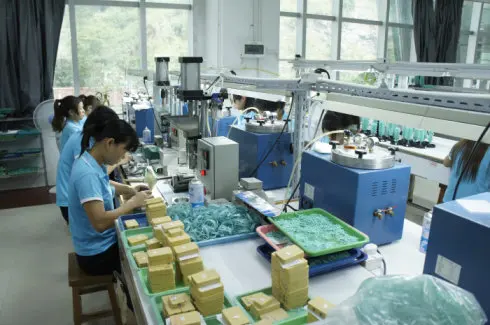
Guangzhou Bangmingwei Jewelry Co., Ltd.
- Trading Company
- Guangdong, China
- Lead time5 days
- Avg. response≤ 3h
Main productsBracelet/ Necklace/ Ring/ Earring/ Jewelry accessories
Main marketsNorth America(50.00%), South America(20.00%), Mid East(15.00%), Eastern Europe(10.00%), Africa(5.00%)
Zhejiang Chenyi Manufacturing Co., Ltd.
- Verified by SGS Group
- Trading Company
- Lead time3 days
- Avg. response≤ 8h
Main productsCrystal Craft, Water Fountain, Crystal Drinkware, Crystal Decoration, Packaging & Printing
Main marketsNorth America(40%), Oceania(15%), South America(10%)

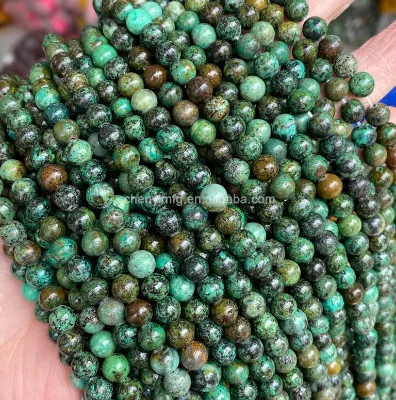

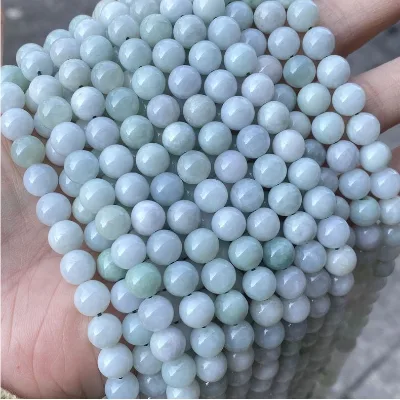
Genuine Real Smooth Round Natural Stone Beads Burma Jade Crystal Beads for DIY
$4.8745 - $12.1802
MOQ: 5 Minimum
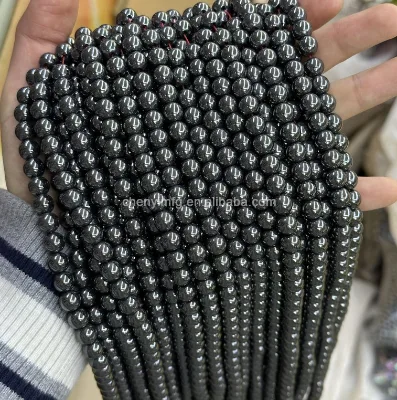
Wholesale Natural Stone Beads Jade Hematite Crystal Gemstone Bead for Jewelry Making
$0.391 - $1.5804
MOQ: 10 Minimum
Yiwu Dibishi Jewelry Co., Ltd.
- Trading Company
- Zhejiang, China
- Lead time旺季: "1 - 500":7,"> 500":"To be negotiated", 淡季: "1 - 500":7,"> 500":"To be negotiated"
- Avg. response≤ 3h
Main productsBeads,Bracelets,Crystal,Gemstone,Loose Beads
Main marketsNorth America(40.00%), Western Europe(20.00%), Northern Europe(10.00%), Eastern Europe(10.00%), Southeast Asia(5.00%), Central America(5.00%), South America(5.00%), Oceania(5.00%)

- Trading Company,Manufacturer/Factory
- China Guangdong
- Lead time23 days
- Avg. response≤ 8h
Main productsGemstone, Jewelry, Gemstone Jewelry, Loose Gemstone Beads, Jewelry Rings, Jewelry Set, Jewellery Earrings, Pendant, Created Emerald, Cubic Zirconia
Main marketsSouth America,Eastern Europe,North America,Western Europe

Huizhou Mairuidi Trade Co., Ltd.
- Trading Company
- Guangdong, China
- Lead time0 days
- Avg. response≤ 11h
Main productsdiy jewelry,earring,necklace,sunglasses
Main marketsNorth America(70.00%), Domestic Market(5.00%), Southern Europe(5.00%), Northern Europe(5.00%), Western Europe(5.00%), Eastern Europe(5.00%), South America(5.00%)
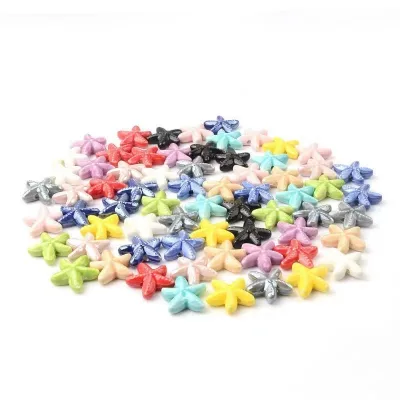
Ceramic Beads,Hot Selling Starfish Ceramic Loose Beads Colorful Starfish Flat Bottom Ceramic Beads
$0.08 - $0.10
MOQ: 100 pieces
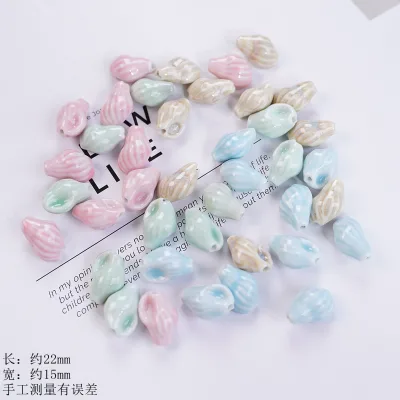
Ceramic Beads,Colorful 14*22mm Ceramics 3D Graffiti Seashell Loose Beads for DIY Jewelry Making
$0.06 - $0.08
MOQ: 100 pieces
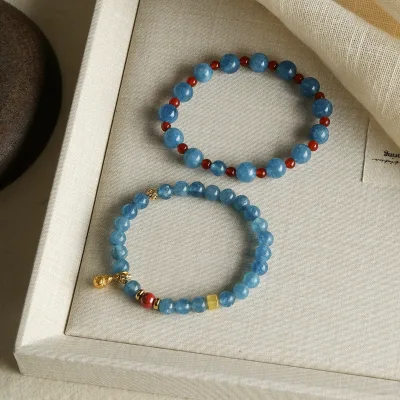
Stone Bead,Round Jades Stone Beads Healing Crystal Natural Stone Loose Beads DIY Jewelry Making
$0.09 - $0.12
MOQ: 100 Minimum


Guangxi Wuzhou Starsgem Co., Limited
- Manufacturer/Factory
- China Guangxi
- Lead time15 days
- Avg. response≤ 20h
Main productsCubic Zirconia, Star Cut, Synthetic Gemstone, Synthetic Ruby, Synthetic Sapphire, Glass Bead, CZ, Zircon, Semi-Precious Stone, Gemstone
Main marketsSouth America,Eastern Europe,Mid East,North America,Southeast Asia,Eastern Asia,Oceania,Western Europe,Africa
Guangzhou Yabead Jewelry Co., Ltd.
- Manufacturer, Distributor/Wholesaler
- Guangdong, China
- Lead time7 days
- Avg. response≤ 3h
Main productsjewelry,accessories,Wedding,Jewelry Making,Beading
Main marketsDomestic Market(7.14%), South Asia(7.14%), Southern Europe(7.14%), Northern Europe(7.14%), Central America(7.14%), Western Europe(7.14%), Eastern Asia(7.14%), Mid East(7.14%), Oceania(7.14%), Africa(7.14%), Southeast Asia(7.14%), Eastern Europe(7.14%), South America(7.14%), North America(7.14%)
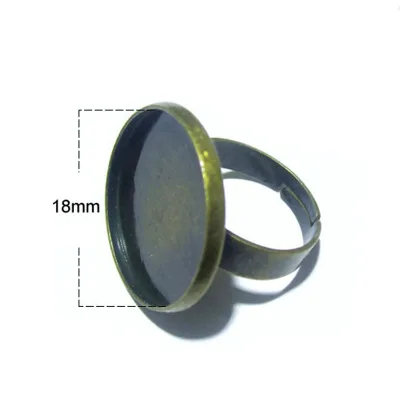
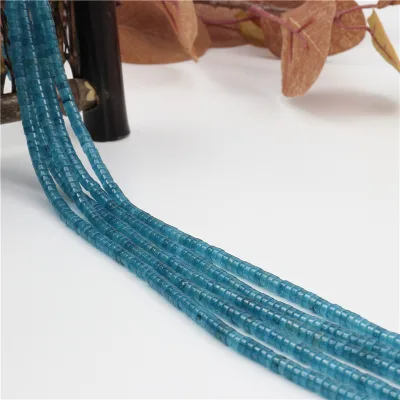
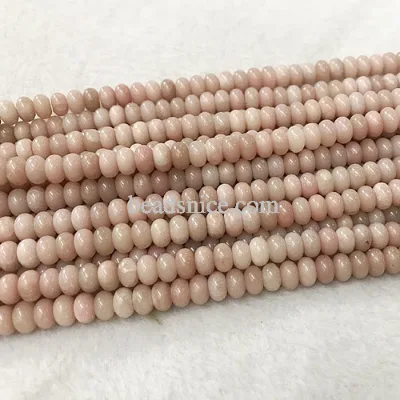
Beadsnice Ceramic Clay Porcelain Gemstone Beads for Jewelry Premium Stone Beads
$3.2147 - $3.4214
MOQ: 1 pieces

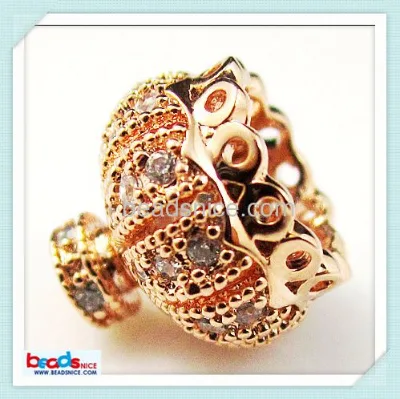
Beadsnice purple crystal pave clay beads Shell, Bone, Coral for jewelry
$0.713 - $6.36
MOQ: 50 Minimum

Yiwu Hongzhuo Art&crafts Factory
- Manufacturer, Trading Company
- Zhejiang, China
- Lead time30 days
- Avg. response≤ 6h
Main productsCrystal Crafts,Beauty Tools,Massage Tools,Gemstone Carving,Jewelry & Accessories
Main marketsDomestic Market(100.00%)
Dongguan Aita Jewelry Co., Ltd.
- Trading Company
- Guangdong, China
- Lead time20 days
- Avg. response≤ 8h
Main productsLoose natural stone,natural crystal,Chakra,Beading Bracelet,Crystal Healing
Main marketsWestern Europe(80.00%), North America(20.00%)

Changsha Firstones Trading Co., Ltd.
- Trading Company
- hunan, China
- Lead time5 days
- Avg. response≤ 5h
Main productsflat back rhinestone,hot fix rhinestone,sew on rhinestone,resin rhinestone,half pearls
Main marketsWestern Europe(20.00%), Northern Europe(20.00%), South America(20.00%), North America(20.00%), Southern Europe(10.00%), Eastern Europe(10.00%)
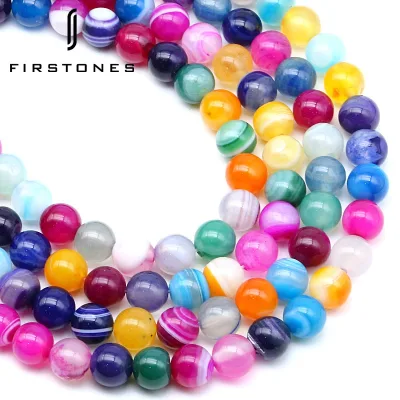
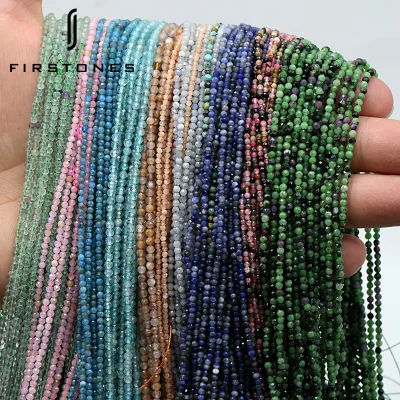
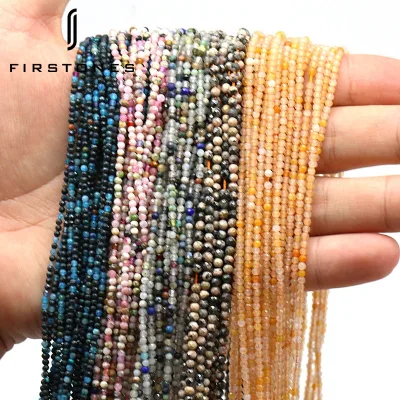
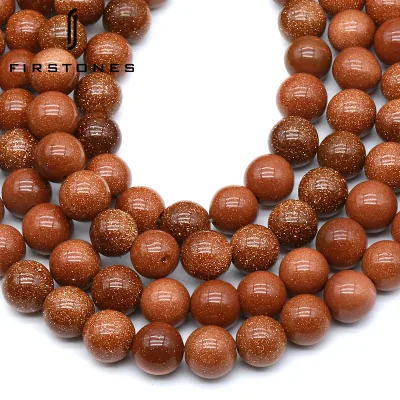
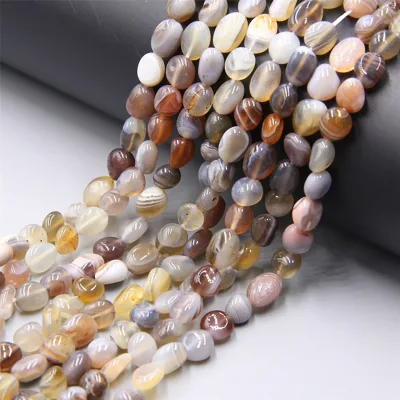
New Wholesale Natural Stone Beads Stripe Agates Beads for Jewelry Making
$1.13 - $2.13
MOQ: 20 Minimum
Yiwu Jing Can Crystal Co., Ltd.
- Verified by SGS Group
- Manufacturer, Trading Company
- Lead time0 days
- Avg. response≤ 3h
Main productsCrystal Rhinestone, Glass Seed Beads, Clay Beads, Fashion Jewelry, DIY Accessories
Main marketsCentral America(25%), North America(20%), South America(20%)
- Trading Company
- Zhejiang, China
- Lead time0 days
- Avg. response≤ 2h
Main productsstamp,jewelry,craft gift,ornaments,keychain
Main marketsEastern Europe(20.00%), North America(20.00%), South America(10.00%)
Yiwu Shanmei Arts And Gifts Co., Ltd.
- Manufacturer, Trading Company
- Lead time旺季: "5 - 250":15,"> 250":"To be negotiated", 淡季: "5 - 250":15,"> 250":"To be negotiated"
- Avg. response≤ 4h
Main productsJewelry
- Verified by SGS Group
- Manufacturer, Trading Company
- Lead time10 days
- Avg. response≤ 5h
Main productsSimi-Finished Stone Beads, Jewelry, Gemstone Decoration
Main marketsDomestic Market(15%), North America(10%), Eastern Europe(10%)
Yiwu Baiyi Trading Company Ltd.
- Verified by SGS Group
- Trading Company
- Lead time18 days
- Avg. response≤ 3h
Main productsNecklaces, Jewelry Accessories, Bracelets, Earrings, Anklet
Main marketsNorth America(30%), Western Europe(25%), South America(10%)

East Sunrise Jewelry Co., Limited
- Verified by SGS
- Manufacturer/Factory
- China Guangdong
- Lead time23 days
- Avg. response≤ 8h
Main productsPendant, Necklace, Bracelet, Ring, Earring, Carving, Ornament, Loose Bead, Jewelry, Semi-Precious Stones
Main marketsSouth America,Eastern Europe,Mid East,North America,Southeast Asia,Eastern Asia,Oceania,Western Europe,Africa

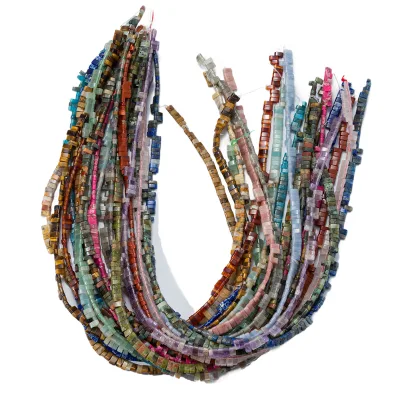
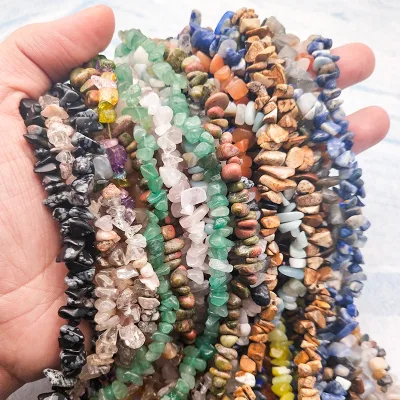
Gemstone Jewelry Stone Ornament Chips Beads Christmas Candy Gifts Decorations
Negotiable
MOQ: 100 Pieces









Comprehensive Sourcing Guide
Tila Beads Supplier Concentration and Factory Types
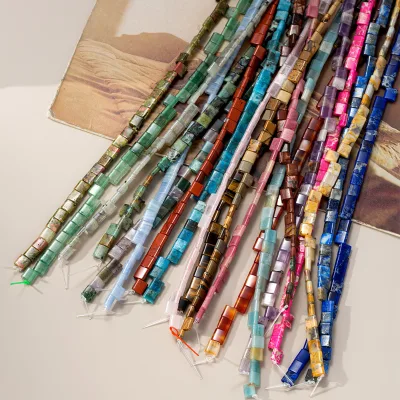
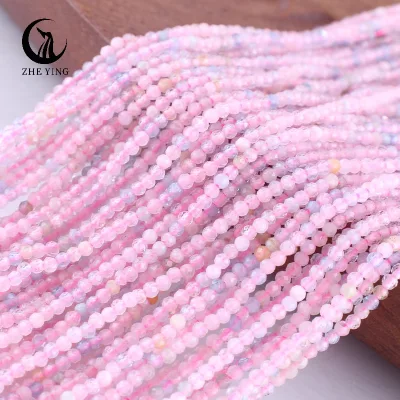
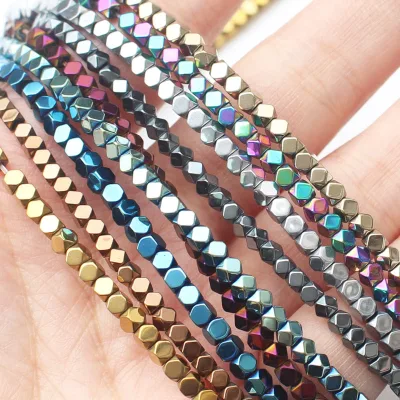
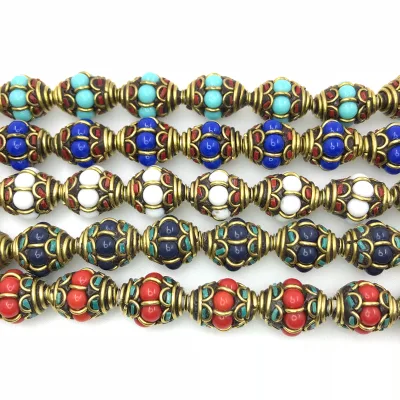
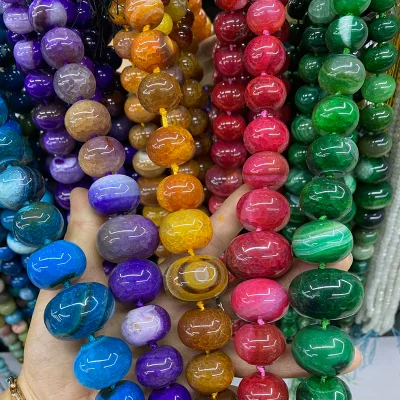
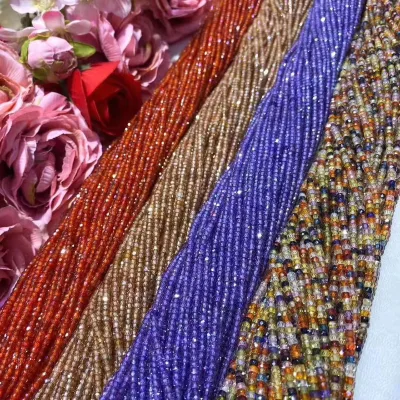
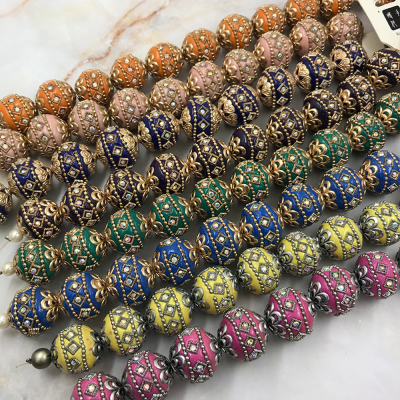
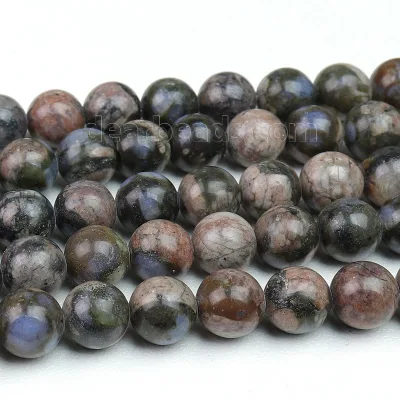
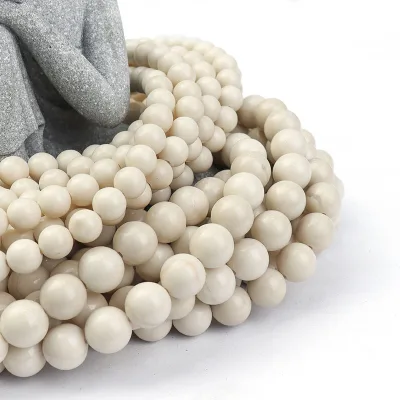
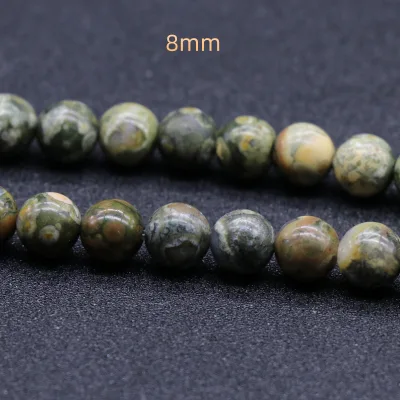
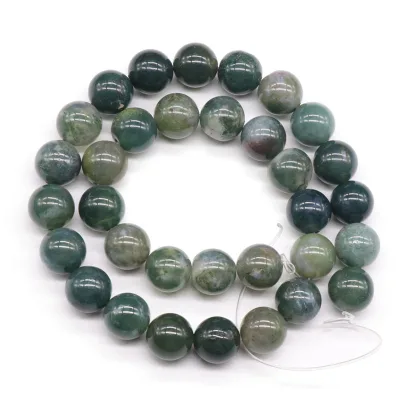
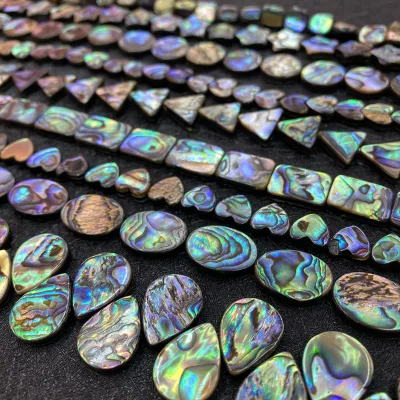
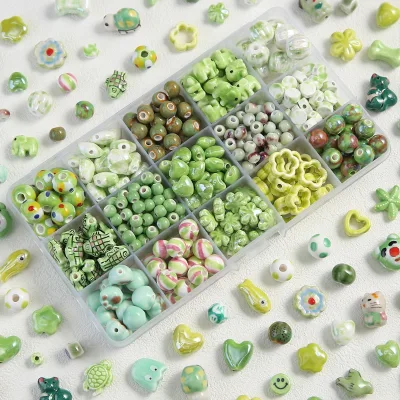
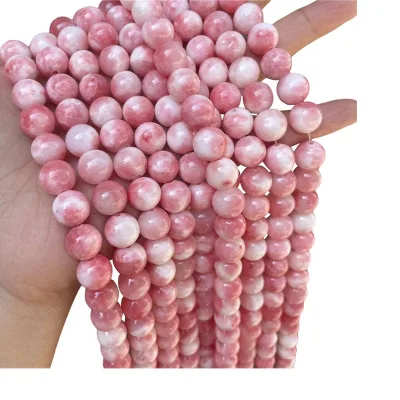
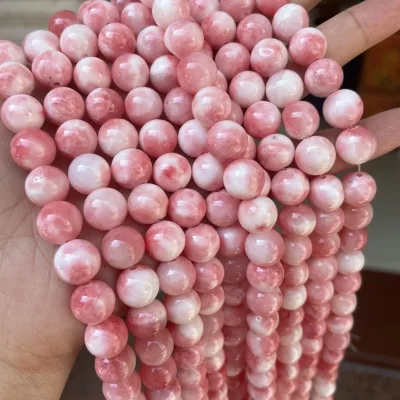
When evaluating the landscape for Tila Beads, it is essential to distinguish between the various types of entities that supply these components. The market includes both manufacturers and trading companies, each offering distinct advantages for different sourcing strategies. Manufacturers typically provide direct access to production lines, which can be critical for customizing specifications such as hole size, shape, and material composition. For instance, some suppliers specialize in natural stone Tila Beads, offering products like Amazonite or Rose Quartz with specific dimensions, while others focus on glass beads with flat styles and double holes. Understanding this distinction helps buyers determine whether they need the flexibility of a trading company that aggregates diverse inventory or the control of a factory that can adjust production parameters. The presence of combined company types suggests a hybrid model where entities may handle both production and distribution, potentially streamlining the supply chain for buyers who require both variety and volume.
Identifying the correct supplier type also involves looking at the main products listed for each entity. Some suppliers list Gemstone Jewelry and Sterling Silver as their primary offerings, indicating a broader focus on finished goods or accessories, while others concentrate specifically on Glass Beads or Loose Nature Crystal. This specialization often correlates with the depth of their expertise and the quality of their raw materials. For example, a supplier focusing on natural stones might provide third-party appraisals to verify authenticity, whereas a glass bead manufacturer might emphasize customization options for colors and sizes. Buyers should review the company type and main products to ensure alignment with their specific needs, whether they are looking for high-volume standard items or specialized, custom-designed beads. This initial filtering process narrows the field to suppliers who are structurally capable of meeting the project requirements, reducing the risk of engaging with entities that lack the necessary infrastructure or product range.
How to Verify Tila Beads Suppliers
Verification is a critical step in ensuring that the suppliers you engage with are legitimate and capable of delivering on their promises. One key indicator of reliability is the response time, which reflects the supplier's operational efficiency and customer service commitment. A response time of around eight hours suggests a responsive team that can address inquiries promptly, which is vital for resolving issues related to product specifications or order status. Additionally, checking for verification badges such as SGS can provide an extra layer of confidence, as these certifications often involve rigorous audits of the supplier's business practices and product quality. Buyers should also look for evidence of third-party appraisals for natural stone products, as this demonstrates a commitment to transparency and authenticity. These verification steps help mitigate the risk of fraud and ensure that the supplier has a proven track record in the industry.
Beyond basic verification, buyers should assess the supplier's ability to provide detailed product evidence and specifications. This includes reviewing product attributes such as material composition, shape, and size, which are crucial for ensuring compatibility with existing designs or manufacturing processes. For example, confirming that a supplier offers 100% natural stone or specific glass dimensions can prevent costly errors in production. Additionally, checking for customization availability is important for buyers who require unique designs or specific packaging solutions. Suppliers that offer ODM and OEM capabilities demonstrate flexibility and a willingness to collaborate on custom projects. By thoroughly verifying these aspects, buyers can build a shortlist of suppliers who are not only legitimate but also aligned with their specific quality and customization requirements, ensuring a smoother sourcing process from initial inquiry to final delivery.
What to Compare Across Tila Beads Suppliers
When comparing suppliers, it is important to evaluate multiple dimensions to find the best fit for your specific needs. One key factor is the minimum order quantity (MOQ), which can vary significantly between suppliers. For instance, some suppliers may require a minimum of five strands for natural stone beads, while others might have higher MOQs for glass beads, such as 100 units. Understanding these thresholds helps buyers determine which suppliers can accommodate their order sizes without incurring excessive costs or inventory risks. Additionally, comparing lead times is crucial for planning production schedules and meeting delivery deadlines. Suppliers may have different lead times depending on the season and order volume, with some offering standard times of 15 days for smaller orders and negotiated times for larger quantities. Evaluating these logistical factors ensures that the chosen supplier can meet your timeline requirements.
Another important aspect to compare is the price range and the overall value proposition offered by each supplier. Prices can vary based on the material, size, and customization options, with some suppliers offering competitive rates for standard items and others charging premiums for specialized products. For example, natural stone beads might be priced differently than glass beads due to material costs and processing requirements. Buyers should also consider the supplier's main products and expertise, as a supplier specializing in a particular type of bead may offer better quality and more competitive pricing in that niche. Additionally, reviewing the supplier's response time and verification status can provide insights into their reliability and customer service quality. By systematically comparing these factors, buyers can make informed decisions that balance cost, quality, and service, ensuring they select a supplier that aligns with their business objectives and operational needs.
Common Tila Beads Sourcing Risks
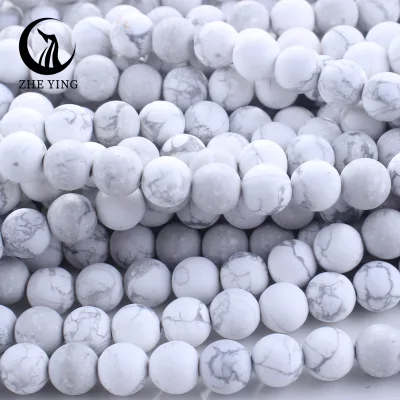
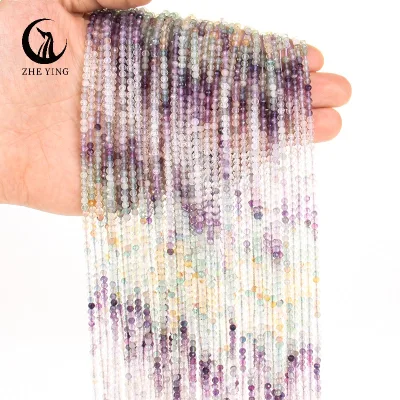
One significant risk in sourcing Tila Beads is the potential discrepancy between the product samples and the final bulk order. This is particularly relevant for natural stone beads, where variations in color, size, and shape are common due to the natural origin of the materials. Buyers must ensure that suppliers provide accurate representations of the product, including detailed images and specifications, to minimize the risk of receiving items that do not meet their expectations. Additionally, the lack of standardized sizing for natural stones can lead to inconsistencies in the final product, which may affect the quality of the finished jewelry. To mitigate this risk, buyers should request detailed product evidence and, if possible, obtain samples before placing large orders. This allows for a thorough evaluation of the product quality and ensures that the supplier can consistently deliver items that meet the required specifications.
Another risk is the reliability of the supplier's delivery and communication processes. Delays in response times or lead times can disrupt production schedules and lead to missed deadlines, which can have significant financial implications. Suppliers with longer response times or unclear lead time policies may struggle to manage orders efficiently, increasing the risk of delays. Additionally, the lack of clear communication regarding customization options or packaging requirements can lead to misunderstandings and errors in the final product. Buyers should prioritize suppliers with proven track records of timely communication and reliable delivery, as these factors are crucial for maintaining a smooth supply chain. By identifying and addressing these risks early in the sourcing process, buyers can reduce the likelihood of costly errors and ensure a more successful partnership with their chosen suppliers.
Tila Beads Regional Sourcing and Logistics
The geographic location of suppliers can significantly impact logistics, lead times, and overall sourcing costs. Many Tila bead suppliers are located in China, with specific regions such as Zhejiang and Jiangsu being notable hubs for jewelry making and bead production. Suppliers in these areas often benefit from established supply chains and access to raw materials, which can contribute to competitive pricing and efficient production. For instance, some suppliers list Zhejiang as their place of origin, indicating a concentration of expertise in natural stone beads, while others in Jiangsu may specialize in glass beads. Understanding these regional concentrations helps buyers identify suppliers who are likely to have the necessary infrastructure and experience to meet their needs. Additionally, buyers should consider the logistical implications of sourcing from these regions, including shipping times and customs procedures, to ensure a smooth import process.
When sourcing from international locations, buyers must also account for the potential impact of regional regulations and standards on product quality and compliance. Suppliers in China may adhere to specific local standards, which can vary depending on the type of product and its intended use. For example, natural stone beads may require third-party appraisals to verify authenticity, while glass beads may need to meet specific safety standards for jewelry making. Buyers should ensure that their chosen suppliers are familiar with these requirements and can provide the necessary documentation to facilitate customs clearance and regulatory compliance. Additionally, considering the environmental and ethical implications of sourcing from specific regions can help buyers align their procurement practices with their corporate social responsibility goals. By carefully evaluating the regional aspects of sourcing, buyers can make informed decisions that balance cost, quality, and compliance.
Tila Beads Commercial Terms and Order Planning
Effective order planning requires a thorough understanding of the commercial terms offered by suppliers, including pricing structures, payment terms, and packaging options. Suppliers may offer different pricing tiers based on order volume, with lower prices for larger quantities and higher prices for smaller orders. Buyers should negotiate these terms to ensure they receive the best possible value for their investment. Additionally, understanding the packaging requirements is crucial for protecting the beads during transit and ensuring they arrive in good condition. Some suppliers offer specific packaging options, such as bags or cartons, which can impact the overall cost and logistics of the order. Buyers should also consider the supplier's return and refund policies, as these can provide protection in case of quality issues or delivery errors. By carefully reviewing and negotiating these commercial terms, buyers can establish a clear and mutually beneficial agreement with their suppliers.
In addition to pricing and packaging, buyers should plan for the long-term relationship with their suppliers by considering factors such as scalability and flexibility. Suppliers that offer customization options and have the capacity to handle large orders can be valuable partners for growing businesses. Buyers should assess the supplier's ability to adapt to changing market conditions and their willingness to collaborate on future projects. Additionally, considering the supplier's response time and customer service quality can help ensure a smooth and efficient partnership. By planning for these aspects, buyers can build a resilient supply chain that supports their business growth and minimizes risks. This proactive approach to order planning and supplier management is essential for achieving long-term success in the sourcing of Tila Beads.
FAQs
What is the minimum order quantity for natural stone Tila Beads?
The minimum order quantity is typically 5 strands for natural stone options. This low entry point allows buyers to test quality before committing to larger volumes. Some suppliers may require purchasing in multiples of 5 items, ensuring consistent packaging and handling for small batch orders.
How long does delivery take for Tila bead orders?
Delivery times vary by season and order size. For orders between 5 and 250 units, production takes approximately 15 days during peak and off-peak seasons. Larger orders exceeding 250 units require negotiation for specific timelines. Some specific items may offer faster three-day delivery windows.
Are Tila Beads available in glass or stone materials?
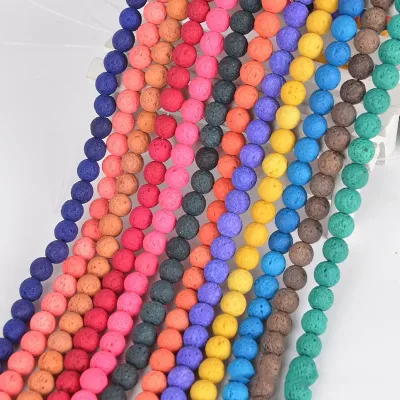
Yes, Tila Beads are available in both natural stone and glass materials. Stone options include varieties like Amazonite, Rose Quartz, and Tiger Eye. Glass options feature opaque dye colors and flat styles. Both types support customization and are suitable for jewelry making, embroidery, and garment decoration.
What certifications are provided for gemstone Tila Beads?
Gemstone Tila Beads typically come with a Third Party Appraisal certificate. This ensures the authenticity and quality of the natural stones used. Buyers should verify specific certification details with suppliers to confirm compliance with their quality standards and regional import requirements for jewelry components.
Where are Tila Beads manufactured?
Tila Beads are primarily manufactured in China, with specific origins in Zhejiang and Jiangsu provinces. These regions are known for their jewelry making and glass bead production capabilities. Buyers can source both natural stone and glass variants from these established manufacturing hubs in China.
What is the price range for Tila Beads?
Prices vary significantly based on material and quantity. Natural stone beads range from approximately 4.80 to 5.00 per unit. Glass beads are more affordable, ranging from 0.01 to 0.025 per unit. Minimum order quantities differ, with stone beads starting at 5 strands and glass beads at 100 units.