Titanium Alloy Surgical Scissors Suppliers and Manufacturers
Source Titanium Alloy Surgical Scissors from 22 verified suppliers in Jiangsu, China. Compare key dimensions including ISO 13485 certification, OEM capabilities, response times, and price ranges from $9.50 to $100.00. Filter results to identify manufacturers matching your specific surgical instrument requirements.
Updated
Suppliers List
Sihong Aier Medical Equipment Factory
- Manufacturer
- Jiangsu, China
- Lead time0 days
- Avg. response≤ 1h
Main productsMicroscopic instruments,Ophthalmic microinstrument,Microsurgical instrument,Ophthalmic instrument,High end microinstrument
Main marketsDomestic Market(65.00%), Southeast Asia(12.00%), South Asia(8.00%), Central America(6.00%), Mid East(4.00%), Eastern Asia(3.50%), Southern Europe(1.50%)

$9.50 - $10.00
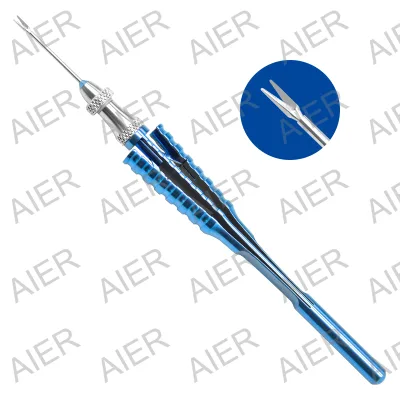
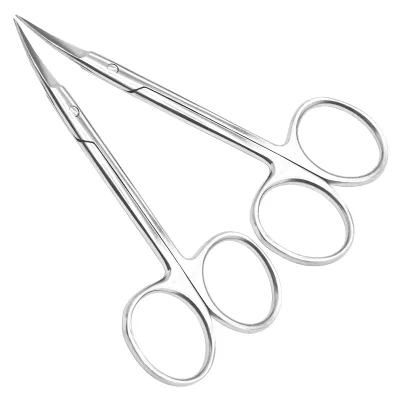
$14.00 - $15.00

Suzhou Engin Medical Technology Co., Ltd.
- Verified by TUVRHEINLAND
- Trading Company,Manufacturer/Factory
- China Jiangsu
- Lead time0 days
- Avg. response≤ 4h
Main productsMedical Instruments, Ophthalmic Equipment, Surgical Instrumenst, Hair Transplant, Dental Equipments, Digital Upgrate for Microscope, Vitreo Retina Instruments, Microscope, Sliy Lamp, Fue Punch


23G Titanium Surgical Scissors Vitreoretinal Scissors for Ophthalmic Surgical Instruments
$100.00 - $300.00
MOQ: 2 Pieces
- Manufacturer
- JiangSu, China
- Lead time30 days
- Avg. response≤ 8h
Main productssurgical instruments,nail art tools,Rotary Files,Diamond Tools
Main marketsNorth America(30.00%), South America(20.00%), Eastern Europe(15.00%)
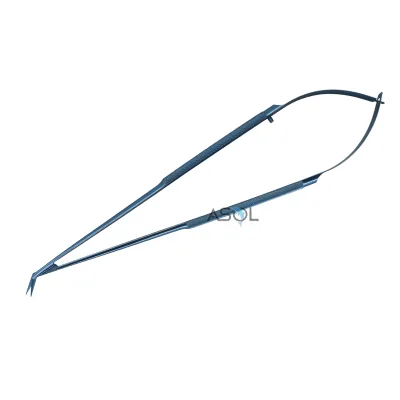
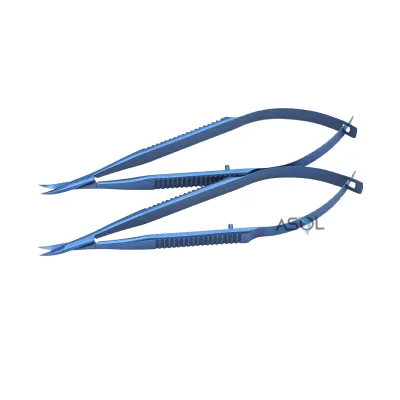
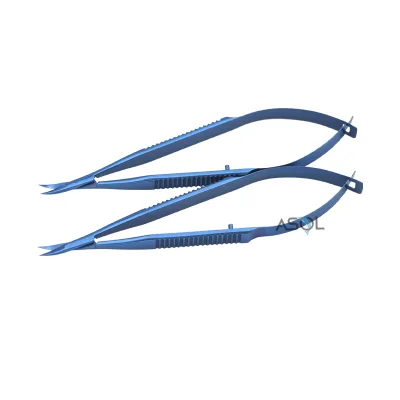
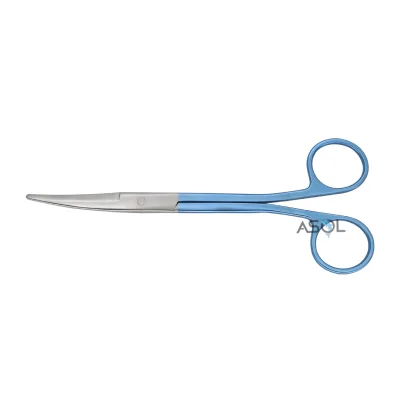
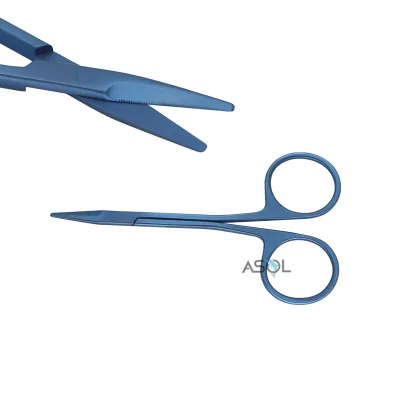
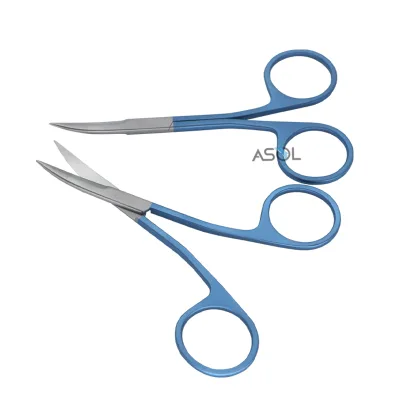
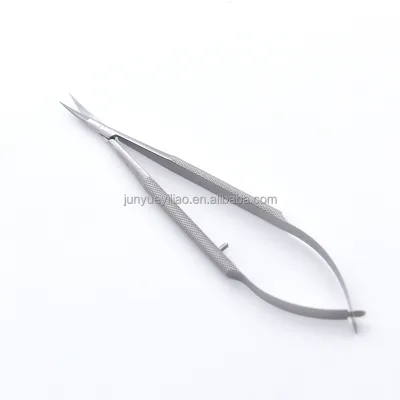
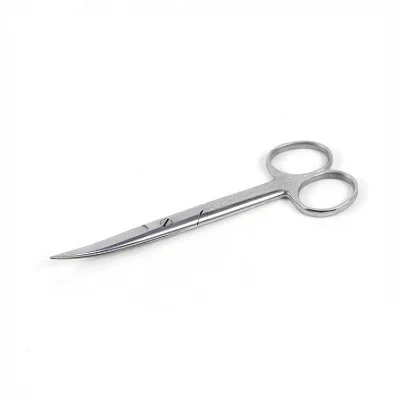
Hot Sale Surgical Operating Scissors Curved Castroviejo Scissors Titanium Surgical Instruments
$23.6488 - $25.7058
MOQ: 1 pieces

Elidental Technology Co., Ltd.
- Trading Company, Distributor/Wholesaler, Other
- Guangdong, China
- Lead time0 days
- Avg. response≤ 4h
Main productsteeth whitening unit,dental handpiece,intraoral camera,curing light,dental x-ray unit
Main marketsSouth America(25.00%), Mid East(25.00%), North America(10.00%), Africa(10.00%), Eastern Asia(5.00%), Southeast Asia(5.00%), South Asia(5.00%), Southern Europe(5.00%), Eastern Europe(2.00%), Northern Europe(2.00%), Central America(2.00%), Western Europe(2.00%), Domestic Market(1.00%), Oceania(1.00%)

CHINA HUAMEI MEDICAL INSTRUMENT CO., LTD.
- Combined
- China Shanghai
- Lead time38 days
- Avg. response≤ 16h
Main productsSurgical Instruments Surgical Scissors, Sterilization Pouch Bags Tyvek Pouches, Sterile Bags Pouches Medical Packaging, Medical Disposable Products, Paper Printing Label Printing, Travek Pillows Inflatable Pillows, Wrist Bands ID Bands, Medical Packaging Material, Gamma Radiation Sterilization, Ethelene Oxide Sterilization
Main marketsSoutheast Asia/ Mideast,Domestic,Europe,Australia,North America

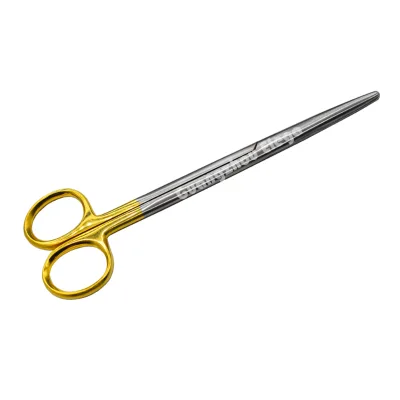
Titanium Alloy Medical Ophthalmic Instruments Surgical Iris Scissors with Ce0197 ISO 13485
$4.00 - $8.00
MOQ: 20 Pieces


Medical Equipment Stainless Steel Operating Scissors Surgical scissors with CE FDA
$4.80 - $5.50
MOQ: 10 Pieces

Surgical Scissors Medical Scissors Sterile Scissors with TUV CE and ISO 13485
$1.00 - $1.50
MOQ: 1000 Pieces

Micro Surgical Disposable Medical Surgical Tools Stainless Steel Sterile Scissors
$1.00
MOQ: 1000 Pieces

Multi-functional Medical Disposable Scissors Surgical Sterile Single Use Scissors
$0.50 - $5.00
MOQ: 500 Pieces

Ningbo Yiyuankang International Trade Co., Ltd.
- Combined
- China Zhejiang
- Lead time30 days
- Avg. response≤ 23h
Main productsMedical Bandage, Tape, Medical First Aid, Alcohol Pad, Face Mask, Adhesive Bandage, Bandage
Main marketsSouth America,Africa,Southeast Asia/ Mideast,East Asia(Japan/ South Korea),Europe,Australia,North America
Tonglu Ba Medical Devices Co., Ltd.
- Trading Company
- Zhejiang, China
- Lead time10 days
- Avg. response≤ 1h
Main productsUrology instruments,Laparoscopy instruments,Gynecology instruments,ENT instruments,Arthroscopy instruments
Main marketsMid East(32.00%), Southeast Asia(15.00%), Eastern Europe(12.00%), South Asia(10.00%), Africa(10.00%), Southern Europe(8.00%), Western Europe(5.00%), North America(4.00%), Eastern Asia(4.00%)

KAII Medical (Guangzhou) Co.,Ltd
- Verified by TUVRHEINLAND
- Trading Company,Manufacturer/Factory
- China Guangdong
- Lead time23 days
- Avg. response≤ 3h
Main productsAmbulance Stretchers, Folding Stretchers, Stair Stretchers, Scoop Stretchers, First Aid Kit & First Aid Accessories, Spinal Boards, Bandages (Elastic Crepe Cohesive etc), MRI Stretcher & Wheelchair, Medical Trolleys & Carts, Hospital Bed
Main marketsSouth America,Eastern Europe,Mid East,North America,Southeast Asia,Eastern Asia,Oceania,Western Europe,Africa

Heavy Duty Trauma Shears Pink Handles Black Titanium Coated Blades Bandage Scissors
$0.88 - $3.00
MOQ: 10 Pieces

7.5 Heavy Duty Trauma Shears Pink Handles Black Titanium Coated Blades Trauma Scissors
$0.88 - $3.00
MOQ: 10 Pieces

Tangshan UMG Medical Instrument Co., Ltd.
- Verified by BV
- Combined
- China Hebei
- Lead time23 days
- Avg. response≤ 3h
Main productsDental Handpiece, Dental Material, Dental Equipment, Dental Disposable Instrument, Dental Orthodontic, Dental Teach Simulation, Dental Prophy Angles, Latex Free Disposable Prophy Cups, Disposable Prophy Brush, Dental Unit
Main marketsSouth America,Africa,Southeast Asia/ Mideast,East Asia(Japan/ South Korea),Domestic,Europe,Australia,North America
Tonglu BA Medical Devices Co., Ltd.
- Verified by TüVRheinland
- Trading Company
- Lead time30 days
- Avg. response≤ 3h
Main productsEndoscope, Forceps, Ureth Cystoscope
Main marketsAfrica(23%), South America(20%), Eastern Europe(13%)

Jiangsu Jinlu Group Medical Device Co., Ltd.
- Verified by TUVRHEINLAND
- Combined
- China Jiangsu
- Lead time15 days
- Avg. response≤ 8h
Main productsOrthopedic Implants, Interlocking Nails, Spine Pedical Screws, Locking Plates, Truma Bone Plates Screws, External Fixtors, Maxillo-Facia Plates, Surgical Instruments, Hip and Knee Prothesis, Cannulated Screws
Main marketsSouth America,Africa,Southeast Asia/ Mideast,Europe,North America


Surgical Medical General Surgical Tissue Scissor Curved Tip Round Scissors
$2.00 - $2.30
MOQ: 10 Pieces

Medical Device End Cutting Wire Scissors Surgical Instrument with CE Certificate
$130.55 - $135.33
MOQ: 1 Pieces


High Quality Surgical Instruments Bone Kirshner Scissors with CE/ISO Certificates
$30.00 - $33.00
MOQ: 1 Pieces

High Quality Surgical Instruments Diagonal Wire Cutting Scissors with CE/ISO Certificates
$131.00 - $132.00
MOQ: 1 Pieces

Tonglu Wanhe Medical Instrument Co., Ltd.
- Combined
- China Zhejiang
- Lead time15 days
- Avg. response≤ 23h
Main productsEndoscope, Endoscopy Instrument, Surgical Instrument, Surgical Supplies, Surgical Equipment, 3mm/5mm/10mm Forceps, Trocar/Needle Holder/Clip Applier, Gynecology Instruments/Morcellator, Cystoscopy Instruments, Arthroscopy Instruments
Main marketsSoutheast Asia/ Mideast,North America

Yiwu Medco Health Care Co., Limited
- Verified by SGS
- Manufacturer/Factory
- China Zhejiang
- Lead time30 days
- Avg. response≤ 13h
Main productsDiagnostic Instrument, Rehabilitation Device, Hospital Furnitures, Hospital Equipment, Laboratory Equipment, Autoclave and Lamps and X-ray Related Items, Health Care Articles, Medical Dressing and Hygienic, Medical Disposables, Laboratory Supply
Main marketsSouth America,Eastern Europe,Mid East,North America,Southeast Asia,Eastern Asia,Oceania,Western Europe,Africa


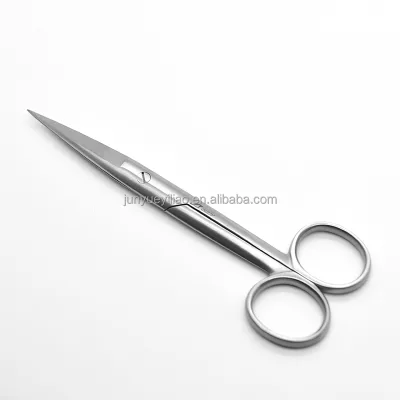
Medical Operation Surgical Instrument Surgical Scissor Stainless Steel Carbon Steel Surgical Scissor
$0.88 - $1.88
MOQ: 1000 Pieces
- Verified by SGS Group
- Trading Company
- Zhejiang, China
- Lead time旺季: "1 - 10000":20,"> 10000":"To be negotiated", 淡季: "1 - 10000":20,"> 10000":"To be negotiated"
- Avg. response≤ 3h
Main productsDigital Thermometer, Blood Pressure Monitor, Blood Glucose Meter, Wheelchair/ Walking Aids
Main marketsSouth America(30%), Africa(20%), Mid East(20%)
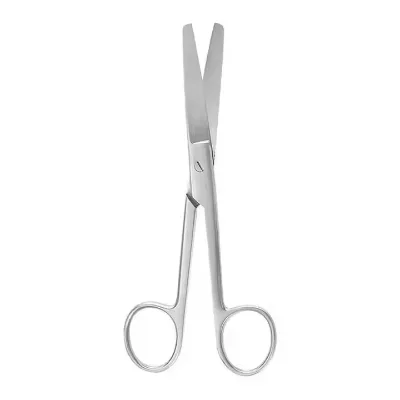
$1.1295 - $1.3344
MOQ: 200 pieces
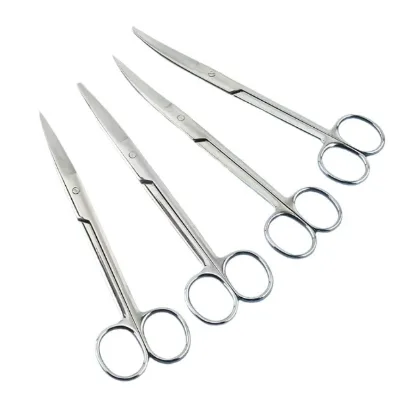
$1.0263 - $2.2575
MOQ: 100 pieces
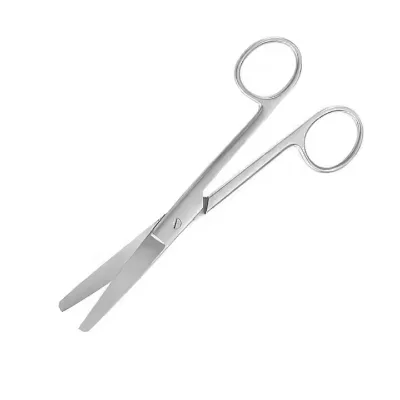
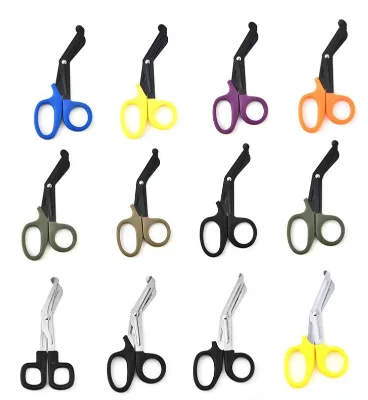

Guangzhou Junyue Medical Instrument Co., Ltd.
- Manufacturer, Trading Company, Distributor/Wholesaler
- Guangdong, China
- Lead time2 days
- Avg. response≤ 8h
Main productsRhinoplasty Set,Needle Holder,Fat Transfer Liposuction Cannula Set,Breast Augmentation Plastic Surgery Set,Liposuction Compression Garment
Main marketsDomestic Market(50.00%), North America(5.00%), Central America(5.00%), Mid East(5.00%), Southeast Asia(5.00%), Eastern Europe(5.00%)
Sichuan Icare Medical Technology Co., Ltd.
- Verified by TüVRheinland
- Trading Company
- Lead time7 days
- Avg. response≤ 2h
Main productsBlood Pressure Monitor, Stethoscope, Rapid Test, Ultrasound Machine, Operation Lamp
Main marketsAfrica(60%), South America(30%), Southeast Asia(10%)
Guangzhou Elega Import&export Trading Co., Ltd.
- Manufacturer, Trading Company
- Guangdong, China
- Lead time10 days
- Avg. response≤ 2h
Main productsBlood pressure monitor,Stethoscope,Surgical Instrument,Thermometer,Patient monitor
Main marketsAfrica(52.00%), Southeast Asia(10.00%), Domestic Market(10.00%), South America(10.00%), Mid East(5.00%), Eastern Europe(5.00%), Western Europe(5.00%), North America(2.00%), Oceania(1.00%)

Qingdao Dmd Medical Technology Co., Ltd.
- Verified by SGS
- Combined
- China Shandong
- Lead time30 days
- Avg. response≤ 3h
Main productsLigating Clips, Clip Appliers, Titanium Clips, Polymer Clips, Endoscopic Surgical Instruments, Aortic Punch, Trocar, Veress Needle, Suction-Irrigation Set, Disposable Clips Applier
Main marketsSouth America,Others(foreignTradeCapacity.exportBusinessCapacityMarketOther),Southeast Asia/ Mideast,Europe
Hangzhou Mediprime Medical Technology Co., Ltd.
- Trading Company
- Zhejiang, China
- Lead time0 days
- Avg. response≤ 3h
Main productsSurgical Products,Medical Products,cardiovascular Products,First Aid Kit,Medical Equipment
Main marketsSoutheast Asia(35.00%), Eastern Europe(10.00%), Central America(10.00%), South America(8.00%), North America(5.00%), Western Europe(5.00%), South Asia(5.00%), Southern Europe(5.00%), Northern Europe(5.00%), Africa(5.00%), Oceania(3.00%), Mid East(2.00%), Eastern Asia(1.00%), Domestic Market(1.00%)
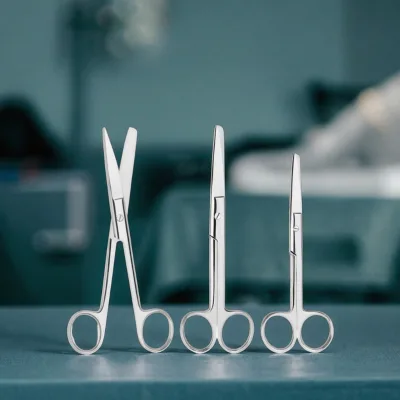
Mannal Surgical Sharp Blunt Tip Scissors for Orthopedics Tissue Manipulation
$2.1767 - $3.2014
MOQ: 1 Minimum
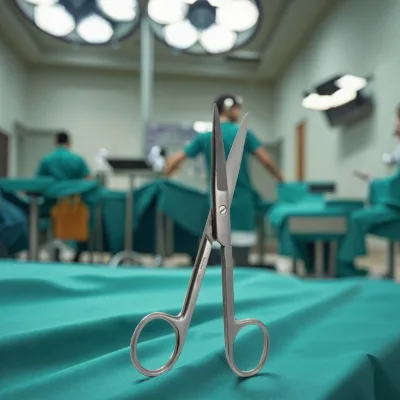
Surgical 12.5cm Operating Double Sharp Tip Scissor for Clinical Maneuvers
$0.9141 - $3.2014
MOQ: 1 Minimum

12.5CM Operating Scissor Sharp Sharp Surgical Instrument for Surgical Use
$1.9717 - $3.0129
MOQ: 20 Minimum

Changzhou XC Medico Technology Co., Ltd.
- Trading Company
- China Jiangsu
- Lead time15 days
- Avg. response≤ 8h
Main productsOrthopedic Implant
Main marketsAfrica,Europe,North America

Suzhou Engin Medical Technology Co., Ltd.
- Trading Company
- Jiangsu, China
- Lead time7 days
- Avg. response≤ 2h
Main productsOphthalmic Equipment,Ophthalmic Microsurgical Instruments,Optometry & Optical Equipment,Medical Equipment,Hair Transplant Instruments & Supplies
Main marketsAfrica(20.00%), Southeast Asia(20.00%), Eastern Europe(20.00%), South America(20.00%), North America(20.00%)
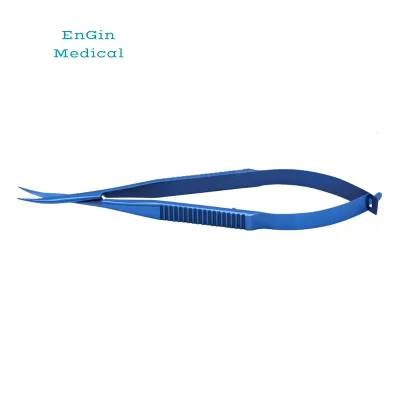
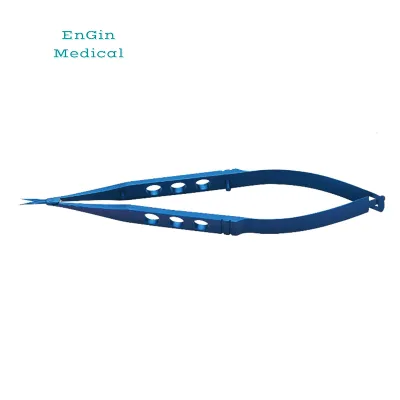
Super Fine Tissue Scissors for Microsurgery & General Surgical Dissection
$10.282 - $51.41
MOQ: 1 pieces
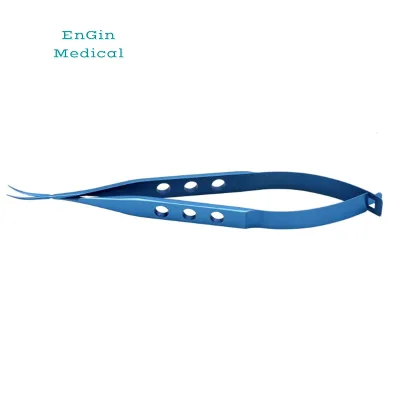
Titanium Vannas Scissors | Lightweight & Non-Reflective for Microsurgery
$10.2401 - $51.1976
MOQ: 1 pieces
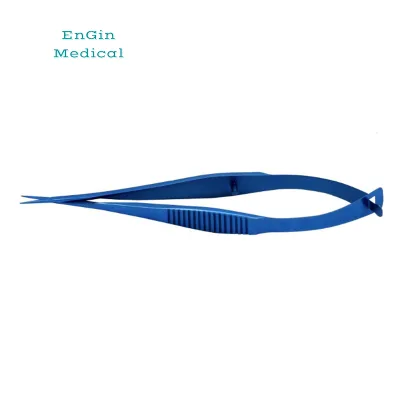
Durable Stainless Steel Suture Scissors, Cost-Effective for Daily Clinic Use
$10.2326 - $51.1632
MOQ: 1 pieces

Hangzhou Bella Medical Instruments Trading Co., Ltd.
- Verified by SGS
- Combined
- China Zhejiang
- Lead time15 days
- Avg. response≤ 1h
Main productsLiposuction Cannula, Mercedes Liposuction Cannula, 30 Hole Haverst Cannula, Lantern Liposuction Cannula, The Scream Cannula, Submental Canula, One Hole Cannula, King Frank Cannula, Re-Injection Cannula, Luer Lock Cannula
Main marketsDomestic


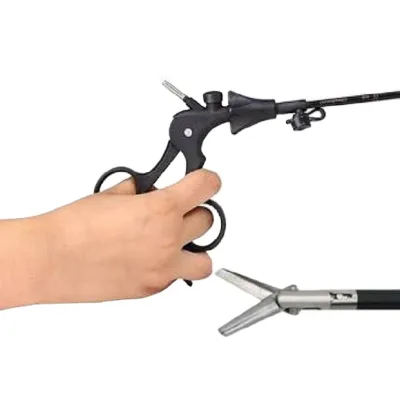


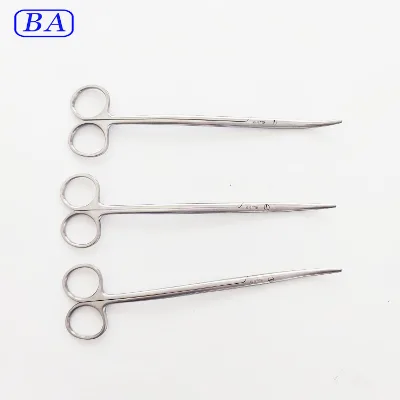
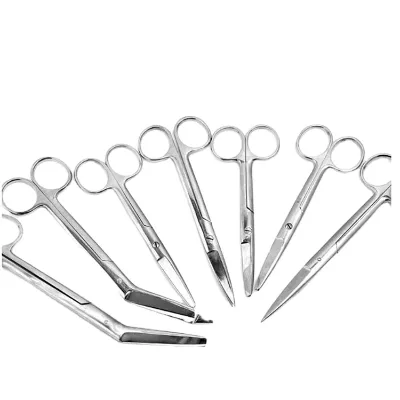
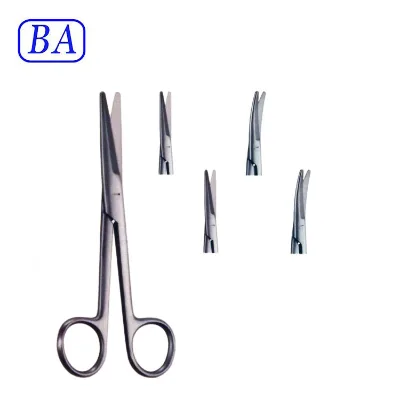




Comprehensive Sourcing Guide
Titanium Alloy Surgical Scissors Supplier Concentration and Factory Types
The available data indicates a specific concentration of manufacturers and trading companies operating within Jiangsu, China, for Titanium Alloy Surgical Scissors. This region appears to host a significant number of suppliers offering microscopic instruments, ophthalmic microinstruments, and high-end microsurgical tools. When evaluating the supply base, buyers should note that the supplier pool includes both direct manufacturers and trading companies that may also function as factories. This dual structure means that some entities listed as trading companies might have direct manufacturing capabilities, while others may source from local factories. The presence of Jiangsu as a primary origin point suggests a localized cluster where specialized medical device production is concentrated, allowing for potential efficiencies in logistics and communication.
Buyers must distinguish between pure trading entities and actual production facilities when assessing this concentration. The evidence shows company types ranging from pure manufacturers to combined trading and manufacturing entities. This distinction is critical because a trading company might offer broader product ranges but less direct control over the manufacturing process compared to a dedicated factory. In the context of Titanium Alloy Surgical Scissors, the ability to verify the actual production site is essential. If a supplier claims to be a manufacturer, the buyer should request proof of the facility's location and capacity. The concentration in Jiangsu provides a starting point, but the specific factory type determines the level of customization, quality control, and direct communication available for specialized surgical instruments like titanium alloy scissors.
How to Verify Titanium Alloy Surgical Scissors Suppliers
Verification of suppliers requires a rigorous check of certifications and factory audits, as the market data shows varying levels of compliance. Some product listings explicitly mention certifications such as CE, FDA, and ISO13485, which are standard for medical devices. However, other entries list safety standards as "None," indicating a potential gap in regulatory compliance for specific items. Buyers must not assume that all suppliers in the cluster hold these certifications. It is necessary to request valid, current certificates for the specific Titanium Alloy Surgical Scissors being ordered. The presence of a certification on a product page does not guarantee the supplier's overall facility is audited or that the specific batch meets the standard.
Beyond certifications, verifying the supplier's operational status and response capabilities is vital. The data indicates response times ranging from 1 to over 3 hours, which can impact the speed of negotiation and issue resolution. A supplier with a rapid response time may indicate a dedicated sales team, whereas a slower response might suggest a larger, less agile organization. Buyers should also check for third-party verification badges, such as those from TÜV Rheinland, which appear in some supplier profiles. These badges provide an external layer of trust regarding the company's business license and operational history. Without these verifications, the buyer relies solely on the supplier's self-reported data, which carries inherent risk in the medical device sector where precision and safety are paramount.
What to Compare Across Titanium Alloy Surgical Scissors Suppliers
When comparing suppliers, buyers should focus on tangible operational metrics such as lead time, minimum order quantity (MOQ), and pricing structures. The observed data reveals a wide variance in these areas. For instance, some listings show a lead time of zero, while others do not specify a duration, requiring direct inquiry. MOQs also vary significantly, with some suppliers offering a minimum of just one piece, while others require a minimum of two or more units. This variation allows buyers to align their order size with their specific needs, whether for a single prototype or a larger batch. Pricing is another critical differentiator, with observed ranges spanning from approximately 9.50 to over 100.00 per unit, depending on the specific model and complexity of the titanium alloy scissors.
In addition to price and quantity, buyers must compare the specific product attributes and after-sales support offered. The data highlights differences in material specifications, such as pure titanium versus titanium alloy, and varying warranty periods ranging from one to two years. Some suppliers offer online technical support, while others do not explicitly state their after-sales service level. The instrument classification, such as Class I, and the intended application, like cataract surgery or neurosurgery, must match the buyer's requirements. Comparing these details ensures that the selected supplier provides the exact specifications needed for the surgical procedure. A supplier offering a lower price might lack the necessary warranty or technical support, making the total cost of ownership higher than initially apparent.
Common Titanium Alloy Surgical Scissors Sourcing Risks
One significant risk in sourcing Titanium Alloy Surgical Scissors is the inconsistency in safety standards and certification claims. The data shows that some products list "None" for safety standards, which is a red flag for medical instruments that must meet strict regulatory requirements. Buyers risk receiving products that do not comply with local or international medical device regulations if they do not verify these claims independently. Relying on a product page that omits safety standards can lead to legal liabilities and patient safety issues. It is essential to confirm that the specific surgical scissors intended for use have been tested and certified for their intended application, such as ophthalmic or neurosurgical procedures.
Another risk involves the reliability of the supply chain and the accuracy of product descriptions. Variations in lead times and the lack of standardized packaging details can cause delays in critical surgical operations. Some listings provide detailed packaging dimensions, while others are vague, which can lead to unexpected shipping costs or damage during transit. Furthermore, the distinction between "Titanium" and "Titanium Alloy" in product attributes requires careful verification to ensure the material properties meet the surgeon's requirements. If a supplier misrepresents the material or the instrument's classification, the buyer may receive substandard tools that fail during surgery. Mitigating these risks requires thorough due diligence and clear communication regarding all technical and logistical specifications before placing an order.
Titanium Alloy Surgical Scissors Regional Sourcing and Logistics
Sourcing from Jiangsu, China, offers logistical advantages due to the concentration of manufacturers in this region. The data confirms that the place of origin for many Titanium Alloy Surgical Scissors is Jiangsu, which simplifies the logistics chain for buyers targeting this cluster. Suppliers in this area often provide standardized packaging, such as single carton boxes or plastic bags, which facilitates efficient shipping. However, buyers must verify the specific shipping terms and packaging details for each order, as some listings mention customized packaging while others stick to standard cartons. Understanding the local logistics infrastructure helps in estimating transit times and potential customs clearance issues.
Buyers should also consider the impact of regional concentration on lead times and inventory availability. While some suppliers list a lead time of zero, suggesting immediate availability, others may have longer production cycles that are not explicitly stated. The proximity of suppliers in Jiangsu can reduce shipping costs and time, but it is crucial to confirm the actual stock levels and production capacity. If a supplier is a trading company, they may rely on external factories, which could introduce variability in lead times. Buyers should ask for a detailed shipping schedule and confirm the origin of the goods to ensure that the regional advantages are realized without unexpected delays in receiving the Titanium Alloy Surgical Scissors.
Titanium Alloy Surgical Scissors Commercial Terms and Order Planning
Commercial terms for Titanium Alloy Surgical Scissors vary significantly based on the supplier's business model and the specific product requirements. The data shows a range of pricing structures, with minimum prices starting around 9.50 and reaching up to 100.00 or more. Buyers must clarify whether these prices include shipping, taxes, and insurance, as these costs can substantially affect the final budget. Additionally, the minimum order quantity (MOQ) is a critical factor in order planning, with some suppliers accepting single-piece orders while others require larger batches. Understanding these terms helps buyers optimize their inventory levels and cash flow while ensuring they meet the necessary volume for cost-effective production.
Warranty and after-sales service are also key components of commercial terms that require careful review. The observed data indicates warranty periods ranging from one to two years, with some suppliers offering online technical support. Buyers should ensure that the warranty covers defects in materials and workmanship, particularly for high-precision instruments like titanium alloy scissors. Customization options, such as logo printing or specific model numbers, may also incur additional costs or longer lead times. Planning for these variables is essential to avoid surprises during the order fulfillment process. By clearly defining the commercial terms, including payment methods, delivery schedules, and support services, buyers can establish a reliable partnership with their chosen supplier.
FAQs
What is the price range for Titanium Alloy Surgical Scissors?
Prices for Titanium Alloy Surgical Scissors typically range from $9.50 to $100.00 per unit depending on the specific instrument type and complexity. Basic models like Venus scissors start around $9.50, while specialized vitreo-retinal instruments can cost up to $60.00 or more. Buyers should verify exact pricing based on quantity and customization requirements.
What certifications are available for these surgical instruments?
Manufacturers offer products certified with CE, FDA, and ISO13485 standards to ensure compliance with international medical device regulations. Some suppliers also hold ISO 9001 and GMP certifications for quality management systems. Buyers should request specific certification documents to verify that the instruments meet the regulatory requirements of their target market before placing orders.
What is the minimum order quantity for these scissors?
The minimum order quantity varies by supplier and product type, with some vendors accepting orders as low as one piece. Other manufacturers may require a minimum of two units for certain customized or specialized instruments. Buyers should confirm the specific MOQ with the supplier to ensure it aligns with their procurement volume and budget constraints.
Where are these titanium alloy scissors manufactured?
These surgical instruments are primarily manufactured in Jiangsu, China, a region known for its medical device production capabilities. The place of origin is consistently listed as Jiangsu for various models including iris and enucleation scissors. Buyers can verify the specific manufacturing location and supply chain details directly with the supplier to ensure transparency and quality control.
What is the typical response time for suppliers?
Supplier response times generally range from one to three days, with some vendors responding within 24 hours. Faster response times indicate active sales teams ready to assist with inquiries and quotations. Buyers should expect responses within this window and follow up if necessary to ensure timely communication regarding product specifications and order processing.
Are these surgical scissors reusable or disposable?
Most Titanium Alloy Surgical Scissors are designed as reusable instruments, featuring durable materials suitable for multiple sterilization cycles. Products are often labeled with features like reusable surgery instruments and come with warranties ranging from one to two years. Buyers should confirm the reusability status and sterilization guidelines with the supplier to ensure safe clinical use.