USAPA Approved Pickleball Paddle Balls Suppliers and Manufacturers
Compare 23 verified suppliers offering USAPA Approved Pickleball Paddle Balls with details on location, lead times, and certifications. Review response times and MOQs to select a factory in China Anhui or Guangdong for your bulk order needs; review the available evidence before requesting comparable quotations from suitable candidates.
Updated
Suppliers List

- Verified by SGS
- Manufacturer/Factory
- China Anhui
- Lead time23 days
- Avg. response≤ 7h
Main productsPickleball Paddle, Pickleball Ball, Beach Padel, Football Flags Belt, Padel Racket, Pickleball, Joola, Selkirk, Outdoor Pickleball, Indoor Pickleball
Main marketsSouth America,Eastern Europe,Mid East,North America,Southeast Asia,Eastern Asia,Oceania,Western Europe,Africa


Factory Product Custom Logo Pickleball Ball Usapa Certified Pickleball Ball
$0.12 - $0.13
MOQ: 2000 Pieces

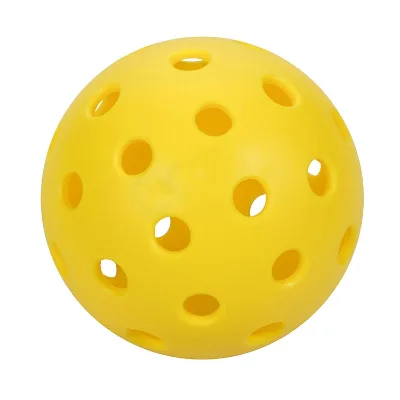
Premium Usapa Approved Outdoor Pickleball Balls for Training 40 Holes Pickleball Ball
$0.36 - $0.38
MOQ: 300 Pieces

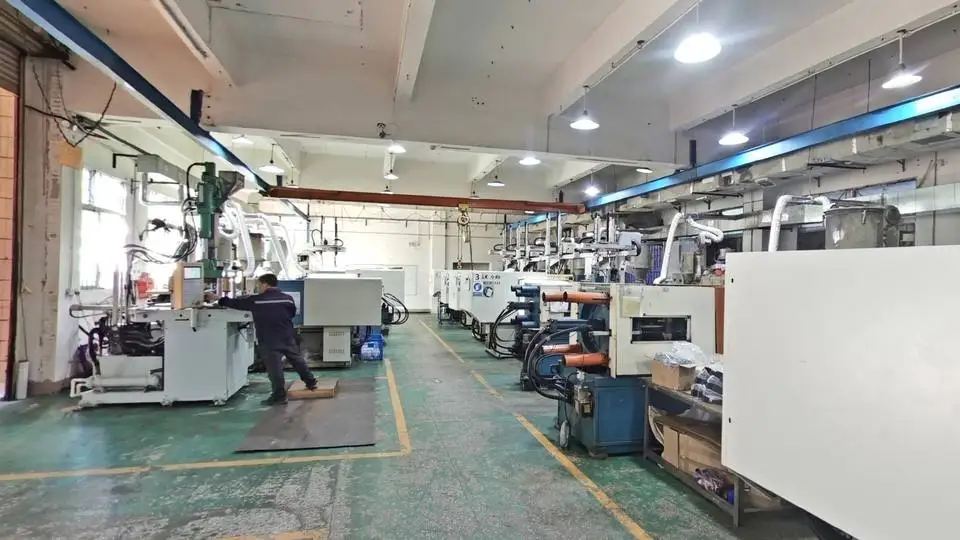
Dongguan Enyong Plastic Hardware Products Co., Ltd.
- Manufacturer, Trading Company
- Guangdong, China
- Lead time30 days
- Avg. response≤ 2h
Main productsPickleball Balls,Golf Cleaning Brush,Golf Putter Board,Pickleball Paddles,Golf Accessories
Main marketsNorth America(60.00%), Southern Europe(5.00%), Northern Europe(5.00%), Western Europe(5.00%), Mid East(5.00%), Oceania(5.00%), Southeast Asia(5.00%), Eastern Europe(5.00%), South America(5.00%)

Yiwu Binsen Sports Goods Co., Ltd.
- Trading Company
- Zhejiang, China
- Lead time15 days
- Avg. response≤ 3h
Main productsBasketball; Soccer Ball; Volleyball; Ping Pong Racket; Sport Bag Jump Rope; Badminton Racket
Main marketsEastern Europe(29.00%), Central America(13.00%), South America(11.00%), Western Europe(11.00%), Southern Europe(8.00%), North America(7.00%), Southeast Asia(6.00%), Mid East(4.00%), South Asia(3.00%), Eastern Asia(2.00%), Oceania(2.00%), Northern Europe(2.00%), Africa(1.00%), Domestic Market(1.00%)
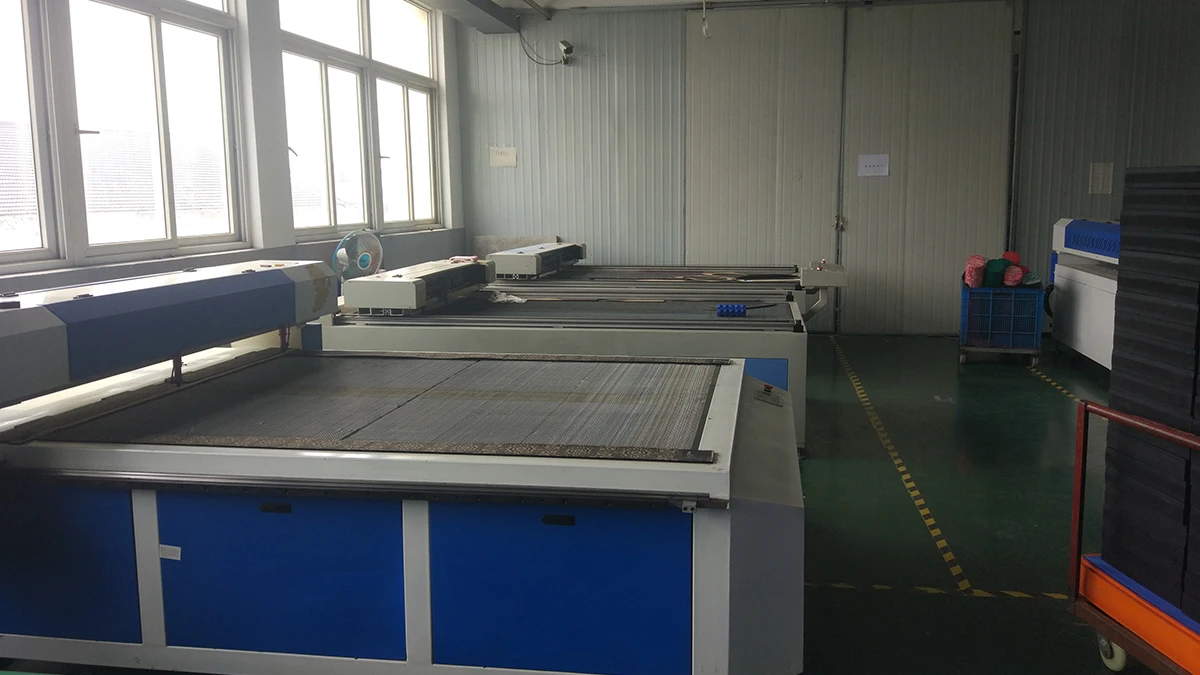
Wuxi Jstar Sports Products Co., Ltd.
- Trading Company
- Jiangsu, China
- Lead time30 days
- Avg. response≤ 2h
Main productsExercise Band,Weight Lifting,Fitness Training,Sports Safety,Yoga Products
Main marketsNorth America(65.00%), Western Europe(6.00%), South America(5.00%), Eastern Asia(5.00%), Eastern Europe(5.00%), South Asia(3.00%), Oceania(3.00%), Southeast Asia(3.00%), Mid East(3.00%), Northern Europe(2.00%)
Taspo Sports Manufacture Co., Ltd.
- Verified by Intertek
- Trading Company
- Fujian, China
- Lead time0 days
- Avg. response≤ 5h
Main productsPickleball Paddle, Padel Ball, Padel Racket
Main marketsNorth America(40%), South America(20%), Western Europe(20%)
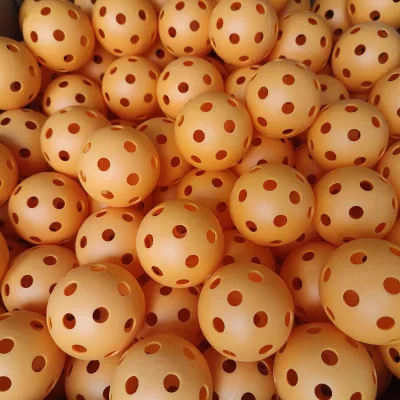
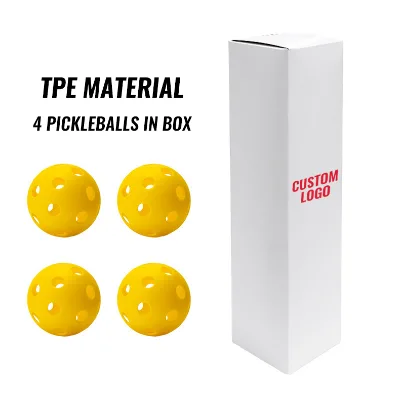
Customized USAPA Approved Hard Fast Factory Manufacturer for Sale Pickleball Balls
$0.35 - $0.68
MOQ: 20 pieces
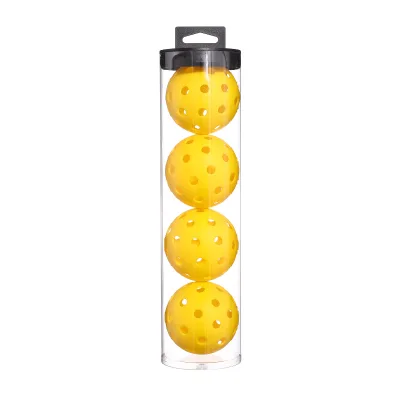
Guangzhou Tianye Silicone Rubber Technology Co., Ltd.
- Manufacturer, Trading Company
- Guangdong, China
- Lead time10 days
- Avg. response≤ 12h
Main productsswimming cap,swimming goggles,Mosaic
Main marketsNorth America(30.00%), Western Europe(20.00%), Southeast Asia(15.00%), Oceania(10.00%), Southern Europe(10.00%), Eastern Europe(5.00%), Africa(5.00%), Northern Europe(3.00%), Eastern Asia(2.00%)
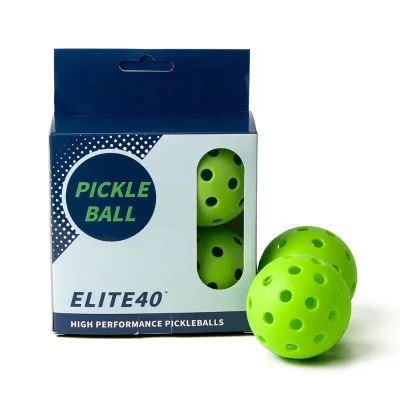
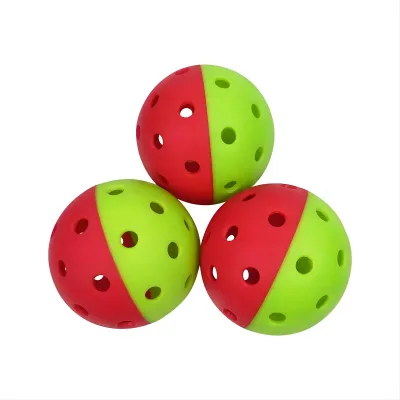
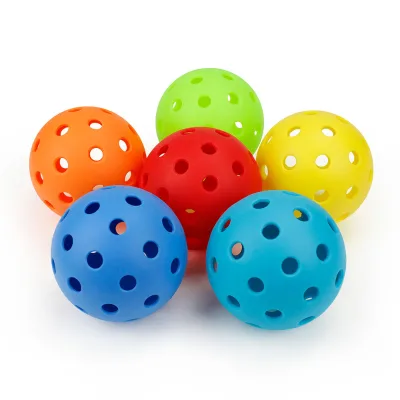
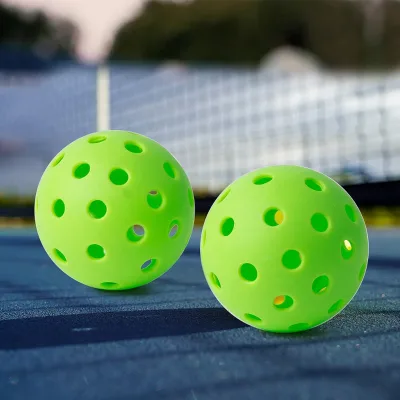
$0.75 - $0.95
MOQ: 10 pieces
NINGBO H&W SPORTING GOODS CO.,LTD
- Verified by Intertek
- Trading Company
- Lead time25 days
- Avg. response≤ 3h
Main productsRubber Toy Ball, Squeeze Toy, Sporting Goods, Massage Balls, Pet Products
Main marketsNorth America(50%), Oceania(15%), Western Europe(15%)
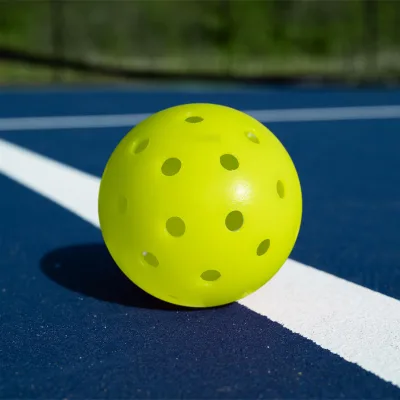
$0.4623 - $0.4922
MOQ: 1 pieces
$0.4623 - $0.4922
MOQ: 1 pieces
Changsha Kesun Sports Equipment Co.,Ltd.
- Trading Company
- Hunan, China
- Lead time15 days
- Avg. response≤ 4h
Main productsBall feeding machine,Ball series,gym equipment,stroller board,outdoor products
Main marketsNorth America(35.00%), Northern Europe(20.00%), Eastern Europe(20.00%), Southern Europe(10.00%), Western Europe(10.00%), Oceania(5.00%)
$0.45 - $2.60
MOQ: 100 Minimum
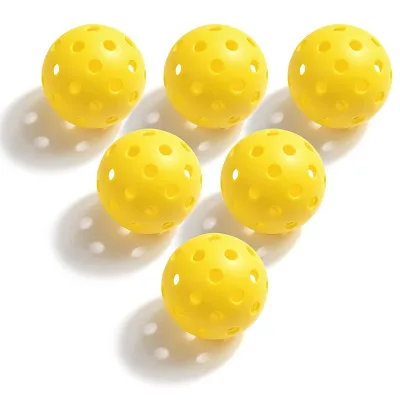
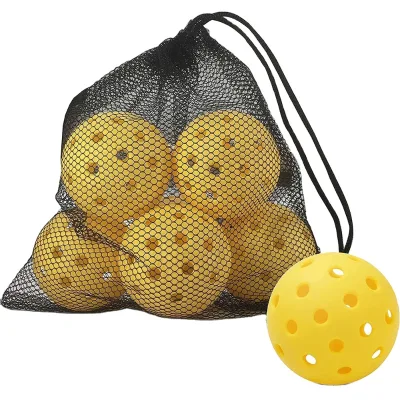
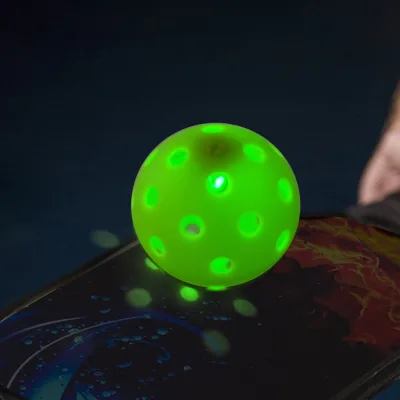
Hot Sale Brand Pickleball Balls Usapa Approved Free Sample Outdoor 40 Holes Glow Pickle Ball
$1.68 - $4.50
MOQ: 100 Minimum
Heli Sports Goods (anhui) Co., Ltd.
- Verified by TüVRheinland
- Manufacturer, Trading Company
- Lead time15 days
- Avg. response≤ 4h
Main productsPickleball Paddles, Pickleball, Beach Racket
Main marketsNorth America(52%), Domestic Market(30%), Southeast Asia(10%)

Anhui Xianwei E-Commerce Co., Ltd
- Verified by TUVRHEINLAND
- Manufacturer/Factory
- China Anhui
- Lead time0 days
- Avg. response≤ 6h
Main productsLamp, Cup, Tent
Main marketsSouth America,Eastern Europe,Mid East,North America,Southeast Asia,Eastern Asia,Oceania,Western Europe,Africa
- Verified by SGS Group
- Trading Company
- Lead time15 days
- Avg. response≤ 4h
Main productsBadminton, Badminton Nets, Pickleball rackets, Badminton Rackets, Overgrips
Main marketsNorth America(30%), Southeast Asia(25%), Domestic Market(20%)
Hunan Sanwin Technology Co., Ltd.
- Trading Company
- Lead time旺季: "1 - 500":10,"501 - 5000":15,"> 5000":"To be negotiated", 淡季: "1 - 500":10,"501 - 5000":15,"> 5000":"To be negotiated"
- Avg. response≤ 1h
Main productsPickleball Paddle,Pickleball Machine,football tracker,Pickleball,Tennis ball machine
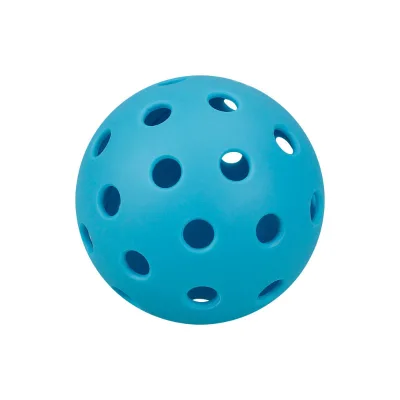
USAPA Approved PE500 Practice Indoor Pickleball Balls with 74mm Diameter
$0.15 - $0.21
MOQ: 500 pieces
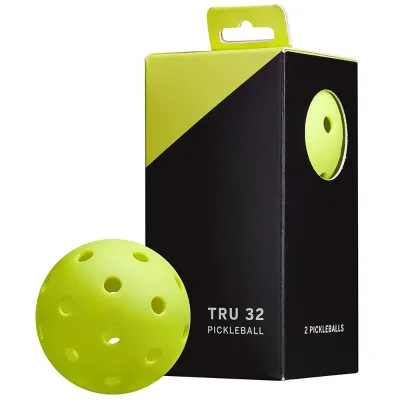

Nanjing Allshing Trade Company Limited
- Verified by BV
- Trading Company
- China Jiangsu
- Lead time23 days
- Avg. response≤ 10h
Main productsTraffic Cone, Football Cones, Agility Ladder, Soccer Cone, Agility Hurdle, Agility Training Set, Training Equipment Set, Tactics Board, Scoreboard, Table Tennis Set
Main marketsSouth America,Eastern Europe,Mid East,North America,Southeast Asia,Eastern Asia,Oceania,Western Europe,Africa


Wholesale Outdoor Pickleball Balls, 40 Holes Pickle Balls, Thermoformed Paddle Pickleball
$0.19 - $0.30
MOQ: 100 Sets

Wholesale Professional Sports Pickleball, Outdoor Usapa Pickleball Balls, 40 Holes Pickleballs
$0.19 - $0.30
MOQ: 100 Sets
Foshan Xinxuan Trading Co., Ltd.
- Manufacturer, Trading Company
- Guangdong, China
- Lead time20 days
- Avg. response≤ 5h
Main productspadel,pickleball,tennis,racket,sport court
Main marketsSouth America(30.00%), Southeast Asia(30.00%), North America(20.00%), Eastern Europe(10.00%), Africa(5.00%), Oceania(5.00%)

Ningbo Yaki Optical Instrument Co., Ltd.
- Combined
- China Zhejiang
- Lead time45 days
- Avg. response≤ 6h
Main productsMicroscope, Magnifier, Telescope, Binoculars, Student Microscope, LED Microscope, USB Microscope, Mini Microscope, Microscope Ring Light, Microscope Camera
Main marketsSouth America,Southeast Asia/ Mideast,East Asia(Japan/ South Korea),Europe,Australia,North America


Hot-Selling Usapa-Approved 26 & 40-Hole Pickleball Balls for Indoor & Outdoor Courts
$0.75 - $0.85
MOQ: 100 Sets

40 Holes Outdoor USA Pickleball Balls Meet Usapa Official Requirement Perfectly Balanced, Durable
$0.75 - $0.85
MOQ: 100 Pieces


Bengbu Tongli Technology Co., Ltd.
- Verified by TüVRheinland
- Trading Company
- Lead time30 days
- Avg. response≤ 1h
Main productsPickleball Paddles, Pickleball, Pickleball Net, Pickleball Bag
Main marketsNorth America(50%), South America(30%), Domestic Market(20%)

Dmantis Sports Goods Co., Ltd.
- Verified by SGS
- Combined
- China Hunan
- Lead time60 days
- Avg. response≤ 2h
Main productsBadminton Shuttlecock, Badminton Racket, Tennis Racket, Tennis Ball, Pickleball Paddle, Table Tennis Ball, Table Tennis Racket, Jump Rope
Main marketsSoutheast Asia/ Mideast,East Asia(Japan/ South Korea),Europe,Australia,North America


Wholesale Pickleball Balls for Indoor and Outdoor Sport Training and Competition
$0.19 - $0.50
MOQ: 10 Pieces
changzhou bosket plastic products co., ltd.
- Manufacturer, Trading Company
- Jiangsu, China
- Lead time15 days
- Avg. response≤ 5h
Main productsyoga&pilates,fitness items,kids' toys,watersports items,pickleball series
Main marketsEastern Europe(30.00%), Domestic Market(20.00%), Southeast Asia(20.00%), North America(20.00%), Western Europe(10.00%)
Jinjiang Meipu Clothing Co., Ltd.
- Manufacturer, Trading Company
- Fujian, China
- Lead time0 days
- Avg. response≤ 6h
Main productsBadminton Shuttlecock,Badminton,Shuttlecock,Badminton Racket,Badminton Grip Tape
Main marketsCentral America(100.00%), Mid East(100.00%), Southeast Asia(100.00%), South Asia(100.00%), North America(35.00%)

Wenzhou Kaiyuan Sporting Goods Co., Ltd.
- Trading Company
- Zhajing, China
- Lead time7 days
- Avg. response≤ 11h
Main productsPickleball paddle,tennis racket,Pickleball ball,Sportswear,Tennis ball
Main marketsNorth America(50.00%), Southern Europe(10.00%), Northern Europe(10.00%), Western Europe(10.00%), Mid East(10.00%), Eastern Europe(10.00%)
Guangzhou Colorful Bag Co., Ltd.
- Verified by SGS Group
- Manufacturer, Trading Company
- Lead time15 days
- Avg. response≤ 2h
Main productsTote bag, Pickleball, Pickleball Paddle, Pickleball Bag
Main marketsOceania(35%), North America(25%), Western Europe(20%)
- Verified by Intertek
- Manufacturer, Trading Company
- Lead time30 days
- Avg. response≤ 9h
Main productsSurfboard Leash, Surfboard Fins, Surfboard Pad
Main marketsNorth America(35%), Oceania(25%), Western Europe(25%)
Shenzhen Wizard of Oz (Kangteng) Outdoor Goods Co., Ltd.
- Manufacturer
- Guangdong, China
- Lead time0 days
- Avg. response≤ 4h
Main productsSoccer Products,Pickleball Prodcuts,Badminton Products,Baseball Products,Golf Products
Main marketsNorth America(56.00%), Western Europe(17.00%), Northern Europe(15.00%), Oceania(8.00%), Domestic Market(2.00%), Eastern Asia(2.00%)
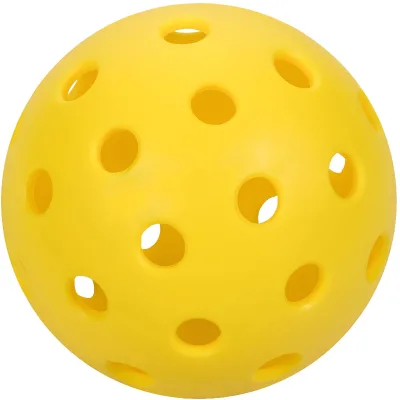
$0.1434 - $0.205
MOQ: 300 pieces
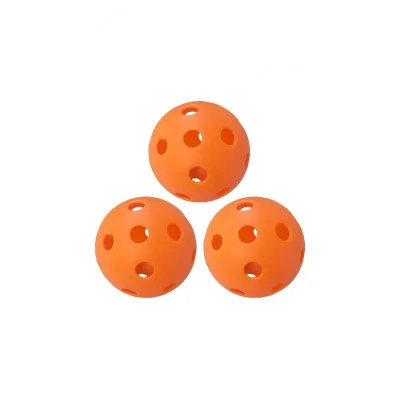
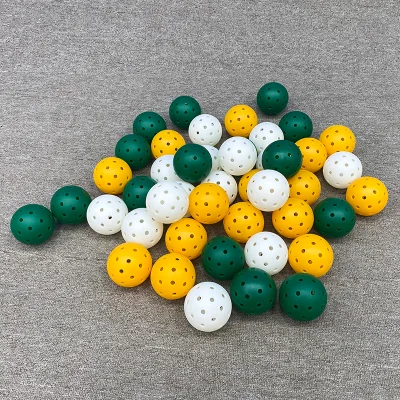
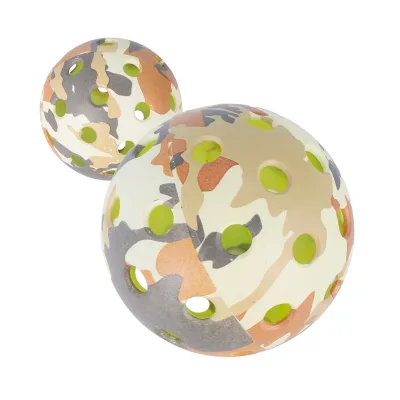


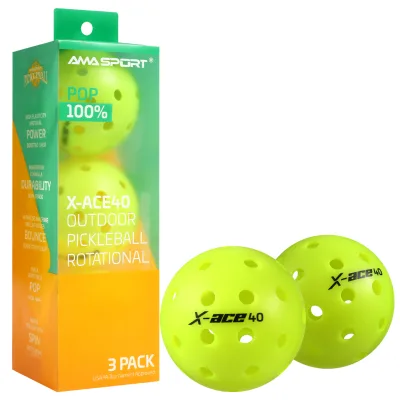
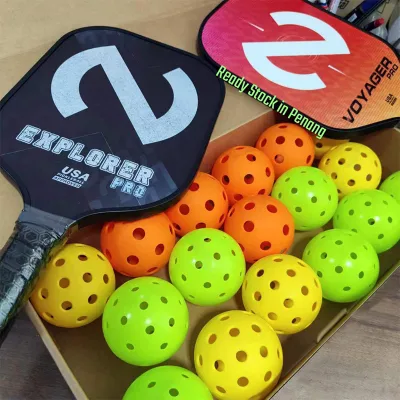
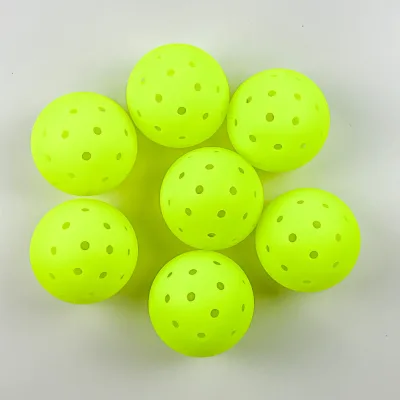
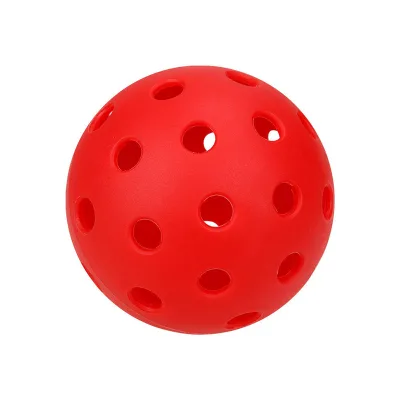
Comprehensive Sourcing Guide
USAPA Approved Pickleball Paddle Balls Supplier Concentration and Factory Types
The current supplier landscape for USAPA Approved Pickleball Paddle Balls reveals a distinct geographic concentration in China, with specific manufacturing hubs identified in Anhui and Guangdong provinces. These regions serve as primary centers for the production of ball sports equipment, offering buyers access to established industrial clusters that specialize in plastic molding and sports goods manufacturing. The presence of suppliers in these locations suggests a mature supply chain infrastructure capable of handling the specific technical requirements of pickleball ball production, such as hole drilling and material injection. Buyers evaluating these regions should consider the logistical advantages of sourcing from established manufacturing zones where raw materials like PE, PP, and LDPE are readily available. This concentration facilitates easier quality control visits and faster communication, as local suppliers are accustomed to international trade standards and export procedures. Understanding the regional distribution helps buyers narrow their search to areas with proven expertise in producing durable, high-density balls suitable for both indoor and outdoor play.
Supplier types in this category vary between pure manufacturers, trading companies, and hybrid entities that offer both OEM and ODM services. Many factories in Anhui and Guangdong provide comprehensive customization options, allowing buyers to select from various materials, hole configurations, and branding solutions. The availability of OEM and ODM capabilities indicates that these suppliers are equipped to handle private label orders, which is crucial for brands looking to establish a unique market presence. Some suppliers also offer their own brands alongside custom manufacturing, providing flexibility for buyers who may prefer ready-made solutions or wish to test the market with established product lines. The diversity in supplier types means that buyers can choose partners based on their specific needs, whether they require large-scale production runs with strict quality control or smaller, more flexible orders with rapid turnaround times. This variety ensures that businesses of all sizes can find suitable partners for their USAPA Approved Pickleball Paddle Balls sourcing requirements.
How to Verify USAPA Approved Pickleball Paddle Balls Suppliers
Verifying the legitimacy and capability of USAPA Approved Pickleball Paddle Balls suppliers requires a multi-layered approach that goes beyond basic profile reviews. Buyers should prioritize suppliers who display third-party verification badges, such as SGS, which indicates that an independent agency has assessed the company’s business activities and production capabilities. This verification adds a layer of trust, confirming that the supplier operates as a legitimate entity with transparent business practices. Additionally, checking for system certifications like BSCI, ISO 9001, GMP, and SEDEX is essential, as these standards reflect the supplier’s commitment to quality management, social responsibility, and manufacturing consistency. ISO 9001 certification, in particular, suggests that the supplier has implemented a robust quality management system, which is critical for maintaining the uniformity and durability of pickleball balls across large production batches. Buyers should request copies of these certificates and verify their validity through the issuing bodies to ensure they are current and applicable to the specific products being sourced.
Beyond certifications, buyers must assess the supplier’s responsiveness and communication efficiency, as these factors significantly impact the sourcing experience. Response times, such as the observed average of 6.23 hours for some suppliers, serve as a key indicator of operational efficiency and customer service quality. A faster response time often correlates with a more organized internal process, reducing the risk of misunderstandings or delays in order processing. Buyers should also examine the supplier’s product evidence, including detailed specifications like hole counts, material types, and weight standards, to ensure alignment with USAPA regulations. Products labeled with specific model numbers, such as WR-0228-06 or WR-0307-09, provide traceability and allow buyers to request samples for rigorous testing. By combining verification of credentials with an analysis of communication metrics and product details, buyers can confidently identify suppliers who are both reliable and capable of meeting their specific sourcing needs for USAPA Approved Pickleball Paddle Balls.
What to Compare Across USAPA Approved Pickleball Paddle Balls Suppliers
When evaluating multiple suppliers for USAPA Approved Pickleball Paddle Balls, buyers must compare key operational metrics to determine the best fit for their business model. Lead times are a critical factor, with observed ranges varying from 23 to 30 days, depending on the supplier’s production capacity and current order backlog. Shorter lead times can be advantageous for buyers needing rapid restocking or responding to sudden market demand, while longer lead times may offer more stability for planned inventory builds. Minimum Order Quantities (MOQs) also vary significantly, ranging from 100 pieces for certain customized or premium products to 30,000 pieces for standard bulk orders. Buyers should align their MOQ requirements with their sales volume and storage capabilities to avoid excessive inventory costs or stockouts. Additionally, price points differ based on material quality and customization levels, with some products priced as low as $0.12 per unit for basic models, while others may cost up to $2.80 for premium, certified options.
Beyond pricing and volume, buyers should compare the specific product attributes and customization options offered by each supplier. Features such as hole count, material composition (PE, PP, LDPE), and weight are crucial for ensuring the balls meet USAPA standards for tournament play. Suppliers offering 40-hole designs with specific diameters, such as 73mm or 74mm, provide buyers with options tailored to different playing conditions, whether indoor or outdoor. The availability of logo customization and branding services is another important differentiator, allowing buyers to create unique products that stand out in the market. Response times, ranging from 2 to 6.23 hours, also influence the decision-making process, as faster communication can lead to quicker resolution of queries and smoother order execution. By systematically comparing these dimensions, buyers can identify suppliers that offer the best balance of cost, quality, and service, ensuring a successful sourcing partnership for their USAPA Approved Pickleball Paddle Balls needs.
Common USAPA Approved Pickleball Paddle Balls Sourcing Risks
Sourcing USAPA Approved Pickleball Paddle Balls from international suppliers introduces several risks that buyers must proactively manage to ensure product quality and supply chain stability. One significant risk is the variability in product specifications, as not all balls labeled as "USAPA Approved" may meet the strict standards required for official tournament play. Buyers must verify that the balls adhere to specific dimensions, weight, and bounce characteristics, as deviations can lead to rejection by regulatory bodies or customer dissatisfaction. Another risk is the potential for inconsistent quality across production batches, which can occur if the supplier lacks robust quality control processes. This is particularly relevant for products made from different materials like PE or PP, where variations in density and durability can affect performance. Buyers should request detailed product specifications and test reports to ensure that the balls meet the required standards for hole count, material integrity, and overall durability.
Logistical and communication risks also pose challenges in the sourcing process, especially when dealing with suppliers in different time zones or regions. Delays in response times, such as those observed with some suppliers taking over six hours to reply, can hinder effective communication and lead to misunderstandings regarding order details or shipping schedules. Additionally, the risk of non-compliance with social and environmental standards, such as BSCI or SEDEX, can damage a buyer’s brand reputation if the supplier fails to meet ethical manufacturing practices. Buyers should conduct thorough due diligence to ensure that their suppliers adhere to these standards, reducing the risk of supply chain disruptions or negative publicity. Furthermore, the risk of intellectual property infringement exists when working with suppliers offering OEM services, as buyers must ensure that their branding and designs are protected. By identifying and mitigating these risks through careful supplier selection and contract terms, buyers can safeguard their interests and ensure a smooth sourcing experience for USAPA Approved Pickleball Paddle Balls.
USAPA Approved Pickleball Paddle Balls Regional Sourcing and Logistics
Regional sourcing of USAPA Approved Pickleball Paddle Balls from China offers distinct logistical advantages, particularly when sourcing from established manufacturing hubs in Anhui and Guangdong provinces. These regions benefit from well-developed infrastructure, including ports and transportation networks, which facilitate efficient export processes and reduce shipping times. Buyers sourcing from Guangdong, for instance, may benefit from proximity to major shipping ports, leading to faster transit times and potentially lower freight costs. Similarly, suppliers in Anhui provide access to inland logistics networks, which can be cost-effective for bulk shipments. Understanding the regional logistics landscape allows buyers to optimize their supply chain by selecting suppliers based on their proximity to key shipping routes and distribution centers. This strategic approach can significantly reduce lead times and improve overall supply chain efficiency, ensuring that products reach the market promptly.
However, buyers must also consider the potential logistical challenges associated with international shipping, such as customs clearance delays and fluctuating freight rates. To mitigate these risks, buyers should work with suppliers who have experience in export procedures and can provide accurate documentation for customs clearance. Additionally, buyers should evaluate the supplier’s packaging standards, as proper packaging is crucial for protecting the balls during transit and preventing damage. Products packed in cartons with specific dimensions, such as 58x58x58cm or 58x47x47cm, offer insights into the supplier’s logistical planning and efficiency. Buyers should also consider the impact of regional weather conditions on shipping schedules, particularly during peak seasons or monsoon periods. By understanding the regional logistics landscape and working with experienced suppliers, buyers can ensure a smooth and efficient sourcing process for their USAPA Approved Pickleball Paddle Balls, minimizing disruptions and maximizing cost-effectiveness.
USAPA Approved Pickleball Paddle Balls Commercial Terms and Order Planning
Effective order planning for USAPA Approved Pickleball Paddle Balls requires careful consideration of commercial terms, including pricing structures, payment methods, and delivery schedules. Buyers should negotiate clear pricing agreements that account for volume discounts, especially when ordering large quantities that meet the supplier’s MOQ thresholds. For instance, orders of 30,000 pieces may qualify for lower unit prices compared to smaller orders of 100 or 300 pieces. Payment terms should be structured to balance risk and cash flow, with options such as escrow services providing security for both parties. Buyers should also clarify the lead times, which can range from 23 to 30 days, and incorporate these into their inventory planning to avoid stockouts or excess inventory. Understanding the supplier’s production capacity and scheduling is crucial for aligning order placement with expected delivery dates, ensuring that products arrive in time for market demand.
Additionally, buyers must plan for customization and branding requirements, which can impact production timelines and costs. Suppliers offering logo printing and custom packaging services may require additional time for design approval and production setup. Buyers should provide detailed specifications and artwork well in advance to avoid delays. It is also important to establish clear communication channels for order tracking and issue resolution, ensuring that any discrepancies are addressed promptly. Buyers should review the supplier’s return and warranty policies to understand their recourse in case of quality issues or shipping damages. By carefully planning commercial terms and order logistics, buyers can establish a reliable and efficient sourcing process for USAPA Approved Pickleball Paddle Balls, minimizing risks and maximizing operational efficiency. This proactive approach ensures that buyers can meet their market demands while maintaining high standards of product quality and customer satisfaction.
FAQs
What is the price range for USAPA approved pickleball balls?
Prices for USAPA approved pickleball balls vary significantly based on material and order volume. Standard outdoor balls can cost as low as $0.12 per unit for bulk orders, while premium training balls may reach $0.38. Higher-end options with specific certifications or custom branding often start around $2.80 per unit, reflecting differences in production quality and packaging.
What are the minimum order quantities for these balls?
Minimum order quantities depend on the specific product type and customization level. Basic outdoor balls typically require a minimum of 100 pieces, while specialized training balls may start at 300 pieces. For large-scale commercial orders, some suppliers set the minimum at 2,000 or even 30,000 pieces to accommodate bulk manufacturing and shipping efficiency.
How long does production take for these orders?
Production lead times generally range from 23 to 30 days depending on the supplier and order complexity. Manufacturers in China typically require about three to four weeks to complete standard orders. Buyers should confirm specific timelines with suppliers, as custom branding or high-volume requests may extend the production schedule beyond the standard window.
Are custom logos available for USAPA approved balls?
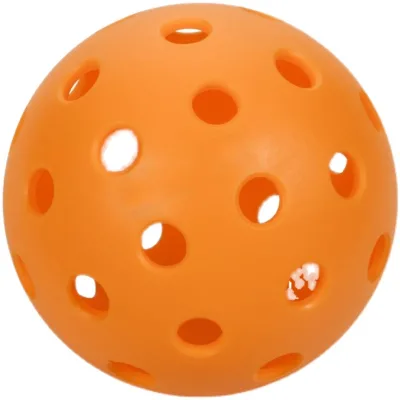
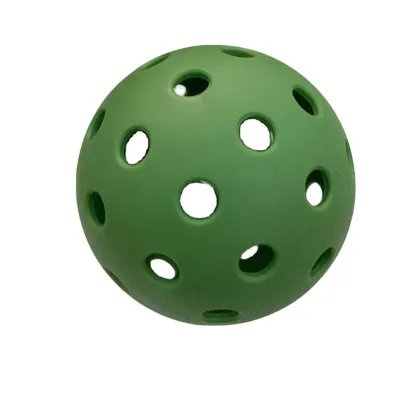
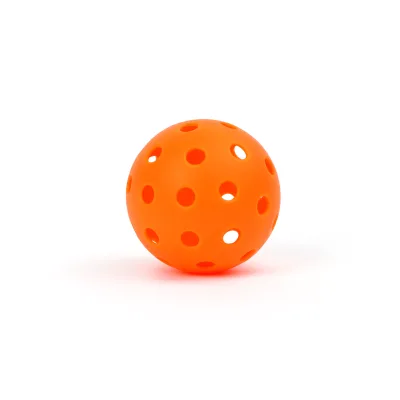
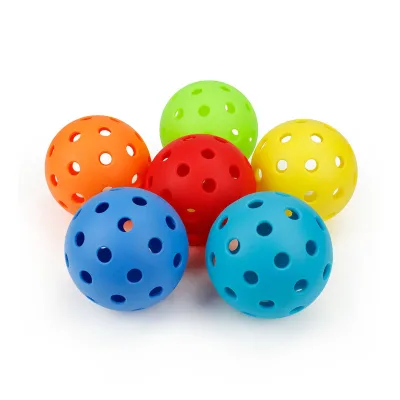
Yes, most suppliers offer customization services including logo printing and branding. Buyers can choose from various materials like PE or PP and select colors such as green, blue, or orange. Custom logos are available for both indoor and outdoor balls, allowing businesses to create branded products that meet USAPA standards for tournaments and training.
What certifications do these suppliers hold?
Suppliers offering USAPA approved balls often hold international certifications such as ISO 9001, BSCI, GMP, and SEDEX. These certifications ensure that manufacturing processes meet quality and ethical standards. Additionally, some suppliers undergo SGS verification, providing buyers with confidence in the reliability and consistency of the production facilities and product quality.
Where are these pickleball ball manufacturers located?
Manufacturers of USAPA approved pickleball balls are primarily located in China, with significant production hubs in Anhui and Guangdong provinces. These regions are known for their robust sports equipment manufacturing capabilities. Buyers can source directly from these locations to benefit from established supply chains and specialized production expertise in ball sports equipment.
What materials are used for USAPA approved balls?
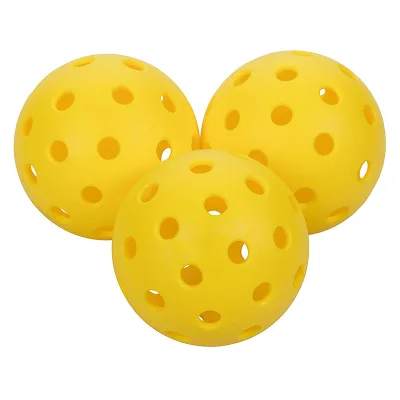
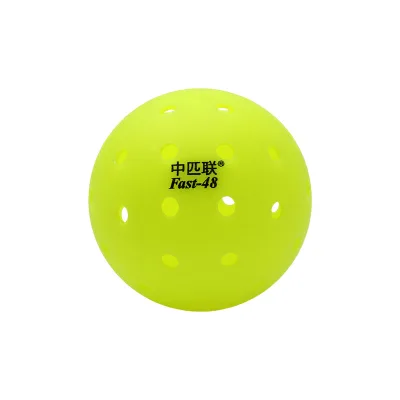
USAPA approved pickleball balls are typically made from durable materials such as PE, PP, or LDPE. These materials ensure the balls meet the required weight and durability standards for professional play. The balls often feature 40 holes and are designed for both indoor and outdoor use, with weights around 25 to 26 grams for optimal performance.