Source Ice Hockey Training Sportswear Gloves for Pro, Team, and Training
Source Ice Hockey Training Sportswear Gloves from 30 verified suppliers. Compare materials like polyester and spandex, sizes from XS to XXL, and customization options including logos and colors for professional and team use; compare the available evidence and request quotations based on your requirements.
Updated
Key considerations
Products List


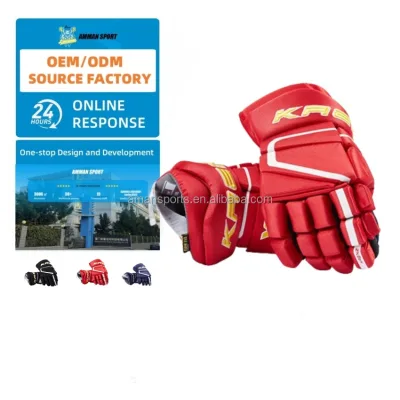
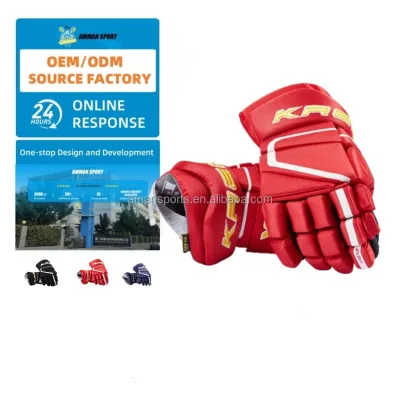


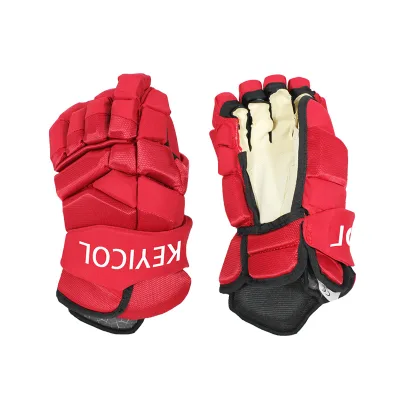
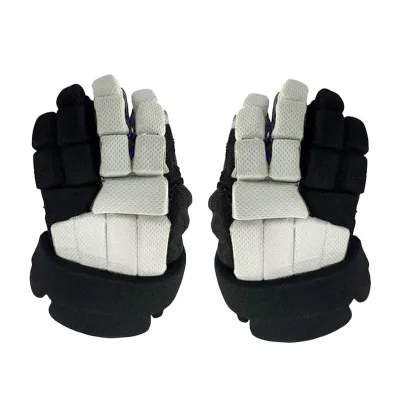
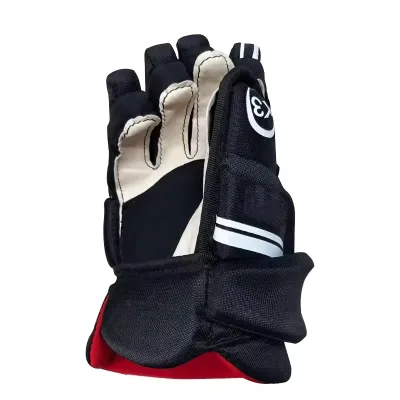
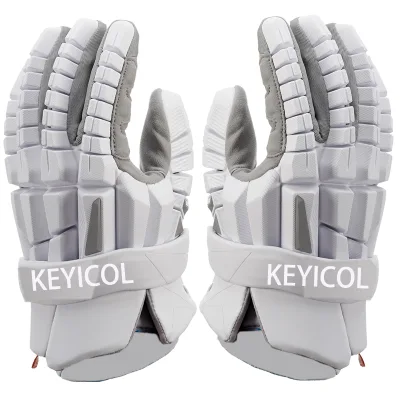
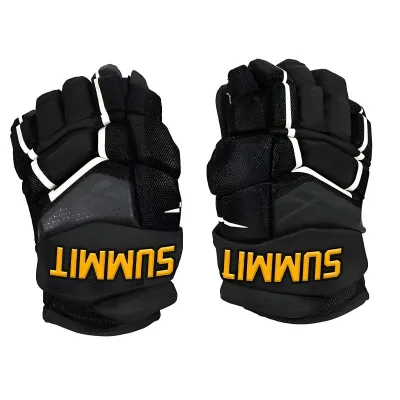
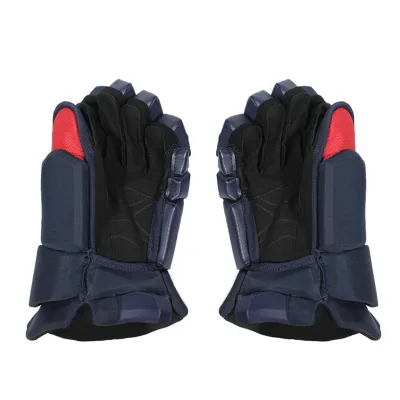
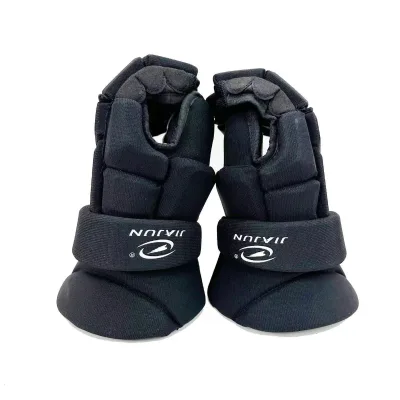


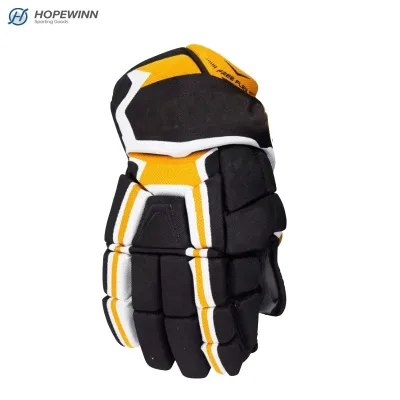
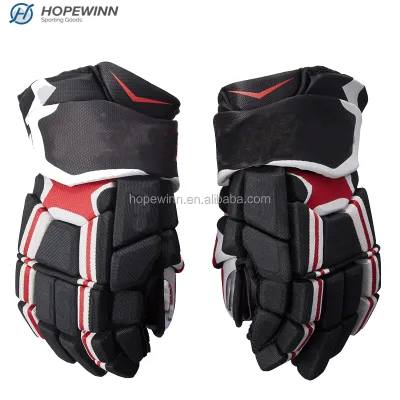
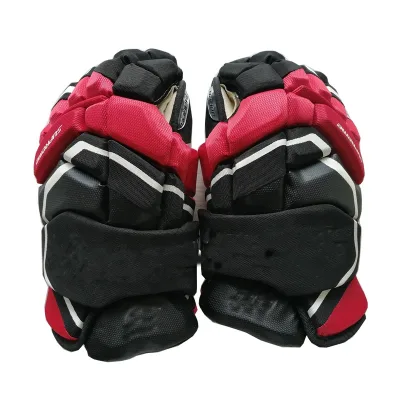
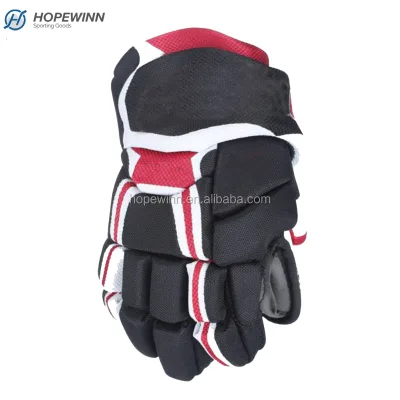
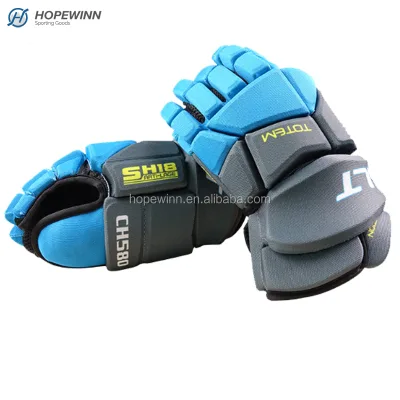
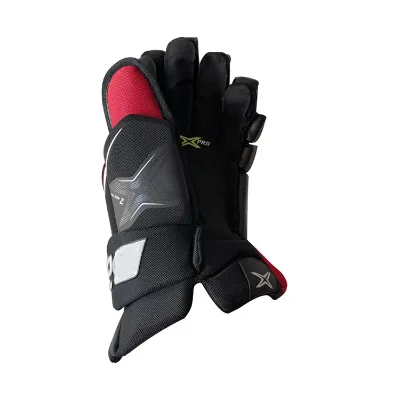
Comprehensive Sourcing Guide
Ice Hockey Training Sportswear Gloves Sourcing Guide
Procuring specialized Ice Hockey Training Sportswear Gloves requires a nuanced understanding of the diverse product landscape available from global manufacturers. The market offers a wide array of options, ranging from standard protective gear to customizable training aids, with observed listing prices spanning from $9.99 to $60 USD. This price variance often reflects differences in material composition, branding complexity, and order volume. Buyers must carefully distinguish between basic training gloves and high-performance match-grade equipment, as the intended use case dictates the necessary durability and protection levels.
The supply chain for these items is predominantly centered in China, with significant manufacturing hubs located in Fujian and Guangdong provinces. Suppliers frequently offer OEM and ODM services, allowing brands to customize logos, colors, and packaging to meet specific market demands. Common customization options include accepting customized logos and colors, with packaging typically provided in paper boxes or poly bags. Understanding these baseline commercial terms is essential for establishing realistic expectations regarding production timelines and minimum order quantities, which are critical for effective inventory planning.
Product Scope and Observed Listing Signals
The product scope for ice hockey gloves encompasses a variety of models designed for different skill levels and training intensities. Observed listings indicate the availability of specific model lines such as Vapor, Mach, and Xf, alongside generic "ice hockey gloves" labeled as model C32. These products are generally categorized for adult users and are marketed as unisex items, suitable for both ice hockey and field hockey applications. The diversity in model naming suggests that buyers should verify the specific performance characteristics of each line, as names like Vapor or Mach may imply distinct technological features or design philosophies.
Material composition is a key differentiator in the observed product range, with many gloves constructed from polyester and spandex blends to ensure flexibility and comfort. However, some listings also mention a broader spectrum of materials including EVA, PU, leather, mesh, and various fabric types like 600D or 1200D Oxford fabric. This variation indicates that buyers must scrutinize product descriptions to confirm the exact material makeup, as the presence of leather or specialized mesh can significantly impact breathability, durability, and cost. The inclusion of features like windbreak and waterproof properties further narrows the scope to specific environmental conditions.
Technical Specifications to Verify
Size specifications for ice hockey gloves vary significantly across suppliers, requiring careful verification to ensure proper fit for end-users. Observed size ranges include imperial measurements from 9 inches to 15 inches, as well as standard alphanumeric sizes such as XS, S, M, L, XL, and XXL. Some suppliers offer custom-made sizes, which is a valuable option for specialized teams or athletes with unique hand dimensions. Buyers should confirm whether the sizing charts provided by the supplier align with international standards, as discrepancies can lead to high return rates and customer dissatisfaction in the retail market.
Construction details and design features are equally critical when evaluating technical specifications. Many gloves utilize a 3-piece flex lock thumb design with a light grey palm, a feature that enhances dexterity and protection. Closure types range from pull-on styles to those with drawstrings, zippers, buttons, or hook-and-loop fasteners, each offering different levels of security and ease of use. Additionally, blade patterns and stick materials are sometimes listed alongside gloves, suggesting that some suppliers offer bundled solutions. Buyers must ensure that the glove specifications, such as closure type and thumb design, match the specific training or competitive requirements of their target audience.
Compliance and Safety Documentation
Safety and compliance are paramount in ice hockey equipment, where players are exposed to high-impact collisions and fast-moving pucks. While specific certification standards are not explicitly detailed in the observed listings, buyers must proactively request documentation from suppliers to ensure that the gloves meet relevant safety regulations. This includes verifying that materials used, such as polyester, spandex, or leather, are free from harmful substances and comply with international textile safety standards. Buyers should also inquire about any third-party testing performed on the gloves to assess impact resistance and durability.
Documentation should also cover the manufacturing processes and quality control measures implemented by the supplier. Suppliers claiming to offer customized products should provide clear information on how quality is maintained during the customization process, particularly when dealing with custom logos or colors. Buyers should ask for sample reports or quality assurance protocols to understand how the supplier handles defects and inconsistencies. Ensuring that the supplier has a robust quality management system in place is essential for maintaining brand reputation and ensuring player safety in competitive environments.
Cost Drivers and Commercial Terms
Several factors influence the final cost of Ice Hockey Training Sportswear Gloves, with minimum order quantity (MOQ) being a primary driver. Observed MOQs range from as low as 1 pair to 200 pairs, with some suppliers setting a standard MOQ of 100 pairs. Higher MOQs typically result in lower per-unit costs, making them attractive for large-scale procurement. Buyers must balance their inventory needs with cash flow constraints, considering whether the volume discounts justify the initial investment. Additionally, the complexity of customization, such as custom logos or specific colorways, can add to the production cost and affect the overall pricing structure.
Lead times and shipping terms also play a significant role in the total cost of ownership. Delivery times are observed to range from 3 to 10 days for production, with sample times extending from 30 to 45 days. These timelines can impact inventory planning and market responsiveness, especially for seasonal products. Buyers should clarify the port of shipment, which is often listed as Shanghai or Shenzhen, and understand the associated logistics costs. Negotiating clear commercial terms, including payment methods and warranty policies, is essential to mitigate financial risks and ensure a smooth procurement process.
Supplier Qualification and Quality Control
Evaluating supplier qualifications is a critical step in securing a reliable source for ice hockey gloves. Buyers should verify the supplier's place of origin, with many manufacturers located in Fujian and Guangdong provinces, known for their textile and sports equipment manufacturing capabilities. It is important to assess the supplier's experience in OEM and ODM services, as this indicates their ability to handle custom orders and maintain quality consistency. Buyers should also review the supplier's production capacity and infrastructure to ensure they can meet order volumes and deadlines without compromising on quality.
Quality control measures should be rigorously assessed before placing large orders. Buyers should request samples to evaluate the physical quality of the gloves, including stitching, material feel, and overall construction. Inquiring about the supplier's quality control protocols, such as pre-production samples and final inspections, is essential. Additionally, buyers should verify the supplier's ability to provide customized packaging, such as paper boxes or poly bags, as this can impact the product's presentation and protection during transit. Establishing a clear communication channel for addressing quality issues is also vital for long-term partnership success.
Long-Term Procurement Checks
Establishing a long-term procurement strategy requires ongoing monitoring of supplier performance and market trends. Buyers should regularly review supplier delivery times, quality consistency, and responsiveness to issues. Tracking the performance of different glove models, such as Vapor, Mach, or Xf, can help identify which products resonate best with customers and inform future purchasing decisions. Additionally, staying informed about changes in material availability and pricing trends can help buyers anticipate cost fluctuations and adjust their procurement strategies accordingly.
Continuous improvement in product offerings is essential for maintaining a competitive edge. Buyers should work with suppliers to explore new materials, designs, and features that can enhance the performance and appeal of their ice hockey gloves. This may include investigating new closure types, thumb designs, or material blends that offer better protection and comfort. By fostering a collaborative relationship with suppliers, buyers can drive innovation and ensure that their product lineup remains relevant and attractive to ice hockey players and teams. Regular feedback loops and joint planning sessions can facilitate this continuous improvement process.
FAQs
What materials are used for Ice Hockey Training Sportswear Gloves?
These gloves are typically constructed from a blend of polyester and spandex to ensure flexibility and durability. Some options also utilize custom materials such as EVA, PU, leather, or mesh fabric. The palm area may feature light grey fabric for enhanced grip. Buyers can select from various material compositions based on specific performance needs and comfort preferences.
Can I customize the logo and color of these gloves?
Yes, customized logos and colors are acceptable for these Ice Hockey Training Sportswear Gloves. Buyers can choose from black, red, or blue, or request customized colors. The product supports OEM and ODM branding, allowing for tailored designs. This flexibility ensures that teams or organizations can maintain their specific visual identity and branding requirements effectively.
What is the minimum order quantity for these gloves?
The minimum order quantity varies by supplier, typically ranging from 1 to 200 pairs. Some listings specify an MOQ of 100 pairs, while others may require 200 pairs. Buyers should verify the specific MOQ with the manufacturer before placing an order. This range allows for both small trial orders and larger bulk purchases depending on inventory needs.
What sizes are available for Ice Hockey Training Sportswear Gloves?
Sizes are available in inches ranging from 9 to 15, as well as standard S to XXL. Custom-made sizes are also offered to fit specific hand dimensions. The gloves are designed for adults and fit unisex users. Buyers can select from standard sizing charts or request custom measurements to ensure optimal fit and performance during training sessions.
How long is the delivery time for these gloves?
The delivery time typically ranges from 3 to 10 days for production. Sample preparation may take 30 to 45 days. Shipping ports include Shanghai and Shenzhen. Buyers should confirm exact lead times with the supplier based on order volume and customization requirements. This timeline ensures timely delivery for training schedules and event preparations.
What features do these gloves offer for protection and comfort?
These gloves feature windbreak, waterproof, and anti-static properties for all-weather use. They include a 3-piece flex lock thumb design for enhanced mobility. The palm may use light grey material for better grip. Additional features include body shape support and various closure types like hook and loop or zipper. These elements ensure comfort and protection during intense training.