Source Adjustable Steel Basketball Hoop for Schools, Gyms, and Parks
Compare 30 Adjustable Steel Basketball Hoop options from verified Chinese manufacturers. Buyers can evaluate specifications like backboard materials, rim types, and base sizes to find the right equipment for indoor or outdoor use; compare the available evidence and request quotations based on your requirements.
Updated
Key considerations
Products List


Basketball Sports Equipment Portable Adjustable Basketball Hoops for Training
$2000.00 - $3000.00
MOQ: 1 Pieces


Customized Cheap Independent Adjustable Full Size Outdoor Basketball Hoop
$6999.00 - $10999.00
MOQ: 4 Pieces

Outdoor Basketball Hoop Reinforced Steel Durable Design Height Adjustable
$1999.00 - $9000.00
MOQ: 1 Pairs


Mobile Basketball Stand Professional Height Adjustable Basketball Hoop for Competition
$1999.00 - $9000.00
MOQ: 1 Pairs
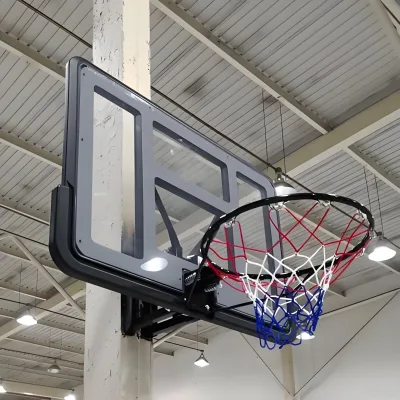
Steel Height Adjustable Wall Mounted Basketball Hoop for Home Gym Driveway
$121.1147 - $126.6484
MOQ: 1 pieces
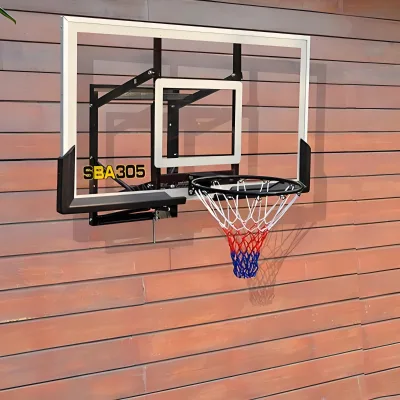
Adjustable Height Steel Wall Mount Basketball Hoop with All Weather Net
$121.1147 - $126.6484
MOQ: 1 pieces
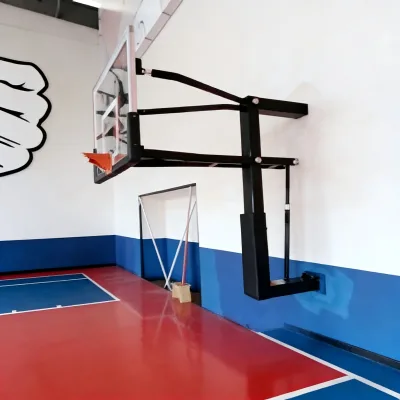
Wall-Mounted Basketball Hoop for Teens - Adjustable Height with Hand Crank
$387.8335 - $443.2663
MOQ: 1 pieces
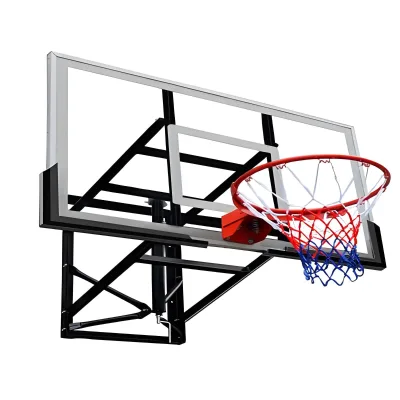
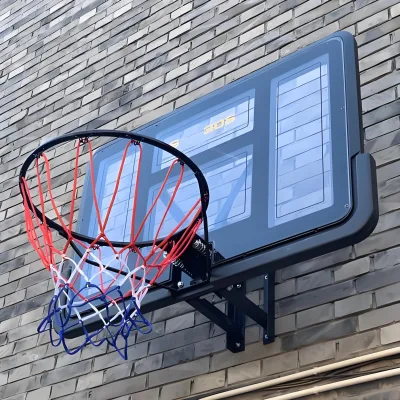
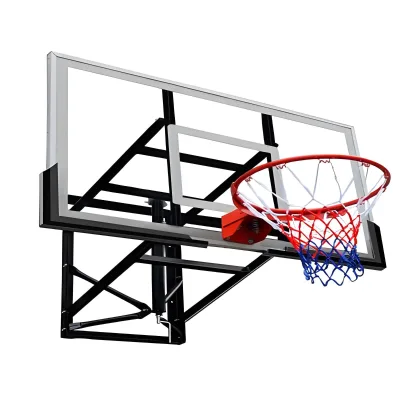
Steel Breakaway Rim Wall Mount Basketball Hoop with Clear Polycarbonate Board Adjustable Outdoor Use
$121.1147 - $126.6484
MOQ: 1 pieces
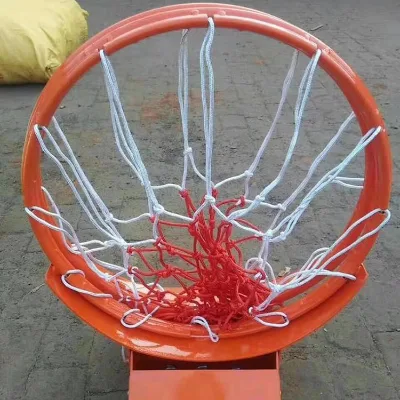
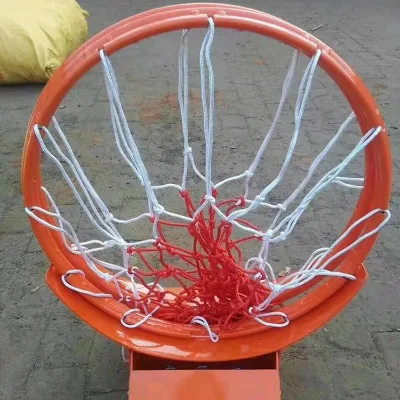
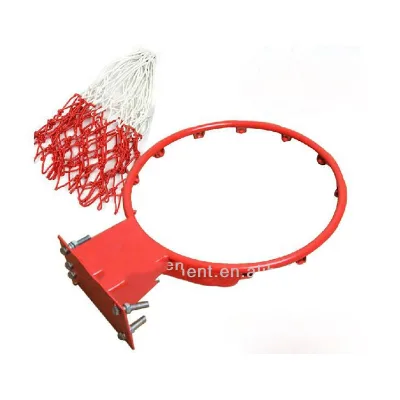
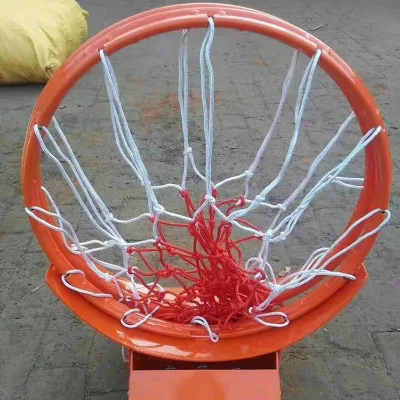


Hot Selling Outdoor Basketball Hoop Stand Adjustable Height Basketball Hoop
$7200.00 - $7500.00
MOQ: 1 Pieces

Basketball Stand with Height Adjustable Basketball Hoop System Basketball Goal
$20000.00 - $30000.00
MOQ: 1 Pieces
Comprehensive Sourcing Guide
Adjustable Steel Basketball Hoop Sourcing Guide
Procuring adjustable steel basketball hoops requires a careful balance between structural integrity and operational flexibility, particularly for facilities that host diverse user groups. The observed market data indicates a strong focus on adult demographics, with products designed for both indoor and outdoor entertainment usage. Buyers must recognize that "adjustable" often refers to the extension arm length or the folding mechanism of the base, rather than just the rim height. The presence of heavy-duty breakaway rims and tempered glass backboards suggests that these units are built to withstand significant impact, making them suitable for high-traffic environments. Understanding the specific mechanical adjustments available is crucial for ensuring the equipment meets the physical needs of its intended users.
Commercial listings reveal a wide variance in base configurations, ranging from fixed steel boards to hydraulic folding systems. This diversity means that procurement teams must clearly define whether they prioritize portability, stability, or space-saving features. The observed origin of these products is primarily Guangdong and Shandong provinces in China, which are established manufacturing hubs for sports equipment. Buyers should note that customization is widely available, including logo printing and specific color requests, which can be vital for institutional branding. However, the availability of customization does not guarantee uniform quality across all suppliers, necessitating rigorous due diligence before placing bulk orders.
Product Scope and Observed Listing Signals
The product scope for adjustable steel basketball hoops encompasses a variety of structural designs, including backboard stands and standalone base units. Observed listings highlight specific models such as BLP, M-103, and BS-series bases, indicating a modular approach to manufacturing. The base box size of 19001000600mm and the 2.4m base size for hydraulic models suggest that footprint and weight distribution are critical design considerations. Buyers should observe that some units feature light belts and customizable colors, which are aesthetic additions rather than core performance indicators. These signals help in categorizing products into professional-grade competition units versus recreational or training-focused installations.
Listing attributes also reveal significant variation in backboard materials, with options ranging from 12mm tempered glass to 13mm glass fiber. This distinction is vital for buyers assessing durability and cost-efficiency, as glass fiber may offer different impact resistance profiles compared to tempered glass. The extension arm lengths of 2250mm or 3250mm directly influence the playing area and rim positioning, affecting the realism of the shooting experience. Additionally, the inclusion of optional backboard padding in colors like black, blue, green, or red indicates a focus on player safety and visual integration into facility designs. These observed details provide a clear map of the available product landscape for informed selection.
Technical Specifications to Verify
Verifying the technical specifications of the steel frame is paramount, as the material thickness directly correlates with structural stability. Buyers must confirm the steel thickness, with observed data indicating a 6mm specification for certain models, which serves as a baseline for heavy-duty usage. The rim material, often cited as 20mm round steel, must be inspected for weld quality and corrosion resistance, especially for outdoor installations. The backboard size, typically 1800*1050mm or specifically required sizes, must align with standard hoop dimensions to ensure compatibility with official regulations. Any deviation from these standard measurements could render the equipment unsuitable for competitive play or official tournaments.
The mechanical components, including the extension arm and folding mechanism, require close inspection for smooth operation and secure locking. Hydraulic folding features, such as those found in the BLP-72 model, offer convenience but introduce potential points of failure that must be tested. The backboard padding material, whether PU or EVA, should be evaluated for UV resistance and impact absorption capabilities. Furthermore, the rim net, typically made of nylon, must be checked for tensile strength and attachment security. Buyers should verify that all moving parts are protected against dust and moisture ingress to ensure long-term reliability and minimal maintenance requirements.
Compliance and Safety Documentation
Compliance with international standards is a critical factor for institutional buyers, particularly those seeking equipment for official competitions. The observed listings mention that certain products meet FIBA standards, which is a significant indicator of quality and regulatory adherence. Buyers must request and verify official certification documents to confirm that the hoop and backboard assembly complies with these specific requirements. The presence of CE certification, although noted as low-confidence background data, suggests that some manufacturers may adhere to European safety directives. However, buyers should not assume compliance without explicit, verifiable documentation from the supplier for each specific model purchased.
Safety documentation should also include detailed instructions for installation, maintenance, and load testing. The warranty period, observed as 12 months for some units, provides a baseline for manufacturer confidence in product durability. Buyers should inquire about the scope of the warranty, specifically whether it covers structural failures, glass breakage, or mechanical defects. Additionally, safety guidelines for backboard padding and rim installation must be clearly documented to prevent injury during use. Ensuring that all safety-related components meet recognized standards helps mitigate liability risks and ensures a secure environment for athletes and spectators alike.
Cost Drivers and Commercial Terms
Cost drivers for adjustable steel basketball hoops are heavily influenced by material choices, manufacturing complexity, and customization levels. The use of tempered glass versus glass fiber, along with the thickness of the steel frame, creates distinct price tiers within the market. Customization options, such as logo printing and specific color requests, often incur additional fees and may extend lead times. Buyers should analyze the total cost of ownership, including shipping and installation, as the large base dimensions and heavy materials significantly impact logistics costs. Understanding these variables allows for more accurate budgeting and prevents unexpected expenses during the procurement process.
Commercial terms, including minimum order quantities (MOQ) and packing methods, vary widely among suppliers. Observed MOQ ranges from 1 to 20 units, offering flexibility for both single-unit purchases and large-scale facility upgrades. Packing is typically done in wooden cases or carton boxes, with some suppliers offering customized packing solutions for negotiation. Buyers should clarify who bears the responsibility for freight insurance and customs clearance, especially for international shipments. Clear communication regarding payment terms and delivery schedules is essential to avoid delays, particularly when dealing with customized orders that require specific manufacturing timelines.
Supplier Qualification and Quality Control
Supplier qualification involves assessing the manufacturer’s production capabilities, quality control processes, and track record in the sports equipment industry. Buyers should verify the supplier’s location, with Guangdong and Shandong being primary hubs, and inquire about their factory audit results. Quality control measures should include routine inspections of steel welding, glass tempering, and rim assembly to ensure consistency across production batches. Requesting sample units or video demonstrations of the hydraulic mechanisms can provide valuable insights into the build quality and operational smoothness. Establishing a clear communication channel with the supplier’s technical team helps in resolving any specification discrepancies before mass production begins.
Quality control should also extend to the packaging and shipping phases to prevent damage during transit. Buyers must ensure that suppliers use robust packaging materials, such as wooden crates, to protect fragile components like glass backboards. Inspecting the supplier’s return policy and after-sales support structure is crucial for addressing any defects discovered upon arrival. Collaborating with suppliers who offer pre-shipment inspections or third-party quality verification services can further mitigate risks. Building a relationship with a reliable supplier ensures consistent product quality and facilitates smoother transactions for future procurement needs.
Long-Term Procurement Checks
Long-term procurement checks focus on the durability and maintenance requirements of the basketball hoops over their operational lifespan. Buyers should monitor the performance of the hydraulic systems and folding mechanisms, as these components are subject to frequent wear and tear. Regular inspection of the backboard padding and rim nets is necessary to ensure they remain secure and effective in protecting players. Establishing a preventive maintenance schedule, including lubrication of moving parts and tightening of bolts, can extend the equipment’s service life. Tracking the performance of different models over time helps in making informed decisions for future replacements or expansions.
Feedback from end-users, such as coaches and facility managers, provides valuable insights into the practical usability and safety of the equipment. Buyers should regularly review warranty claims and repair records to identify any recurring issues with specific models or suppliers. Staying updated on industry standards and technological advancements in basketball equipment ensures that procurement strategies remain aligned with best practices. Engaging with suppliers for periodic product reviews and updates can lead to improved specifications and better value propositions. Continuous evaluation of the procurement process helps in optimizing costs and enhancing the overall quality of the sports facility.
FAQs
What are the standard dimensions for the basketball backboard?
The standard backboard size is 1800 by 1050 millimeters, though specific required sizes can be customized. This dimension ensures compliance with FIBA standards for professional play. The backboard is constructed from 12mm tempered glass or 13mm glass fiber, providing durability and clear visibility. These materials are selected to withstand heavy impact during intense basketball games and training sessions.
Can the basketball hoop extension arm be customized?
Yes, the extension arm is available in 2250mm or 3250mm lengths to suit different court requirements. This customization allows for precise positioning of the rim relative to the backboard. The arm is integrated into a heavy-duty breakaway rim system designed for safety and longevity. Buyers can request specific lengths to match their facility's layout and usage needs.
What material is used for the base of the hoop?
The base is constructed from steel board with a thickness of 6mm, ensuring structural stability. Some models feature a base size of 2.4 meters for enhanced balance. The steel construction supports the weight of the backboard and rim assembly. This robust base design prevents tipping during aggressive play, making it suitable for both indoor and outdoor basketball environments.
Is logo printing available for these basketball goals?
Logo printing is available as a customization option for these basketball goals. Buyers can request specific branding to be applied to the product. This service allows organizations to display their identity on the equipment. The customization process is flexible, accommodating various design requirements while maintaining the structural integrity and performance standards of the hoop system.
What is the warranty period for the basketball equipment?
The warranty period for the basketball equipment is 12 months. This coverage applies to the structural components and functional parts of the hoop. Buyers receive assurance regarding the quality and durability of the product during this timeframe. The warranty supports confidence in the heavy-duty construction and materials used, ensuring reliable performance for regular basketball usage and training activities.
How is the product packed for shipping?
The product is packed in wooden cases or carton boxes, with options for negotiation. Customized packing methods can be arranged to meet specific shipping requirements. This flexible packaging approach ensures safe transit of the large basketball components. Buyers can discuss the most suitable packing solution based on their logistics needs and destination, ensuring the equipment arrives in optimal condition.