Ice Hockey Training Sportswear Gloves Suppliers and Manufacturers
Source 18 suppliers for Ice Hockey Training Sportswear Gloves. Compare locations in China, response times, lead times, MOQs, and pricing. Contact verified factories to request samples and confirm specifications; review the available evidence before requesting comparable quotations from suitable candidates.
Updated
Suppliers List

- Trading Company
- China Zhejiang
- Lead time0 days
- Avg. response≤ 14h
Main productsPickleball, Ice Hockey Stick, Ice Hockey Glove, Ice Hockey Skate, Paleta De Pickleball
Xiamen Amman Sports Technology Co., Ltd.
- Manufacturer, Buying Office, Distributor/Wholesaler
- Fujian, China
- Lead time0 days
- Avg. response≤ 10h
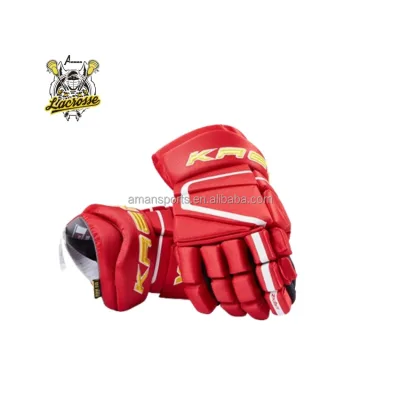
Main productsSports protective gear,Hockey Gloves,Lacrosse stick,Lacrosse Head,Lacrosse protective gear
Main marketsNorth America(60.00%), Eastern Europe(20.00%), Northern Europe(10.00%), Central America(10.00%)

Jilin Shuocan Trading Co., Ltd.
- Verified by TUVRHEINLAND
- Manufacturer/Factory
- China Jilin
- Lead time15 days
- Avg. response≤ 4h
Main productsIce Hockey Stick, Hockey Glove, Hockey Clothes
Main marketsEastern Europe,North America,Western Europe

Hot Sale Hockey Gloves Competition Training Cold-Resistant Wear-Resistant Ice Hockey Gloves
$35.00 - $60.00
MOQ: 2 pair


Special Sale Adult Sports Protection Durable Ice Hockey Gloves for Training
$35.00 - $60.00
MOQ: 2 pair

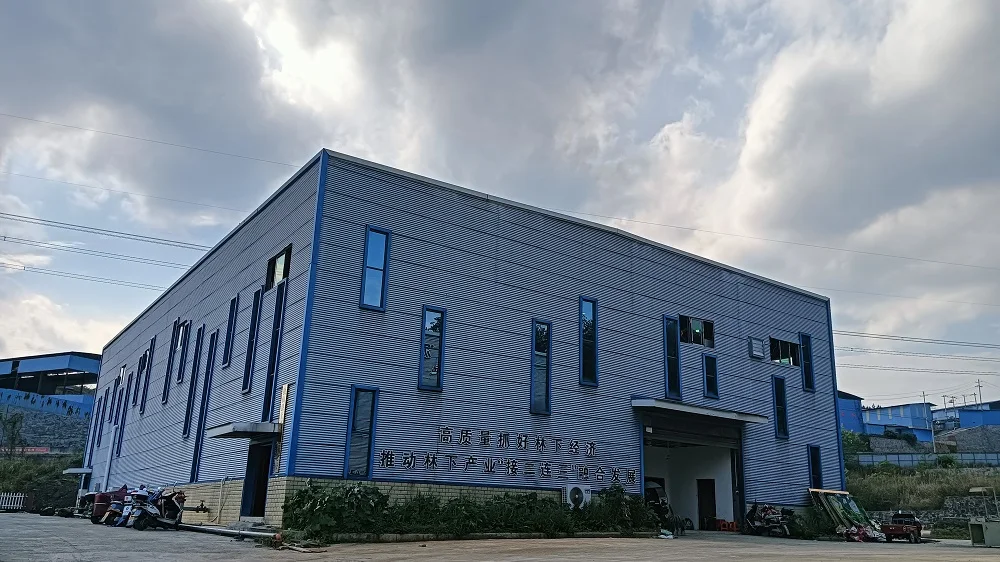
Dongguan Chiyuying Outdoor Products Co., Ltd.
- Manufacturer, Trading Company
- Guangdong, China
- Lead time0 days
- Avg. response≤ 4h
Main productsHockey gloves,Hockey knee pads,Tactical collar,Tactical vest,Tactical backpack
Main marketsNorth America(30.00%), Domestic Market(20.00%), Northern Europe(10.00%), Western Europe(10.00%), Oceania(10.00%), South America(5.00%), Africa(5.00%), Southeast Asia(5.00%), Eastern Europe(5.00%)
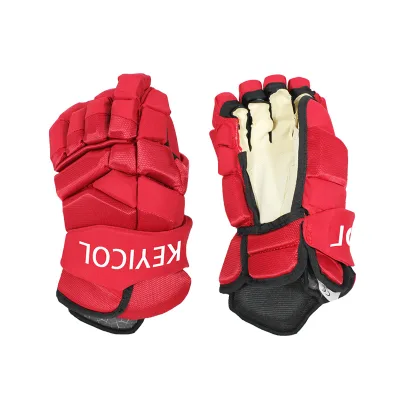
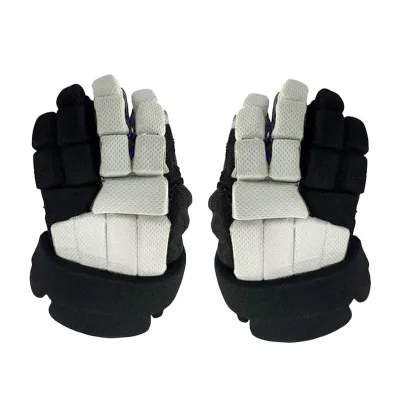
$22.5582 - $35.8875
MOQ: 200 Minimum
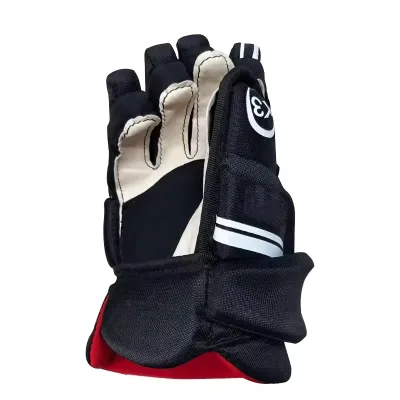
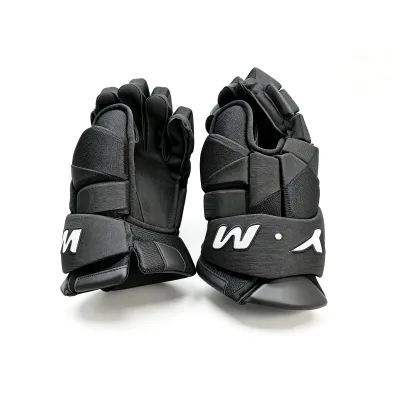
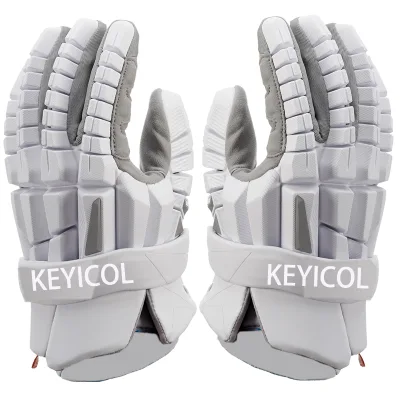
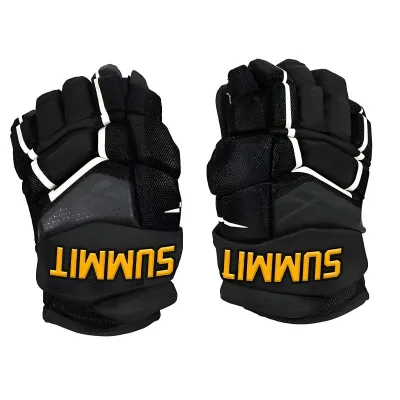

Dongguan Yixin Carbon Fiber Co., Ltd.
- Verified by BV
- Trading Company
- China Guangdong
- Lead time30 days
- Avg. response≤ 2h
Main productsIce Hockey Stick, Tennis Racket, CCM Ice Hockey Stick
Main marketsEurope,North America


Source Factory Wholesale Custom Waterproof Lightweight Ice Hockey Gloves
$45.00 - $50.00
MOQ: 2 Pieces

Wuhan Huaxia Ice Dragon Trading Co., Ltd.
- Verified by SGS
- Trading Company
- China Hubei
- Lead time15 days
- Avg. response≤ 6h
Main productsIce Hockey Stick, Ice Hockey Skate, Ice Hockey Glove
Main marketsEurope,North America


Custom Designed Protective Breathable Ice Hockey Gloves with Team Colors
$40.00 - $60.00
MOQ: 1 Pieces

Adult Protective Reinforced Comfortable Ice Hockey Gloves for Competitive Play
$40.00 - $60.00
MOQ: 1 Pieces

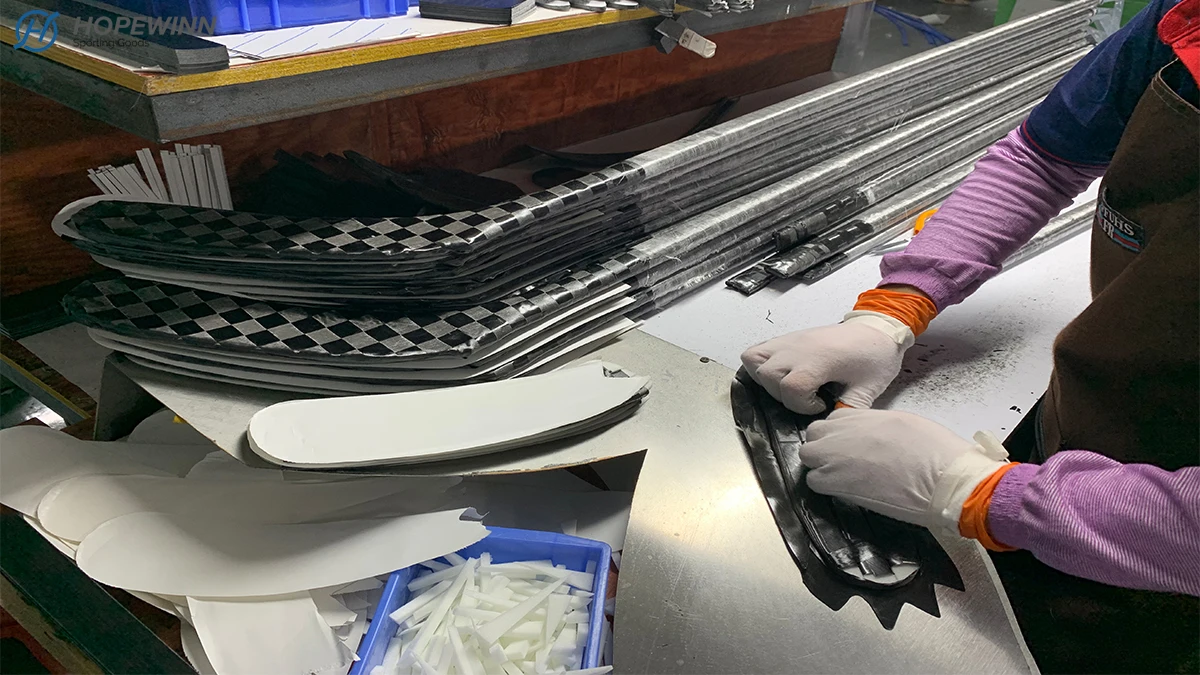
Xiamen Hopewinn Industrial & Trading Co., Ltd.
- Manufacturer, Trading Company, Distributor/Wholesaler
- Fujian, China
- Lead time10 days
- Avg. response≤ 6h
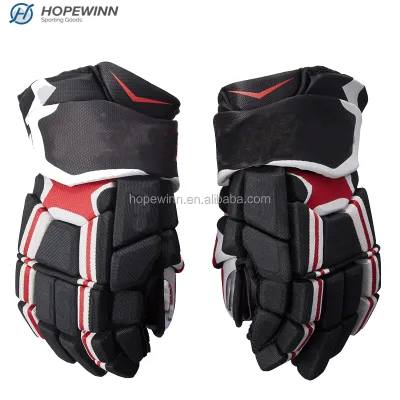
Main productsHockey stick,Ringette stick,Padel Racket,Lacrosse stick,Hockey gloves
Main marketsNorth America(40.00%), Northern Europe(15.00%), Eastern Europe(15.00%), Western Europe(15.00%), Southern Europe(6.00%), Domestic Market(1.00%), South Asia(1.00%), Africa(1.00%), Southeast Asia(1.00%), Central America(1.00%), South America(1.00%), Eastern Asia(1.00%), Mid East(1.00%), Oceania(1.00%)
Qiqihar Bingchi Sports Technology Co., Ltd.
- Manufacturer, Trading Company
- Heilongjiang, China
- Lead time0 days
- Avg. response≤ 12h
Main productsHockey Gloves, Hockey Stick, Ice Hockey Skates
Main marketsNorth America(50.00%), Western Europe(10.00%), Central America(10.00%), Northern Europe(10.00%), Eastern Europe(10.00%), Oceania(5.00%), Eastern Asia(5.00%)
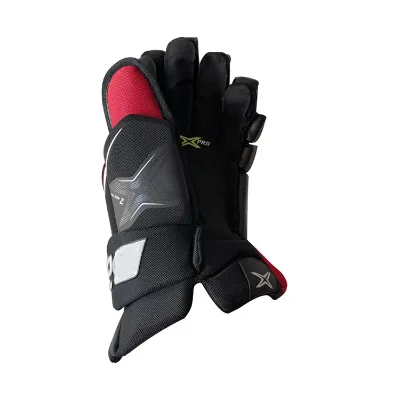
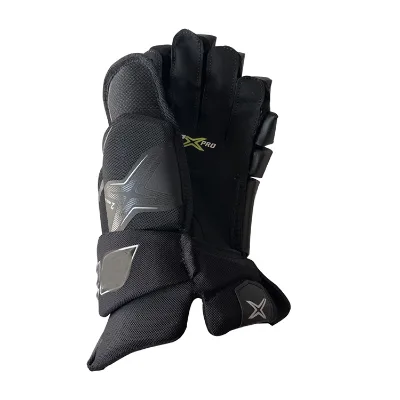
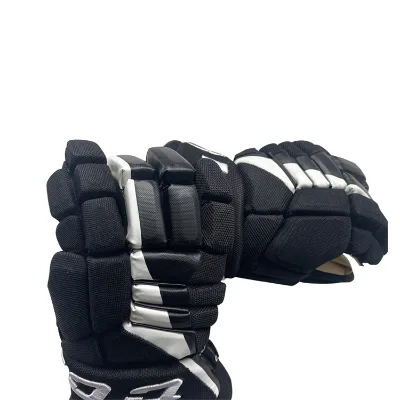
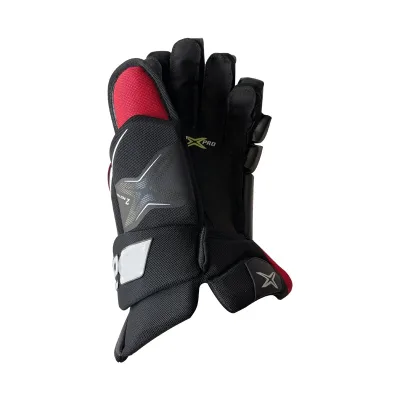
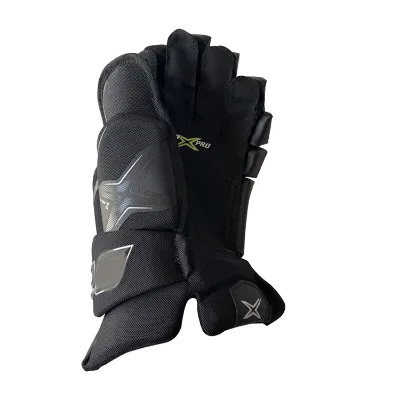
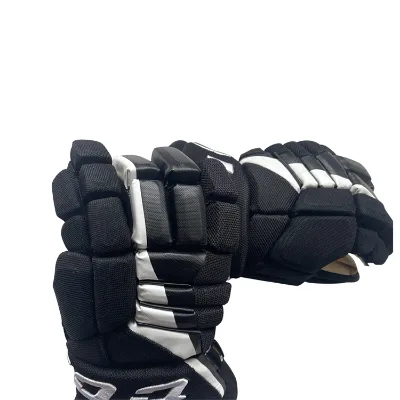
Top Leve Ice Hockey Gloves Four Colors 13" 14" Professional Protective Hockey Glove
$35.717
MOQ: 1 Minimum
Shanghai Henchman Sports Trading Co., Ltd.
- Trading Company
- Shanghai, China
- Lead time15 days
- Avg. response≤ 2h
Main productsIce Hockey Gear,Ice Skates,Roller Skates,Goalie Protective Equipments,Hockey Training Equipment
Main marketsNorth America(80.00%), Northern Europe(8.00%), Central America(5.00%), Eastern Asia(5.00%), Western Europe(2.00%)
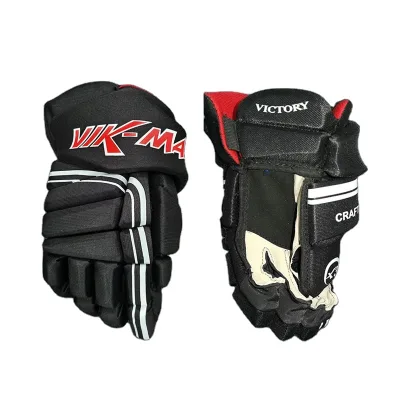
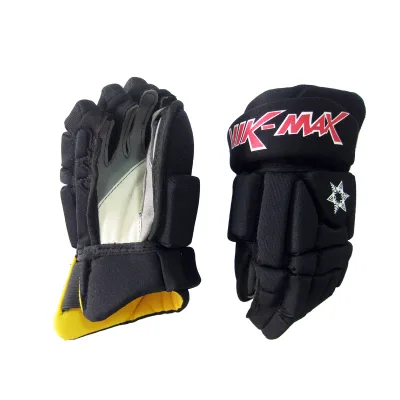
Factory Supply Directly Ice Hockey Gloves Ice Hockey Protective Equipment
$37.0125 - $45.429
MOQ: 1 pairs
Huizhou Leshikang Sporting Goods Co., Ltd.
- Verified by SGS Group
- Manufacturer, Trading Company
- Lead time30 days
- Avg. response≤ 3h
Main productsBaseball Protective Gear, Knee Brace, Ice-hockey Protective Gear, Skiing Protective Gear, Skateboarding Protective Gear
Main marketsDomestic Market(33%), North America(30%), Southeast Asia(15%)
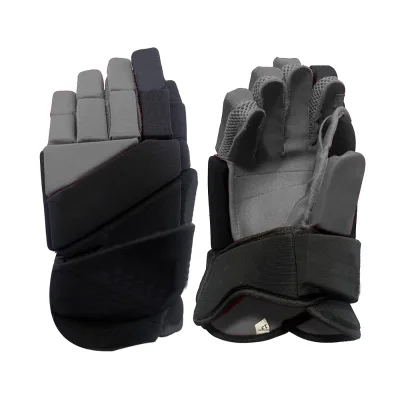
$28.00 - $36.00
MOQ: 100 pairs
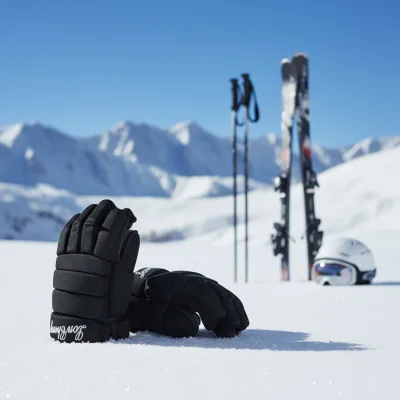
Factory Custom Good Quality Professional OEM ODM Hockey Goalie Gloves Heated Ice Hockey Gloves
$32.8566 - $36.9647
MOQ: 100 pairs
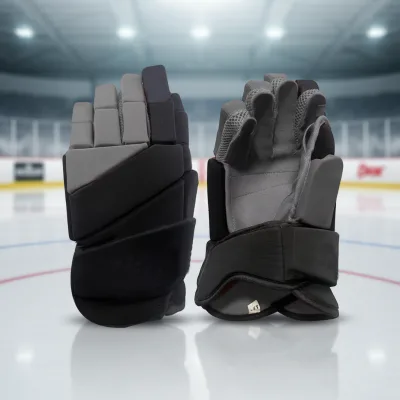
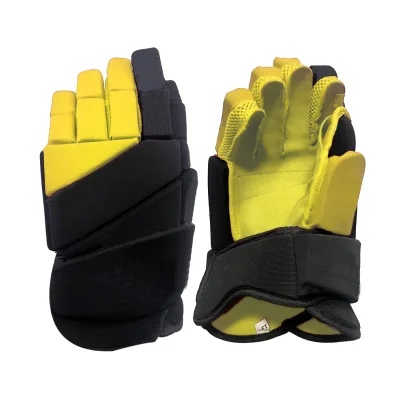
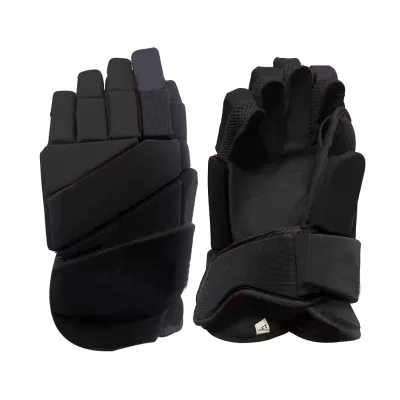
Customized Lightweight Ice Hockey Gloves New High-Quality and Low-Priced Ice Hockey Gloves
$28.7501 - $36.9647
MOQ: 1 pairs

Jilin Bingnan Sports Goods Co., Ltd.
- Trading Company
- Jilin, China
- Lead time30 days
- Avg. response≤ 2h
Main productsice hockey stick,Ice Hockey Gloves,ice hockey,ice hockey jersey,ice skate blade
Main marketsNorth America(40.00%), Domestic Market(20.00%), Western Europe(20.00%), Eastern Europe(20.00%)
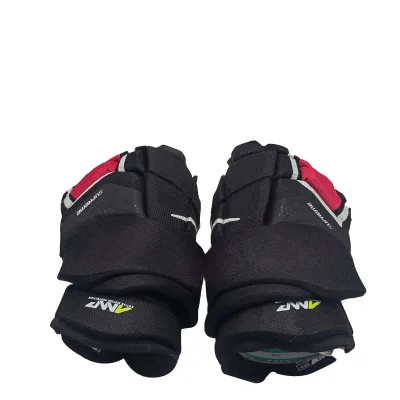

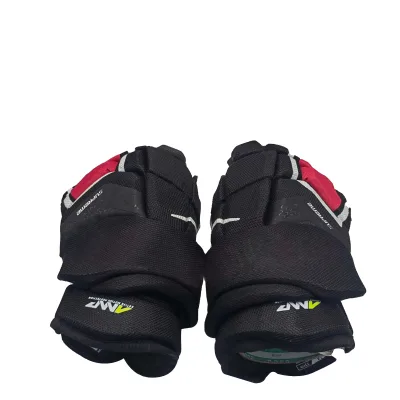
China Factory Professional Custom Ice Hockey Gloves 9''-15''durable Ice Hockey Gloves
$35.00 - $60.00
MOQ: 1 pairs
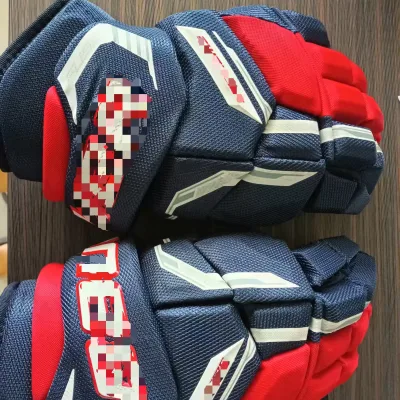
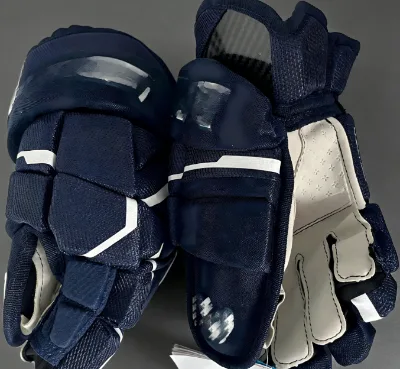
Fuse Ice Hockey Gloves Used by Professional Players13"14"15"
$21.00 - $65.00

Hunan Sports And Health Sporting Limited
- Manufacturer, Trading Company
- Hunan Province, China
- Lead time40 days
- Avg. response≤ 2h
Main productsSki Protective Gear, Ice Hockey Protective Gear, Knee Brace/Elbow Pads, Leg Guards
Main marketsNorth America(40.00%), Western Europe(14.00%), South America(5.00%), Oceania(5.00%), Southern Europe(5.00%), Northern Europe(5.00%), Eastern Europe(5.00%), Domestic Market(5.00%), Mid East(5.00%), Southeast Asia(5.00%), South Asia(2.00%), Eastern Asia(2.00%), Central America(2.00%)
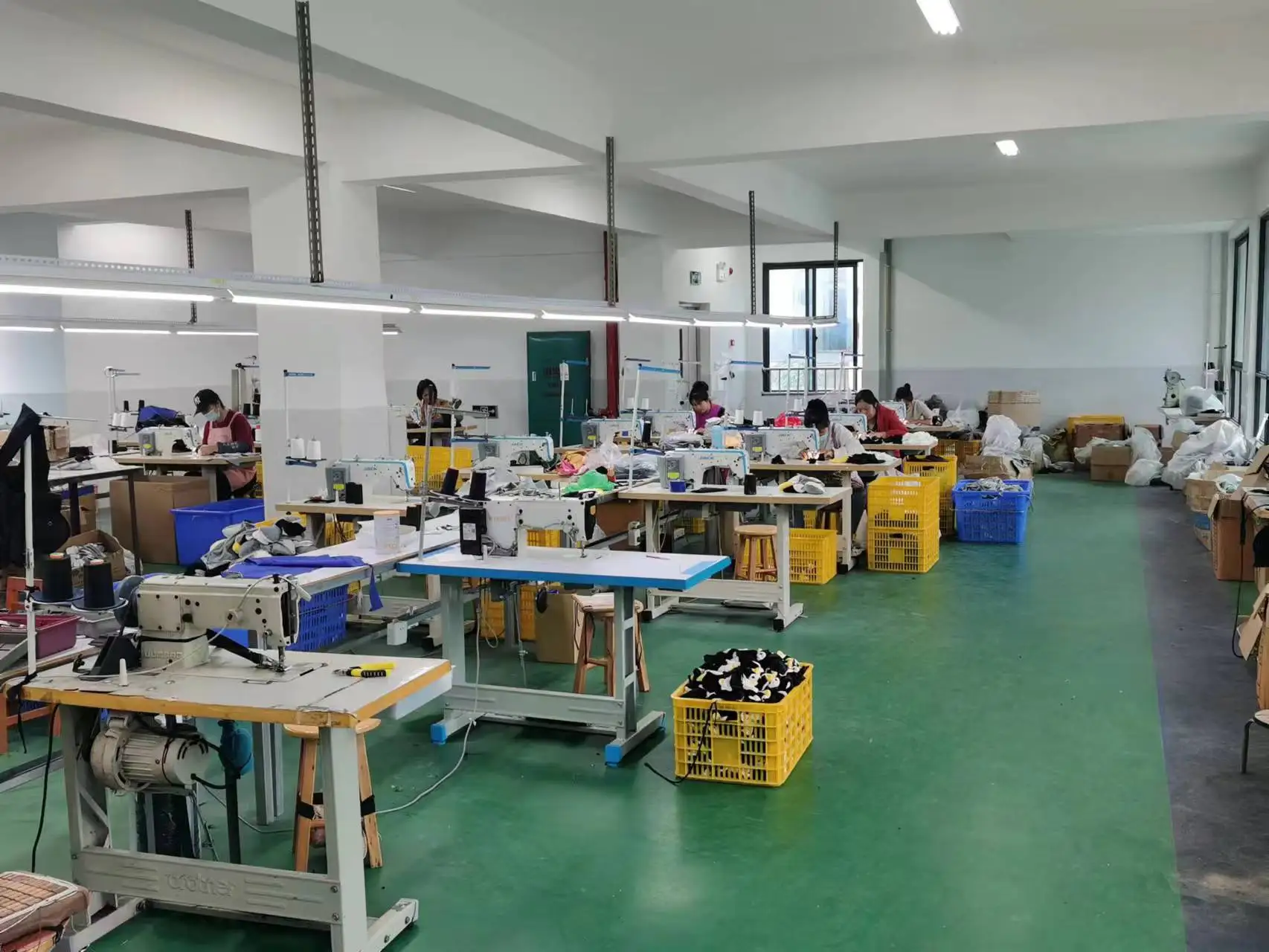
Guangxi Duguan Sporting Goods Co., Ltd.
- Manufacturer
- Guangxi, China
- Lead time20 days
- Avg. response≤ 3h
Main productsSkating protective gear,Riding protective gear,Baseball Protective gear,hockey protective gear,sports protective gear
Main marketsNorth America(50.00%), Central America(10.00%), Western Europe(10.00%), Southeast Asia(10.00%), Eastern Europe(10.00%), South America(10.00%)

Qingdao Bingshang Sports Goods Technology Co., Ltd.
- Trading Company
- Shandong, China
- Lead time0 days
- Avg. response≤ 2h
Main productsice hockey stick,hockey stick,Ice Sporting Goods,Hockey equipment,Hockey Gloves
Main marketsNorth America(40.00%), Western Europe(20.00%), Eastern Europe(20.00%), Southern Europe(10.00%), Northern Europe(10.00%)

Shaoxing Tiuden Import and Export Co., Ltd.
- Verified by TUVRHEINLAND
- Trading Company,Manufacturer/Factory
- China Zhejiang
- Lead time0 days
- Avg. response≤ 14h
Main productsIce Hockey Stick, Carbon Hockey Stick, Floor Hockey Stick, Field Hockey Stick, Wooden Hockey Stick, Street Hockey Stick, Carbon Products, Hockey Stick OEM, Composition Products, Pickleball Stick
Main marketsSouth America,Eastern Europe,North America,Southeast Asia,Western Europe

Suzhou Meiterui Trading Co., Ltd
- Verified by TUVRHEINLAND
- Trading Company
- China Anhui
- Lead time15 days
- Avg. response≤ 3h
Main productsHockey Stick, Ice Hockey Stick, Hockey Gloves
Main marketsAfrica,Europe,North America

Maximum Protection & Superior Fit for Serious Athletes Elite Performance Hockey Gloves
$60.00 - $65.00
MOQ: 2 Pieces

Advanced Padding, Breathable & Lightweight Design High-End Ice/Field Hockey Gloves
$60.00 - $65.00
MOQ: 2 Pieces

Premium Hockey Gloves - Sizes 9-15 Durable & Flexible for Maximum Performance
$60.00 - $65.00
MOQ: 2 Pieces

Dongguan Starwepet International Co., Ltd.
- Verified by TUVRHEINLAND
- Manufacturer/Factory
- China Guangdong
- Lead time15 days
- Avg. response≤ 6h
Main productsIce Hockey Stick, 100%Carbon Fiber Material Ice Hockey Sticks, CCM Ice Hockey Stick, Composite Ice Hockey Sticks, Pet Product, Pet Collar, Pet Leash, Floorball Hockey Sticks, Field Hockey Sticks, 360g Carbon Fiber Material Ice Hockey Sticks
Main marketsEastern Europe,North America,Western Europe

Heilongjiang Bingfei Sports Equipment Manufacture Co., Ltd
- Verified by SGS
- Combined
- China Heilongjiang
- Lead time15 days
- Avg. response≤ 20h
Main marketsEurope,Australia,North America

Superior Comfort & Ultimate Protection PRO Grade Lce & Field Hockey Gloves
$34.99 - $35.00
MOQ: 1 pairs

Superior Comfort & Ultimate Protection PRO Grade Lce & Field Hockey Gloves
$34.99 - $35.00
MOQ: 1 pairs

Superior Comfort & Ultimate Protection PRO Grade Lce & Fieldhockey Gloves
$34.99 - $35.00
MOQ: 1 pairs

Superior Comfort & Ultimate Protection PRO Grade Lce & Fieldhockey Gloves
$34.99 - $35.00
MOQ: 1 pairs


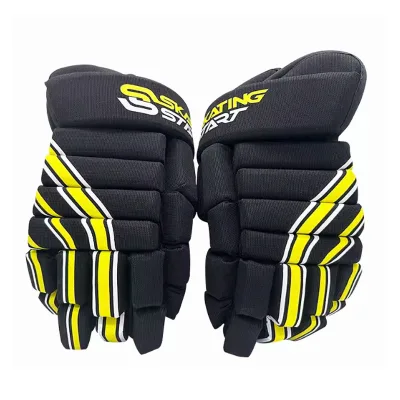
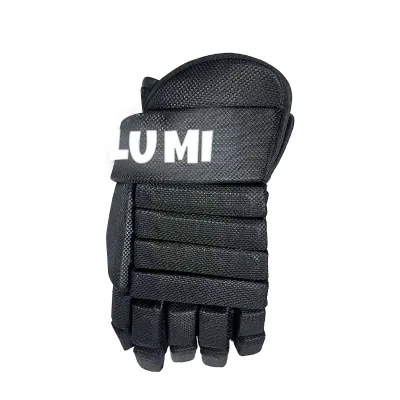
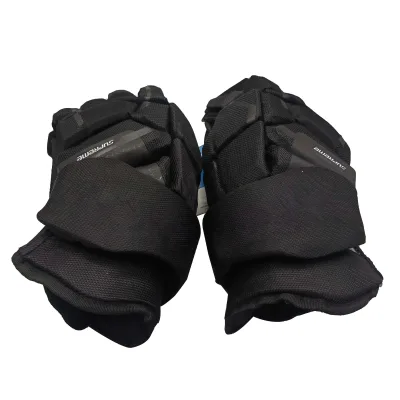


Comprehensive Sourcing Guide
Ice Hockey Training Sportswear Gloves Supplier Concentration and Factory Types
The current supplier landscape for Ice Hockey Training Sportswear Gloves reveals a diverse mix of manufacturing capabilities concentrated in specific Chinese provinces. Results indicate that suppliers are located in Zhejiang, Fujian, and Jilin, each offering distinct operational profiles. Zhejiang-based entities are primarily identified as trading companies, which suggests a model focused on aggregating products from various sources rather than direct manufacturing. These trading companies often list a broad range of main products, including pickleball equipment and ice hockey sticks, indicating a generalist approach to sports entertainment goods. In contrast, suppliers in Fujian present a more complex structure, operating as manufacturers, buying offices, and distributors simultaneously. This hybrid model allows for greater flexibility in sourcing components and managing quality control for specialized protective gear. The presence of buying offices within this group implies a capability to handle international compliance and logistics, which is crucial for buyers seeking streamlined procurement processes for bulk orders.
Jilin province hosts suppliers that are explicitly classified as manufacturer/factories, offering a different value proposition compared to the trading companies in Zhejiang. These manufacturers often specialize in core hockey equipment such as sticks, gloves, and clothing, suggesting a deeper technical expertise in the specific materials and construction required for high-performance gear. The verification status of some Jilin-based suppliers includes third-party audits like TÜV Rheinland, which adds a layer of credibility regarding their production facilities and quality management systems. This distinction between trading companies and direct manufacturers is critical for buyers evaluating their supply chain strategy. Trading companies may offer lower minimum order quantities and faster response times due to their agile inventory management, while direct manufacturers might provide better customization options and consistent quality control for large-scale production runs. Understanding these factory types helps buyers align their sourcing needs with the appropriate supplier structure, whether they prioritize speed and variety or technical specialization and direct factory access.
How to Verify Ice Hockey Training Sportswear Gloves Suppliers
Verifying the legitimacy and capability of suppliers requires a multi-layered approach that goes beyond basic profile reviews. Buyers should prioritize suppliers who have undergone third-party verification processes, such as the TÜV Rheinland certification observed in some Jilin-based manufacturers. This verification provides assurance that the factory’s physical existence, production capacity, and quality management systems have been independently assessed. For suppliers without such visible certifications, buyers must request detailed documentation, including business licenses and factory audit reports, to confirm their operational status. It is also essential to examine the supplier’s main products to ensure they align with the specific requirements of ice hockey training gloves. Suppliers listing a wide array of unrelated sports equipment, such as pickleball or lacrosse gear, may be trading companies with limited direct control over the manufacturing process. In such cases, verifying the actual production source becomes even more critical to ensure quality consistency.
Response time and communication efficiency are key indicators of a supplier’s reliability and professionalism. Data shows that response times can vary significantly, ranging from approximately 3.60 hours for some manufacturers to over 13 hours for trading companies. A faster response time often correlates with a more dedicated sales team and better customer service infrastructure, which is vital for resolving issues quickly during the sourcing process. Buyers should also look for clear indications of customization capabilities, such as the ability to provide custom logos, colors, and sizes. Suppliers that explicitly state they accept customized logos and offer various model options, such as Vapor, Mach, or Xf styles, demonstrate a higher level of flexibility. Additionally, checking for specific product attributes like material composition (e.g., Polyester/Spandex) and features (e.g., windbreak, waterproof) helps verify that the supplier has the technical knowledge to produce high-quality gear. Buyers should ask for detailed product specifications and sample policies to further validate the supplier’s ability to meet their specific quality standards.
What to Compare Across Ice Hockey Training Sportswear Gloves Suppliers
When evaluating multiple suppliers, buyers must compare key operational metrics to determine the best fit for their business needs. One of the most significant differentiators is the minimum order quantity (MOQ). Some suppliers offer low MOQs of just 10 pairs, which is ideal for testing the market or fulfilling small boutique orders. In contrast, other suppliers require MOQs of 100 pairs or more, which is better suited for large-scale retail distribution. Price points also vary, with some suppliers offering fixed prices around $45 or $55 per pair, while others provide a range from $9.99 to $29.99, depending on the customization level and material quality. Buyers should carefully analyze these price structures in relation to the MOQ to understand the total cost of ownership. Additionally, lead times and delivery schedules are crucial for inventory planning. Some suppliers indicate a lead time of 15 days, while others mention delivery times of 3-10 days for samples or standard orders. Understanding these timelines helps buyers manage their stock levels and avoid stockouts during peak seasons.
Another critical aspect of comparison is the range of customization options and product specifications. Suppliers differ in their ability to provide custom sizes, colors, and logos. Some offer extensive size ranges from 9 inches to 15 inches, catering to various age groups and hand sizes, while others focus on custom-made sizes. The material composition and features, such as windbreak, waterproof, and anti-static properties, also vary between suppliers. Buyers should compare these technical specifications to ensure they meet the performance requirements of their target customers. Furthermore, the packaging details, such as paper boxes or poly bags, can impact shipping costs and product presentation. Suppliers that provide detailed product attributes, including model numbers and single package sizes, demonstrate a higher level of professionalism and transparency. By systematically comparing these factors, buyers can identify suppliers that offer the best balance of cost, quality, and service for their specific sourcing requirements.
Common Ice Hockey Training Sportswear Gloves Sourcing Risks
Sourcing Ice Hockey Training Sportswear Gloves from international suppliers involves several potential risks that buyers must proactively manage. One significant risk is the discrepancy between sample quality and bulk production quality. Suppliers may provide high-quality samples that do not reflect the standards of mass-produced items. This risk is particularly prevalent with trading companies that may source products from multiple factories, leading to inconsistencies in materials and construction. To mitigate this, buyers should request pre-shipment inspections and ensure that the contract includes strict quality control clauses. Another risk is the delay in delivery times, which can disrupt supply chains and lead to missed market opportunities. Some suppliers may quote short lead times but fail to meet them due to production bottlenecks or logistical issues. Buyers should verify the supplier’s production capacity and past performance records to assess their reliability in meeting delivery deadlines.
Customization errors are another common risk, especially when dealing with complex requirements like custom logos, colors, and sizes. Miscommunication between the buyer and the supplier can result in products that do not meet the specified design standards. This risk is heightened when working with suppliers who have slower response times or limited English proficiency. To minimize this risk, buyers should provide detailed technical packs and clear visual references for all customization elements. Additionally, there is a risk of intellectual property infringement if suppliers use unauthorized brand names or designs. Buyers must ensure that their suppliers adhere to strict IP protection policies and do not produce counterfeit goods. Finally, the risk of hidden costs, such as unexpected shipping fees or customs duties, can impact the overall profitability of the sourcing project. Buyers should clarify all cost components upfront and work with suppliers who provide transparent pricing structures to avoid surprises later in the process.
Ice Hockey Training Sportswear Gloves Regional Sourcing and Logistics
The geographic location of suppliers significantly impacts logistics costs, lead times, and overall supply chain efficiency. Suppliers located in Zhejiang, Fujian, and Jilin provinces offer different logistical advantages depending on the buyer’s target market and shipping preferences. Zhejiang-based trading companies often benefit from proximity to major ports like Shanghai and Shenzhen, which can facilitate faster and more cost-effective shipping for international orders. These suppliers may also have established relationships with freight forwarders, allowing them to offer competitive shipping rates. Fujian-based manufacturers and distributors, on the other hand, may have specialized logistics networks for handling protective gear, ensuring that products are packaged and shipped in a way that minimizes damage during transit. Buyers should consider the port of shipment options provided by suppliers, such as Shanghai or Shenzhen, to determine the most efficient routing for their specific needs.
Jilin-based manufacturers, located in Northeast China, may have different logistical considerations due to their geographic position. While they may be farther from major southern ports, they often specialize in cold-resistant gear, which may require specific handling and packaging to maintain product integrity. Buyers sourcing from Jilin should verify the supplier’s experience in exporting to their target market and their ability to handle customs clearance efficiently. Additionally, the choice of supplier location can influence the lead time for raw material sourcing and production. Suppliers in regions with established sports equipment manufacturing clusters may have better access to high-quality materials and skilled labor, leading to more consistent production times. Buyers should also consider the environmental and regulatory conditions in the supplier’s region, as these can impact production stability and compliance with international standards. By carefully evaluating the logistical implications of each supplier’s location, buyers can optimize their supply chain for cost, speed, and reliability.
Ice Hockey Training Sportswear Gloves Commercial Terms and Order Planning
Effective order planning and clear commercial terms are essential for successful sourcing of Ice Hockey Training Sportswear Gloves. Buyers must establish clear agreements on payment terms, such as using escrow services or letters of credit, to protect their financial interests. Suppliers with verified status and positive response times are more likely to offer secure payment options and transparent commercial practices. It is crucial to define the scope of customization, including logos, colors, and sizes, in the purchase order to avoid disputes later. Buyers should also clarify the warranty and return policies for defective products, ensuring that they have recourse in case of quality issues. Additionally, understanding the supplier’s sample policy, including costs and lead times, is vital for validating product quality before committing to large orders. Some suppliers offer sample times of 30-45 days, which buyers must factor into their overall project timeline.
Inventory management and demand forecasting are key components of order planning. Buyers should analyze historical sales data and market trends to determine the appropriate order quantities and mix of sizes and colors. Suppliers with flexible MOQs and quick response times can help buyers adjust their orders based on real-time market demand, reducing the risk of overstock or stockouts. Buyers should also consider the supplier’s production capacity and lead times when planning their inventory replenishment cycles. For suppliers with longer lead times, such as 15 days or more, buyers need to place orders further in advance to ensure timely delivery. Furthermore, buyers should negotiate favorable terms for repeat orders, such as volume discounts or priority production slots, to build a long-term partnership with reliable suppliers. By carefully managing commercial terms and order planning, buyers can optimize their sourcing strategy and achieve better profitability and customer satisfaction.
FAQs
What is the price range for Ice Hockey Training Sportswear Gloves?
Prices for Ice Hockey Training Sportswear Gloves typically range from $9.99 to $60 per pair. Specific listings show fixed prices around $45 or $55 for certain models. Buyers should verify exact costs based on customization needs and order volume to ensure accurate budgeting for their procurement requirements.
What are the minimum order quantities for these gloves?
Minimum order quantities vary significantly by supplier. Some manufacturers require a minimum of 10 pairs, while others set the threshold at 100 pairs. Buyers must check individual product listings to confirm the specific MOQ applicable to their desired glove model and customization level before placing an order.
Where are these gloves manufactured?
These gloves are manufactured in China, with suppliers located in Zhejiang, Fujian, and Jilin provinces. Buyers can filter results by these specific regions to prioritize sourcing from manufacturers or trading companies situated in these key industrial hubs for sports equipment production within the country.
How quickly do suppliers respond to inquiries?
Supplier response times vary, with some reporting an average response time of approximately 3.60 hours. Other suppliers may take around 10 to 13.73 hours to reply. Buyers seeking rapid communication should prioritize suppliers with faster response metrics to streamline the negotiation and sampling process effectively.
What materials are used in these hockey gloves?
Common materials include polyester and spandex blends for durability and flexibility. Some gloves feature windbreak, waterproof, and anti-static properties. Buyers should review product specifications to confirm material composition, ensuring the gloves meet performance standards for cold resistance and wear resistance during intense ice hockey training sessions.
Can I customize the logo and color of the gloves?
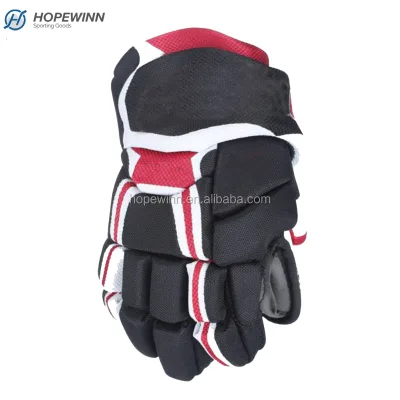
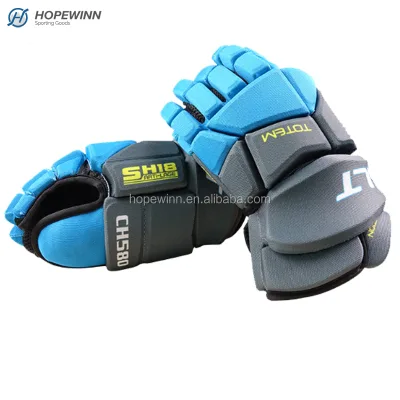
Yes, many suppliers offer custom logo and color options. Buyers can select from various colors like black, red, and blue, or request custom designs. Customization is widely available, allowing brands to align the gloves with their specific team or corporate identity requirements for professional or recreational use.
What is the typical lead time for production?
Lead times depend on the supplier and order specifics. Some manufacturers indicate a production lead time of 15 days, while sample times may take 30-45 days. Buyers should confirm delivery schedules with suppliers to ensure timely receipt of goods, especially for urgent tournament or team equipment needs.