Vintage Painter Style Beret Suppliers and Manufacturers in China
Compare 27 verified suppliers offering Vintage Painter Style Beret with details on location, lead times, and certifications. Review product attributes like material and response times to select a partner, then request samples for quality verification; review the available evidence before requesting comparable quotations from suitable candidates.
Updated
Suppliers List
- Trading Company
- Zhejiang, China
- Lead time30 days
- Avg. response≤ 5h
Main productshat,scarf,glove,neck warmer,ear cap
Main marketsSouth America(22.00%), Western Europe(20.00%), Domestic Market(15.00%), North America(11.00%), Eastern Asia(10.00%), Eastern Europe(8.00%), Mid East(7.00%), Central America(7.00%)

- Verified by TUVRHEINLAND
- Trading Company,Manufacturer/Factory
- China Chongqing
- Lead time38 days
- Avg. response≤ 5h
Main productsBaseball Cap, Beanie Hat, Trucker Hat, Bucket Hat, Snapback Hat, Scarf, Gloves, Apron, Sock, T Shirt&Polo Shirt
Main marketsSouth America,Eastern Europe,Mid East,North America,Southeast Asia,Eastern Asia,Oceania,Western Europe,Africa

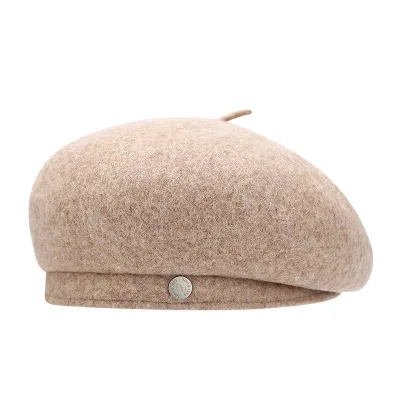
Custom French Styling Women Simple Fashion Warm Knit Beret Retro Painter Beret
$1.50 - $4.00
MOQ: 100 Pieces

Lady Spring Winter Berets Hat Painter Style Hat Women Wool Vintage Beret
$1.00 - $4.00
MOQ: 100 Pieces


Custom Winter Women Wool Beret Wholesale Fashion French Artist Painter Beret Hat
$1.50 - $4.00
MOQ: 100 Pieces
Jiangsu Jinzhifeng Knitting Co., Ltd.
- Verified by Intertek
- Manufacturer, Trading Company
- Lead time30 days
- Avg. response≤ 5h
Main productsHat, Scarf, Gloves
Main marketsNorth America(30%), Western Europe(30%), Eastern Europe(30%)
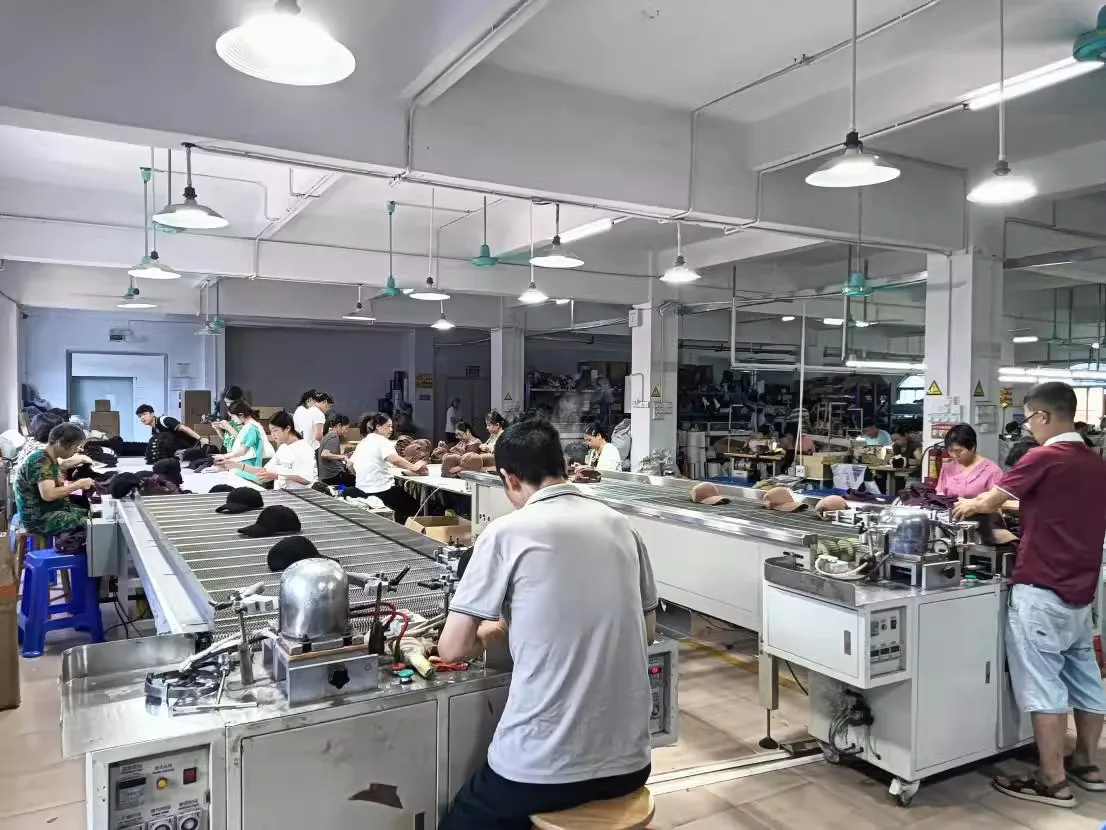
Ningbo Feinade Electrical Appliance Co., Ltd.
- Manufacturer, Trading Company
- Zhejiang, China
- Lead time30 days
- Avg. response≤ 2h
Main productsBaseball caps,Beanies,Straw hats,Backpacks,Shoulder bags
Main marketsEastern Europe(40.00%), North America(30.00%), Domestic Market(10.00%), Southeast Asia(4.00%), Southern Europe(3.00%), Eastern Asia(3.00%), Northern Europe(2.00%), Mid East(2.00%), South America(1.00%), South Asia(1.00%), Oceania(1.00%), Africa(1.00%), Central America(1.00%), Western Europe(1.00%)

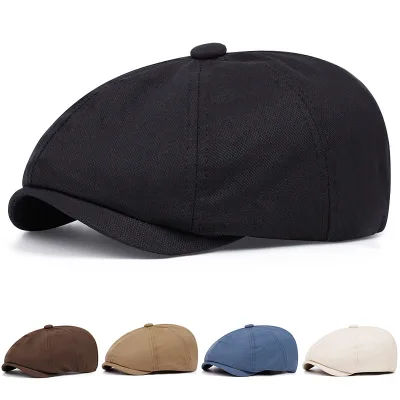
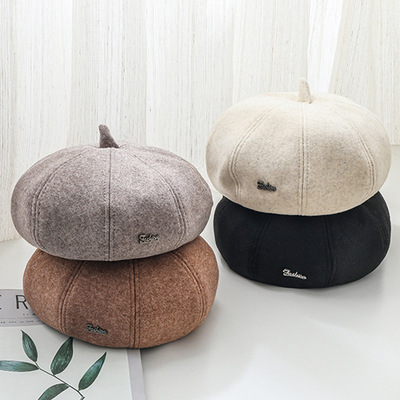
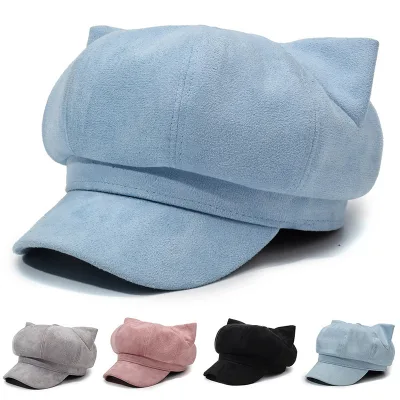
Vintage Beret Octagonal Hat Spring/Summer Beret Painter's Hat Duck Tongue Hat
$2.92 - $3.16
MOQ: 10 pieces
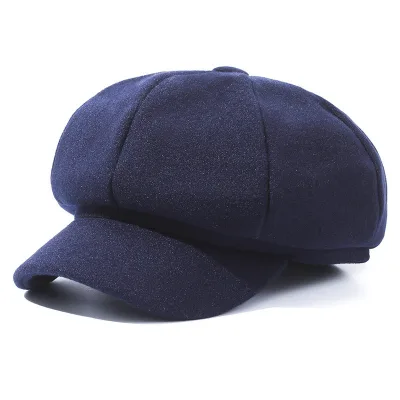
Beret Woolen Octagonal Hat Fashion Retro Beret Simple Painter Hat Autumn and Winter Hat
$1.7583 - $1.8618
MOQ: 10 pieces

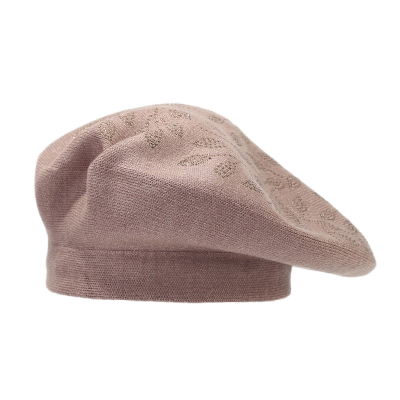
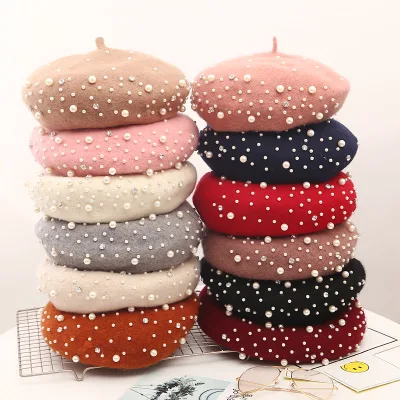
New Hot Diamond Knitted Beret Literary Retro Autumn and Winter Solid Color Fashion Beret
$2.50 - $3.00
MOQ: 10 pieces
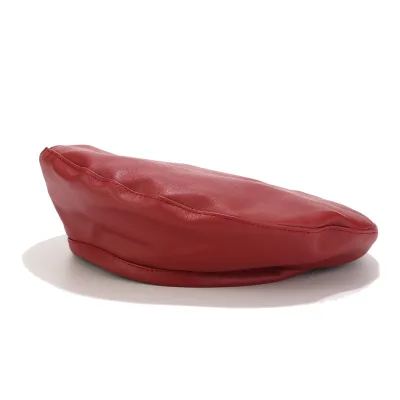

Nanjing Kango Outdoor Products Co., Ltd.
- Verified by TUVRHEINLAND
- Trading Company
- China Jiangsu
- Lead time30 days
- Avg. response≤ 6h
Main productsTactical Uniform, Tactical Vest, Sleeping Bag, Anti Roit Item, Tactical Boots, Tactical Backpack, Tactical Raincoat, Woobie Hoodie, Poncho Liner
Main marketsSouth America,Africa,Others(foreignTradeCapacity.exportBusinessCapacityMarketOther),Southeast Asia/ Mideast,East Asia(Japan/ South Korea),Europe,Australia,North America
Yiwu Bangwai E-Commerce Co., Ltd.
- Verified by TüVRheinland
- Trading Company
- Lead time10 days
- Avg. response≤ 4h
Main productsBaseball Cap, Straw Hat, Bucket Hat, Beanie, Fedora Hat
Main marketsNorth America(74%), Oceania(8%), Eastern Europe(5%)

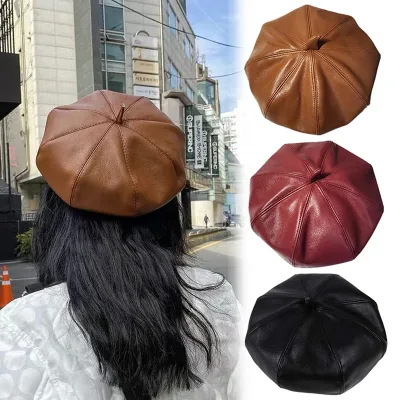
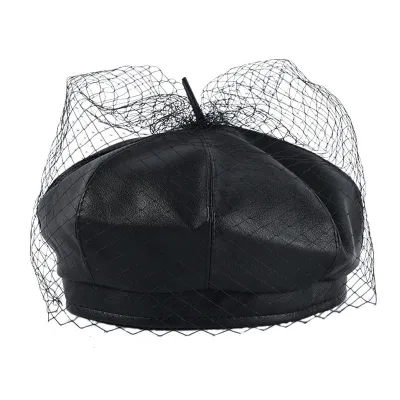
Fashion PU Leather Beret Ladies Vintage Newsboy Cap Leisure Painter Leather Beret for Women
$2.4838 - $3.3113
MOQ: 5 pieces
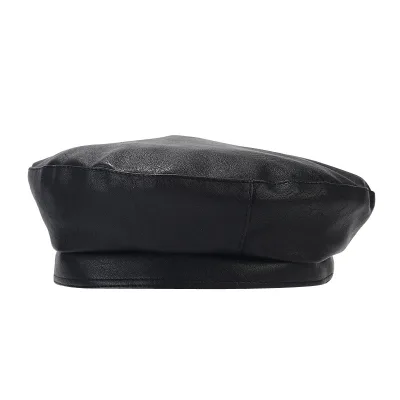
Pu Leather Beret Women's Vintage Painter's Hat Solid Color All-match Casual Flat-top Hat
$2.5873 - $3.2079
MOQ: 10 pieces
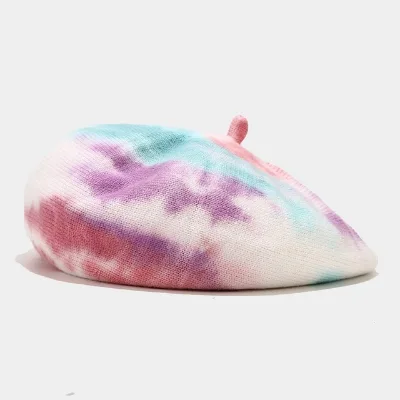
Baoding Sean Import And Export Trade Co., Ltd.
- Verified by TüVRheinland
- Manufacturer, Trading Company
- Lead time45 days
- Avg. response≤ 2h
Main productsHats & Cap, T-shirt, Hoodies, Handbags, Gloves
Main marketsNorth America(63%), Eastern Europe(8%), Oceania(8%)
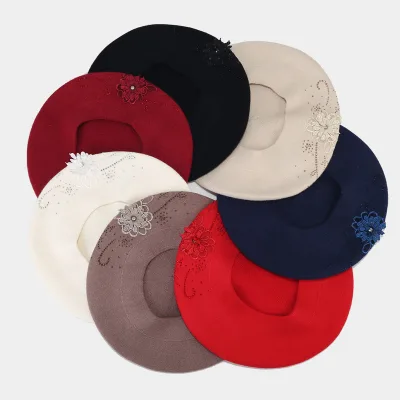
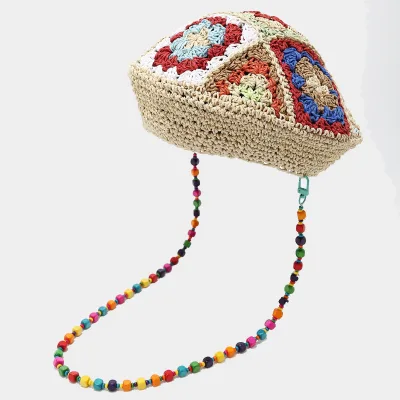
$8.231 - $9.1469
MOQ: 10 pieces

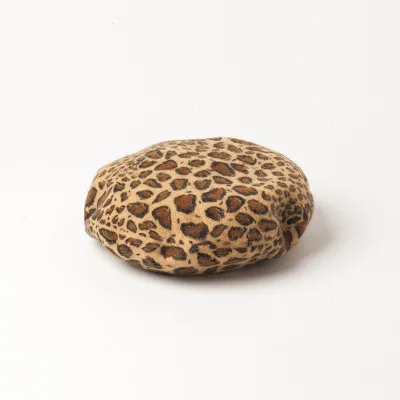
Autumn Winter New Leopard Print Beret Painters Fashion Warm Wool Beret
$5.2885 - $7.2027
MOQ: 20 pieces
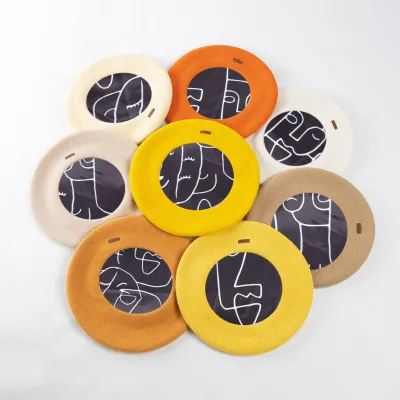
$4.22 - $4.99
MOQ: 20 pieces
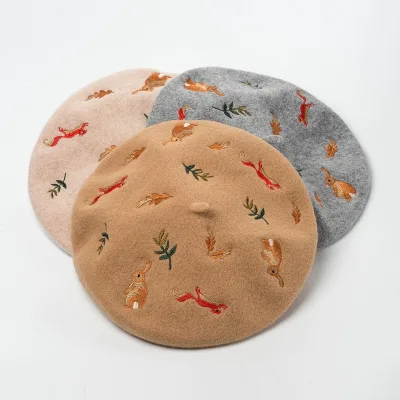

Hebei Jianran Trading Co., Ltd.
- Trading Company
- Hebei, China
- Lead time10 days
- Avg. response≤ 4h
Main productsmotorcycle tire,bicycle tire,motorcycle tube,inter tube
Main marketsNorth America(50.00%), South America(23.00%), Southeast Asia(10.00%), Southern Europe(2.00%), South Asia(2.00%), Northern Europe(2.00%), Central America(2.00%), Western Europe(2.00%), Mid East(2.00%), Africa(2.00%), Eastern Europe(2.00%), Eastern Asia(1.00%)
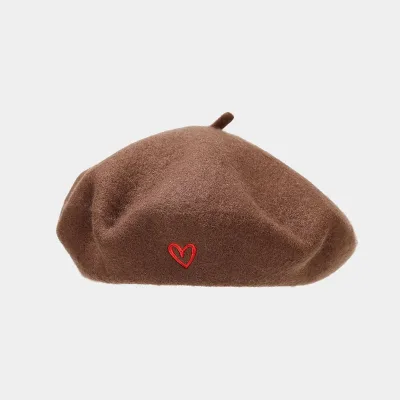
Wholesale Classic Wool Beret Hats Painter Hat French Beret for Man Woman Warm Winter
$2.14 - $3.14
MOQ: 100 pieces
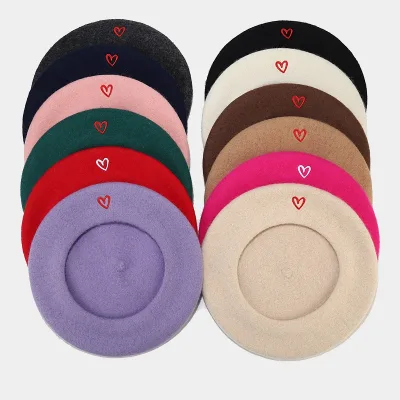

Wuhan TACEAG Garment Co., Ltd.
- Verified by SGS
- Trading Company,Manufacturer/Factory
- China Hubei
- Lead time23 days
- Avg. response≤ 10h
Main productsUniform, Jacket, Shirt, Pants, Shorts, Boots, Gloves, Hat, Belt, Shoes
Main marketsSouth America,Eastern Europe,Mid East,North America,Southeast Asia,Eastern Asia,Oceania,Western Europe,Africa

Wool Beret Hat Custom Solid Color Classic Beret for Fashion & Outdoor Use
$3.30 - $4.30
MOQ: 100 Pieces

Factory Direct Sale Autumn and Winter Wool Berets Green Woolen Berets Customization
$3.20 - $4.80
MOQ: 200 Pieces

Henan Xiaokangning Import And Export Co., Ltd.
- Trading Company
- Henan, China
- Lead time7 days
- Avg. response≤ 3h
Main productsSexy lingerie,sexy sleepwear,women underwear/panty,Women's clothing,Men's clothing
Main marketsNorth America(23.00%), South America(21.00%), Eastern Europe(11.00%), Southeast Asia(10.00%), Africa(6.00%), Oceania(5.00%), Domestic Market(3.00%), South Asia(3.00%), Southern Europe(3.00%), Northern Europe(3.00%), Central America(3.00%), Western Europe(3.00%), Eastern Asia(3.00%), Mid East(3.00%)

Guangdong RongGuang Clothing Co.,Ltd
- Combined
- China Guangdong
- Lead time15 days
- Avg. response≤ 10h
Main productsBaseball Cap, Bucket Hat, Golf Cap, Fisherman Hat, Empty Hat, Wash Cap, Kids Hat, Trucker Hat, Snapback Cap, Camo Hat
Main marketsSouth America,Domestic,Europe
Shenzhen Gh Caps & Hats Industrial Co., Ltd.
- Manufacturer, Trading Company
- Guangdong, China
- Lead time15 days
- Avg. response≤ 7h
Main productsBaseball Cap,Bucket Hat,Visor Cap,Led Cap,Trucker Cap
Main marketsEastern Europe(30.00%), North America(25.00%), Africa(21.00%), Western Europe(10.00%), South America(5.00%), Domestic Market(1.00%), South Asia(1.00%), Southern Europe(1.00%), Northern Europe(1.00%), Central America(1.00%), Southeast Asia(1.00%), Eastern Asia(1.00%), Mid East(1.00%), Oceania(1.00%)

- Manufacturer, Trading Company
- Zhejiang, China
- Lead time15 days
- Avg. response≤ 2h
Main productsBaseball Cap, Trucker Hat, Beanie Hat, T Shirt, Hoodies
Main marketsNorth America(30.00%), South America(30.00%), Eastern Europe(10.00%), Oceania(5.00%), Western Europe(5.00%), Africa(5.00%), Mid East(5.00%), Southeast Asia(5.00%), South Asia(1.00%), Eastern Asia(1.00%), Southern Europe(1.00%), Central America(1.00%), Northern Europe(1.00%)

Shanghai Claymore Industrial Co., Ltd.
- Trading Company,Manufacturer/Factory
- China Shanghai
- Lead time45 days
- Avg. response≤ 8h
Main productsMilitary Uniform, Body Armor, Combat Packs, Tent, Helmet, Camping, Knit Clothing, Boot, Belt, Military Caps
Main marketsSouth America,Eastern Europe,Mid East,North America,Southeast Asia,Eastern Asia,Oceania,Western Europe,Africa

Jingjiang Dengtu Outdoor Equipment Co., Ltd
- Verified by SGS
- Trading Company
- China Jiangsu
- Lead time15 days
- Avg. response≤ 4h
Main productsSelf Defense Equipment, Outdoor Products, Tactical Equipment, Metal Tool, Flashlight, Detector, Sport Equipment, Keychain Kit Crafts, Security Equipment, Traffic Equipment
Main marketsEurope,North America

Lightweight Casual Style Warm French Beret Hat Solid Color Classic Wool Beret
$2.00 - $3.00
MOQ: 100 Pieces

Wholesale 100% Wool Beret Lightweight Embroidered Beret for Men Outdoor Combat
$2.00 - $3.00
MOQ: 100 Pieces

China Xinxing Shanghai Import and Export Co., Ltd.
- Verified by TUVRHEINLAND
- Trading Company
- China Shanghai
- Lead time15 days
- Avg. response≤ 6h
Main productsAnti-Riot Suit
Main marketsSouth America,Africa,Southeast Asia/ Mideast,Europe
- Verified by TüVRheinland
- Manufacturer, Trading Company
- Lead time30 days
- Avg. response≤ 4h
Main productsBeret, Beaine, Bucket Hat, Baseball Cap, Straw Hat
Main marketsNorth America(42%), Western Europe(20%), Oceania(10%)
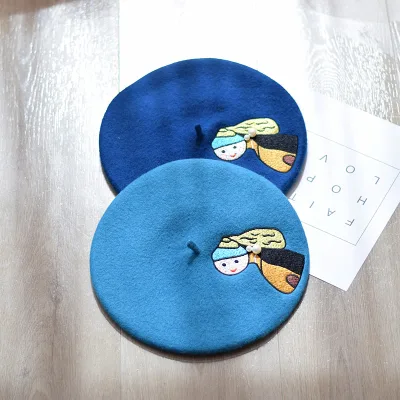
$3.0804 - $3.5946
MOQ: 10 pieces
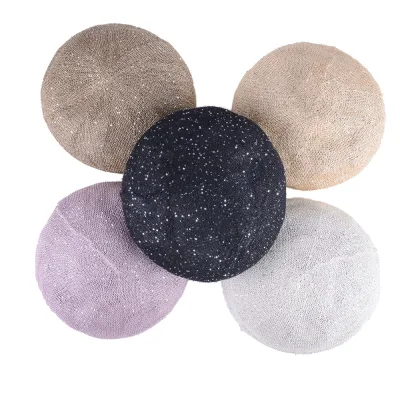
$2.259 - $3.07
MOQ: 50 pieces

Yuemai Outdoor & Camping Co., Ltd.
- Manufacturer/Factory
- China Jiangsu
- Lead time90 days
- Avg. response≤ 7h
Main productsTactical Vest, Body Armor Vest, Military Backpack, Tactical Clothing, Police Equipment, Outdoor, Tactical Gears, Army Rainwears, Airsoft and Paintball Articles, Army Uniforms
Main marketsEastern Europe,Mid East,North America,Southeast Asia,Western Europe,Africa


Wholesale High Quality Outdoor Training Wool Men's Solid Color Beret Hat
$3.16 - $3.89
MOQ: 200 Pieces

Jinjiang Jiaxing Import & Export Trade Co., Ltd.
- Trading Company
- Fujian, China
- Lead time25 days
- Avg. response≤ 6h
Main productsgift products
Main marketsWestern Europe(50.00%), North America(30.00%), Northern Europe(10.00%), South America(10.00%)

Capwindow International Co., Ltd.
- Verified by BV
- Combined
- China Guangdong
- Lead time30 days
- Avg. response≤ 2h
Main productsBaseball Cap, Snapback Hat, Promotion Cap, Cotton Cap, Sports Cap, Trucker Cap, Wrist Band, Bucket Hat, Promotional Gifts, Clothing Accessories
Main marketsSouth America

Wholesale Classic Breathable Berets Caps Casual Unisex Cotton Painter Cap
$1.40 - $3.68
MOQ: 50 Pieces


Henan Huaxin Import & Export Trade Co., Ltd.
- Verified by SGS Group
- Trading Company
- Lead time6 days
- Avg. response≤ 7h
Main productsTowels, Bed Sheets, Key Chain, Plastic Bottles, Bucket Hats
Main marketsSoutheast Asia(50%), Western Europe(15%), North America(10%)
Jiangyin Shunfeng Clothes Co., Ltd.
- Manufacturer, Trading Company
- Jiangsu, China
- Lead time0 days
- Avg. response≤ 11h
Main productsHats & Caps
Main marketsDomestic Market(100.00%)

Hangzhou Ruihao Material Co., Ltd.
- Trading Company
- Zhejiang, China
- Lead time30 days
- Avg. response≤ 2h
Main productsHat & Caps,Clothes,Garment,kids clothes & toys
Main marketsNorth America(19.80%), Southeast Asia(11.60%), Central America(9.80%), Western Europe(9.80%), Africa(8.50%), Southern Europe(7.50%), Eastern Europe(6.20%), Northern Europe(5.80%), Oceania(5.20%), South America(4.90%), Eastern Asia(4.50%), Mid East(4.20%), South Asia(2.20%)
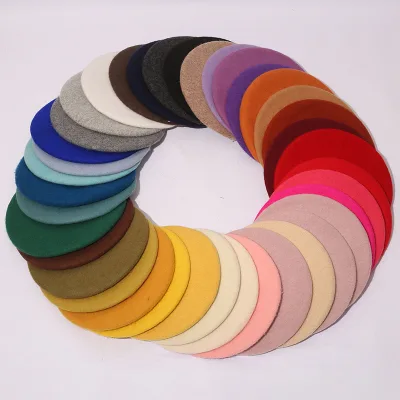
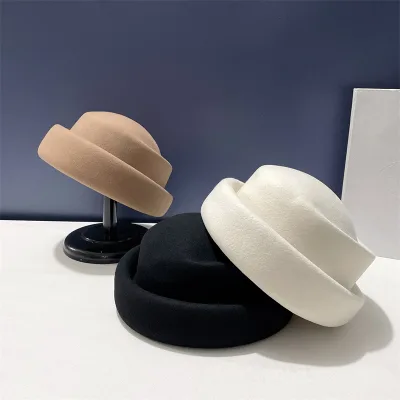
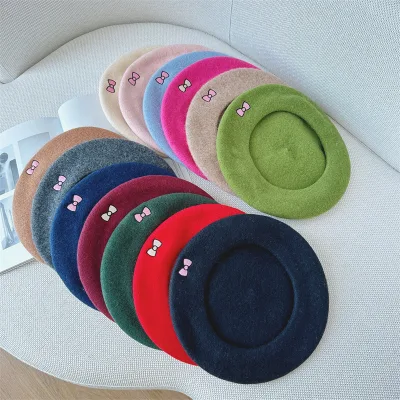
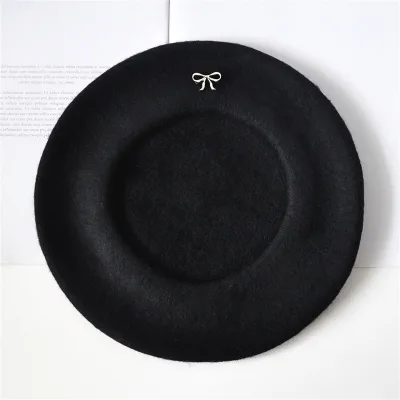
Embroidered Bow Wool Beret Cute Painter Caps Custom Logo Flat Woolen Berets for Women
$2.9785 - $3.2858
MOQ: 10 pieces
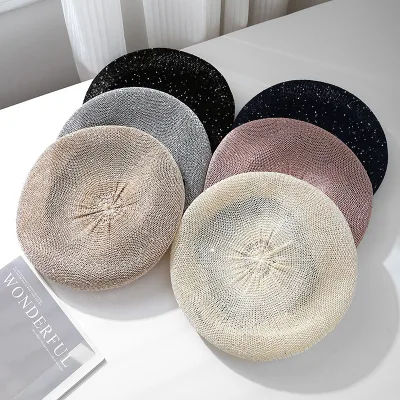
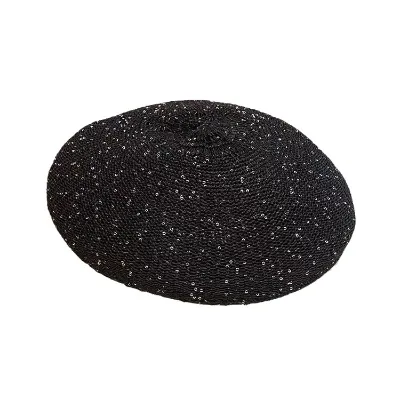
Wholesale Sweet Versatile Retro Fashion Artist Hat Bow Decoration Plain Wool Beret for Women
$2.50 - $2.80
MOQ: 10 pieces

Ningbo Yinzhou Tianjie Industrial Co., Ltd.
- Combined
- China Zhejiang
- Lead time23 days
- Avg. response≤ 9h
Main productsBeanie Hat, Bucket Hat, Baseball Hat, Festival Hat, Beret Hat, Sun Hat, Children Hat
Main marketsSouth America,Africa,Southeast Asia/ Mideast,East Asia(Japan/ South Korea),Domestic,Europe,Australia,North America

Guangzhou Ouzun Clothing Co., Ltd.
- Verified by CTI
- Combined
- China Guangdong
- Lead time23 days
- Avg. response≤ 2h
Main productsUniforms, Pants, Suits&Blazer, T Shirt, Polo Shirt, Sportswear, Jacket, Hoodies&Sweatshirts
Main marketsDomestic

Men's Tactical Beret with Unit Patch Loop and Wool Blend Construction Beret
$1.99 - $3.99
MOQ: 100 Pieces

2026 New Arrival French Classic Wool Beret with Soft Comfortable Fit for Women and Men Beret
$1.99 - $3.99
MOQ: 100 Pieces

Women's Chunky Knitted Beret with Cable Pattern and Soft Acrylic Blend Knitted Beret
$1.99 - $3.99
MOQ: 100 Pieces

Unisex Casual Cotton Beret with Adjustable Inner Drawstring and Breathable Fabric Beret Cap
$1.99 - $3.99
MOQ: 100 Pieces


FUZHOU SHOO-IN IMP & EXP CO., LTD.
- Verified by SGS
- Trading Company
- China Fujian
- Lead time15 days
- Avg. response≤ 6h
Main productsSports Wear, Promotional Gift, Lanyards, Badges, Caps, Sports Training Products, Sports Balls, Tennis Accessories, Golf Accessories, Pet Products
Main marketsEast Asia(Japan/ South Korea),North America

Custom Embroidered Logo Patch Beret for Men Tactical Wool Training Beret
$3.56 - $4.86
MOQ: 1000 Pieces

Custom Designer Wool Autumn Warm Plain French Painter Beret Hat for Women
$1.30 - $1.88
MOQ: 300 Pieces


- Verified by SGS
- Trading Company
- China Zhejiang
- Lead time45 days
- Avg. response≤ 18h
Main productsSports Cap, Shawl, Bucket Hat, Knitted Hat, Gloves, Baseball Cap, Jewelry, Blanket, Garment, Bag
Main marketsEurope





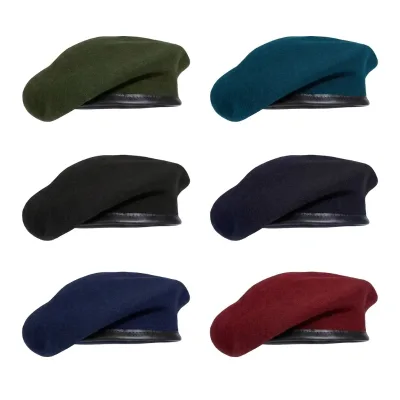
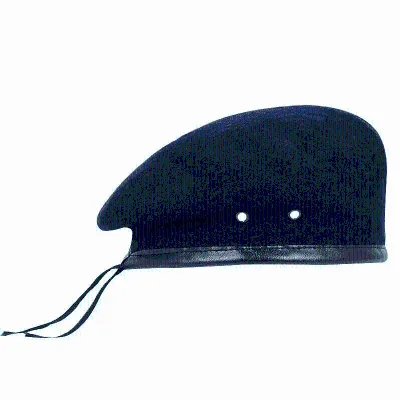
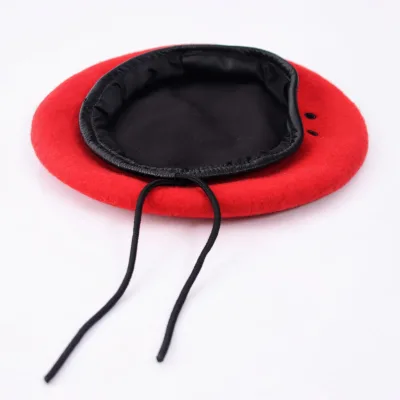
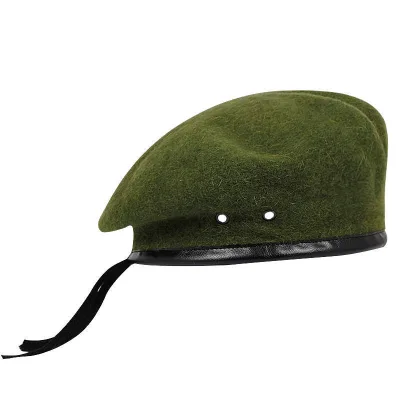


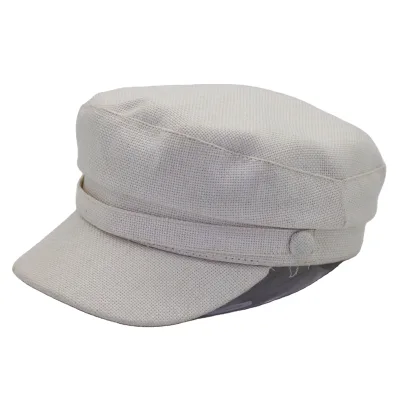
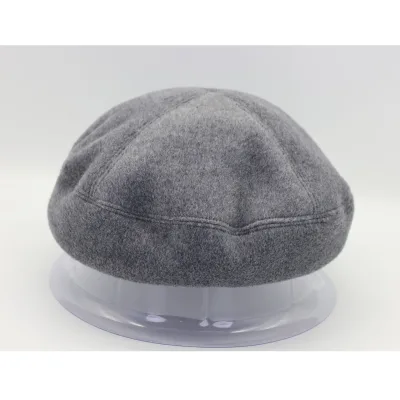


Comprehensive Sourcing Guide
Vintage Painter Style Beret Supplier Concentration and Factory Types
When evaluating the supply chain for vintage painter style berets, buyers must first understand the geographic and structural landscape of available manufacturers. Current data indicates that a significant portion of these suppliers are concentrated in Zhejiang, China, a region known for its robust textile and apparel manufacturing infrastructure. This concentration suggests that sourcing from this area may offer logistical advantages due to established supply chains for raw materials like polyester and wool blends. However, it is crucial to note that not all suppliers are located in this specific province; some results also point to operations in Chongqing, China, which may present different logistical considerations for international buyers. The presence of suppliers in multiple regions implies that buyers should not assume a single manufacturing hub dominates the entire market for this specific headwear category. Instead, the geographic distribution highlights the need for buyers to verify the actual production location of their specific order, as shipping costs and lead times can vary significantly between Zhejiang and other manufacturing centers in China.
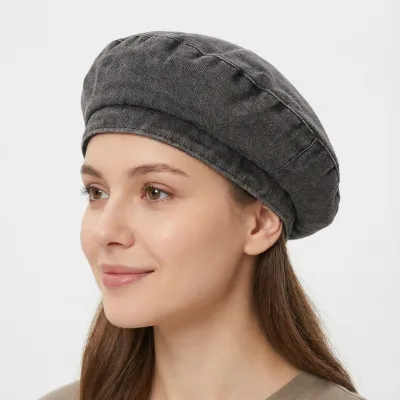
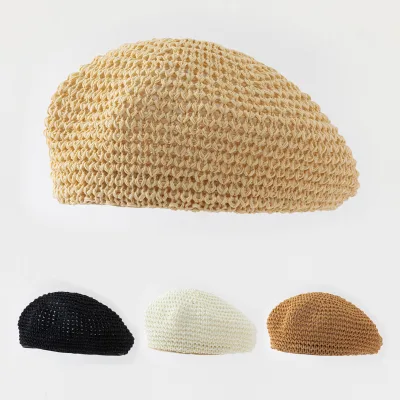
The structural composition of these suppliers varies, with many identifying as trading companies rather than direct manufacturers. This distinction is critical for buyers who require direct communication with production teams or specific quality control protocols. Trading companies often act as intermediaries, aggregating products from various factories to offer a wider range of styles, such as retro denim berets or straw woven options, under a single point of contact. While this can simplify the sourcing process for buyers looking for diverse inventory, it may introduce additional layers of communication and potential markup. Conversely, some suppliers in the results list themselves as both trading companies and manufacturers, or as factories with OEM and ODM capabilities. This dual identity suggests that some entities have in-house production facilities while also managing external supply chains. Buyers should carefully review the company type declarations to determine if they are dealing with a direct factory that can offer more flexibility in customization or a trading company that provides broader product variety but potentially less direct control over the manufacturing process.
How to Verify Vintage Painter Style Beret Suppliers
Verification is a critical step in mitigating risk when sourcing vintage painter style berets, particularly given the mix of trading companies and manufacturers in the current supplier pool. Buyers should prioritize suppliers that display third-party verification badges, such as those from TÜV Rheinland, which indicate that an independent auditor has assessed the supplier’s business legitimacy and operational capabilities. This verification provides a layer of confidence that the supplier is a real, operating entity rather than a shell company. Additionally, checking for system certifications like BSCI and ISO 9001 is essential, as these standards reflect the supplier’s commitment to ethical labor practices and quality management systems. BSCI certification, in particular, is important for buyers who need to ensure their supply chain complies with social responsibility standards, while ISO 9001 indicates a structured approach to quality control. These certifications are not universal among all suppliers, so buyers must actively filter for those who display these credentials to ensure a baseline level of reliability and compliance in their sourcing partners.
Beyond certifications, buyers should assess the supplier’s responsiveness and communication efficiency, as these factors often correlate with operational maturity. Data shows that response times can vary, with some suppliers responding within five days and others within a shorter window of approximately four and a half days. A faster response time may indicate a more agile team that is better equipped to handle urgent inquiries or complex customization requests. Buyers should also look for suppliers that offer detailed product confirmation processes, such as taking photos at each step of production for buyer approval. This level of transparency is a strong indicator of a supplier’s willingness to engage in a collaborative manufacturing process. Furthermore, verifying the supplier’s ability to provide needle detection services is crucial for safety compliance, especially for products intended for adult and child markets. Buyers should explicitly ask for evidence of these quality control measures and ensure that the supplier’s verification status is current and valid before committing to any large orders.
What to Compare Across Vintage Painter Style Beret Suppliers
When comparing suppliers, buyers should focus on key operational metrics such as lead times, minimum order quantities (MOQs), and pricing structures to determine the best fit for their business needs. Lead times for vintage painter style berets can vary significantly, with some suppliers offering a turnaround of thirty days and others requiring up to thirty-eight days. This difference can impact inventory planning and time-to-market, so buyers with tight deadlines should prioritize suppliers with shorter lead times or those who explicitly guarantee faster production cycles. Similarly, MOQs are a critical factor, with some suppliers requiring a minimum order of one hundred pieces, which may be suitable for small businesses or test orders. Buyers should compare these thresholds against their sales volume projections to avoid overstocking or underutilizing production capacity. Pricing is another vital comparison point, with costs ranging from approximately $1.00 to $4.00 per unit depending on the material and customization level. Buyers should analyze these price ranges in the context of the product’s quality and features to ensure they are getting value for money.
In addition to operational metrics, buyers should compare the specific product attributes and customization options offered by each supplier. The Vintage Painter Style Beret market includes a variety of materials, such as polyester, wool blends, and straw, each with different price points and seasonal applicability. Buyers should assess whether the supplier offers the specific material they require, such as a wool blend for winter warmth or a straw weave for summer use. Customization options, including logo embroidery, carton design, and color variations, are also key differentiators. Some suppliers welcome OEM and ODM requests, allowing for unique branding and packaging, while others may offer limited customization. Buyers should also compare the product specifications, such as head circumference, weight, and package dimensions, to ensure they align with their target market’s preferences and logistical requirements. By systematically comparing these attributes, buyers can identify suppliers that not only meet their price and volume needs but also offer the product quality and flexibility required for their brand.
Common Vintage Painter Style Beret Sourcing Risks
One of the primary risks in sourcing vintage painter style berets is the potential discrepancy between the advertised product specifications and the actual delivered goods. Suppliers may list products with attributes such as "warm and soft" feel or "best quality," but these subjective claims can vary widely in reality. Buyers must be cautious of suppliers who do not provide detailed material compositions or quality assurance processes. For instance, a beret advertised as "100% wool" may actually contain a significant polyester blend, affecting its durability and price. To mitigate this risk, buyers should request physical samples before placing bulk orders and verify the material composition through independent testing if necessary. Additionally, buyers should be wary of suppliers who do not offer clear confirmation processes, such as photo approvals at each production step. Without this transparency, buyers may receive products that do not match their expectations in terms of color, stitching, or overall finish.
Another significant risk is the variability in supplier reliability and communication. Trading companies, in particular, may face challenges in coordinating with multiple factories, leading to delays or quality inconsistencies. Buyers should assess the supplier’s track record and responsiveness to identify potential red flags. A slow response time or vague answers to specific questions about production capabilities may indicate a lack of control over the manufacturing process. Furthermore, buyers should be cautious of suppliers who do not display clear certifications or verification badges, as this may suggest a lack of adherence to industry standards. The risk of non-compliance with safety standards, such as needle detection, is also a concern, especially for products intended for sensitive markets. Buyers should explicitly require evidence of these safety measures and ensure that the supplier has a robust quality control system in place. By proactively identifying and addressing these risks, buyers can protect their business from potential losses and reputational damage.
Vintage Painter Style Beret Regional Sourcing and Logistics
The geographic location of suppliers plays a crucial role in determining logistics costs and delivery times for vintage painter style berets. Suppliers located in Zhejiang, China, benefit from a well-developed infrastructure for textile manufacturing and export, which can lead to more efficient shipping processes and potentially lower freight costs. This region is known for its concentration of factories and trading companies, making it a hub for apparel sourcing. However, buyers should also consider suppliers in other regions, such as Chongqing, which may offer different logistical advantages depending on the buyer’s location and shipping preferences. The distance between the supplier’s factory and the port of export can impact transit times, so buyers should request detailed shipping quotes that include all relevant fees. Additionally, buyers should be aware of any regional trade regulations or tariffs that may affect the import of apparel products from China. Understanding these logistical factors is essential for accurate cost estimation and inventory planning.
Logistics planning also involves considering the packaging and handling of the products. Vintage painter style berets are often packaged in OPP bags or cartons, with specific dimensions and weights that affect shipping efficiency. Buyers should compare the single package size and gross weight provided by different suppliers to determine the most cost-effective shipping method. For example, a supplier offering a compact package size of 28x25x3 cm may allow for more units per container, reducing the per-unit shipping cost. Buyers should also inquire about the supplier’s experience with international shipping and their ability to handle customs documentation. A supplier with a strong track record in export logistics can help streamline the import process and reduce the risk of delays or additional fees. By carefully evaluating the logistical capabilities of each supplier, buyers can optimize their supply chain and ensure timely delivery of their vintage painter style berets to the end market.
Vintage Painter Style Beret Commercial Terms and Order Planning
Commercial terms and order planning are essential components of a successful sourcing strategy for vintage painter style berets. Buyers should clearly define their order quantities, payment terms, and delivery schedules before engaging with suppliers. Minimum order quantities, such as the one hundred pieces required by some suppliers, should be aligned with the buyer’s sales forecast to avoid excess inventory. Payment terms, including deposits and balance payments, should be negotiated to balance risk and cash flow. Buyers should also consider using secure payment methods, such as escrow services, to protect their funds until the goods are received and verified. Additionally, buyers should establish clear communication channels with the supplier to ensure that any changes or issues are addressed promptly. This includes defining the process for sample approval, production updates, and final inspection. By planning these commercial terms in advance, buyers can minimize misunderstandings and ensure a smooth transaction.
Order planning also involves considering the seasonal nature of vintage painter style berets. Products designed for winter, such as wool blend berets, may have different production cycles and demand patterns compared to summer options like straw woven berets. Buyers should align their ordering schedule with these seasonal trends to ensure they have adequate stock when demand peaks. Lead times, which can range from thirty to thirty-eight days, should be factored into the planning process to avoid stockouts. Buyers should also consider the supplier’s capacity to handle rush orders or additional production runs if demand exceeds expectations. By integrating these commercial and logistical considerations into their order planning, buyers can optimize their inventory levels and maximize profitability. Regularly reviewing and adjusting these plans based on market feedback and supplier performance will help buyers maintain a competitive edge in the Vintage Painter Style Beret market.
FAQs
What is the price range for vintage painter style berets?
Prices typically range from $1.00 to $4.00 per unit depending on material and customization. Basic polyester or straw woven options start around $1.50, while wool blend or custom embroidered styles may cost up to $4.00. Bulk orders often secure lower rates within this bracket.
What materials are used for these berets?
Common materials include polyester, straw woven fabric, and wool blends. Some options feature canvas or cotton for specific seasonal needs. Buyers can choose based on desired warmth, durability, and aesthetic, with many suppliers offering both plain and textured fabric choices for different styles.
Do suppliers offer OEM and ODM services?
Yes, many suppliers welcome OEM and ODM customization requests. Buyers can request custom logos, carton designs, and specific color options. Services often include photo confirmation at each production step to ensure the final product matches the agreed specifications and quality standards.
What is the typical lead time for orders?
Lead times generally range from 30 to 38 days after order confirmation. This duration allows for material sourcing, production, and quality checks. Buyers should plan their inventory accordingly, as custom designs or complex embroidery may require the full production window to complete.
What is the minimum order quantity (MOQ)?
The minimum order quantity is typically 100 pieces per style. This standard applies to most custom and wholesale listings. Buyers seeking smaller quantities may need to check for sample availability or negotiate with specific suppliers who might have flexible terms for trial orders.
Where are these berets manufactured?
Manufacturing locations are primarily in Zhejiang and Chongqing, China. These regions are known for their textile and apparel production capabilities. Buyers can verify specific factory locations during the inquiry process to ensure alignment with their supply chain preferences and logistics requirements.
Are certifications available for these products?
Some suppliers hold BSCI and ISO 9001 certifications, indicating adherence to quality and social responsibility standards. Verification by TÜV Rheinland is also available for certain manufacturers. Buyers should request current certification documents to ensure compliance with their specific market regulations.