Waterproof Artificial Wicker Fence Suppliers and Manufacturers
Explore 29 verified options for Waterproof Artificial Wicker Fence from factories in Hebei and Guangdong. Compare response times, lead times, and product dimensions like 100x200cm or 1*3m before requesting quotes; review the available evidence before requesting comparable quotations from suitable candidates.
Updated
Suppliers List
Hebei Jinjiacheng Construction Technology Co., Ltd.
- Manufacturer
- Hebei, China
- Lead time30 days
- Avg. response≤ 2h
Main productsArtificial Thatch,Artificial Roof Tile,Artificial Tree Bark Bark,PVC Floor,Artificial Bamboo Pole
Main marketsEastern Europe(32.00%), Western Europe(24.00%), North America(11.00%), Oceania(10.00%), Southeast Asia(10.00%), South America(8.00%), Africa(5.00%)
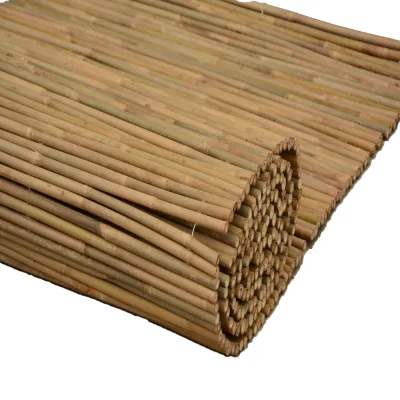
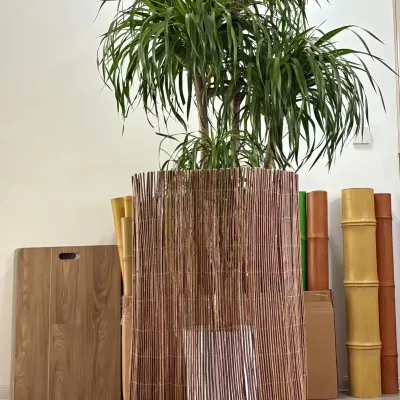
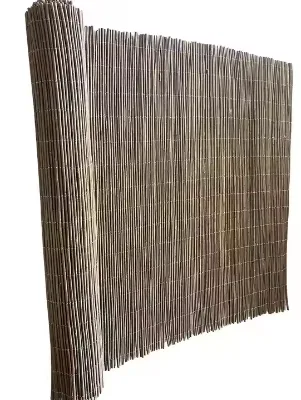
China Willow Branch Fence Panels Latest Version Garden Wicker Privacy Fence
$1.20 - $3.50
MOQ: 100 pieces
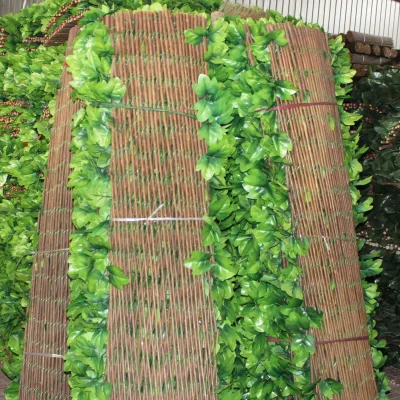
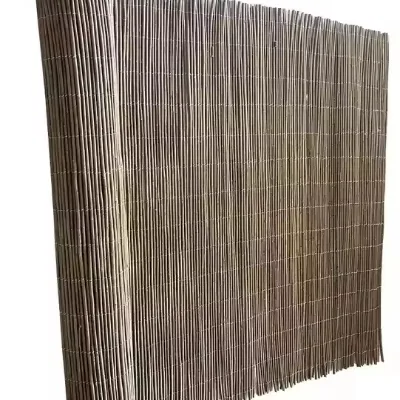

Linyi Brill Vista New Materials Co., Ltd.
- Verified by SGS
- Manufacturer/Factory
- China Shandong
- Lead time15 days
- Avg. response≤ 4h
Main productsWPC Wall Panel, Wall Panel
Main marketsSouth America,Eastern Europe,Mid East,North America,Southeast Asia,Eastern Asia,Oceania,Western Europe,Africa

WUXI SUNGRASS SPORTS CO., LTD.
- Verified by TUVRHEINLAND
- Trading Company,Manufacturer/Factory
- China Jiangsu
- Lead time23 days
- Avg. response≤ 12h
Main productsSynthetic Turf, Synthetic Grass, Artificial Turf, Artificial Grass, Landscape Artificial Grass, Sports Artificial Grass, Football Grass, Football Turf, Football Lawn, Sport Turf
Main marketsSouth America,Eastern Europe,Mid East,North America,Southeast Asia,Eastern Asia,Oceania,Western Europe,Africa

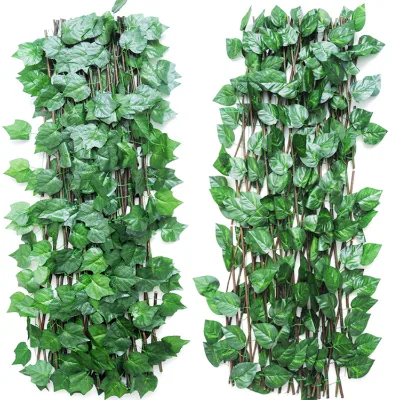
Popular Artificial Hedge Artificial Fence Extendable Screening Plastic Leaf Real Wicker
$8.00 - $11.00
MOQ: 1000 Pieces

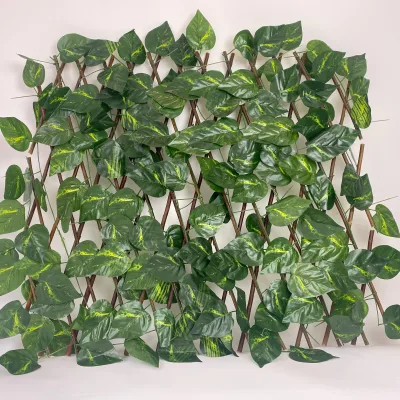
Garden Decoration Fence Mae of Nature Wicker with Forever Green Artificial
$12.89 - $16.89
MOQ: 500 Pieces

Anhui Avid New Materials Co., Ltd.
- Verified by SGS
- Combined
- China Anhui
- Lead time23 days
- Avg. response≤ 3h
Main productsWPC, Wood Plastic Composite, WPC Decking, Composite Decking, WPC Fence, WPC Wall Cladding, ASA Wall Cladding, ASA Decking, Aluminum-Plastic Tube/Wall Cladding/Decking
Main marketsSoutheast Asia/ Mideast,East Asia(Japan/ South Korea),Domestic,Europe,Australia,North America

Hebei Shenglun Commerce Co., Ltd.
- Verified by TUVRHEINLAND
- Trading Company
- China Hebei
- Lead time15 days
- Avg. response≤ 3h
Main productsArtificial Grass, Synthetic Grass, Artificial Turf, Artificial Lawn, Synthetic Turf, Grass, Carpet
Main marketsSouth America


$3.50 - $5.00
MOQ: 10 Square Meters

Outdoor Panels Grass Fence Artificial Plant Wall Artificial Iron Wire Grass Fence
$3.85 - $5.50
MOQ: 100 Square Meters

Factory Direct Sale Wire Fence with Grass Artificial Green Grass Wire Fence
$3.85 - $5.50
MOQ: 100 Square Meters

Manufacturer PVC Grass Fence Fake Plastic Artificial Grass Fence for Decoration
$3.95 - $5.50
MOQ: 100 Square Meters

Mass Production 1.6mm Artificial Wire Fence with Artificial Grass Fence
$4.00 - $5.00
MOQ: 200 Square Meters
Hebei Hepeng Import & Export Trade Co., Ltd
- Verified by TüVRheinland
- Manufacturer, Trading Company
- Lead time0 days
- Avg. response≤ 1h
Main productsPrivacy Fence, Fence, Artificial Grass, Artificial Plant, Wire Mesh Panel
Main marketsNorth America(20%), Oceania(15%), South America(10%)
Zhejiang Kaimeng New Material Co., Ltd.
- Verified by TUVRHEINLAND
- Trading Company
- China Zhejiang
- Lead time15 days
- Avg. response≤ 3h
Main marketsSoutheast Asia/ Mideast,Australia
Anhui Linyuanwai New Materials Co., Ltd.
- Verified by TüVRheinland
- Manufacturer, Trading Company
- Lead time0 days
- Avg. response≤ 4h
Main productsWPC Decking, WPC Fence, Wall Cladding, Hand Railing
Main marketsDomestic Market(56%), North America(13%), Eastern Europe(7%)

Anhui Guofeng Wood-Plastic Composite Co., Ltd.
- Verified by TUVRHEINLAND
- Combined
- China Anhui
- Lead time30 days
- Avg. response≤ 4h
Main productsWood Plastic Composite (WPC) Decking/Floor, Wood Plastic Composite (WPC) Fence, Wood Plastic Composite (WPC) Wall Cladding, Wood Plastic Composite (WPC) Decking Tile, Co-Extrusion WPC Profiles, Wood Plastic Composite (WPC) Others
Main marketsEurope

Shanghai Jinnuo Metal Products Co., Ltd.
- Verified by BV
- Manufacturer/Factory
- China Shanghai
- Lead time30 days
- Avg. response≤ 6h
Main productsStainless Steel Wire Mesh, Barbed Wire, Expanded Metal, Gabion, Galvanized Iron Wire, Stainless Steel Filter, Fence, Grating, Perforated Metal Mesh, Welded Wire Mesh
Main marketsSouth America,Eastern Europe,Mid East,North America,Southeast Asia,Eastern Asia,Oceania,Western Europe,Africa
- Trading Company
- Lead time旺季: , 淡季:
- Avg. response≤ 10h
Main productsGarden items,advertisement furniture,DIY HANDTOOL,AUTO ACCESSORIES,Household
Shanghai Forever Import And Export Co., Ltd.
- Trading Company
- Shanghai, China
- Lead time30 days
- Avg. response≤ 5h
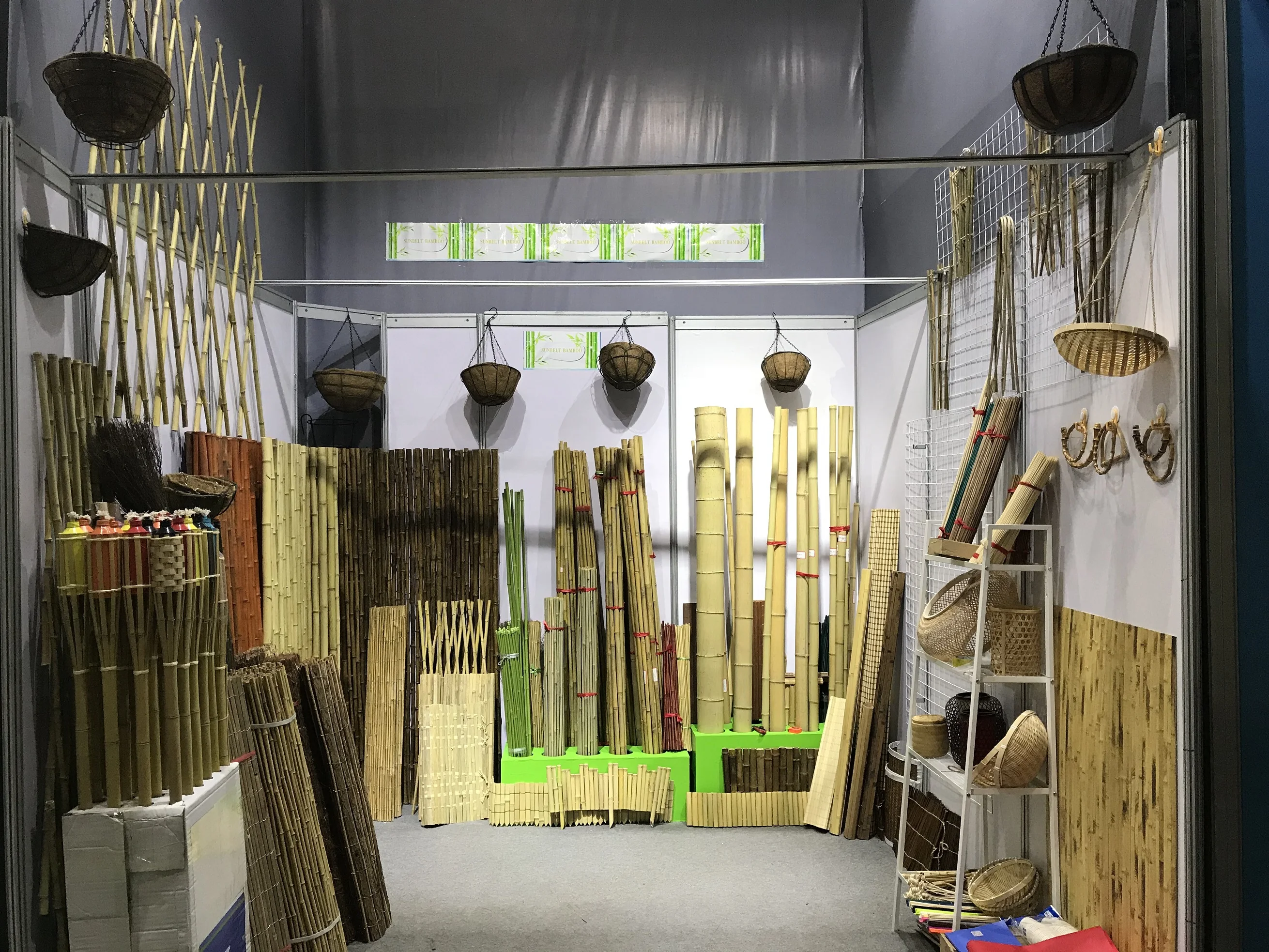
Main productsbamboo pole,bamboo fence,bamboo flower stick,bamboo needles,bamboo wallpaper
Main marketsNorth America(40.00%), Eastern Europe(10.00%), Western Europe(10.00%), South Asia(5.00%), Mid East(5.00%), South America(5.00%), Southern Europe(5.00%), Central America(5.00%), Oceania(4.00%), Africa(3.00%), Southeast Asia(3.00%), Eastern Asia(2.00%), Northern Europe(2.00%), Domestic Market(1.00%)
Renqiu Wanchen Simulation Lawn Co., Ltd.
- Manufacturer, Trading Company
- Hebei, China
- Lead time5 days
- Avg. response≤ 7h
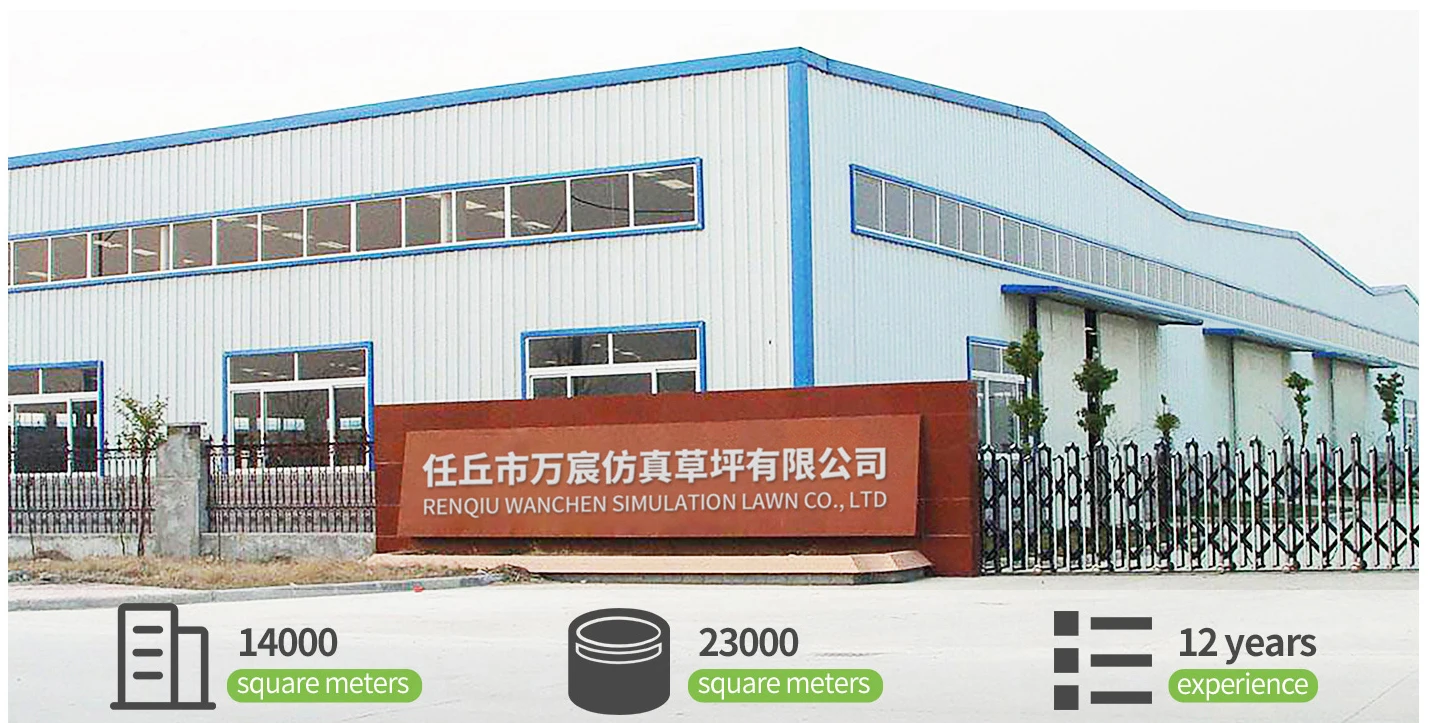
Main productsArtificial Grass, Simulated Plant, Simulated Fence, Simulated Flower
Main marketsWestern Europe(20.00%), Southeast Asia(20.00%), Domestic Market(15.00%), Eastern Europe(10.00%), Mid East(5.00%)
Anhui Funuote New Materials Technology Co., Ltd.
- Verified by Intertek
- Manufacturer, Trading Company
- Lead time25 days
- Avg. response≤ 2h
Main productsWPC Decking, WPC Fence, WPC Cladding
Main marketsSoutheast Asia(40%), Mid East(30%), Western Europe(30%)
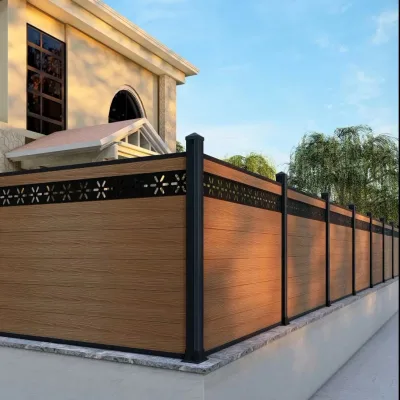
$54.5676 - $71.0412
MOQ: 100 sets
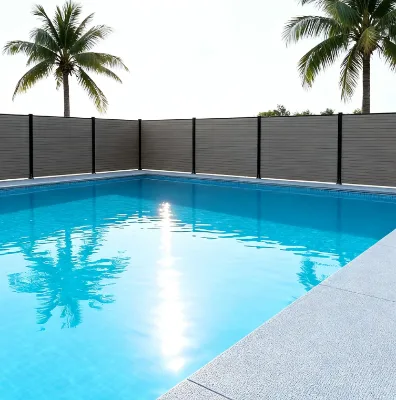
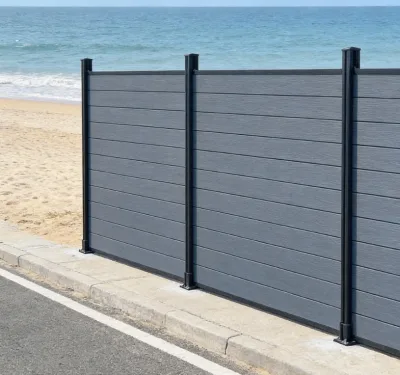
$2.0568 - $5.1411
MOQ: 100 meters
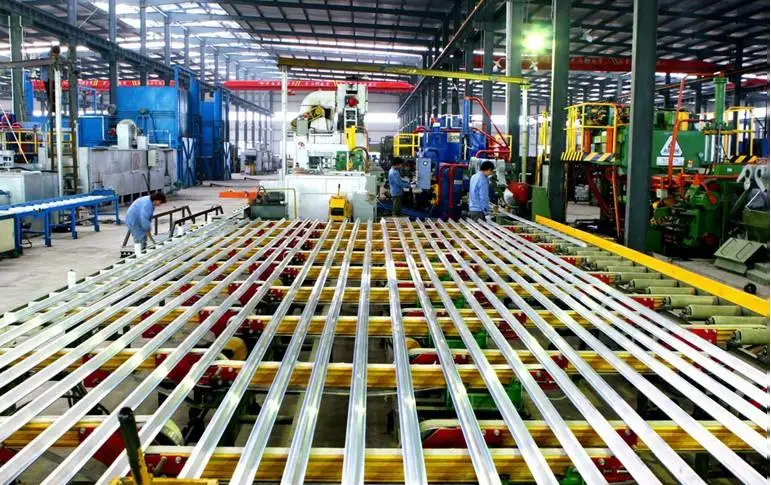
MapleLeaf Industry Technology Company Limited
- Manufacturer, Trading Company, Distributor/Wholesaler
- Guangdong, China
- Lead time0 days
- Avg. response≤ 2h
Main productsShower Door,Aluminum Profiles,Aluminum Heatsink,Industrial Aluminum Profiles,Aluminum Windows and Doors
Main marketsNorth America(80.00%), Southern Europe(5.00%), Northern Europe(5.00%), Central America(5.00%), Oceania(5.00%)
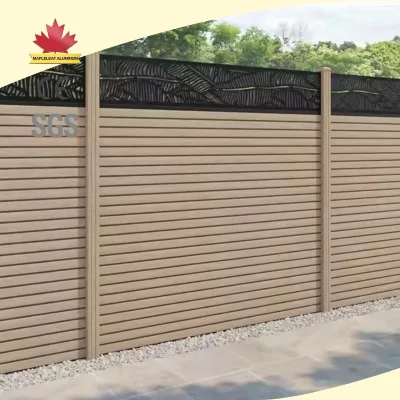
$1.50 - $2.30
MOQ: 10 meters

Hebei Renyang Metal Wire Mesh Products Co., Ltd
- Verified by SGS
- Combined
- China Hebei
- Lead time23 days
- Avg. response≤ 9h
Main productsPVC Fence, Metal Fence, 3D Fence, Horse Fence, Chain Link Fence, Farm Fence
Main marketsSouth America,Africa,North America

Hebei Shendu Commerce Co., Ltd.
- Verified by TUVRHEINLAND
- Trading Company,Manufacturer/Factory
- China Hebei
- Lead time15 days
- Avg. response≤ 5h
Main productsArtificial Grass, Synthetic Grass, Artificial Turf, Artificial Plants, Artificial Lawns, Artificial Grass Lawn, Grass Carpet, Landscape Artificial Grass, Football Artificial Grass, Golf Grass
Main marketsSouth America,Eastern Europe,Mid East,North America,Southeast Asia,Eastern Asia,Oceania,Western Europe,Africa


Green Grass Artificial Fence Artificial Grass Fence Gardens Ornaments Fence Fence Panels Outdoor
$3.00 - $5.00
MOQ: 10 Pieces

Anji Huaxu Wpc Environmental Protection Materials Co., Ltd.
- Verified by TüVRheinland
- Manufacturer, Trading Company
- Lead time25 days
- Avg. response≤ 2h
Main productsWPC Decking, WPC Tiles, WPC Wall Panel, WPC Fence, WPC Accessories
Main marketsDomestic Market(40%), Southeast Asia(10%), Eastern Asia(10%)
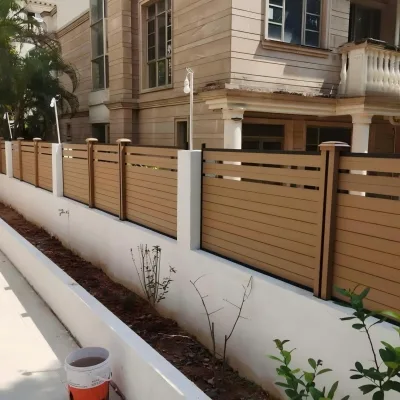
$2.3564 - $2.5106
MOQ: 1 meters
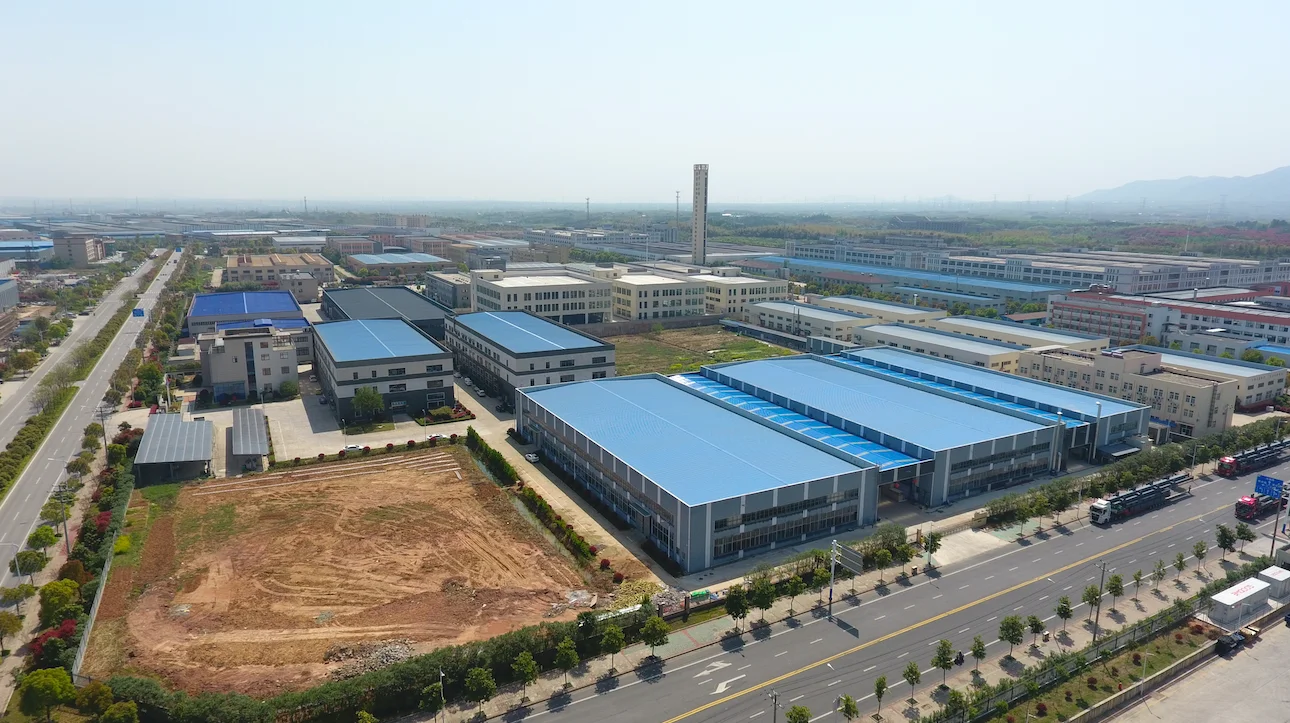
Anhui Fantai New Material Technology Co., Ltd.
- Manufacturer, Trading Company
- Anhui, China
- Lead time20 days
- Avg. response≤ 4h
Main productspvc fence,wpc fence,horse fence,fence,siding
Main marketsNorth America(50.00%), Eastern Europe(20.00%), Northern Europe(10.00%), Oceania(10.00%), South America(10.00%)
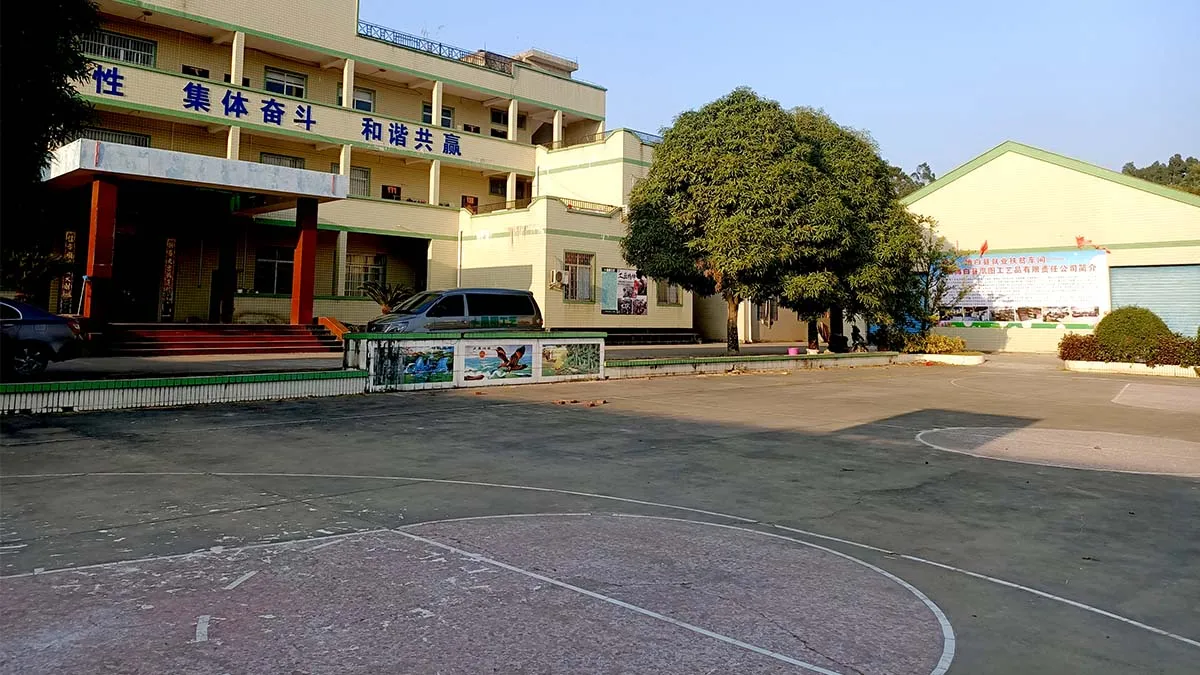
- Trading Company
- guangxi, China
- Lead time45 days
- Avg. response≤ 7h
Main productsGarden fence,Garden Hardware,Flower baskets,Hanging Basket,Nature Bamboo
Main marketsEastern Asia(40.00%), Oceania(30.00%), Western Europe(20.00%), North America(10.00%)
Hebei Heihe Commerce Co., Ltd.
- Trading Company
- Lead time旺季: "1 - 10000":35,"> 10000":"To be negotiated", 淡季: "1 - 10000":35,"> 10000":"To be negotiated"
- Avg. response≤ 1h
Main productsArtificial Grass, Artificial Flower, Artificial Plants/Grass Wall, EVA Foam Mat

Zhejiang Showtech Outdoor Products Co., Ltd.
- Verified by TUVRHEINLAND
- Trading Company
- China Zhejiang
- Lead time23 days
- Avg. response≤ 10h
Main productsVinyl Fence, PVC Fence, Plstic Fence, Garden Fence, Vinyl Privacy Fence, PVC Picket Fence, Farm Fence, PVC Rail Fence, Swimming Pool Fence, House Fencing
Main marketsEurope,North America
Hebei Macrotech Wood Plastic Composite Co., Ltd
- Verified by SGS Group
- Manufacturer, Trading Company
- Lead time15 days
- Avg. response≤ 2h
Main productsCo-Extrusion WPC Flooring, Wall Cladding, Fence & Railing
Main marketsWestern Europe(50%), North America(15%), Domestic Market(10%)

Hebei Ailun Metal Products Co., Ltd.
- Verified by SGS
- Manufacturer
- China Hebei
- Lead time15 days
- Avg. response≤ 1h
Main marketsAfrica,Southeast Asia/ Mideast,Europe,North America

Weifang Pengxiang Metal Components Technology Co., Ltd.
- Verified by CTI
- Combined
- China Shandong
- Lead time30 days
- Avg. response≤ 2h
Main productsAluminum Fence, Steel Fence, Garden Fence Panel, Pool Fencing, Security Fence, Metal Sliding Gate Double Swing Gate
Main marketsSoutheast Asia/ Mideast,Domestic,Europe,Australia,North America

Hebei Xiongqian Wire Mesh Manufacturing Co., Ltd.
- Verified by TUVRHEINLAND
- Combined
- China Hebei
- Lead time15 days
- Avg. response≤ 1h
Main productsPerforated Metal Sheet, Perforated Panel, Windbreak Fence, Expaned Metal, Gutter Guard, Security Screen, Safety Grating, Fence Mesh
Main marketsSoutheast Asia/ Mideast,Domestic,Europe,North America

Foshan Optima Home Industry Co .,Ltd
- Manufacturer/Factory
- China Guangdong
- Lead time0 days
- Avg. response≤ 12h
Main productsFurniture, Stair, Railing, Kitchen, Closet, Vanity, Window, Door

- Manufacturer/Factory
- China Jiangsu
- Lead time15 days
- Avg. response≤ 11h
Main productsArtificial Vertical Garden, Artificial Wall Garden, Green Hedge, Artificial Boxwood Hedge, Artificial Plant Wall, Artificial Grass, Artificial Plant Potted, Artificial Plant Framed, Preserved Product, Artificial Moss
Main marketsSouth America,Eastern Europe,Mid East,North America,Southeast Asia,Eastern Asia,Oceania,Western Europe,Africa
Anping Corey Metal Products Co., Ltd.
- Verified by SGS Group
- Manufacturer, Trading Company
- Lead time10 days
- Avg. response≤ 1h
Main productsWire mesh fence,Defensive barrier,Gabion box,PVC fence,Metal fence
Main marketsAfrica(15%), Southern Europe(15%), North America(10%)


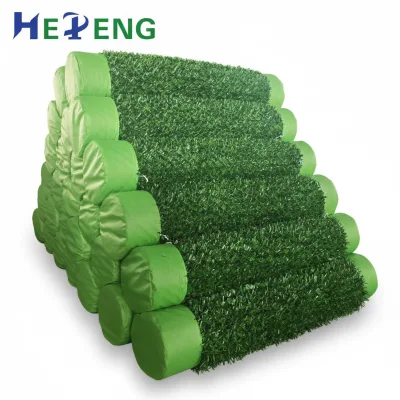













Comprehensive Sourcing Guide
Waterproof Artificial Wicker Fence Supplier Concentration and Factory Types
The current supplier landscape for waterproof artificial wicker fencing reveals a distinct concentration of manufacturing capabilities within specific Chinese provinces, primarily Hebei and Guangdong. Factories located in Hebei appear to specialize in natural material alternatives, such as willow and wicker products, often emphasizing features like eco-friendliness and easy assembly. These manufacturers frequently list main products that include artificial thatch, roof tiles, and bamboo poles, suggesting a broader expertise in garden building supplies and fencing solutions. The presence of these specific product lines indicates that Hebei-based factories are well-equipped to handle orders for decorative garden fences that mimic natural textures while offering enhanced durability. Buyers evaluating suppliers in this region should note that these entities often operate as dedicated manufacturers rather than trading companies, which can streamline communication regarding custom sizes and material specifications.
In contrast, suppliers based in Guangdong demonstrate a different manufacturing focus, often producing items with specific pressure-treated wood types or heat-treated bamboo components. These factories may offer products with dimensions that are customizable, such as 100x200cm panels, and provide services like 3D modeling to assist with project planning. The distinction between these regional clusters is critical for buyers seeking specific material properties, as Guangdong-based manufacturers might offer different surface treatments or frame materials compared to their Hebei counterparts. Additionally, some suppliers in this space also produce WPC (Wood Plastic Composite) wall panels and fencing, indicating a versatility in handling synthetic and composite materials. This diversity allows buyers to compare suppliers not just by location, but by their specific technical capabilities in producing waterproof or weather-resistant fencing solutions that meet modern garden design standards.
How to Verify Waterproof Artificial Wicker Fence Suppliers
Verifying the legitimacy and capability of a supplier requires a close examination of their verification status and company type. Buyers should prioritize suppliers that display explicit verification badges, such as SGS certification, which serves as a third-party validation of the factory’s operational standards and product quality. The company type is another crucial indicator; distinguishing between a pure Manufacturer and a Manufacturer/Factory helps buyers understand the supply chain structure. A direct manufacturer is more likely to offer better control over production quality and lead times, whereas a trading company might offer a wider variety of unrelated products. In the current results, some suppliers are identified as manufacturers with specific main products like WPC wall panels, while others focus on garden supplies. This distinction helps buyers assess whether the supplier has the dedicated infrastructure to produce waterproof artificial wicker fences at scale or if they are sourcing from other entities.
Beyond verification badges, buyers must scrutinize the product attributes and specifications provided in the supplier’s listings to ensure they align with the waterproof requirement. Key details to check include the material composition, such as whether the product is made from wicker, willow, or WPC, and the surface treatment, which might be listed as smooth or not coated. The presence of features like "Easily Assembled" or "Eco Friendly" can also provide insights into the product’s design philosophy and potential durability. Buyers should look for clear indications of customization services, such as the ability to provide 3D modeling or custom sizes, which often correlates with a more professional and responsive manufacturing process. Additionally, checking the place of origin listed in the product properties can help verify the supplier’s claimed location, ensuring that the factory is indeed located in the region they advertise, such as Hebei or Guangdong, China.
What to Compare Across Waterproof Artificial Wicker Fence Suppliers
When comparing suppliers, lead time and response time are critical metrics that directly impact project planning and inventory management. The observed data shows a range in response times, with some suppliers responding within 2 hours and others taking up to 3.69 hours. A faster response time often indicates a more agile sales team that can quickly address technical queries or negotiate terms. Similarly, lead times vary, with some factories offering a 15-day turnaround while others require 30 days. For buyers with tight deadlines, selecting a supplier with a shorter lead time, such as the 15-day option, can be decisive. It is important to note that these times are based on current results and may fluctuate based on order volume and seasonality. Buyers should use these metrics as a baseline for negotiation, aiming to secure a lead time that aligns with their installation schedules without compromising on quality.
Another vital aspect of comparison is the Minimum Order Quantity (MOQ) and pricing structure. The current results indicate an MOQ of 100 units for certain products, which is a significant threshold for smaller buyers. Buyers must determine if this MOQ is negotiable or if it applies strictly to custom orders. Pricing also varies, with some products listed in the range of $1.20 to $3.50 per unit, while others are priced between $2.70 and $2.90. These price differences may reflect variations in material quality, such as the use of natural willow versus synthetic wicker, or differences in packaging and shipping costs. Buyers should request detailed quotations that break down the cost per unit, including any customization fees or tooling charges. By comparing these financial metrics alongside the operational capabilities, buyers can identify the most cost-effective supplier that still meets their quality and delivery requirements.
Common Waterproof Artificial Wicker Fence Sourcing Risks
One of the primary risks in sourcing waterproof artificial wicker fences is the discrepancy between the advertised material and the actual product received. Suppliers may list products as "wicker" or "willow," but the actual material could be a synthetic blend that does not meet the expected durability or aesthetic standards. For instance, some products are described as having a "NATURE" pressure-treated wood type, which might imply a natural finish but could lack the necessary waterproofing treatments for long-term outdoor use. Buyers must carefully review the product attributes, such as surface treatment and frame material, to ensure they align with their specific environmental requirements. Failure to verify these details can result in fences that degrade quickly when exposed to rain or sunlight, leading to costly replacements and project delays.
Another significant risk involves the accuracy of product dimensions and customization capabilities. While many suppliers offer "custom" sizes, the actual manufacturing tolerance may vary, leading to installation issues on site. Products listed with specific dimensions, such as 100x200cm or 1*3m, may have slight variations in width or height that can affect the overall appearance of the fence. Additionally, the packaging size and weight, such as a single package size of 100X30X30 cm or a gross weight of 50.0 kg, are critical for logistics planning. If these details are inaccurate, buyers may face unexpected shipping costs or storage challenges. Buyers should request physical samples or detailed technical drawings before placing large orders to verify that the product’s physical characteristics match the supplier’s claims, thereby mitigating the risk of receiving non-conforming goods.
Waterproof Artificial Wicker Fence Regional Sourcing and Logistics
Sourcing from different regions in China, such as Hebei and Guangdong, can have distinct implications for logistics and shipping costs. Hebei-based suppliers, often located in the northern part of the country, may have different port access and shipping routes compared to Guangdong-based factories in the south. Buyers should consider the proximity of the supplier to major shipping ports, as this can influence transit times and freight rates. For example, factories in Guangdong may benefit from closer access to Shenzhen or Guangzhou ports, potentially offering faster shipping to international destinations. In contrast, suppliers in Hebei might ship through Tianjin or Qingdao, which could result in different logistical timelines. Understanding these regional differences allows buyers to optimize their supply chain by selecting suppliers that offer the most efficient shipping routes for their specific destination.
Packaging and product weight are also key factors in determining logistics costs. The observed data shows variations in single package sizes and gross weights, ranging from 0.65 kg to 50.0 kg per unit. These differences can significantly impact the number of units that can be loaded into a shipping container, affecting the overall cost per unit. Buyers should request detailed packing lists that include the dimensions and weight of each package to calculate the total shipping volume accurately. Additionally, the type of packaging, such as PP bags, can affect the product’s protection during transit. Ensuring that the packaging is robust enough to prevent damage during long-distance shipping is essential, especially for fragile materials like wicker or willow. By carefully evaluating these logistical details, buyers can avoid hidden costs and ensure that their orders arrive in perfect condition.
Waterproof Artificial Wicker Fence Commercial Terms and Order Planning
Commercial terms, including payment methods and warranty policies, are essential components of any sourcing agreement. Buyers should negotiate clear terms that protect their interests, such as using secure payment platforms like Escrow to ensure funds are only released upon satisfactory delivery. The presence of OEM and ODM capabilities, as seen in some supplier profiles, indicates that these factories can accommodate custom branding and design requirements. Buyers should clarify the minimum requirements for custom orders, including any additional costs for mold creation or design adjustments. Additionally, understanding the supplier’s return and refund policies is crucial in case the products do not meet the agreed-upon specifications. A transparent and fair commercial term structure helps build a long-term partnership and reduces the risk of disputes during the transaction process.
Order planning should also account for the supplier’s production capacity and scalability. Suppliers with established OEM/ODM capabilities are likely better equipped to handle large orders and maintain consistent quality across batches. Buyers should discuss their projected order volumes with the supplier to ensure that the factory can meet their demand without compromising on lead times. It is also important to establish a clear communication channel for ongoing updates, especially for long-term projects that require multiple shipments. By aligning their order planning with the supplier’s production schedule, buyers can avoid delays and ensure a steady supply of waterproof artificial wicker fences. This proactive approach to order management helps maintain project timelines and ensures that the final installation meets the client’s expectations for quality and aesthetics.
FAQs
What is the price range for artificial wicker fences?
Artificial wicker fences typically range from $1.20 to $3.50 per unit. Prices vary based on material quality, size, and customization options. Buyers should verify specific quotes for bulk orders to ensure accurate pricing for their project requirements.
What materials are used in these garden fences?
Manufacturers use materials like bamboo, willow, wicker, and WPC for these fences. Some options feature heat-treated wood or natural willow branches. Buyers can choose based on durability needs, with some products offering eco-friendly and easily assembled designs for outdoor use.
What are the typical lead times for orders?
Lead times generally range from 15 to 30 days depending on the supplier and order volume. Some manufacturers offer faster production cycles for standard items. Buyers should confirm specific delivery schedules with suppliers to align with their project timelines effectively.
Where are these fence suppliers located?
Suppliers are primarily located in Hebei and Guangdong, China, with some in Shandong. These regions specialize in garden supplies and building materials. Buyers can filter results by location to reduce shipping costs and improve logistics coordination for their specific sourcing needs.
What is the minimum order quantity for these products?
The minimum order quantity is often set at 100 units for many suppliers. This threshold ensures efficient production and shipping processes. Buyers should check individual product listings for specific MOQ requirements, as some custom or specialized items may have different minimums.
Are these fences suitable for outdoor privacy?
Yes, many artificial wicker fences are designed for outdoor privacy and home security. They feature durable materials like willow and WPC that withstand weather conditions. Buyers can select styles ranging from classic to modern, ensuring aesthetic appeal while maintaining functional privacy for yards and gardens.