Waterproof Modified Tail Light Suppliers and Manufacturers
Compare 27 verified suppliers offering waterproof modified tail lights with varying lead times, MOQs, and certifications. Review response times and product specs to select a partner, then request quotes for your specific vehicle model; review the available evidence before requesting comparable quotations from suitable candidates.
Updated
Suppliers List

TIANJU AUTOLIGHTS (GUANGZHOU) CO., LTD.
- Verified by SGS
- Trading Company
- China Guangdong
- Lead time30 days
- Avg. response≤ 5h
Main productsAuto Lamp, Car Lamp, Tail Lamp
Main marketsOthers(foreignTradeCapacity.exportBusinessCapacityMarketOther),Domestic

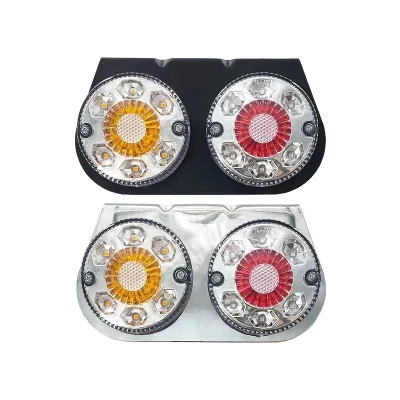
Premium Full LED Sequential Brake Modified Waterproof Auto Rear Car Taillight
$124.18 - $153.06
MOQ: 4 Pieces

$156.00 - $215.00
MOQ: 10 Pieces
Zhengzhou Cooper Industry Co., Ltd.
- Trading Company
- Henan, China
- Lead time30 days
- Avg. response≤ 2h
Main productsVehicle Parts & Accessories,Construction Machinery Attachments,Bus Spare Parts,Truck Spare Parts,Engine Parts
Main marketsAfrica(43.00%), Western Europe(14.00%), North America(14.00%), Mid East(10.00%), Southeast Asia(7.00%), Oceania(6.00%), South America(6.00%)

Anhui Fengyuan Equipment Technology Co., Ltd.
- Trading Company,Manufacturer/Factory
- China Anhui
- Lead time23 days
- Avg. response≤ 25h
Main productsTrailer, Truck Trailer, Container Trailer, Semi Trailer, Flatbed Trailer, Lowbed Trailer, Fence Trailer, Dump Trailer, Bulk Cement Trailer, Fuel Tanker
Main marketsSouth America,Mid East,North America,Southeast Asia,Eastern Asia,Oceania,Africa
GUANGZHOU NEW VISION NEW MATERIAL TECHNOLOGY CO., LTD.
- Trading Company
- Lead time旺季: "1 - 1000":7,"> 1000":"To be negotiated", 淡季: "1 - 1000":7,"> 1000":"To be negotiated"
- Avg. response≤ 6h
Main productsAutomobile Atmosphere Lamp,double side tape,single side tape,reflective tape,adhesive products
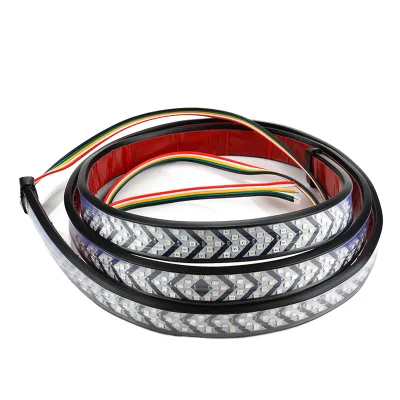
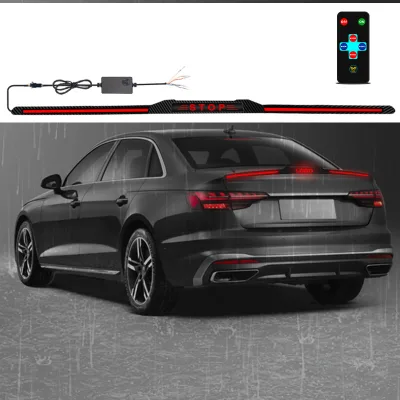

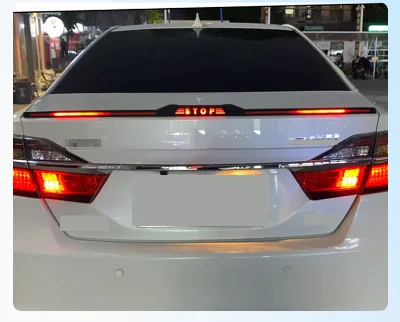
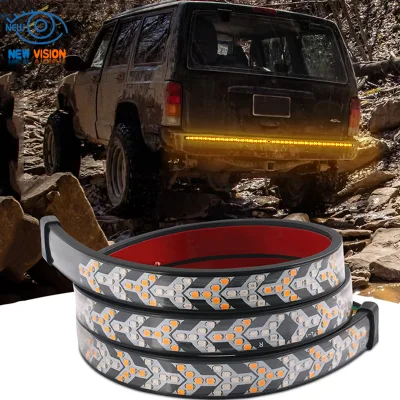
$4.2722 - $5.3649
MOQ: 50 sets

Xiamen Longhuitong Automobile Technology Co., Ltd.
- Verified by TUVRHEINLAND
- Combined
- China Fujian
- Lead time60 days
- Avg. response≤ 1h
Main productsSpecial Truck, Chassis, Bus, Bus Part, Electric Auto Part, Garbage Truck, Pick up, Van, Tricycle, Air Pump Oil Pump Four in One Charging Station V
Main marketsSoutheast Asia/ Mideast
Guangzhou Houyi Optoelectronic Technology Co., Ltd.
- Verified by SGS Group
- Trading Company
- Lead time5 days
- Avg. response≤ 3h
Main productsMotorcycle Fog Lamp, Motorcycle Spotlights, Automobile Lighting Lamp, Car Modification Light Strips, Automobile Angel Eye
Main marketsMid East(50%), Africa(38%), South Asia(10%)
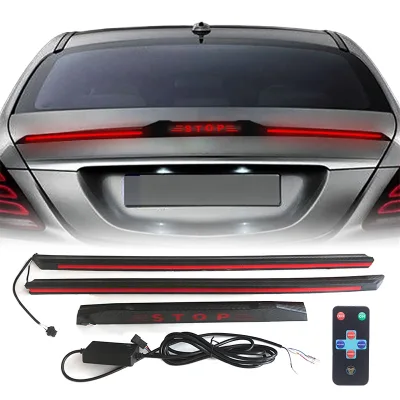
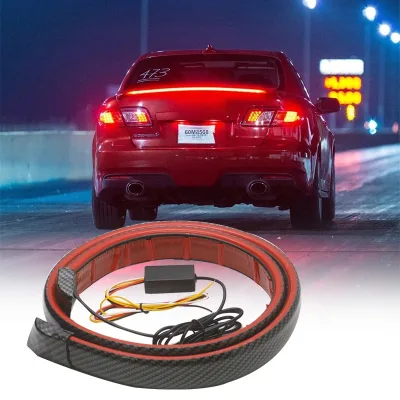
$15.8774 - $17.1141
MOQ: 10 pieces

Shanghai Anma Industry Co., Ltd.
- Trading Company
- China Shanghai
- Lead time30 days
- Avg. response≤ 6h
Main productsCar Accessories, Car Spare Parts, Car Tools, Car Interior Accessories, Car Exterior Accessories, Car Electrical Accessories, Car Lights, Car Mirror, Car Emergency Kits, Car Care Products
Main marketsSouth America,Others(foreignTradeCapacity.exportBusinessCapacityMarketOther),Southeast Asia/ Mideast,Europe,North America

Shanghai Huaqi Industrial Co., Ltd.
- Verified by TUVRHEINLAND
- Trading Company
- China Shanghai
- Lead time15 days
- Avg. response≤ 6h
Main productsCar Mats, Seat Cover, Car Cover, Wiper Blade, Air Compressor, Steering Wheel Cover, Car Lock, Baby Mirror, Car Jack, Racing Seat
Main marketsSouth America,Africa,Southeast Asia/ Mideast,Europe,Australia,North America

Shenzhen DTPY Technology Co., Ltd.
- Manufacturer
- Guangdong, China
- Lead time20 days
- Avg. response≤ 4h
Main productsNox sensor,car accessories,battery guard
Main marketsSouth America(20.00%), Western Europe(20.00%), South Asia(10.00%), North America(10.00%), Northern Europe(10.00%), Southeast Asia(10.00%), Eastern Europe(10.00%), Central America(5.00%), Mid East(5.00%)
Guangzhou Hexiangrun Electronic Technology Co., Ltd.
- Manufacturer, Trading Company
- Guangdong, China
- Lead time0 days
- Avg. response≤ 6h
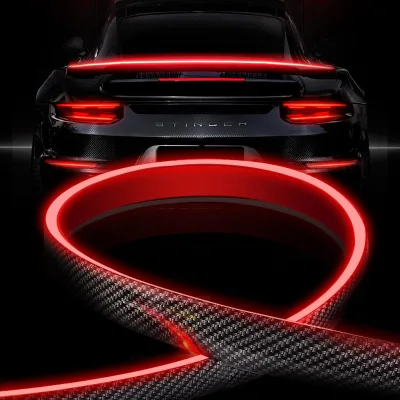
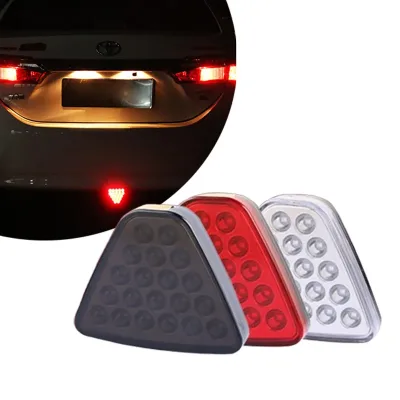
Main productsled ambient light,Led running light,Led flashing light,Led car spoiler light,Led star light
Main marketsNorth America(30.00%), Southeast Asia(10.00%), Northern Europe(10.00%), Mid East(10.00%), Central America(5.00%), Western Europe(5.00%), Eastern Europe(5.00%), South America(5.00%), Africa(3.00%)
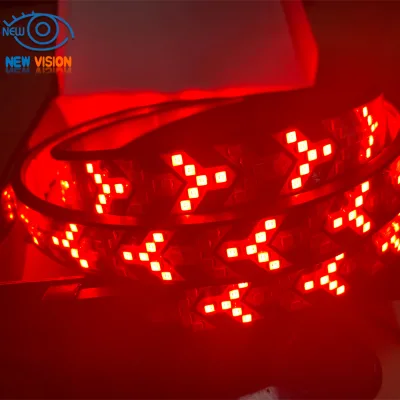
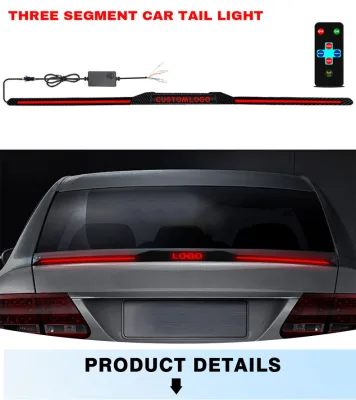
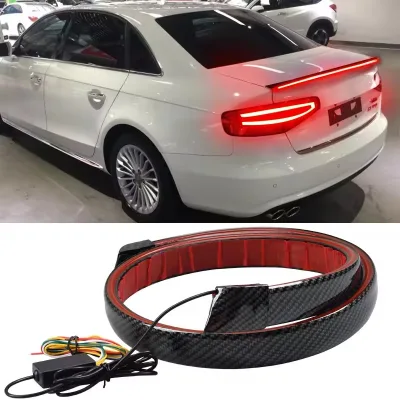
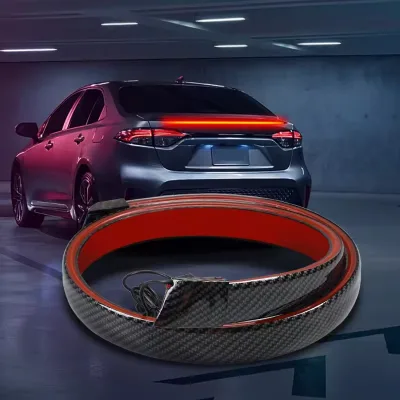
$12.8165 - $14.3544
MOQ: 2 sets
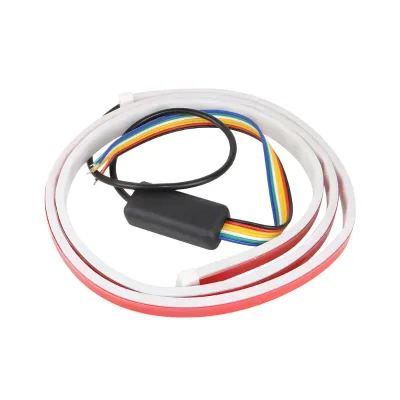
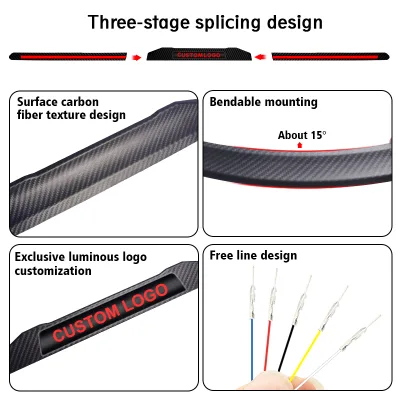
$12.8344 - $14.3754
MOQ: 2 sets

K-Lite (Shanghai) Industrial Co., Ltd.
- Verified by TUVRHEINLAND
- Trading Company
- China Shanghai
- Lead time30 days
- Avg. response≤ 12h
Main productsReflector, Motorcycle LED Lamps, Road Markers, Vehicle Lamps, Trailer LED Lamps, Pedestrian Reflector, Light Guide Strip, Road Stud, Auto Parts, Headlamp
Main marketsSoutheast Asia/ Mideast,East Asia(Japan/ South Korea)

Ningbo Jalyn International Trading Co., Ltd.
- Trading Company,Manufacturer/Factory
- China Zhejiang
- Lead time30 days
- Avg. response≤ 17h
Main productsMotorcycle Parts, Motorcycle Accessories, Aftermarket Motorcycle Parts, ATV Parts, Bicycle Parts, Motorcycle Plastic Parts, Motorcycle Mirror, Motorcycle Handle Grips, Motorcycle Engine, Bicycle Accessories
Main marketsSouth America,Eastern Europe,North America,Eastern Asia,Oceania,Western Europe,Africa

- Verified by SGS
- Trading Company
- China Zhejiang
- Lead time15 days
- Avg. response≤ 15h
Main productsCar Mat, Car Air Freshener, Car Seat Cover, Steering Wheel Cover, Car Phone Holder, Car Roof Tent, Car Sunshade, Jerry Can
Main marketsEurope,Australia


Factory Price 20 * 47mm Decoding LED High-Power Steering Brake Tail Lights
$4.40 - $4.95
MOQ: 300 Pieces


Guangzhou Ouer Trading Co., Ltd.
- Verified by SGS Group
- Trading Company
- Lead time0 days
- Avg. response≤ 1h
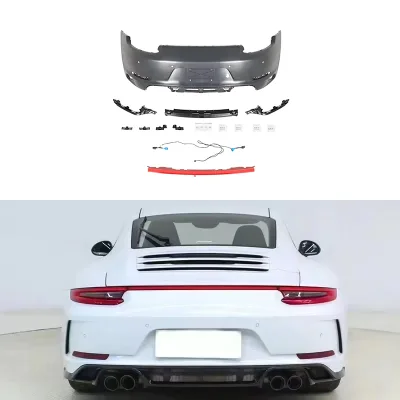
Main productsUpgrade from 958 to 9Y0, replacing the old surround with a new one., Upgrade the 958 with a stopwatch timer, Upgrade the body kit of the 970 model to that of the 971 Turbo S, Upgrade the headlights of the 970 model to those of the 971 model., Upgrade the taillights of the 970 model to those of the 971 model.
Main marketsSoutheast Asia(30%), Mid East(30%), Africa(20%)

Ningbo Beilun Bonsen Auto Electron Co., Ltd.
- Verified by BV
- Trading Company,Manufacturer/Factory
- China Zhejiang
- Lead time38 days
- Avg. response≤ 8h
Main productsLED Trail Tail Lights, LED Headlights Bulb, Car Wash Machine, Low Pressure Die Casting Machine, Laptop Stand, Seasoning Meat Syringe, Stainless Steel Heating Manifold, Brazed Plate Heat Exchanger
Main marketsSouth America,Eastern Europe,Mid East,North America,Southeast Asia,Eastern Asia,Oceania,Western Europe,Africa

Hangzhou lizhong shengteng Auto Parts Co., Ltd.
- Verified by TUVRHEINLAND
- Trading Company
- China Zhejiang
- Lead time23 days
- Avg. response≤ 3h
Main productsAuto Bumper, Auto Rear Bumper Cover, Auto Rear Mirror, Auto Hood, Auto Head Lamp, Auto Cooling Fan Cover, Auto Radiator
Main marketsSouth America,Eastern Europe,Mid East,North America,Southeast Asia,Eastern Asia,Western Europe

Ningbo Langyan International Trade Co., Ltd.
- Trading Company
- China Zhejiang
- Lead time30 days
- Avg. response≤ 11h
Main productsAuto Motorcycle and Trailer Parts, Tools&Hardware, Outdoors&Promotion Items, Toys, Stationery, Daily Use, Arts & Crafts
Main marketsSouth America,Southeast Asia/ Mideast,Europe,Australia,North America
Guangzhou Kejie Trading Co., Ltd.
- Trading Company, Buying Office, Distributor/Wholesaler
- Guangdong, China
- Lead time0 days
- Avg. response≤ 10h
Main productsCar Light
Main marketsWestern Europe(21.00%), Eastern Europe(21.00%), North America(21.00%), South Asia(19.00%), Northern Europe(18.00%)
Anhui Yongfang Auto Parts Co., Ltd.
- Manufacturer, Trading Company
- Anhui, China
- Lead time0 days
- Avg. response≤ 2h
Main productsCar shade,Auto parts,Railway locomotive,Automotive interior parts,New energy automotive supplies
Main marketsDomestic Market(30.00%), South America(30.00%), North America(20.00%), Southeast Asia(10.00%), Eastern Europe(10.00%)

Guangzhou B-King Auto Electronics Limited
- Verified by TUVRHEINLAND
- Trading Company
- China Guangdong
- Lead time15 days
- Avg. response≤ 8h
Main productsLED Headlight, LED Headlight Bulb, Auto Lights, Car Lights, HID, Car Camera, LED Work Light, Turn Signal Light, LED Fog Light
Main marketsSouth America
Guangzhou Carest Auto Parts Co., Ltd.
- Manufacturer, Distributor/Wholesaler, Business Service (Transportation, finance, travel, Ads, etc)
- guangdong, China
- Lead time10 days
- Avg. response≤ 9h
Main productsCar Conditioning sysytem,Automobile braking system,Car decoration parts,Auto lighting system,Automotive electronics
Main marketsEastern Europe(30.00%), North America(20.00%), Mid East(15.00%), South America(15.00%), South Asia(12.00%), Southeast Asia(5.00%), Africa(3.00%)
Jiangxi Serok Vehicle Parts Co., Ltd.
- Manufacturer, Trading Company
- Jiangxi, China
- Lead time30 days
- Avg. response≤ 4h
Main productsTruck light, Motorcycle turn signals, Led flasher relays,LED Flashing module,Engineering Warning Lights
Main marketsNorth America(30.00%), Oceania(15.00%), Western Europe(10.00%), Eastern Asia(8.00%), Southeast Asia(8.00%), Domestic Market(7.00%), South America(5.00%), Southern Europe(5.00%), Northern Europe(5.00%), Eastern Europe(5.00%), Mid East(2.00%)
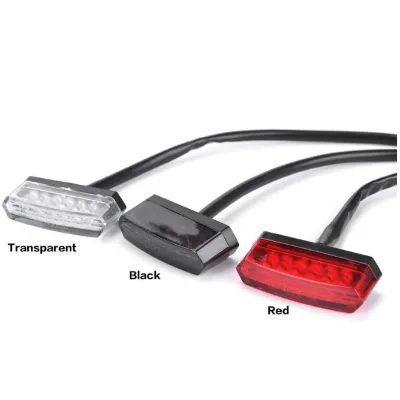
$1.7568 - $3.2963
MOQ: 100 pieces
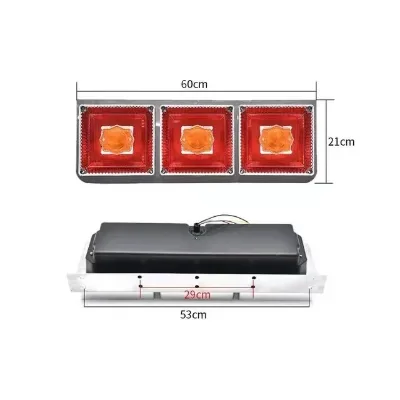

Hangzhou Linker Motorcycle Parts Co., Ltd.
- Verified by SGS
- Manufacturer/Factory
- China Zhejiang
- Lead time30 days
- Avg. response≤ 5h
Main productsMotorcycle Accessories, Motorcycle Paddock Stand, Motorcycle Lights, Motorcycle Mirrors, Motorcycle Indicators, Motorcycle Tank Pads, Motorcycle Locks, Motorcycle Handle Bars, Motorcycle Bar Ends, Motorcycle Grips
Main marketsSouth America,Eastern Europe,North America,Oceania,Western Europe,Africa
Shenzhen Jiaxinjie Technology Co., Ltd.
- Trading Company, Agent, Distributor/Wholesaler
- Guang Dong, China
- Lead time3 days
- Avg. response≤ 5h
Main productsElectronic products,Electronic module,IC Chip,Capacitance & Resistance,Medical equipment
Main marketsDomestic Market(10.00%), South Asia(10.00%), Southern Europe(10.00%), Eastern Europe(10.00%), South America(10.00%), North America(10.00%), Oceania(5.00%), Africa(5.00%), Southeast Asia(5.00%), Northern Europe(5.00%), Central America(5.00%), Western Europe(5.00%), Eastern Asia(5.00%), Mid East(5.00%)
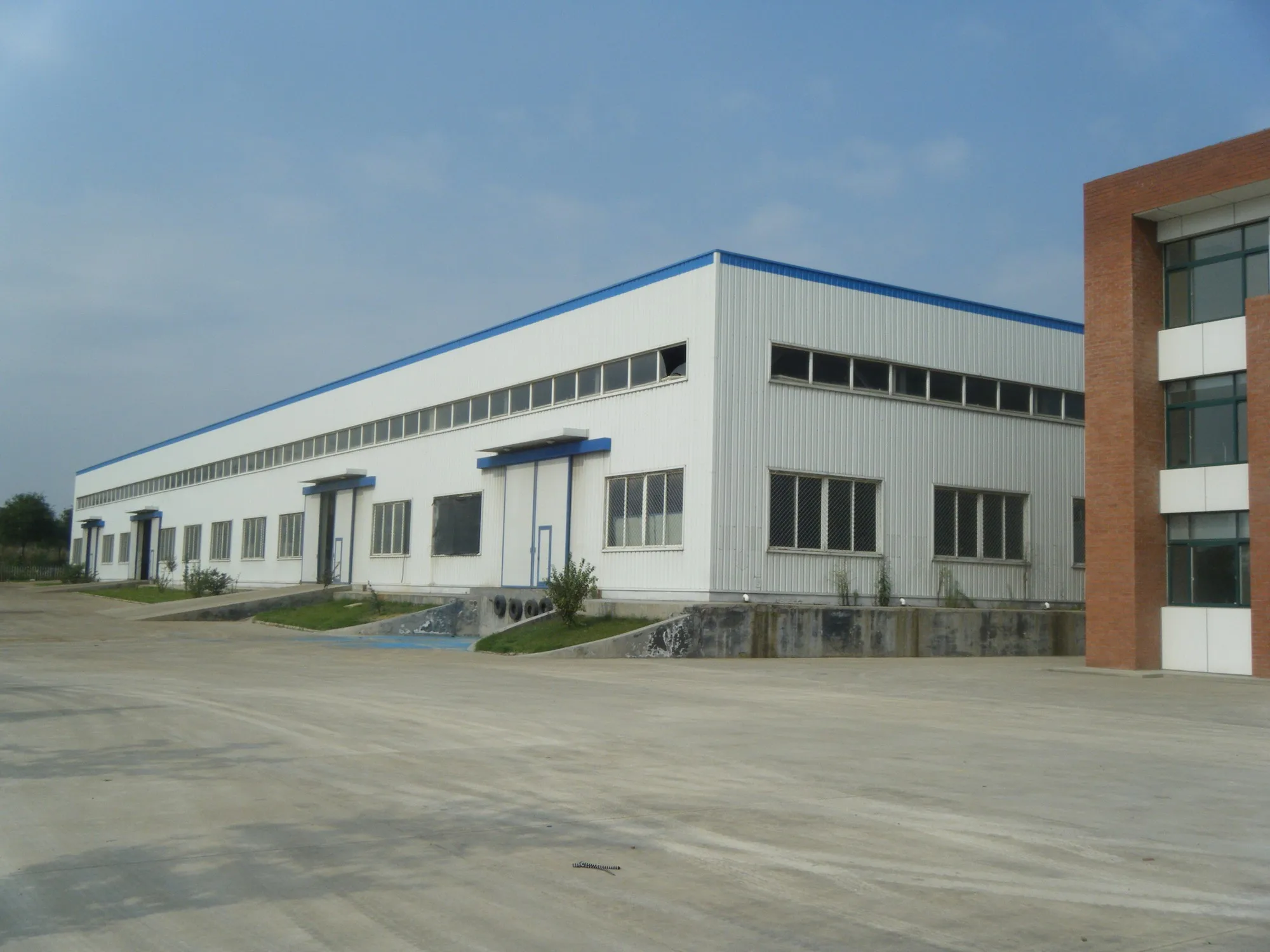
Guangzhou Luyao Trade Co., Ltd.
- Manufacturer, Trading Company
- Guangdong, China
- Lead time15 days
- Avg. response≤ 3h
Main productsCar Ambient Light,Car Brake Turn Signal Light,car decorative light,Car led light,Automobile Atmosphere Lamp
Main marketsNorth America(30.00%), Southeast Asia(20.00%), South America(20.00%), South Asia(10.00%), Central America(10.00%), Mid East(10.00%)

Qingdao Phillaya International Trading CO.,LTD
- Verified by SGS
- Trading Company
- China Shandong
- Lead time15 days
- Avg. response≤ 11h
Main productsTrailer Accessory, Trailer Axle, Trailer Part, Trailer SKD/SKD, Truck Parts, Trailer Suspension, Trailer Landing Gear, Trailer Body, Trailer Spare Parts
Main marketsAfrica

Ningbo Autocare Car Accessory Co., Ltd.
- Trading Company
- China Zhejiang
- Lead time30 days
- Avg. response≤ 19h
Main productsAuto Accessories, Car Accessories, Car Steering Wheel Cover, Steering Wheel Cover, Seat Cushion, Sun Shade
Main marketsSouth America,Africa,Southeast Asia/ Mideast,East Asia(Japan/ South Korea),Europe,Australia,North America

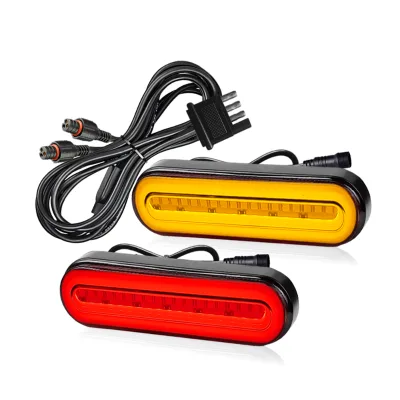
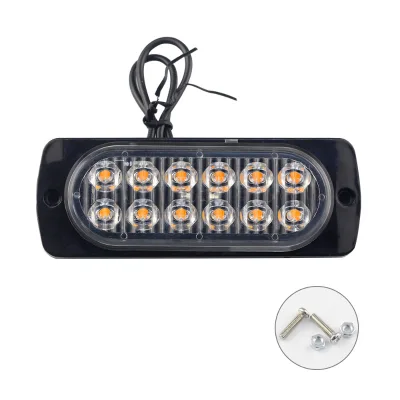
High Quality, Low Price and Small Weight 6LED Side Light 12V/24V/10-30V Truck Tailer Light
$0.50 - $1.00
MOQ: 1000 Pieces

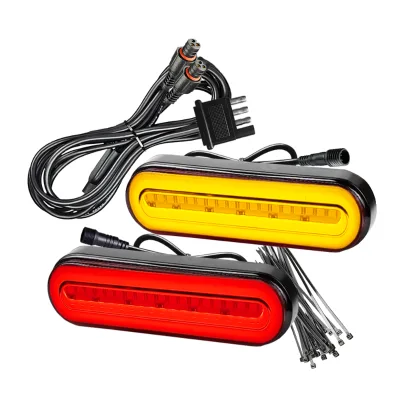
High Quality, Low Price and Small Weight 6LED Side Light 12V/24V/10-30V Truck Tail Light
$0.50 - $1.00
MOQ: 1000 Pieces






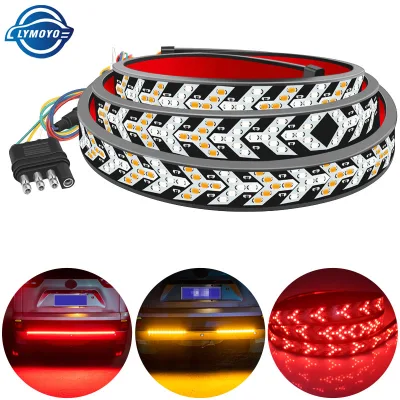
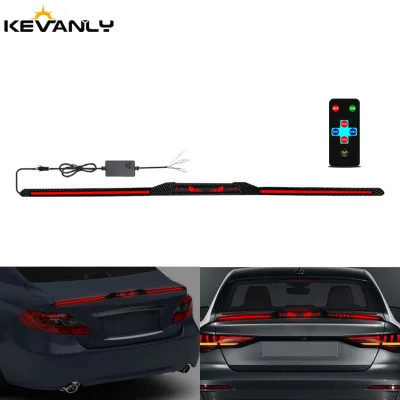
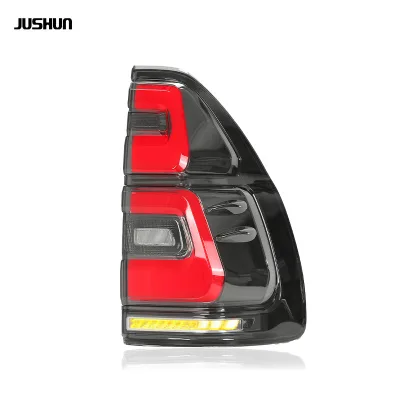
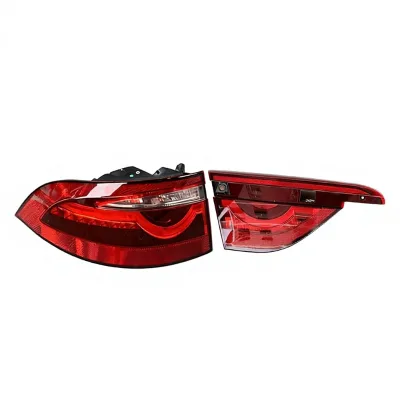






Comprehensive Sourcing Guide
Waterproof Modified Tail Light Supplier Concentration and Factory Types
The current supplier landscape for waterproof modified tail lights reveals a distinct geographic and structural distribution that buyers must navigate carefully. Results indicate a concentration of manufacturing and trading entities in China, with specific hubs identified in Guangdong, Henan, and Anhui provinces. Guangdong suppliers often present as trading companies, which may offer a broader variety of modified designs but require careful verification of their direct manufacturing capabilities. In contrast, suppliers in Anhui are frequently listed as both trading companies and manufacturers, sometimes holding ISO 9001 certification, which suggests a more integrated production process for trailer and truck lighting components. Henan-based suppliers appear to focus on universal fitment parts and general vehicle accessories, indicating a different specialization within the broader tail light market. This geographic spread implies that buyers should not assume a uniform quality or sourcing model across all regions. The presence of both pure trading entities and hybrid manufacturer-trading companies means that the supply chain structure varies significantly. Buyers must distinguish between suppliers who simply aggregate products from various factories and those who control the production line directly. This distinction is crucial for negotiating custom modifications, ensuring consistent quality control, and managing intellectual property rights for unique designs. The concentration in these specific Chinese provinces highlights the region's dominance in automotive lighting manufacturing, but it also necessitates rigorous due diligence to identify the actual source of production. Understanding whether a supplier is a factory or a trader directly impacts lead times, communication efficiency, and the ability to resolve technical issues during production.
Furthermore, the company types observed suggest a diverse range of operational models available to international buyers. Some suppliers specialize in high-performance LED upgrades with specific functions like sequential braking or color-changing effects, often targeting aftermarket modifications. Others focus on heavy-duty applications, such as trailer lights with IP67 ratings, emphasizing durability and waterproofing standards. The variation in main products, ranging from auto lamps to construction machinery attachments, indicates that some suppliers have diversified their portfolios beyond standard automotive lighting. This diversification can be advantageous for buyers seeking multiple components from a single source, but it may also dilute expertise in specialized modified tail lights. Buyers should assess whether a supplier’s primary focus aligns with their specific needs for waterproof modified tail lights. For instance, a supplier whose main products include bus spare parts might have different quality standards compared to one specializing exclusively in LED tail light assemblies. The presence of ODM and OEM capabilities in some supplier profiles suggests that custom branding and design modifications are feasible, but the extent of these services varies. Trading companies may offer more flexibility in order sizes and product variety, while manufacturers might provide better pricing for larger volumes and more control over the production process. Evaluating these structural differences is essential for selecting a partner that can meet specific project requirements, whether they involve small batches of customized units or large-scale production of standardized waterproof lights.
How to Verify Waterproof Modified Tail Light Suppliers
Verifying the authenticity and capability of suppliers for waterproof modified tail lights requires a multi-layered approach that goes beyond surface-level profile information. Buyers should prioritize suppliers with third-party verification badges, such as SGS, which provide an additional layer of trust regarding the company’s operational legitimacy. However, verification badges alone are not sufficient; they must be complemented by direct communication and technical inquiries. One critical step is to request detailed product specifications, including voltage ratings, material compositions, and specific waterproofing standards like IP67 ratings. For modified tail lights, it is essential to confirm that the supplier can provide evidence of successful waterproof testing, such as immersion tests or seal integrity reports. Buyers should ask for photos or videos of the production line, particularly focusing on the assembly process for waterproof seals and LED integration. This visual evidence helps confirm that the supplier has the necessary equipment and expertise to produce high-quality modified lights. Additionally, verifying the supplier’s response time can offer insights into their operational efficiency and customer service quality. A consistent and prompt response to technical queries indicates a professional organization that is likely to handle post-sales support effectively. Buyers should also inquire about the supplier’s experience with similar projects, asking for case studies or references from previous clients who have ordered modified tail lights. This historical data can reveal the supplier’s reliability and ability to meet specific customization requests.
Another vital aspect of verification is assessing the supplier’s certification and compliance records. While some suppliers may claim ISO 9001 certification, buyers should request copies of these certificates and verify their validity through the issuing body. For automotive lighting products, compliance with international standards is crucial for ensuring safety and performance. Buyers should ask about the specific standards the supplier adheres to, such as E-mark or DOT certifications, depending on the target market. It is also important to verify the supplier’s ability to provide product samples before committing to large orders. Samples allow buyers to physically inspect the quality of the waterproofing, the brightness of the LEDs, and the overall build quality of the modified tail lights. Buyers should test these samples for functionality, including brake lights, turn signals, and reverse lights, to ensure they meet the specified requirements. Furthermore, checking the supplier’s return policy and warranty terms can provide additional assurance of their confidence in their products. A supplier that offers a reasonable warranty period, such as three months or more, is likely more confident in the durability of their waterproof modified tail lights. Buyers should also verify the supplier’s business license and registration details to ensure they are a legally operating entity. Cross-referencing this information with public records can help identify any red flags, such as legal disputes or financial instability. By combining these verification steps, buyers can build a comprehensive profile of each supplier, reducing the risk of partnering with unreliable or unqualified vendors.
What to Compare Across Waterproof Modified Tail Light Suppliers
When evaluating multiple suppliers for waterproof modified tail lights, buyers must systematically compare key operational metrics to identify the most suitable partner. Lead time is a critical factor, as it directly impacts inventory management and project timelines. Some suppliers may offer lead times as short as 23 days, while others might have longer production cycles, especially for customized orders. Buyers should clarify whether the stated lead time includes material procurement, production, and shipping, or if it only covers the manufacturing phase. Minimum Order Quantity (MOQ) is another essential comparison point, as it affects the feasibility of small-scale testing or niche market entries. MOQs can vary significantly, ranging from as low as one unit for sample orders to 100 units for bulk production. Buyers should assess whether the supplier offers flexible MOQs for initial orders, allowing them to test the market before committing to larger volumes. Response time is also a vital metric, as it reflects the supplier’s efficiency in handling inquiries and resolving issues. Suppliers with response times under five days are generally more responsive and likely to provide better customer service. Buyers should compare the average response times of different suppliers to gauge their reliability and communication effectiveness. Additionally, comparing the range of main products offered by each supplier can help identify those with specialized expertise in waterproof modified tail lights versus those with broader, less focused portfolios.
Price and payment terms are equally important factors in the comparison process. Buyers should request detailed quotations that break down costs for materials, labor, and shipping, allowing for a transparent comparison of total landed costs. It is crucial to note that prices can vary based on customization options, such as specific lens colors, LED brands, or packaging requirements. Buyers should compare the price ranges for similar products across different suppliers to identify outliers that may indicate quality issues or hidden costs. Payment terms, including the use of escrow services, can also impact the security of the transaction. Suppliers that offer secure payment methods provide an additional layer of protection for buyers, ensuring that funds are only released upon satisfactory delivery. Furthermore, buyers should compare the warranty and after-sales support policies offered by each supplier. A longer warranty period and more comprehensive support services can indicate a higher level of confidence in product quality. Buyers should also consider the supplier’s location and its impact on shipping costs and delivery times. Suppliers located in different provinces may have varying logistics advantages, affecting the overall cost and speed of delivery. By systematically comparing these operational metrics, buyers can make informed decisions that balance cost, quality, and reliability. This structured approach ensures that the selected supplier aligns with the buyer’s specific business needs and strategic goals, minimizing risks and maximizing value.
Common Waterproof Modified Tail Light Sourcing Risks
Sourcing waterproof modified tail lights involves several inherent risks that buyers must proactively manage to ensure successful procurement. One significant risk is the discrepancy between advertised specifications and actual product quality. Suppliers may claim high waterproofing standards, such as IP67, but fail to deliver products that meet these ratings in real-world conditions. This mismatch can lead to product failures, customer complaints, and financial losses. To mitigate this risk, buyers should insist on independent testing reports or conduct their own quality checks upon receipt of samples. Another common risk is the lack of customization capability, where suppliers may not be able to fulfill specific design requests for modified tail lights. This can result in delays or the need to source from multiple suppliers, increasing complexity and cost. Buyers should verify the supplier’s ODM and OEM capabilities early in the process to ensure they can meet unique design requirements. Additionally, there is a risk of intellectual property infringement, particularly when dealing with modified designs that may resemble existing patented products. Buyers should ensure that their designs are original and that the supplier agrees to confidentiality and non-infringement clauses. Communication barriers can also pose a significant risk, especially when working with suppliers in different time zones or language environments. Misunderstandings regarding technical specifications or order details can lead to errors in production. Establishing clear communication channels and using detailed written specifications can help minimize these risks.
Supply chain disruptions are another critical risk, particularly for suppliers who rely on imported components like LEDs or electronic drivers. Global events, such as pandemics or trade disputes, can impact the availability of these components, leading to production delays. Buyers should assess the supplier’s supply chain resilience and ask about their contingency plans for component shortages. Furthermore, there is a risk of inconsistent quality across production batches, which can affect the overall performance and appearance of the waterproof modified tail lights. Buyers should implement strict quality control measures, including pre-shipment inspections, to ensure consistency. Another risk is the potential for hidden costs, such as unexpected shipping fees or customs duties, which can inflate the total cost of ownership. Buyers should request all-inclusive quotations and clarify all potential additional charges upfront. Finally, there is a risk of supplier insolvency or operational failure, which can disrupt ongoing orders and future supply. Buyers should conduct financial due diligence on suppliers to assess their stability and reliability. By identifying and addressing these common risks early in the sourcing process, buyers can develop robust mitigation strategies that protect their interests and ensure a smooth procurement experience. Proactive risk management is essential for building a resilient supply chain and maintaining high standards of product quality and customer satisfaction.
Waterproof Modified Tail Light Regional Sourcing and Logistics
The geographic location of suppliers plays a pivotal role in determining logistics efficiency and cost structures for waterproof modified tail lights. Suppliers located in Guangdong, China, often benefit from established manufacturing ecosystems and proximity to major ports, which can facilitate faster shipping times and lower logistics costs. This region’s concentration of automotive lighting manufacturers creates a competitive environment that may drive down prices and improve service levels. However, buyers should also consider suppliers in other provinces, such as Henan and Anhui, which may offer different logistical advantages depending on the destination market. Suppliers in Anhui, for instance, might have better access to inland transportation networks, which could be advantageous for certain shipping routes. Understanding the specific logistics capabilities of each regional hub allows buyers to optimize their supply chain for speed and cost. Buyers should evaluate the supplier’s experience with international shipping, including their familiarity with export documentation, customs clearance, and freight forwarding. Suppliers with extensive export
FAQs
What is the price range for waterproof modified tail lights?
Prices for these lights typically range from $3.90 to $215.00 per unit. The cost varies significantly based on specifications, such as LED brightness, lens color, and vehicle compatibility. Buyers should check specific product listings for exact pricing tiers and volume discounts.
What is the minimum order quantity for these products?
Minimum order quantities vary by supplier and product type. Some suppliers require a minimum of 2 units, while others set the threshold at 4, 10, or even 100 units. Buyers must verify the specific MOQ for each item before placing an order.
Where are these tail lights manufactured?
Manufacturing locations include Guangdong, Henan, and Anhui provinces in China. These regions are known for producing various automotive lighting components. Buyers can filter suppliers by these specific locations to align with logistical preferences or regional sourcing strategies.
What certifications do these suppliers hold?
Suppliers may hold ISO 9001 system certifications and SGS verification. Some products also carry ISO certifications for specific lighting standards. Buyers should request current certification documents to ensure compliance with international quality and safety requirements for automotive parts.
How long does production take?
Lead times are typically around 23 to 30 days for standard orders. Some suppliers offer faster turnaround during off-peak seasons, while peak seasons may require negotiation for larger volumes. Buyers should confirm exact delivery schedules with the supplier before finalizing contracts.
What voltage do these lights operate on?
Most automotive tail lights operate on a 12V system. Some specialized trailer or truck lights may support 24V systems. Buyers must verify the voltage specification matches their vehicle's electrical system to ensure proper functionality and prevent damage to the lighting assembly.