Waterproof Ski Pants Suppliers and Manufacturers in China
Compare 25 verified suppliers offering Waterproof Ski Pants from Fujian and Zhejiang factories. Review response times, lead times, certifications, and pricing to source ODM or OEM services for your next order; review the available evidence before requesting comparable quotations from suitable candidates.
Updated
Suppliers List

Fuzhou Changtai Textile Co., Ltd.
- Manufacturer
- China Fujian
- Lead time60 days
- Avg. response≤ 17h
Main productsJacket, Softshell Jacket, Padding Jacket, Wind Jacket, Safety Jacket, Reflective Jacket, Down Jacket, Rain Wear, Sports Wear, Outdoor Wear
Main marketsEurope,Australia


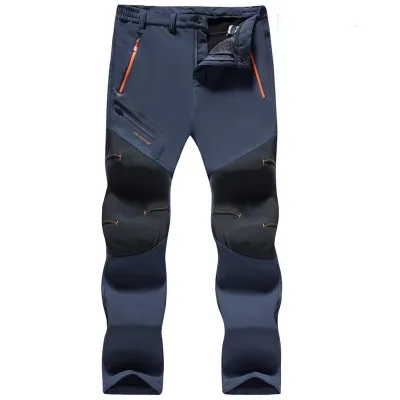
High-Performance Waterproof Ski Pants for Men with Enhanced Durability
$19.90 - $25.90
MOQ: 1000 Pieces


Women's Ski Pants - Windproof, Waterproof and Warm - with Adjustable Waistband
$40.20 - $40.50
MOQ: 1000 Pieces

Women's Lightweight Windproof Breathable All-Mountain Hardshell Ski Pants for Ski Touring
$15.99 - $17.99
MOQ: 1000 Pieces

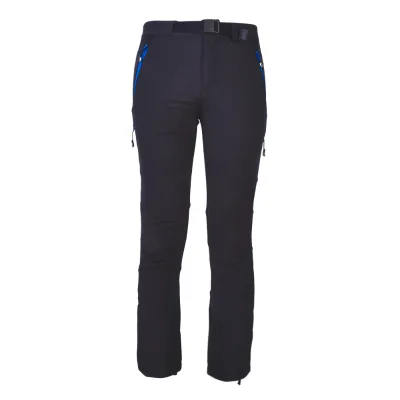
Men's Ultra-Light Waterproof Lightweight Windproof Packable Hardshell Pants for Skiing
$16.99 - $18.99
MOQ: 1000 Pieces

Chinapack Ningbo Import & Export Co., Ltd.
- Verified by SGS
- Trading Company,Manufacturer/Factory
- China Zhejiang
- Lead time23 days
- Avg. response≤ 17h
Main productsSnowboard, Water Bottle, Promotional Hats, Glass Bottle, Ski Set, Snowboot, Snowboard Binding, Home Sock, Hood, Scarf
Main marketsSouth America,Eastern Europe,North America,Southeast Asia,Eastern Asia,Oceania,Western Europe

- Manufacturer, Trading Company
- Fujian, China
- Lead time30 days
- Avg. response≤ 3h
Main productsOutdoor Jackets,Men's Tracksuit,Yoga Sets,Short Sets,Sport Jersey
Main marketsNorth America(33.00%), Northern Europe(32.00%), Southern Europe(18.00%), Oceania(10.00%), Mid East(7.00%)
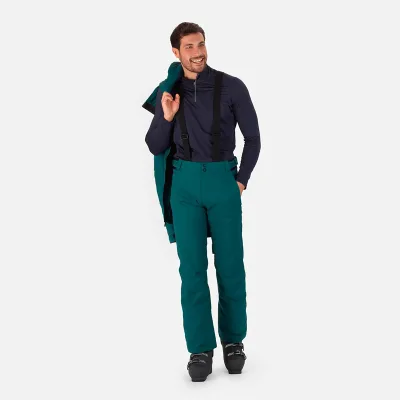
New Design Ski Pants Men High Quality Custom Waterproof OEM Ski Bibs Pants
$72.4062 - $93.0954
MOQ: 50 pieces
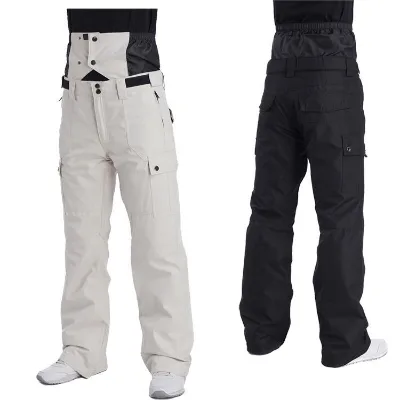
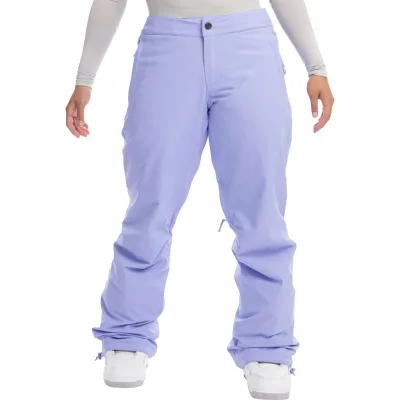
$71.8111 - $92.3309
MOQ: 100 pieces

Dongchen Yuncheng (Beijing) Technology Co., Ltd.
- Verified by SGS
- Trading Company
- China Beijing
- Lead time30 days
- Avg. response≤ 1h
Main productsSki Wear, Snowboarding Suits, Ski Pants
Main marketsEurope

Dongguan Deluo Industry & Trade Co., Ltd.
- Verified by SGS
- Manufacturer/Factory
- China Guangdong
- Lead time23 days
- Avg. response≤ 5h
Main productsHeat Transfer Label, Label, Boxing Shorts, Heat Transfer Logo, Garment Logo, Silicone Label, Bjj Gi Kimono, Brazilian Jiu Jitsu Uniform, Muay Thai Shorts, PVC Patch
Main marketsSouth America,Eastern Europe,Mid East,North America,Southeast Asia,Eastern Asia,Oceania,Western Europe,Africa

Outdoor Waterproof Skiing Trousers Warm Ski Pants Skiing Pants for Men and Women
$43.90 - $45.90
MOQ: 10 Pieces


XIAMEN FULLSTAR IMPORT AND EXPORT CO., LTD.
- Verified by BV
- Trading Company,Manufacturer/Factory
- China Fujian
- Lead time0 days
- Avg. response≤ 16h
Main productsPadding Jackets, Down and Goosedown Jackets, Hybrid Jackets, Softshell and Fleece Jackets, Ski Jackets, Hikking Clothes, Running Clothes, Yoga/Fitness Clothes, Swimming Clothes
Ganzhou Sunpon Garment Co., Ltd.
- Verified by TüVRheinland
- Manufacturer, Trading Company
- Lead time60 days
- Avg. response≤ 6h
Main productsJackets, Rain Jacket, Hoodies& Sweatshirts, Workwear, Pet Clothes
Main marketsWestern Europe(80%), Northern Europe(9%), Eastern Europe(5%)
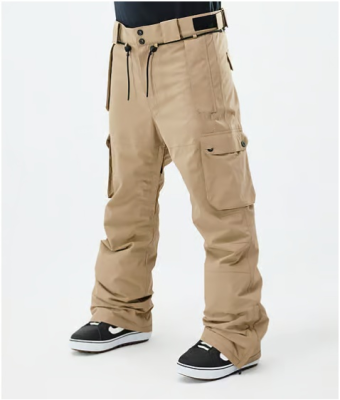
Winter Waterproof Pant Ski Snow Trousers
$15.50 - $17.90
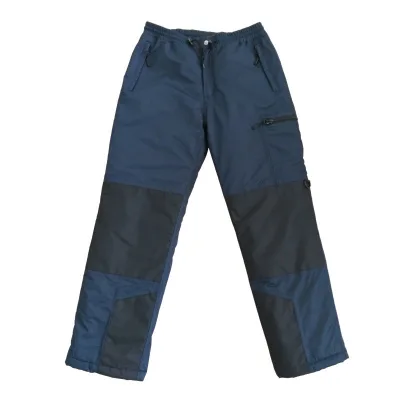
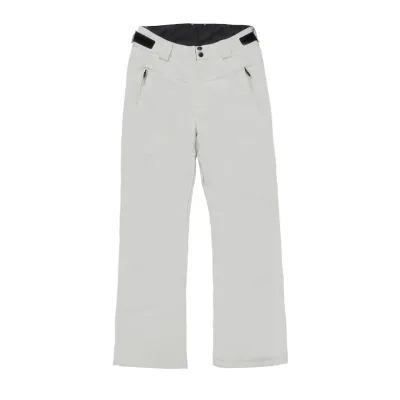
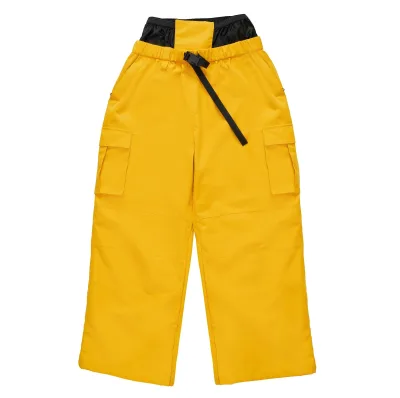
Shenzhen Hongshun Rongfa Technology Co., Ltd.
- Manufacturer, Trading Company, Buying Office, Agent, Distributor/Wholesaler
- Guangdong, China
- Lead time30 days
- Avg. response≤ 7h
Main productscorset,shapewear,compression garnent,body suit,heating clothes
Main marketsNorth America(60.00%), Western Europe(20.00%), Southern Europe(10.00%)
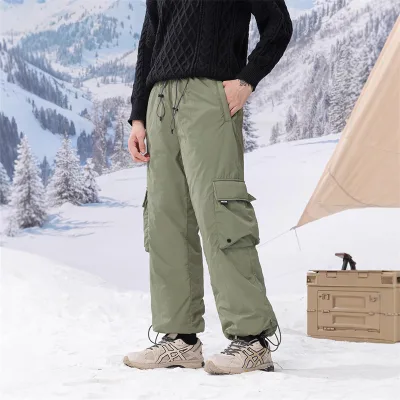
$26.4379 - $27.4737
MOQ: 2 pieces
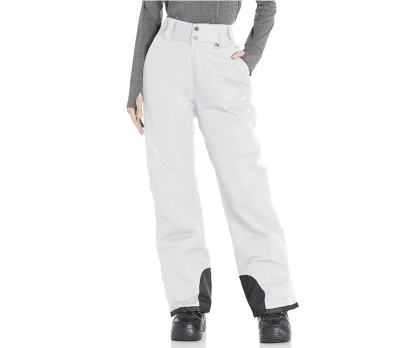
$8.8276 - $9.2458
MOQ: 3 pieces
Fuzhou Changtai Textile Co., Ltd.
- Verified by Intertek
- Trading Company
- Lead time45 days
- Avg. response≤ 4h
Main productsMen's Softshell Jackets, Men's Waterproof Jackets, Men's Pants, Men's Vests, Safety Jacket
Main marketsWestern Europe(72%), South America(10%), Oceania(8%)
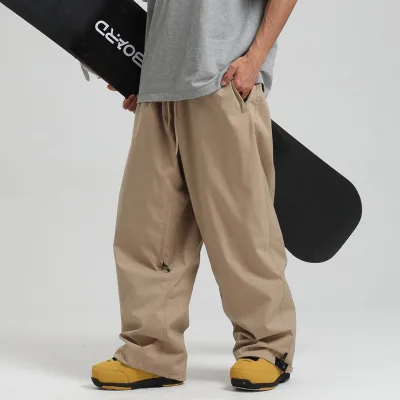
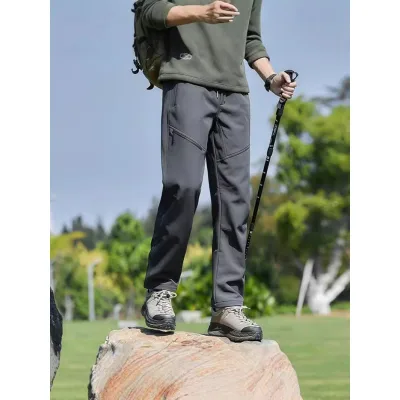
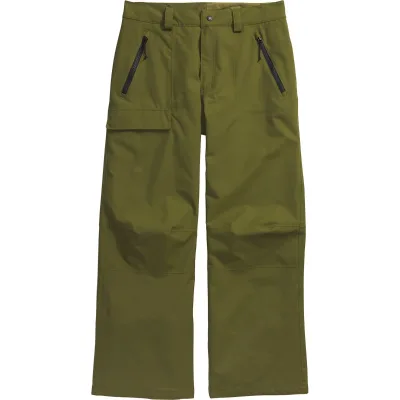
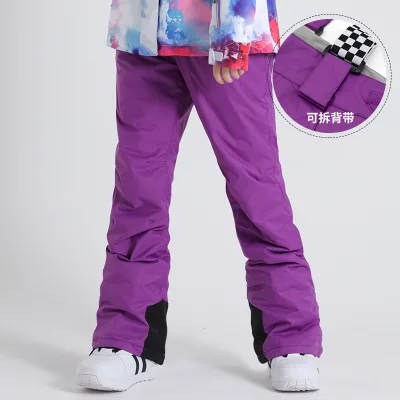
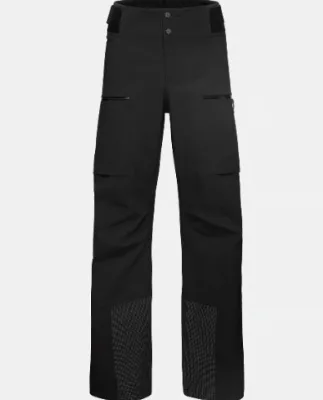
Winter New Style Ski Pants for Men and Women, Loose Fit, Windproof and Waterproof
$87.5791 - $87.8879
MOQ: 500 sets

Jiangxi Saloong Garment Co., Ltd
- Verified by BV
- Trading Company,Manufacturer/Factory
- China Jiangxi
- Lead time60 days
- Avg. response≤ 3h
Main productsPolar Fleece Jacket, Softshell Jacket, Work Wear, Overall, Windbreaker, Ski Suit, Winter Quilted Jacket, Fishing Jacket, Rain Jacket, Waterproof Jacket
Main marketsSouth America,Eastern Europe,North America,Southeast Asia,Western Europe,Africa


100% Polyester Waterproof Windproof Winter Outdoor Sports Snow Ski Pants
$13.50 - $16.50
MOQ: 1000 Pieces

Men's Winter Sportswear Snow Trousers Breathable Waterproof Windproof Ski Pants
$21.30 - $50.00
MOQ: 2 Pieces


Customized Winter Outdoor Snowboarding Warm Waterproof Snow Ski Pants for Women
$16.50 - $19.80
MOQ: 500 Pieces
Fultex Apparel (xiamen) Co., Ltd.
- Verified by SGS Group
- Manufacturer, Trading Company
- Lead time100 days
- Avg. response≤ 1h
Main productsSki Jacket, Down Jacket, 3 In 1 Jacket, Softshell Jacket, Outdoor Jacket
Main marketsDomestic Market(37%), Eastern Europe(30%), North America(13%)
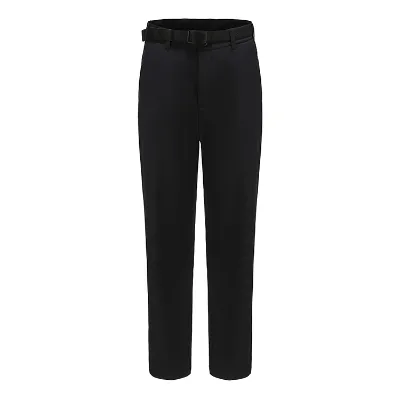
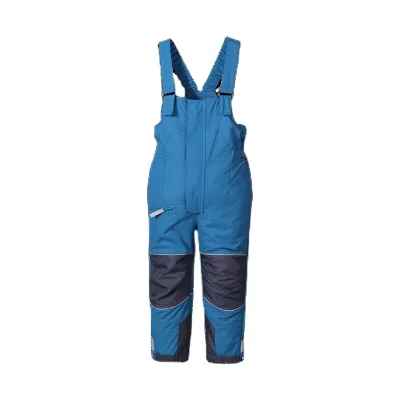
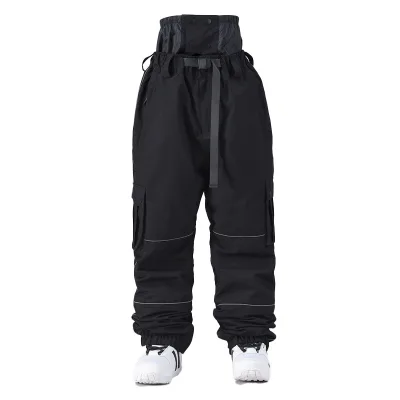
Wholesale High Quality Men's Baggy Ski Snow Pants Waterproof Breathable Ski Pants for Snowboarding
$57.7175 - $71.0931
MOQ: 2 pieces
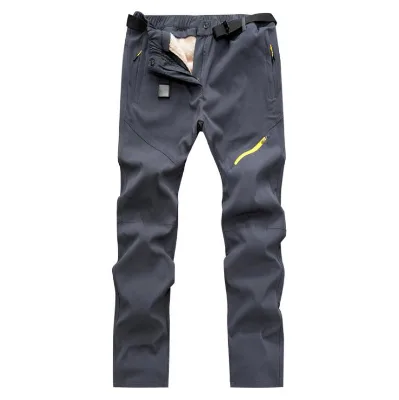
Snow Women Men Winter Ripstop Snowboard Bottoms Ski Pants Waterproof Insulated
$21.8119 - $26.0301
MOQ: 600 pairs
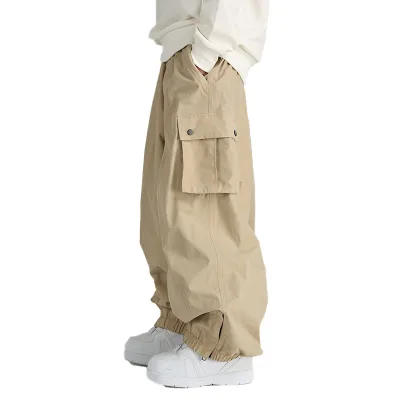
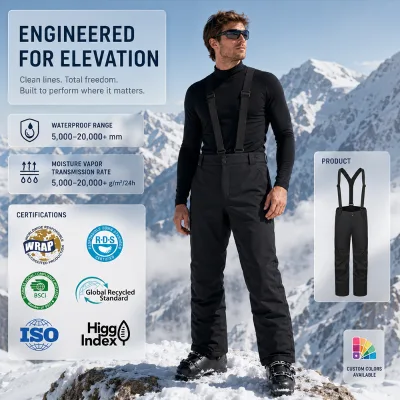
Unisex Winter Ski Suit Loose Waterproof and Windproof Snowboard Pants for Adults Outdoor Warm
$65.9065 - $81.1139
MOQ: 2 pieces

Power Ascent (Xiamen) International Ltd.
- Verified by BV
- Trading Company,Manufacturer/Factory
- China Fujian
- Lead time90 days
- Avg. response≤ 25h
Main productsMen's Suit, Business Suit, Shirt, Trousers, Casual Jacket, Ski Wears, Softshell Jacket, Function Garments, Office Uniform, Worker Uniform
Main marketsSouth America,Eastern Europe,Mid East,North America,Oceania,Western Europe

2016 New Development Functional Waterproof Softshell Ski Pants for Men
$10.00 - $18.00
MOQ: 800 Pieces


Taian Bowins Garment Co., Ltd.
- Combined
- China Shandong
- Lead time60 days
- Avg. response≤ 15h
Main productsMotorcycle Jacket, Motorcycle Pants, Hunting Jacket, Motorcycle Clothing, Hunting Pants, Airbag Jacket, Military Uniform, Safety Reflective Jacket
Main marketsSouth America,East Asia(Japan/ South Korea),Domestic,Europe,Australia,North America
Huaian Youtuo Trading Co., Ltd.
- Trading Company
- Jiangsu, China
- Lead time30 days
- Avg. response≤ 2h
Main productsSki jackets,Ski-pants,Underwear,Soft shell,reflective safety clothing
Main marketsNorth America(20.00%), Eastern Europe(15.00%), Western Europe(15.00%), Southern Europe(10.00%), South America(10.00%), Domestic Market(9.00%), Northern Europe(5.00%), Central America(5.00%), Africa(3.00%), Southeast Asia(3.00%), Mid East(3.00%), Oceania(2.00%)
Fuzhou Xin Sunshinetex Garment Co., Ltd.
- Verified by SGS Group
- Manufacturer, Trading Company
- Lead time0 days
- Avg. response≤ 6h
Main products3 in 1 Jackets, Outdoor Waterproof Jackets, Ski Jackets, Ski Pants, Hard Shell Jackets
Main marketsDomestic Market(51%), Western Europe(49%)
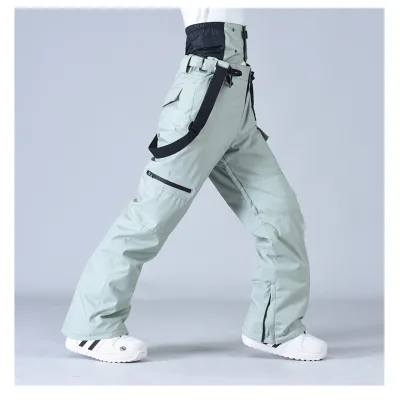
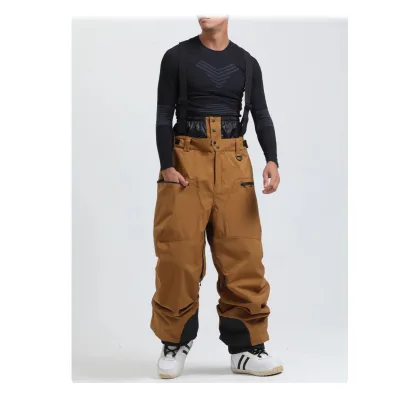
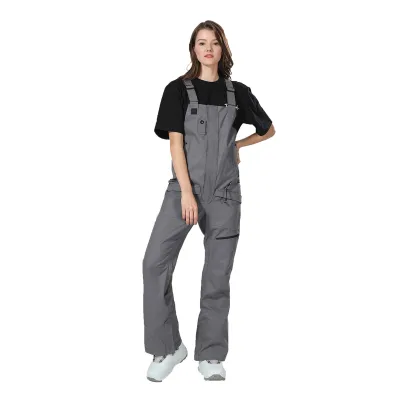
Top Selling Outdoor Ski Pants Water Repellent Suspenders Trousers Snow Overalls for Women
$19.0193 - $25.3586
MOQ: 500 pieces
Xiamen Yingdilade E-commerce Co., Ltd.
- Verified by TüVRheinland
- Manufacturer, Trading Company
- Lead time45 days
- Avg. response≤ 3h
Main productsDown Jacket, One Piece Ski Suit, Waterproof Jacket, Ski Jacket, Workwear
Main marketsNorth America(70%), Western Europe(20%), South America(2%)
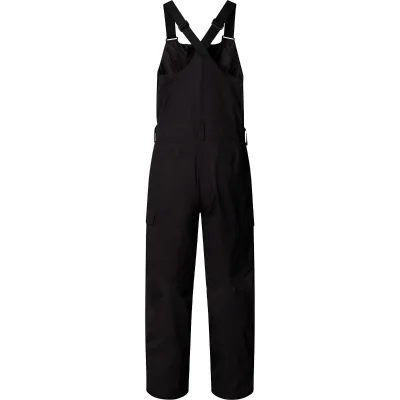
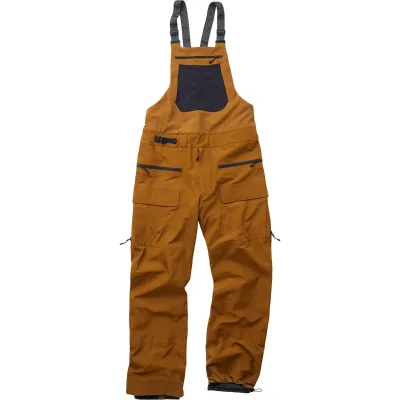
Breathable High Quality Ski Bib Pants for Men Outdoor Winter Snow Ski Waterproof Windproof Warm
$40.80 - $55.80
MOQ: 100 pieces

Fuzhou Joinhand Apparel Co., Ltd.
- Verified by SGS
- Manufacturer
- China Fujian
- Lead time15 days
- Avg. response≤ 1h

Dongguan Jinwei Safety Technology Co., Ltd.
- Manufacturer, Trading Company
- Guangdong, China
- Lead time30 days
- Avg. response≤ 1h
Main productsworkwear,safety clothing,outdoor apparel,denim pant,skydiving suit
Main marketsNorth America(45.00%), Africa(10.00%), Southeast Asia(10.00%), Mid East(10.00%), Domestic Market(5.00%), South Asia(5.00%), Northern Europe(5.00%), Central America(5.00%), South America(5.00%)
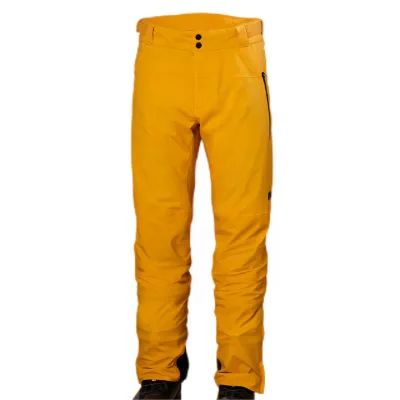
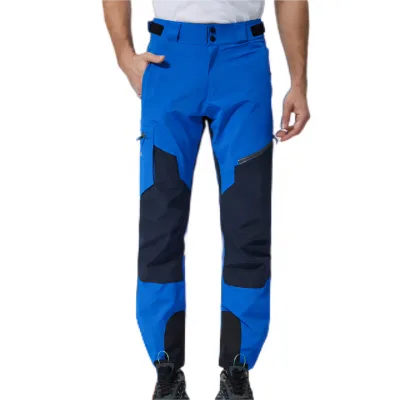
Factory Supply New Design Custom Polyester Waterproof 10000mm Ski Pants Men Ski Snow Wear
$24.0155 - $30.2828
MOQ: 200 pieces
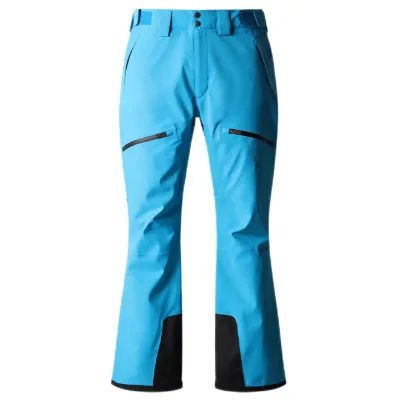
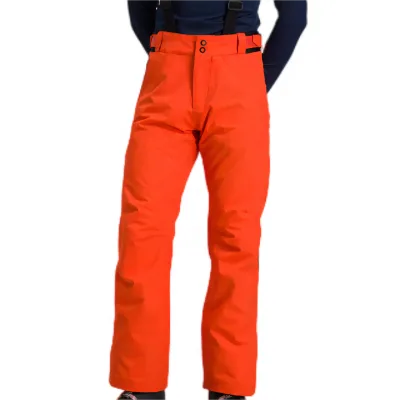
$28.99 - $32.99
MOQ: 300 pieces
- Trading Company
- Fujian, China
- Lead time0 days
- Avg. response≤ 1h
Main productsskiing jackets,skiing pants,sports knee pads,sports protective gear,sports helmet
Main marketsNorth America(35.00%), Western Europe(15.00%), Domestic Market(10.00%), Southeast Asia(10.00%)

Hubei Yuyuan Garments Co., Ltd.
- Verified by TUVRHEINLAND
- Combined
- China Hubei
- Lead time60 days
- Avg. response≤ 6h
Main productsOutdoor Clothing, Waterproof Jacket, Ski Jacket, Padded Jacket, 3 in 1 Jacket, Hiking Pants, Ski Pants, Softshell Jacket, Workwear, Windproof Jacket
Main marketsSouth America,Europe

Mens Outdoor Snow Ski Pants Waterproof Hiking Pants Snowboard Zipper Bottom Leg Skiing Trousers
$15.20 - $25.60
MOQ: 800 pcs


Men's Ski Pants Waterproof Snow Trousers for Outdoor Winter Skiing Snowboard
$17.50 - $22.60
MOQ: 800 pcs

Womens Snow Ski Waterproof Winter Snowboard Pants Outdoor Hikingzipper Bottom Leg
$17.50 - $22.60
MOQ: 800 pcs

3L Waterproof Ski Pants Overalls with Adjustable Straps and Multiple Pockets
$15.00 - $25.00
MOQ: 800 pcs

Mens Outdoor Snow Ski Pants Waterproof Hiking Insulated Pants Snowboard Zipper Bottom Leg
$17.50 - $22.60
MOQ: 800 pcs
Ningbo Jiaqi Import And Export Trading Co., Ltd.
- Verified by Intertek
- Trading Company
- Lead time0 days
- Avg. response≤ 8h
Main productsHousehold Products, Kitchen Products, Electronic Products, Valve Copper Fittings, Fitness Protection Products
Main marketsNorthern Europe(53%), North America(28%), Eastern Asia(12%)

Fuzhou Praise Garments Co., Ltd
- Verified by BV
- Combined
- China Fujian
- Lead time45 days
- Avg. response≤ 2h
Main productsWorkwear, Outdoor Jackets, Rainwear, Hi-Vis Vest, Hi-Vis Jacket, High Visibility Shirts, Softshell Jacket & Pants, Skiwear & Technical Jacket, Flame-Resistant Workwear, Heating/Warming & LED Light Garments
Main marketsEurope,North America

Waterproof Windproof Ski Bib Pants for Skiers with Detachable Suspenders & Side Zipper Pockets
$12.50 - $12.98
MOQ: 500 Pieces

High Performance Snow Ski Pants for Mountain Skiing with Anti-Snow Cuffs & Multiple Color Options
$12.50 - $12.98
MOQ: 500 Pieces
Taian Bowins Garment Co., Ltd.
- Verified by TüVRheinland
- Manufacturer, Trading Company
- Lead time45 days
- Avg. response≤ 6h
Main productsMotorcycle Wear, Hunting Fishing Wear, Heated Jacket, Outdoor Clothing, Security Jacket
Main marketsNorth America(45%), Western Europe(20%), South America(10%)
Shaoxing Goldbridge Imp.&exp. Co., Ltd.
- Trading Company
- Zhejiang, China
- Lead time90 days
- Avg. response≤ 11h
Main productsMen's Clothing; Women's Clothing; Children's Clothing
Main marketsWestern Europe(60.00%), South America(30.00%), North America(5.00%), Oceania(5.00%)

- Verified by CTI
- Manufacturer/Factory
- China Hebei
- Lead time0 days
- Avg. response≤ 19h
Main productsWork Clothes, Men's Clothes, Women's Clothes, Children's Clothes, Ski Suit, High Visibility Workwear Jacket, Winter Jacket, Beach Pants, High Visibility Workwear Pants, Fashion Shirt

Men's Premium Waterproof Insulated Ski Pants with Adjustable Waistband
$15.00 - $16.00
MOQ: 1000 pieces


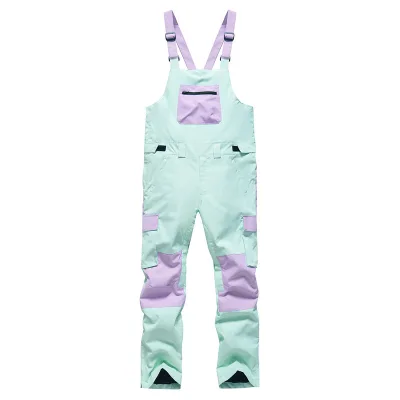
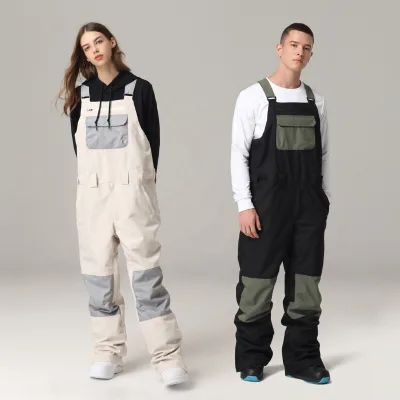



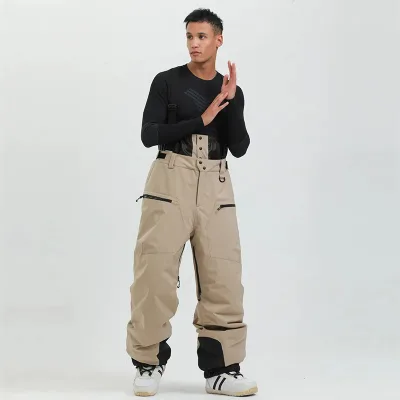
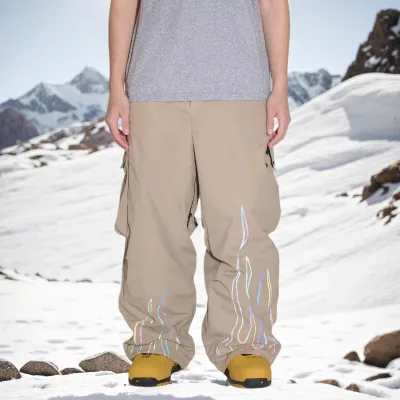
Comprehensive Sourcing Guide
Waterproof Ski Pants Supplier Concentration and Factory Types
The current supplier landscape for Waterproof Ski Pants reveals a distinct geographic concentration in China, with specific manufacturing hubs identified in Fujian and Zhejiang provinces. These regions serve as primary centers for apparel production, offering varying degrees of specialization in outdoor gear and winter sports equipment. Suppliers in these locations often operate as manufacturers or trading companies, providing buyers with access to both direct factory pricing and broader product assortments. The presence of established industrial clusters in these areas suggests a mature supply chain ecosystem, where raw material sourcing, textile processing, and final assembly are closely integrated. This proximity allows for efficient coordination during the production phase, potentially reducing communication barriers and logistical friction for international buyers.
Factory types in this sector range from pure manufacturers to hybrid entities that combine trading services with production capabilities. Some suppliers specialize exclusively in apparel, focusing on jackets, softshell wear, and specialized ski pants, while others offer a broader range of snow sports accessories such as snowboards, bindings, and thermal wear. This diversity allows buyers to consolidate orders or diversify their sourcing strategies depending on their specific needs. The distinction between a pure manufacturer and a trading company is critical, as it impacts pricing structures, communication efficiency, and quality control processes. Buyers must carefully evaluate the company type to ensure alignment with their operational requirements, whether they prioritize direct factory engagement or the flexibility of a multi-product trading partner.
How to Verify Waterproof Ski Pants Suppliers
Verification of suppliers requires a multi-layered approach that goes beyond basic company profiles to include rigorous assessment of credentials and operational capabilities. Buyers should prioritize suppliers who hold recognized system certifications such as BSCI, ISO 9000, ISO 14001, and SEDEX, as these indicate adherence to international standards for social responsibility, quality management, and environmental protection. Additionally, third-party verification badges like SGS provide an extra layer of confidence regarding the supplier’s legitimacy and operational integrity. These certifications are not merely decorative; they serve as tangible evidence of a supplier’s commitment to maintaining consistent quality and ethical labor practices, which are crucial for long-term business relationships in the competitive outdoor apparel market.
Beyond certifications, buyers must assess the supplier’s response time and communication efficiency, as these factors directly impact project management and problem resolution. A response time metric, such as the observed average of around 16 hours, can indicate the supplier’s responsiveness and dedication to customer service. Fast response times often correlate with better project oversight and quicker adaptation to buyer requests. Furthermore, verifying the supplier’s capacity for Original Design Manufacturing (ODM) and Original Equipment Manufacturing (OEM) is essential for buyers seeking customized products. Suppliers that explicitly state their ability to handle both design and production services offer greater flexibility, allowing buyers to tailor products to specific market demands without being limited to off-the-shelf options.
What to Compare Across Waterproof Ski Pants Suppliers
When evaluating multiple suppliers, buyers should focus on key operational metrics such as lead times, minimum order quantities (MOQs), and pricing structures to determine the best fit for their business model. Lead times can vary significantly, with some suppliers offering production cycles as short as 23 days, while others may require up to 60 days. This variance is crucial for inventory planning, especially for seasonal products like ski pants where timing is critical to capturing market demand. Similarly, MOQs can range from 500 to 1000 pieces, influencing the buyer’s ability to test new designs or scale production without excessive inventory risk. Understanding these constraints helps buyers align their procurement strategies with their sales forecasts and financial capabilities.
Pricing and product specifications are equally important factors in supplier comparison. Prices for Waterproof Ski Pants can range from approximately $9 to over $40 per unit, depending on material quality, feature complexity, and customization levels. Buyers should compare not just the base price but also the value proposition, including features like waterproofing, breathability, and durability. Additionally, examining the supplier’s main products can reveal their area of expertise; some may specialize in high-performance technical gear, while others focus on casual winter wear. By systematically comparing these dimensions, buyers can identify suppliers that offer the optimal balance of cost, quality, and service, ensuring they select partners that can support their brand’s positioning and growth objectives.
Common Waterproof Ski Pants Sourcing Risks
One of the primary risks in sourcing Waterproof Ski Pants is the potential discrepancy between product samples and bulk production quality. Buyers must be vigilant about verifying material specifications, such as the use of polyester, nylon, or spandex blends, and ensuring that features like waterproofing and windproofing are consistently applied across all units. Inconsistent quality can lead to customer dissatisfaction and returns, damaging brand reputation. Additionally, the complexity of customization options, such as color, size, and pattern variations, increases the likelihood of errors during production. Buyers should establish clear technical packs and quality control checkpoints to mitigate these risks, ensuring that the final products meet their exact specifications.
Another significant risk is the reliability of supply chain logistics and delivery timelines. Delays in production or shipping can disrupt inventory levels and miss critical sales windows, particularly for seasonal items. Buyers should assess the supplier’s logistical capabilities, including their experience with sea transportation and their ability to handle complex packing requirements. Furthermore, the risk of intellectual property infringement or unauthorized production of branded goods is a concern for buyers seeking exclusive designs. To mitigate this, buyers should work with suppliers who have a proven track record of confidentiality and compliance, and consider using escrow services or other secure payment methods to protect their financial interests until delivery is confirmed.
Waterproof Ski Pants Regional Sourcing and Logistics
Sourcing from specific regions in China, such as Fujian and Zhejiang, offers distinct logistical advantages due to their proximity to major ports and established manufacturing infrastructure. Fujian is known for its apparel manufacturing capabilities, while Zhejiang is a hub for a wider range of outdoor sports equipment, including snowboards and bindings. This regional specialization allows buyers to leverage local expertise and supply chain efficiencies, potentially reducing transportation costs and lead times. However, buyers must also consider the logistical complexities of importing from these regions, including customs clearance, documentation requirements, and potential tariffs. Understanding the specific logistical landscape of each region helps buyers plan their supply chain more effectively and avoid unexpected delays or costs.
Logistics planning also involves selecting the appropriate shipping methods and packaging solutions to ensure product integrity during transit. Waterproof Ski Pants often require specific packing methods, such as individual polybag packaging or carton consolidation, to protect the garments from moisture and damage. Suppliers may offer different packing options, such as sea transportation packing or standard export packaging, which can impact shipping costs and handling efficiency. Buyers should work closely with their suppliers to determine the most cost-effective and secure shipping method, considering factors like volume, weight, and delivery urgency. Additionally, buyers should verify the supplier’s experience with international shipping to ensure they can handle the complexities of cross-border logistics smoothly.
Waterproof Ski Pants Commercial Terms and Order Planning
Commercial terms and order planning are critical components of successful supplier engagement, requiring careful negotiation of payment terms, delivery schedules, and quality assurance protocols. Buyers should aim to establish clear agreements on payment milestones, such as using escrow services to secure funds until goods are received and inspected. This approach minimizes financial risk and ensures that suppliers are motivated to deliver on their promises. Additionally, buyers should negotiate flexible order terms that allow for adjustments based on market demand, such as the ability to place smaller initial orders with the option to reorder quickly. This flexibility is particularly important for seasonal products, where demand can fluctuate significantly.
Order planning also involves aligning production schedules with sales forecasts to optimize inventory levels and cash flow. Buyers should work with suppliers to develop a production calendar that accounts for lead times, holidays, and potential disruptions. By maintaining open communication and regular updates, buyers can stay informed about production progress and address any issues promptly. Furthermore, buyers should consider the supplier’s capacity for scalability, ensuring they can handle increased order volumes during peak seasons. By carefully planning commercial terms and order logistics, buyers can build a resilient supply chain that supports their business growth and minimizes operational risks.
FAQs
What is the price range for Waterproof Ski Pants?
Waterproof Ski Pants typically range from $8.99 to $40.50 per unit depending on material and features. Basic polyester options start near $9, while specialized hardshell or fleece-lined designs cost up to $40. Prices vary based on customization needs and order volume.
What is the minimum order quantity for these pants?
Minimum order quantities generally start at 500 pieces for certain models and 1000 pieces for others. Buyers should verify specific MOQ requirements with suppliers before placing orders, as thresholds depend on the product model and customization level requested.
How long does production take for ski pants?
Production lead times vary significantly, ranging from 23 days to 60 days. Suppliers in Zhejiang often offer faster turnaround times around 23 days, while those in Fujian may require up to 60 days. Confirm exact timelines with your chosen manufacturer.
Are OEM and ODM services available?
Yes, many suppliers offer both OEM and ODM services for Waterproof Ski Pants. Manufacturers in China provide customization options including logo printing, color changes, and design modifications. Buyers can request specific samples to ensure the final product meets their brand standards.
What certifications do these suppliers hold?
Some suppliers hold BSCI, ISO 9000, ISO 14001, and SEDEX certifications. Others may have SGS verification or ISO composite certifications for fabrics. Buyers should request current certification documents to ensure compliance with international safety and quality standards.
Where are these ski pants manufactured?
Manufacturers are primarily located in China, specifically in Fujian and Zhejiang provinces. These regions specialize in sportswear and outdoor apparel production. Buyers can filter suppliers by location to prioritize regional logistics and shipping efficiency for their specific needs.