Armoured Tactical Fiber Camera Cable Suppliers and Manufacturers
Compare 23 verified suppliers offering Armoured Tactical Fiber Camera Cable with varying lead times, response speeds, and certifications. Review product specs like fiber count and armor type, then request quotes to verify pricing and delivery terms; review the available evidence before requesting comparable quotations from suitable candidates.
Updated
Suppliers List
Shanghai Wanbao Optical Technologies Co., Ltd.
- Manufacturer, Trading Company
- Lead time旺季: "1 - 10000":31,"> 10000":"To be negotiated", 淡季: "1 - 10000":31,"> 10000":"To be negotiated"
- Avg. response≤ 2h
Main productsFiber Optic Cable, Fiber Optic Patch Cord, Fiber Optic Termination Box, Fiber Optic Patch Panel, Fiber optic cable fittings & accessories

Shenzhen Necero Optical Fiber And Cable Co., Ltd.
- Manufacturer/Factory
- China Guangdong
- Lead time15 days
- Avg. response≤ 11h
Main productsOptical Fiber Cable, Fiber Optic Jumper, Outdoor Optical Cable, Indoor Optical Cable, Indoor Armoured Fiber Optic Cable, FTTH Cable, ADSS Cable, Optical Power Composite Cable, Stainless Steel Tube Optical Cable, Air Blowing Fiber Optic Cable
Main marketsSouth America,Eastern Europe,North America,Southeast Asia,Eastern Asia,Oceania,Western Europe,Africa
Dongguan Guanhong Optical Cable Co., Ltd.
- Manufacturer, Trading Company
- Guangdong, China
- Lead time7 days
- Avg. response≤ 4h
Main productsIndoor Optical Cable, Outdoor Optical Cable, Special Fiber Optic Cable, Mining Fiber Optic Cable, FTTH Cable
Main marketsDomestic Market(50.00%), North America(10.00%), Eastern Asia(10.00%), Southeast Asia(10.00%), South America(6.00%), South Asia(5.00%), Mid East(5.00%), Western Europe(4.00%)

Hongan Group Corporation Limited
- Group Corporation
- China Shandong
- Lead time15 days
- Avg. response≤ 12h
Main productsOptical Fiber Cable, FTTH FTTX, Fiber Cable, Fiber Optic Cable, Data LAN Cable, Internet Cable, Fiber Jumper, Multi Pair Telephone Cable, Epon Gpon, Joint Closure ODF
Main marketsAfrica,Southeast Asia/ Mideast,Domestic

Shenzhen Pioneer Goods Communication Co., Limited
- Verified by TUVRHEINLAND
- Trading Company
- China Guangdong
- Lead time15 days
- Avg. response≤ 3h
Main productsfiber telecom equipment and FTTH solution
Main marketsSouth America,Southeast Asia/ Mideast,Europe,North America

Outdoor Cable Fiber Optic Armoured 12 Core Fiber Optic Cable 2km Optical Cable
$0.20 - $1.00
MOQ: 2000 Meters

Armoured 12 Core Fiber Optic Cable 24 Core Fiber Optic Cable Outdoor Cable
$0.20 - $1.00
MOQ: 2000 Meters

Fiber Optic Cable Armoured 12 Core Fiber Optic Cable 6 Core Optical Cable
$0.20 - $1.00
MOQ: 2000 Meters


Armoured Fiber Optic Cable 72 Core Optical Fiber Cable 8 Core Fiber Optic Cable
$0.20 - $1.00
MOQ: 2000 Meters

Armored Fiber Optic Cable 24 Core Optical Fiber Cable Single Mode Fiber Cable
$0.40 - $1.00
MOQ: 2000 Meters
Shenzhen Angnet Technology Co., Ltd.,
- Verified by SGS Group
- Trading Company
- Lead time15 days
- Avg. response≤ 9h
Main productsIndoor/Outdoor Fiber Cable, MPO/MTP Patch Cord, Distribution Box, Splice Closure, Terminal Box
Main marketsNorth America(33%), South America(23%), Eastern Europe(8%)
Shenzhen Aixton Cables Co., Ltd.
- Verified by SGS Group
- Trading Company
- Lead time7 days
- Avg. response≤ 4h
Main productsFiber Optic Cable, Network Cable, Network Accessories, Fiber Optic Accessories
Main marketsSoutheast Asia(50%), North America(13%), Western Europe(10%)
Hangzhou Huaxun Technology Co., Ltd.
- Manufacturer, Trading Company
- Zhejiang, China
- Lead time15 days
- Avg. response≤ 5h
Main productsOptic Fiber Cable; Fiber Distribution Box; Optic PLC Splitter; Optical Module; ODF Cabinet & Racks,Fiber Distribution Box,Optical Splitter,Fiber Patch Panels,Optic Fiber Tools
Main marketsSoutheast Asia(70.00%), Eastern Europe(15.00%), North America(8.00%), Africa(7.00%)
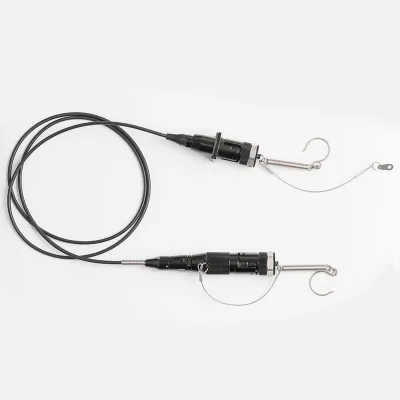
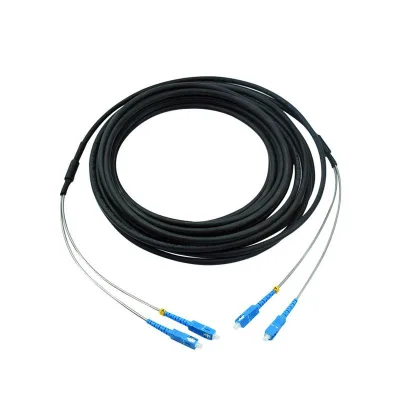
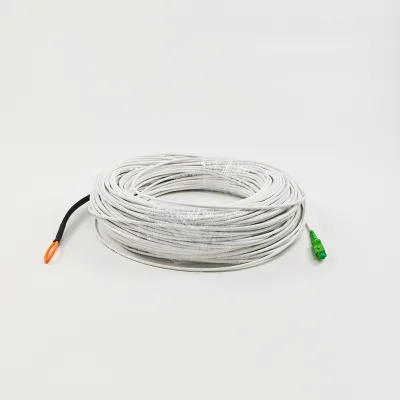
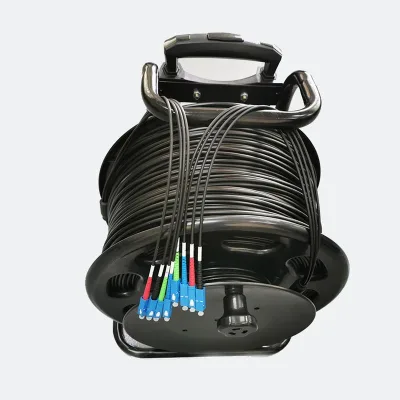
Tactical Armored Patchcord FIBERVISION SC connector field tactical fiber optic cable
$100.00 - $150.00
MOQ: 100 Minimum
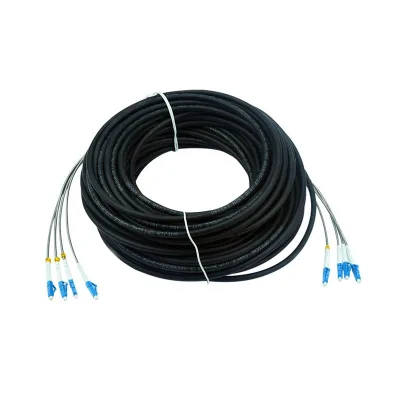
FIBERVISION armored tactical fiber cable singlemode stainless steel protect armourd cable
$0.10 - $0.50
MOQ: 100 Minimum

Shenzhen Hanxin Communication Optical Fiber Cable Co., Ltd.
- Verified by BV
- Trading Company
- China Guangdong
- Lead time15 days
- Avg. response≤ 4h
Main productsFTTH Drop Cable, Indoor Fiber Optic Cable, Outdoor Fiber Optic Cable, MTP/MPO, Fiber Optic Patch Cord/Jumper, Fiber Optic Pigtail, Fiber Optic Media Converter, Termination Box/Patch Panel, Fast Connectors
Main marketsSouth America,Southeast Asia/ Mideast,Domestic

Ningbo Meilan Communication Equipment Co., Ltd.
- Verified by TUVRHEINLAND
- Trading Company,Manufacturer/Factory
- China Zhejiang
- Lead time15 days
- Avg. response≤ 3h
Main productsFTTH Terminal Box, Finer Optic Cable, Fiber Optic Closure, FTTH Accessories, Fiber Optic Patch Cord, Patch Panel, Copper Connection Module, Distribution Box, ONU, Telecom Tools
Main marketsSouth America,Eastern Europe,Mid East,North America,Southeast Asia,Eastern Asia,Oceania,Western Europe,Africa

Shanghai Gengyun Industrial Co., Ltd.
- Verified by TUVRHEINLAND
- Trading Company
- China Shanghai
- Lead time15 days
- Avg. response≤ 5h
Main productsOptical Fiber Cable Material, Optical Fiber Coating Resin, Sheath Raw Materials for Cable, PBT Polybutylene Terephthalate, Cable Water Blocking Material, Optical Fiber Coloring Ink, Cable Armoring Material, Optical Fiber Machine, Optical Fiber Cable Machine, Fiber Cable Reinforced Material
Main marketsSoutheast Asia/ Mideast

Grade Fiber Optic Cable, Armored Field Cable for Tactical & Combat Communications
$0.35 - $5.00
MOQ: 1000 Meters


Takfly Communications Co., Ltd.
- Trading Company,Manufacturer/Factory
- China Guangdong
- Lead time15 days
- Avg. response≤ 11h
Main productsFiber Optic Patchcord, Optical Adapter, Optic Attenuator, CWDM/DWDM, Media Converter, Optical Fiber Cable, Poe Switch, PLC Splitter, MPO/MTP, Fiber Optic Distribution Box
Main marketsSouth America,Eastern Europe,Mid East,North America,Southeast Asia,Eastern Asia,Oceania,Western Europe,Africa
Shenzhen Hicorpwell Technology Co., Ltd.
- Manufacturer, Trading Company, Distributor/Wholesaler
- Guangdong, China
- Lead time0 days
- Avg. response≤ 2h
Main productsSpecial fibers,Specialty Fiber Optic Cables,patch cord cable,optical cable,hybrid cable
Main marketsDomestic Market(20.00%), Africa(15.00%), Mid East(13.00%), Southeast Asia(11.00%), South Asia(9.00%), Central America(8.00%), Eastern Europe(6.00%), North America(6.00%), South America(5.00%), Northern Europe(4.00%), Western Europe(3.00%)
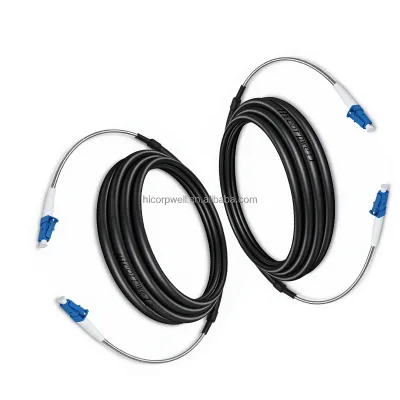
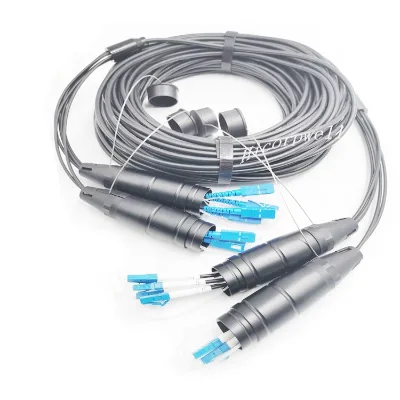
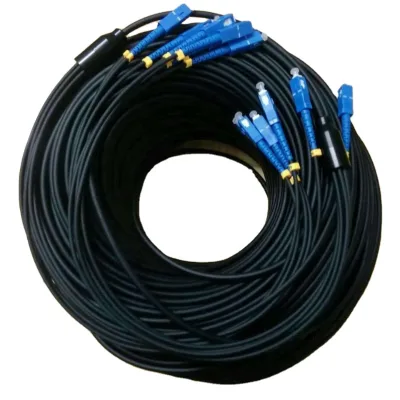
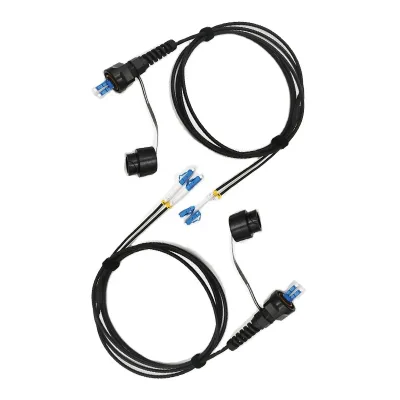
$5.00 - $62.00
MOQ: 1 Minimum
- Manufacturer, Trading Company
- Lead time旺季: "1 - 10":5,"> 10":"To be negotiated", 淡季: "1 - 10":5,"> 10":"To be negotiated"
- Avg. response≤ 3h
Main productsFTTA Waterproof Connector, FTTH Wiring Solution, Fiber Optic Patch Cord, Adapters & Attenuators & Connectors, MPO Wiring Solution
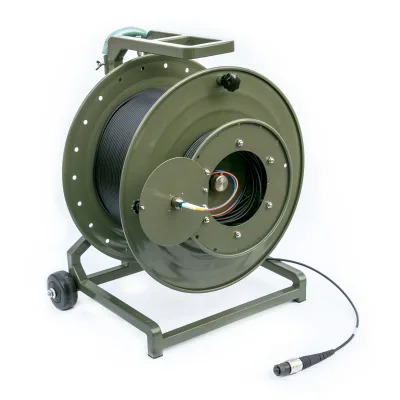
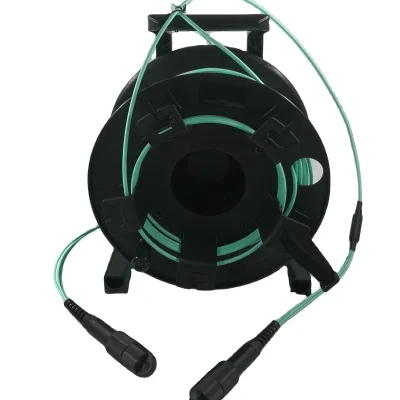
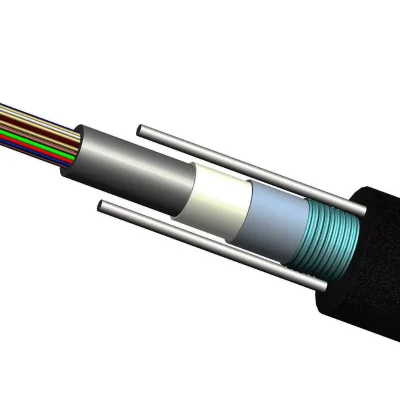
$0.3088 - $1.0283
MOQ: 1 Minimum
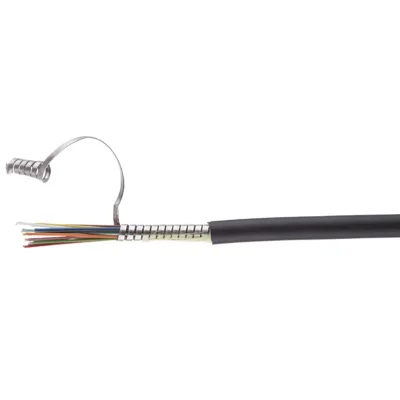
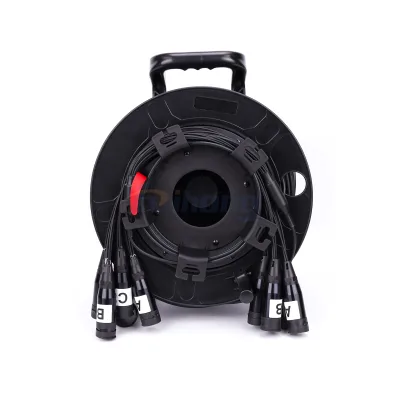
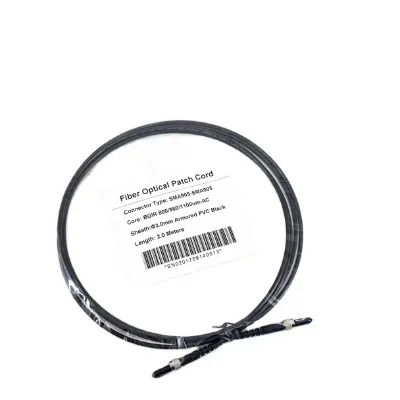

- Verified by SGS
- Combined
- China Hunan
- Lead time15 days
- Avg. response≤ 3h
Main productsFiber Optic Cables, ADSS Cables, Opgw Cables, Fiber Drop Cables, Aerial Fiber Cables, Direct-Buried Fiber Cables, Duct Fiber Cables, Air Blown Micro Cables, Anti-Rodent Fiber Cables, Bare Optical Fiber
Main marketsSouth America,Southeast Asia/ Mideast,Domestic

Durable 8-Core and 12-Core Armored Tactical Fiber Cable for Broadcasting
$78.00 - $88.00
MOQ: 5 kilometers


Shenzhen Gaofu Communication Technology Co., Limited
- Manufacturer, Trading Company
- Guangdong, China
- Lead time3 days
- Avg. response≤ 1h
Main productsMPO/MTP Assembly,Fiber Optic Cable Reel/Drum,Fiber Optic Adapter,Fiber Optic Cable,Fiber Optic Media Converter
Main marketsNorth America(30.00%), South America(15.00%), Eastern Europe(10.00%), Southeast Asia(8.00%), Mid East(6.00%), Oceania(6.00%), Africa(6.00%), South Asia(3.00%), Southern Europe(3.00%), Northern Europe(3.00%), Central America(3.00%), Western Europe(3.00%), Eastern Asia(3.00%), Domestic Market(1.00%)
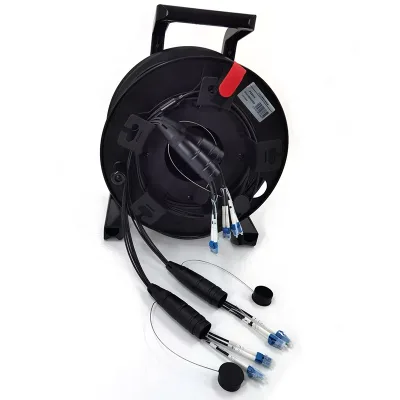
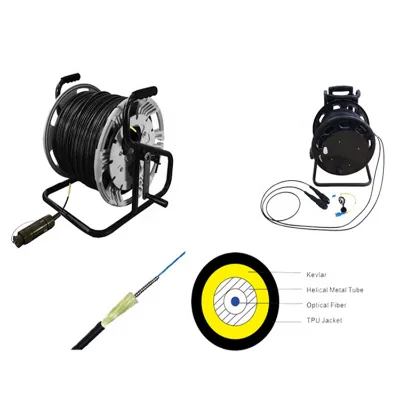
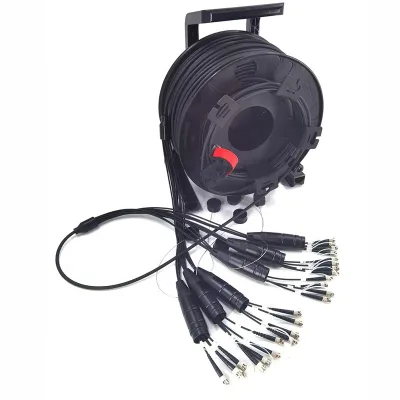
Armored Tactical Fiber Optic Cable For Complex Environment Tactical Field Use 4 8 12 24 core
$300.00 - $800.00
MOQ: 1 Minimum
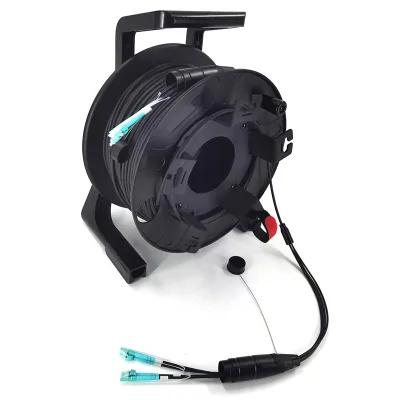
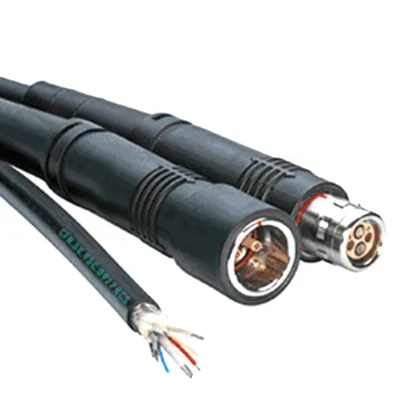
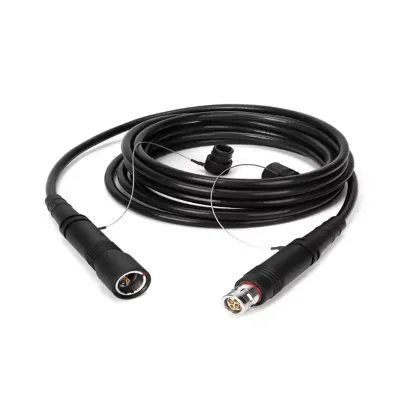

Hangzhou DAYTAI Network Technology Co., Ltd.
- Verified by SGS
- Manufacturer/Factory
- China Zhejiang
- Lead time15 days
- Avg. response≤ 4h
Main productsOptical Receiver, PLC Splitter, Sc Fast Connector, Fiber Optic Distribution Box, ADSS Fiber Optic Cable, Optical Closure, Fiber Optic Cable Clamps, Olt ONU, EDFA, FTTH Drop Cable
Main marketsSouth America,Eastern Europe,Mid East,North America,Southeast Asia,Eastern Asia,Oceania,Western Europe,Africa


Outdoor Multilayered Protection Armored Fiber Optic Communication Cable
$0.92 - $1.08
MOQ: 1000 Meters

Hangzhou Hondao Optic Co., Ltd.
- Verified by Intertek
- Trading Company
- Lead time0 days
- Avg. response≤ 3h
Main productsOptical Amplifier, Optical Transmitter, IP Modulator , OLT, ONU
Abccabls Technology Ningbo Co., Ltd.
- Manufacturer, Trading Company
- Zhejiang, China
- Lead time0 days
- Avg. response≤ 4h
Main productsStage sound system,Audio frequency cable,LED lamp cable
Main marketsWestern Europe(40.00%), South America(30.00%), Northern Europe(10.00%), North America(10.00%), Southeast Asia(10.00%)
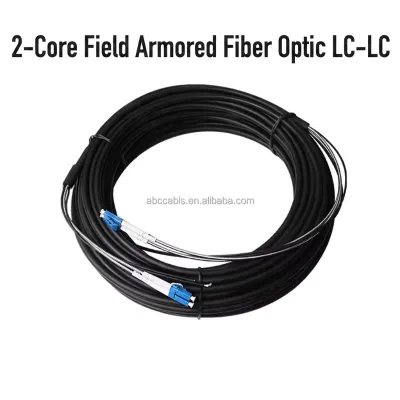
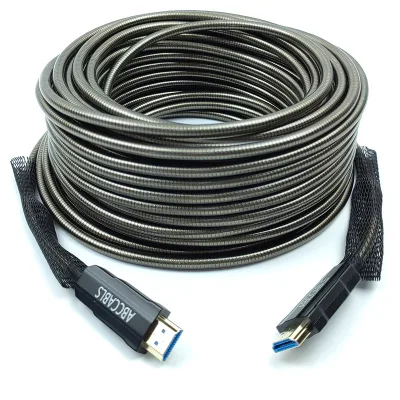
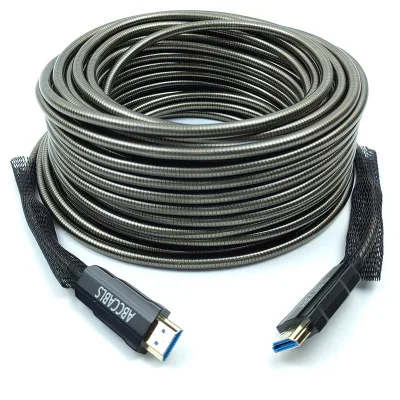
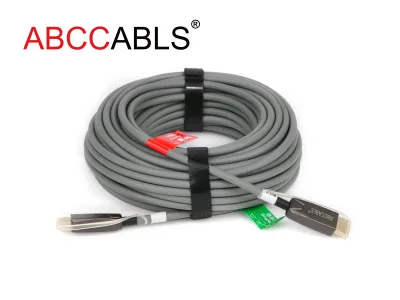
$46.5529 - $114.8309
MOQ: 1 Minimum

Shenzhen Jingwei Technology Co., Ltd.
- Verified by BV
- Trading Company
- China Guangdong
- Lead time15 days
- Avg. response≤ 6h
Main productsRF Power Amplifier, Rfpa, Drone Jammer, Jammer, Power Amplifier, Jammer Module, Power Amplifier Module, Module, Amplifier
Main marketsDomestic
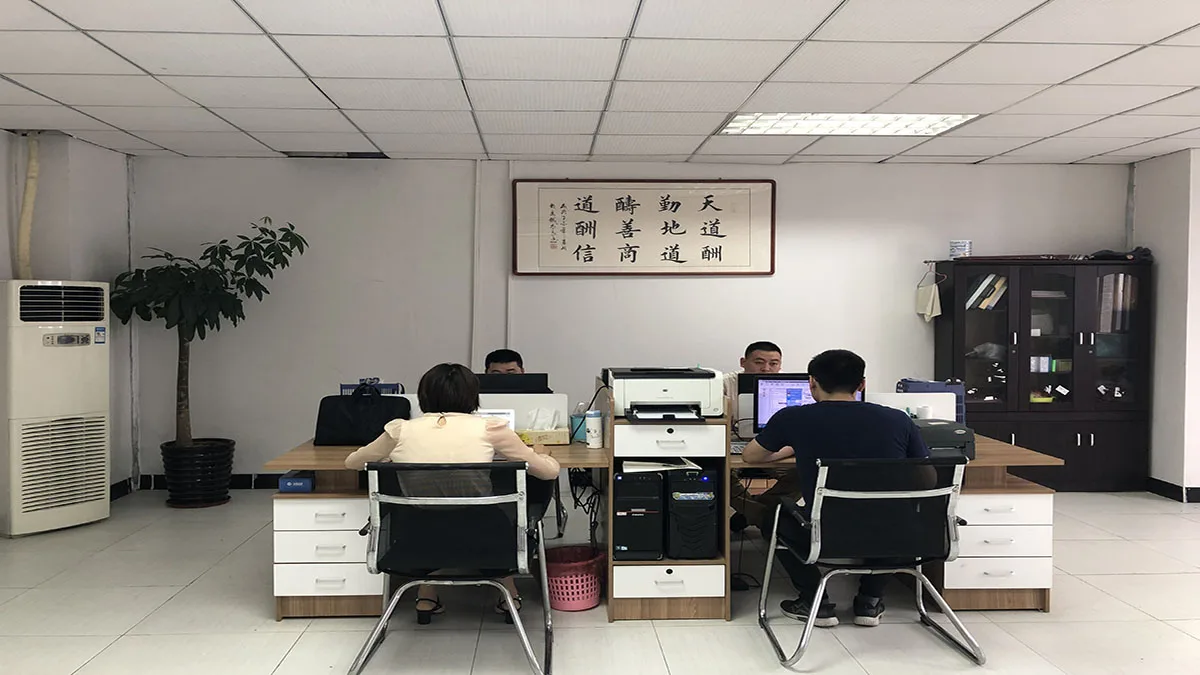
Dongguan Haokai Optoelectronic Technology Co., Ltd.
- Manufacturer
- Guangdong, China
- Lead time7 days
- Avg. response≤ 8h
Main productsFiber Optical Cable
Main marketsEastern Europe(40.00%), North America(30.00%), Oceania(10.00%), South America(5.00%), Western Europe(5.00%), Southern Europe(5.00%), Northern Europe(5.00%)

Sichuan Lefei Optoelectronics Technology Co., Ltd.
- Verified by SGS
- Combined
- China Sichuan
- Lead time23 days
- Avg. response≤ 5h
Main productsOptical Fiber Cable, Outdoor Optical Cable, Indoor Optical Cable, FTTH Optic Cable, ADSS Optical Cable, Epfu Cable, Fiber Drop Cable, Fiber Cable, Anti-Rodent Optical Cable, Armoured Fiber Optical Cable
Main marketsDomestic

Anhui Changrong Optical Fiber & Cable Technology Co., Ltd.
- Verified by CTI
- Combined
- China Anhui
- Lead time15 days
- Avg. response≤ 2h
Main productsFiber Optic Cable, Optic Fiber, Fiber Cable, Optical Fiber Cable
Main marketsSouth America,Southeast Asia/ Mideast,Domestic
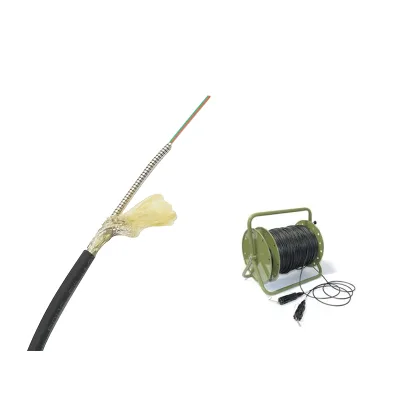


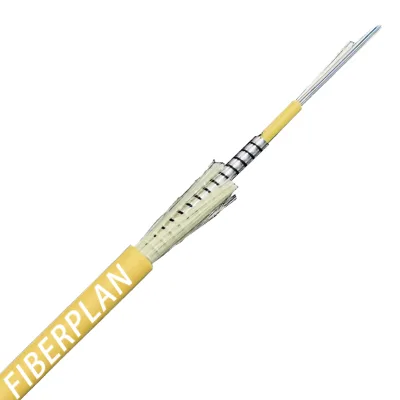
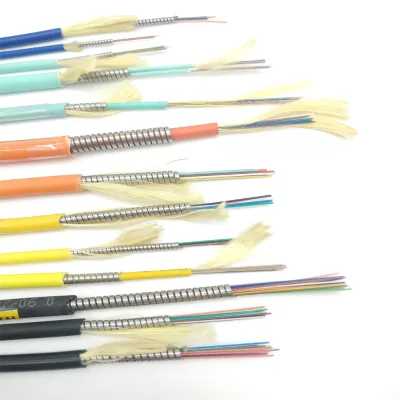
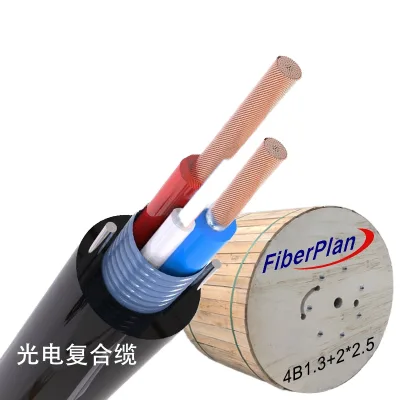




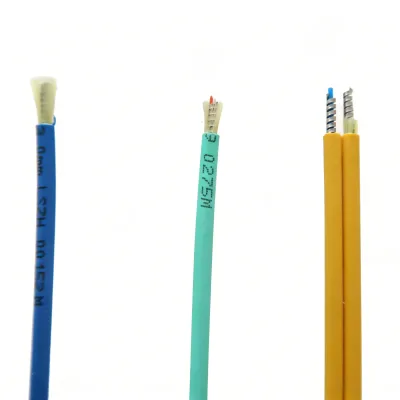
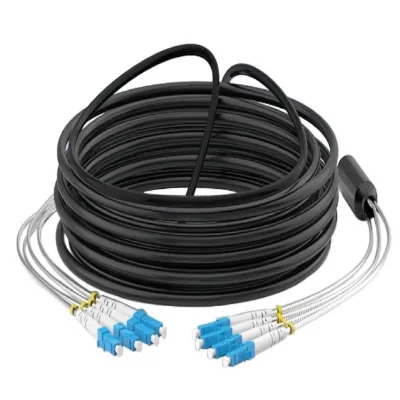


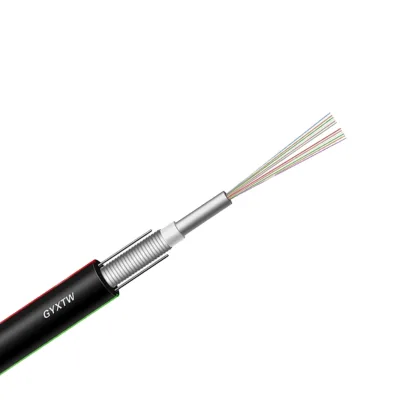
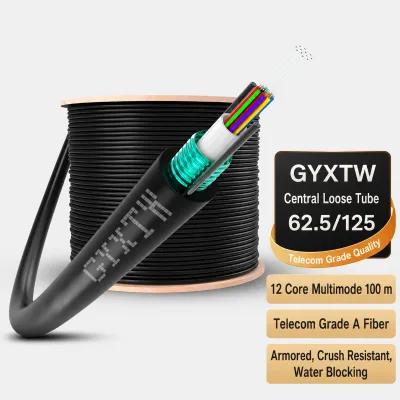


Comprehensive Sourcing Guide
Armoured Tactical Fiber Camera Cable Supplier Concentration and Factory Types
The current supplier landscape for Armoured Tactical Fiber Camera Cable reveals a diverse mix of manufacturing capabilities and business models. Data indicates that the available suppliers operate primarily as manufacturers, trading companies, or factory entities. This structural diversity is critical for buyers to understand, as it directly influences pricing structures, quality control processes, and communication efficiency. Manufacturers and factories typically offer greater control over production specifications and raw material sourcing, which is essential for specialized products like tactical fiber optics. Trading companies, on the other hand, may provide broader product ranges and logistical support but might introduce additional layers in the supply chain. The presence of both types suggests that buyers have options depending on whether they prioritize direct factory engagement or the convenience of a consolidated supplier interface.
Geographic concentration is another key factor in this sector. Evidence points to suppliers located in regions such as Shanghai and Guangdong in China. These areas are known for their robust electronics and telecommunications infrastructure, which supports the production of complex fiber optic components. When evaluating suppliers, buyers should consider the implications of these locations on logistics and lead times. Suppliers in these hubs often benefit from established supply chains for materials like steel armor, LSZH outer sheaths, and aramid yarn strength members. However, buyers must verify the specific operational details of each supplier, as location alone does not guarantee capability. The concentration of manufacturers in these regions suggests a competitive market where differentiation is achieved through product specifications, such as cable diameter, fiber type, and armor construction, rather than just geographic advantage.
How to Verify Armoured Tactical Fiber Camera Cable Suppliers
Verification of suppliers requires a rigorous approach to ensure that claims about capabilities and certifications are accurate. Buyers should start by examining the company type listed for each supplier, distinguishing between manufacturers, trading companies, and factories. This distinction helps in assessing who is responsible for the actual production and quality assurance. For instance, some suppliers may list themselves as manufacturers but operate primarily as trading entities. It is crucial to request evidence of factory audits or production facility tours to confirm manufacturing capabilities. Additionally, buyers should verify certifications such as ISO 9001, CE, and RoHS, which are commonly cited in product listings. These certifications indicate adherence to international quality and environmental standards, which are vital for tactical applications where reliability is paramount.
Response time and communication efficiency are also key indicators of supplier reliability. Data shows varying response times among suppliers, ranging from very quick responses to slower intervals. A supplier’s ability to respond promptly to inquiries can reflect their operational efficiency and customer service commitment. Buyers should test this by sending detailed technical questions about cable specifications, such as the difference between G657A2 and G652D fiber types, or the specifics of steel spiral armor construction. Furthermore, buyers should verify the supply ability claims, such as the stated capacity of 100 kilometers per week for certain products. This information helps in assessing whether the supplier can meet large-scale order requirements without compromising quality or delivery schedules. Cross-referencing these claims with independent sources or requesting references from previous clients can provide additional confidence in the supplier’s legitimacy.
What to Compare Across Armoured Tactical Fiber Camera Cable Suppliers
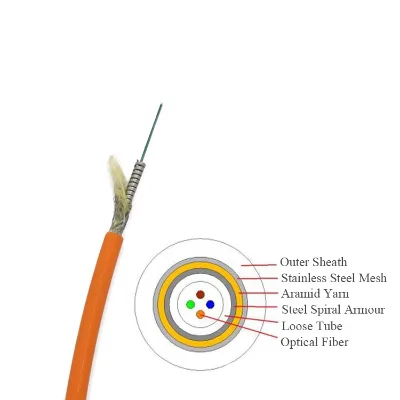
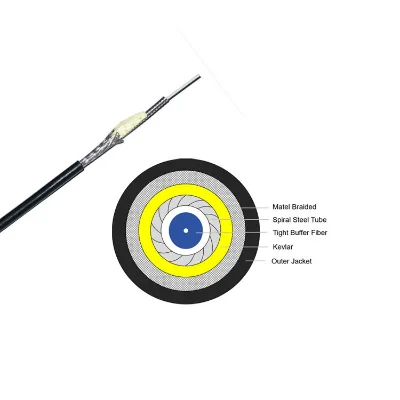
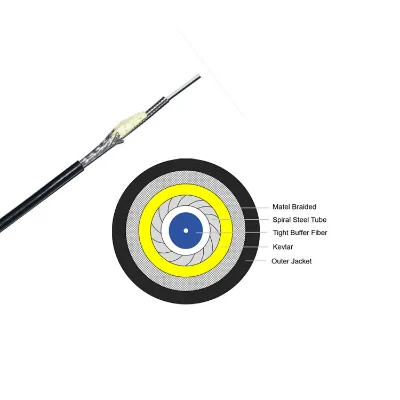
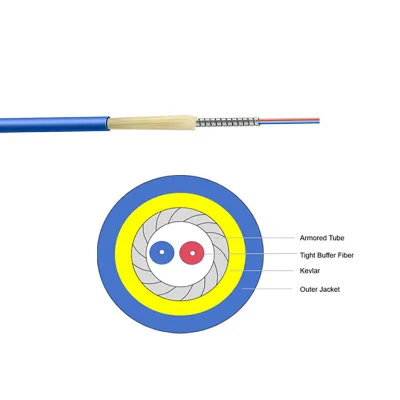
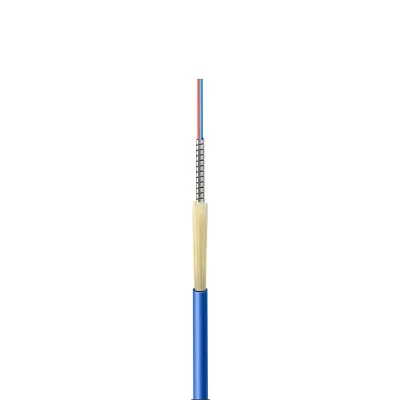
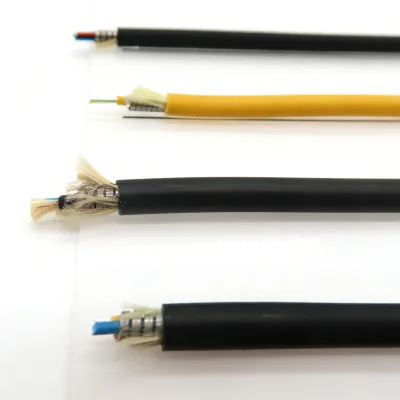
When comparing suppliers, buyers must evaluate a range of technical and commercial attributes to find the best fit for their needs. Product specifications are a primary differentiator. Listings show variations in cable types, including armored 4-core tactical cables and multi-mode fiber options. Buyers should compare details such as cable diameter, which can be as small as 3.0mm for some tactical cables, and the type of armor used, such as spiral steel tube or stainless steel metal tubes. The outer sheath material, often LSZH for low smoke zero halogen properties, is another critical factor for safety in confined spaces. Additionally, the fiber count and type, ranging from 2-core to 12-core options, must align with the specific requirements of the camera system. Comparing these technical details ensures that the selected cable meets the performance and durability standards required for tactical deployments.
Commercial terms and logistical capabilities are equally important in the comparison process. Lead times vary, with some suppliers offering a standard 15-day lead time, while others may have seasonal variations or longer periods for larger orders. Minimum Order Quantities (MOQ) also differ significantly, with some suppliers requiring as few as 2 units, while others may demand 100 or 1000 units. This flexibility is crucial for buyers with varying order sizes. Price ranges are another key comparison point, with costs varying based on fiber count, armor type, and customization options. Buyers should also consider the supplier’s ability to provide OEM services, as indicated by some listings. This capability allows for branding and specific design modifications, which can be important for maintaining brand consistency in tactical equipment. Comparing these factors holistically helps in selecting a supplier that offers the best balance of cost, quality, and service.
Common Armoured Tactical Fiber Camera Cable Sourcing Risks
Sourcing armoured tactical fiber camera cables involves several risks that buyers must proactively manage. One significant risk is the discrepancy between claimed specifications and actual product quality. Listings may advertise high-performance features, such as steel spiral armor or specific fiber types like G657A2, but without proper verification, buyers may receive substandard products. This risk is heightened when dealing with trading companies that may not have direct control over manufacturing processes. Buyers should mitigate this by requesting detailed technical datasheets and conducting third-party testing of sample orders. Additionally, the risk of supply chain disruptions cannot be ignored. Suppliers may face delays due to raw material shortages or production bottlenecks, especially during peak seasons. Understanding the supplier’s supply chain resilience and having backup options is essential to avoid project delays.
Another common risk is the lack of transparency in commercial terms. While some suppliers provide clear lead times and MOQs, others may have hidden costs or ambiguous terms. For example, lead times may be listed as "to be negotiated" for larger orders, creating uncertainty in project planning. Buyers should insist on fixed lead times and clear penalty clauses for delays in their contracts. Furthermore, the risk of intellectual property infringement exists, particularly when dealing with OEM services. Buyers must ensure that their designs and branding are protected and that the supplier does not share their specifications with competitors. This requires robust legal agreements and careful selection of suppliers with a strong reputation for confidentiality. By identifying and addressing these risks early in the sourcing process, buyers can protect their investments and ensure the successful deployment of their tactical fiber camera systems.
Armoured Tactical Fiber Camera Cable Regional Sourcing and Logistics
Regional sourcing decisions significantly impact the logistics and cost structure of Armoured Tactical Fiber Camera Cable procurement. Suppliers located in China, particularly in hubs like Shanghai and Guangdong, offer advantages in terms of manufacturing scale and supply chain maturity. These regions benefit from proximity to raw material suppliers and established logistics networks, which can reduce lead times and shipping costs. However, buyers must also consider the implications of international shipping, including customs clearance and import duties. The port of dispatch, often Shanghai Port, is a key logistical node that influences transit times to global destinations. Buyers should work with suppliers who have experience in international shipping and can provide accurate documentation to facilitate smooth customs processes. Additionally, the choice of packaging, such as wooden drums for 2-4 km lengths, affects handling and storage requirements at the destination.
Logistics planning must also account for the specific requirements of tactical equipment. Armoured cables are often heavy and require careful handling to prevent damage to the armor or fiber cores. Buyers should ensure that their logistics partners are equipped to handle such specialized cargo. Furthermore, the lead time for production and shipping must be coordinated to meet project deadlines. Suppliers with faster response times and established logistics partnerships can offer more reliable delivery schedules. Buyers should also consider the environmental impact of their sourcing decisions, opting for suppliers who adhere to environmental standards like RoHS. This not only ensures compliance with international regulations but also supports sustainable sourcing practices. By carefully planning regional sourcing and logistics, buyers can optimize their supply chain and reduce the overall cost of ownership for their tactical fiber camera systems.
Armoured Tactical Fiber Camera Cable Commercial Terms and Order Planning
Effective order planning for armoured tactical fiber camera cables requires a clear understanding of commercial terms and supplier capabilities. Buyers should begin by establishing a detailed specification sheet that includes all technical requirements, such as fiber count, armor type, and cable diameter. This sheet should be shared with potential suppliers to obtain accurate quotes and lead times. It is crucial to negotiate fixed prices and lead times in the contract to avoid unexpected costs and delays. For larger orders, buyers should discuss volume discounts and payment terms, such as escrow services, to ensure financial security. Suppliers with established OEM capabilities can offer additional value by providing customized branding and packaging, which can enhance the final product’s marketability.
Order planning must also consider the supplier’s production capacity and inventory management. Suppliers with high supply abilities, such as 100 kilometers per week, are better suited for large-scale projects. Buyers should verify these claims and discuss contingency plans for potential production delays. Additionally, buyers should plan for quality control measures, including pre-shipment inspections and third-party testing. This ensures that the delivered products meet the specified standards and perform reliably in tactical environments. By integrating these commercial and logistical considerations into their order planning process, buyers can minimize risks and ensure a smooth procurement experience. Clear communication with suppliers throughout the order lifecycle is essential to address any issues promptly and maintain a strong business relationship.
FAQs
What is the typical lead time for armored tactical fiber cables?
Manufacturers generally require 31 days for orders between 1 and 10,000 units during both peak and off-peak seasons. For quantities exceeding 10,000 units, the delivery schedule is open to negotiation with the supplier. Some factories offer faster turnaround times of 7 to 15 days for standard configurations, but bulk orders usually follow the longer timeline.
What certifications are available for these tactical fiber optic cables?
Suppliers commonly provide CE, RoHS, and ISO 9001 certifications for their armored tactical fiber cables. These credentials ensure compliance with international safety and quality management standards. Buyers should verify specific documentation directly with the manufacturer, as certification availability may vary depending on the specific product model and the factory's current audit status.
What is the minimum order quantity for armored tactical fiber cables?
Minimum order quantities vary significantly among suppliers, ranging from as low as 2 units to 1,000 units. Some manufacturers accept small trial orders starting at 100 units, while others require larger bulk commitments. Buyers should check the specific MOQ requirements for each product listing to ensure alignment with their procurement volume needs.
Where are these tactical fiber optic cables manufactured?
Most armored tactical fiber cables are manufactured in China, with specific production hubs located in Shanghai and Guangdong provinces. The origin is typically listed as Shanghai, China, or Guangdong, China, on product specifications. Buyers can confirm the exact manufacturing location by reviewing the place of origin details provided in the product attributes.
What is the price range for 4-core armored tactical fiber cables?
Prices for 4-core armored tactical fiber cables typically range from $0.10 to $0.90 per unit, depending on specifications. Some specialized models may cost between $0.20 and $0.41 per unit. Pricing is often customized based on length, fiber type, and order volume, so buyers should request detailed quotes for accurate cost estimation.
What response time can buyers expect from these suppliers?
Supplier response times vary, with some manufacturers responding within 2 hours and others taking up to 10.75 hours. Faster response rates are often associated with dedicated trading companies or factories with high inquiry volumes. Buyers should expect prompt communication, but response speed may depend on the specific supplier's current workload and operational hours.